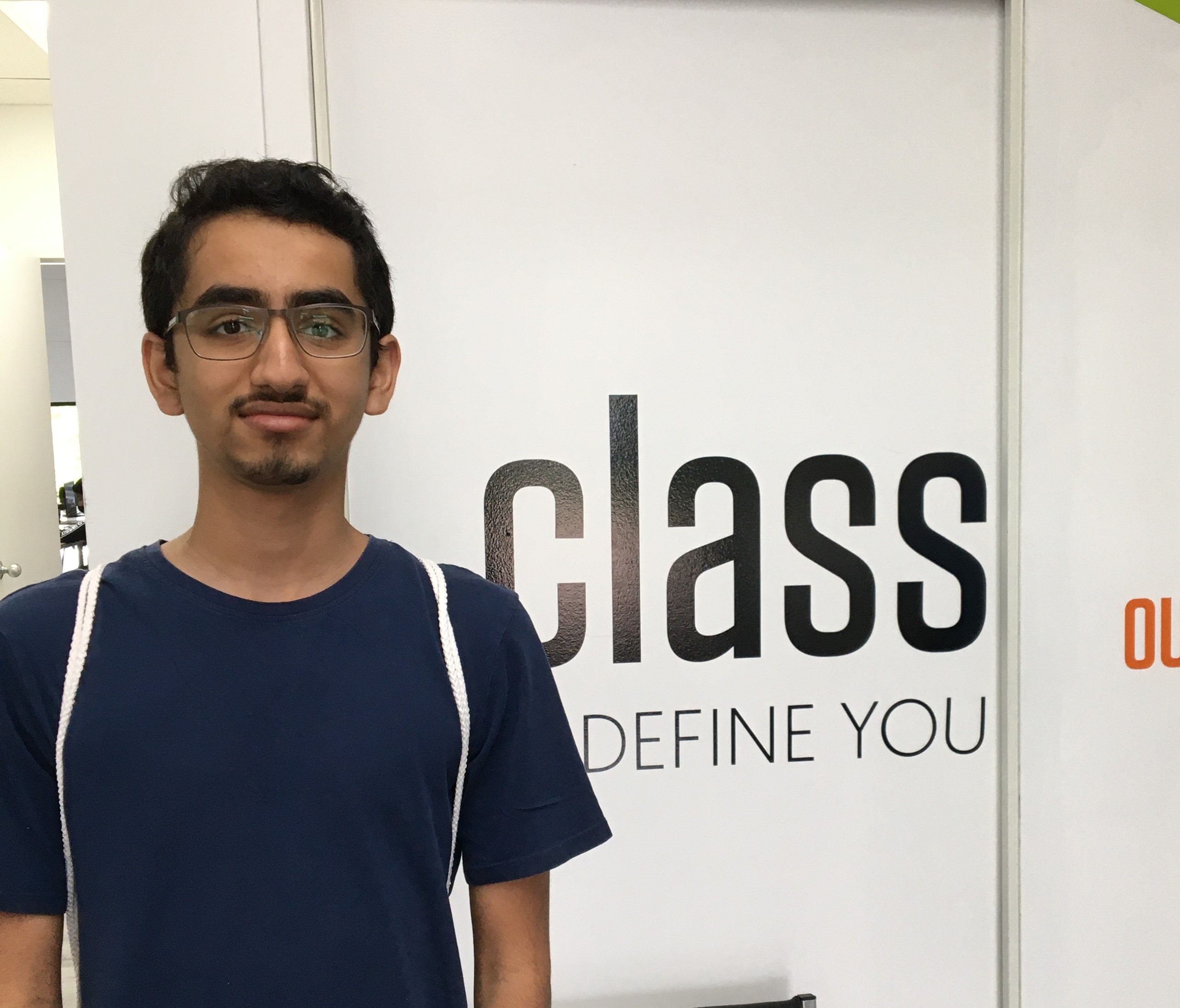
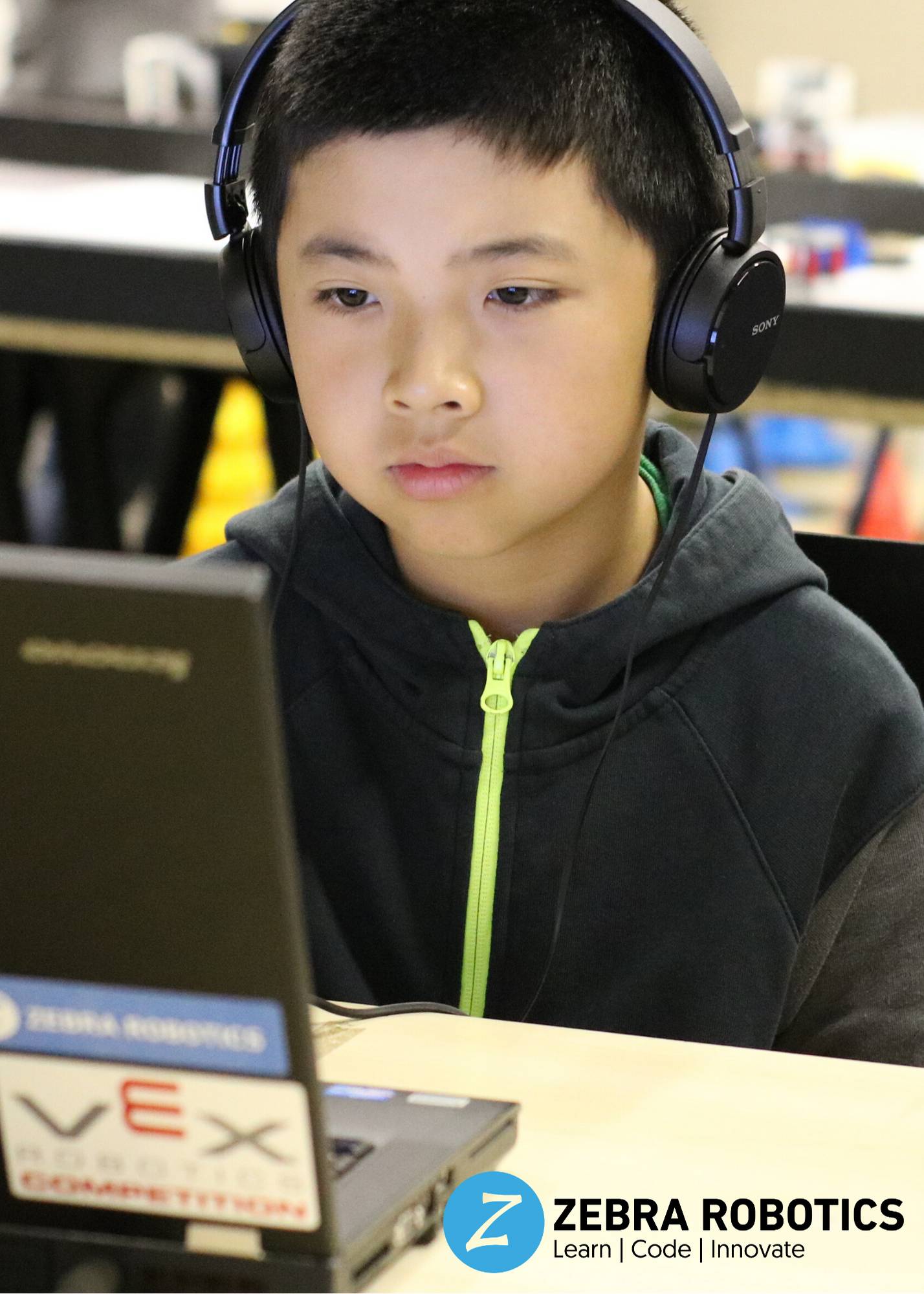
Congrats Srijay on choosing Mechatronics at the University of Waterloo. Srijay has been part of many robotics teams with Zebra Robotics. In this write-up, we asked Srijay questions about his interest and his passion for robotics. His time management skill could come in handy for many aspiring university students.
How did you get interested in Robotics? When I was in grade five, I didn’t know much about coding and robotics, but I always thought they were both very interesting. When I joined Zebra Robotics, I discovered that I really enjoy both coding and robotics and I decided to continue learning. From this point on robotics became a passion of mine and I always strived to learn more about it.
Tell us a bit about yourself, your hobby and what you’d like to do when you are not working on your school or university work. My name is Srijay Mundlur I’m 17 and I am going into my first year of university this fall. Some of my hobbies include sports, video games, and robotics. When I’m not doing school-related work I enjoy learning about the new technologies of the world and playing different games with friends.
How long were you a student at Zebra Robotics? What did you like most at Zebra during that time? I was a student at Zebra Robotics for about 6 years and I enjoyed doing many different things there. My favourite part about my time at Zebra Robotics was all the different competitions I got to participate in. I participated in both WRO and FLL and I always enjoyed how each year’s challenge made you learn different things about your robot and team. The challenges pushed us to learn new things every year and I always enjoyed competing against other teams.
How did you manage your time between the school work and other activities, including robotics or coding sessions at Zebra Robotics? One of the most important things I learnt while time managing both robotics and schoolwork is to get your work early. Procrastination can lead to both of your robotics and schoolwork piling up, so it was very important for me to finish all of my schoolwork as soon as I got it. This is even more important when preparing for robotics competitions because you could be called to work anytime.
What would you say if you were to suggest a few things to aspiring Engineering or Computer Science university students? I would tell them to get involved in as many engineering and computer science clubs and opportunities as they can. Getting hands-on experience is very helpful in these fields and it can help you decide which aspects you wish to specialize in the future. I would also suggest trying to talk to older students and adults working in the fields you are interested in to get advice on what field you should try to pursue a career in.
Team 16539 OutsiderZ, and Team 4047, Fitnovators, FLL (First Lego League) teams from Mississauga, Ontario, participated in Western University and Waterloo qualifying tournaments respectively, won Core Value, robot design awards and are advancing to Ontario Provincials to be held the week of May 3rd virtually.
They were excited to form a team and start preparing for “2020 First Lego League” season. Due to COVID lockdown and restrictions to meeting in person, they delayed their kick-off meeting till mid-September 2020. They met 7 times in total between then and getting into another lockdown in November. During this time, they built a robot, strategized designed, and built extra attachments.
Team 4047: Fitnovators
They did not have time to program the robot before they went into virtual-only mode. They used that time to prepare for other aspects of FLL such as Innovation Research while waiting to hear back about lockdown relaxation rules. But unfortunately, they couldn’t meet in person. By January, they decided to practice for robot games virtually, by writing programs remotely and collaborating virtually. By mid-February 2021, with lockdown rules restricting them from practicing in person, they continued preparing for the Qualifying event virtually. Two team members decided to practice the entire team’s robot-run, a week before competition day.
They practiced for about 6 hours, in total, spread over three days, and were able to showcase a decent robot game score in 300s for the event. We need to look at this in contrast with a regular normal season, where the teams would have practiced for about 100+ hours before they go for the competition.
Kids were excited to see they were able to make progress in such a short time with their robot game and gave their 100%, preparing for their judging session. They did an awesome job, explaining all they have learnt during this FLL season, and how their team activities helped them overcome COVID fatigue. They learnt their advancement to provincials on a Saturday in late Feb/early March 2021, during the live broadcast of the tournament on twitch.tv. They are super excited. They are taking a week’s break and will start regrouping for provincials.
At Zebra Robotics, all the coaches are so proud of these kids, who stepped up to face the challenge given the constraints. Participating and learning are important for us, winning awards is icing on the cake. We look forward to working together in the coming weeks.
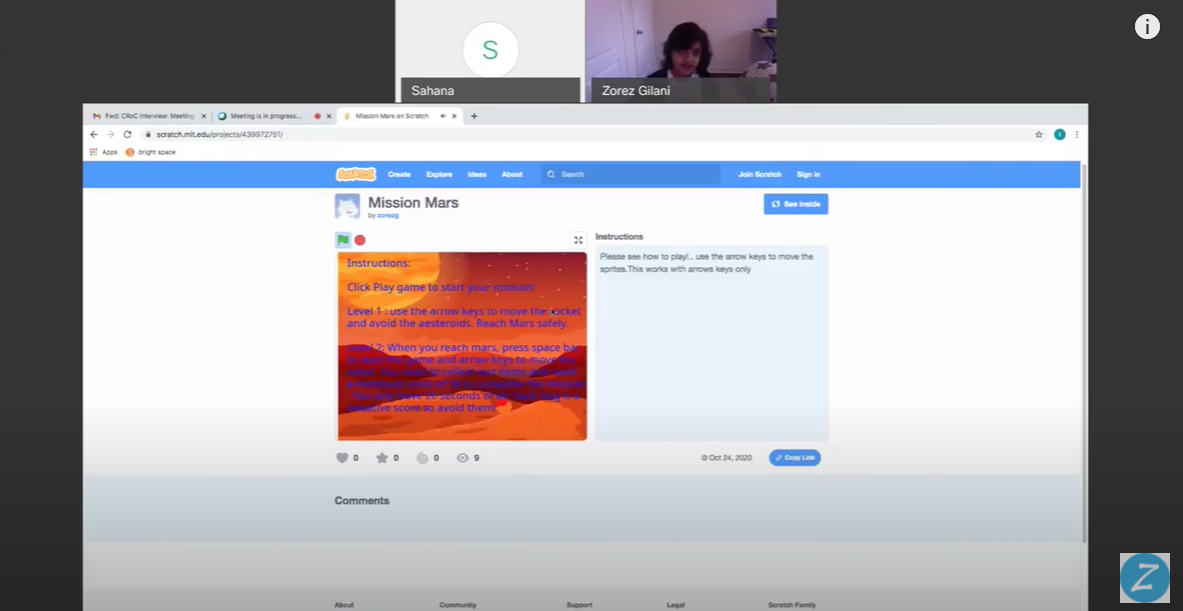
Zorez has been with Zebra for little more than a year, and he is very passionate about Coding. He has a developing interest in Robotics and is keen to learn to build. Here, in this video he presents about his project for CRoC 2020. He particpated in Junior category and won a Zebra Stripe.
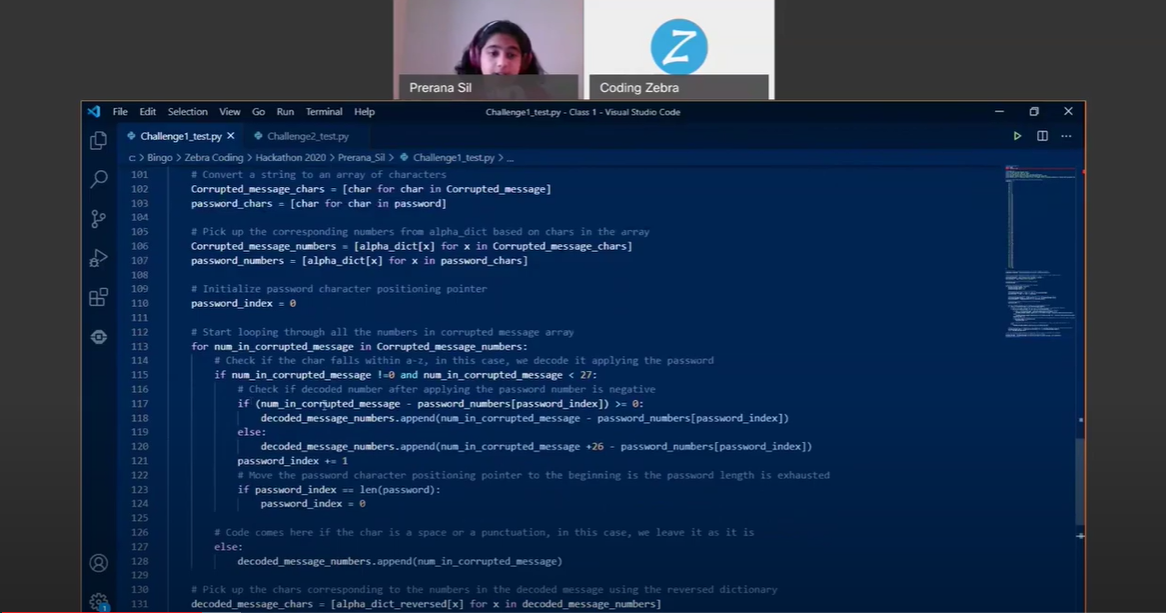
Meet Prerana, one of the Zebra Stripe winner in Python CRoC 2020. Zebra’s Virtual Coding Hackathon. You can watch her present her project, and her passion for Coding here.
Many of the high school students have been participating in Robotics and Coding competitions over the last several years while at Zebra Robotics. With Covid, and lockdown in Mississauga, Canada location, they decided to team up for something different.
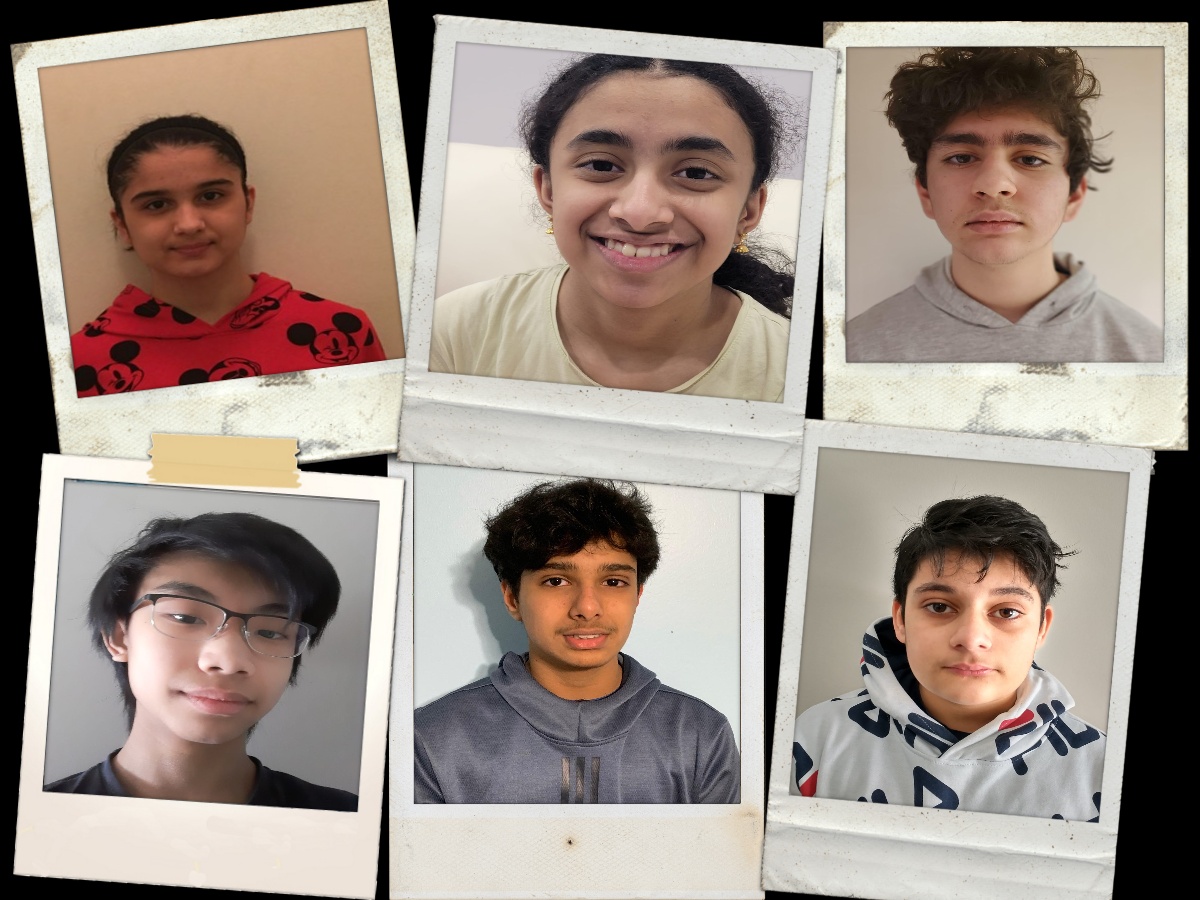
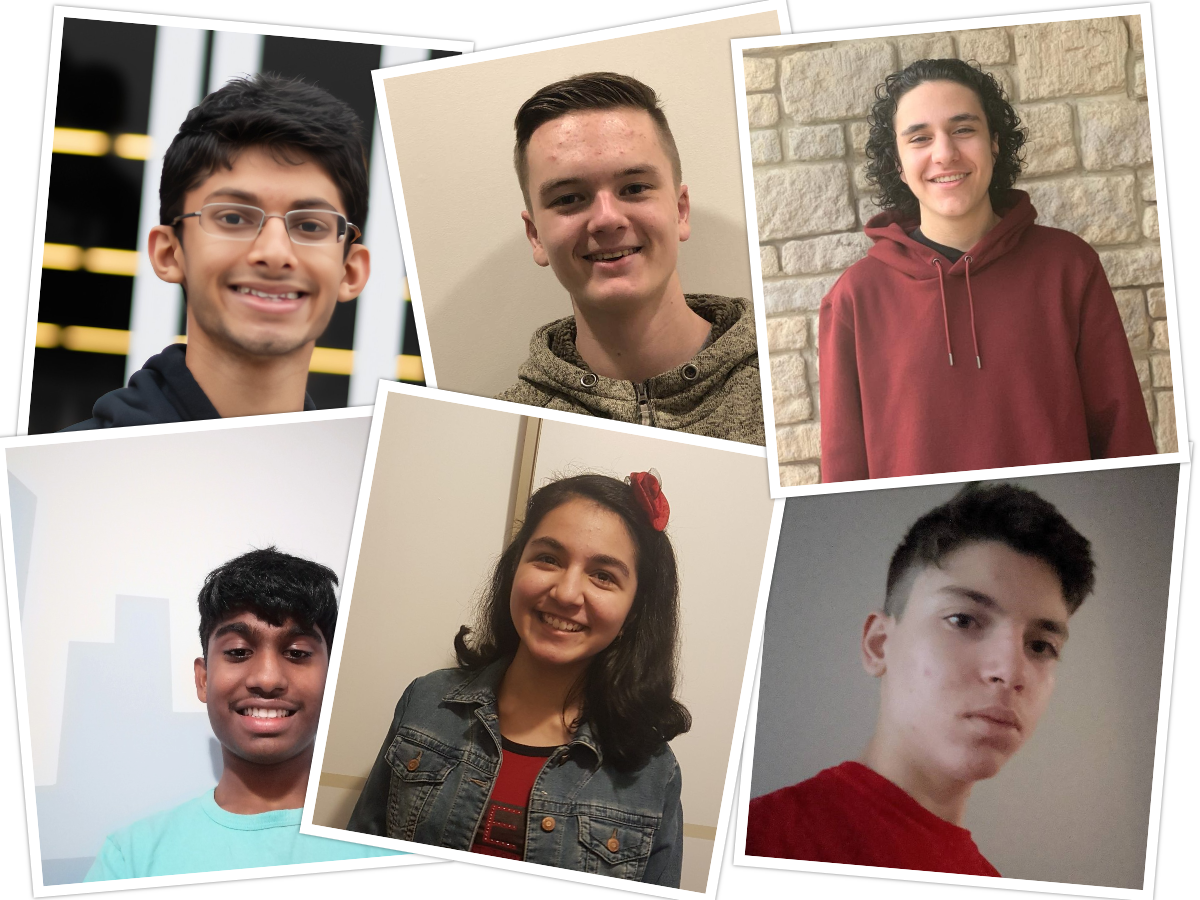
Group of six high school students, Nikhil, Daxsin, Adam, Vishal,Armina, and Josh came together and organized a Coding hackathon during the week of Hour-of-code. As the participant’s age group varied from Grade 2 to 12, they had to come up with several categories, that challenged participants appropriately, while givng them flexibility to choose challenges higher than their grade level, if they choose to.
Zebra Hackathon 2020 – Organizing committee
They worked over a three week period deciding on how the event will be conducted remotely, while the Zebra marketing and operations team, assisted them in getting the word out, and facilitating signups.
By the week of Zebra Hackathon 2020, they had received over 100 signps, from Canada, US , India and Srilanka. (they didn’t know how the word got out beyond Zebra locations in US and Canada, but hey, more the merrier was the attitude!).
The event lasted for about 3 hours, with results published within that time frame and winners, Zebra Bronze, Silver, Gold Stripe winners.
Overall the experience was very valuable, and participants had fun meeting like minded people across the countries during a tough lockdown we all were experiencing. After toiling for weeks preparing for the event and running it successfully, we asked the organizing team if they want to do it again, there answer was ” can we do this multiple times a year?”
note: to read about organizing committee member’s passion, and Stripe winners take on Hackathon and Coding in general, watch,search this blog.
In this article, as part of highlighting our student achievers, we asked our student Archish to submit a write up on some of the commonly asked questions. Here are his comments.
How did you develop interest in Coding? Ever since I was young, I have always been fascinated by computers. To this day it mystifies me that a simple line of 8 transistors can give us so much control and visualization over information, entertainment and so much more. With this in mind, I first started learning JavaScript in elementary school using online tutorials. Around middle school, I had started getting into creating small games using JS and Unity. It was in grade 8 however that my biggest breakthrough in coding happened, I discovered Python. Python led me into understanding algorithms, working with data, interacting with API’s and so much more. This would never have happened without Zebra Robotics and I am so glad I have their continued support to keep learning and growing.
What is your favorite programming language and why? Python has to be my favourite program language. Besides it being the language that has gotten me the most into programming and what I have spent the most time working with, it amazes me how many applications it has. From being able to run servers with terabytes and petabytes of data, running algorithms capable of computing and predicting important events and being able to run AI algorithms that can make scarily accurate predictions of our future, there is almost nothing Python cannot do. It can easily be learnt to a basic level by anyone and it also has an incredible amount of potential, and this versatility is what makes it my favourite programming language.
How did Zebra Robotics help you with learning to code? Zebra Robotics has helped me so much in my programming journey. Coding can definitely be a complicated thing to get into, and especially without the proper guidance, it can become really overwhelming. I can’t even get started on how many times I had tried learning how to code in Python and Java before I started classes at Zebra and quit due to the difficulty of the subjects taught. The coaches at Zebra Robotics are so great at explaining concepts to kids of all ages, and make coding fun and engaging for us all. They are able to connect with the students’ interests and make the classes a fun open discussion session, which provides the perfect environment to learn and grow.
What specialization are you interested in pursuing in University? I plan on going into computer science as my undergraduate degree, and pursuing data science for my masters. Alternatively, I would like to do something in food science, and incorporate data science and programming in research after post secondary.
What do you do for fun?
I play guitar, keyboard and am learning Carnatic music. You can watch my creations on my Youtube channel below.
What Coding languages did you have to use in high-school. In high school, we are exposed to the fundamental principles of coding through scratch in grade 10, then Python and Java in grades 11 and 12. We are also taught how to use the Arduino language in computer engineering classes. All of these languages are taught at Zebra Robotics and I am so glad that I have an advantage in these classes by going to Zebra Robotics.
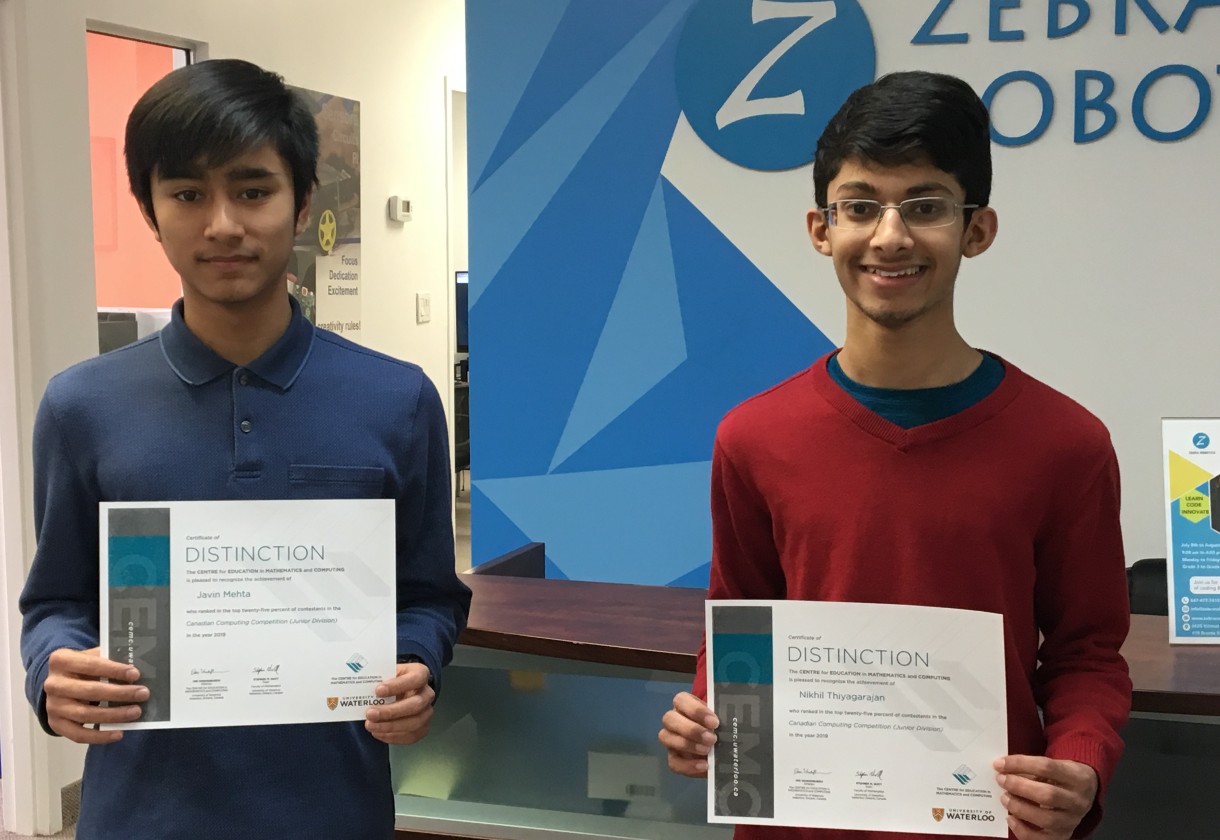
Nikhil and Javin have attempted University of Waterloo’s Canada Computing Challenge (CCC) a year earlier. They both scored in top 70 out of 3700+ students who attempted the challenge world-wide.
Considered one of the difficult computing challenges, University of Waterloo has been conducting these competitions annually. The time allotted for the challenge is three hours and students can attempt as many as five challenges in that period. Students can choose to program in languages such as C,C++, Python, Java among others.
Javin and Nikhil chose different programming languages to solve the challenges. While Javin went with Java as his choice to solve the challenges, Nikhil used Python. We are happy to celebrate our student’s achievements. Our coaches share their warm greetings, and it is always gratifying to see our students succeed. Good to see them persist and thrive.
ps: Picture was taken pre-covid. Mask is mandatory for students attending our classes, and so is adhearance to provincial public health guidelines.
This blog was written by FLAME-X team member Vishal Prakash, who has participated in two FLL seasons, for team Astroneers and FLAME-X. His team won awards at regionals and advanced to provincials.
The 2019-20 FLL season proved to be a very eventful and fun experience for my team and I. FLL is a competition that utilizes Lego Ev3 robotics to advocate for problems in the world. This year’s topic was called City Shaper and it centers around all the problems in the world relating to construction. There are 3 components to FLL: Robotics, Project, and Core Values.
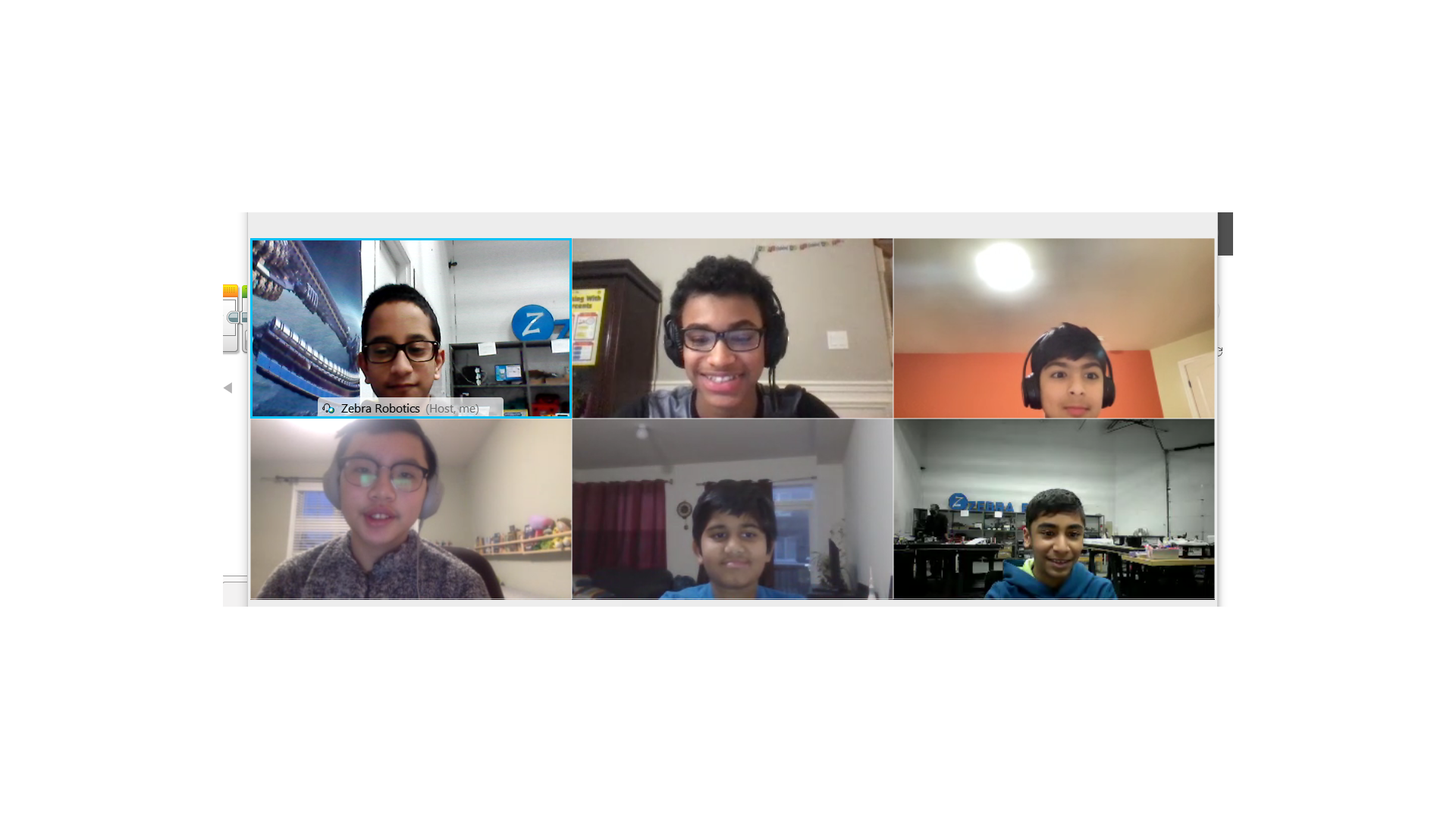
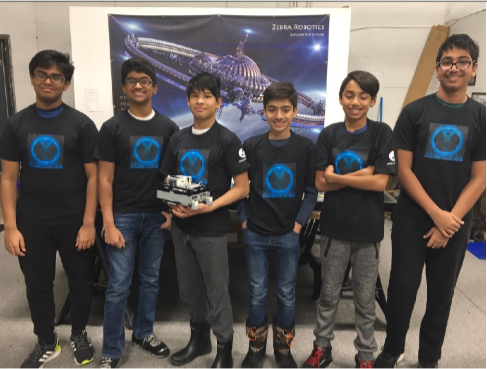
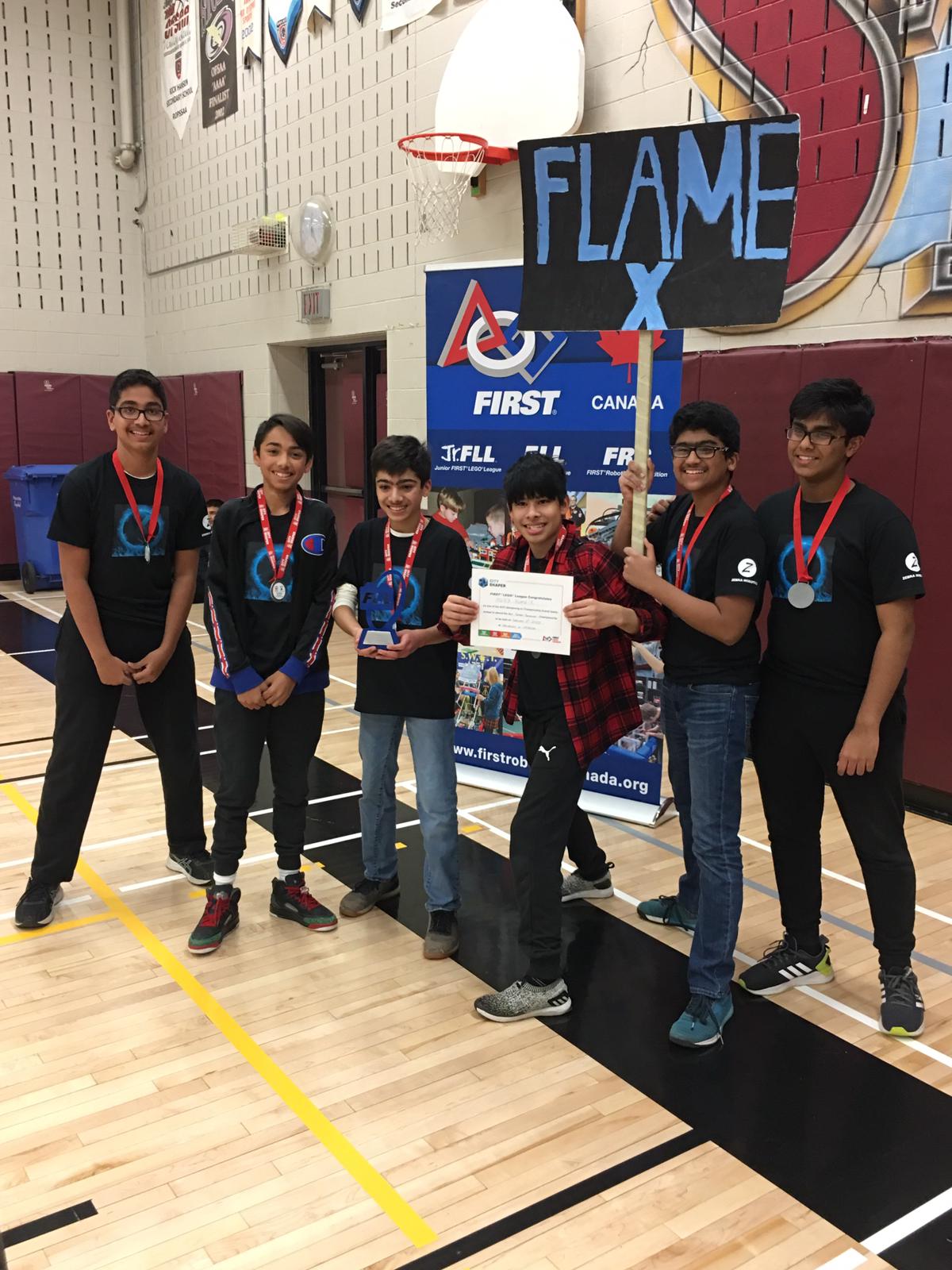
Flame-X members – L to R – Vishal, Samir, Ethan, Haris, Ishaan, and Praneeth
FLAME-X
ROBOTICS
In the Robotics component, the FLL team is supposed to build an Ev3 robot that has to complete a set of given challenges that are construction themed. Once each challenge is completed, a certain amount of points will be given to the team depending on the challenge. The building and programming can be done before-hand, and the robot only has to complete the challenges correctly on the day of the competition. Teams are also required to go in front of judges and present their robot, their game strategy, and how they built the attachments and programmed the robot. The judges evaluate the teams on how efficiently they built and coded the robot and also how they complete their challenges.
PROJECT
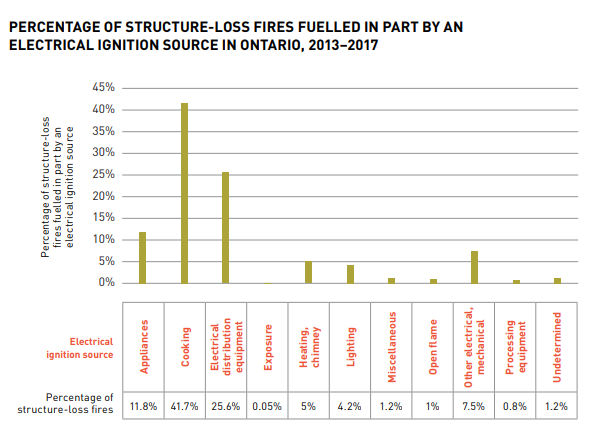
The Project component of FLL required much more time and work as well as a lot of perseverance and teamwork. The FLL team is supposed to research a problem related to the given topic, find a feasible solution for it, and then present it to the judges on the day of the competition. After looking at a lot of imminent problems relating to the theme, our team chose to research fires due to household appliances, especially stoves. We chose this problem because we found that there was not a good solution and that this problem was actually pretty big, especially in the older houses. After doing research on the problem, we came up with a solution. We called our solution Project F.L.A.M.E (Fire is Lame And Must be Extinguished). It will be attached over the stove and it utilizes thermal imaging, motion sensors, a smart plug, and also an IoT (Internet of Things) system. This system will monitor the motion in the house near the stove using the motion sensor. The thermal imaging will constantly be monitoring the temperature of the stove and if it exceeds a certain amount, the motion sensor will check to see if there is any motion nearby. If there is, the IoT will send a notification to the owner’s phone telling them to immediately turn off the phone. If there was not any motion, the IoT will make the smart plug cut the power to the stove and send a notification to the owner’s phone. After we found a good solution, we decided to build a prototype.
To present our project, we decided to do a skit where a father and son come back to see their house burned down as they had left their stove on. A firefighter recommends them to a group of scientists that are building the F.L.A.M.E. Then everyone goes back in time to see what would have happened if the F.L.A.M.E was monitoring the stove and it overheated. The F.L.A.M.E would have sent a notification to the dad’s phone and the skit ends. A team only has 5 minutes to present their project, so we had to adjust our skit while also making sure we managed to say everything we wanted to say.
CORE VALUES
The Core Values component of FLL represents the teamwork and sportsmanship shown by teams. Judges will constantly be walking around, monitoring us and checking how we act outside of the judging sessions and robot runs. In addition to that, we have to go in front of judges and do an activity that they give us. They check to see how we communicate with each other and how we make decisions as a team.
THE REGIONALS
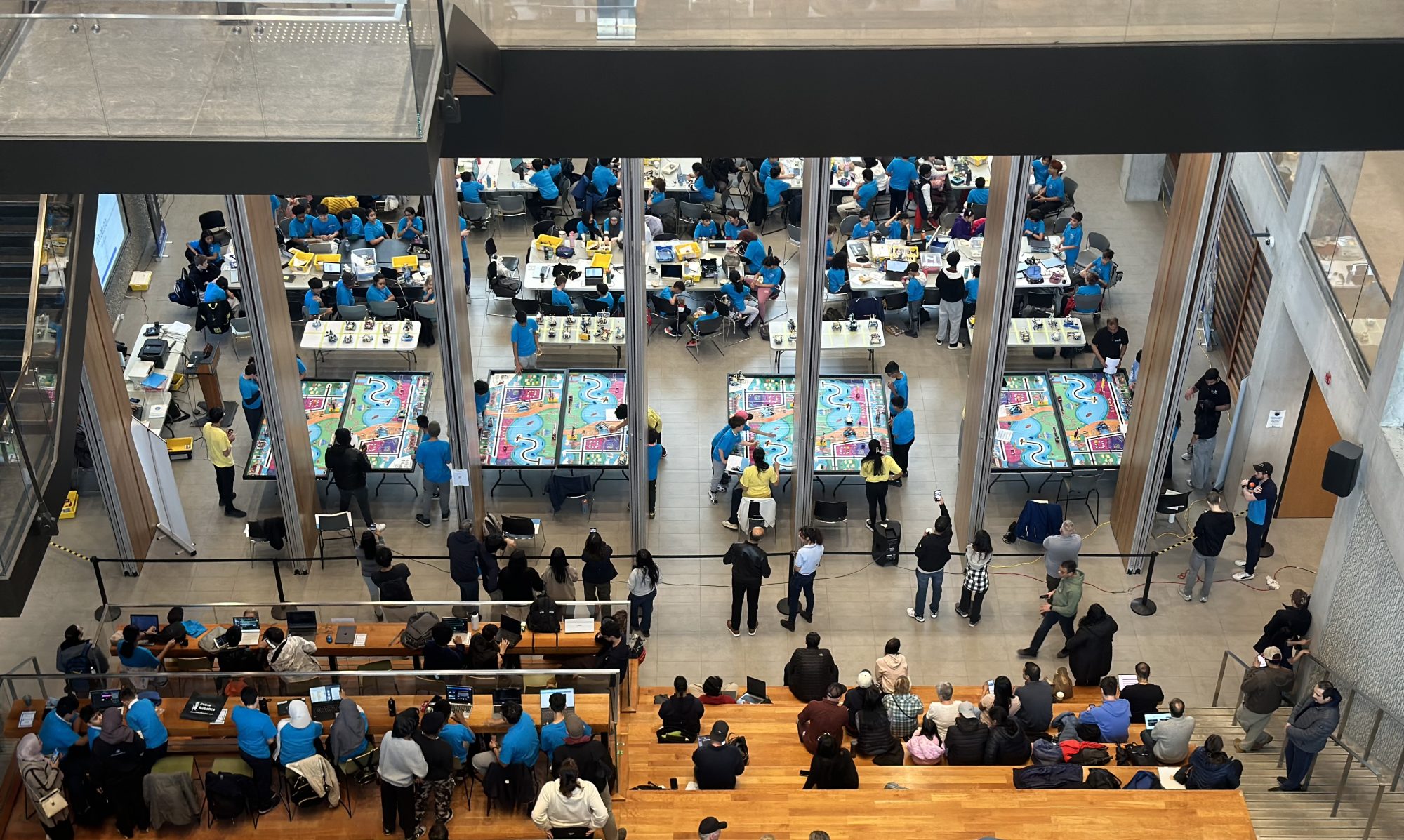
The regional competition for the Peel Region happened at Rick Hansen Secondary School. This is the first level of competition before provincials and nationals. It started early in the day at 7:30 am and ended around 6:00 – 6:30 pm. Once our team got in a set up or table, or pit, with all our things, we went to the opening ceremony that introduced the judges and executives. After this, we had to go to our first judging session, which was Project.
PROJECT JUDGINGSESSION
We went into the judging room, introduced ourselves and began our skit. Overall our skit went very smoothly and we said everything we wanted to say. We then presented our prototype and showed how it worked and began to answer their questions. We answered the questions clearly as the judges were evaluating us on that as well. In fact, answering the judges’ questions is probably the hardest part of the judging sessions.
ROBOTICS & CORE VALUES JUDGING SESSION
After the Project judging, we went to our Robotics judging session. Here we present our robot, which we had named Sparky, and its components. We also talked about our attachments, how they worked, and our code. Similar to the Project session, we answered the judges’ questions. Our final judging session was Core Values. In this session, the judges gave us an activity and a time limit to finish it. The activity was to choose a part of a body and describe how the role you play in the team is similar to how the role that the part of the body you chose plays in the body. Then, we answered the judges’ questions.
After our first set of judging sessions, we waited for them to post the call-backs. Call-backs are for teams that did really well in each of their judging sessions, and it provides them an opportunity to present to a new set of judges for further evaluation and consideration for awards. We ended up getting call-backs for all three components and had to present again. After the judging sessions and lunch, the robot runs began. We had had a few practice runs before but these runs were the ones that would count and decided what place we would place among the teams. Each team gets 3 runs and the best score is the one that is considered. Our best run ended up being our second one where we scored 405 points. We were first place for a long time until another team scored 415 points and ended up finishing first place while we finished second.
Championship
After all the runs were done, they started the awards ceremony. Though we finished second in the robot runs, we ended up coming first place overall and won the Champion’s Award. Three teams advanced to the provincials, which was to be held in the University of Waterloo, we were happy to be one of them.
Zebra Robotics is happy to reach a milestone of providing over 1500 hours of complimentary coding classes to students across Canada. Through a series of weekly and daily classes, students were introduced to variety of programming languages such as web design, game development, app development .
In these instructor led virtual classes, students get to try hands on activities on their computer from home. Weekly webinars introduced several technolgy topics to students. Some of these topics tool the students on a journey to learn what is inside a computer and understand how internet works.
“Community outreach has always been part of our growth” says Sharmila Govindarajan, Co-Founder of Zebra Robotics, “we are glad to be able to contribute positively to the society during these challenging times.”
“Providing same high quality program, in virtual class environment has been our focus. Several positive feedback from parents and students is reassuring for us” said Satish Thiyagarajan, Co-Founder of Zebra Robotics.
This news comes in the wake of many recent initiatives and accomplishments of the company, including:
Migrating 20 robotics and coding courses to be offered virtually.
Opening a new location in Cary, NC to cater to the US customers
“Best class ever” said Anokhi, one of the student who attended a Webinar session. ” It is a way to reach the students, and connect with them, given that we are all struck at home”, said Coach Tahmoor Naeem. “I found it hard to adapt to online teaching, as I am used to being in the classroom and teching kids how to build robots. But after couple of classes, we got into a rhythm, students and I learnt how to communcate without talking over each other, how to share screen when someone needs help”
“We are a nimble company with a proven curriculum, passionate and talented coaching staff” says Jayendra Balasubramanian, Co-Founder at Zebra Robotics. “Our team raised to the challenge and migrated all of our courses to be offered virtually in a matter of days in March, without missing a beat, thereby providing an opportunity for students to continue learning virtually”.
“Thanks to the support from the Government, we are able to sustain our operations during these tough times and set the stage for growth when we emerge out of this” says Sharmila Govindarajan.
About Zebra Robotics Inc.: Started 6 years back in Mississauga, Zebra Robotics has grown to operate in 4 locations, serving over 10,000 students, in Canada, US and India. Zebra Robotics students have won 47 awards in 67 competitions at various levels over the years. Knowledgeable instructors and an extensive course offering made in-house by our experienced and passionate staff with a visionary leadership team, sets up apart with a goal to mentor future generation.
4 amazing benefits of learning programming at a young age
There’s no arguing that computer languages are the truly universal language of this age. Numerous projections also suggest that they would be at the forefront of future careers and innovation. If you want to set up your child for a lifetime of opportunities, it is vital to introduce them to coding at an early age. Here are four awesome benefits your child can derive from learning coding at a young age.
Understanding the science behind technology
It’s one thing to know how to use smartphones and digital gadgets. Understanding the science behind them is another thing entirely. Coding exposes children to how smartphones, computers, toys, and other digital devices work, thus giving them the freedom to create their versions.
Learning vital computational skills
Computer literacy is already a must for anyone in this generation. In the coming generations, however, surface literacy will no longer be sufficient. Kids should not only know how to operate a computer but how to use it in developing solutions to complex problems. Learning no better way to develop this ability than through coding.
Facilitating creativity
Children are naturally curious and more inclined to think outside the box. However, the systems that surround most children suppress this flair as they grow up and blend into the environment. Solving problems through coding can help nurture their creativity right from an early age.
Preparing them for boundless opportunities
In the not so distant future, not knowing how to code may be synonymous with not knowing how to read. Reliable projections are already predicting that people with digital skills will dominate every area of the labor market. If you do not want your child to struggle with the works of the future, you should give them a solid foundation in coding from an early age.
If you are ready to take a giant step towards preparing your children for future success, you should consider any of our coding courses at Zebra Robotics. Our courses are aimed at kids from Grade 2 to Grade 12. Learning from fundamental concepts of coding using block-based interface to writing complex applications using Python, Java and other professional languages. The classes are tailored to give them the right foundation in coding, and our trainers have an impressive track record of working with kids and teens. Get in touch with us today, and we’ll be glad to link you up with a workshop or camp near you.