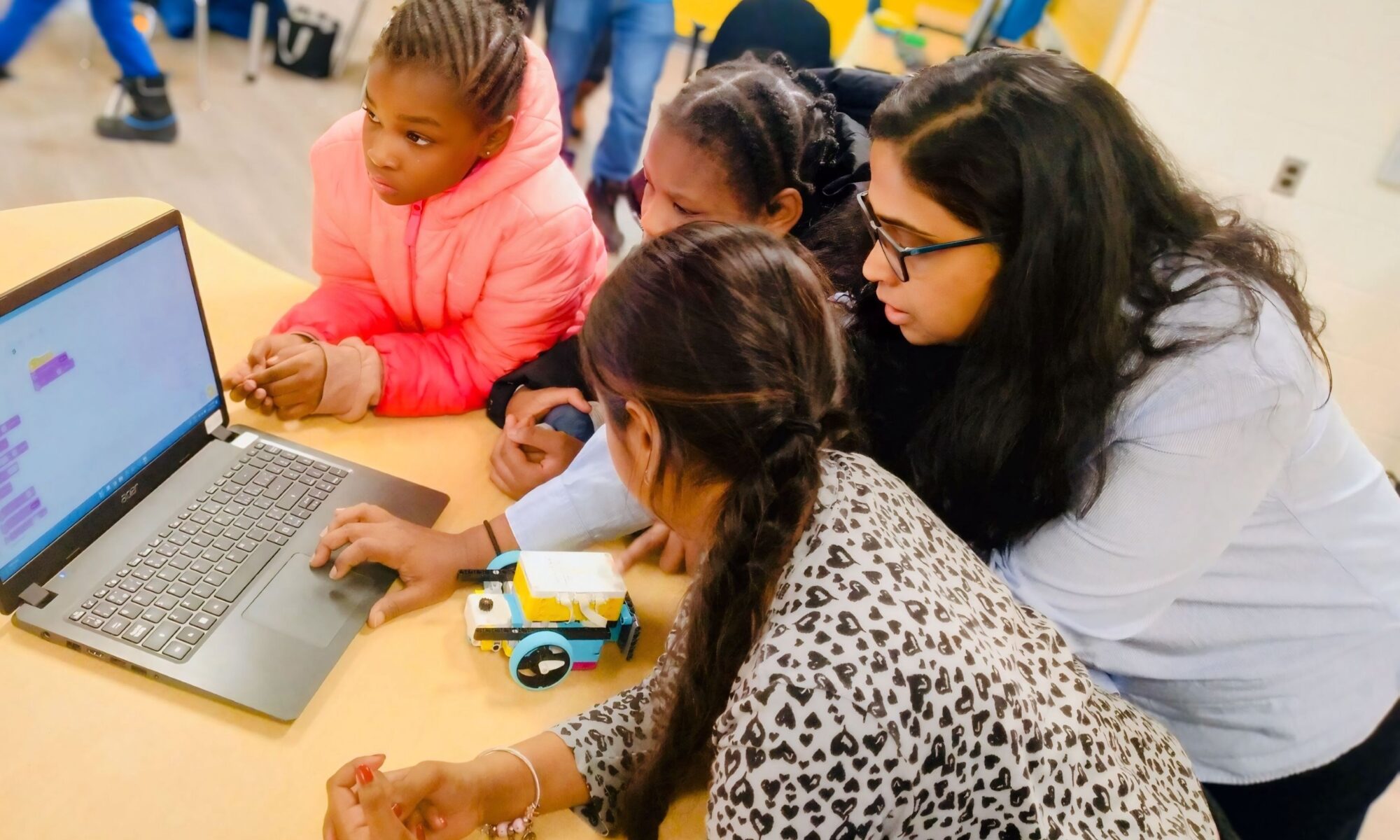
Empowering Girls in STEM: A Franchise Owner’s Journey

Turning Passion into a Purpose-Driven Business

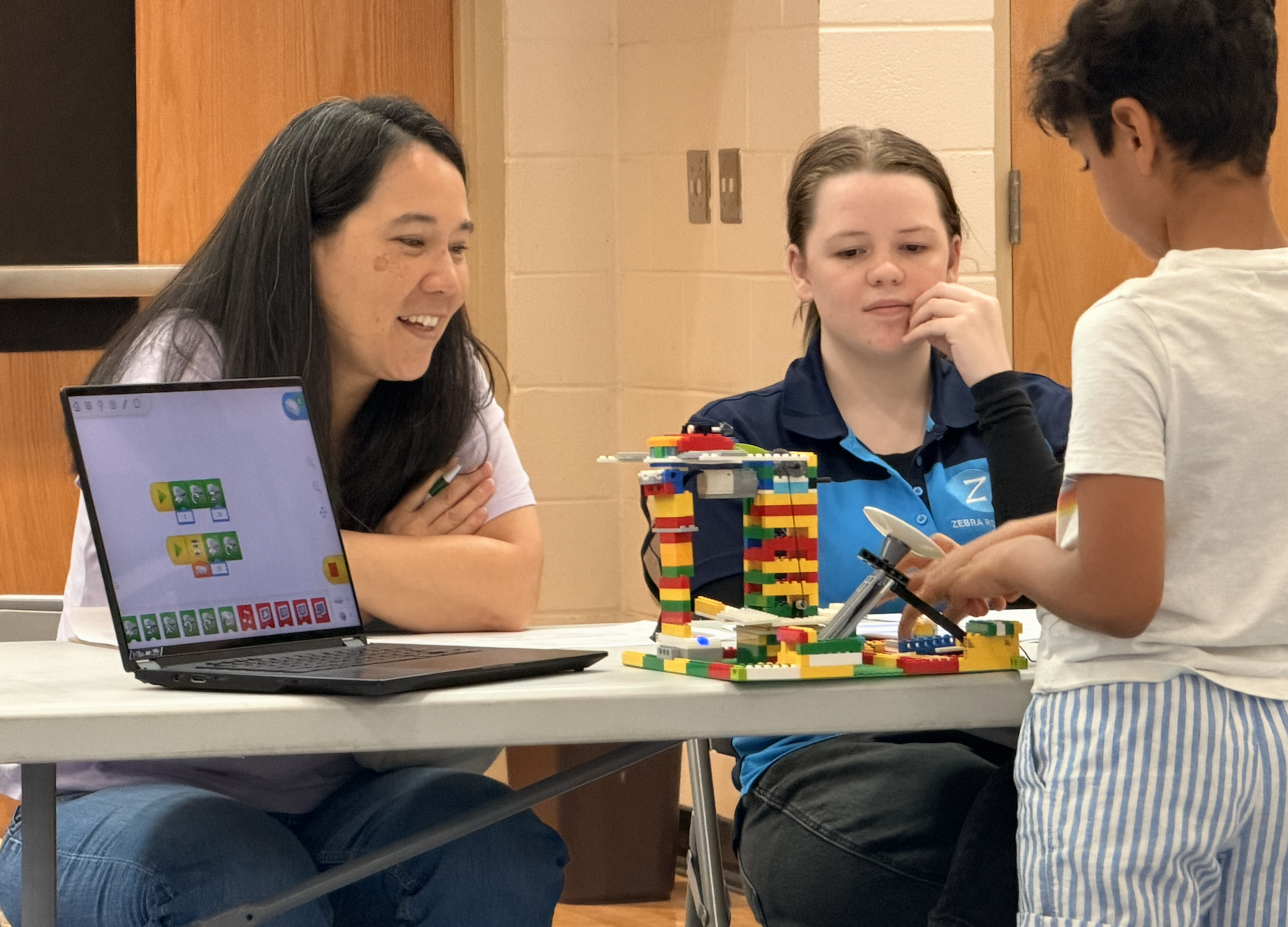
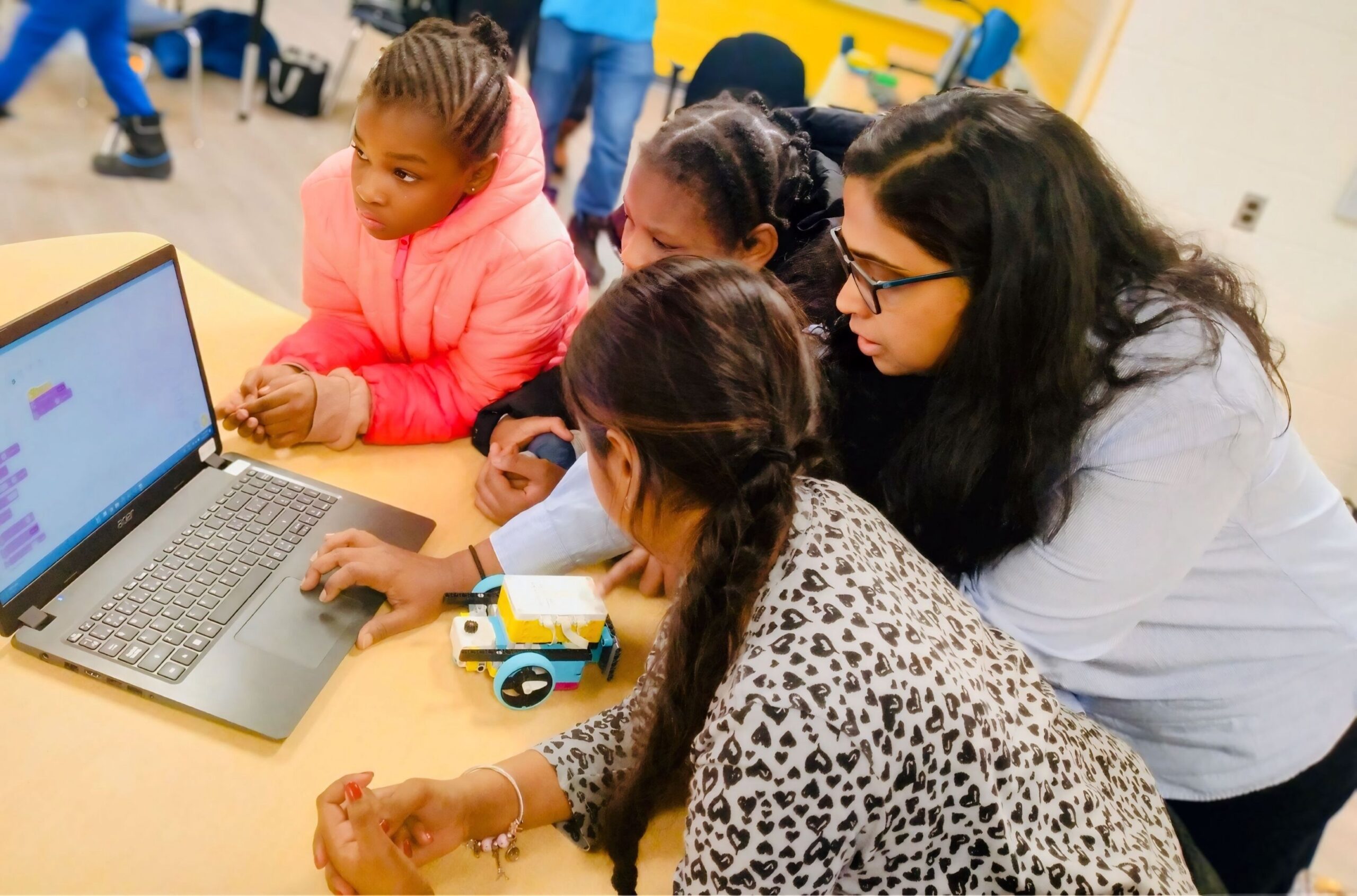
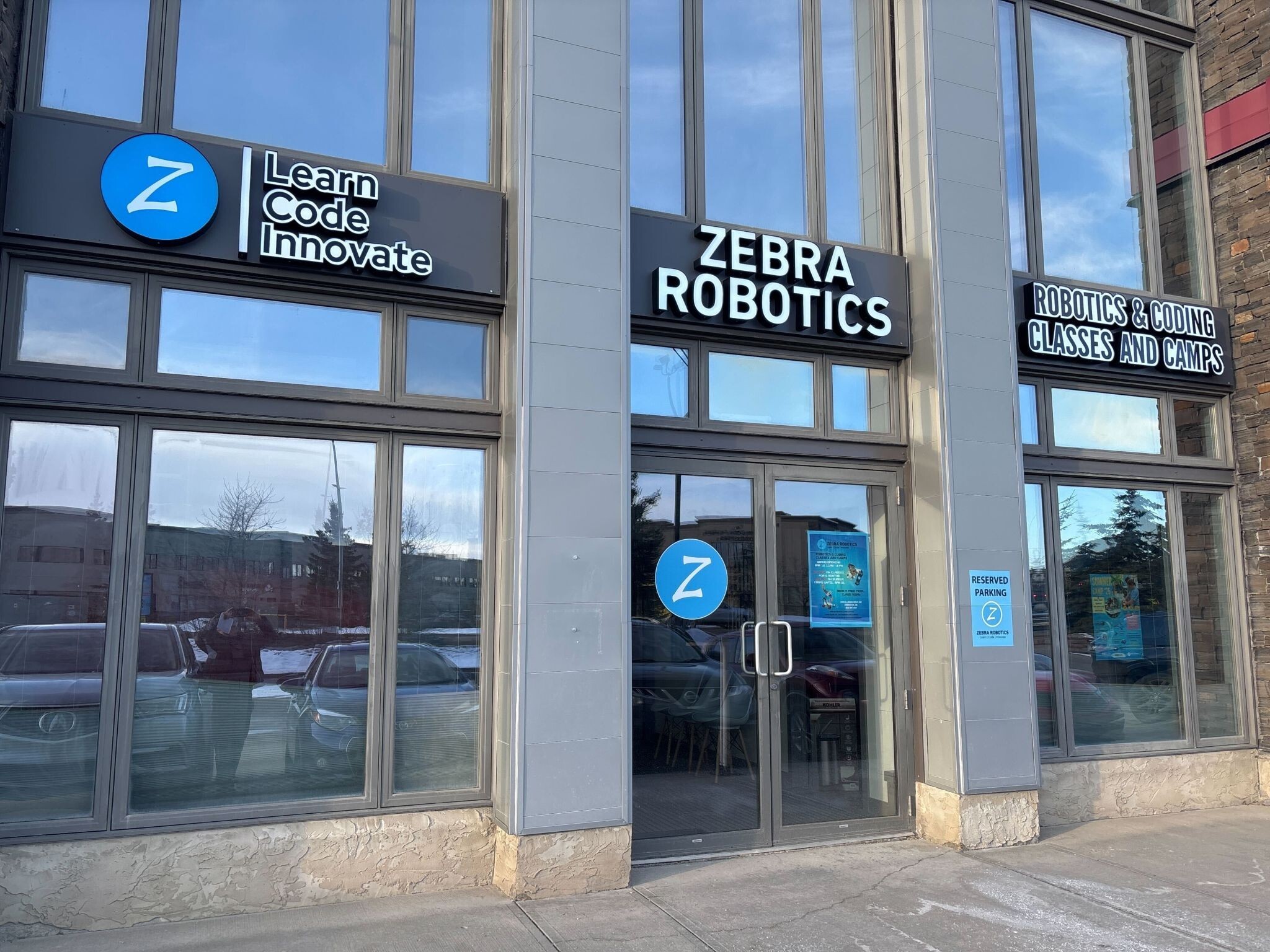
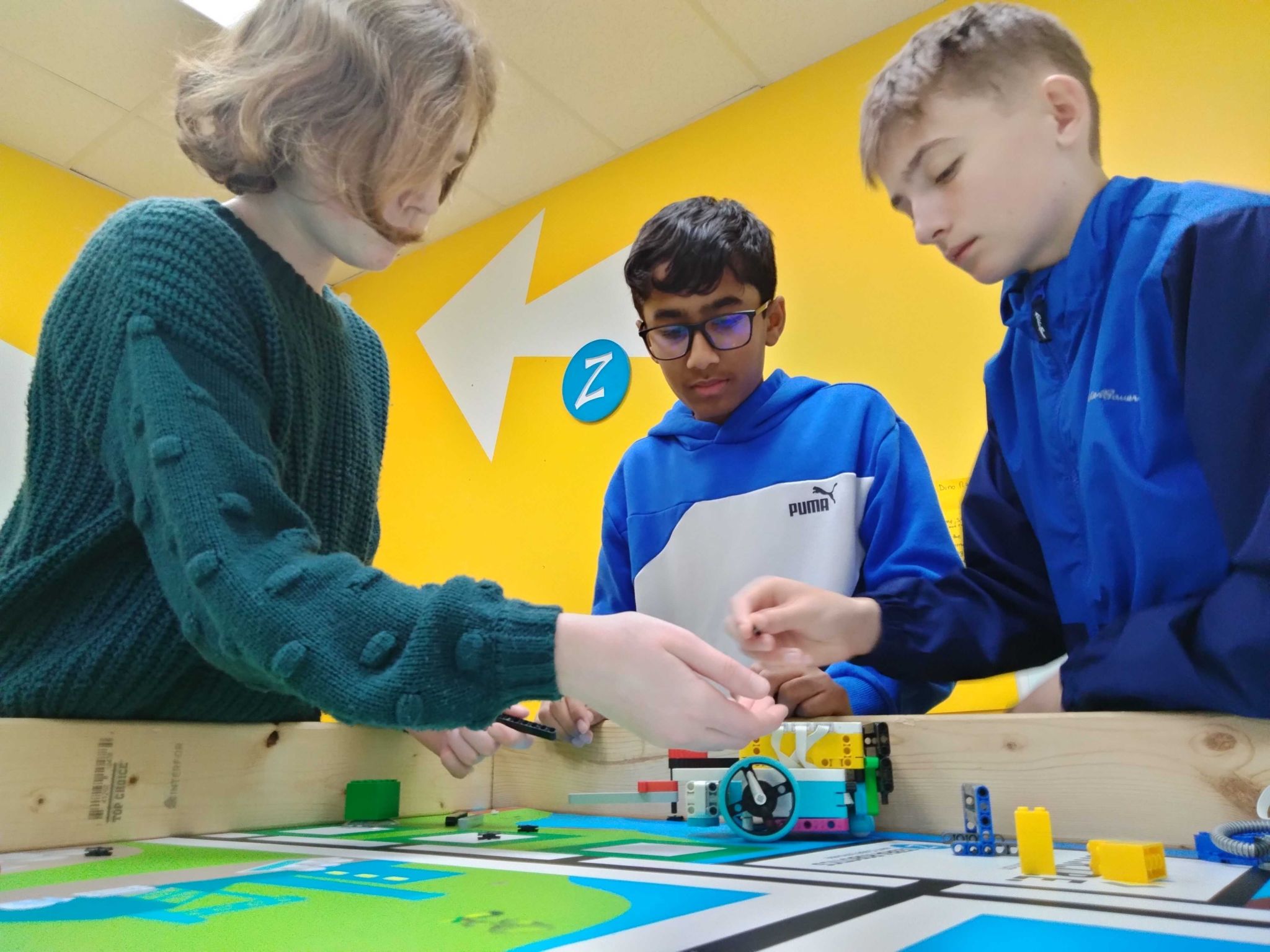
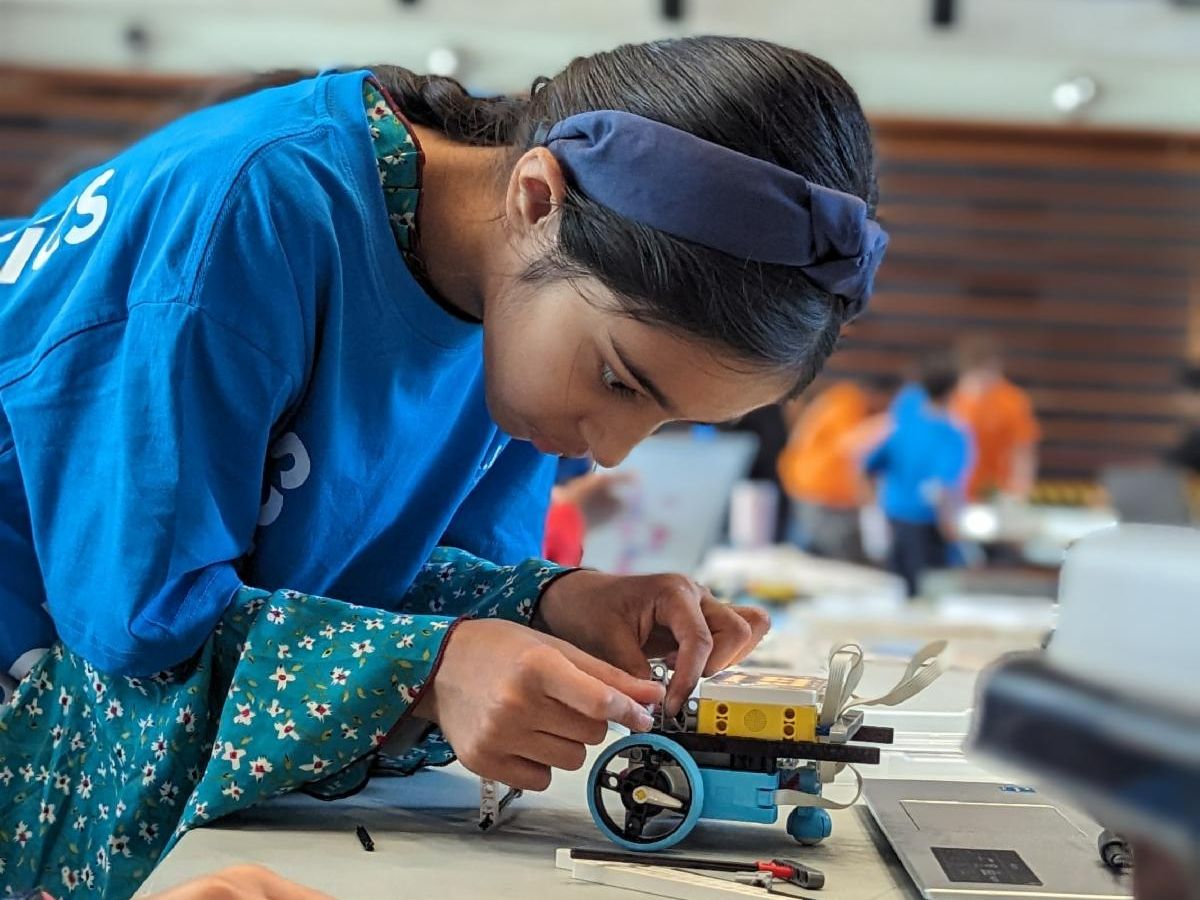
The demand for STEM education continues to grow—and with it, the need to make these opportunities more inclusive. Zebra Robotics franchise owner, Lavanya Natarajan, in Brampton, Ontario highlights how one location is not only building a successful business, but also making a lasting impact by empowering girls to thrive in robotics and coding.

For many prospective franchisees, the decision to invest goes beyond financial return. It’s about building something meaningful.

Lavanya entered the space with a clear vision:
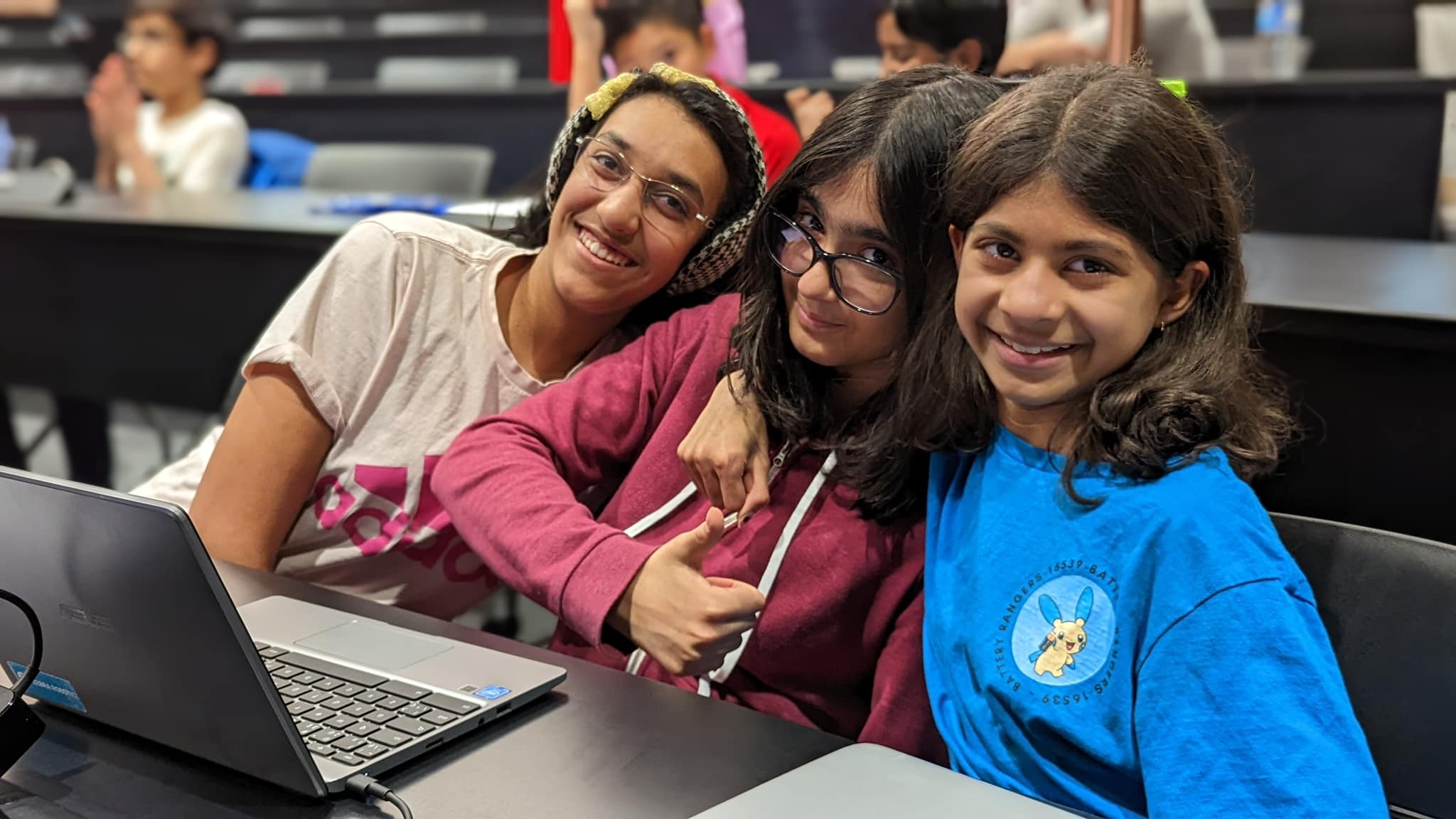
“To create an environment where young students—especially girls—feel confident exploring STEM. By combining education with mentorship, the center fosters curiosity, creativity, and long-term interest in technology fields.”

Closing the Gender Gap in STEM

Despite recent progress, girls remain underrepresented in many STEM disciplines. Programs like Zebra Robotics help address this gap early by:

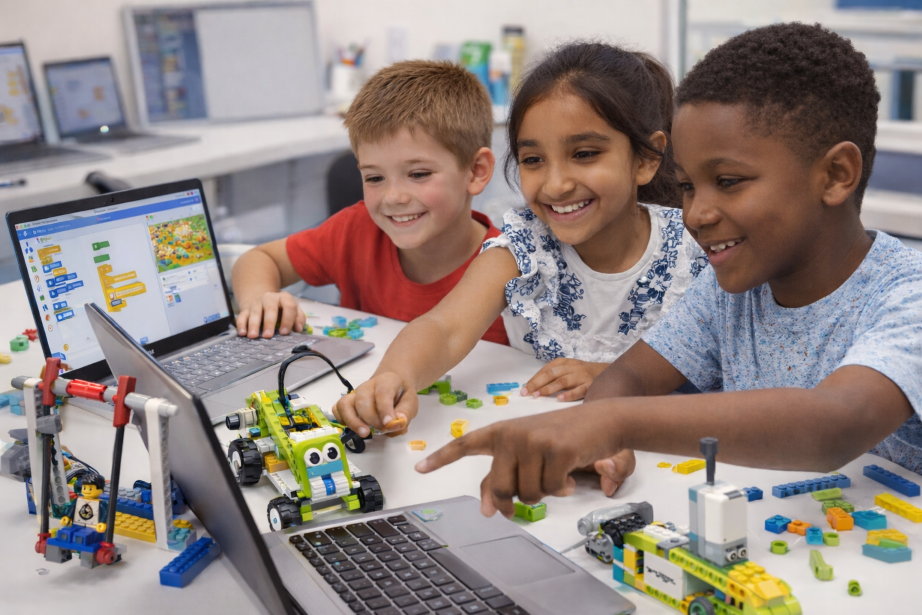
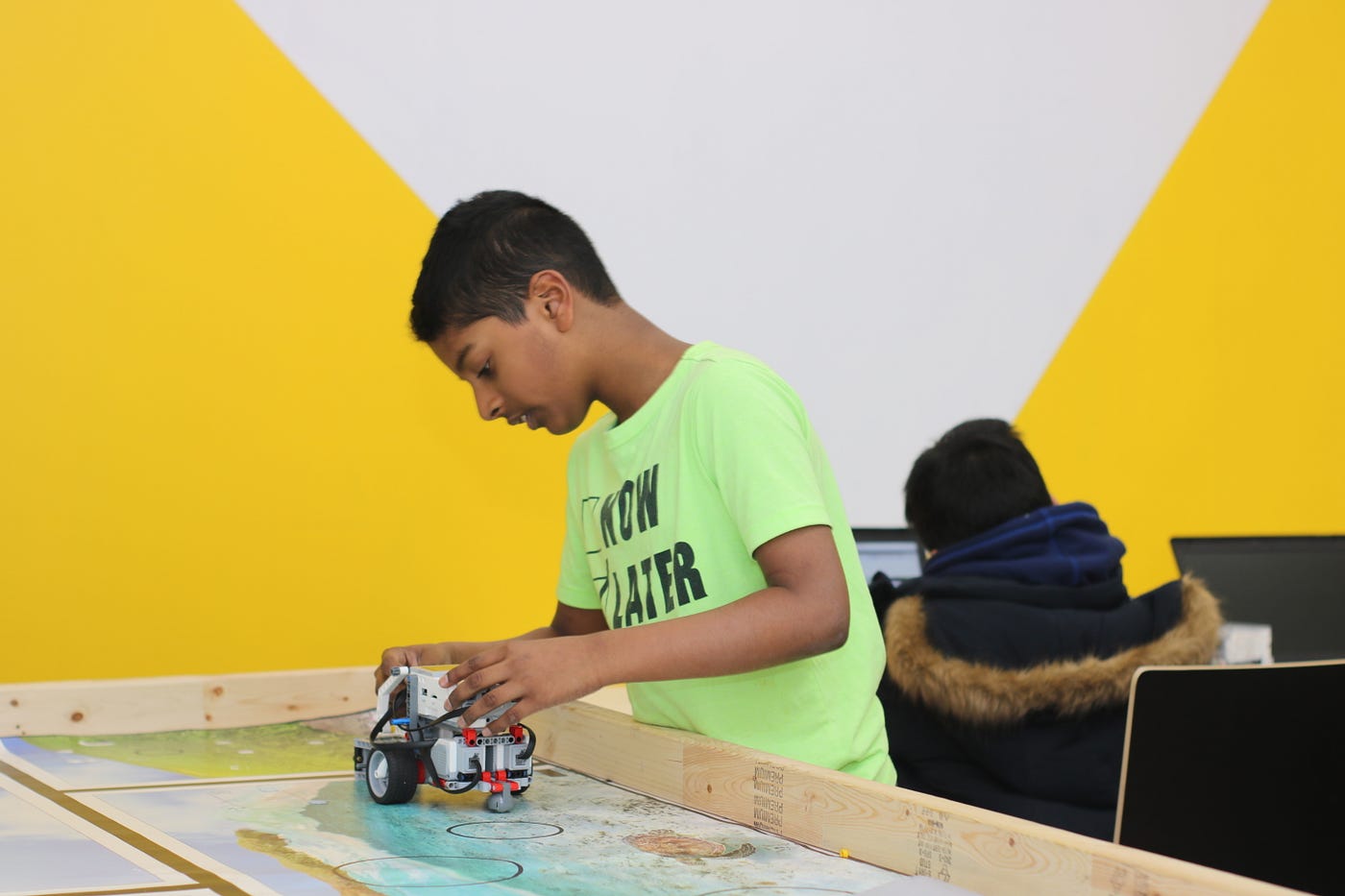
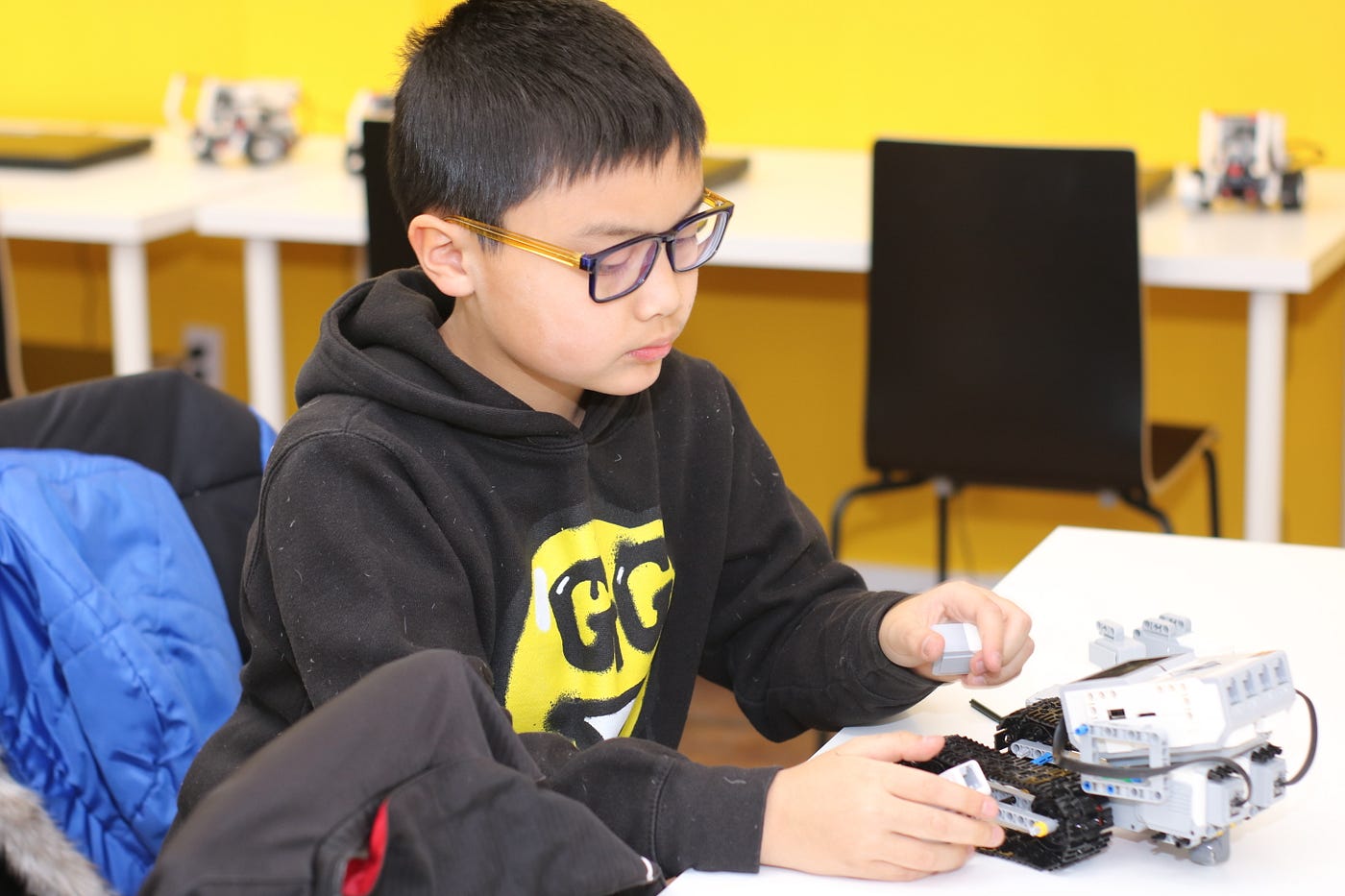
  • Encouraging hands-on learning in robotics and coding
  • Creating inclusive, supportive classroom environments
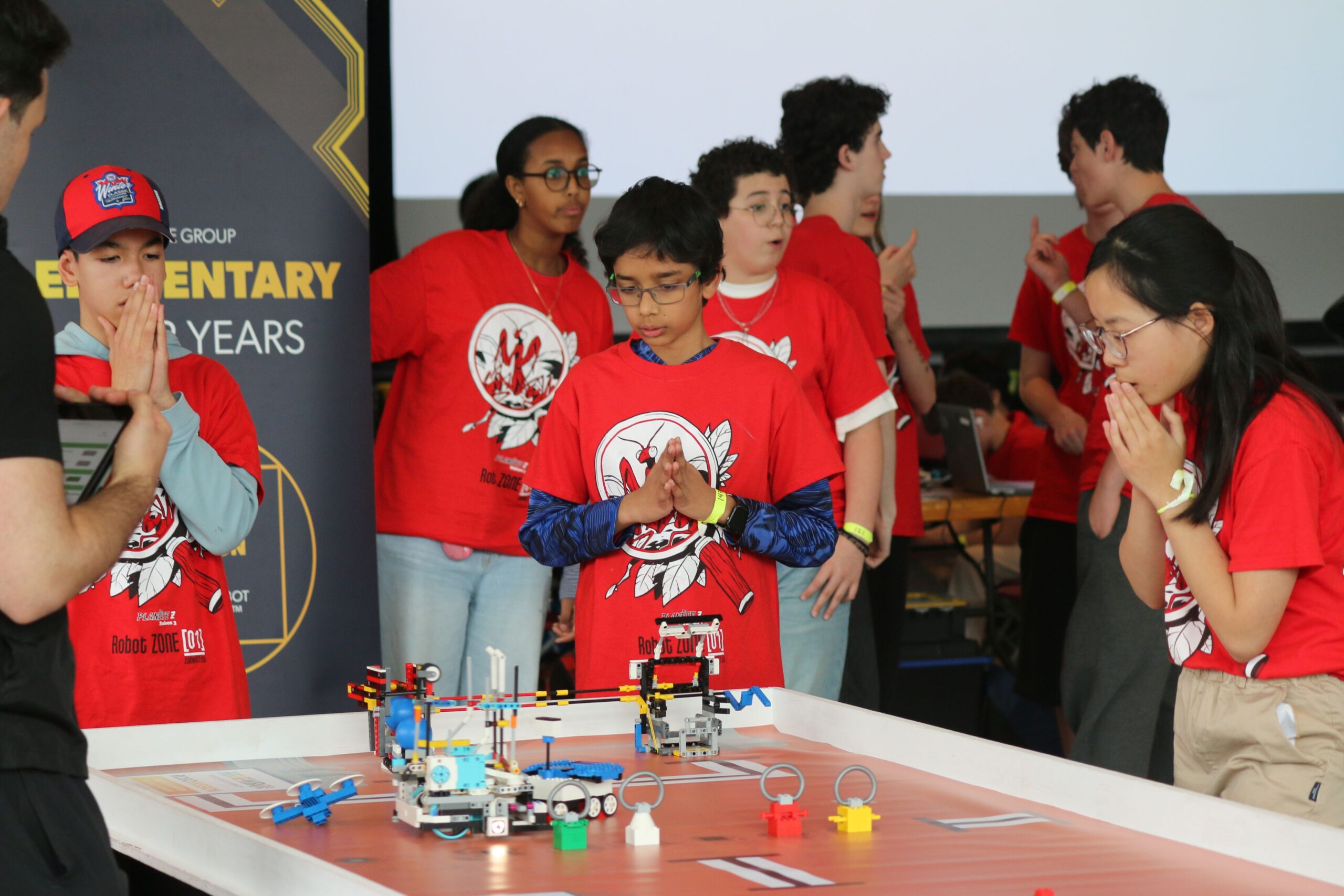
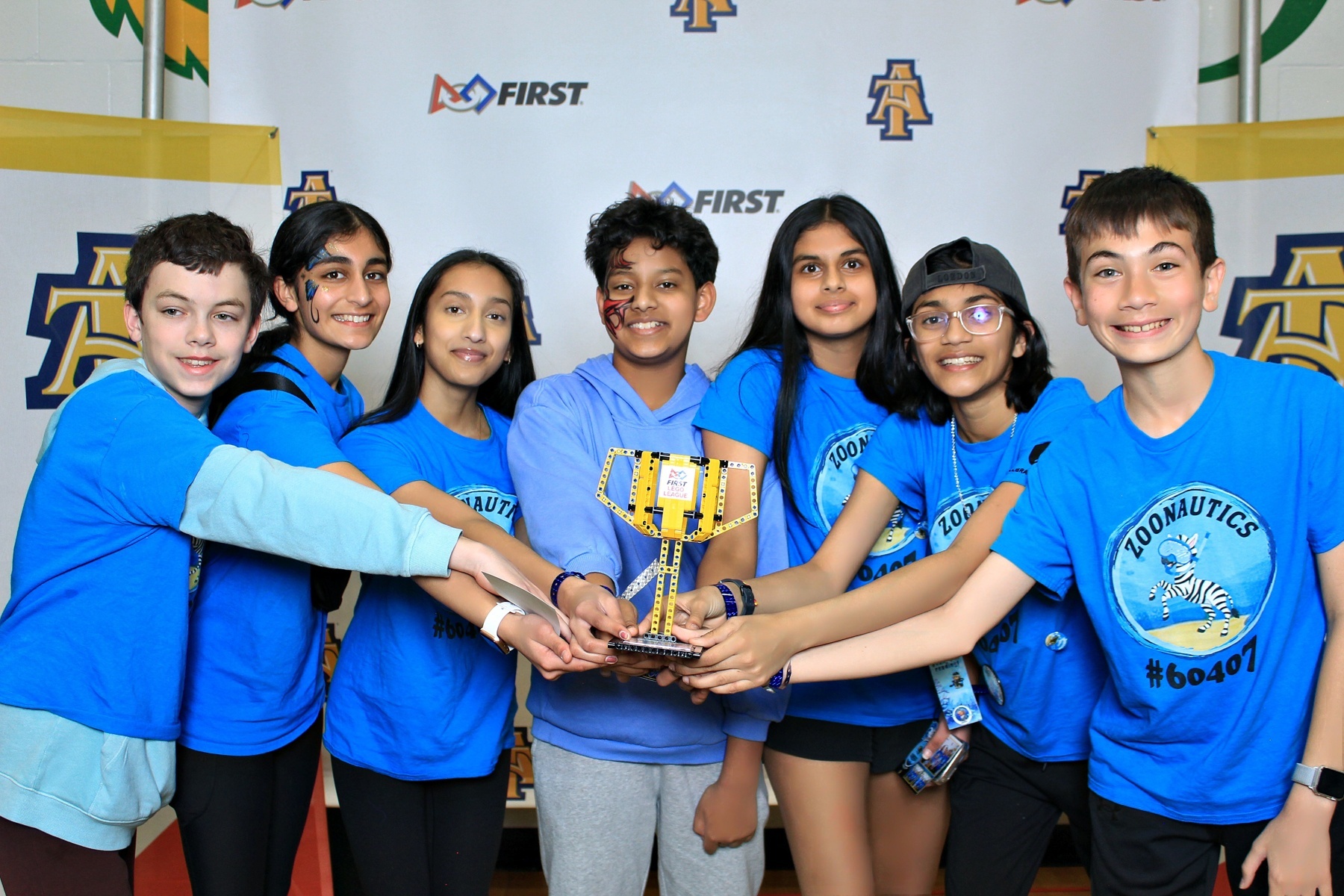
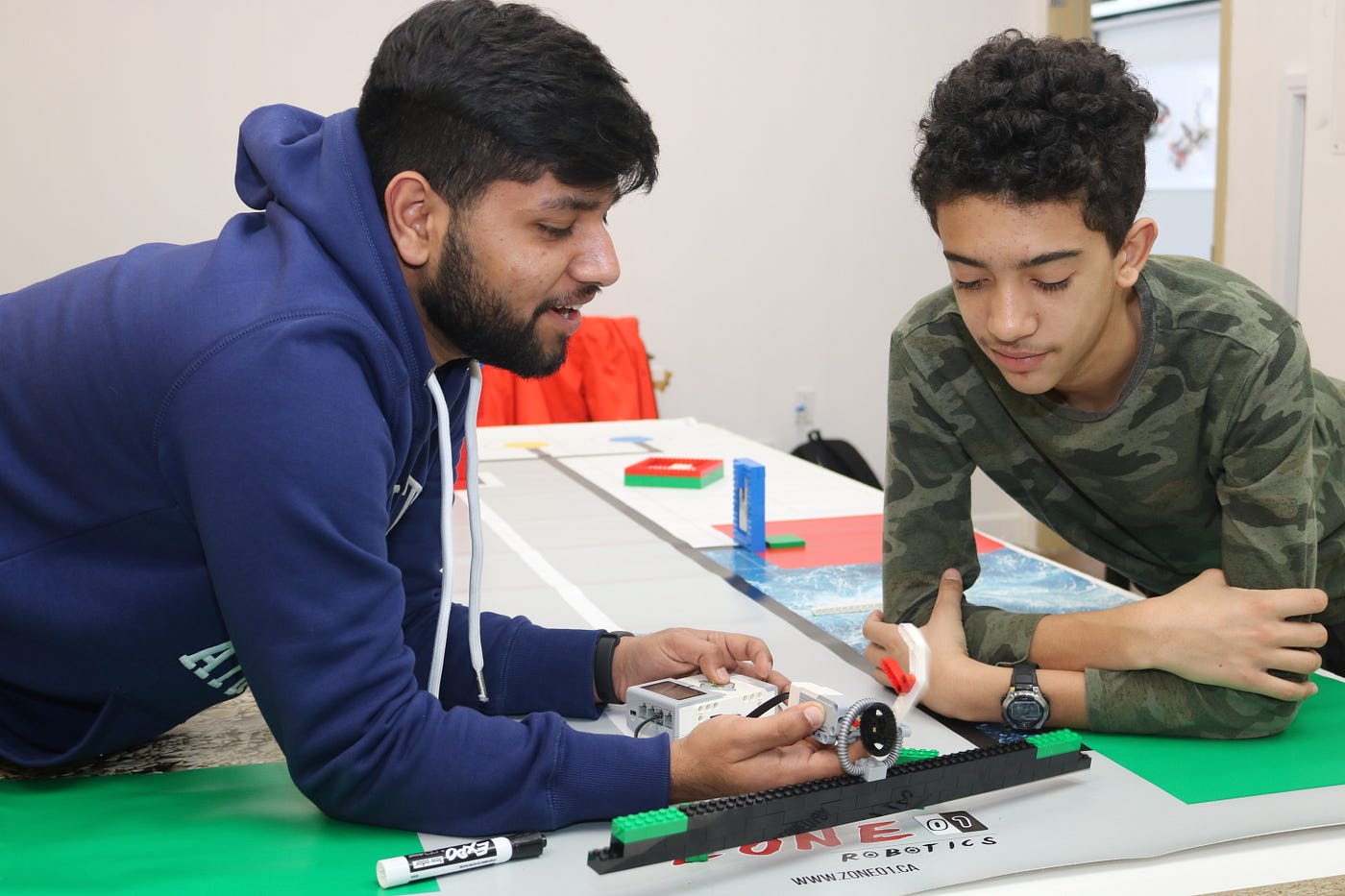
  • Building confidence through competition and collaboration

For franchisees, this represents more than impact—it’s a clear market need that continues to expand. 

A Business Model Built for Impact and Growth

 What makes this opportunity especially compelling is the balance between mission and structure.

Franchise owners benefit from:

  • A proven curriculum in robotics, coding and technology
  • Ongoing training and operational support
  • Established brand recognition in STEM education
  • Scalable programs including classes, camps, and competitions

This allows owners to focus on growing their location while delivering consistent, high-quality educational experiences.
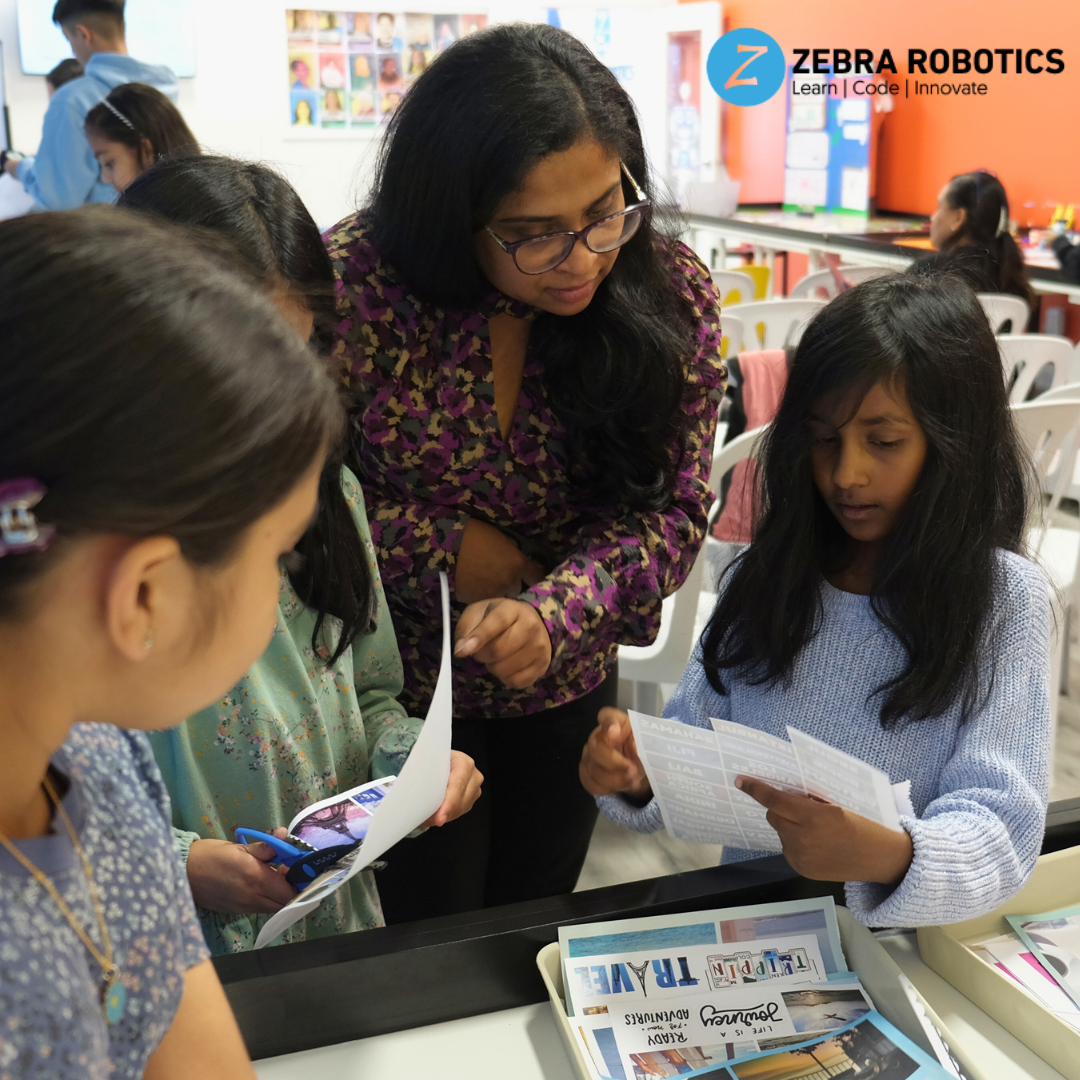
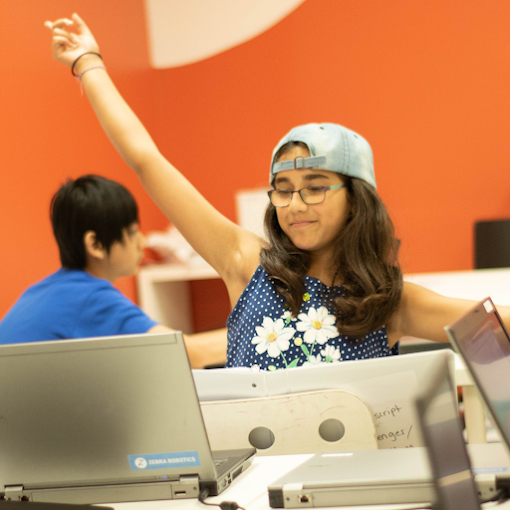
Building a Community Hub

Successful STEM centers don’t just teach—they become part of the local community.

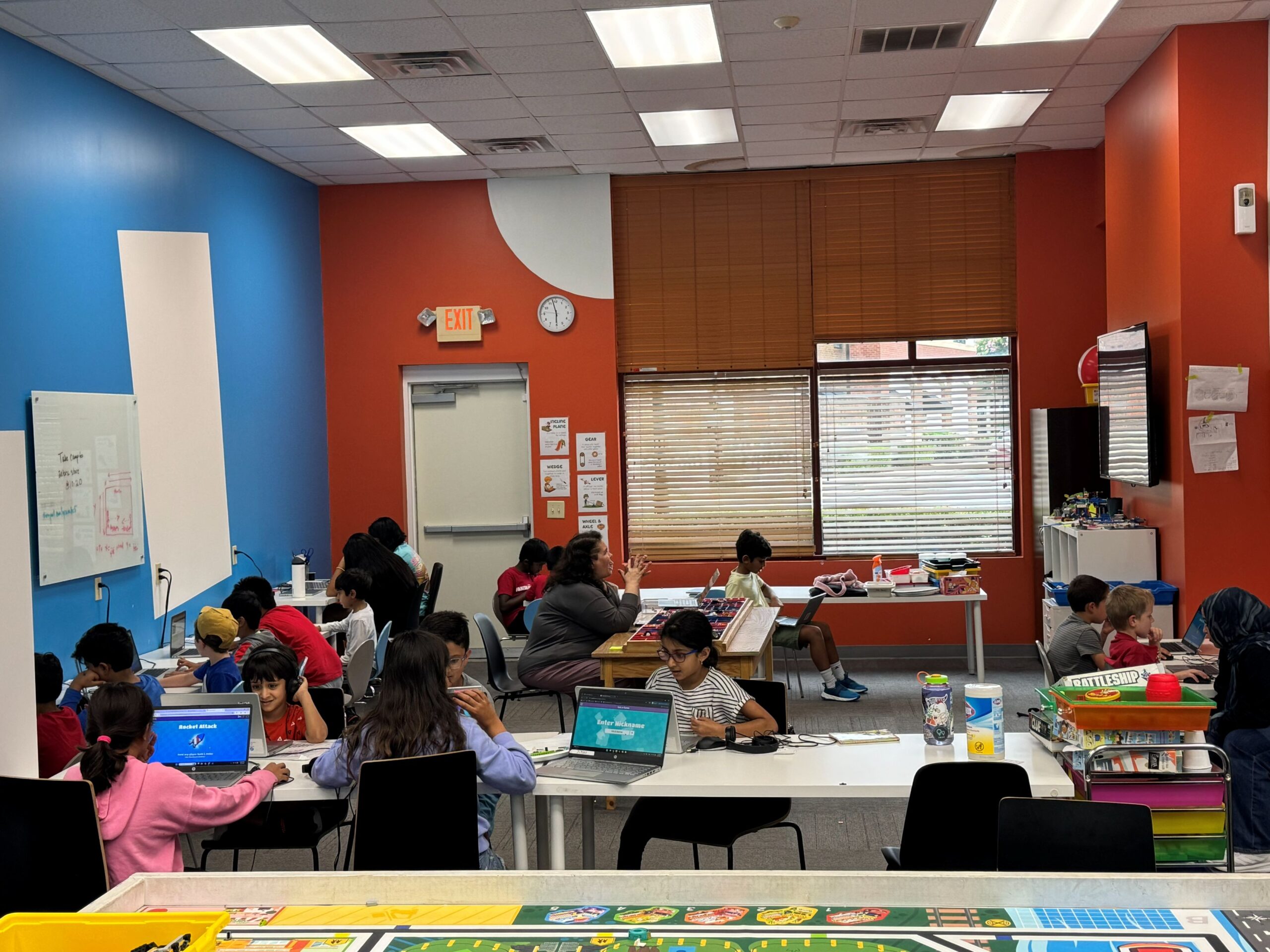
In Brampton, the Zebra Robotics location serves as a hub for:

  • Parents seeking future-ready skills for their children
  • Students preparing for robotics competitions
  • Young learners discovering confidence in STEM for the first time

For prospective franchisees, this community integration drives both customer loyalty and long-term growth.

Why This Matters for Prospective Franchisees

Lavanya’s story illustrates a powerful reality:
STEM education franchises offer a unique combination of purpose, demand, and scalability.

As industries continue to evolve, parents are increasingly prioritizing STEM skills—creating sustained demand for programs like Zebra Robotics.

At the same time, franchisees have the opportunity to:

  • Run a mission-driven business
  • Make a measurable impact in their community
  • Build a recurring, education-based revenue model

Take the Next Step

If you’re exploring franchise opportunities, STEM education stands out as both a future-focused industry and a meaningful investment.

Zebra Robotics offers a pathway to combine entrepreneurship with impact—helping shape the next generation of innovators while building a business of your own.

If you are ready to take the next step, contact us to learn how Zebra Robotics can support your journey into franchise ownership.
The Growing Demand for Robotics, AI, and Coding Education in the U.S.

Across the United States, schools and families are placing greater emphasis on STEM education to help students prepare for the future. Robotics, AI, and coding programs are becoming an important part of that journey, creating new opportunities for students while opening doors for entrepreneurs interested in the education sector. 

As demand for technology-focused learning grows, many entrepreneurs are exploring how a robotics education franchise can provide both meaningful impact and long-term business potential. 

Preparing Students for a Technology-Driven Future 

Technology continues to shape the future of work, increasing the need for skills such as problem-solving, critical thinking, collaboration, and digital literacy. According to the U.S. National Science Foundation, approximately 36 million Americans worked in STEM occupations in 2023, accounting for one-quarter of the nation’s workforce. STEM employment is projected to grow by 6% through 2034, reflecting continued demand for technology-focused careers. 

As a result, families in the U.S. are placing greater value on educational experiences that help students develop a strong foundation for future success. Robotics, AI, and coding programs provide hands-on opportunities for students to think creatively, solve real-world challenges, and work as part of a team. Beyond technical knowledge, students develop confidence, communication skills, and a growth mindset that can benefit them throughout their education and future careers. 

Increased Investment in STEM Learning

With the shift toward future-ready learning, schools, community organizations, and parents continue to seek programs that prepare students for a rapidly evolving world. This demand is especially visible in fast-growing technology and AI hubs such as Tampa, Atlanta, Charlotte, and the Dallas-Fort Worth metro area, where investment in tech infrastructure and workforce development continues to expand. 

Research from the Brookings Institution notes that regions building strong AI and technology ecosystems are also those with the highest long-term demand for STEM-skilled talent.  

Advancements in artificial intelligence are increasing the importance of critical thinking, creativity, communication, and problem-solving. Robotics, AI, and coding programs give students opportunities to practice these abilities through engaging, project-based learning experiences that mirror real-world challenges.

A Franchise Opportunity Aligned with Industry Growth

For entrepreneurs looking to enter the robotics education sector, a Zebra Robotics franchise offers the opportunity to participate in a rapidly growing industry while delivering programs that meet the evolving needs of students and families. 

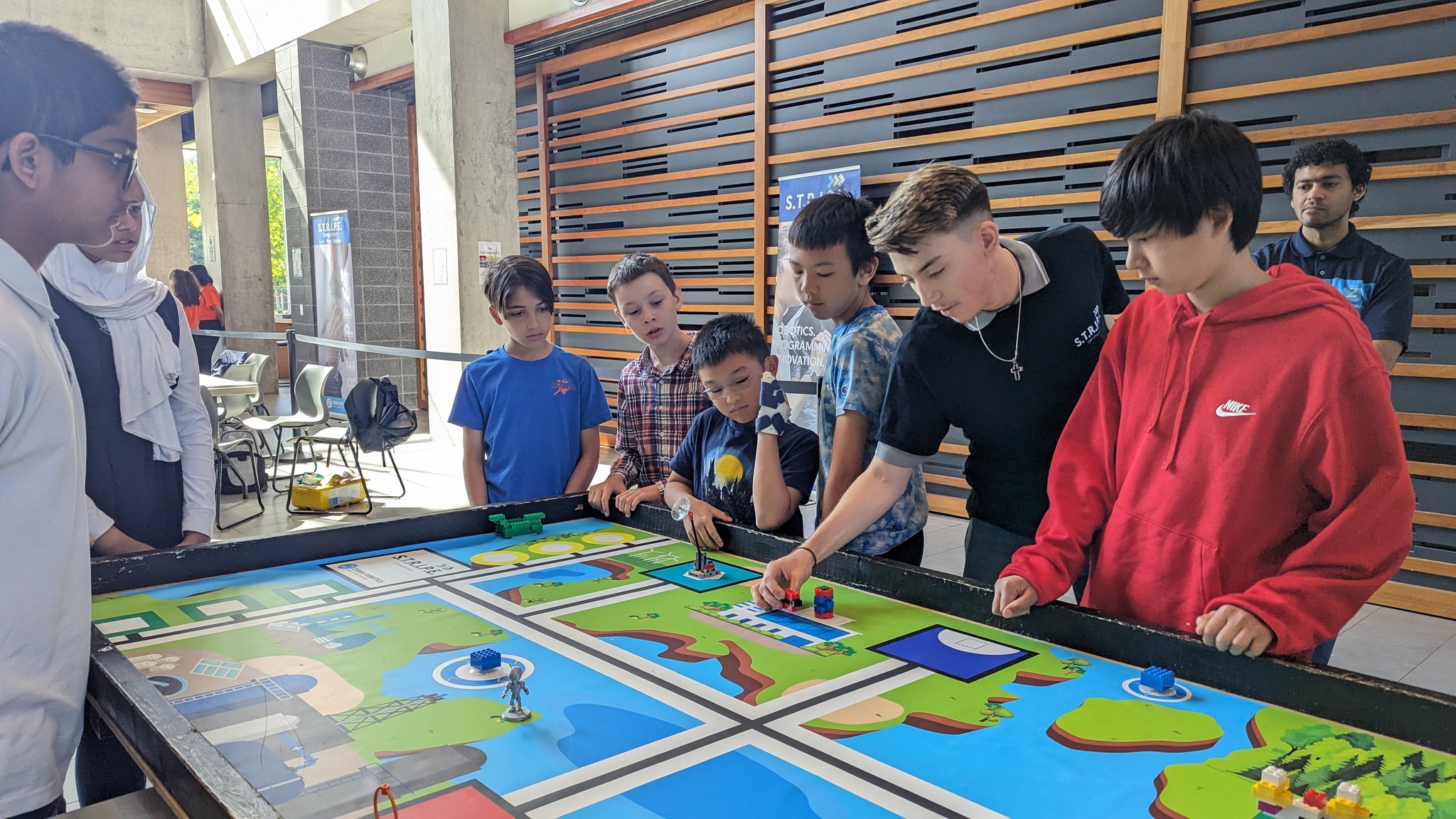
For more than a decade, Zebra Robotics has helped students gain skills in robotics, AI, coding, and technology through 70+ hands-on programs designed for a variety of ages and experience levels. Beyond weekly classes, franchisees can also offer camps, workshops, and competitive training opportunities that create multiple ways to engage students throughout the year. Students also have opportunities to participate in robotics, AI, and coding competitions, including STRIPE, our signature STEM competition. These experiences encourage teamwork, leadership, innovation, and real-world application of classroom concepts. 

With more than 50,000 students served, 25+ locations across Canada and the United States, and 200+ competition awards earned by Zebra Robotics teams, we have developed a proven model supported by comprehensive training, operational guidance, marketing resources, and technology systems. 

Join the Future of Learning

With a comprehensive curriculum, multiple program offerings, and a strong support network, Zebra Robotics provides entrepreneurs with an established path to business ownership while helping students develop future-ready skills. 

Contact our team today to explore how a Zebra Robotics franchise can help you bring innovative STEM education to your community. 

Why STEM Education Franchising Is a Smart Investment Right Now

Growing Demand for STEM and Robotics Education 

STEM education continues to transform how students learn and prepare for the future. Robotics, AI, and coding programs provide hands-on experiences that develop problem-solving skills, creativity, and teamwork. Families and schools across the country are seeking programs that equip students with skills for technology-driven careers, creating strong demand for high-quality enrichment. 

This demand continues to accelerate. Industry projections show the STEM education market in North America reaching over $96 billion within the next 5 years, driven by the need for future-ready skills, AI-enabled learning, and hands-on education models. As technology continues to shape the workforce, these programs play a central role in preparing students for what comes next. 

Zebra Robotics has been at the forefront of this movement, delivering engaging programs that foster collaboration and innovation across all age groups. This positions STEM education franchising with Zebra Robotics as an exciting opportunity for entrepreneurs looking to build a business grounded in purpose, impact, and long-term growth. 

A Proven Path for Entrepreneurs 

STEM education franchising offers structured entry into the education market. Franchise models provide established curriculum, operational guidance, and brand recognition that support a confident launch. Zebra Robotics equips franchisees with comprehensive training, marketing resources, and ongoing support to maintain high program quality. 

With over 11 years of operational experience, 25+ locations, and 50,000+ students served, Zebra Robotics offers a proven and profitable business model. Entrepreneurs exploring education franchise opportunities benefit from a system designed for efficiency, strong retention, and consistent demand. 

With clear processes in place, franchise owners can focus on building relationships, engaging their local market, and delivering impactful learning experiences. 

Designed for Growth and Flexibility

Zebra Robotics programs adapt across multiple formats, including weekly classes, camps, workshops, and school partnerships. This flexibility allows franchise owners to reach a wide audience and maintain steady enrollment throughout the year. 

A scalable structure supports long-term growth. Franchisees can expand offerings, increase capacity, and strengthen partnerships without added complexity. With 70+ in-house developed programs and both in-person and virtual delivery options, the model supports steady and manageable expansion. 

This flexibility allows owners to establish a strong local presence while growing their business over time. 

Building Strong Community Connections 

Schools and community organizations actively seek engaging STEM programs that align with modern learning goals. These offerings fit naturally into those environments, creating strong partnership opportunities for franchise owners. 

Zebra Robotics also emphasizes competition-based learning. Students participate in recognized robotics, AI, and coding competitions, where they develop teamwork, collaboration, and leadership skills. Over time, Zebra Robotics teams have earned 200+ awards across regional and international competitions, contributing to local pride and engagement. 

By introducing these programs into their communities, franchisees create meaningful connections while supporting student growth and confidence. 

Combining Purpose with Opportunity 

Franchise ownership with Zebra Robotics brings together entrepreneurship and meaningful work. Owners deliver valuable learning experiences while operating within a high-demand, future-focused industry. 

With millions of STEM-related roles expected in the coming years, demand for robotics, AI, and coding education continues to rise. This creates a strong foundation for franchise owners to build businesses aligned with long-term market needs. 

Zebra Robotics encourages innovation in program delivery, community engagement, and business growth. Franchisees join a network focused on inspiring students while building successful, community-driven businesses. 

Looking Ahead 

Entrepreneurs who value education and innovation will find strong opportunities in STEM education franchising. With a proven model, adaptable programs, and growing demand, Zebra Robotics franchisees are equipped to build meaningful businesses that inspire future leaders in technology and STEM fields. 

Start Your Franchise Journey 

At Zebra Robotics, we empower franchisees to bring innovation, collaboration, and entrepreneurship together in one opportunity. Joining our network means delivering robotics, AI, and coding programs to your community while building a business rooted in education and growth. 

If you are ready to take the next step, contact us to learn how Zebra Robotics can support your journey into franchise ownership and help you make a lasting impact. 

Ontario’s Elementary Learning Choice Programs Motivate Middle School Students

Ontario offers many regional learning choice programs for elementary students heading into middle school. Finding a program that keeps your child engaged and empowered can help avoid some of the academic pitfalls of the transition from elementary to middle school. It may seem like a lot of pressure to apply for a special program when your child is in elementary school, but there is research that suggests that working with motivated peers in a challenging environment can keep students moving toward success.

It’s important to keep up student interest when transitioning to middle school.

Programs for students interested in STEM include the Middle Years Programme of the International Baccalaureate and the SciTech program. Students whose interest in STEM is entrepreneurial would thrive in the International Business and Technology (IBT) program.

The Middle Years Programme from the International Baccalaureate (IB) is the program designed for students from ages 11–16. It’s a 5-year program, but in most Ontario schools this program runs from grade 6–8, which is common for the curriculum. This program introduces students to a cohort of highly-motivated peers working on learning that is attached to real world applications, in addition to following Ontario’s standard curriculum. There are 8 subject areas for students to focus on, and they must spend at least 50 hours on instruction in each area. The areas include: language acquisition, language and literature, individuals & societies, sciences, mathematics, arts, physical & health education, and design. The IB Global Research department has studied the impact of their Middle Years Programme and found that IB students were “on-task” 87% of the time, compared to 73% of the time for general education students. That equates to 8.4 minutes more time on task per hour, and almost an hour for a whole day of school.

The sciences and mathematics programs will be most interesting for STEM students, but the middle grades are also a time to develop core competencies in a wide range of subject areas. Language, design, and social sciences (individuals & societies) are helpful to even the most die-hard STEM enthusiast. Communicating your ideas and seeing how they impact others is crucial for any field. Global contexts and critical thinking are all core components of the Middle Years Programme.

Being accepted to the IB Middle Years Programme does not guarantee acceptance into the IB Diploma Programme in secondary school. However, students who study in the Middle Years Programme will likely be better prepared for the Diploma Programme if they’re not ready to move on to something else.

For a more hands-on experience, students can choose a Sci Tech program. This program also follows Ontario curriculum standards but focuses on technological inquiry, including robotics, coding, 3D printing, and video editing/animation, where facilities allow. The program focuses on stewardship, competence, and insight as driving ideas for inquiry-based education. Where the standard curriculum would build one model or test one application, the sci tech program spends much more time on complex building projects and invests more time in hands-on activities. Students build and then re-design based on feedback so they can continuously improve their designs. Students in SciTech often compete in local competitions like the Beaver Computing Challenge at the University of Waterloo.

Just like the IB Middle Years Programme, being placed in the SciTech program in the middle years does not guarantee placement in secondary regional learning choice programs. Similarly, not getting into the elementary program does keep a student from being accepted into the secondary SciTech program. The two are independent of one another.

Students who like to innovate may thrive in the IBT program.

A program that combines technology with entrepreneurial skills is the International Business and Technology (IBT) program. Students are encouraged to have their own device to use daily for hands-on, collaborative learning with a business focus. In this program, technology is used to further business inquiry and facilitate risk-taking like public presentations and videos. There is less focus on the nuts and bolts of building and designing as there would be in the SciTech program, but if your child loves to design new plans or innovative responses to problems, the IBT program might be a good experience. Marketing, social media, and communication are big elements of this program as well.

Applications for Elementary programs are due at the end of January in the Peel Region, but check your local school for details. Information sessions are being held now. Here is a link from the Ministry of Education for finding your elementary school: https://www.app.edu.gov.on.ca/eng/sift/index.asp Admission is often based on marks and feedback from grade 4 and 5 teachers, among other factors.

For competitive programs, any student who meets the requirements for special elementary programs is put in a drawing for a place in the program. Your child could meet all the requirements and do well on the assessments but still not get a place in their chosen program. These are situations to remember that such programs are helpful and interesting but not deal breakers for your child’s future.

Since the elementary and secondary programs of choice are not linked, families might consider layering special programs to target the interests of their children. For example, an entrepreneurial STEM student might benefit from the IBT program in middle school and a more comprehensive Advanced Placement or IB program in secondary school.

Choosing a special elementary program is a balancing act between your student’s interests and inclinations and their emotional and social wellbeing. Your child’s happiness and motivation is the most important metric for making educational decisions in the middle years.

Supportive coaching helps keep student interest alive.

At Zebra Robotics, students can start learning about STEM as early as grade 1, with the basics of coding, robotics, and technology. Being involved in competition helps keep students invested in learning and can bridge the achievement gap between elementary and middle school. For more information, see www.zebrarobotics.com.

Nikhil @ Univ of Toronto

Nikhil

Congratulations Nikhil, on accepting the offer from the Univ of Toronto, Engineering Science program. You chose this program over Comp Sci and Mechatronics programs from Univ of Toronto, McMaster and UofWaterloo. We want to share your perspective about coding and robotics with younger Zebra Robotics students who want to pursue their higher education in STEM programs.

How did you get interested in Coding or Robotics?

I’ve always been fascinated by technology, and like many other children, I always loved creating things of my own – so I guess it only makes sense that I’m interested in coding and robotics nowadays. Robotics and coding didn’t initially start out as passions for me, but as I became more comfortable with those topics through classes and competition experiences, I was able to improve my skills – I started to be inspired by the things that other people had done in the past with regards to robotics and coding, and eventually, I saw the results of my own work in competition environments. I think that really opened my mind to what was possible in these fields, and I’ve been hooked ever since.

Tell us a bit about yourself, your hobbies and what you like to do when you are not working on your school or university work.

My name is Nikhil, and I’m going into my first year of Engineering Science at the University of Toronto. My main hobby is competitive robotics – I’ve been heavily involved with numerous robotics teams at Zebra, from FLL to WRO to VEX, as well as teams outside Zebra, such as my high school’s FRC team. I continue to mentor some of these teams. In the coming years, I plan on being involved with design teams at UofT as well. Apart from that, I’m fairly boring – I watch Netflix/YouTube and play video games like everyone else.

How long were you a student at Zebra Robotics? What did you like most at Zebra during that time?

I’ve been involved with Zebra for over 7 years now. All my favourite moments have to do with competitions – I’ve always enjoyed working on these large, long-term projects; watching plans develop and things build up into a frenzy, and anxiously waiting to see how the team will do at the real event – will we have fixed all our problems, or will a bad line of code bring everything crashing down when it really matters? It’s all part of the competition experience, and in the end, it’s the journey of preparing for a competition that makes it all worthwhile.

How did you manage your time between schoolwork and other activities, including robotics or coding sessions at Zebra Robotics?

Some parts of the year have always been busier than others for me, due to the nature of robotics competition seasons. In those busy times, proper planning and prioritization have always been important. My schoolwork was a high priority, especially in my final years of high school, and I always tried to stay up to date on it so that I’d have time to focus on extracurriculars. However, deadlines in robotics competitions and other school clubs would often have me reshuffling my priorities to get certain time-sensitive tasks done sooner rather than later. Managing my time between schoolwork and extracurriculars would sometimes become a bit of a juggling act, and so to stay on top of everything, I would use a daily and weekly to-do list, while also keeping close track of my deadlines. In those situations where prioritization becomes tough, I’m a fan of the Eisenhower matrix – search it up if you haven’t heard of it!

What would you say if you were to suggest a few things to aspiring Engineering or Computer Science university students?

I know that there’s a lot of hype these days surrounding engineering and computer science, so first of all, I would recommend that you find out if you’re truly passionate about these fields by trying them out. Try some coding, participate in some robotics competitions, and get a feel for it. That’s one of the best things about engineering and computer science – there’re so many ways to get involved in classes, clubs, and competitions in high school, and even earlier. Not only will your visible interest in computer science or engineering make your university application stand out, but it’ll also help inform your choice when applying to and picking programs – after all, you want to end up in a field you’re truly passionate about. Also, speaking of university applications, (you’ll hear it a lot, but I’ll say it again) remember that marks aren’t everything. Marks are definitely very important – but after a certain point, it’s your experiences and skills outside of the classroom that make you a solid applicant. Chances are, if you’re reading this, you’re already getting those experiences and developing those skills, which is great!

Zorez – CRoC 2020 Scratch winner

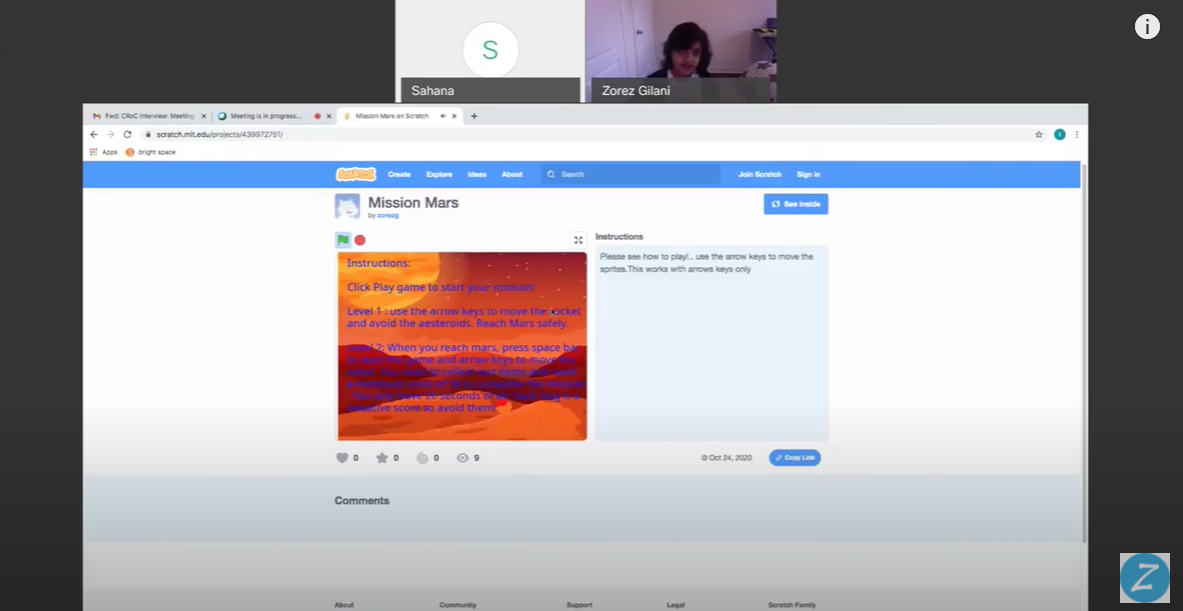
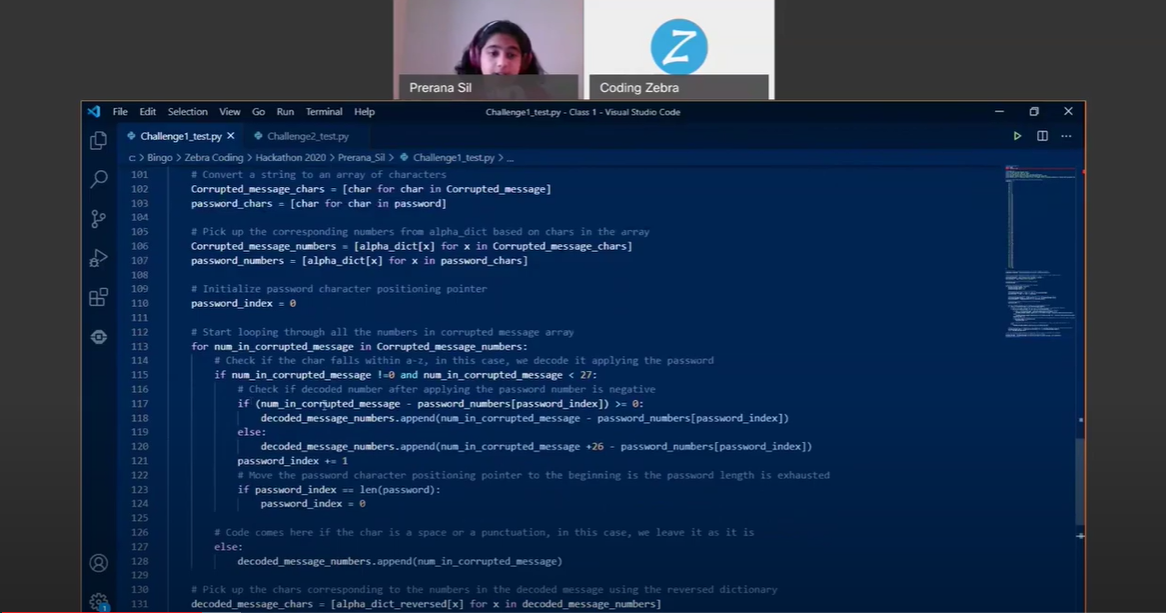
Zorez has been with Zebra for little more than a year, and he is very passionate about Coding. He has a developing interest in Robotics and is keen to learn to build. Here, in this video he presents about his project for CRoC 2020. He particpated in Junior category and won a Zebra Stripe.

Hackathon keeps us engaged during Covid

Many of the high school students have been participating in Robotics and Coding competitions over the last several years while at Zebra Robotics. With Covid, and lockdown in Mississauga, Canada location, they decided to team up for something different.

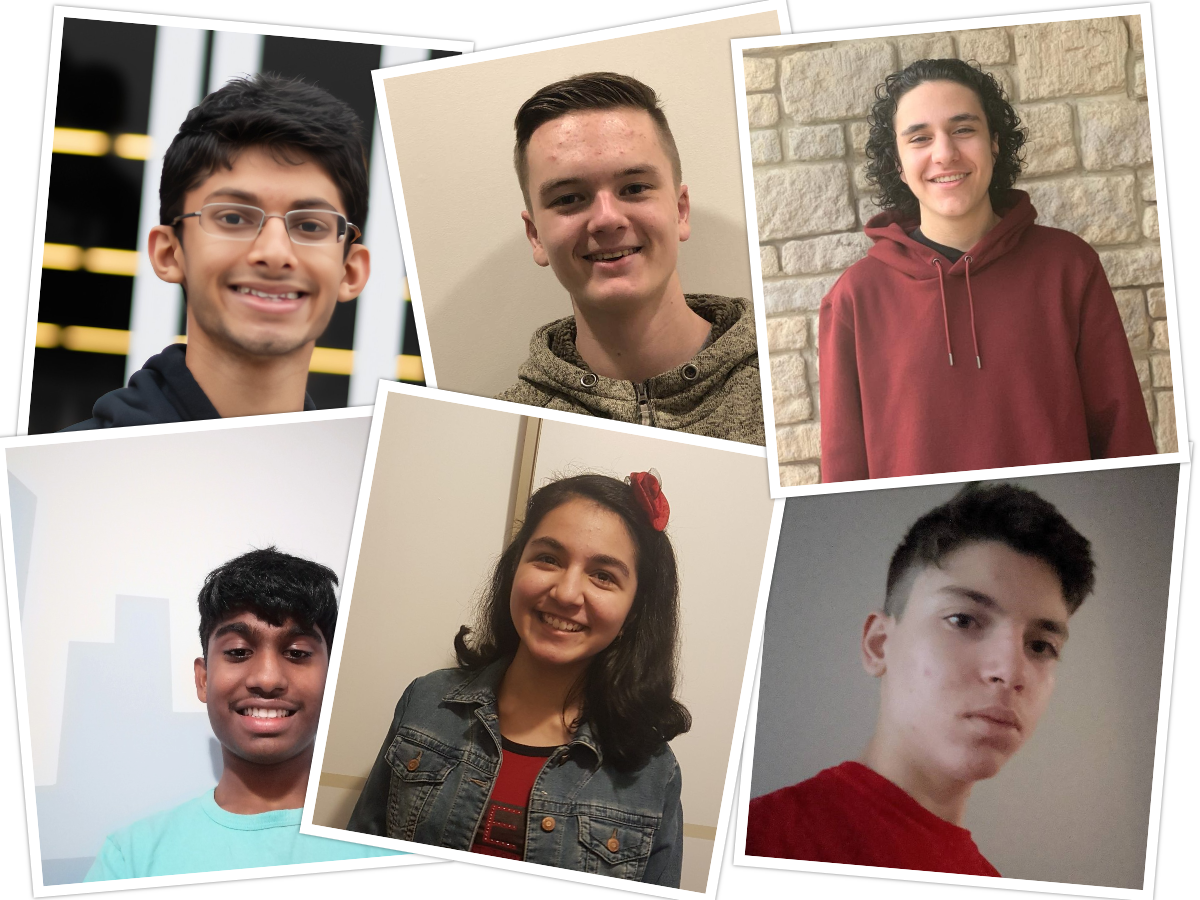
Group of six high school students, Nikhil, Daxsin, Adam, Vishal,Armina, and Josh came together and organized a Coding hackathon during the week of Hour-of-code. As the participant’s age group varied from Grade 2 to 12, they had to come up with several categories, that challenged participants appropriately, while givng them flexibility to choose challenges higher than their grade level, if they choose to.

Zebra Hackathon 2020 – Organizing committee

They worked over a three week period deciding on how the event will be conducted remotely, while the Zebra marketing and operations team, assisted them in getting the word out, and facilitating signups.

By the week of Zebra Hackathon 2020, they had received over 100 signps, from Canada, US , India and Srilanka. (they didn’t know how the word got out beyond Zebra locations in US and Canada, but hey, more the merrier was the attitude!).

The event lasted for about 3 hours, with results published within that time frame and winners, Zebra Bronze, Silver, Gold Stripe winners.

Overall the experience was very valuable, and participants had fun meeting like minded people across the countries during a tough lockdown we all were experiencing. After toiling for weeks preparing for the event and running it successfully, we asked the organizing team if they want to do it again, there answer was ” can we do this multiple times a year?”

note: to read about organizing committee member’s passion, and Stripe winners take on Hackathon and Coding in general, watch,search this blog.

My Fascination with Coding

In this article, as part of highlighting our student achievers, we asked our student Archish to submit a write up on some of the commonly asked questions. Here are his comments.

How did you develop interest in Coding?
Ever since I was young, I have always been fascinated by computers. To this day it mystifies me that a simple line of 8 transistors can give us so much control and visualization over information, entertainment and so much more. With this in mind, I first started learning JavaScript in elementary school using online tutorials. Around middle school, I had started getting into creating small games using JS and Unity. It was in grade 8 however that my biggest breakthrough in coding happened, I discovered Python. Python led me into understanding algorithms, working with data, interacting with API’s and so much more. This would never have happened without Zebra Robotics and I am so glad I have their continued support to keep learning and growing.

What is your favorite programming language and why?
Python has to be my favourite program language. Besides it being the language that has gotten me the most into programming and what I have spent the most time working with, it amazes me how many applications it has. From being able to run servers with terabytes and petabytes of data, running algorithms capable of computing and predicting important events and being able to run AI algorithms that can make scarily accurate predictions of our future, there is almost nothing Python cannot do. It can easily be learnt to a basic level by anyone and it also has an incredible amount of potential, and this versatility is what makes it my favourite programming language.

How did Zebra Robotics help you with learning to code?
Zebra Robotics has helped me so much in my programming journey. Coding can definitely be a complicated thing to get into, and especially without the proper guidance, it can become really overwhelming. I can’t even get started on how many times I had tried learning how to code in Python and Java before I started classes at Zebra and quit due to the difficulty of the subjects taught. The coaches at Zebra Robotics are so great at explaining concepts to kids of all ages, and make coding fun and engaging for us all. They are able to connect with the students’ interests and make the classes a fun open discussion session, which provides the perfect environment to learn and grow.

What specialization are you interested in pursuing in University?
I plan on going into computer science as my undergraduate degree, and pursuing data science for my masters. Alternatively, I would like to do something in food science, and incorporate data science and programming in research after post secondary.

What do you do for fun?

I play guitar, keyboard and am learning Carnatic music. You can watch my creations on my Youtube channel below.

https://www.youtube.com/channel/UCzhnYfG4hZeD8NBdQkfmbpw

What Coding languages did you have to use in high-school.
In high school, we are exposed to the fundamental principles of coding through scratch in grade 10, then Python and Java in grades 11 and 12. We are also taught how to use the Arduino language in computer engineering classes. All of these languages are taught at Zebra Robotics and I am so glad that I have an advantage in these classes by going to Zebra Robotics.

Celebrate Coding Achievement

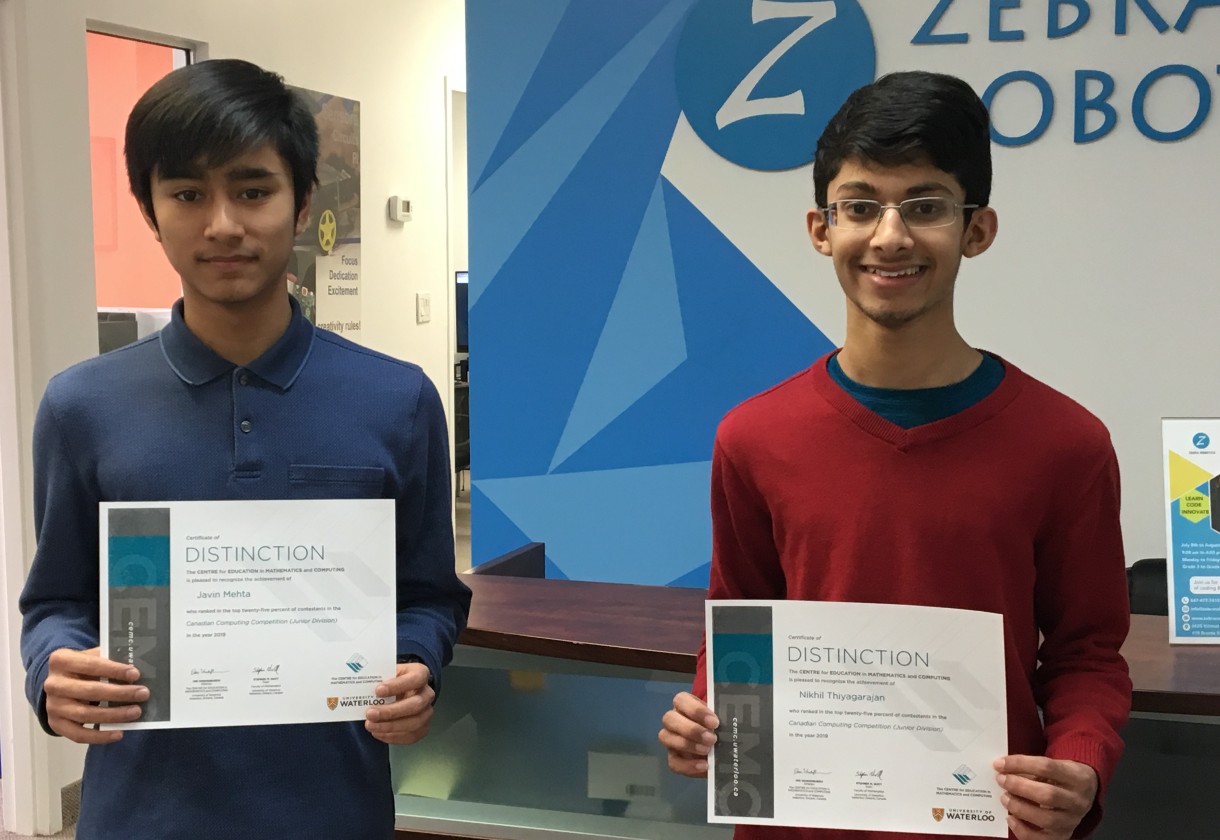
Nikhil and Javin have attempted University of Waterloo’s Canada Computing Challenge (CCC) a year earlier.  They both scored in top 70 out of 3700+ students who attempted the challenge world-wide.

Considered one of the difficult computing challenges, University of Waterloo has been conducting these competitions annually. The time allotted for the challenge is three hours and students can attempt as many as five challenges in that period. Students can choose to program in languages such as C,C++, Python, Java among others.

Javin and Nikhil chose different programming languages to solve the challenges. While Javin went with Java as his choice to solve the challenges, Nikhil used Python. We are happy to celebrate our student’s achievements. Our coaches share their warm greetings, and it is always gratifying to see our students succeed. Good to see them persist and thrive.

ps: Picture was taken pre-covid. Mask is mandatory for students attending our classes, and so is adhearance to provincial public health guidelines.