The Growing Demand for Robotics, AI, and Coding Education in the U.S.

Across the United States, schools and families are placing greater emphasis on STEM education to help students prepare for the future. Robotics, AI, and coding programs are becoming an important part of that journey, creating new opportunities for students while opening doors for entrepreneurs interested in the education sector. 

As demand for technology-focused learning grows, many entrepreneurs are exploring how a robotics education franchise can provide both meaningful impact and long-term business potential. 

Preparing Students for a Technology-Driven Future 

Technology continues to shape the future of work, increasing the need for skills such as problem-solving, critical thinking, collaboration, and digital literacy. According to the U.S. National Science Foundation, approximately 36 million Americans worked in STEM occupations in 2023, accounting for one-quarter of the nation’s workforce. STEM employment is projected to grow by 6% through 2034, reflecting continued demand for technology-focused careers. 

As a result, families in the U.S. are placing greater value on educational experiences that help students develop a strong foundation for future success. Robotics, AI, and coding programs provide hands-on opportunities for students to think creatively, solve real-world challenges, and work as part of a team. Beyond technical knowledge, students develop confidence, communication skills, and a growth mindset that can benefit them throughout their education and future careers. 
Increased Investment in STEM Learning

With the shift toward future-ready learning, schools, community organizations, and parents continue to seek programs that prepare students for a rapidly evolving world. This demand is especially visible in fast-growing technology and AI hubs such as Tampa, Atlanta, Charlotte, and the Dallas-Fort Worth metro area, where investment in tech infrastructure and workforce development continues to expand. 

Research from the Brookings Institution notes that regions building strong AI and technology ecosystems are also those with the highest long-term demand for STEM-skilled talent.  

Advancements in artificial intelligence are increasing the importance of critical thinking, creativity, communication, and problem-solving. Robotics, AI, and coding programs give students opportunities to practice these abilities through engaging, project-based learning experiences that mirror real-world challenges.

A Franchise Opportunity Aligned with Industry Growth

For entrepreneurs looking to enter the robotics education sector, a Zebra Robotics franchise offers the opportunity to participate in a rapidly growing industry while delivering programs that meet the evolving needs of students and families. 

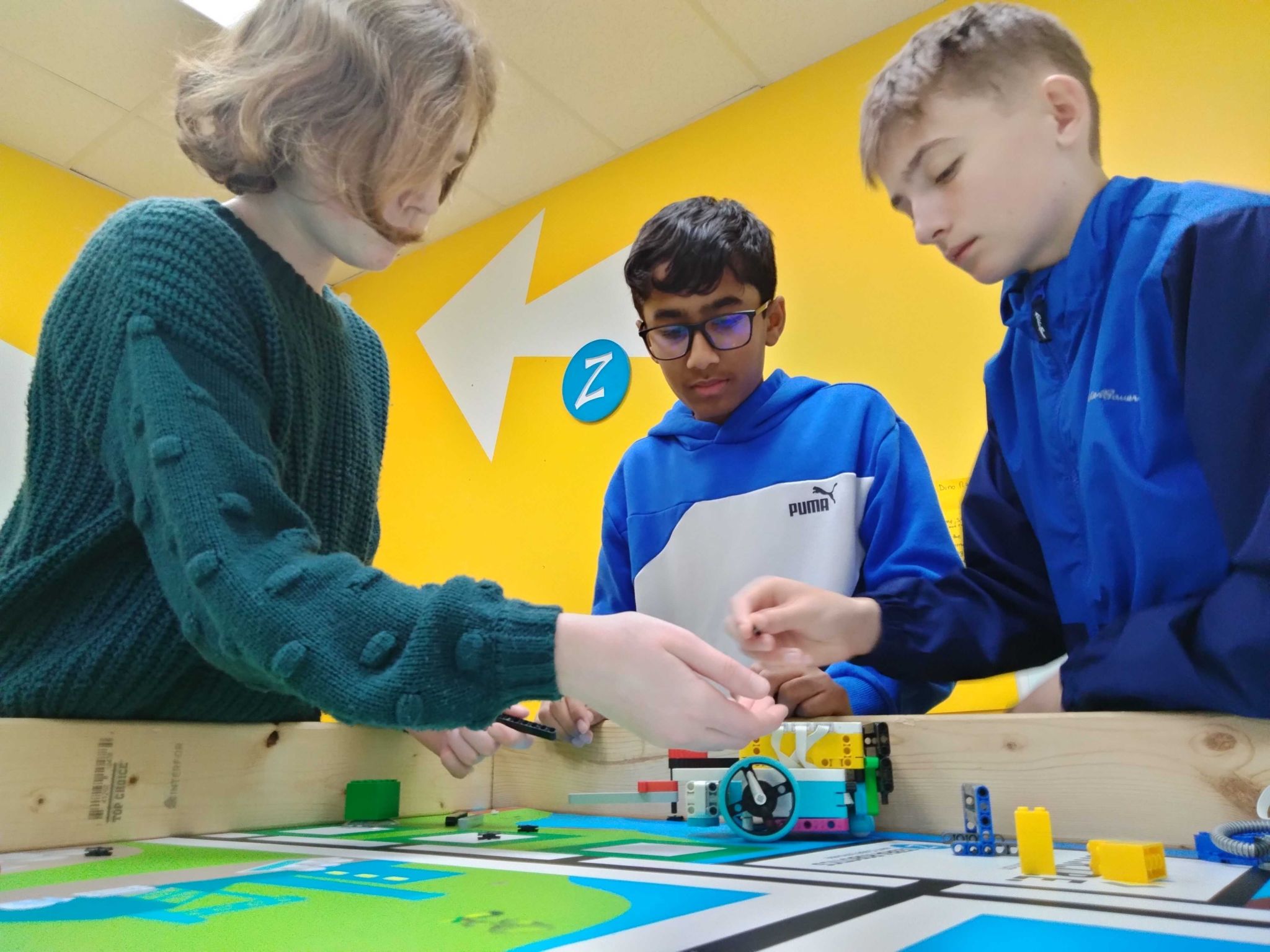
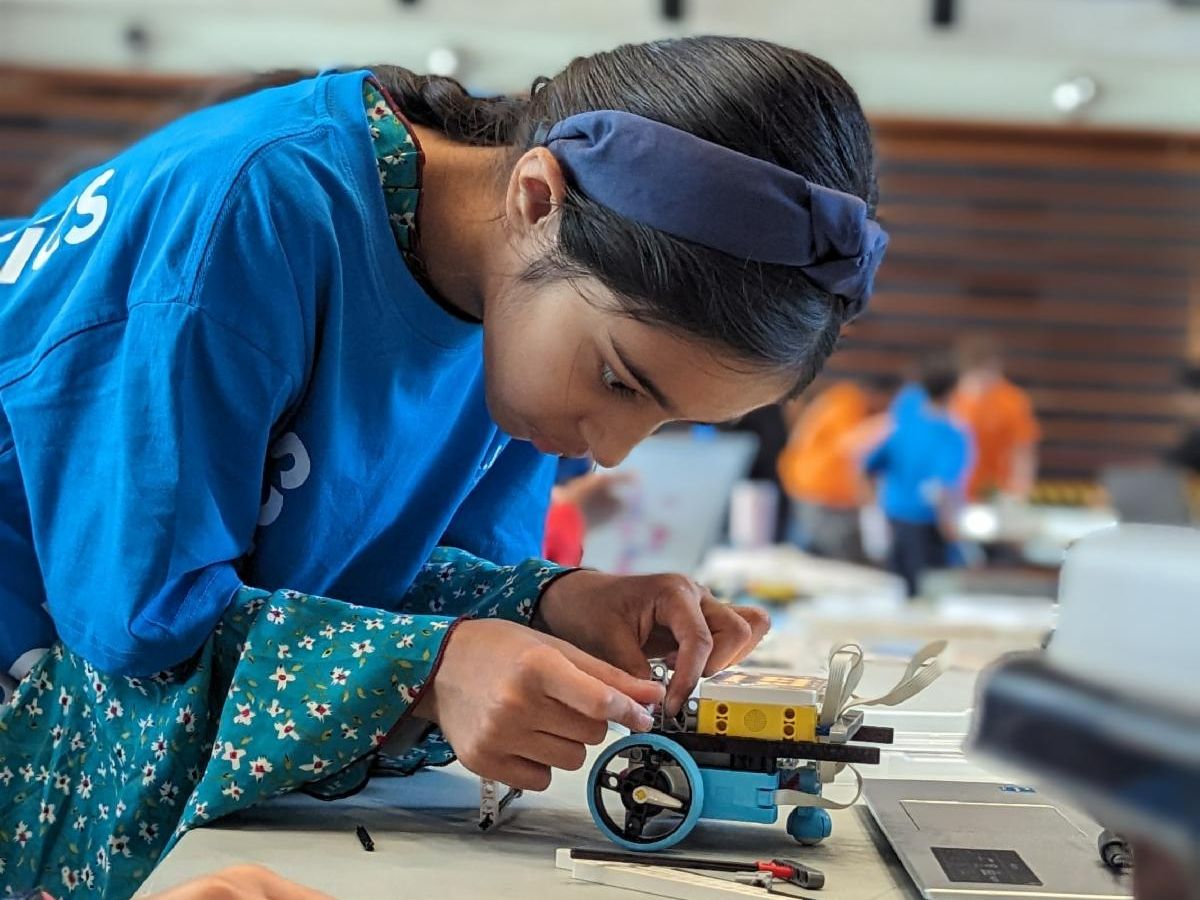
For more than a decade, Zebra Robotics has helped students gain skills in robotics, AI, coding, and technology through 70+ hands-on programs designed for a variety of ages and experience levels. Beyond weekly classes, franchisees can also offer camps, workshops, and competitive training opportunities that create multiple ways to engage students throughout the year. Students also have opportunities to participate in robotics, AI, and coding competitions, including STRIPE, our signature STEM competition. These experiences encourage teamwork, leadership, innovation, and real-world application of classroom concepts. 

With more than 50,000 students served, 25+ locations across Canada and the United States, and 200+ competition awards earned by Zebra Robotics teams, we have developed a proven model supported by comprehensive training, operational guidance, marketing resources, and technology systems. 

Join the Future of Learning

With a comprehensive curriculum, multiple program offerings, and a strong support network, Zebra Robotics provides entrepreneurs with an established path to business ownership while helping students develop future-ready skills. 

Contact our team today to explore how a Zebra Robotics franchise can help you bring innovative STEM education to your community. 

Robots, Rivalries, and Ride Rush: STRIPE Competition Ontario Spring Divisionals 2026 Brings the Heat

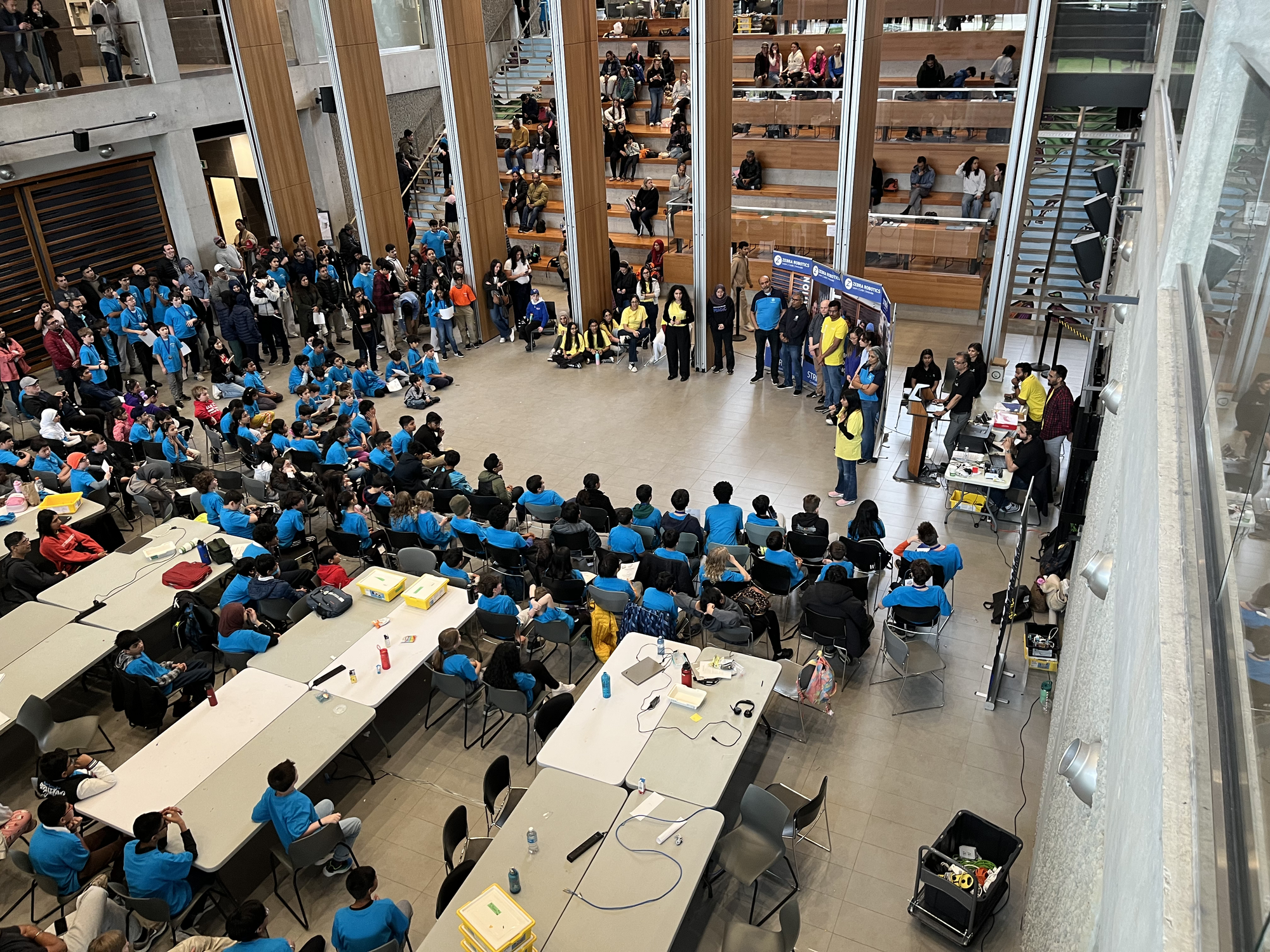
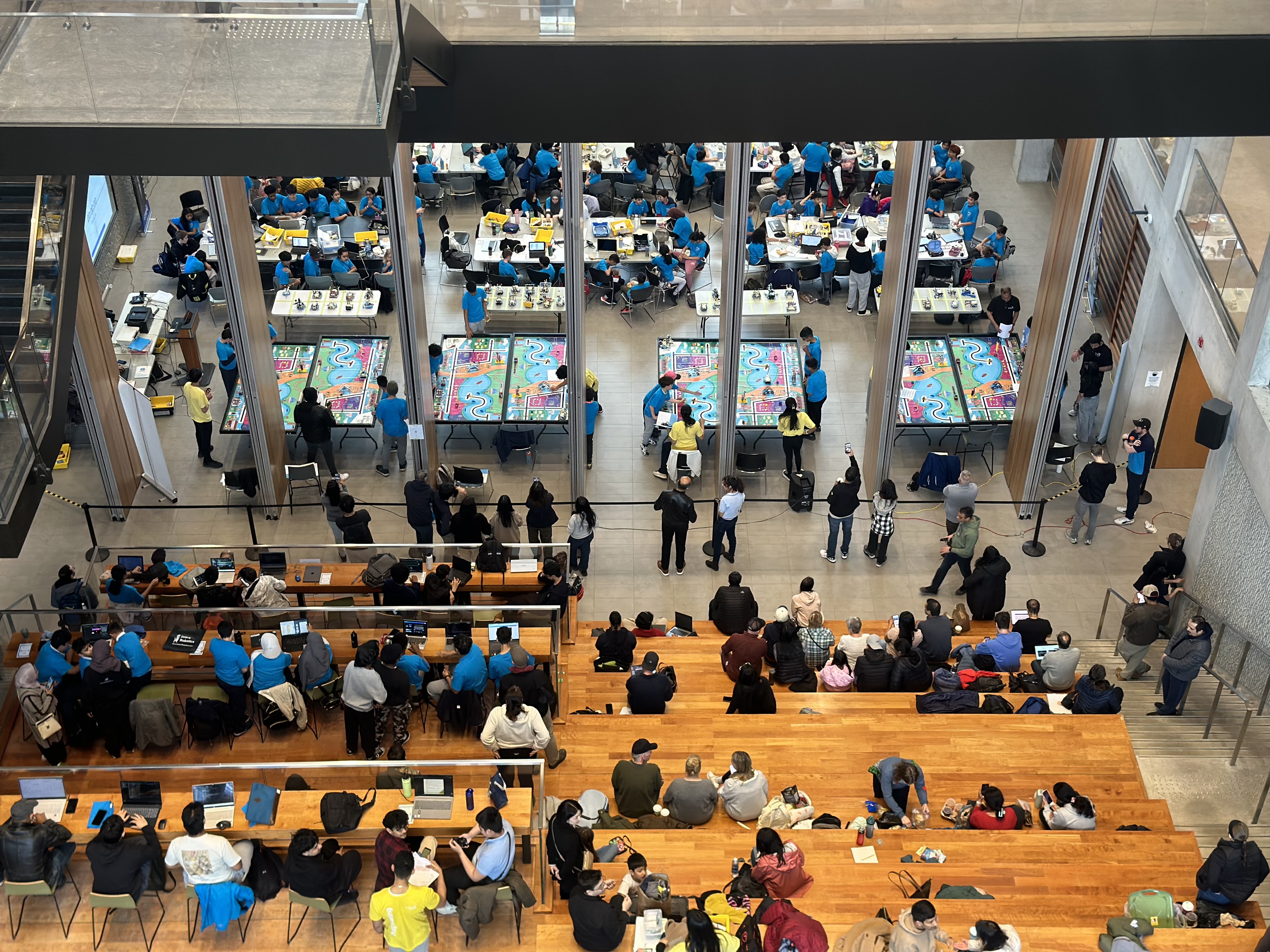
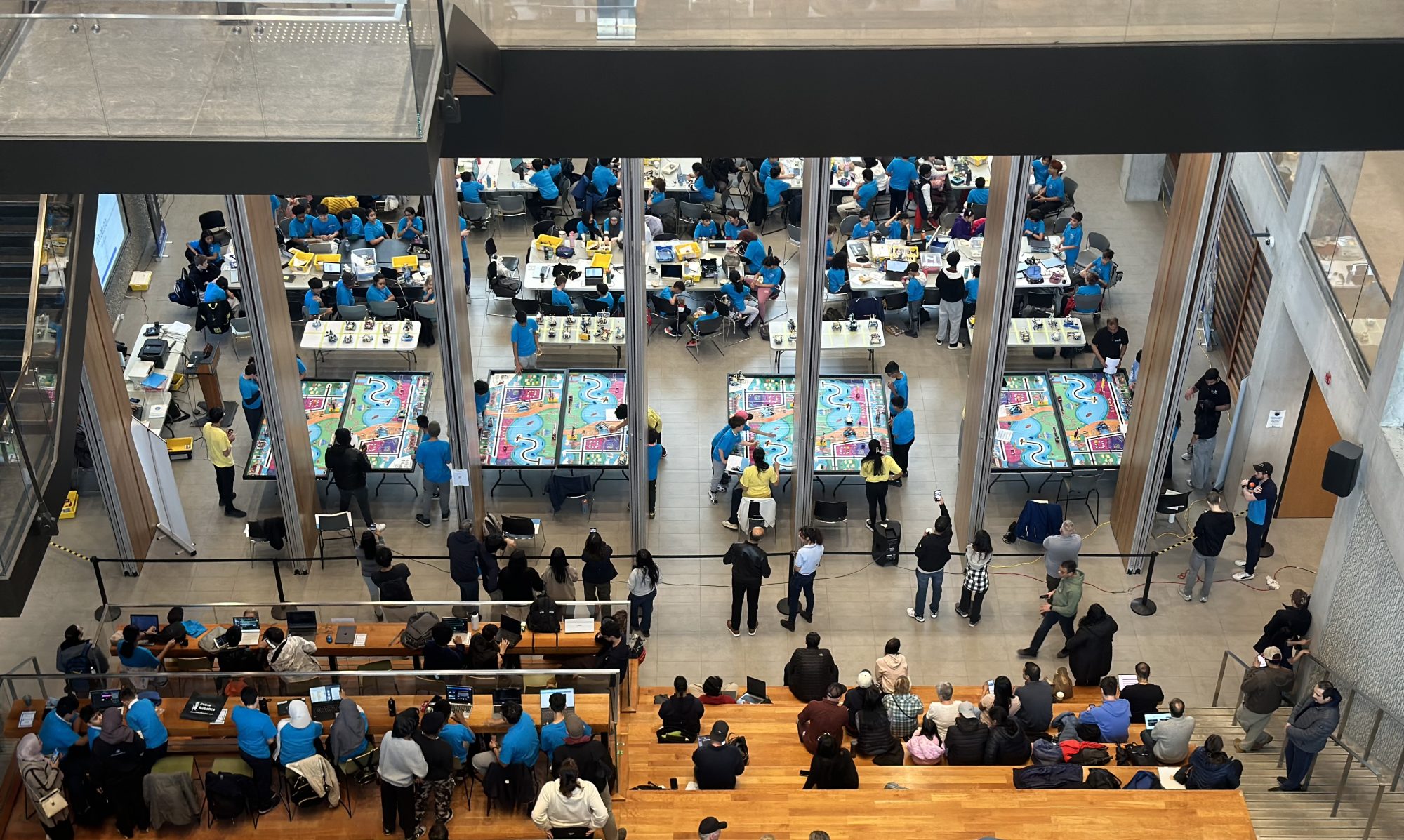
The STRIPE Competition Ontario Spring Divisionals delivered an unforgettable experience filled with energy, enthusiasm, and outstanding displays of talent from students and coaches alike. Teams from across Ontario gathered to compete, collaborate, and showcase the skills they have developed throughout the season, creating an inspiring atmosphere that reflected the true spirit of STEM education and robotics.

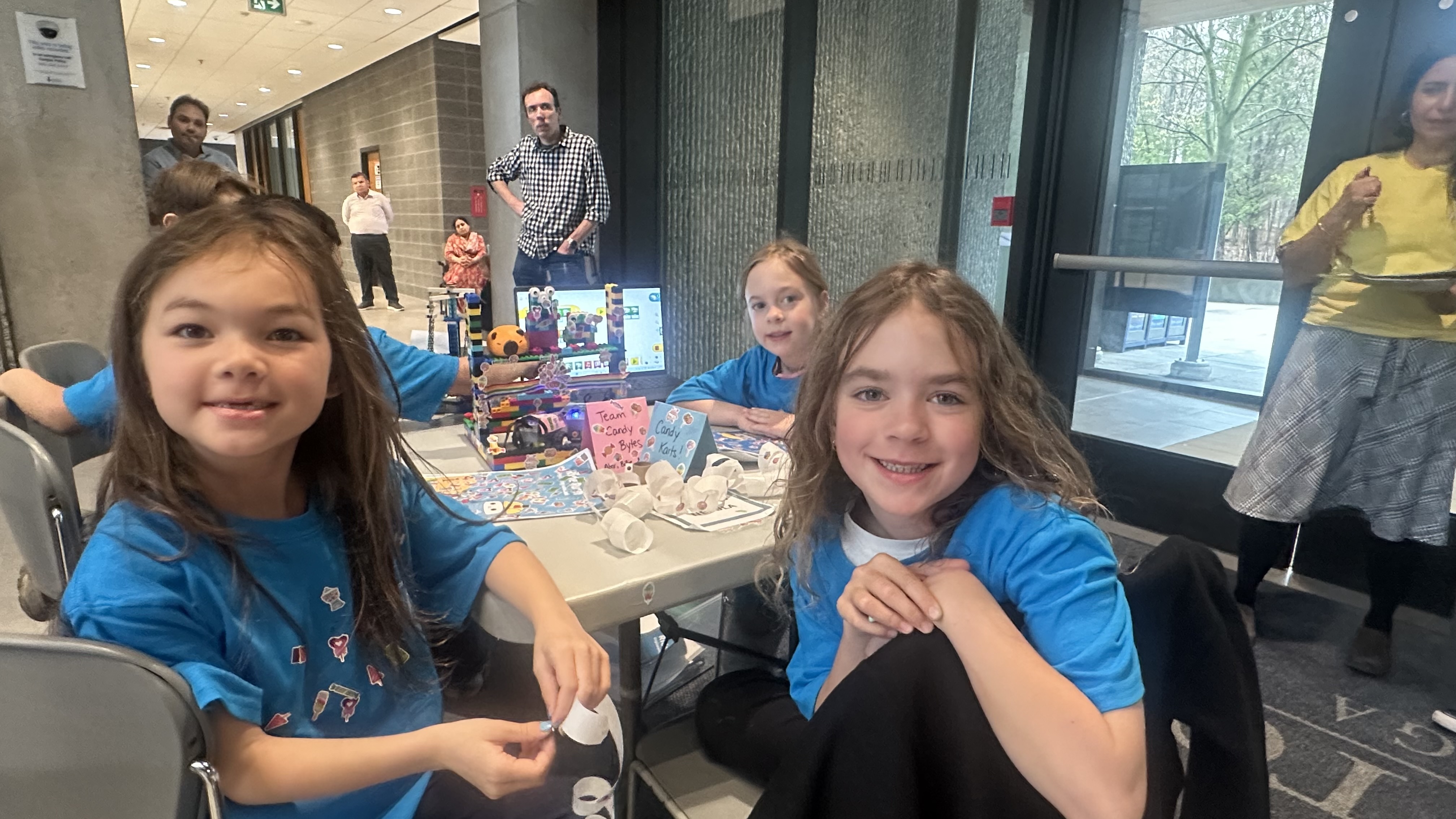
This year’s event featured several exciting developments that made the competition especially memorable. One of the biggest highlights was the transformation of the Nebula category into an innovation and presentation-based competition for the very first time. Designed for younger participants, this new format encouraged students not only to demonstrate technical knowledge, but also to strengthen their confidence, communication, and teamwork skills in a more comprehensive and engaging way. The Nebula teams rose to the challenge remarkably well. The young students impressed judges and spectators with their creativity, problem-solving abilities, and professionalism during presentations and innovation showcases. Eight Nebula teams from Zebra Robotics are advancing to the international competition, a tremendous accomplishment for these rising innovators.


Another standout success at the Ontario Spring Divisionals was the programming category. Through careful planning and organization, the programming division ran smoothly and efficiently throughout the event.Students competing in this category showcased impressive technical skills as they tackled coding challenges, gave outstanding presentations and solved judges’ questions in real time. The event provided an environment where students could apply computational thinking in a competitive setting while continuing to learn from one another. Thanks to the strength and preparation of the teams, all programming participants successfully advanced to the international competition, marking a major achievement for the division.


The Star and Supernova Robotics categories also brought exceptional excitement and competition to the event. With an impressive turnout and highly motivated teams, these divisions showcased the perseverance, creativity, and resilience of some of the competition’s most experienced participants.
Throughout the day, teams demonstrated their coded runs, navigated difficult robotics challenges, and worked collaboratively under pressure. One of the most exciting aspects of the competition was the surprise challenge, which tested teams’ adaptability, quick thinking, and teamwork in real time. Judges were particularly impressed not only by the technical abilities of the students, but also by the positive attitudes and determination displayed throughout the event.


The Star category featured 41 participating teams, with over 20 Zebra Robotics teams advancing to the international competition. Meanwhile, the Supernova division saw 6 out of 8 teams qualify for internationals, reflecting the high level of preparation and performance demonstrated across the category.
Overall, the STRIPE Competition Ontario Spring Divisional was a tremendous success, hosted elegantly by Zebra Robotics Meadowvale who were also the 2026 sponsors!

Internationals are days out and Zebra Robotics Meadowvale is excited to host the final leg of the competition on June 13th -14th at the Niagara Falls Convention Centre.

Stay tuned via the instagram @stripecompetition or @zebrarobotics for updates.

Wanna test your robotics skills on an International stage in 2027? Check out STRIPE Competition.

STRIPE Competition North Carolina Divisional Spring 2026

Over 60 teams. One gym. Pure energy.

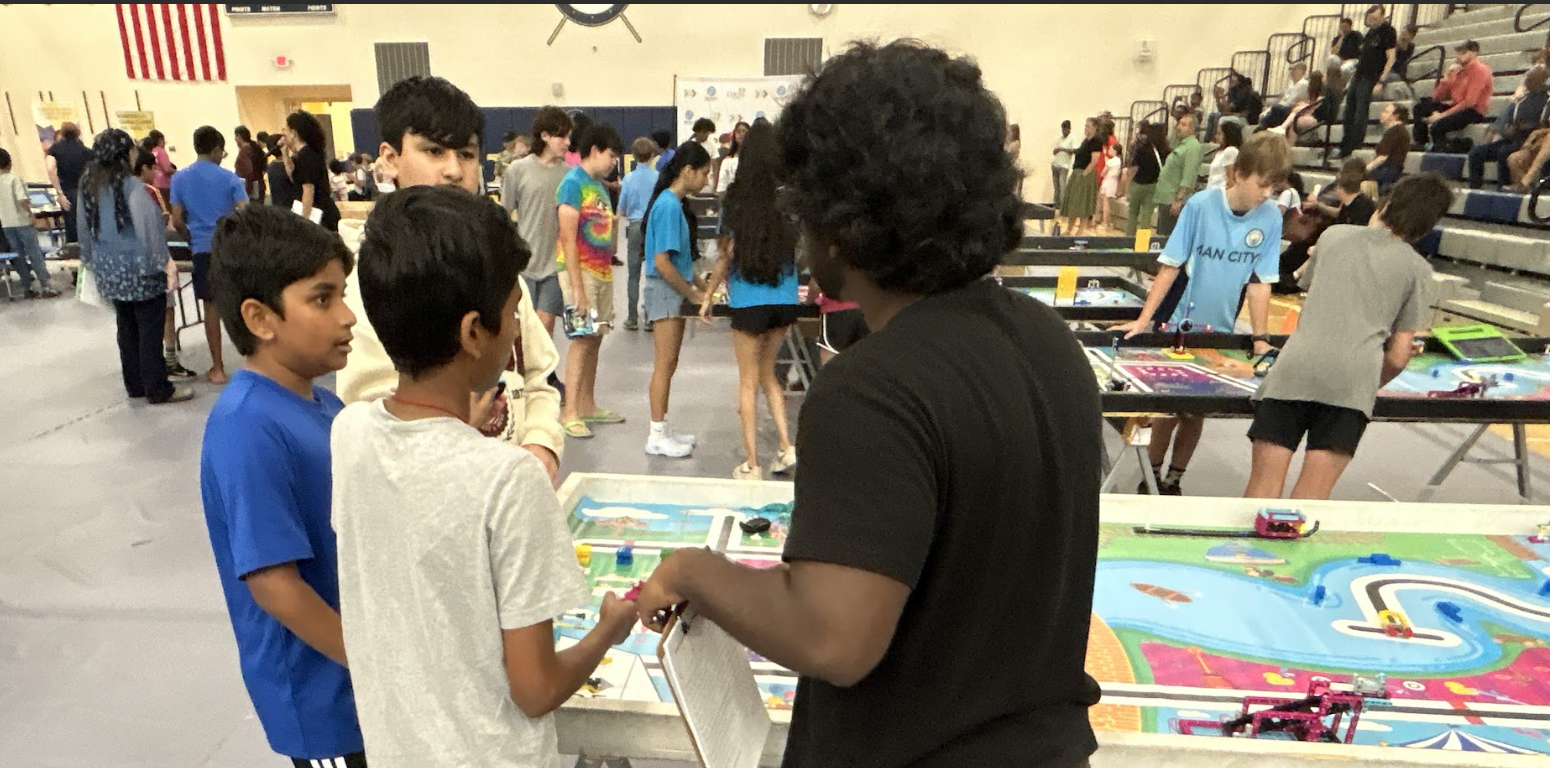
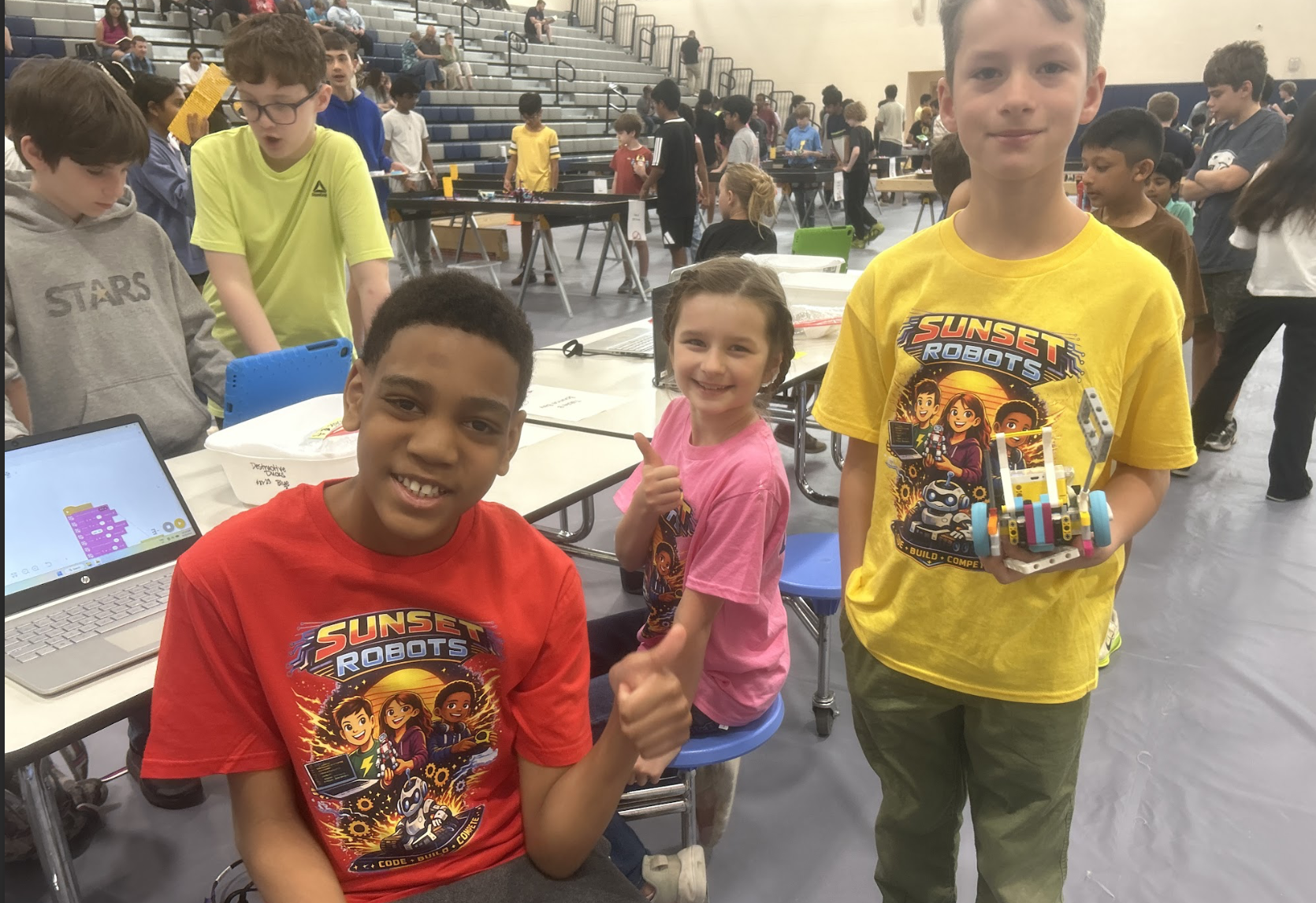
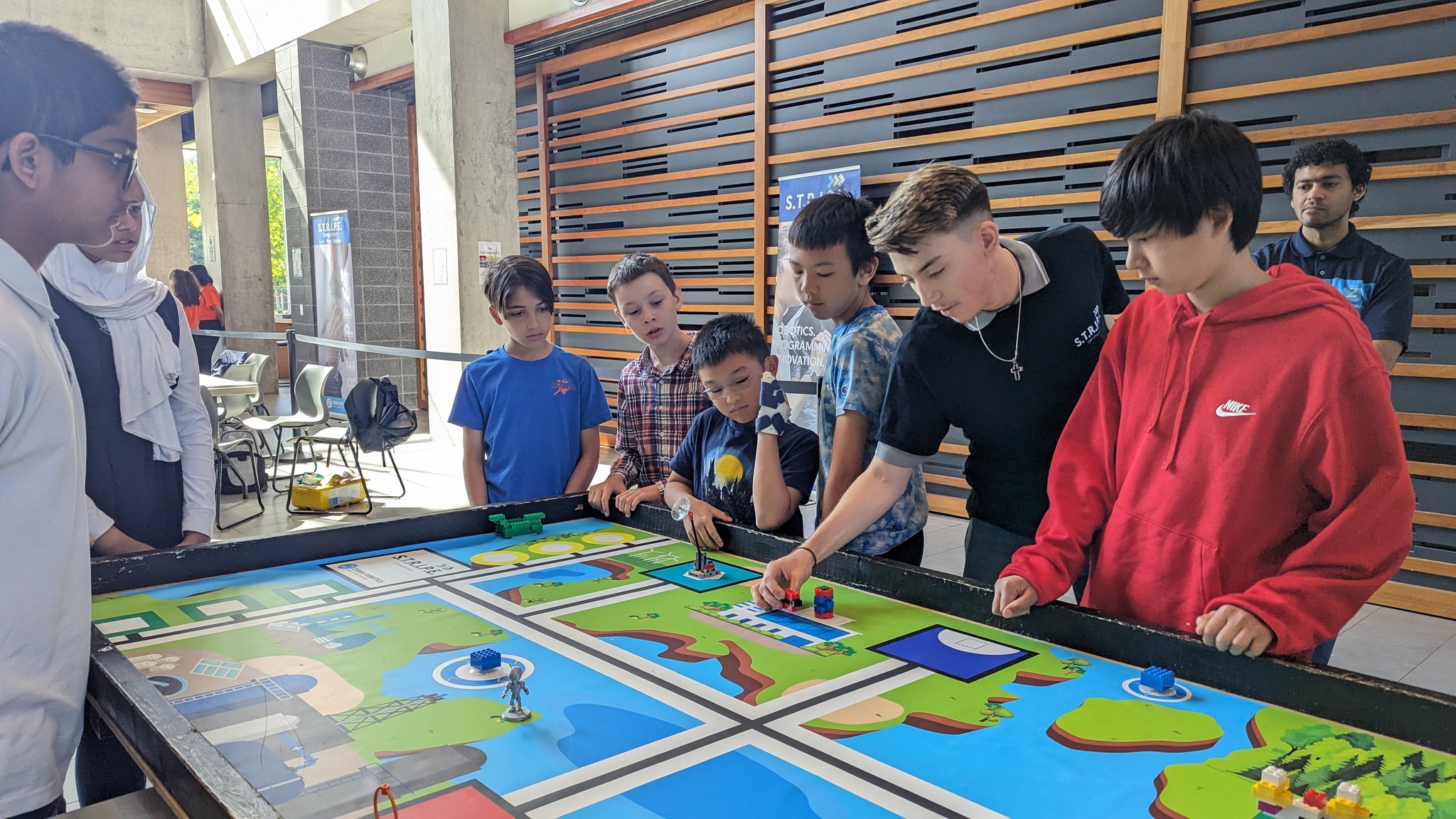
On April 25th, Alston Ridge Middle School (Cary, North Carolina) transformed into a high-energy engineering arena for the STRIPE Competition Spring 2026 Divisional. From the moment doors opened, it was nonstop action. Robots moving, teams strategizing, and scores climbing.

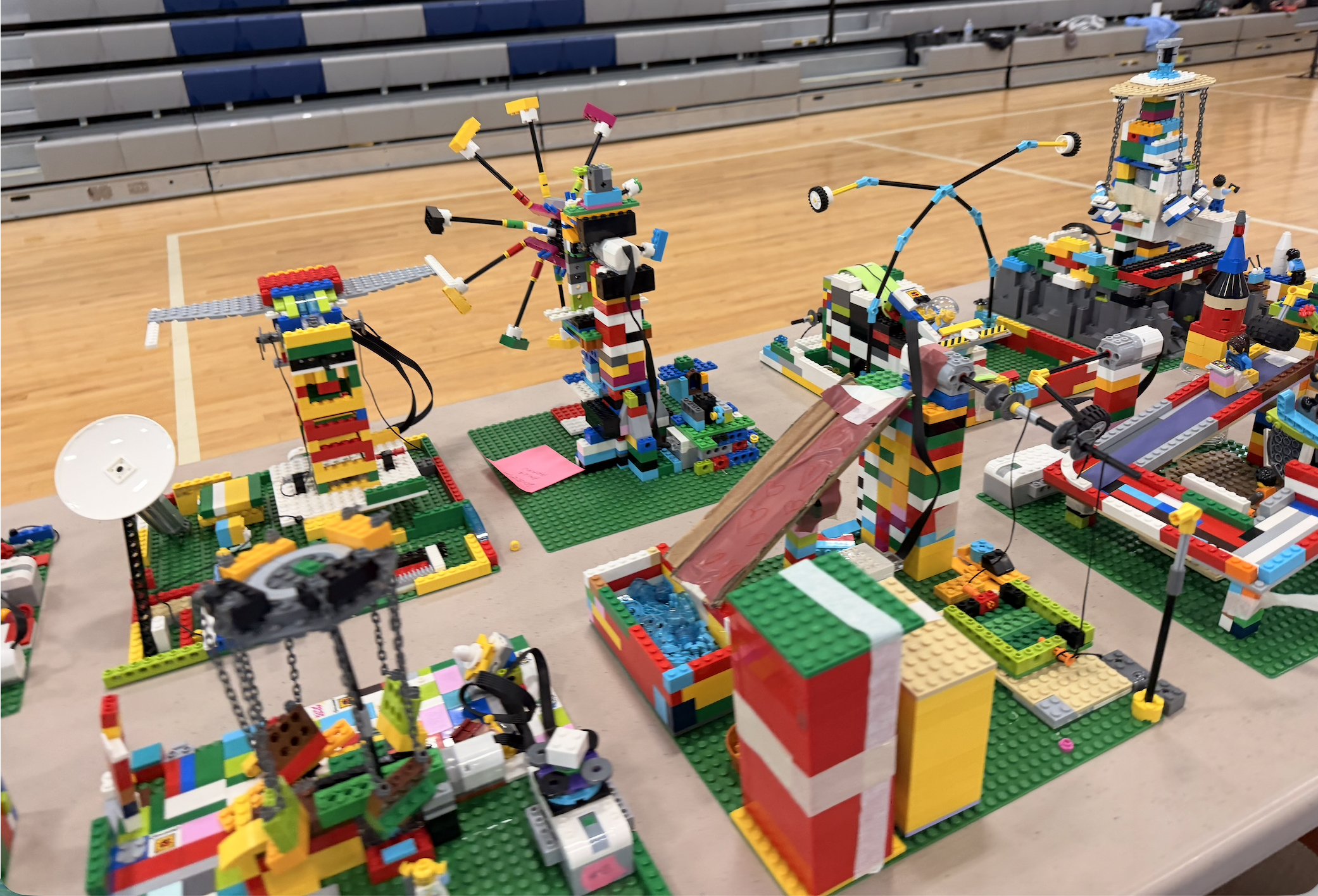
New this season, the Jr. Robotics Nebula Engineering Challenge stole the spotlight. Students ages 5–9 designed and built LEGO motorized amusement park rides, then documented their engineering process like true innovators. It wasn’t just building, it was thinking, testing, improving, and creating in ways that turned heads all day.

Katie, a guest judge from a local engineering firm, captured the moment perfectly:
“Zebra Robotics is doing something really meaningful, introducing students as young as five to the engineering design process in a way that builds both confidence and capability. It was impressive to see not only their creativity and problem solving, but also their composure, teamwork, and focus in a competitive setting. These are the kinds of skills that truly prepare students for the future.”

Across the gym, the intensity ramped up as top teams from across North Carolina raced the 2-minute clock in the Ride Rush Robot Game. Every second mattered. Every move counted.

STAR Division Champions
Team Bionic (520)
Rad Re-Runner (515)
Spare Parts (505)

SUPERNOVA Division Champions
Evil Bunnies 3.0 (530)
Voltage Vipers (405)
Captain Rex (335)

Next up, the stakes get even higher. Teams are headed to Niagara Falls, Canada this June for the STRIPE Competition Internationals, where the best from across North America will battle it out at the ultimate Ride Rush championship.

Why STEM Education Franchising Is a Smart Investment Right Now

Growing Demand for STEM and Robotics Education 

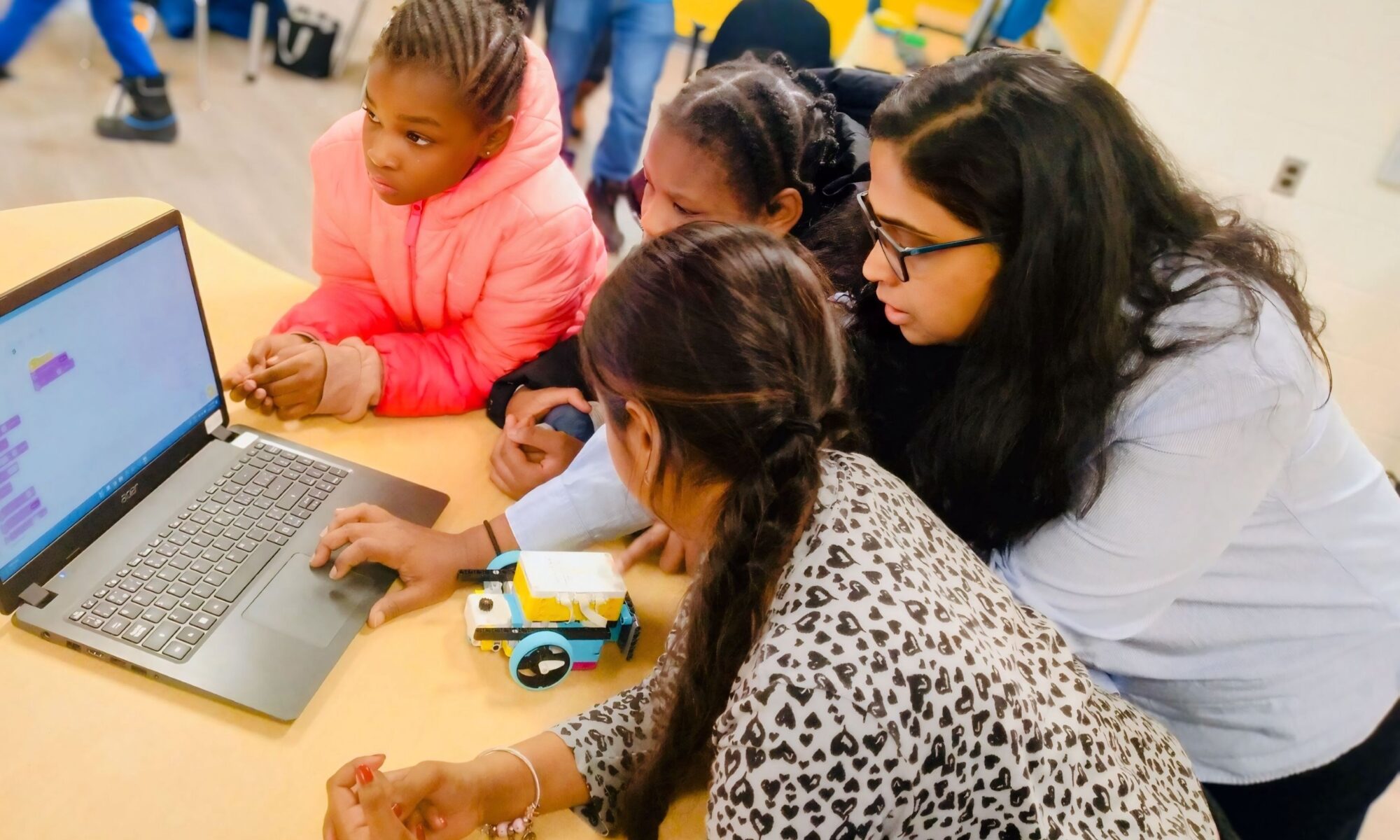
STEM education continues to transform how students learn and prepare for the future. Robotics, AI, and coding programs provide hands-on experiences that develop problem-solving skills, creativity, and teamwork. Families and schools across the country are seeking programs that equip students with skills for technology-driven careers, creating strong demand for high-quality enrichment. 

This demand continues to accelerate. Industry projections show the STEM education market in North America reaching over $96 billion within the next 5 years, driven by the need for future-ready skills, AI-enabled learning, and hands-on education models. As technology continues to shape the workforce, these programs play a central role in preparing students for what comes next. 

Zebra Robotics has been at the forefront of this movement, delivering engaging programs that foster collaboration and innovation across all age groups. This positions STEM education franchising with Zebra Robotics as an exciting opportunity for entrepreneurs looking to build a business grounded in purpose, impact, and long-term growth. 

A Proven Path for Entrepreneurs 

STEM education franchising offers structured entry into the education market. Franchise models provide established curriculum, operational guidance, and brand recognition that support a confident launch. Zebra Robotics equips franchisees with comprehensive training, marketing resources, and ongoing support to maintain high program quality. 

With over 11 years of operational experience, 25+ locations, and 50,000+ students served, Zebra Robotics offers a proven and profitable business model. Entrepreneurs exploring education franchise opportunities benefit from a system designed for efficiency, strong retention, and consistent demand. 

With clear processes in place, franchise owners can focus on building relationships, engaging their local market, and delivering impactful learning experiences. 

Designed for Growth and Flexibility

Zebra Robotics programs adapt across multiple formats, including weekly classes, camps, workshops, and school partnerships. This flexibility allows franchise owners to reach a wide audience and maintain steady enrollment throughout the year. 

A scalable structure supports long-term growth. Franchisees can expand offerings, increase capacity, and strengthen partnerships without added complexity. With 70+ in-house developed programs and both in-person and virtual delivery options, the model supports steady and manageable expansion. 

This flexibility allows owners to establish a strong local presence while growing their business over time. 

Building Strong Community Connections 

Schools and community organizations actively seek engaging STEM programs that align with modern learning goals. These offerings fit naturally into those environments, creating strong partnership opportunities for franchise owners. 

Zebra Robotics also emphasizes competition-based learning. Students participate in recognized robotics, AI, and coding competitions, where they develop teamwork, collaboration, and leadership skills. Over time, Zebra Robotics teams have earned 200+ awards across regional and international competitions, contributing to local pride and engagement. 

By introducing these programs into their communities, franchisees create meaningful connections while supporting student growth and confidence. 

Combining Purpose with Opportunity 

Franchise ownership with Zebra Robotics brings together entrepreneurship and meaningful work. Owners deliver valuable learning experiences while operating within a high-demand, future-focused industry. 

With millions of STEM-related roles expected in the coming years, demand for robotics, AI, and coding education continues to rise. This creates a strong foundation for franchise owners to build businesses aligned with long-term market needs. 

Zebra Robotics encourages innovation in program delivery, community engagement, and business growth. Franchisees join a network focused on inspiring students while building successful, community-driven businesses. 

Looking Ahead 

Entrepreneurs who value education and innovation will find strong opportunities in STEM education franchising. With a proven model, adaptable programs, and growing demand, Zebra Robotics franchisees are equipped to build meaningful businesses that inspire future leaders in technology and STEM fields. 

Start Your Franchise Journey 

At Zebra Robotics, we empower franchisees to bring innovation, collaboration, and entrepreneurship together in one opportunity. Joining our network means delivering robotics, AI, and coding programs to your community while building a business rooted in education and growth. 

If you are ready to take the next step, contact us to learn how Zebra Robotics can support your journey into franchise ownership and help you make a lasting impact. 

Zebra Robotics Teams Across the U.S. and Canada Complete A Standout FIRST LEGO League Season

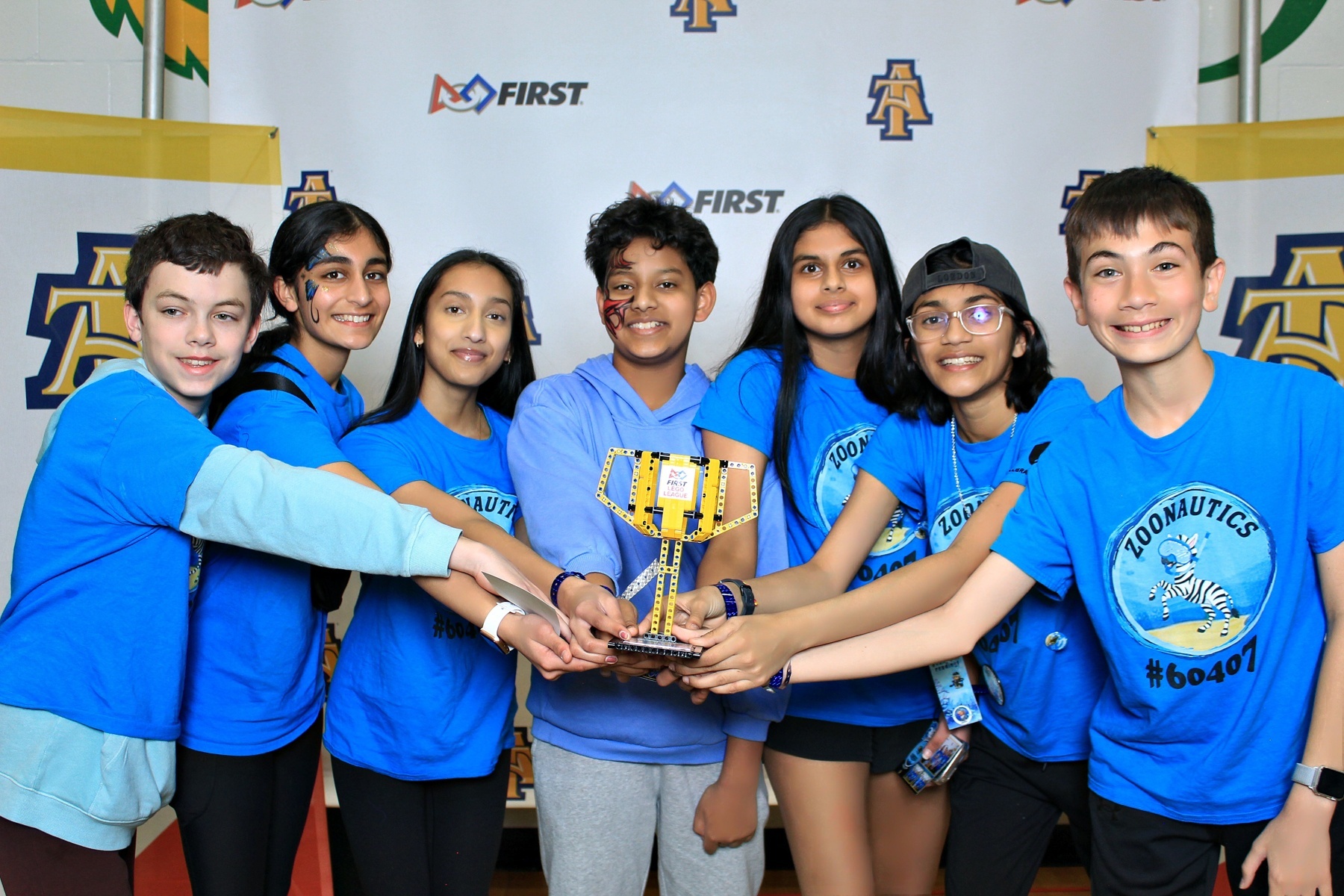
Zebra Robotics teams across the United States and Canada wrapped up a successful FIRST LEGO League season this 2025 – 2026.
This year, they took on the Unearthed archaeology challenge with powerful robots, thoughtful research, and effective teamwork. While many Zebra Robotics students also compete in robot game focused programs such as STRIPE Competition and World Robot Olympiad, FIRST LEGO League remains a core program for its emphasis on research, innovation, communication, and real world problem-solving alongside robotics and programming.

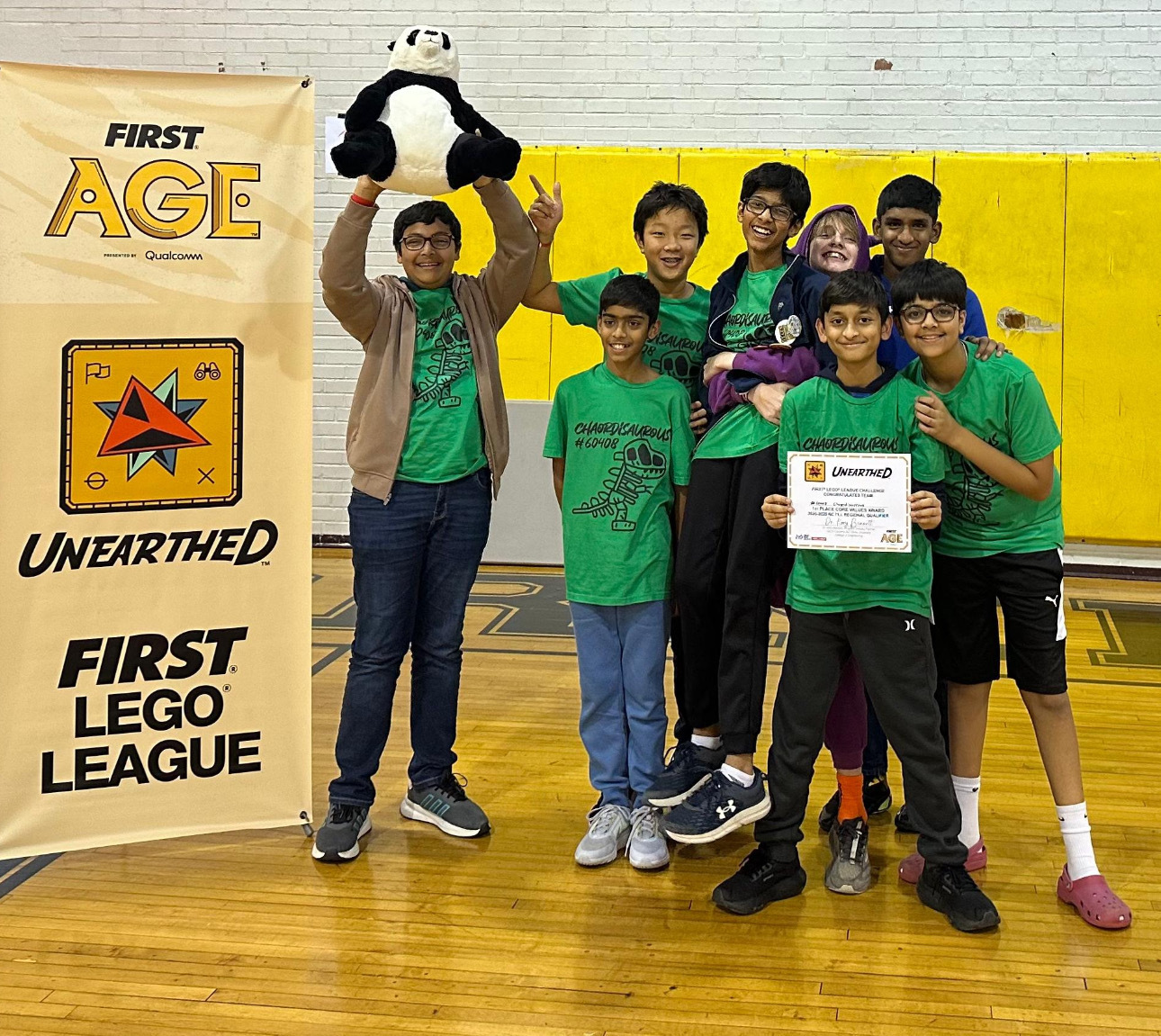
Chaordisaurous from North Carolina

In North Carolina, teams explored archaeology through a STEM lens, researching solutions such as photogrammetry for preserving ancient artifacts, safer transport systems for mummies, heat protection gear for archaeologists working in extreme environments, and methods for protecting fragile cave paintings.

All four North Carolina teams advanced to the State Championship, with three earning top ten robot game scores at the state level.

“FIRST LEGO League stretches kids in the best ways. They’re building robots one minute and pitching big ideas to judges the next. Add in tight timelines, teamwork, and real research with industry professionals, and suddenly STEM becomes a lot bigger than just code and LEGO robots.”

Stephanie Hicks, North Carolina Coach at Zebra Robotics.

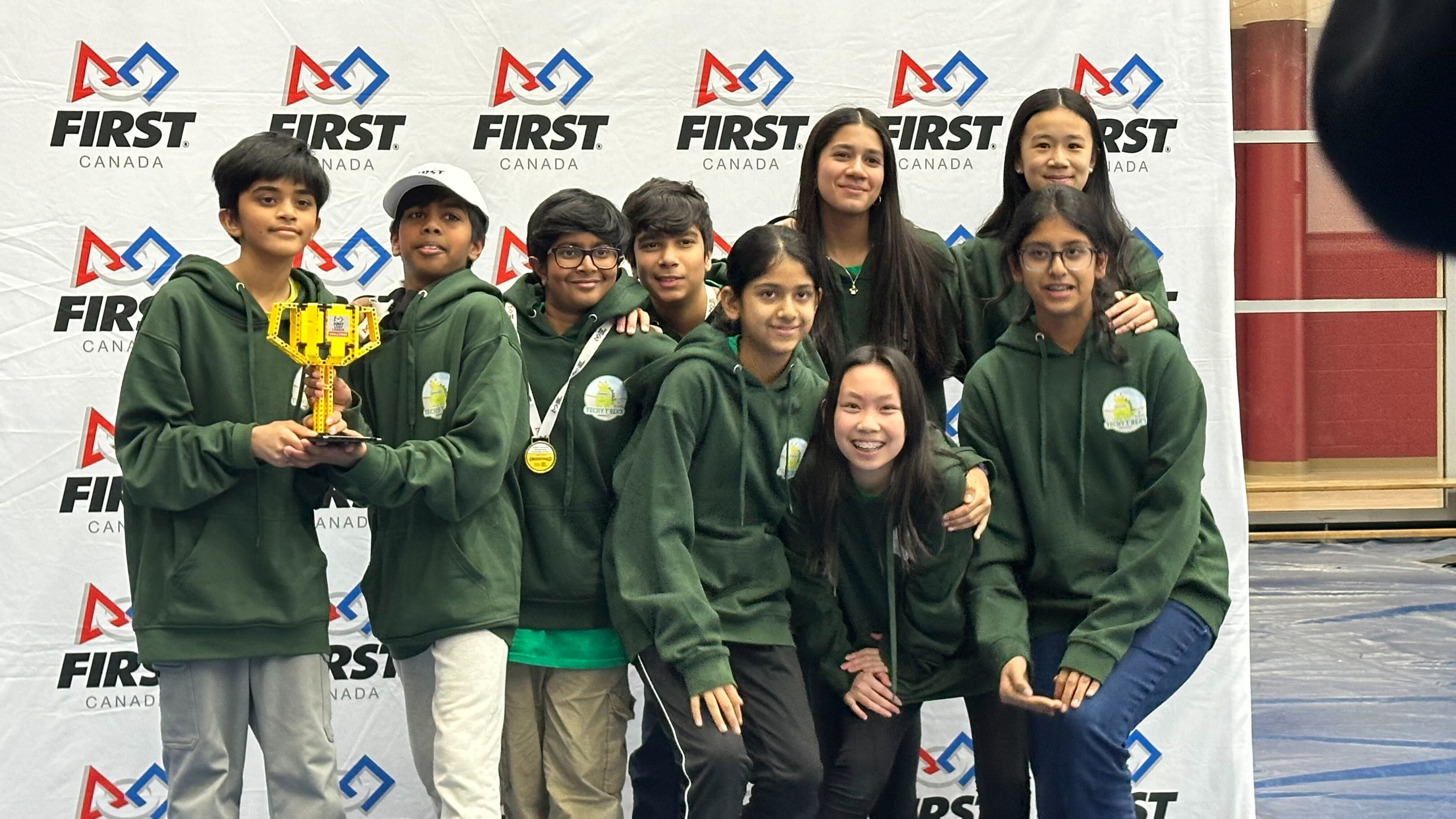
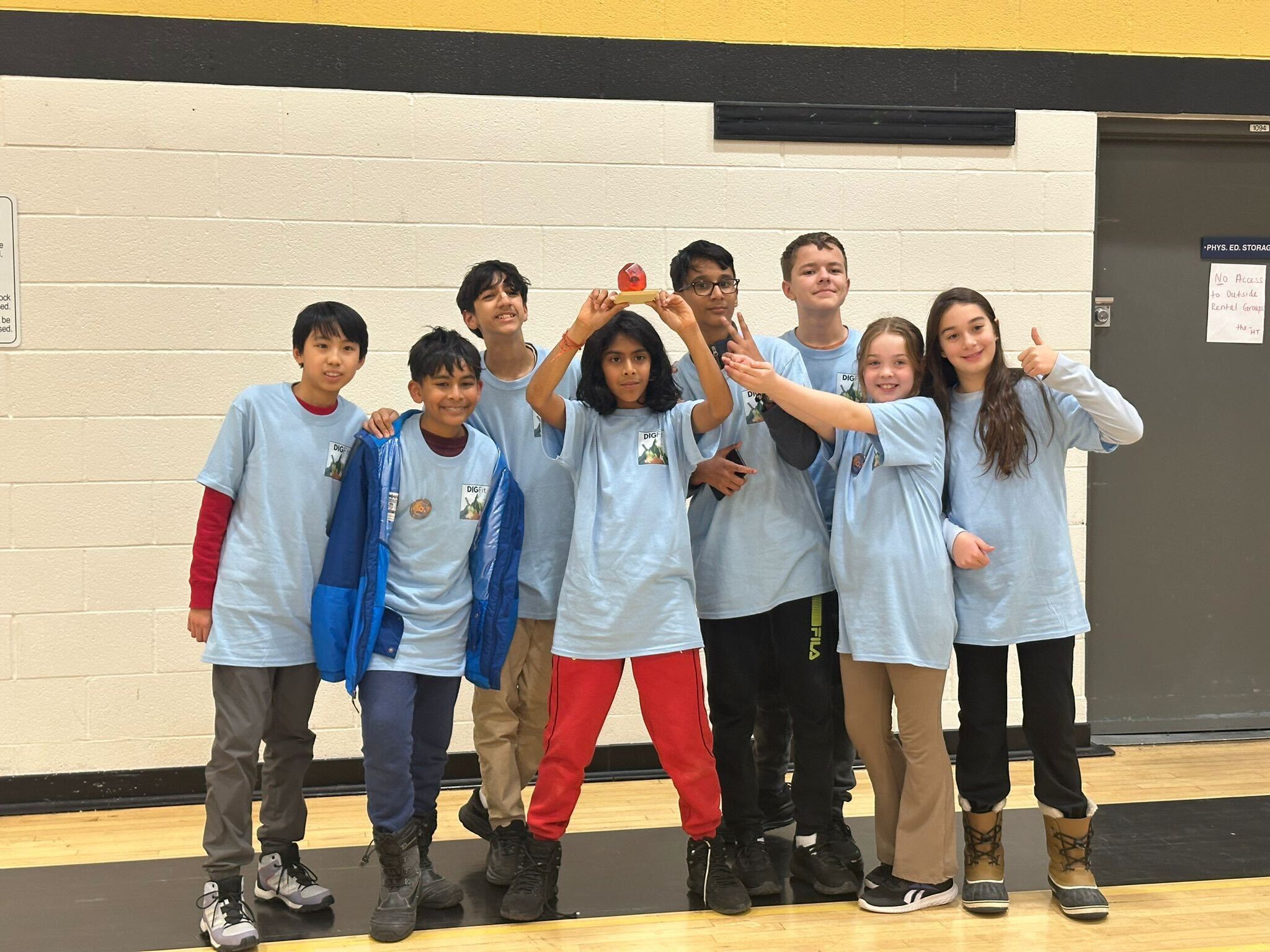
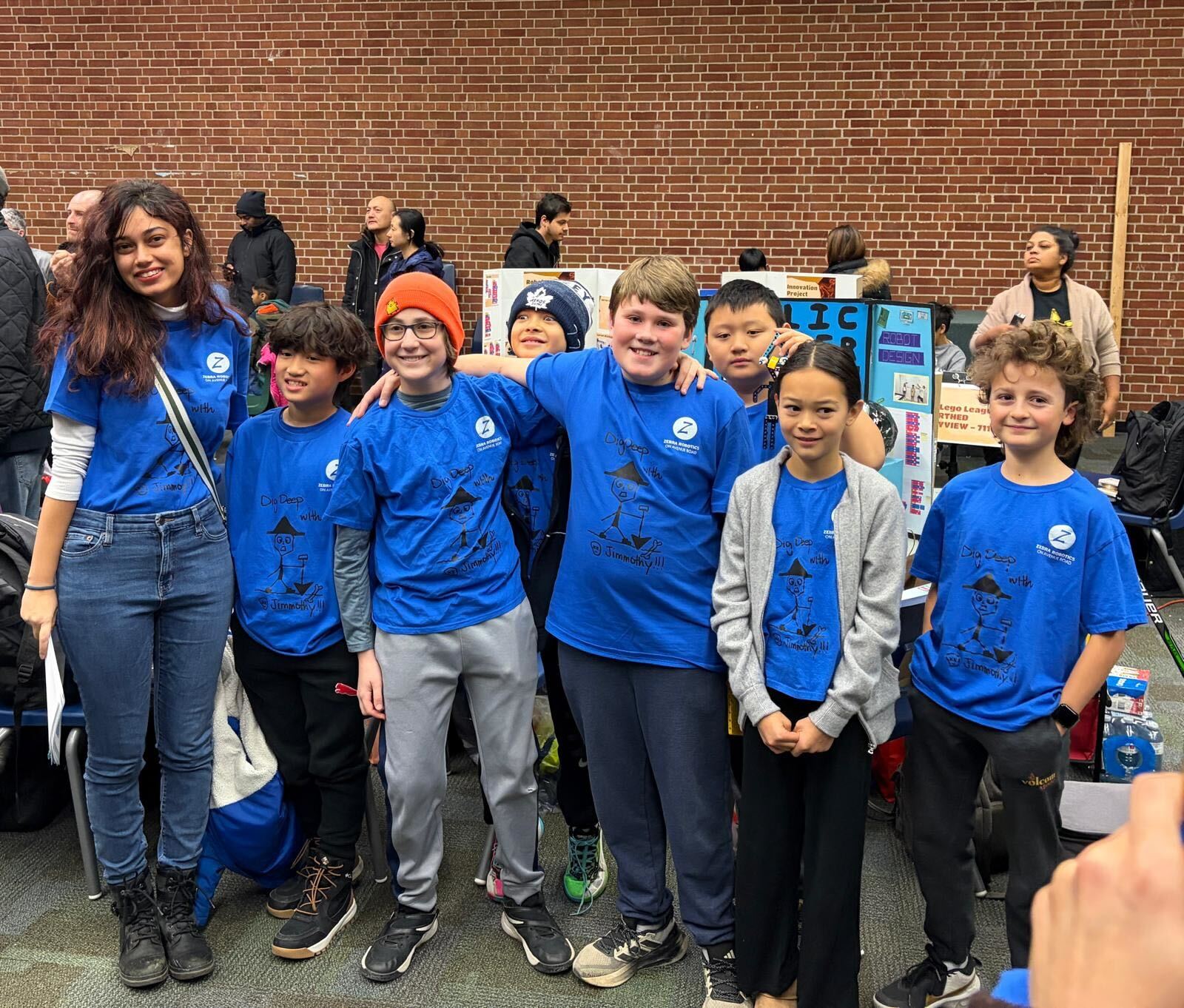
In Ontario, Canada, Zebra Robotics covered five brilliant teams, nearly all of them participating for the first time, representing Avenue Road, Brampton, Meadowvale, and Oakville. Teams embraced the Unearthed theme by developing innovation projects focused on archaeological discovery and making the lives of archeologists easier on the field. This included autonomous rover concepts, introductory artificial intelligence ideas, and applications of robotics, automation, and data analysis. Alongside robot design, students strengthened collaboration, documentation, and presentation skills.

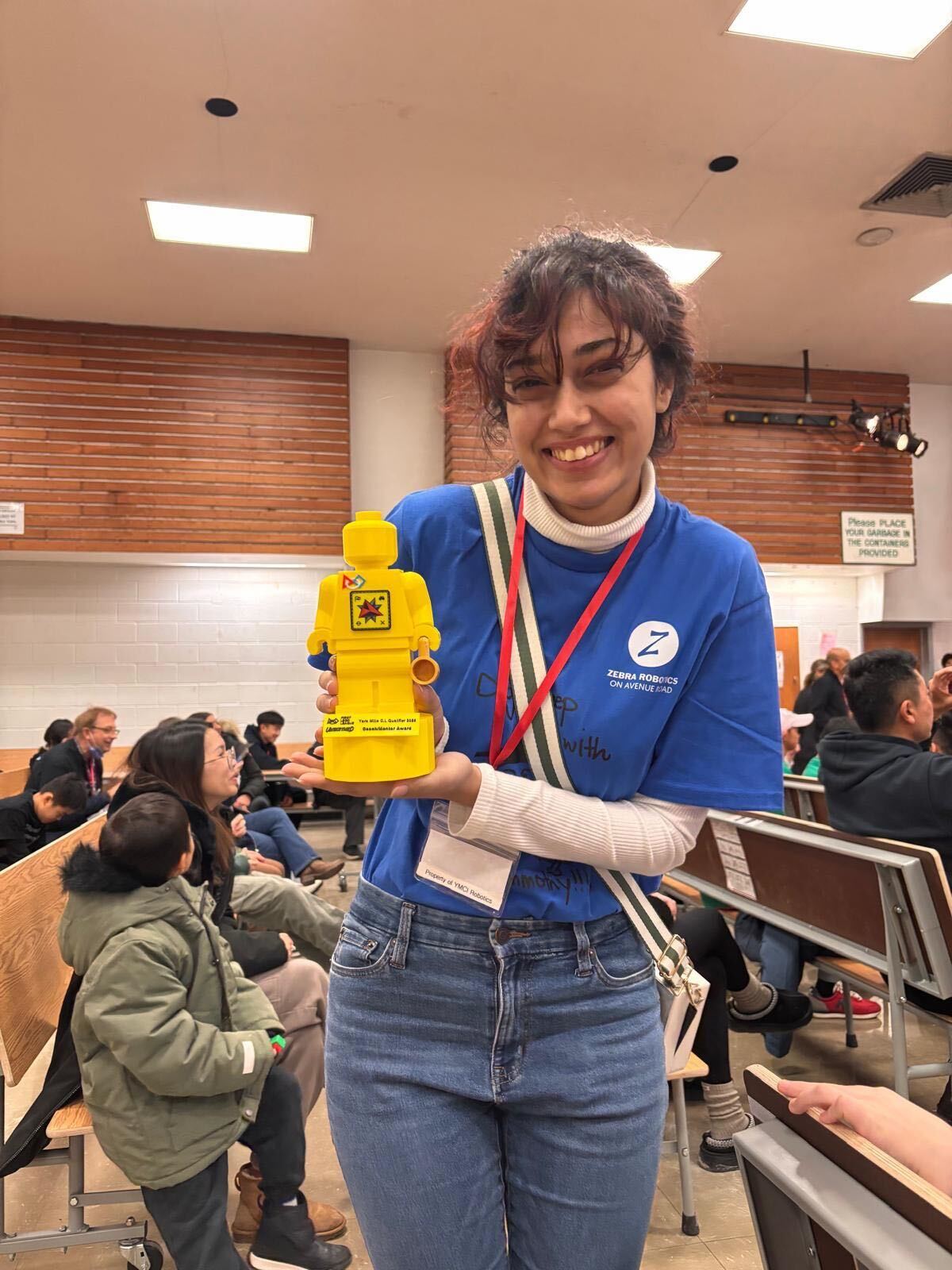
Ontario teams delivered strong performances at regional competitions, with three advancing to the Provincial Championship after earning awards including Engineering Excellence, Coaches Awards, Core Values, and the Championship Award. At Provincials, teams presented refined innovation projects and improved robot designs, earning a Motivate Award for Brampton and an Engineering Excellence Award for Meadowvale. The Meadowvale team has now advanced to the FIRST LEGO League International competition, a significant achievement for the rookie team.
Avenue Road winning the Coach’s Award

“This season was really fun, but competition day was definitely nerve-racking. I am so glad we were able to win an award!”

Zebra Robotics Meadowvale Team Member

Across both countries, Zebra Robotics teams demonstrated the value of FIRST LEGO League in developing skills that extend beyond competition day. Through hands on engineering, research driven projects, and collaboration under pressure, students built confidence, resilience, and a deeper interest in STEM and robotics.

The success of both rookie and experienced teams reflects the impact of consistent mentorship and accessible STEM opportunities, reinforcing a commitment to developing the next generation of innovators, engineers, and problem solvers.

With more FLL seasons coming up and recruitment starting in early July, we cannot wait for the 2026 – 27 season reveal and for the competition prep to start.

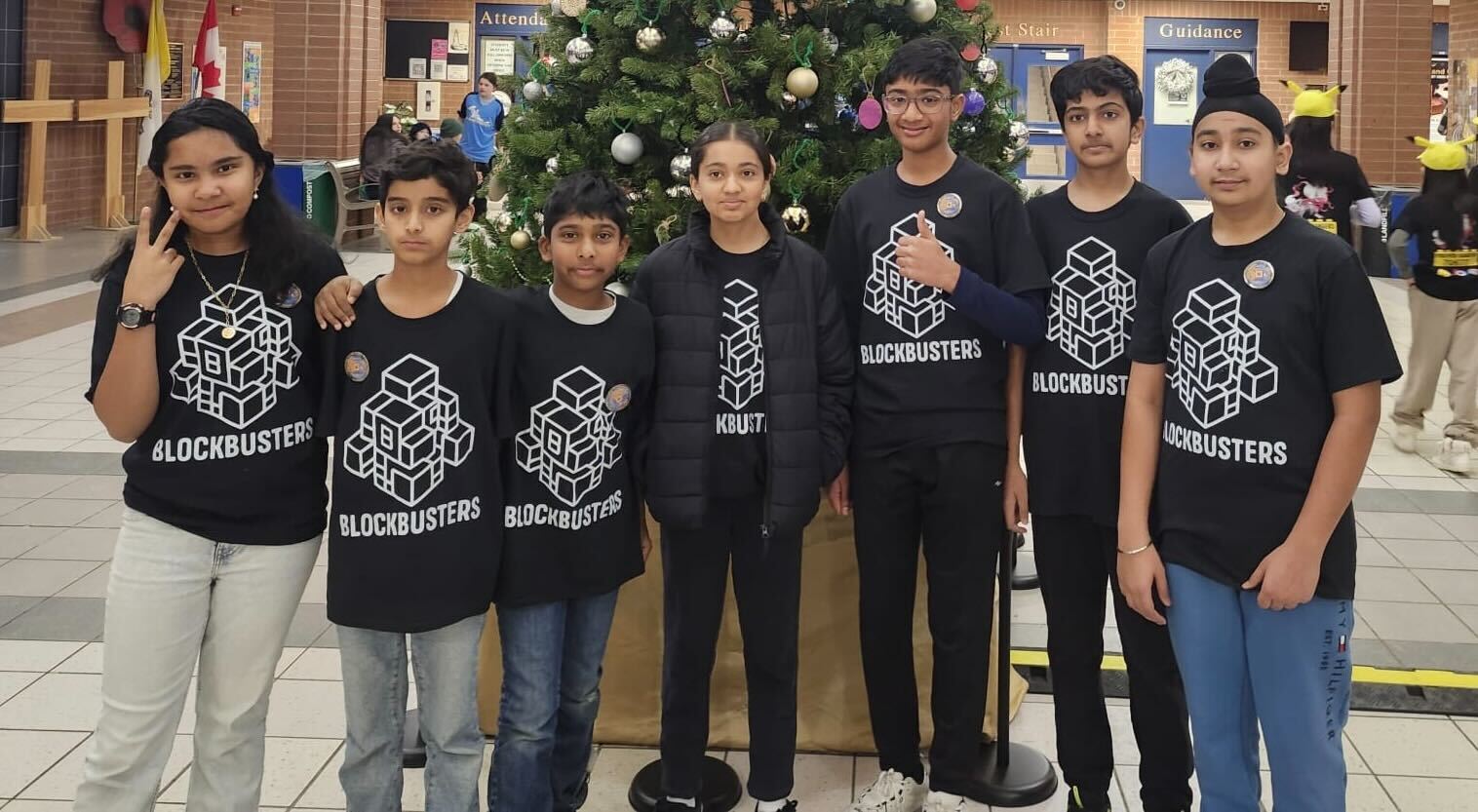
Team Blockbuster from Zebra Robotics Brampton

If you’re looking to join an award-winning FLL team this summer check out our Zebra Robotics programs!

Singapore 2025: A Comeback, a Heartbreak by 0.7 Points, and a Team Battling Through Illness

WRO 2025

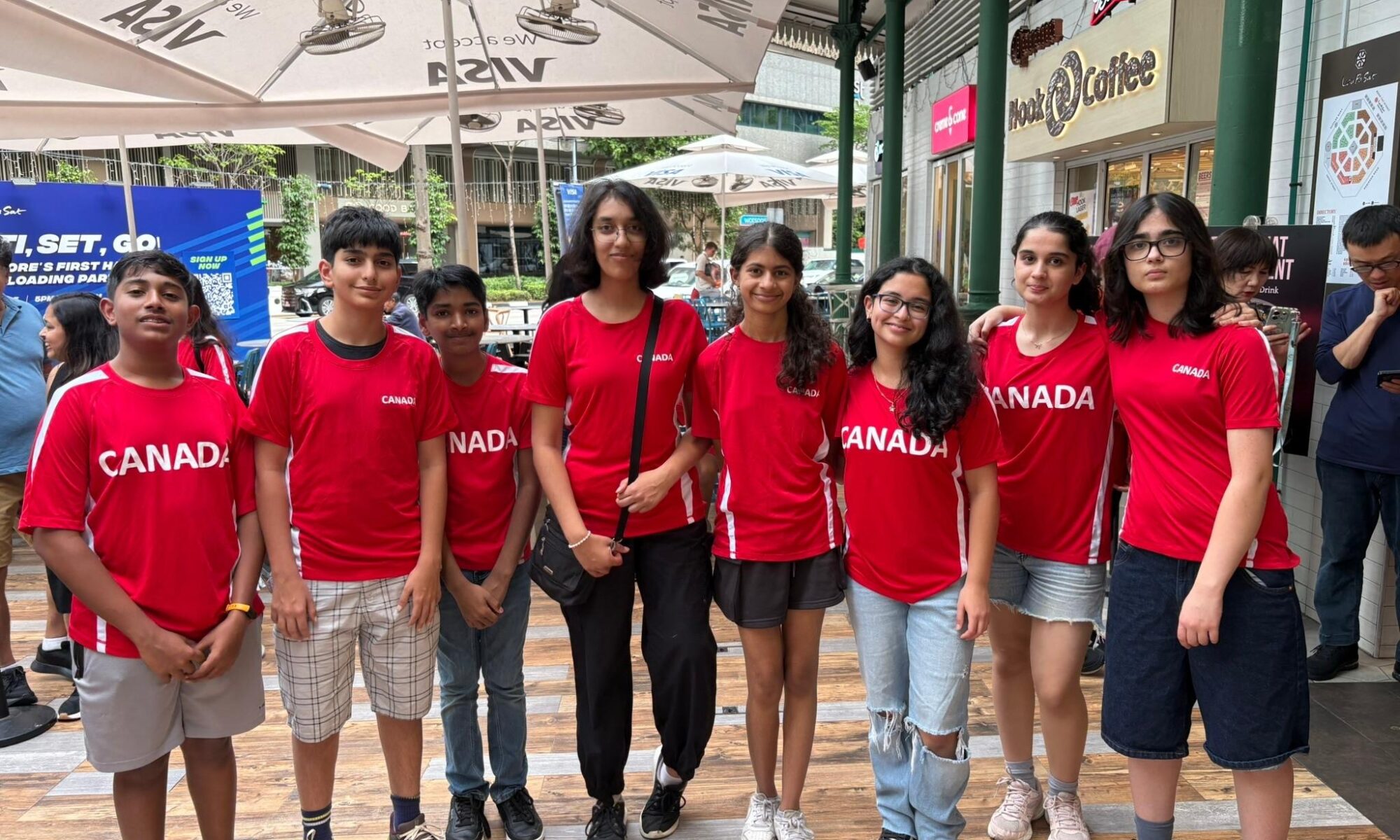
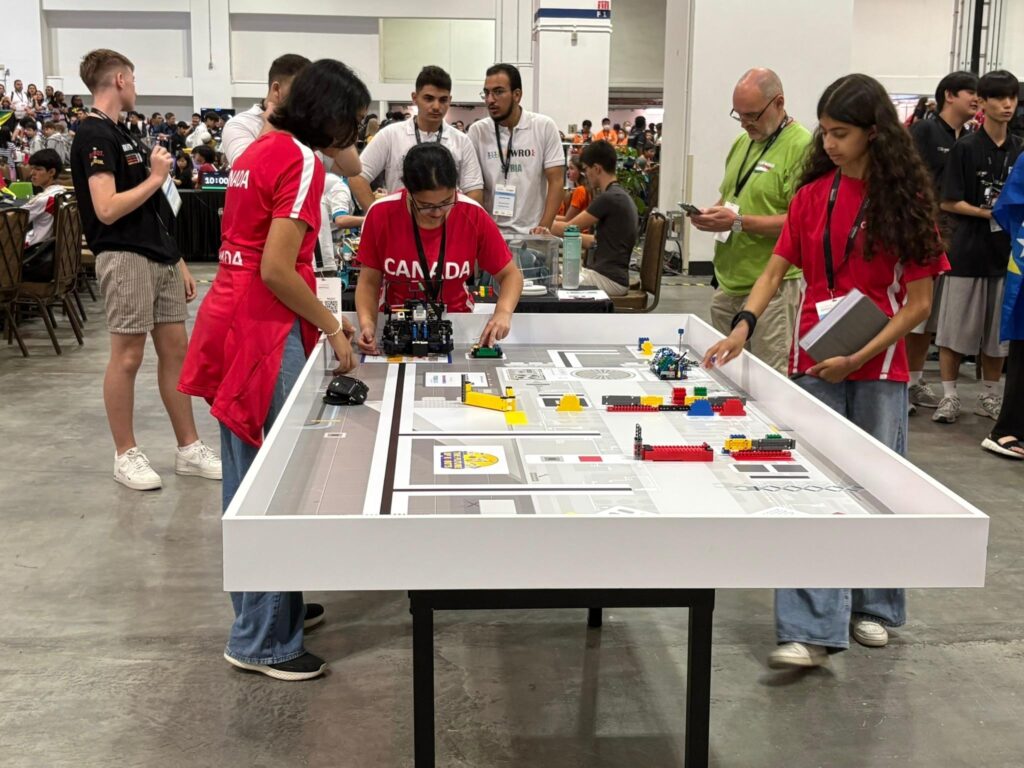
In 2025, three Zebra Robotics teams travelled to Singapore City for the World Robot Olympiad Internationals — and together they delivered some of the most dramatic storylines in the program’s history.

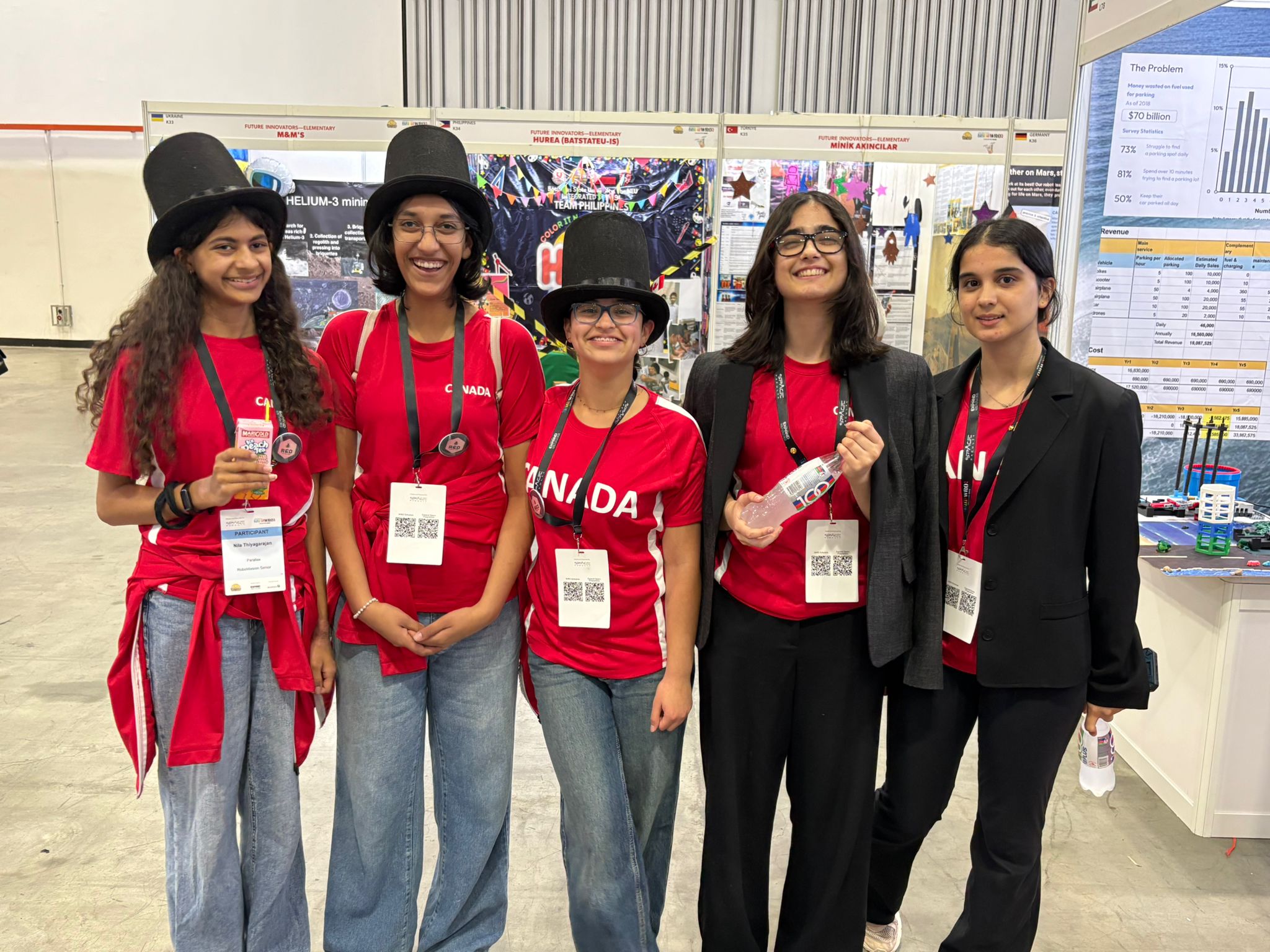
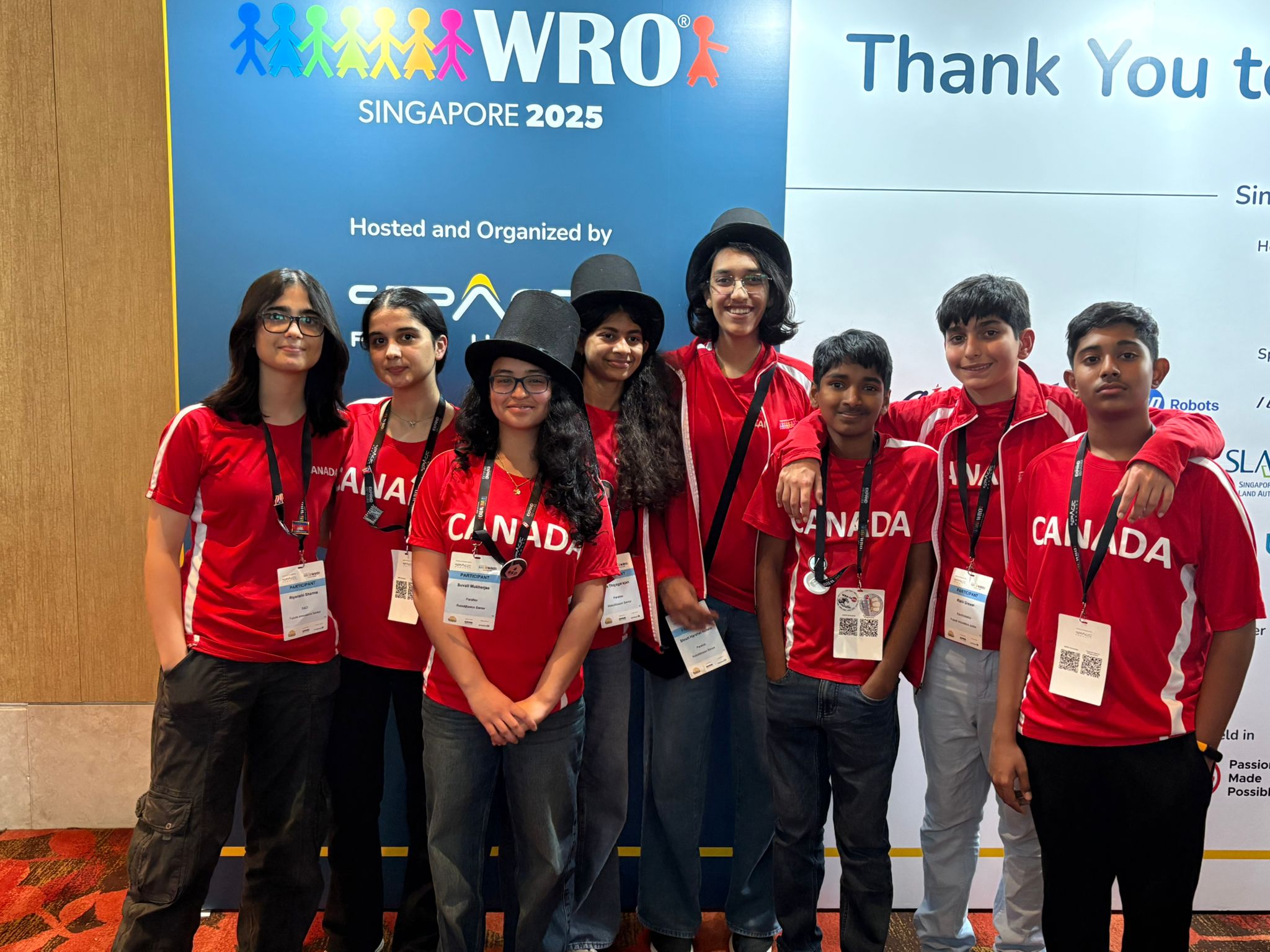
Parallax — Nila Thiyagarajan, Shruti Nehete, and Suvali Mukherjee, all in Grades 9/10 had to fight for their spot from the start. After finishing second at the GTA Regionals, the team came from behind at Canada Nationals to beat competitors as old as Grade 12 and university-level, claiming first place and the trip to Singapore. Once there, the team hit an unexpected snag: a difference in wall height forced last-minute tweaks to their robotic arm, throwing off one of their most reliable missions. They sat below 50th position after Day 1 — but didn’t fold. On Day 2, Parallax fought back, completing several surprise challenges to climb into the top 40% overall. A young, resilient team with a future that looks very bright.

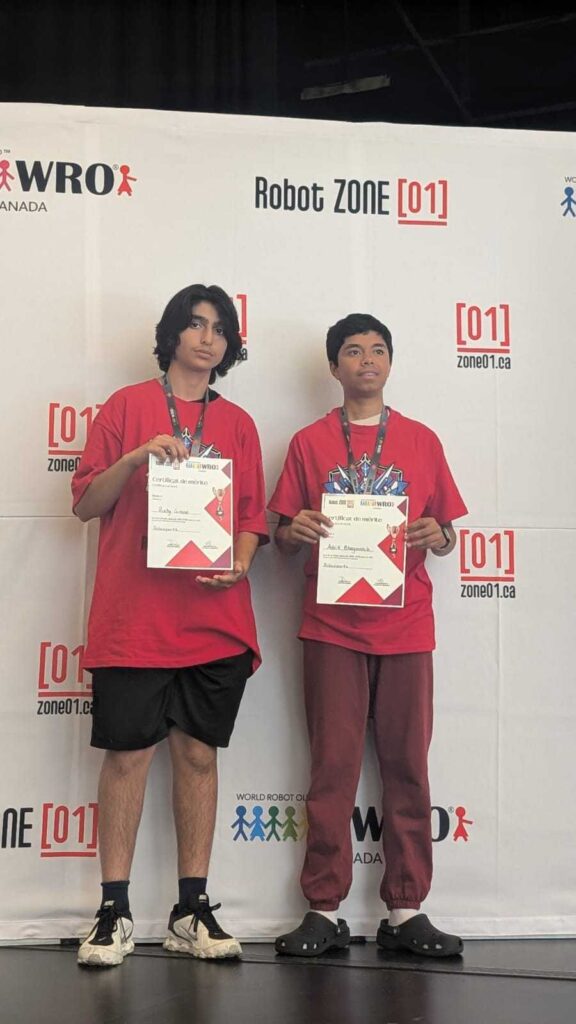
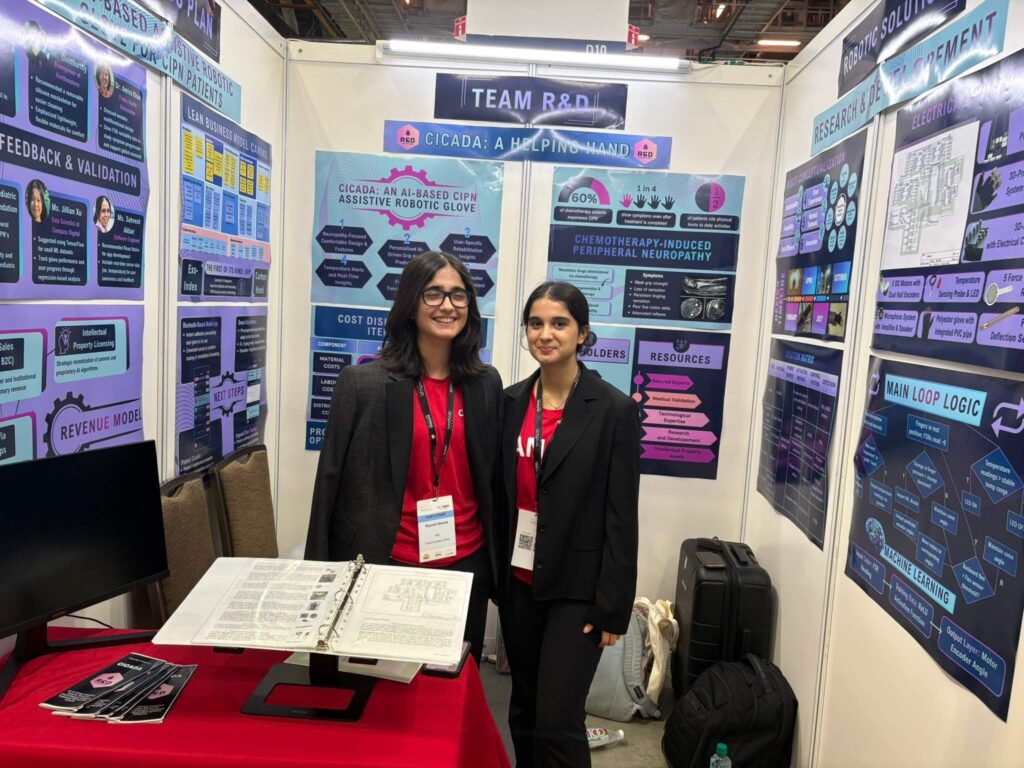
R&D — siblings Devanshi Sharma and Riyanshi Sharma — built a Future Innovators Senior project that turned heads all week: an AI-enabled assistive hand for cancer patients, sensor-equipped and genuinely novel. After winning first at Regionals and Nationals, the sisters arrived in Singapore as legitimate podium contenders, drawing a steady stream of judges to their booth. When final scores were announced, the result was almost unbearably close — they missed the podium by just 0.7 points out of 150, finishing 4th overall. A heartbreaking margin, but a project — and a sibling team — that made a real impression on the world stage.

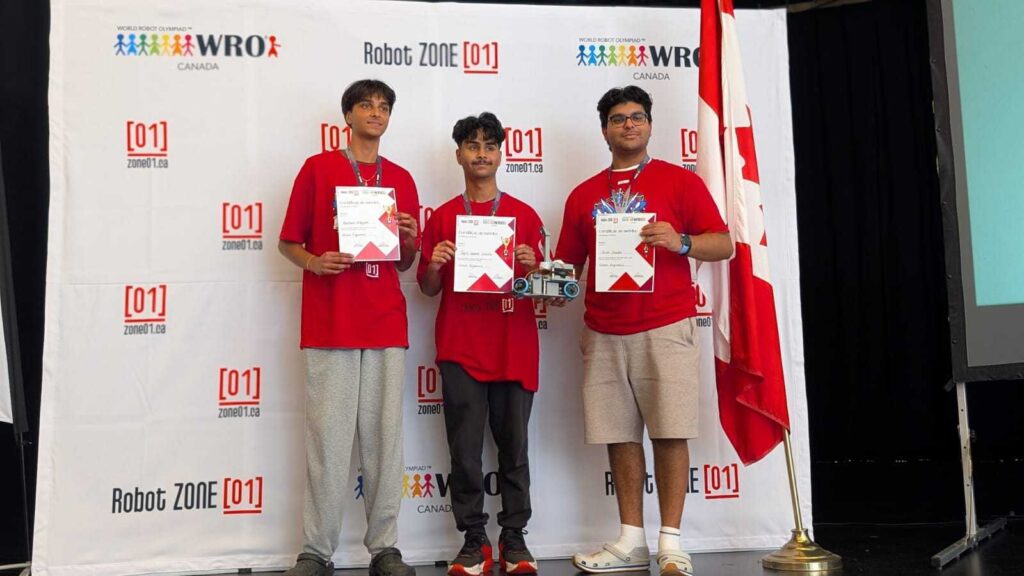
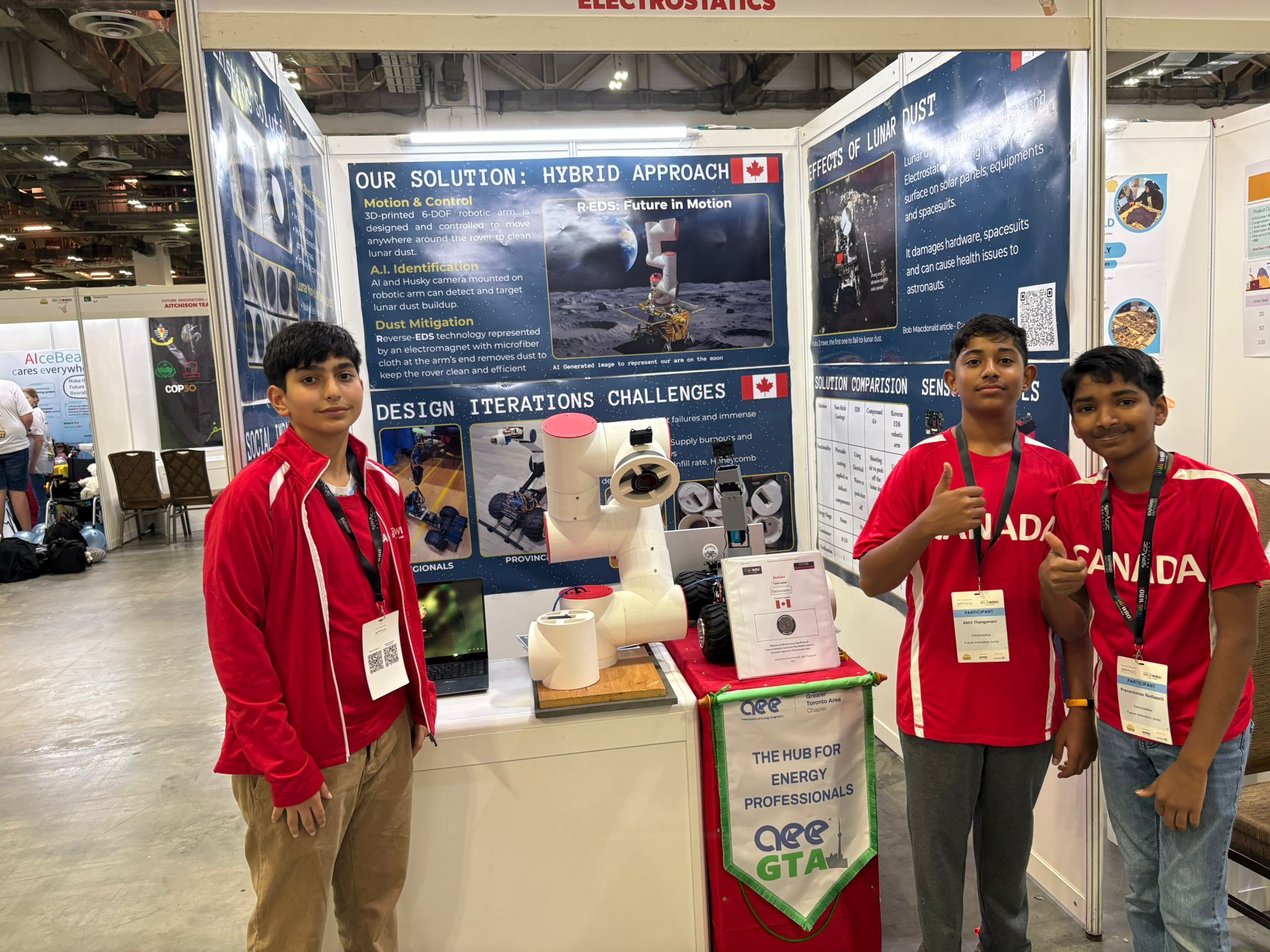
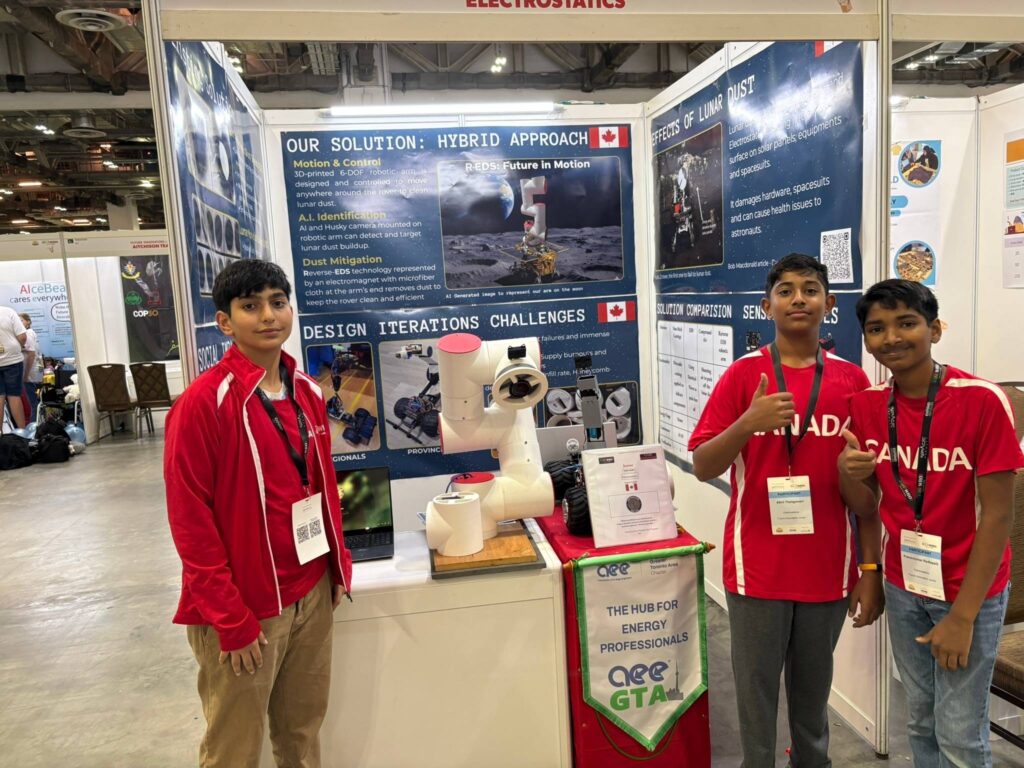
Electrostatics — Rishy Grewal, Pranavkumar Redlapalli, and Akhil Thangamani — brought one of the event’s more inventive ideas to Future Innovators Junior: a reverse-magnetic vacuum robotic arm designed to clean lunar dust from moon rovers. The working prototype was an instant hit, and the team sat in the top 3 after Day 1. Then circumstance intervened — the entire team came down with the flu overnight, and a weakened Day 2 presentation cost them ground, dropping them to 7th place. Not the finish their project deserved, but a genuine testament to a team that still pushed through to the end.

A comeback story, a 0.7-point heartbreak, and a team derailed by bad timing rather than bad engineering — Singapore 2025 was proof that at the World Robot Olympiad, the margins are razor-thin, and resilience matters as much as the robot itself.

Zebra Robotics Wraps Up an Incredible 2025 WRO Season

With the conclusion of the World Robot Olympiad (WRO) in Singapore on November 28th, Zebra Robotics proudly marks the end of another remarkable competition season.
It was one filled with innovation, resilience, and countless moments of growth for our students.

Since 2016, Zebra Robotics has worked to prepare high-performance teams capable of representing Canada on the global stage. Our mission has always been to help young innovators develop not only technical skills, but the confidence, composure, and collaborative spirit required to excel in international robotics & coding competitions. We have participated in WRO nearly every year since 2016 and we always come back with numerous inspiring stories of hard work and success.

Here is what our teams did this 2025 Season!

1. Slovenia – Open Championship Europe (September 2025)
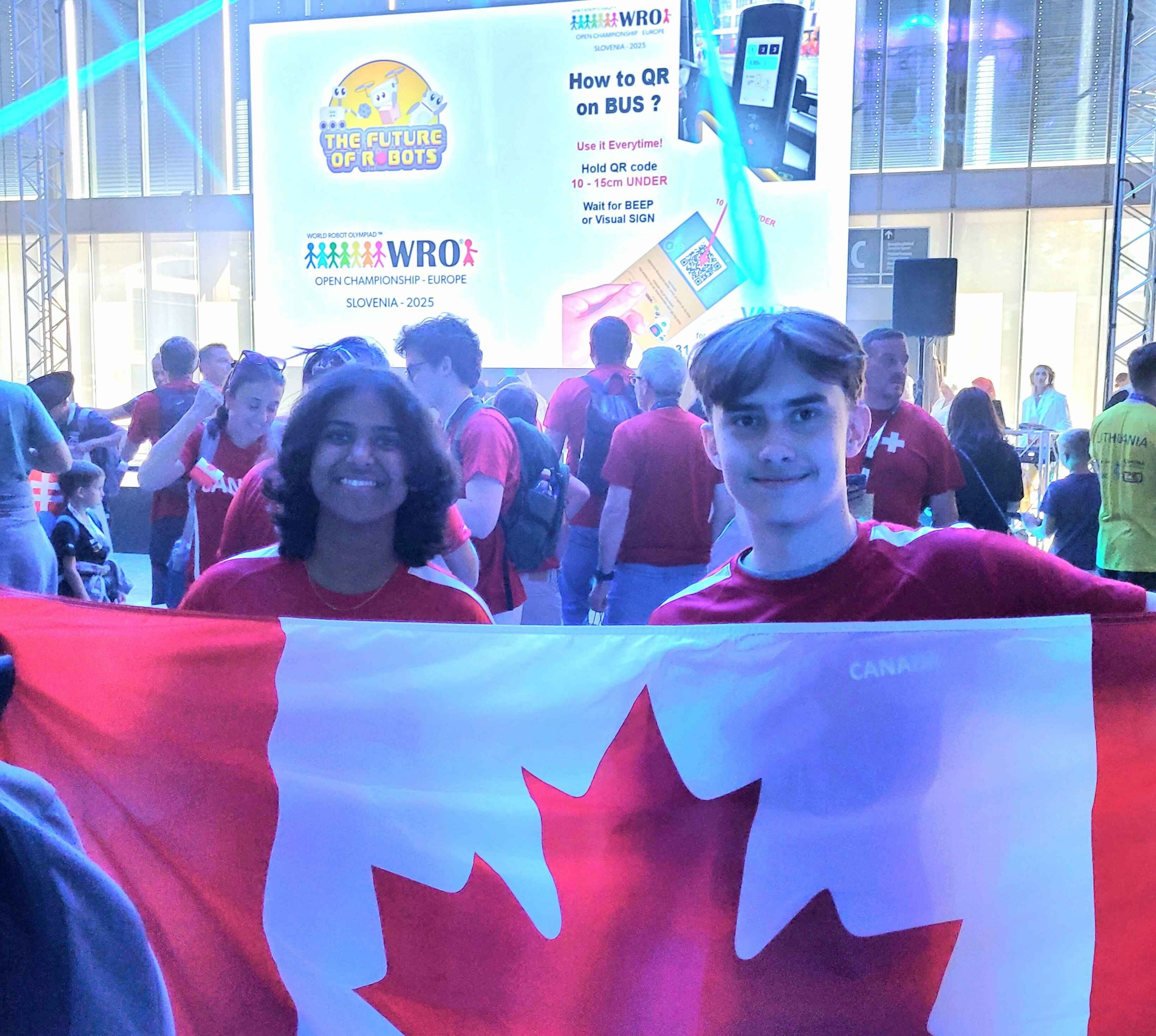
Our season kicked off in Slovenia, where RoboCare Innovations represented Zebra Robotics Burlington at the first Open Championship of the year. Competing in the Future Innovators category, the team earned an impressive 5th place overall and took home a silver award for their advanced healthcare-focused robotic solution. Their project stood out for its creativity and potential impact on medical systems worldwide.

2. Panama – Open Championship Americas (October 2025)
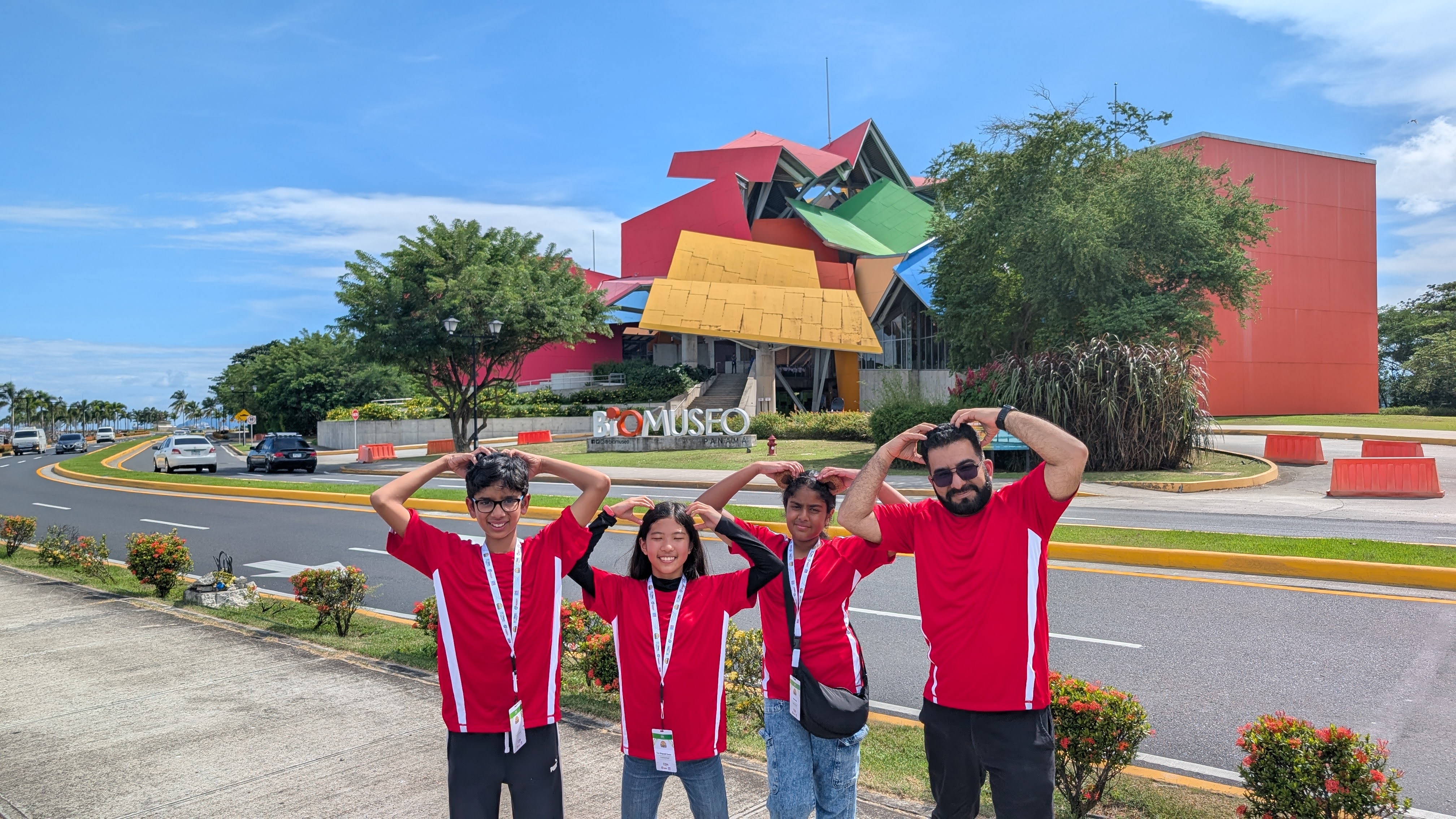
At the Americas Championship in Panama, two teams from Zebra Robotics demonstrated what passion and perseverance can achieve.
Pink Boba Pearls secured 4th place in the Future Engineers category, inspiring many younger students with their rapid skill development and dedication. Learning to code from scratch turned into their robot BETI. What started as an idea became a symbol of their perseverance and creativity.

Berry & Teddy, one of the youngest teams to represent Canada in their category, competed against mostly high-school and university students. Learning how to program and build EV3 models just for this competition, they exceeded expectations and narrowly missed the playoffs with their tennis robots, “Berry” and “Teddy.”

These teams from our Ajax and Meadowvale locations showed that age is no barrier when curiosity and determination lead the way.

3. Singapore – WRO Worlds (November 2025)
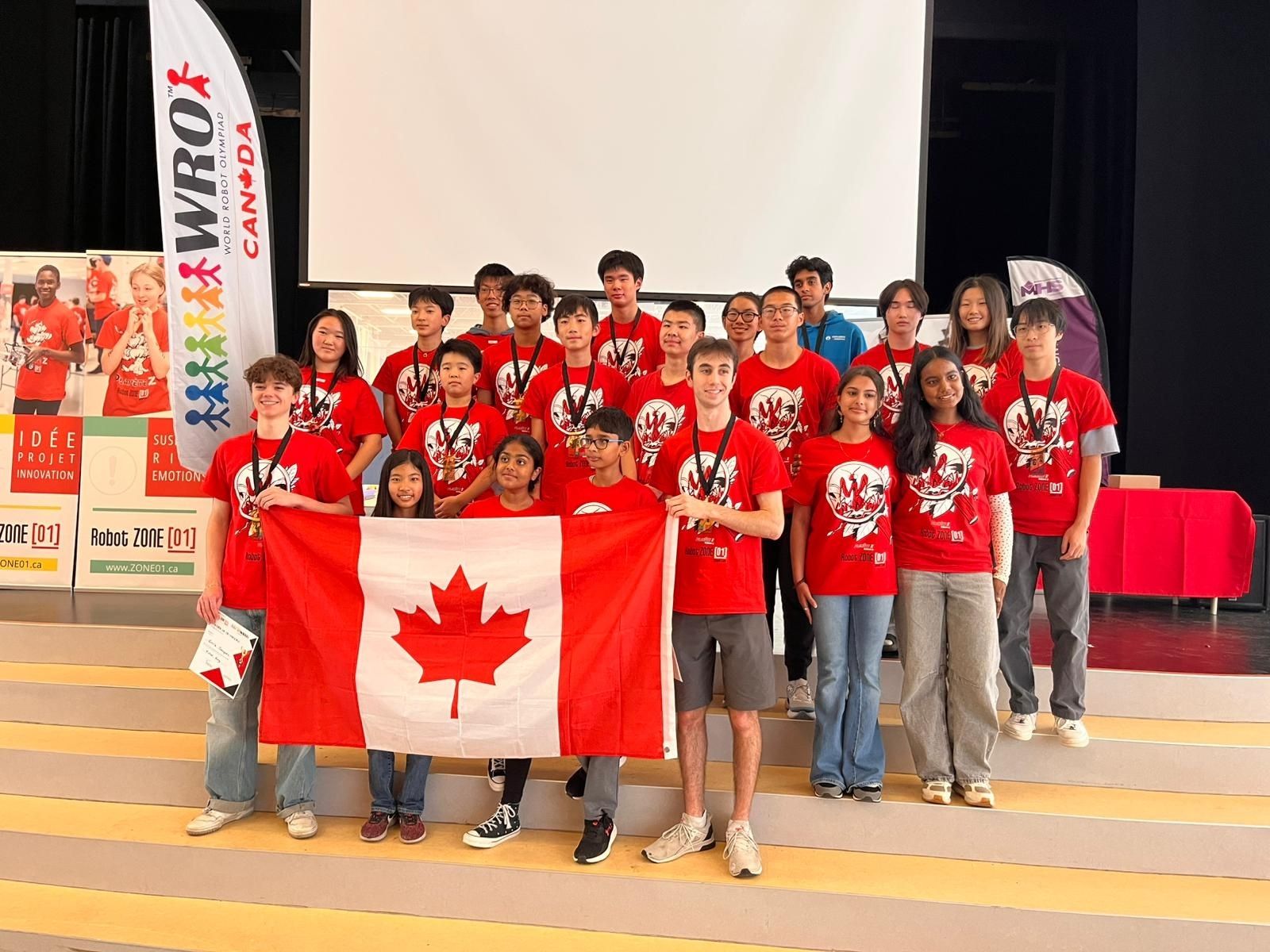
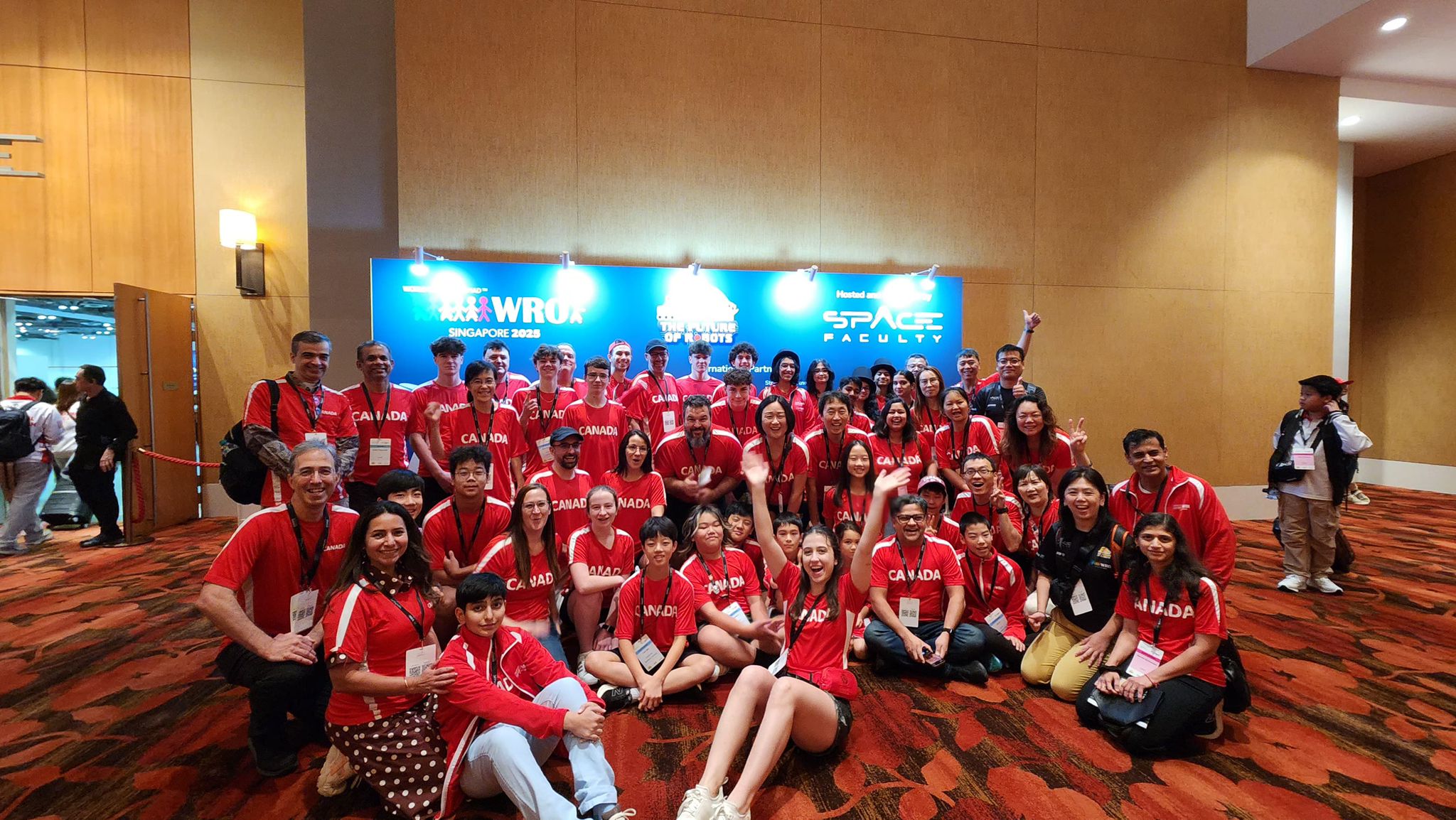
The world stage in Singapore gathered delegates from 87 countries for one of the most competitive WRO events to date. Coming off a clean sweep of first place in three categories at the WRO Nationals in Montreal (May 2025), Zebra Robotics Meadowvale proudly sent three teams to the Singapore Worlds Competition to represent Canada.

Parallax (Robo Mission Senior) impressed spectators and judges alike with their highly detailed robot design. Despite unexpected sensor and mechanical challenges on Day 2, the team worked tirelessly to troubleshoot and made a strong comeback by Day 3.

In the Future Innovators category, Team R&D finished 4th, missing a podium finish by only 0.5 points, while Team Electrostatics claimed 7th place.

Continuing Canada’s Legacy at WRO

In a competition historically dominated by Eastern nations, Canada continues to rise as a strong Western presence, and Zebra Robotics is honoured to be part of that movement.
Over the past several years, Zebra Robotics teams have consistently ranked in the top 10 globally at WRO Internationals. Our students’ commitment to learning, problem-solving, and innovation drives us forward year after year.
As we celebrate an exciting 2025 season, we are already gearing up for 2026. New projects are underway, new teams are forming, and the passion for robotics within our community is stronger than ever.
Here’s to another year of inspiring students, building world-class teams, and pushing the boundaries of robotics education in Canada.

Stay tuned—2026 is going to be big!!

Rookies and Rising Stars: Pink Boba Pearls and Teddy and Berry Take On WRO Americas 2025

wro-panama-2025

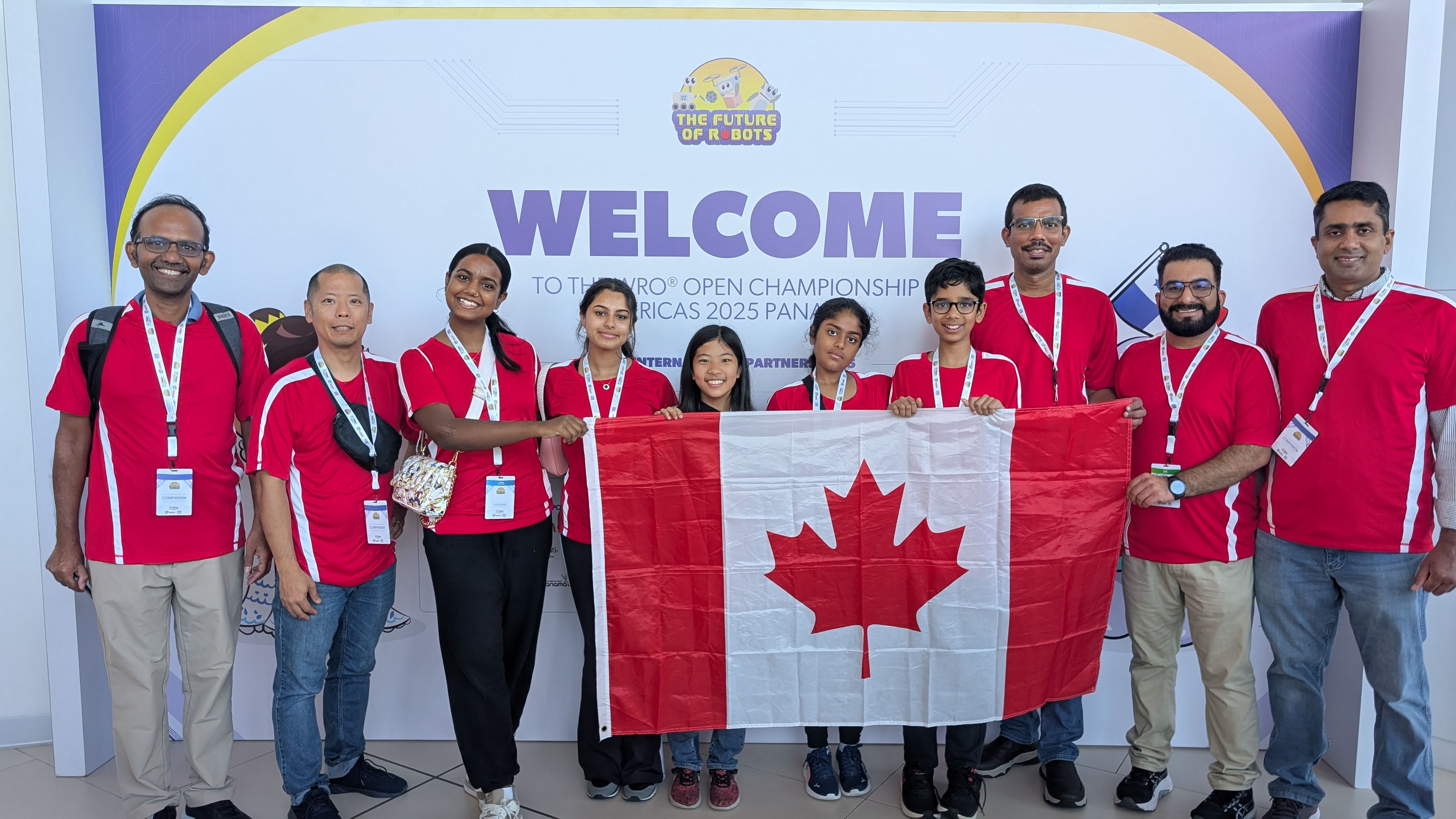
In 2025, two Zebra Robotics teams represented Canada at WRO Americas in Panama City, Panama — one delivering a standout rookie debut, the other gaining invaluable experience against far more seasoned competition.

Pink Boba Pearls — Swara and Sadhya, both in Grade 11 — competed in the Future Engineers category with BETI, a self-designed Raspberry Pi-based robot. For a rookie team, the result was exceptional: BETI carried the pair to a 4th-place overall finish at WRO Americas, representing Canada on a stage typically dominated by far more experienced competitors. A debut performance like that says a lot about both the engineering and the composure behind it.

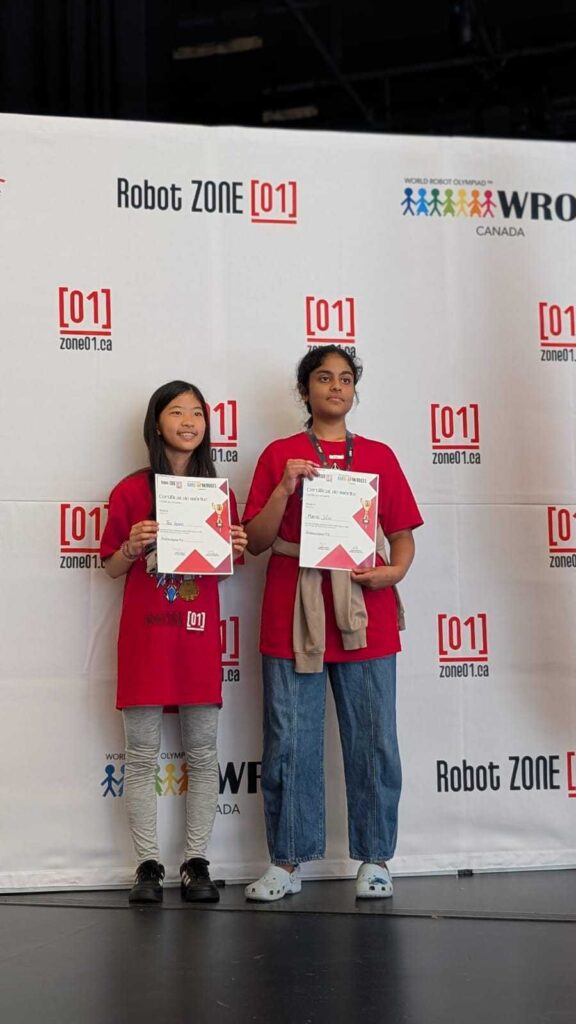
Teddy and Berry — Sarvesh Sathish, Maria Jiffin, and Tea Isono, all in Grade 7 — qualified for WRO Americas in RoboSports after finishing 4th at Canada Nationals. In Panama, they found themselves competing directly against university-level students — a significant jump in experience and skill. The team didn’t qualify for the playoffs this time, but walked away with something just as valuable: a close-up look at what top-tier competition looks like, and a clear sense of the bar they’re now aiming for.

A rookie team finishing 4th overall, and a group of Grade 7 students testing themselves against university competitors — both stories capture what WRO Americas is really about: not just the results on the scoreboard, but the experience of competing, learning, and growing from it.

Off to Panama! Zebra Robotics Teams Set to Compete at WRO 2025 Open Championship

This week, two of our Zebra Robotics teams are packing their robots, passports, and dreams — and heading to Panama City for the World Robot Olympiad (WRO) 2025 Open Championship, happening October 19–21, 2025.

These young innovators will join hundreds of students from across the Americas, each showcasing their creativity and problem-solving skills under the WRO theme: “The Future of Robots

Meet the Teams

Team Berry Teddy – Zebra Meadowvale (RoboSports Category)

Led by students TeddyTeaMaria, and Sarvesh, Team Berry Teddy will represent Canada in the RoboSports challenge — a fast-paced, dynamic category that blends robotics design with athletic coordination and teamwork. Their robot’s agility and precision have impressed judges throughout the season, and they’re ready for the global stage.

Team Pink Boba Pearls – Zebra Ajax (Future Engineers Category)

Representing Zebra Ajax, Swara and Sadhya make up Team Pink Boba Pearls, competing in Future Engineers — one of WRO’s most challenging and open-ended categories. Their custom-built autonomous vehicle showcases innovation, coding finesse, and design-thinking aimed at real-world transportation challenges.

Why WRO Panama Matters

The WRO Open Championship in Panama is one of the key global stages for young robotics minds. Teams from across North and South America will compete, collaborate, and learn from each other in a vibrant exchange of ideas, creativity, and technology.
More details: WRO International Events – Panama 2025

Words from Zebra Robotics

“We are incredibly proud of both teams,” said Vikram, Coach at Zebra Robotics. “They’ve worked tirelessly — from mechanical builds to coding refinements — and they embody the spirit of innovation we aim to foster.”

“This journey is about so much more than competition,” added Karpakam. “It’s about learning, collaboration, and celebrating curiosity.”
Wishing Them the Best

As Berry Teddy and Pink Boba Pearls take flight to Panama, the entire Zebra Robotics community — students, coaches, and families — is cheering them on. No matter the outcome, they’ve already won by inspiring others and representing Canada with passion and creativity.
Follow us on InstagramFacebook, and LinkedIn for updates, photos, and behind-the-scenes moments from the event!

The Heartbeat of Robotics: What Makes a Zebra Mentor Special

At Zebra’s STRIPE competitions since 2022, we’ve noticed something beautiful: the most successful teams aren’t always the ones with the fanciest robots. They’re the ones whose coaches have mastered the delicate art of teaching kids how to think, not what to think.

You know that moment when a student’s eyes light up—not because they got the right answer, but because they finally understand the question? That’s where the real magic happens in robotics mentorship.

Let me introduce you to three such mentors who’ve left permanent fingerprints on our programs.Their approaches are as different as their personalities, but they all share one secret ingredient: they remember what it felt like to be a beginner.

The Mentor Who Says Less to Teach More

You’ll find Coach Sanjana in her natural habitat: sitting cross-legged on the floor surrounded by frustrated middle schoolers, asking dangerous questions like:

“What would happen if we tried the exact opposite of what the instructions suggest?”

Her superpower? Silence. She’ll watch a robot fail spectacularly three times before gently asking, “What pattern do you see in these crashes?” The moment when students realize she’s known the solution all along—but let them discover it themselves—is pure gold.

“During Last STRIPE season,” she told me, “a student rebuilt our entire chassis because I wouldn’t tell her which screw was loose. She named the robot ‘The Professor’ because it taught her more than I ever could.”

The Mentor Who Builds Families, Not Just Teams

Coach Tahmoor runs his team like a tiny startup where everyone has two titles: their technical role and their human role. You might be the “Lead Programmer and Chief Encouragement Officer” or the “Hardware Specialist and Conflict Resolver.”

His secret weapon? The “Before We Build” ritual:

  1. Share one non-robotics thing happening in your life
  2. Name one teammate’s strength you’re grateful for
  3. Predict one thing that will go wrong today (and laugh about it in advance)

“We thought we’d lost our star coder when her family relocated last November,” Tahmoor remembers. “But every Tuesday at 4 PM, without fail, her pixelated face would appear on our laptop screen, troubleshooting code from 2,000 miles away. Some bonds outlast zip codes.”

The Mentor Who Keeps the Play in Programming

Coach Vikram workspace looks like a mad scientist’s birthday party. There’s a “Wall of Epic Fails” celebrating broken prototypes, a few drone bots, and a couple of 3d printers 

His philosophy? “If you’re not occasionally laughing so hard that soda comes out your nose, you’re doing robotics wrong.”

When tensions run high before competitions, he’ll suddenly announce: “Emergency dance party! Your robot can’t learn from stressed-out humans.” The kids groan every time—and every time, it works.

“The real win isn’t trophies,” Vikram says. “It’s when alumni visit and say, ‘I chose my major because of how you made circuits feel like play.’”

The Thread That Connects Them

What makes these Zebra mentors extraordinary isn’t their technical expertise (though they have plenty). It’s that they:

  • Listen to what students aren’t saying (the nervous fidgeting, the hesitation to ask for help)
  • Remember that robotics is just the vehicle for teaching resilience and creativity
  • Measure success in lightbulb moments, not just scoreboard results

As one parent wrote to us: “My daughter came home and said, ‘My coach believes in me more than I believe in myself.’ That’s the kind of math that really adds up.”

To all the mentors reading this—whether you’re with Zebra or cheering from elsewhere—thank you for being the quiet force behind so many young discoverers.The robots are lucky to have you.