STEM Education and Competitions

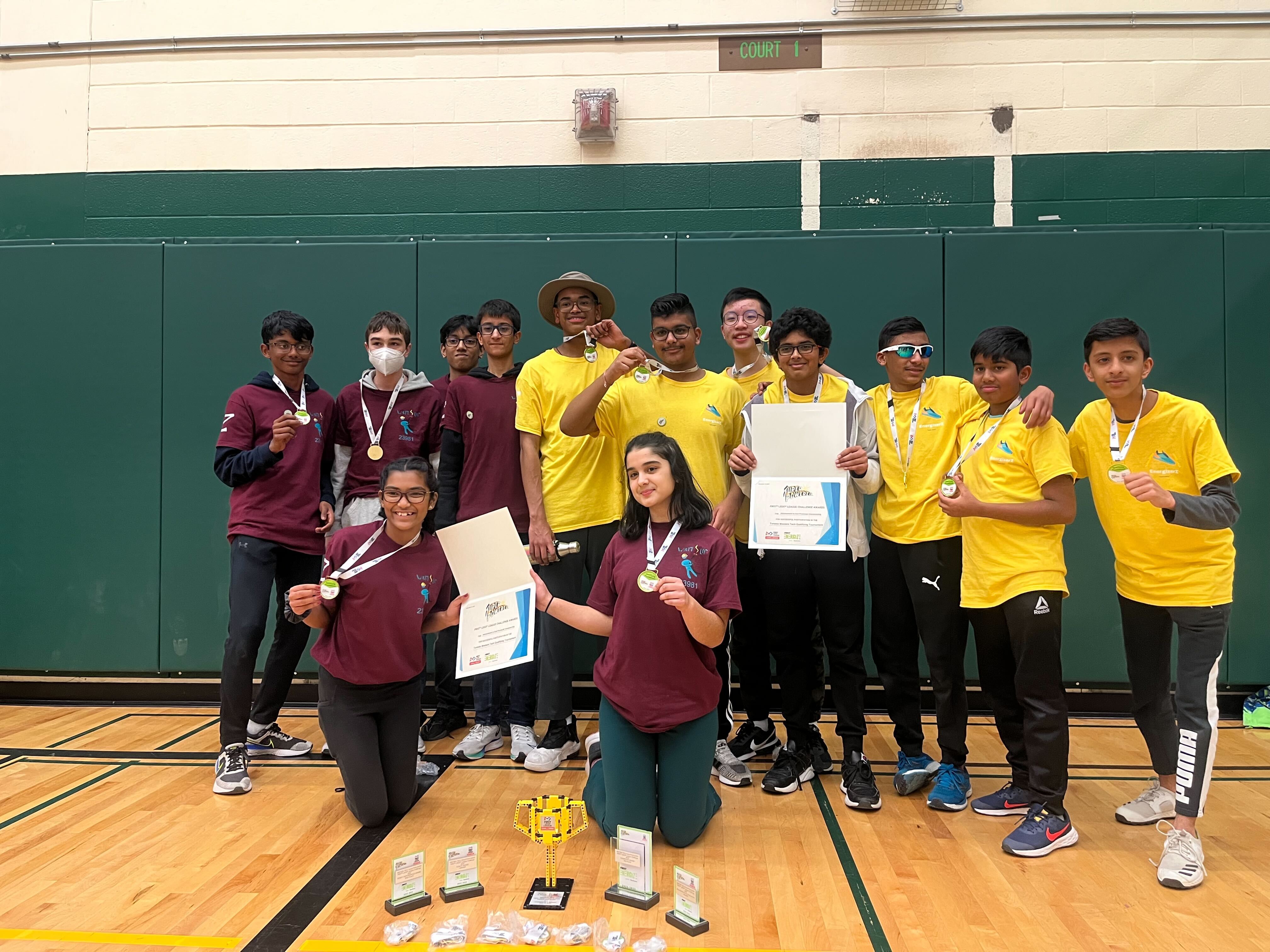
students celebrating their win

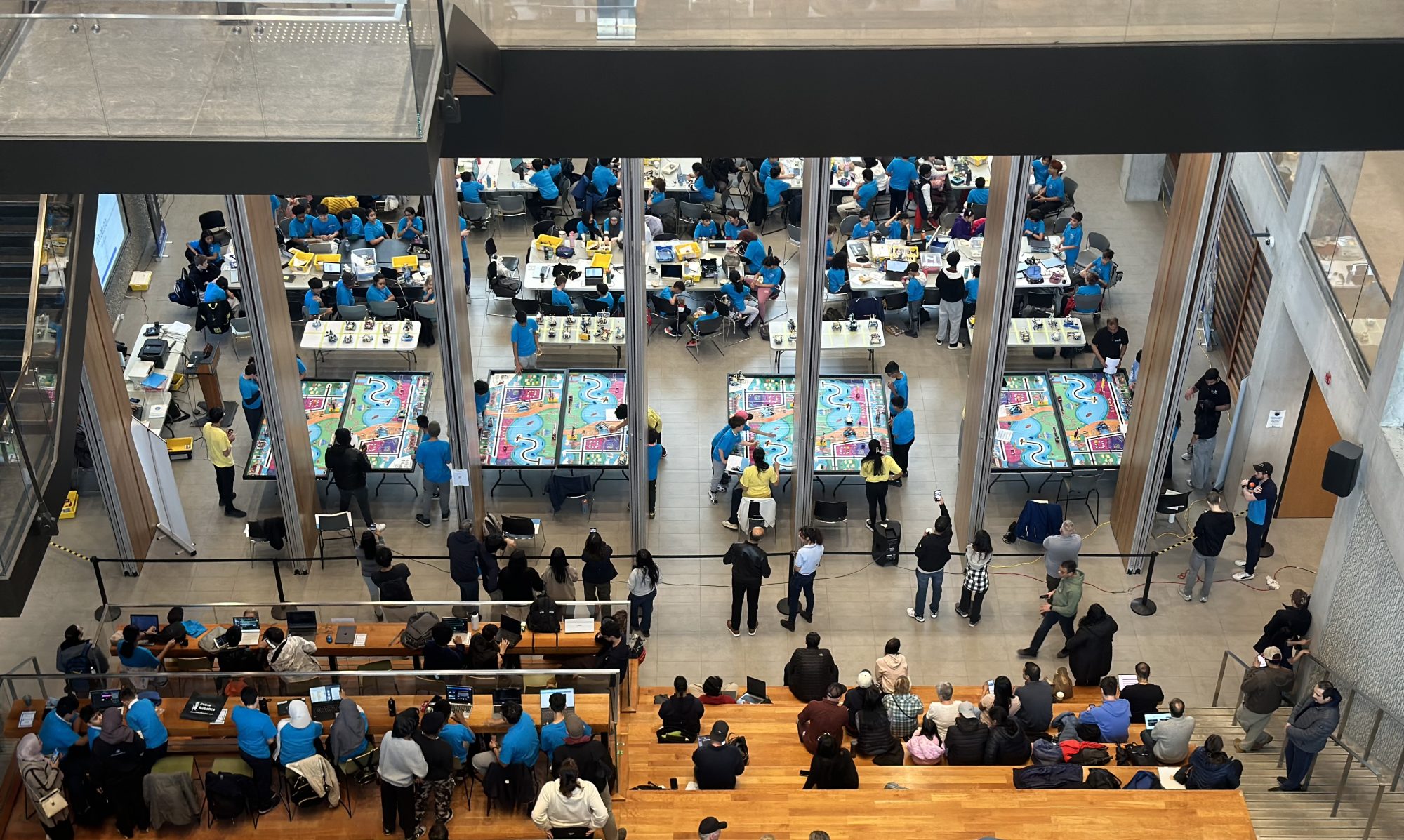
When it comes to STEM education and being immersed in the fields of Science and Technology there is nothing with quite the same effect as competing with like-minded individuals to test not only knowledge but collaborative ability, as well as critical and adaptive thinking. Competitions are a space where students can hone their skills sharply and be sure that the techniques, adaptations and understanding they gain will be memorable due to the fast-paced and exciting environment they were garnered. Competitions also allow students to showcase and elevate their dedication to STEM and STEM learning. It takes many weeks of preparation to refine and perfect their robots and their runs – placing students in the ideal environment to put their resolve and love of the technology as their first priority and really grow as STEM students, and ultimately, STEM professionals. 
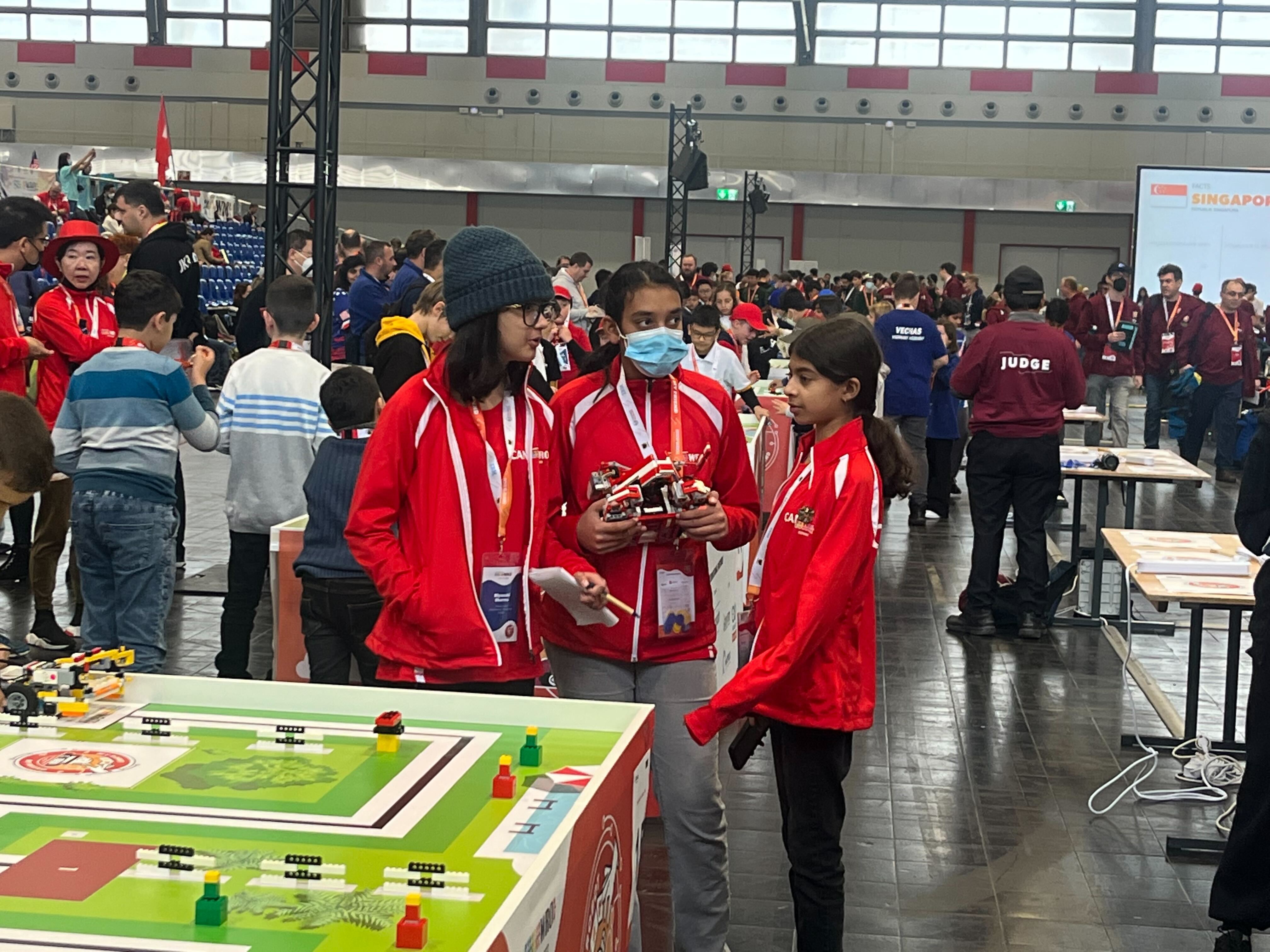
Zebra Robotics boasts an extensive competition history and is proud to have had more than 94 teams compete in renowned STEM competitions such as the First Lego League, Zone01, World Robotics Olympiad & Vex Robotics. Teams coming out of Zebra Robotics have won over 70 regional, provincial and even national awards across the last eight years. The established coding and robotics institute not only aims to sponsor students to achieve success at these high-level competitions, but also supports teams with hands-on coaching and mentorship as well as spaces to build and test their robots and regulation mats to time their runs, and more in their impressive student-centric centers. The approach of Zebra Robotics has always been self-paced for students, so students do all the design and programming of their robots, however, they are able to tap into a deep and robust support system that aids them on their journey to success. This guidance and support system helps alleviate the steep learning curve and shock of first-time competitors as well as support long-time competitors as they face higher degrees of pressure as they progress.
The vision for Zebra Robotics has always been to instill a love of STEM in all students with an interest and guide them into becoming the most versatile and adaptive professionals they can be. Competitions are a part of this mission and can serve an integral purpose in pushing students to their highest potential to achieve their short and long-term interpersonal and STEM skills.

Benefits of Coding & Robotics Education

    The future of the tech industry is no secret and its growth’s magnitude can be felt worldwide. Coding and robotics are becoming essential skills in more and more fields as all industries shift towards more technologically accelerated workflows, processes and systems. It is important to evolve with the rapidly changing requirements of the industry.  Many schools and programs have already adopted coding and robotics into their curriculums to prepare future generations for the increasingly tech-dominant future.  This changing future presents an opportunity for our children, to grow in this space aided by the necessary knowledge to stand out and make a difference in their schooling, post-secondary and industry. 

    School programs, however, provide the basic foundation of what is necessary to thrive in the industry. With the constant change and all the information necessary for students to move forward in this space effectively, it is important to be more immersed in the tech space to have a deeper understanding of the content. Institutions like Zebra Robotics allow students to foster their interest and technological aptitude to the next level. Zebra Robotics has been able to push the limits and elevate students to the level necessary to compete in this space, taking over 75 winning teams at the highest level of STEM competitions and representing Canada in the World Robotic Olympiad International competition in 2016, 2018, and 2022. 

    Identifying industry trends, changes, and evolution and teaching students what they need to learn to secure their success in post-secondary and industry is important to provide them with the tools they need to grow. The reality of our tech-dominant world calls for parents, guardians, and educators to pivot what they provide for young kids in STEM to provide them with the essential skills to push through the barriers and not only make a positive change in their future careers but hopefully, a positive change in the world around them. With school programs supplying students with the foundation, and institutions like Zebra Robotics elevating their experience, students can be poised for success.

What Kind of Franchise is for You?

The prospect of franchise ownership is an exciting one, and it comes with the need to make many decisions. Chief among these decisions is what kind, or rather size, of the franchise to align yourself with. This comes question comes down to what type of environment you prefer and what kind of resources you need at your disposal. At the question’s most basic level, it comes down to two types of franchises: large ones and small ones. 

Large Franchises

Aligning yourself with a large franchise comes with its own attributes and systems largely related to the brand’s high recognisability and the infrastructure surrounding your franchise. A Large franchise in this context refers to large, household-name brands known across North America and maybe even the world. Being so recognizable such brands keep their franchises under a watchful eye and closely define how the business is run. This means a strict set of rules surrounds your new business at all times to both support you and ensure your success, at the cost of your liberty as a decision-maker. The constant feedback allows you to manoeuvre your new investment with confidence, albeit limited freedom. Bigger franchises also mean bigger resources. With a bigger brand at your back, you can be confident in tried and tested infrastructure and support. 

This mode of franchise ownership is best for people with corporate backgrounds, and those who enjoy adherence to strict rules, guidance, and procedures. 

Small Franchises

Smaller brands boast a different set of attributes, strengths and challenges than their larger counterparts. A smaller brand fosters innovation and room to stand out from the crowd. With the flexibility to manoeuvre your investment with greater freedom, you have more opportunities to propel your business beyond any confines and even help shape the very brand and culture of the company.

With a smaller franchise, you are still provided with the tools and procedures to succeed, but you are provided more control to fitting these procedures into your own unique environment. With higher flexibility, you can adapt the brand’s practices to your own market and put your own ideas to the test. 

This approach is for those who enjoy being in control, expressing their creativity and are more self-driven on their path to success. 

Both options boast a variety of unique benefits and challenges, defining their paths to success in their own way. Ultimately, it comes down to the kind of professional you are, and what works best for you.

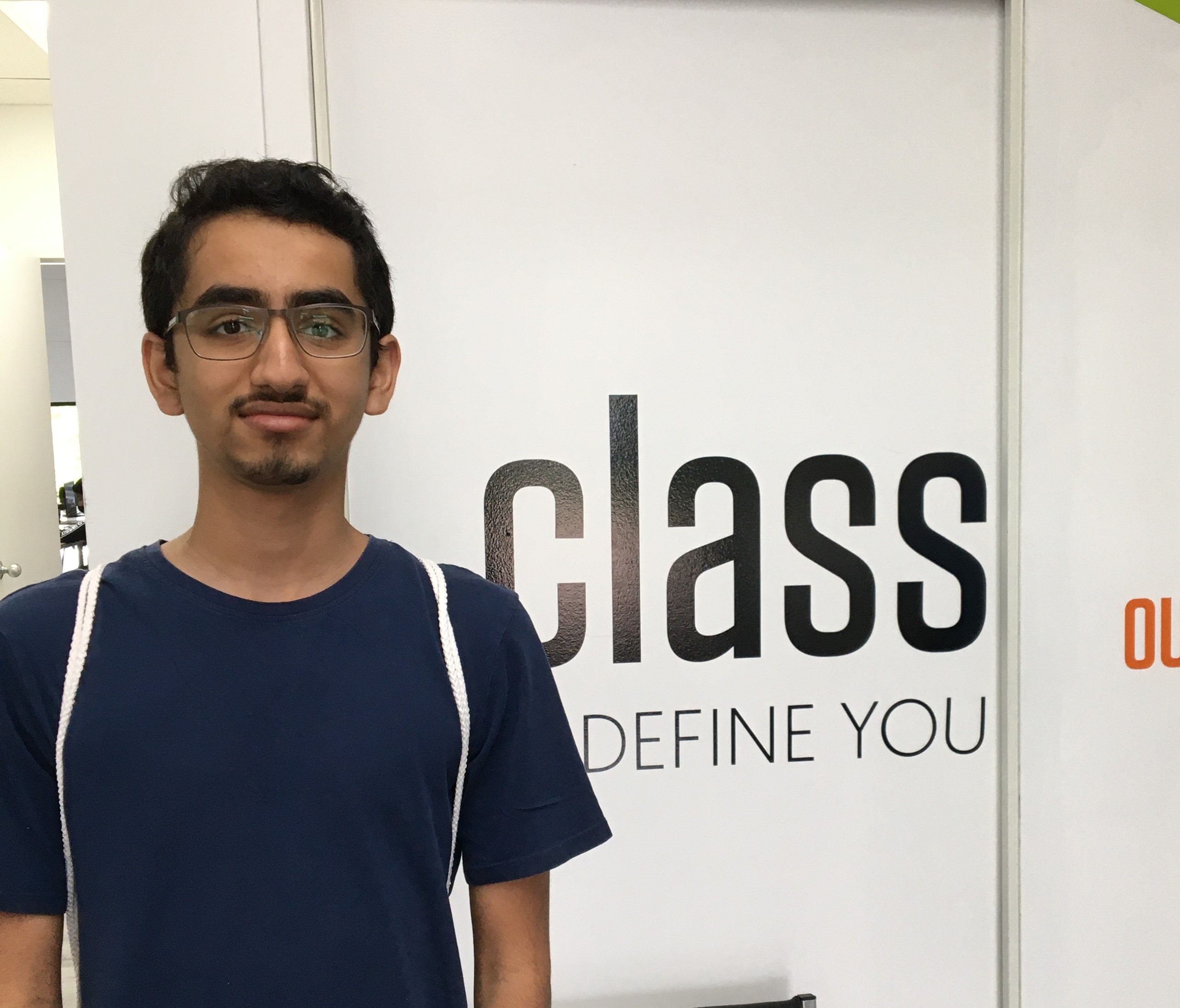
Nikhil @ Univ of Toronto

Nikhil

Congratulations Nikhil, on accepting the offer from the Univ of Toronto, Engineering Science program. You chose this program over Comp Sci and Mechatronics programs from Univ of Toronto, McMaster and UofWaterloo. We want to share your perspective about coding and robotics with younger Zebra Robotics students who want to pursue their higher education in STEM programs.

How did you get interested in Coding or Robotics?

I’ve always been fascinated by technology, and like many other children, I always loved creating things of my own – so I guess it only makes sense that I’m interested in coding and robotics nowadays. Robotics and coding didn’t initially start out as passions for me, but as I became more comfortable with those topics through classes and competition experiences, I was able to improve my skills – I started to be inspired by the things that other people had done in the past with regards to robotics and coding, and eventually, I saw the results of my own work in competition environments. I think that really opened my mind to what was possible in these fields, and I’ve been hooked ever since.

Tell us a bit about yourself, your hobbies and what you like to do when you are not working on your school or university work.

My name is Nikhil, and I’m going into my first year of Engineering Science at the University of Toronto. My main hobby is competitive robotics – I’ve been heavily involved with numerous robotics teams at Zebra, from FLL to WRO to VEX, as well as teams outside Zebra, such as my high school’s FRC team. I continue to mentor some of these teams. In the coming years, I plan on being involved with design teams at UofT as well. Apart from that, I’m fairly boring – I watch Netflix/YouTube and play video games like everyone else.

How long were you a student at Zebra Robotics? What did you like most at Zebra during that time?

I’ve been involved with Zebra for over 7 years now. All my favourite moments have to do with competitions – I’ve always enjoyed working on these large, long-term projects; watching plans develop and things build up into a frenzy, and anxiously waiting to see how the team will do at the real event – will we have fixed all our problems, or will a bad line of code bring everything crashing down when it really matters? It’s all part of the competition experience, and in the end, it’s the journey of preparing for a competition that makes it all worthwhile.

How did you manage your time between schoolwork and other activities, including robotics or coding sessions at Zebra Robotics?

Some parts of the year have always been busier than others for me, due to the nature of robotics competition seasons. In those busy times, proper planning and prioritization have always been important. My schoolwork was a high priority, especially in my final years of high school, and I always tried to stay up to date on it so that I’d have time to focus on extracurriculars. However, deadlines in robotics competitions and other school clubs would often have me reshuffling my priorities to get certain time-sensitive tasks done sooner rather than later. Managing my time between schoolwork and extracurriculars would sometimes become a bit of a juggling act, and so to stay on top of everything, I would use a daily and weekly to-do list, while also keeping close track of my deadlines. In those situations where prioritization becomes tough, I’m a fan of the Eisenhower matrix – search it up if you haven’t heard of it!

What would you say if you were to suggest a few things to aspiring Engineering or Computer Science university students?

I know that there’s a lot of hype these days surrounding engineering and computer science, so first of all, I would recommend that you find out if you’re truly passionate about these fields by trying them out. Try some coding, participate in some robotics competitions, and get a feel for it. That’s one of the best things about engineering and computer science – there’re so many ways to get involved in classes, clubs, and competitions in high school, and even earlier. Not only will your visible interest in computer science or engineering make your university application stand out, but it’ll also help inform your choice when applying to and picking programs – after all, you want to end up in a field you’re truly passionate about. Also, speaking of university applications, (you’ll hear it a lot, but I’ll say it again) remember that marks aren’t everything. Marks are definitely very important – but after a certain point, it’s your experiences and skills outside of the classroom that make you a solid applicant. Chances are, if you’re reading this, you’re already getting those experiences and developing those skills, which is great!

Srijay chooses Mechatronics

Congrats Srijay on choosing Mechatronics at the University of Waterloo. Srijay has been part of many robotics teams with Zebra Robotics. In this write-up, we asked Srijay questions about his interest and his passion for robotics. His time management skill could come in handy for many aspiring university students.

How did you get interested in Robotics?
When I was in grade five, I didn’t know much about coding and robotics, but I always thought they were both very interesting. When I joined Zebra Robotics, I discovered that I really enjoy both coding and robotics and I decided to continue learning. From this point on robotics became a passion of mine and I always strived to learn more about it.

Tell us a bit about yourself, your hobby and what you’d like to do when you are not working on your school or university work.
My name is Srijay Mundlur I’m 17 and I am going into my first year of university this fall. Some of my hobbies include sports, video games, and robotics. When I’m not doing school-related work I enjoy learning about the new technologies of the world and playing different games with friends.

How long were you a student at Zebra Robotics? What did you like most at Zebra during that time?
I was a student at Zebra Robotics for about 6 years and I enjoyed doing many different things there. My favourite part about my time at Zebra Robotics was all the different competitions I got to participate in. I participated in both WRO and FLL and I always enjoyed how each year’s challenge made you learn different things about your robot and team. The challenges pushed us to learn new things every year and I always enjoyed competing against other teams.

How did you manage your time between the school work and other activities, including robotics or coding sessions at Zebra Robotics?
One of the most important things I learnt while time managing both robotics and schoolwork is to get your work early. Procrastination can lead to both of your robotics and schoolwork piling up, so it was very important for me to finish all of my schoolwork as soon as I got it. This is even more important when preparing for robotics competitions because you could be called to work anytime.

What would you say if you were to suggest a few things to aspiring Engineering or Computer Science university students?
I would tell them to get involved in as many engineering and computer science clubs and opportunities as they can. Getting hands-on experience is very helpful in these fields and it can help you decide which aspects you wish to specialize in the future. I would also suggest trying to talk to older students and adults working in the fields you are interested in to get advice on what field you should try to pursue a career in.

Hackathon keeps us engaged during Covid

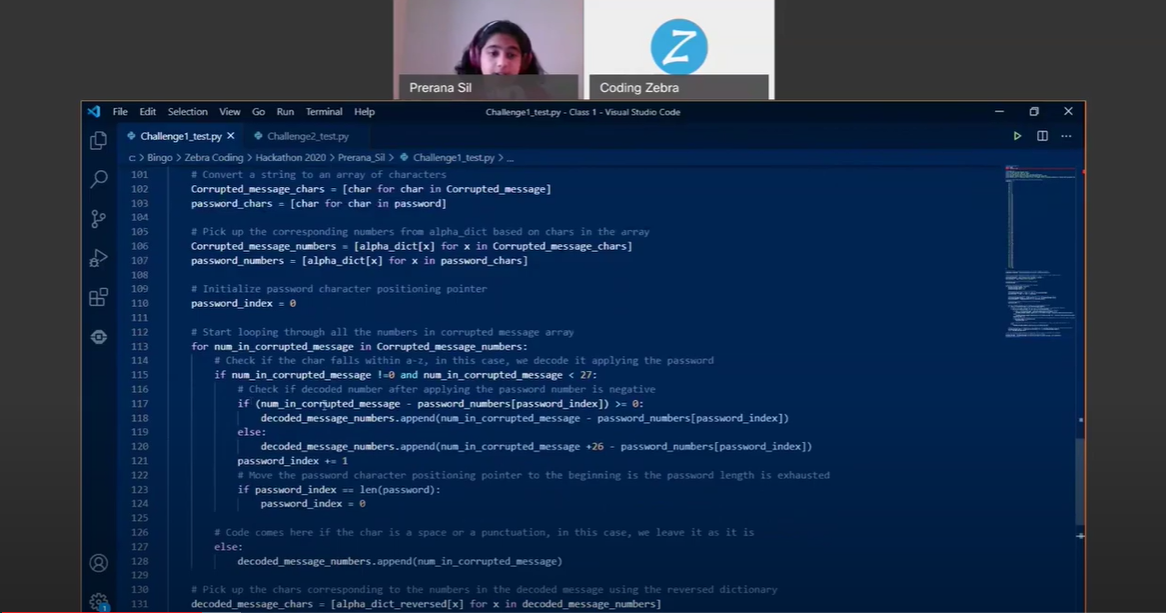
Many of the high school students have been participating in Robotics and Coding competitions over the last several years while at Zebra Robotics. With Covid, and lockdown in Mississauga, Canada location, they decided to team up for something different.

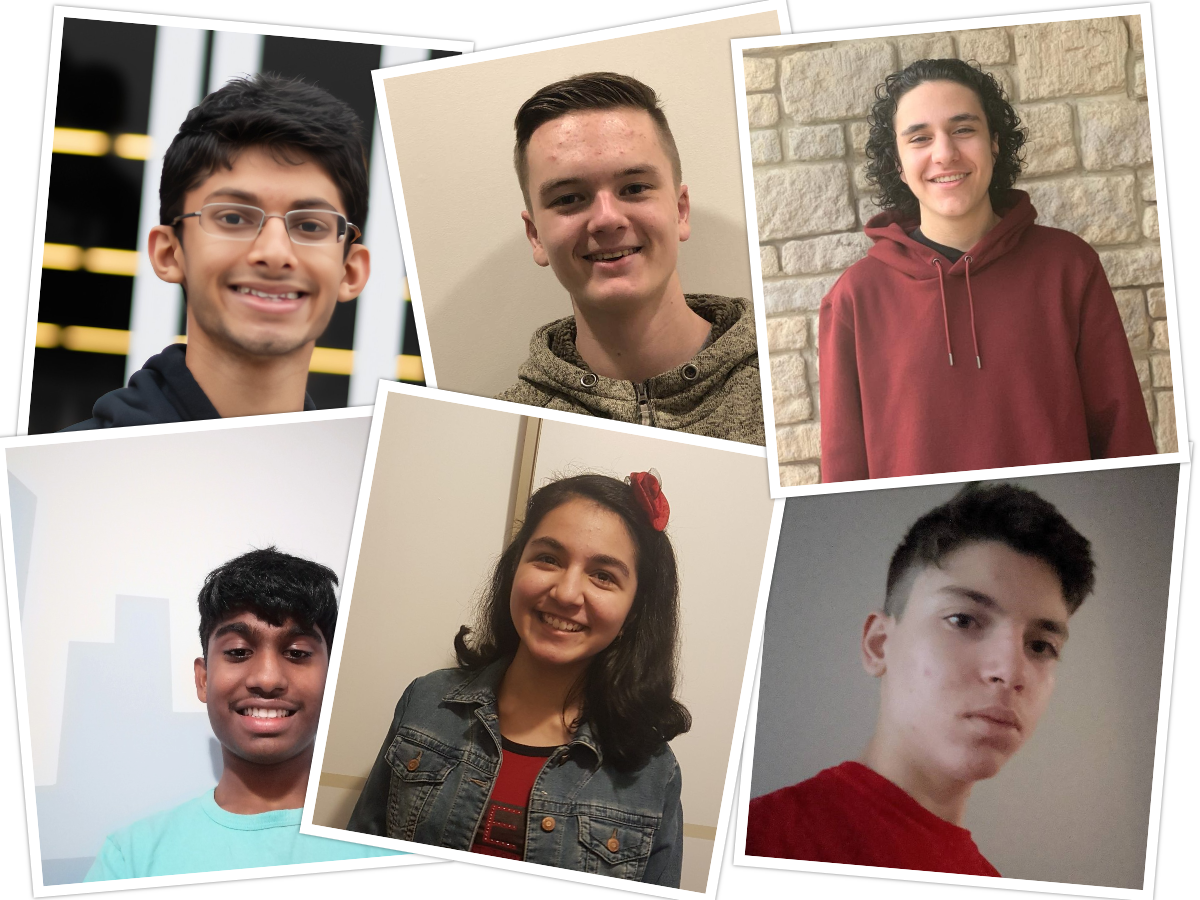
Group of six high school students, Nikhil, Daxsin, Adam, Vishal,Armina, and Josh came together and organized a Coding hackathon during the week of Hour-of-code. As the participant’s age group varied from Grade 2 to 12, they had to come up with several categories, that challenged participants appropriately, while givng them flexibility to choose challenges higher than their grade level, if they choose to.

Zebra Hackathon 2020 – Organizing committee

They worked over a three week period deciding on how the event will be conducted remotely, while the Zebra marketing and operations team, assisted them in getting the word out, and facilitating signups.

By the week of Zebra Hackathon 2020, they had received over 100 signps, from Canada, US , India and Srilanka. (they didn’t know how the word got out beyond Zebra locations in US and Canada, but hey, more the merrier was the attitude!).

The event lasted for about 3 hours, with results published within that time frame and winners, Zebra Bronze, Silver, Gold Stripe winners.

Overall the experience was very valuable, and participants had fun meeting like minded people across the countries during a tough lockdown we all were experiencing. After toiling for weeks preparing for the event and running it successfully, we asked the organizing team if they want to do it again, there answer was ” can we do this multiple times a year?”

note: to read about organizing committee member’s passion, and Stripe winners take on Hackathon and Coding in general, watch,search this blog.

My Fascination with Coding

In this article, as part of highlighting our student achievers, we asked our student Archish to submit a write up on some of the commonly asked questions. Here are his comments.

How did you develop interest in Coding?
Ever since I was young, I have always been fascinated by computers. To this day it mystifies me that a simple line of 8 transistors can give us so much control and visualization over information, entertainment and so much more. With this in mind, I first started learning JavaScript in elementary school using online tutorials. Around middle school, I had started getting into creating small games using JS and Unity. It was in grade 8 however that my biggest breakthrough in coding happened, I discovered Python. Python led me into understanding algorithms, working with data, interacting with API’s and so much more. This would never have happened without Zebra Robotics and I am so glad I have their continued support to keep learning and growing.

What is your favorite programming language and why?
Python has to be my favourite program language. Besides it being the language that has gotten me the most into programming and what I have spent the most time working with, it amazes me how many applications it has. From being able to run servers with terabytes and petabytes of data, running algorithms capable of computing and predicting important events and being able to run AI algorithms that can make scarily accurate predictions of our future, there is almost nothing Python cannot do. It can easily be learnt to a basic level by anyone and it also has an incredible amount of potential, and this versatility is what makes it my favourite programming language.

How did Zebra Robotics help you with learning to code?
Zebra Robotics has helped me so much in my programming journey. Coding can definitely be a complicated thing to get into, and especially without the proper guidance, it can become really overwhelming. I can’t even get started on how many times I had tried learning how to code in Python and Java before I started classes at Zebra and quit due to the difficulty of the subjects taught. The coaches at Zebra Robotics are so great at explaining concepts to kids of all ages, and make coding fun and engaging for us all. They are able to connect with the students’ interests and make the classes a fun open discussion session, which provides the perfect environment to learn and grow.

What specialization are you interested in pursuing in University?
I plan on going into computer science as my undergraduate degree, and pursuing data science for my masters. Alternatively, I would like to do something in food science, and incorporate data science and programming in research after post secondary.

What do you do for fun?

I play guitar, keyboard and am learning Carnatic music. You can watch my creations on my Youtube channel below.

https://www.youtube.com/channel/UCzhnYfG4hZeD8NBdQkfmbpw

What Coding languages did you have to use in high-school.
In high school, we are exposed to the fundamental principles of coding through scratch in grade 10, then Python and Java in grades 11 and 12. We are also taught how to use the Arduino language in computer engineering classes. All of these languages are taught at Zebra Robotics and I am so glad that I have an advantage in these classes by going to Zebra Robotics.

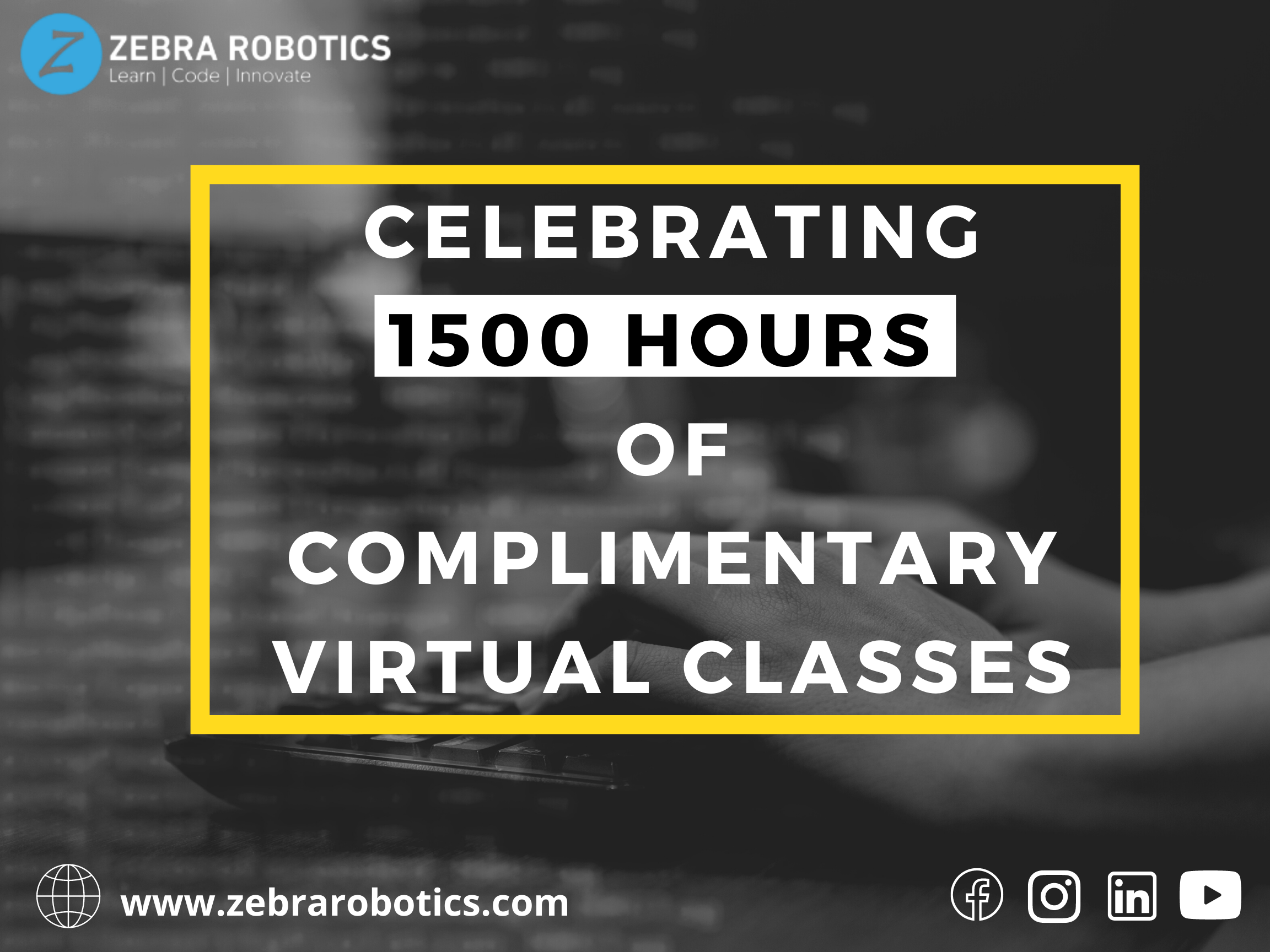
1500 Hours of complementary classes

1500 hours

Zebra Robotics is happy to reach a milestone of providing over 1500 hours of complimentary coding classes to students across Canada. Through a series of weekly and daily classes, students were introduced to variety of programming languages such as web design, game development, app development .

In these instructor led virtual classes, students get to try hands on activities on their computer from home. Weekly webinars introduced several technolgy topics to students. Some of these topics tool the students on a journey to learn what is inside a computer and understand how internet works.

“Community outreach has always been part of our growth” says Sharmila Govindarajan, Co-Founder of Zebra Robotics, “we are glad to be able to contribute positively to the society during these challenging times.”

“Providing same high quality program, in virtual class environment has been our focus. Several positive feedback from parents and students is reassuring for us” said Satish Thiyagarajan, Co-Founder of Zebra Robotics.

This news comes in the wake of many recent initiatives and accomplishments of the company, including:

  • Migrating 20 robotics and coding courses to be offered virtually.
  • Opening a new location in Cary, NC to cater to the US customers

“Best class ever” said Anokhi, one of the student who attended a Webinar session. ” It is a way to reach the students, and connect with them, given that we are all struck at home”, said Coach Tahmoor Naeem. “I found it hard to adapt to online teaching, as I am used to being in the classroom and teching kids how to build robots. But after couple of classes, we got into a rhythm, students and I learnt how to communcate without talking over each other, how to share screen when someone needs help”

“We are a nimble company with a proven curriculum, passionate and talented coaching staff” says Jayendra Balasubramanian, Co-Founder at Zebra Robotics. “Our team raised to the challenge and migrated all of our courses to be offered virtually in a matter of days in March, without missing a beat, thereby providing an opportunity for students to continue learning virtually”.

“Thanks to the support from the Government, we are able to sustain our operations during these tough times and set the stage for growth when we emerge out of this” says Sharmila Govindarajan.

About Zebra Robotics Inc.: Started 6 years back in Mississauga, Zebra Robotics has grown to operate in 4 locations, serving over 10,000 students, in Canada, US and India. Zebra Robotics students have won 47 awards in 67 competitions at various levels over the years. Knowledgeable instructors and an extensive course offering made in-house by our experienced and passionate staff with a visionary leadership team, sets up apart with a goal to mentor future generation. 

Why STEM education

Why STEM education for your kids

The impact of technology on the current economy is already profound. However, if the projections are anything to go by, the best is yet to come. To prepare your child for a world that will be dominated by technology, you need to pay more attention to their STEM education. Even if they would not specialize in any of the Science, Technology, Engineering, and Math fields, they stand to gain a lot from a solid STEM foundation.

Benefits of STEM education for kids

Helping them become problem solvers: STEM education motivates children to find solutions to real-world problems. This makes it easier to make meaning out of seemingly abstract concepts while developing children’s critical thinking skills. 

Bridging the ethnic and gender gap: Traditionally, there’s a vast ethnic and gender imbalance in the math and science fields. Although many initiatives have been set up to correct this imbalance, the effects would be more far-reaching if parents of girls and children belonging to ethnic minorities do a little bit more.

Equipping them with 21st-century skills:  STEM education does not limit children to the four fields that make up the acronym. A comprehensive STEM curriculum will also teach soft skills such as critical thinking, decision-making, creativity, entrepreneurship, and much more. Regardless of the career path they settle for, the skills would set them up for a successful future.

Preparing children to become innovators: Virtually all of today’s tech giants have admitted owing their achievements to early childhood STEM exposure. Think about the Jeff Bezos, the Marissa Mayers, and the Mark Zuckerbergs of this world. If you want to child to have that innovator mindset, we bet you already know what to do.

By now, you should be convinced without an iota of doubt that paying more attention to your kids’ STEM education would yield immense benefits. And it goes beyond their regular school curriculum. A properly organized and fun STEM classes, or summer camp or holiday workshop would go a long way in sparking their interest in STEM. Thinking of enrolling them in one, but you don’t know where to start? Get in touch with us at Zebra Robotics today. We have a diverse range of amazing STEM courses from basic electronics, IoT to coding and robotics – your kids would surely fall in love with us.