Ontario offers many regional learning choice programs for elementary students heading into middle school. Finding a program that keeps your child engaged and empowered can help avoid some of the academic pitfalls of the transition from elementary to middle school. It may seem like a lot of pressure to apply for a special program when your child is in elementary school, but there is research that suggests that working with motivated peers in a challenging environment can keep students moving toward success.
It’s important to keep up student interest when transitioning to middle school.
Programs for students interested in STEM include the Middle Years Programme of the International Baccalaureate and the SciTech program. Students whose interest in STEM is entrepreneurial would thrive in the International Business and Technology (IBT) program.
The Middle Years Programme from the International Baccalaureate (IB) is the program designed for students from ages 11–16. It’s a 5-year program, but in most Ontario schools this program runs from grade 6–8, which is common for the curriculum. This program introduces students to a cohort of highly-motivated peers working on learning that is attached to real world applications, in addition to following Ontario’s standard curriculum. There are 8 subject areas for students to focus on, and they must spend at least 50 hours on instruction in each area. The areas include: language acquisition, language and literature, individuals & societies, sciences, mathematics, arts, physical & health education, and design. The IB Global Research department has studied the impact of their Middle Years Programme and found that IB students were “on-task” 87% of the time, compared to 73% of the time for general education students. That equates to 8.4 minutes more time on task per hour, and almost an hour for a whole day of school.
The sciences and mathematics programs will be most interesting for STEM students, but the middle grades are also a time to develop core competencies in a wide range of subject areas. Language, design, and social sciences (individuals & societies) are helpful to even the most die-hard STEM enthusiast. Communicating your ideas and seeing how they impact others is crucial for any field. Global contexts and critical thinking are all core components of the Middle Years Programme.
Being accepted to the IB Middle Years Programme does not guarantee acceptance into the IB Diploma Programme in secondary school. However, students who study in the Middle Years Programme will likely be better prepared for the Diploma Programme if they’re not ready to move on to something else.
For a more hands-on experience, students can choose a Sci Tech program. This program also follows Ontario curriculum standards but focuses on technological inquiry, including robotics, coding, 3D printing, and video editing/animation, where facilities allow. The program focuses on stewardship, competence, and insight as driving ideas for inquiry-based education. Where the standard curriculum would build one model or test one application, the sci tech program spends much more time on complex building projects and invests more time in hands-on activities. Students build and then re-design based on feedback so they can continuously improve their designs. Students in SciTech often compete in local competitions like the Beaver Computing Challenge at the University of Waterloo.
Just like the IB Middle Years Programme, being placed in the SciTech program in the middle years does not guarantee placement in secondary regional learning choice programs. Similarly, not getting into the elementary program does keep a student from being accepted into the secondary SciTech program. The two are independent of one another.
Students who like to innovate may thrive in the IBT program.
A program that combines technology with entrepreneurial skills is the International Business and Technology (IBT) program. Students are encouraged to have their own device to use daily for hands-on, collaborative learning with a business focus. In this program, technology is used to further business inquiry and facilitate risk-taking like public presentations and videos. There is less focus on the nuts and bolts of building and designing as there would be in the SciTech program, but if your child loves to design new plans or innovative responses to problems, the IBT program might be a good experience. Marketing, social media, and communication are big elements of this program as well.
Applications for Elementary programs are due at the end of January in the Peel Region, but check your local school for details. Information sessions are being held now. Here is a link from the Ministry of Education for finding your elementary school: https://www.app.edu.gov.on.ca/eng/sift/index.asp Admission is often based on marks and feedback from grade 4 and 5 teachers, among other factors.
For competitive programs, any student who meets the requirements for special elementary programs is put in a drawing for a place in the program. Your child could meet all the requirements and do well on the assessments but still not get a place in their chosen program. These are situations to remember that such programs are helpful and interesting but not deal breakers for your child’s future.
Since the elementary and secondary programs of choice are not linked, families might consider layering special programs to target the interests of their children. For example, an entrepreneurial STEM student might benefit from the IBT program in middle school and a more comprehensive Advanced Placement or IB program in secondary school.
Choosing a special elementary program is a balancing act between your student’s interests and inclinations and their emotional and social wellbeing. Your child’s happiness and motivation is the most important metric for making educational decisions in the middle years.
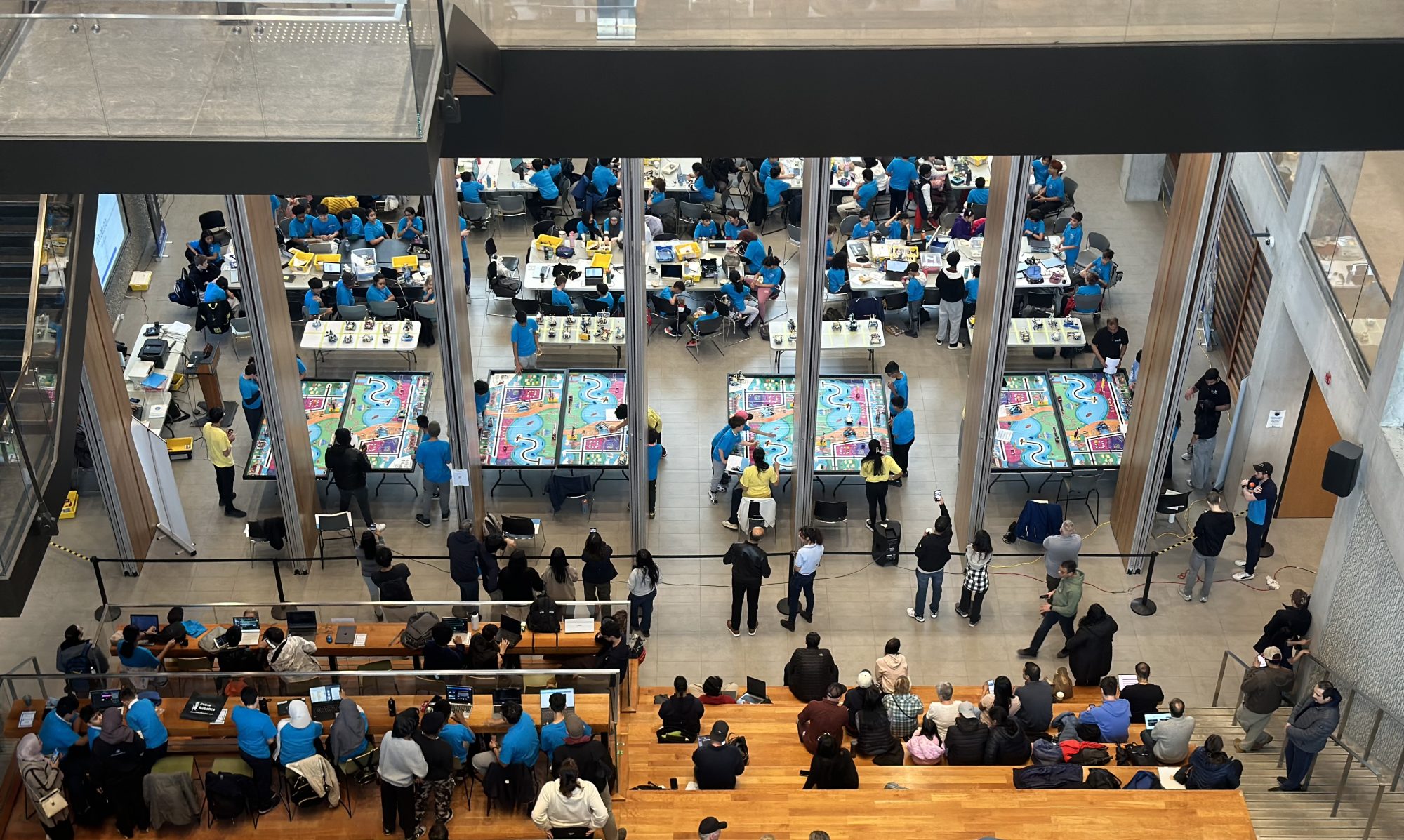
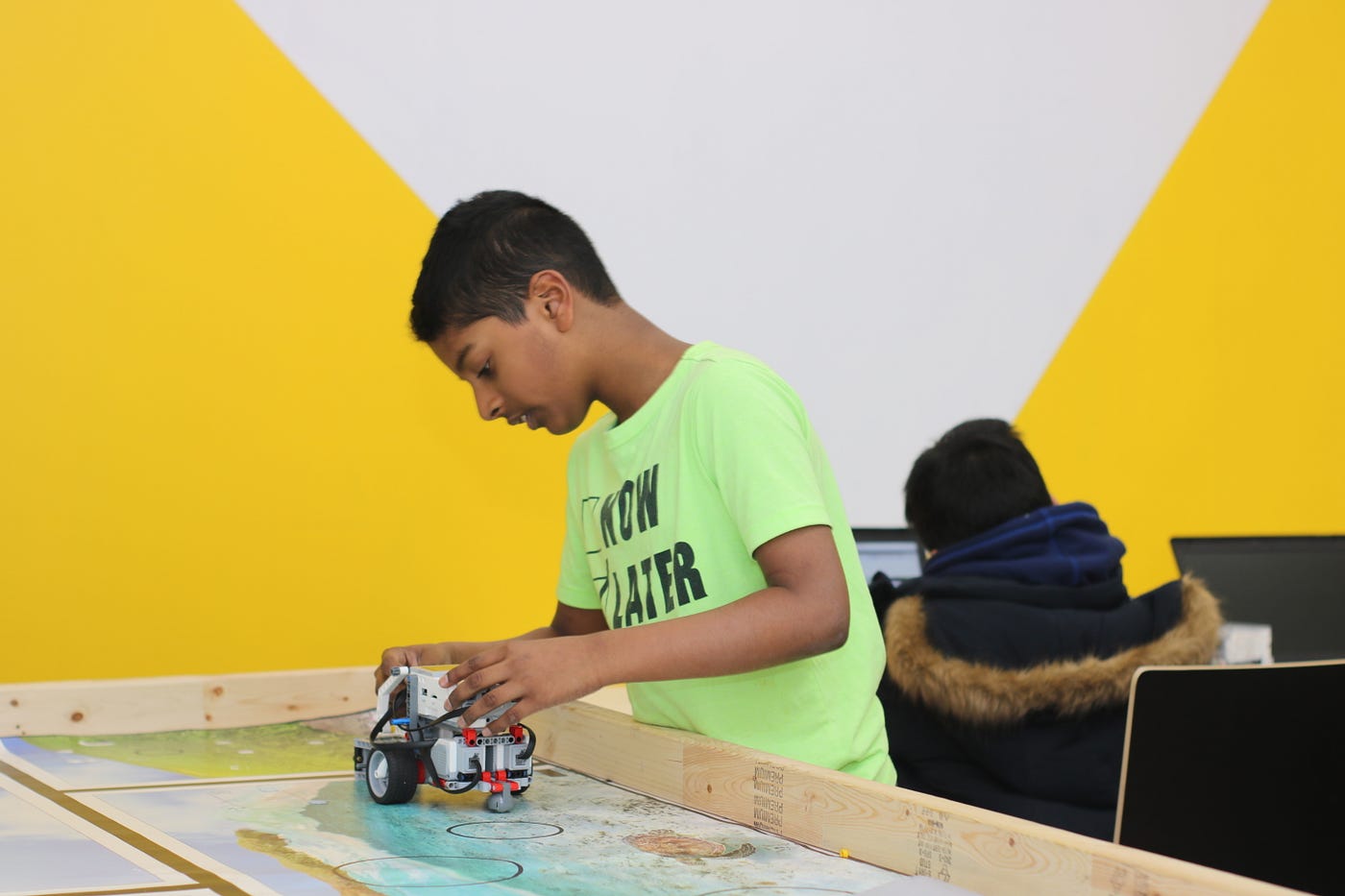
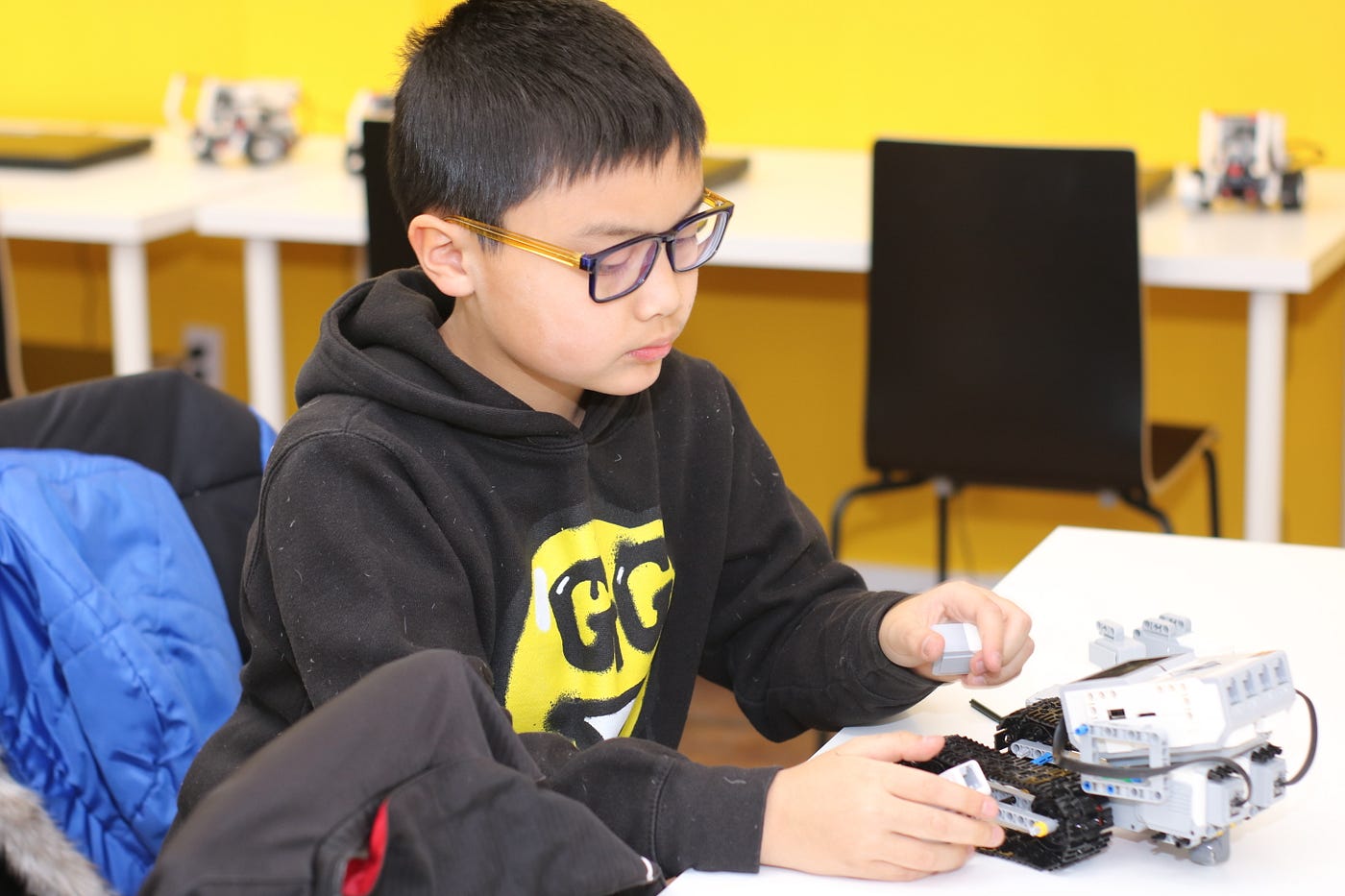
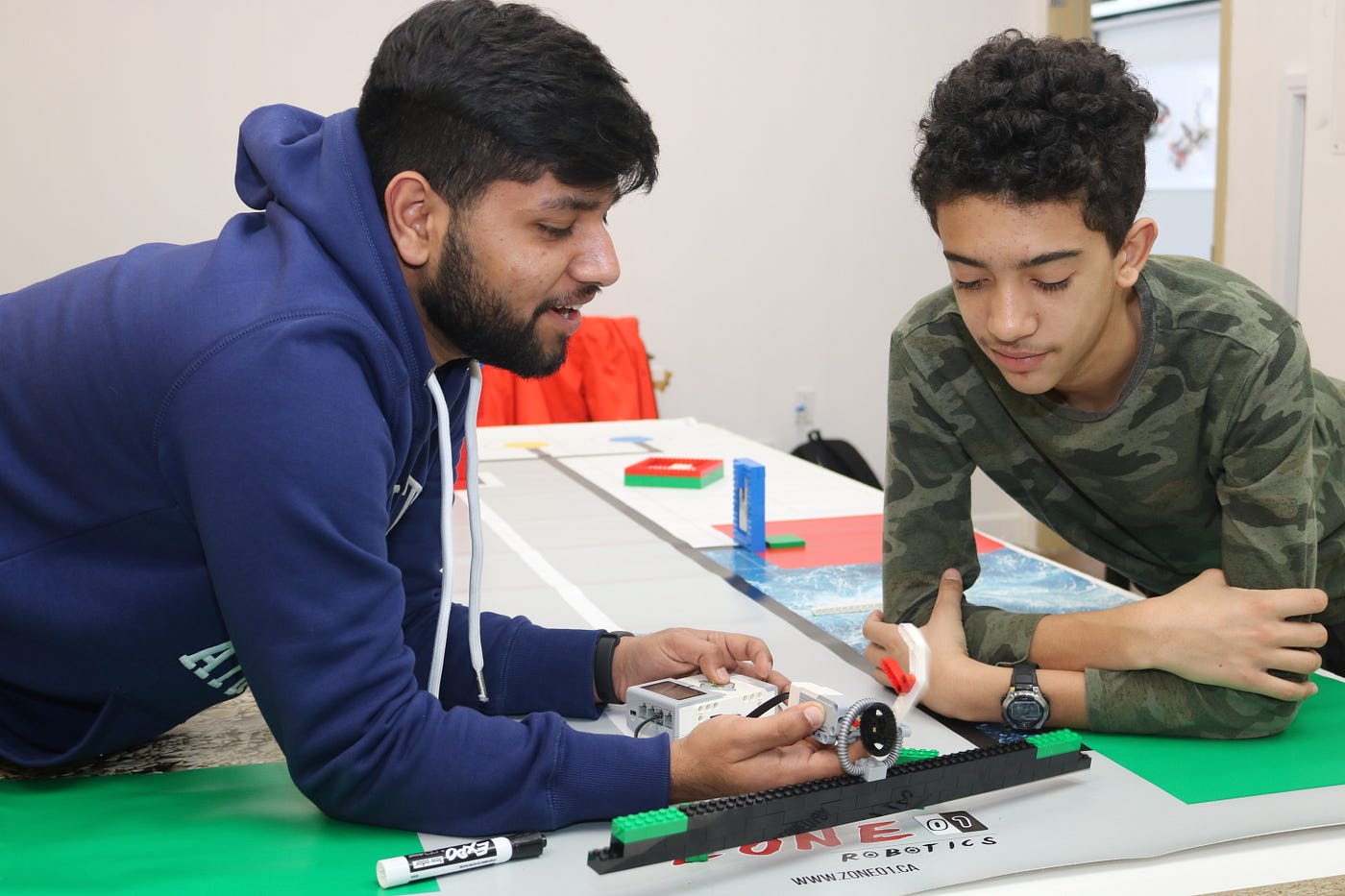
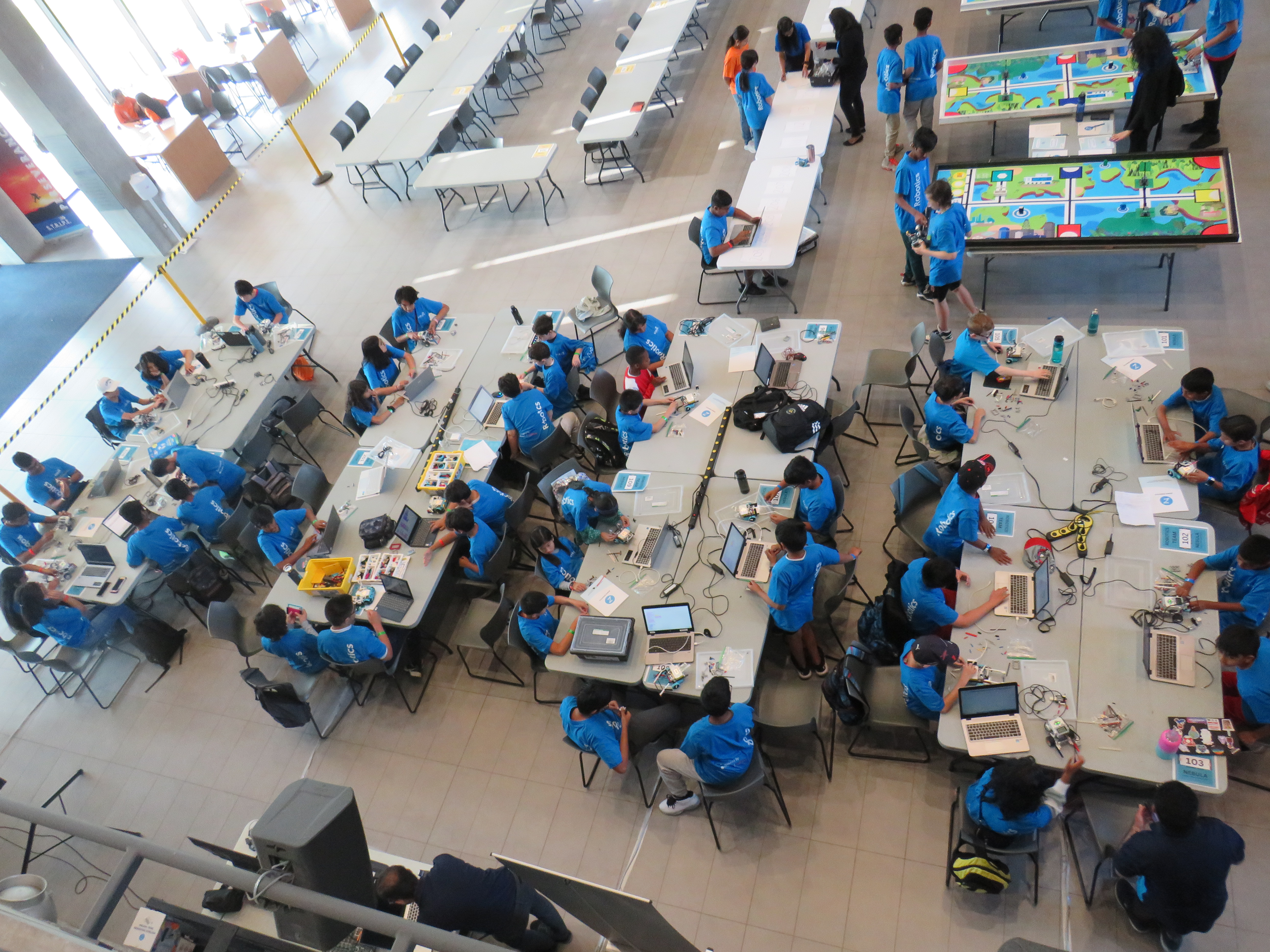
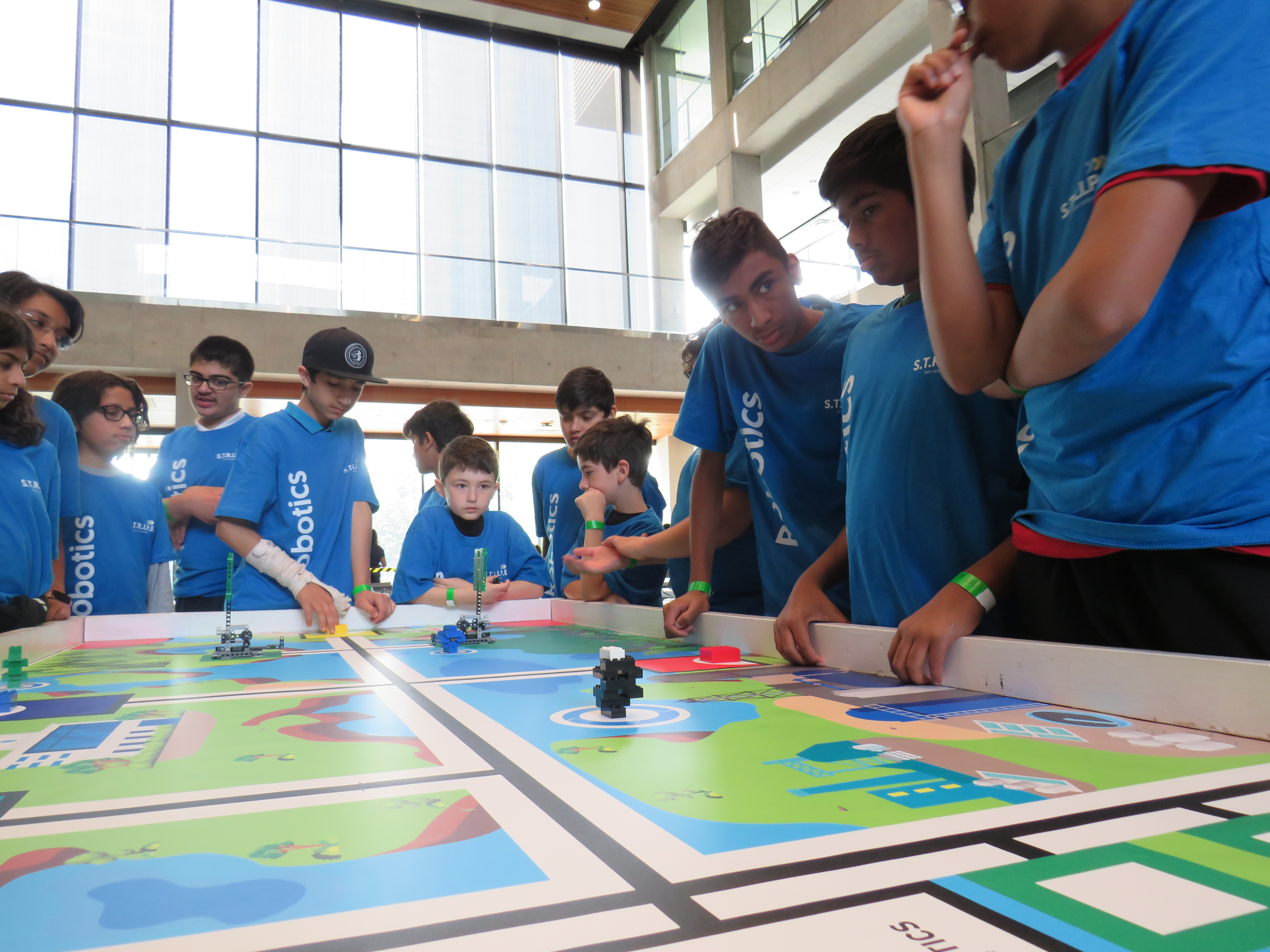
At Zebra Robotics, students can start learning about STEM as early as grade 1, with the basics of coding, robotics, and technology. Being involved in competition helps keep students invested in learning and can bridge the achievement gap between elementary and middle school. For more information, see www.zebrarobotics.com.
Canada is consistently ranked in the top 5 countries for education, and it’s for good reason. We have targeted educational programs for a wide range of high school students in addition to a comprehensive governmental curriculum. Secondary school choices are particularly complex, especially for students interested in STEM fields where programs range from hands-on training to broader university-preparation programs. Many grade 8 students can feel overwhelmed by the decision, but it is important to work together to make a thoughtful choice because not all programs are offered in all schools, and there will be social and logistical challenges in addition to the academic ones. Remember that this is an exciting opportunity to find your child’s sweet spot for success.
Special secondary school programs range from comprehensive ones like Advanced Placement (AP) and International Baccalaureates (IB) to STEM-based technical ones. Students enter special high school programs starting in grade 9, so applications must be completed during grade 8. Check your local school districts for specific deadlines, but most informational sessions happen in the early fall, and applications are due in late fall or early winter. The Ontario Association of School Districts provides links to all Ontario school boards on their website: https://www.oasdi.ca/district-list/. All programs discussed here meet the regular, Ontario Ministry of Education curriculum.
The programs
Advanced Placement (AP) programs were developed in the United States in the mid-20th century, responding to a perceived lack of rigor at public schools after colleges and universities began accepting a wider range of students. In AP programs, students learn first-year university material, and if they earn a high enough score on a final exam, they can receive credit from universities.
Students in AP programs learn with other high-achieving students who experience the Ontario curriculum at a faster pace and in more depth before getting to university-level curriculum. Alumni of these programs report that they were well prepared for university courses. AP programs focus on core disciplines like math, English, French, science, etc., but some offer optional preparation for exams like Computer Science Principles. Students must take a minimum number of AP courses per year to remain in most programs.
When students apply for university, they can designate if a course was an AP course or not, though it’s unclear how this designation affects their chances for admission. It’s optional to take the final AP exams, and each costs $130 to take. The exams are graded with levels 1-5, with 5 being the most proficient. Final exam scores do not affect classroom marks. Students can choose to send their final AP exam scores to universities and colleges to which they are applying, just as they would with any entrance exams required in other countries.
For many competitive universities, AP exam scores are not a guarantee of credit and may only earn general credit instead of replacing course requirements. Since Ontario was one of the last provinces to offer AP programs, there are fewer universities in the province that take AP transfer credits. For example, scores on the AP Calculus exam are not awarded credit at the University of Toronto, while the University of Waterloo only accepts .5 credit if the student is not a math major.
International baccalaureate (IB) programs were conceived in Geneva in 1968 but launched in the United States in 1971. They are more comprehensive than AP programs, requiring competence in a wider range of subjects, more in line with liberal arts colleges. There is a deeper emphasis on writing, collaboration, and critical thinking. The writing focus of IB programs is especially good at preparing students for writing college entrance essays. Students complete a research paper and a community service project by the end of the program. The International Baccalaureate Organization monitors all schools who offer the program and reviews them every 5 years. Random student assignments are chosen for regrading at the international office every semester to make sure that teachers are grading in accordance with IB standards. Students do preparatory work in grades 9 and 10 and enter the Diploma Programme in grades 11 and 12. In a long-term study, secondary students who studied in an IB program reported that the program helped them prepare for college coursework, especially in terms of writing, critical thinking, study skills, and time management.
The IB does not specialize in STEM fields. Rather, the curriculum is focused on classic, liberal arts curriculum like literature, language, social sciences, sciences, math, and arts. The math curriculum, however, is rigorous. Computer science is an option for students to study within the science category of the curriculum, but the exams are written rather than demonstrating hands-on programming skills. There are two externally graded examinations in grade 11 and four in grade 12. International baccalaureate diplomas are recognized and esteemed around the world.
If a more applied program is what your child enjoys, there are lots of options. The Science and Technology (SciTech) program is a more hands-on, career-oriented program that features robotics and helps students hone their entrepreneurial skills. Students can participate in STEM competitions and even take certain AP exams if they desire. Graduates go on to universities like McMaster, but the program can also lead to the workplace. Guest speakers and special workshops, in addition to work with laser cutters and 3D printers, showcase the practical focus of the SciTech program.
The objective of the International Business and Technology (IBT) program is to prepare students for 21st Century “jobs that have not yet been created.” Students take six credits of IBT courses in grade 9 and 7 in grade 10, in addition to the standard Ontario curriculum. In grade 11 and 12, they focus on four courses in either business or technology, based on their earlier exploration. Technology courses include engineering, computer science, tech design, and robotics. Students can participate with VEX and First Robotics in addition to using 3D printers and a design lab, as available.
For an even more career-based option, there are the Specialist High Skills Major (SHSM) programs. These programs begin in grades 11 and 12, focusing on a very specific career option. Students take courses in their program of interest, much like they would in their major at college or university. The programs include sector-recognized certificates and training like hazardous materials use or CPR as well as cooperative education credit received for experience in a workplace related to the field of study. The program is designed for students going to university and going into the workplace after school. For example, students studying in the Information and Communications Technology SHSM may go on to be software engineers through university training, web designers and developers through college training, or computer network technicians after an apprenticeship. Not all SHSMs connect to the interests of students in STEM, so it’s important to do your research in the specific program. The most widely available and relevant program is the information and communications technology SHSM.
Enhanced learning programs are individualized instruction for gifted children, much like special education programs offer individualized instruction for children with special learning needs. Families must apply for these accommodations after having their child tested with the Canadian Cognitive Aptitude Test (CCAT) and using the Gifted Rating Scale (GFS) as required by the school’s In School Review Committee. At Tier 1, the student receives differentiated instruction and additional assessment in standard classrooms. At Tier 2, the student is eligible for the In-School Enhanced Learning Program. This offers support including independent learning and help with soft skills for planning, organizing, and thinking critically. At Tier 3, the student is identified as exceptionally gifted and qualifies for enhanced learning classes at the secondary school within their regional boundary. The tiers are meant to scale up or down the level of acceleration needed to keep the student challenged and engaged. Some schools have unique programs, depending on the needs and skills of the region. For example, Halton School District offers a special I-STEM program, which adds innovation on top of STEM focuses on science, technology, engineering, and mathematics. In this program, classroom learning is paired with mentorship and experience in workplaces and the community. In grade 9, students focus on design, shift to entrepreneurship in grade 10, and finally study innovation in grades 11 and 12. They end with a public presentation of work that solves a social, environmental, or economic issue in the world. Students receive an I-STEM certificate when they finish the program, along with valuable experiences that will recommend them for universities and colleges.
Challenges with applying
Special secondary programs that start in grade 9 have an application process. Again, check with your local school district (https://www.oasdi.ca/district-list/) Students must meet or exceed provincial standards for marks and learning skills in grade 7 and 8. Some write short essays or complete an application. In competitive districts like the Peel Region in GTA, the district then compiles a list of students who meet the program requirements based on the application and grades and then enters your child into a lottery for placement. Each successful application is randomly assigned a number by a computer, and enrollment offers are based on a lottery of those numbers. Remaining applicants who meet the requirements but did not get an offer are placed on a waitlist. When the deadline for accepting the first wave of offers is completed, new offers are given until the program is filled. Applying for multiple programs is fine, but as soon as a student accepts an offer, other applications to other programs are suspended. Thus, your child may be a successful applicant for multiple programs, may be on the waitlist for one, receive an offer on the other, and need to make some hard decisions.
African, Black, First Nations, Inuit, and Métis students do not participate in the lottery. If they meet program requirements, they are automatically accepted. Smaller private school boards often offer choices for ambitious secondary students in STEM without lotteries to determine placement. The applications can be fairly rigorous and often include essays and community/school involvement in addition to grades. There are usually application fees for special secondary programs, and there are costs associated with enrollment in the programs. IB and AP programs tend to have the highest fees, which also vary by district.
Finding the right program for your child depends on a lot of factors. As you and your child narrow the choices, it’s important to research the specifics of each program and what’s available in your region. Fall is when schools offer open houses and informational sessions on the different options.
The choice for your STEM child depends on overall academic motivation and goals. The more hands-on programs lend themselves to workplace and college goals while the AP and IB programs lend themselves to university goals. However, that is not a predetermination or a direct path. Students in more applied programs can certainly leverage those experiences to university applications. It is most important to choose a program that keeps your child engaged and invested in their education. Good marks and the ability to communicate knowledge and skills are the most important factors for success in post-secondary education, no matter which program they study.
At Zebra Robotics, our high school students come from different secondary programs, but they all have an interest in coding, robotics, or technology. No matter which program they study, supplemental, enhanced education like after-school and summer programs can help prepare students for university studies. In addition, competition in robotics and coding not only provides them with technical know-how but also prepares them to face the real world as they prepare for university and the workplace.
For more information on the GTA area, here are some resources to help you support your STEM secondary student: