Why STEM education

Why STEM education for your kids

The impact of technology on the current economy is already profound. However, if the projections are anything to go by, the best is yet to come. To prepare your child for a world that will be dominated by technology, you need to pay more attention to their STEM education. Even if they would not specialize in any of the Science, Technology, Engineering, and Math fields, they stand to gain a lot from a solid STEM foundation.

Benefits of STEM education for kids

Helping them become problem solvers: STEM education motivates children to find solutions to real-world problems. This makes it easier to make meaning out of seemingly abstract concepts while developing children’s critical thinking skills. 

Bridging the ethnic and gender gap: Traditionally, there’s a vast ethnic and gender imbalance in the math and science fields. Although many initiatives have been set up to correct this imbalance, the effects would be more far-reaching if parents of girls and children belonging to ethnic minorities do a little bit more.

Equipping them with 21st-century skills:  STEM education does not limit children to the four fields that make up the acronym. A comprehensive STEM curriculum will also teach soft skills such as critical thinking, decision-making, creativity, entrepreneurship, and much more. Regardless of the career path they settle for, the skills would set them up for a successful future.

Preparing children to become innovators: Virtually all of today’s tech giants have admitted owing their achievements to early childhood STEM exposure. Think about the Jeff Bezos, the Marissa Mayers, and the Mark Zuckerbergs of this world. If you want to child to have that innovator mindset, we bet you already know what to do.

By now, you should be convinced without an iota of doubt that paying more attention to your kids’ STEM education would yield immense benefits. And it goes beyond their regular school curriculum. A properly organized and fun STEM classes, or summer camp or holiday workshop would go a long way in sparking their interest in STEM. Thinking of enrolling them in one, but you don’t know where to start? Get in touch with us at Zebra Robotics today. We have a diverse range of amazing STEM courses from basic electronics, IoT to coding and robotics – your kids would surely fall in love with us.

How competition may benefit learning.

WRO 2019

What makes STEM competitions so special?

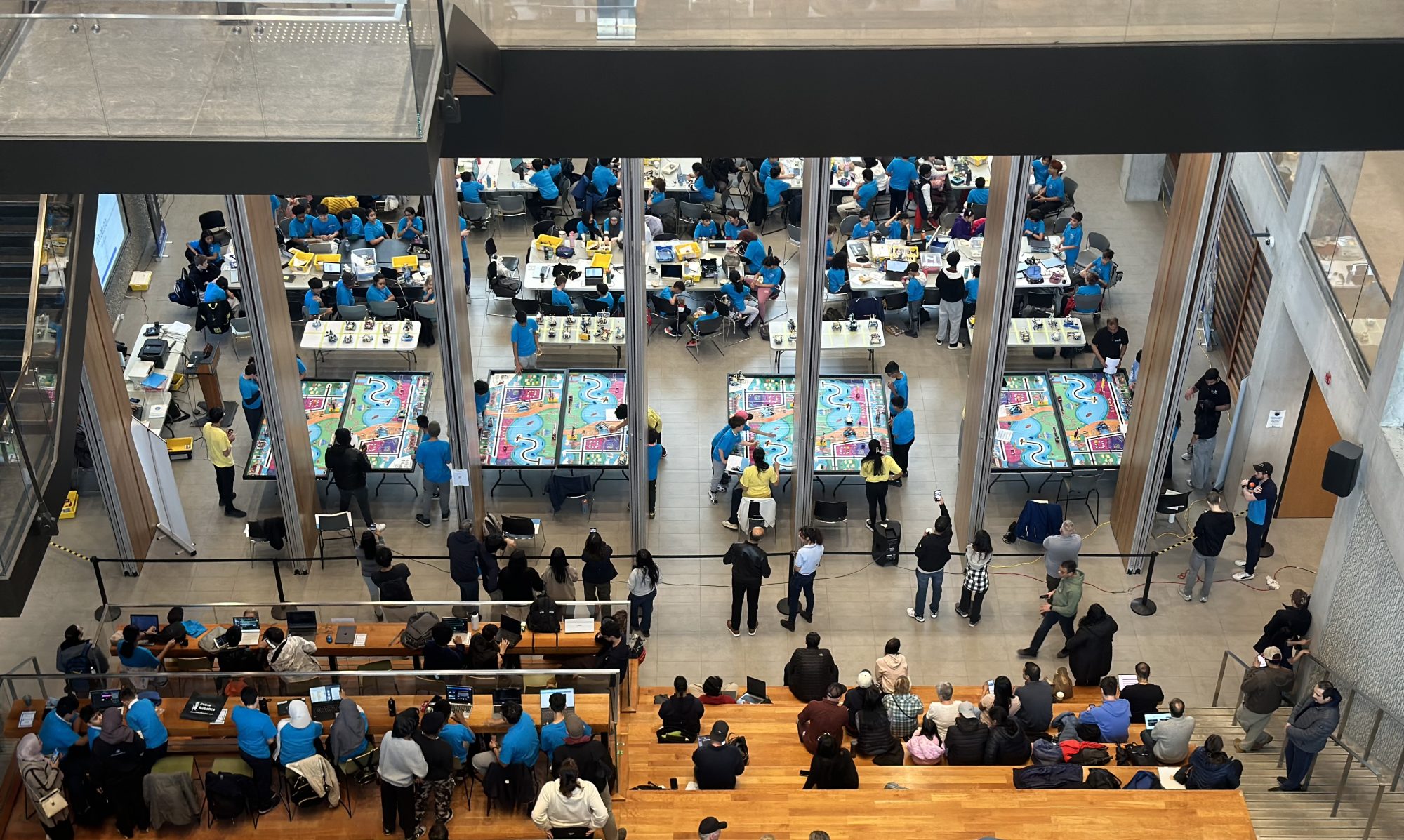
The spirit of competition is one of those things we are all blessed with as children. But most of us tend to lose this competitive edge as we age. The good thing is, kids hardly ever have an ulterior motive when competing. For them, it’s merely about besting the other party while respecting the rules. And the childhood innocence that radiates during such competitions is a joy to behold.

WRO 2019
WRO Junior High

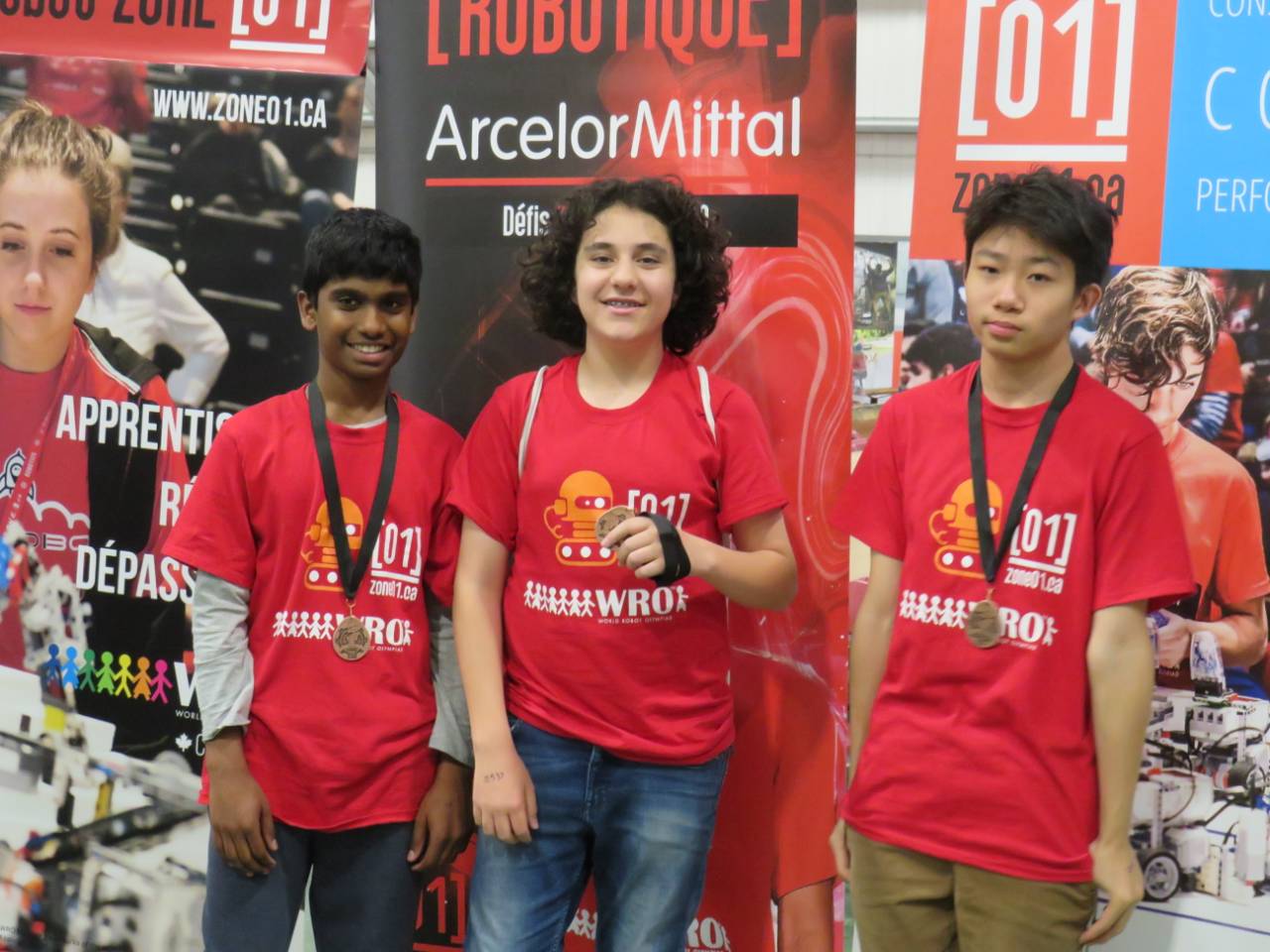
More than the prize, however, kids also get to learn a whole lot from STEM competitions. This is owed to the fact that competitions provide a breath of fresh air. It takes kids away from the rigidity of classes and allows them to express themselves. While doing so, they also learn valuable skills like time management, communication, teamwork, abstract thinking, problem-solving, and so on.

How do we know this?, it is from working and experiencing with kids ourselves, over the last serveral years. As of Jan 2020, Zebra Robotics has fielded over 65 teams, both winning and ‘need-to-work-more’ experiences. The fact is , kids want to work and learn more when they participate in competitions and get new ideas for their robot design.

For STEM competitions to be effective, they should be less about the results and more about the process, just like any other educational endeavor for kids. Children should be taught that although winning is great, the journey is more important. That way, they have a better chance of imbibing the valuable lessons the competitions are set up to teach.

Javin talks about coding

Javin
Javin, started with robotics course at Zebra Robotics in middle school and moved on to learn coding in high school, finishing Web Design, Js, and Java.

Congratulations to Javin, on multiple offers from different universities. He has chosen to join University of Waterloo, with a specialization in Computer Science. We chat with him to talk about Coding and get a student perspective. We hope this will motivate other students who want to pursue Computer Science in University and as career when they grow up.

How did you get interested in coding?

               My first experience and interest in coding were through coding EV3 robots as I could control the robot how I wanted to. However, my interest grew when I started to learn HTML, Javascript and Java at Zebra Robotics as I could make and play games, create my own website and even solve problems for competitions. It is also really fun to finally solve problems.

Tell us about yourself, your hobby and what you’d like to do when you are not working on your school or university work?

               When I have nothing else to do or assignments can be done at a later date, I like to play video games (normally with friends), watch tv shows, scroll youtube or just talk with friends. However, I also tend to help classmates with their work if they need my help (it’s also helpful for reviewing your classwork).

How long were you a student at Zebra Robotics? What did you like most at Zebra during that time?

               I was a student at Zebra Robotics for 5 years going from EV3 to FLL to HTML, Javascript, Java and Java FXML. One of the things I liked about Zebra was that I could do things I did not have the opportunity to do in my school. For example, my middle school did not have an FLL club, yet I was able to participate in such an experience because of Zebra. In addition, during my high school years, I was not able to fit any computer science courses in any semester, yet I was able to learn a few coding languages in a fun environment at my own pace at Zebra Robotics.

If you were to suggest a few things to aspiring Computer Science university students, what would you say?

               One of the main factors to becoming a Computer Science university student is a high average; however, participating in competitions, specifically math and computer science related ones will greatly help with your acceptance. If you are planning to go to Waterloo, the Waterloo contests such as Euclid and CCC are very important, but it will never hurt to participate in others. In these competitions, you do not have to be first but the more you participate in, you will obtain higher scores through experience and have some sort of edge during the application process. In addition to these, attending and competing in hack-a-thons will provide you with a slightly different kind of coding experience and even provide you with ideas for side projects that you might want to further work on, which again helps with your application. Overall, it is not all about grades in the application, as some part of it will be proving how well rounded you are or how you enjoy coding, which can be done through different experiences, projects or competitions. Just keep in mind that you do not need to do all of the things above to get an admission, as I never attended a hack-a-thon as a participant, but at the same time doing all of them may not guarantee an admission.

Rajath’s take on coding

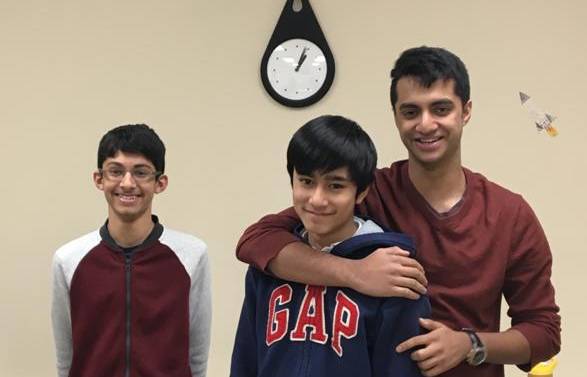
Rajath, Javin & Nikhil

Congratulations on your success in getting accepted for Computer Science in University of Toronto and getting into Dean’s List of Scholars.

How did you get interested in Coding?

My parents found out about Zebra Robotics around 5 years ago and enrolled me into robotics. During the time I was in Robotics I was completely attracted to programming; flash forward a few years and I joined as a student in Java. Initially I struggled with programming but as it was a grade 11 course I had, I had to push myself to learn and somewhere along the line I started to enjoy programming. From there onwards I programmed at every opportunity I got. Eventually my passion for programming took me to pursue computer science and as such I’m a second year Computer Science student.

Rajath
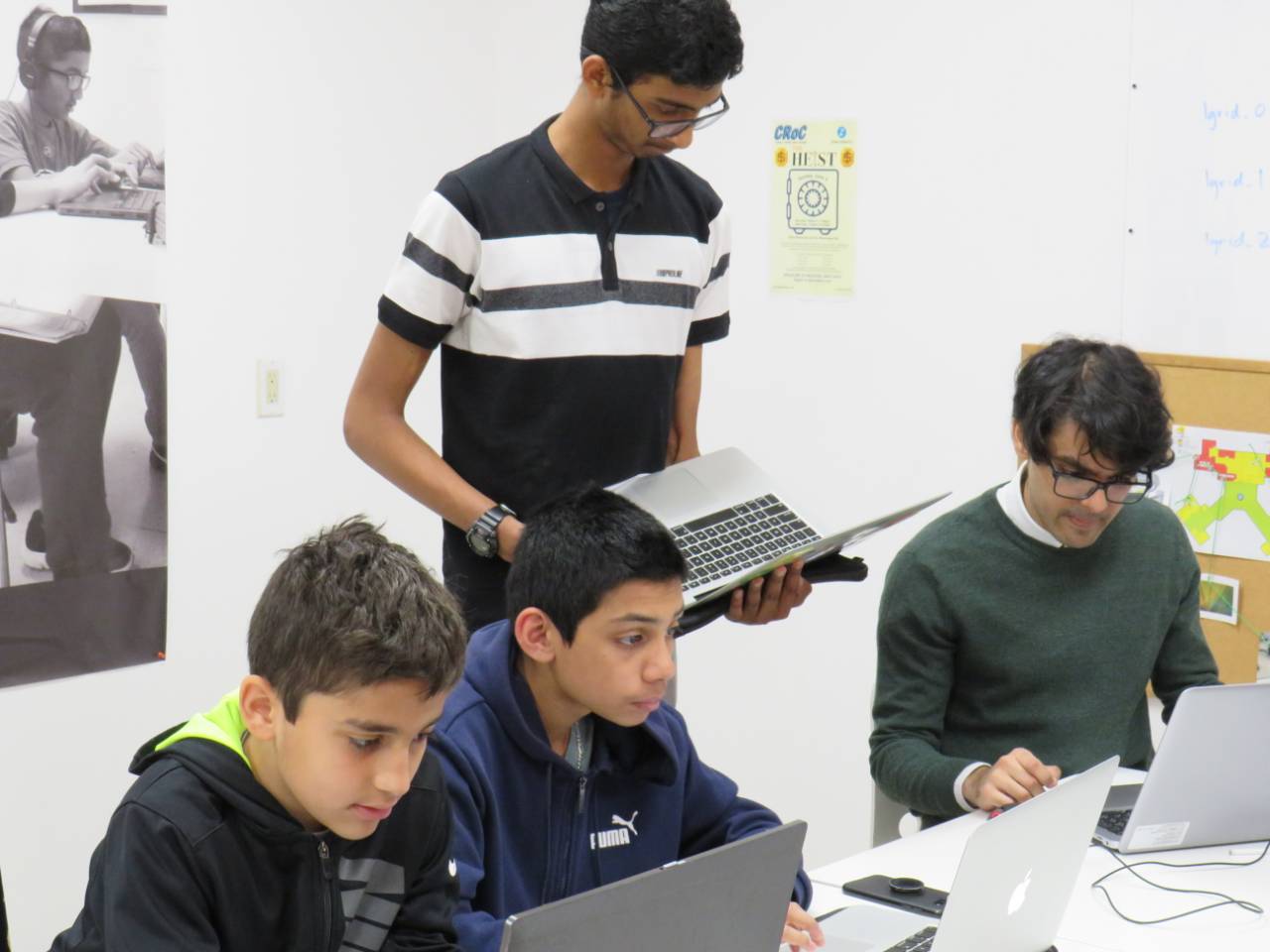
Rajath far right has been a student of robotics and coding. He started volunteering and eventually teaching at Zebra Robotics.

Tell us a bit about yourself, your hobby and what you’d like to do when you are not working on your school or university work.

University and working a job at Zebra takes up most of my time, that being said in the little free time I have I mostly just watch shows. Additionally, I make sure to exercise on my free time, as to counteract sitting down and working for a few hours.

How long were you a student at Zebra Robotics? What did you like most at Zebra during that time?

I was a student for around 3 years, in between which I started working a part-time job at Zebra. I have been a Robotics and Coding instructor at Zebra for a little more than 3 years. While I was a student, I spent my first year in robotics and my next 2 in competition with a bit of coding mixed in.

If you were to suggest few things to aspiring Computer Science university students, what would you say?

Programming as a whole is quite difficult at first because it’s like learning a whole new language. With perseverance, practice, and sincerity anyone can become a programmer. Once you get over the first hump in programming, there will be many more but every single challenge you accomplish helps fortify your skills. For university preparation, learn what languages are essential at the time (java, python, etc..) and that should give you a good head start for  first year university.

Jui’s Journey

Jui

Congratulations on your success in getting accepted for Computer Science in University of Toronto and  University of Waterloo.

Jui has been passionate about learning to code. After she finished learning few programming languages at Zebra Robotics, she volunteered to assist other budding coders.

How did you get interested in Coding?

In Gr. 10, I was convinced I would go into the field of medicine and hopefully specialize in genetic research or become a surgeon. My mom had urged me many times to try my hand at coding but I quite honestly wasn’t interested in trying it at all. I definitely had a vision in my head that programming would be immensely boring and that only a very niche group of people would find it interesting- and I felt certain that I didn’t fall into that category. But I eventually realized that programming would be a useful (and most likely even a necessary) asset to have, even in genetic research, so I found out about Zebra and decided to sign up. After a month or two, surprisingly, I absolutely fell in love with it and decided I wanted to become a software engineer instead. I realized how creative and fun coding could be and how it went far beyond my expectations of what it was and what it could entail.

Tell us a bit about yourself, your hobby and what you’d like to do when you are not working on your school or university work.

Well I’m currently about to start studying Software Engineering at the University of Waterloo, and in highschool, I was a student in the IB program. For the past 7 years, I’ve been doing karate and for the past 2 years, I’ve also started doing jiu-jitsu, which is a form of grappling. MMA (mixed martial arts) is one of my favourite hobbies and it tends to take up most of my spare time. However, I also like to watch documentaries and the UFC, as well as go on bike rides and spend time with my friends and family.

How long were you a student at Zebra Robotics? What did you like most at Zebra during that time?

I was a student at Zebra robotics for almost two years, starting to learn to code there halfway through Gr. 10. During my time there, I can say without a doubt, that it was the people there that made Zebra so special. In my classes, as well as in the younger children’s classes I volunteered in, you could see how happy people were to be at Zebra. The coaches were incredible at teaching and really worked with you one-on-one if you needed help, but what set them apart in my opinion, was that they were really fun too. They would make jokes and also have conversations with the whole class, which was great for me because I tended to be pretty quiet and shy. I found sooner or later that every student ended up loving Zebra, because unlike other places where you take lessons to learn some skill, Zebra made learning fun and interesting. And who doesn’t love that?

If you were to suggest a few things to aspiring Computer Science university students, what would you say?

I would advise aspiring CS students to do things that they truly have an interest in. Too often, because CS programs are so competitive, people sign up for common extracurriculars such as DECA or Model UN in their last year of highschool, just to have something to put on their application. I would say that one of the best and easiest ways to have your application to stand out in really competitive programs is to take part in extracurriculars or projects that are long-term and that you really love. This is not only satisfying in itself, but it also teaches you a host of different skills and helps you stand out from everyone else who have the same extracurriculars and grades. People often only list activities on their application that are relevant to the field they want to go to (such as only focusing on their CS projects if they’re applying to CS)- to show that they have a ‘passion’ for the field they’re going into. Universities can see through this because it’s generally pretty difficult to develop a passion for something if you’ve only been doing for a few years; so engage in some long-term activities that you find interesting and that more importantly, you can learn technical and soft-skills from. Also, I’d highly recommend you spend a lot of time and effort on your application and refine it to the best of your ability, because it can really make a big difference in your chances of admission.

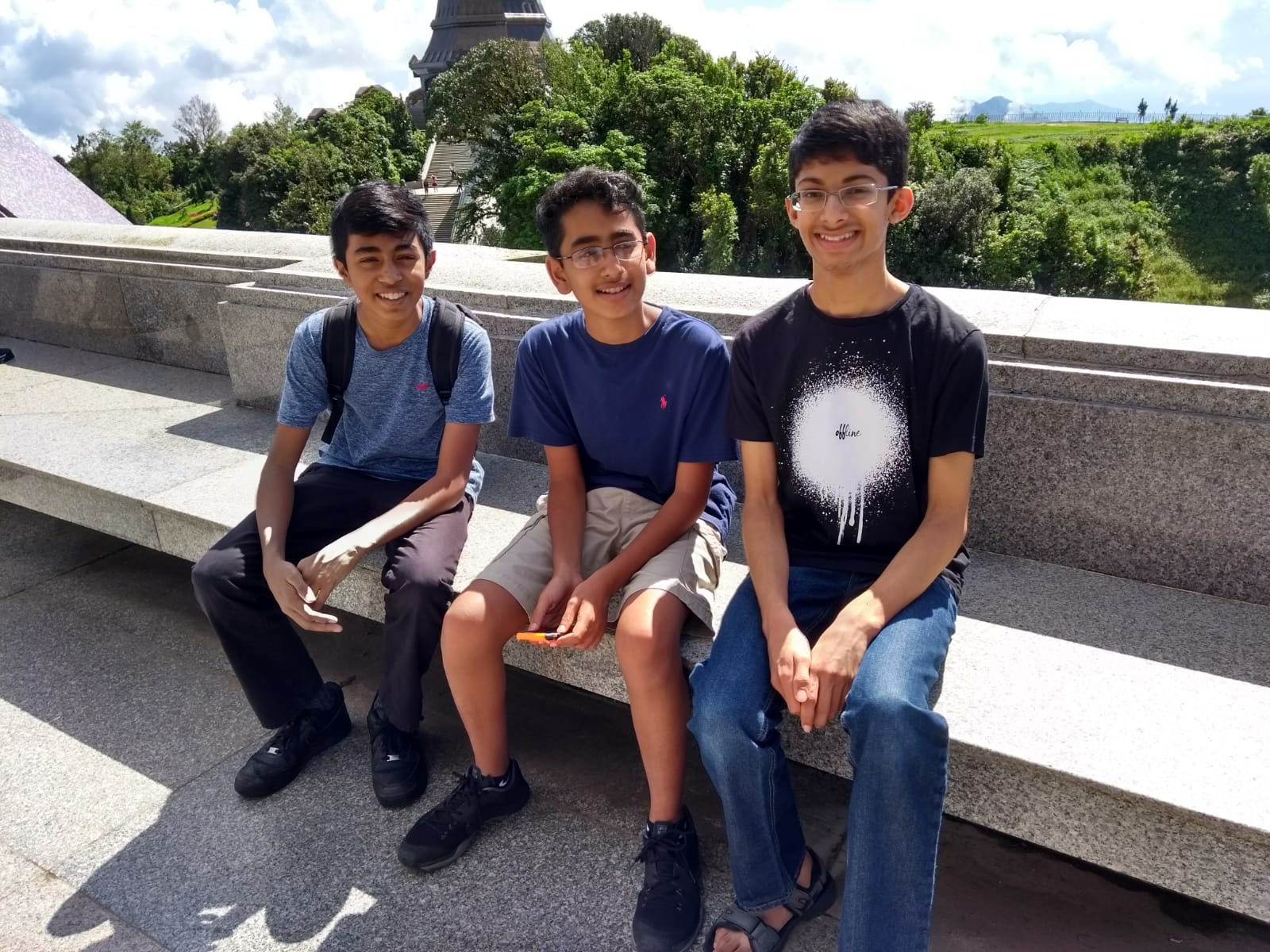
2018: Wooducks: A Bold Robot Redesign, A Tough Lesson, and an Unforgettable Trip to Thailand

2018 Wooducks

By 2018, Zebra Robotics had a new team ready to test its mettle on the world stage. Wooducks — made up of Nikhil Thiyagarajan, Srijay Mundalur, and Shounak Roy — earned their spot through a strong regular season, finishing first at the GTA Regionals before heading to Canada Nationals in Montreal, where they placed third and secured their qualification for the World Robot Olympiad Internationals in Chiang Mai, Thailand.

In the lead-up to Internationals, the team made a bold call: a major redesign of their robot’s drivetrain, swapping in larger wheels for extra speed. It was a calculated risk — and one that didn’t pay off the way they’d hoped. The bigger wheels sacrificed the precision their missions depended on, and despite multiple adjustments and troubleshooting attempts on-site, the team couldn’t dial the accuracy back in before the competition clock ran out.

It’s the kind of result that stings in the moment — but it’s also exactly the kind of lesson robotics competitions are built to teach. Speed means nothing without control, and sometimes the most valuable thing a team brings home isn’t a medal, but a hard-earned engineering principle they’ll never forget.

Beyond the competition mat, Wooducks made the most of representing Canada abroad — forming new friendships with teams from around the world and exploring Thailand from Chiang Mai to Phuket to Bangkok before heading home. A tough competition result, wrapped in an experience the team will remember for years.

2016: Cubic Potatoes: How a Pickering Regional Run Put Zebra Robotics — and Ontario — on the World Robotics Olympiad Map

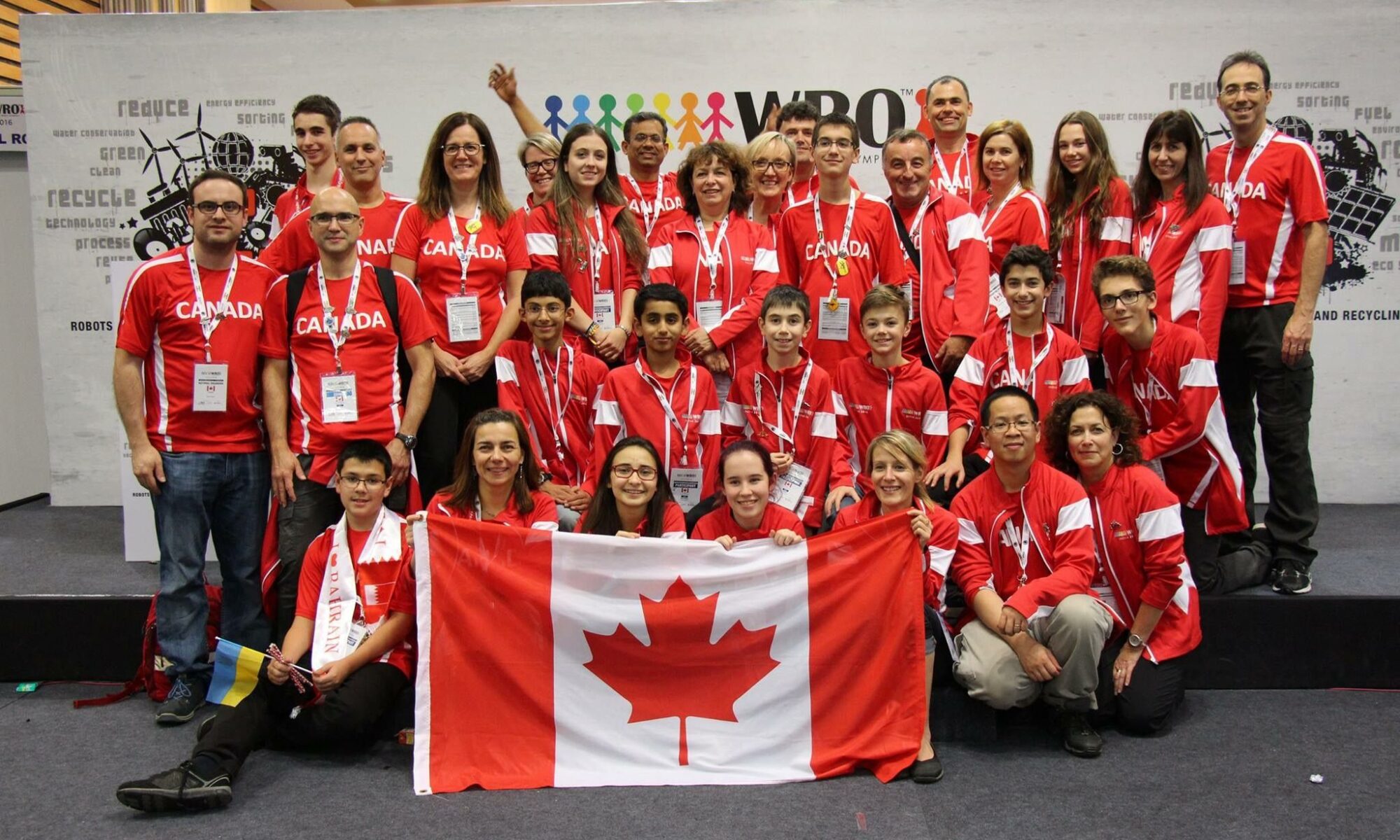
Team Canada 2016

RAP THE SCRAP

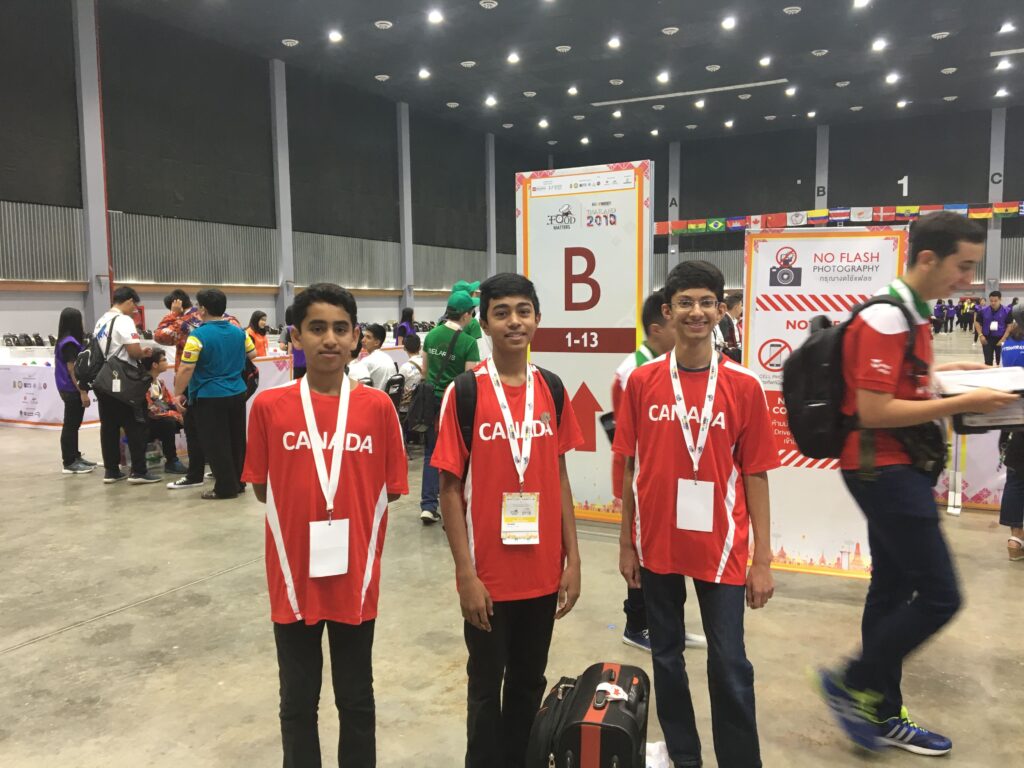
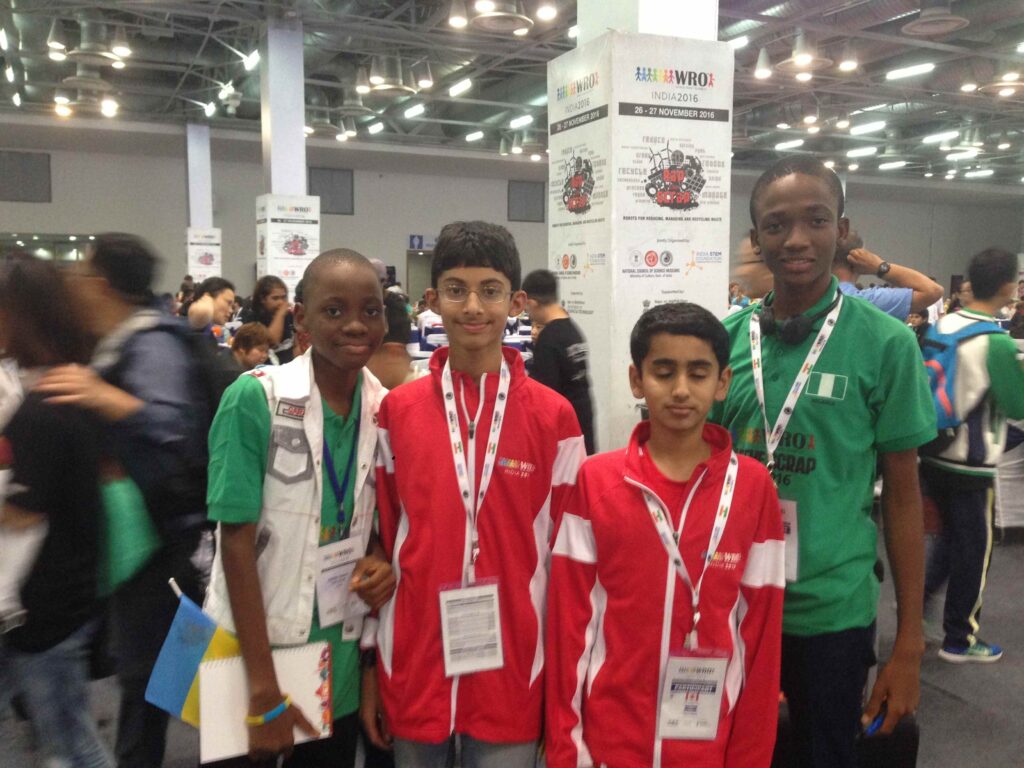
In 2016, a team of two Junior High students became a milestone for Zebra Robotics. Nikhil Thiyagarajan and Srijay Mundalur, competing as Cubic Potatoes, were the first Zebra Robotics team to ever compete in the World Robot Olympiad (WRO) — and the first team from Ontario to represent Canada on the international stage.

It was hard to get Srijay’s image without his Zen-like meditation pose :-). Here, Nikhil and Srijay pose with a team from Nigeria

Competing in the Robo Mission category, under that year’s theme “Rap the Scrap,” Cubic Potatoes built a robot designed to tackle recycling and waste-sorting challenges through autonomous missions. Their season started strong: a first-place finish at the GTA Regionals in Pickering, followed by another first-place finish at the Canada Nationals in Montreal — a result that earned them a spot on Team Canada and a trip to New Delhi, India for the WRO International finals.

At Internationals, Cubic Potatoes went up against teams from over 55 countries. They came agonizingly close to advancing to the final rounds, missing qualification by just 5 points — a margin that speaks to how competitive the field was, and how much the team had already accomplished just to be standing on that stage.

For a rookie program competing with rookie students, it was an extraordinary debut. Win or lose on the scoreboard, Cubic Potatoes proved that Zebra Robotics teams could compete — and contend — at the highest level of robotics, right from year one.

Learn more about WRO India 2016: wro2016india.org