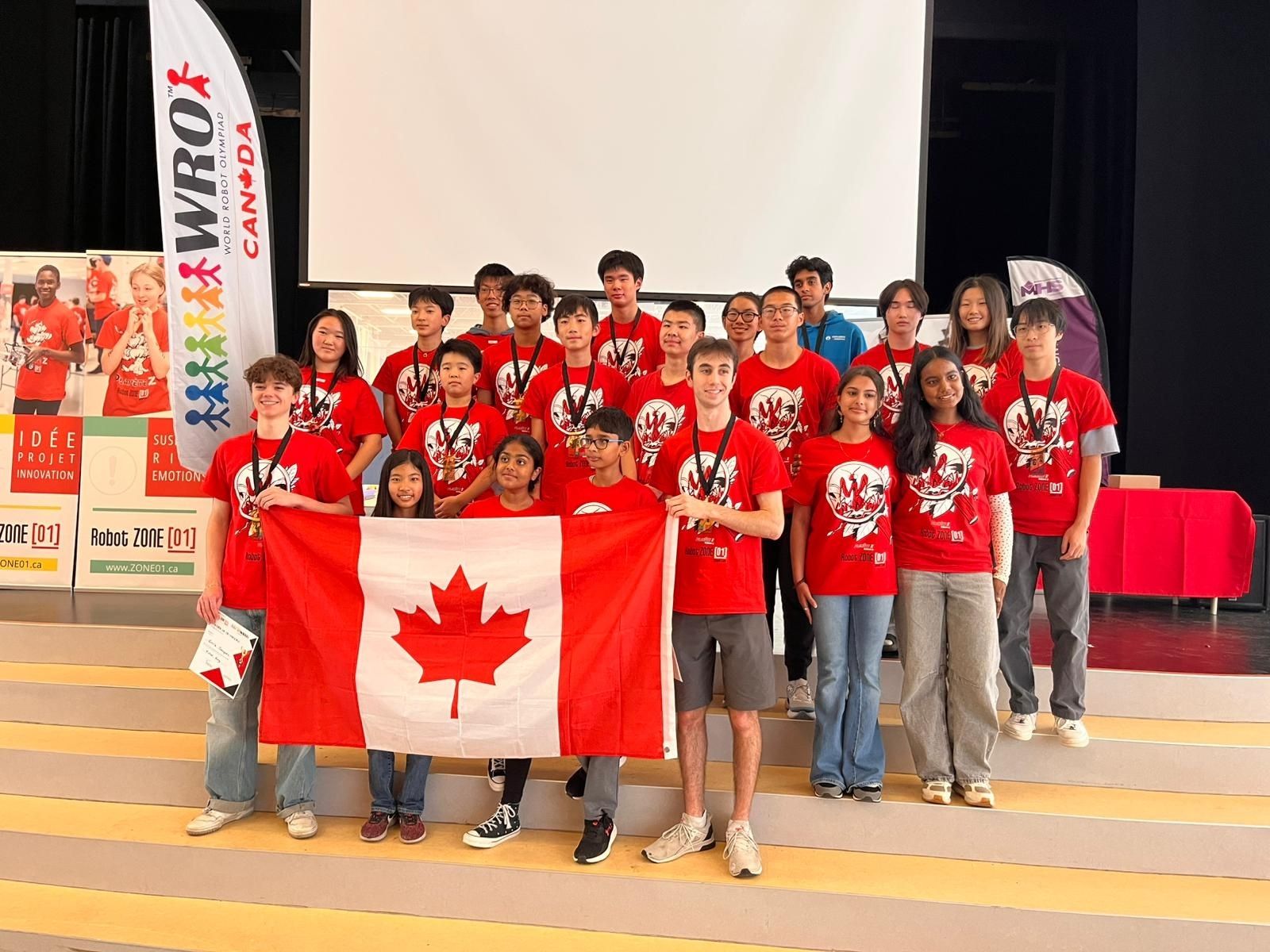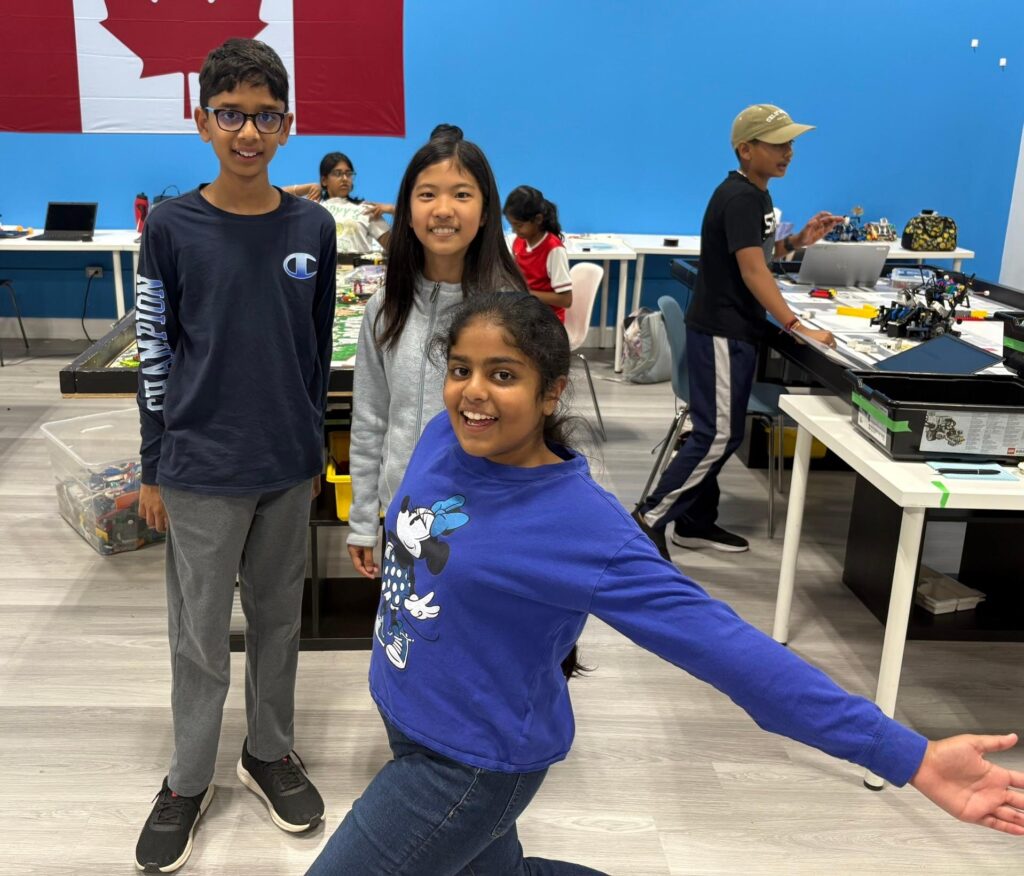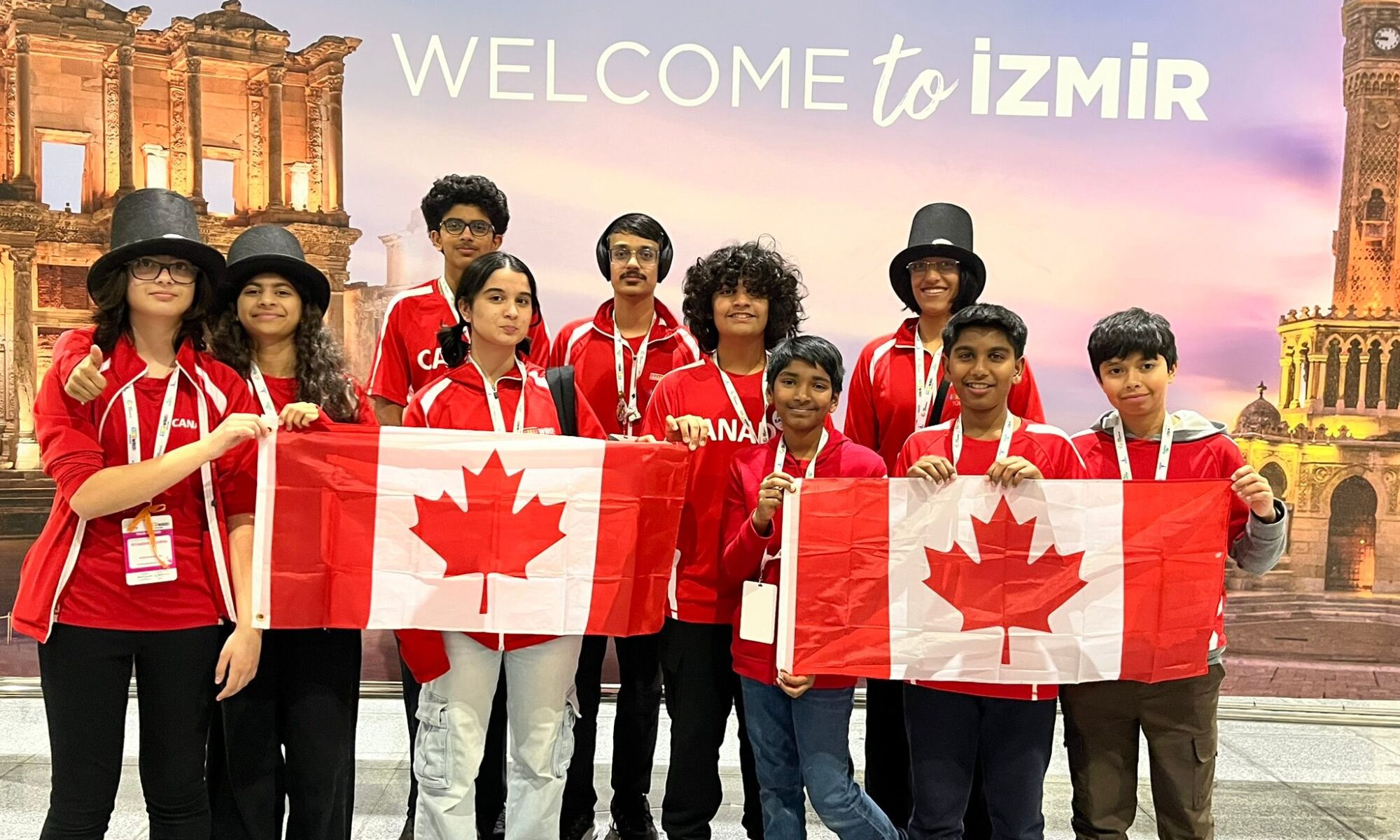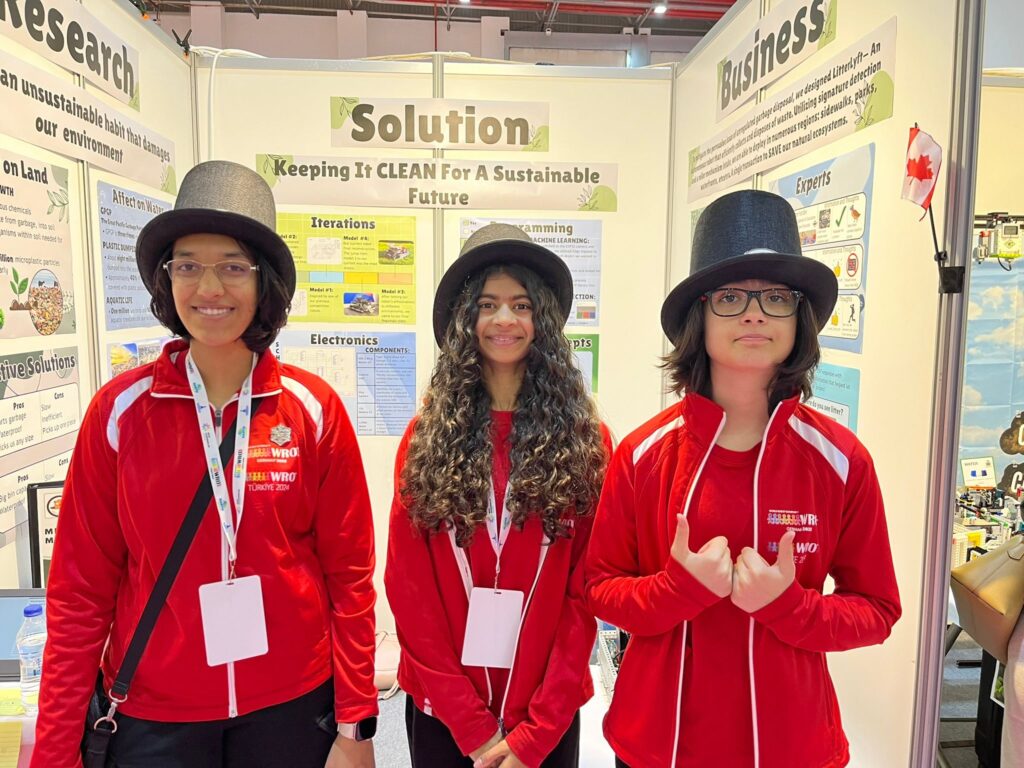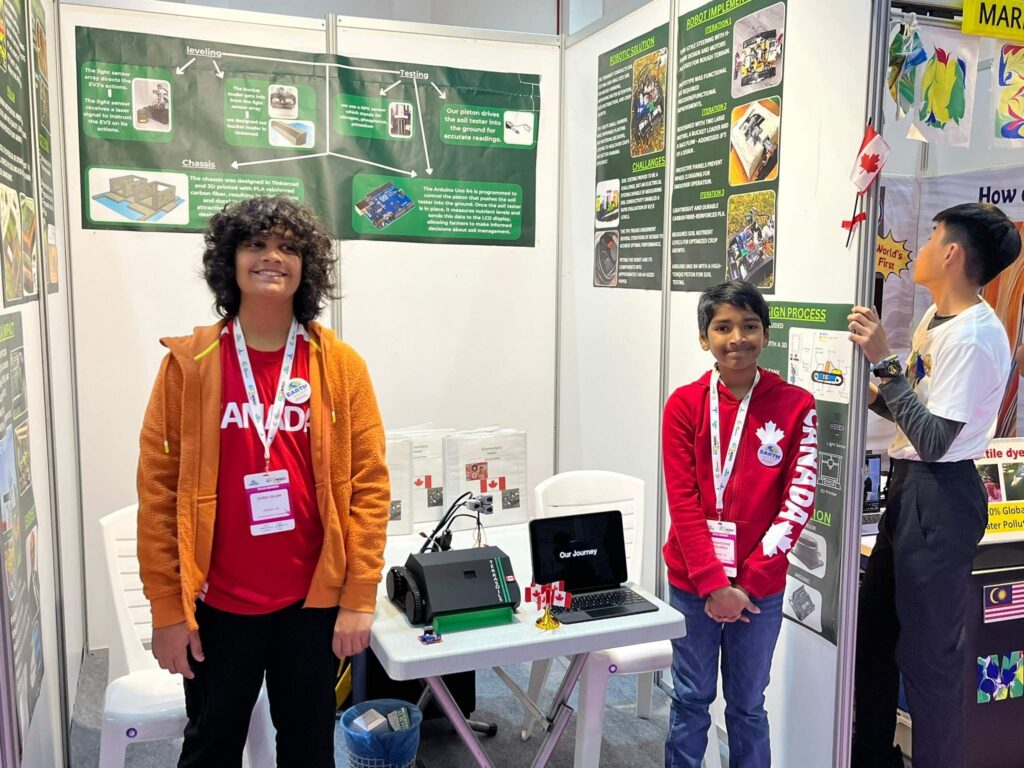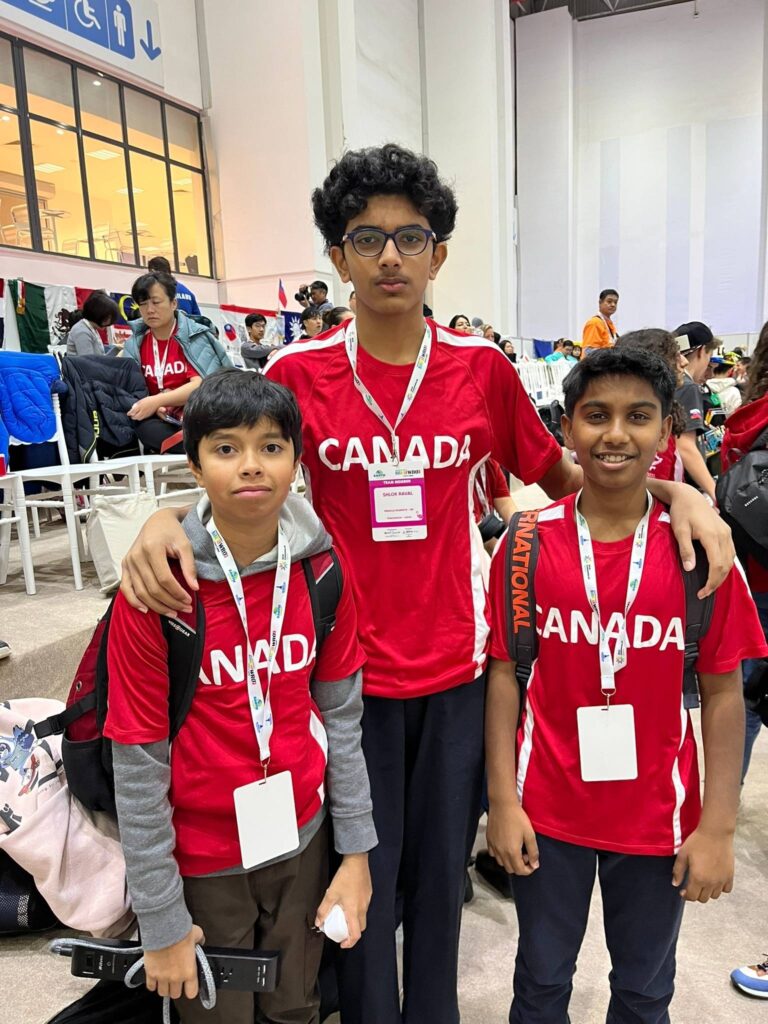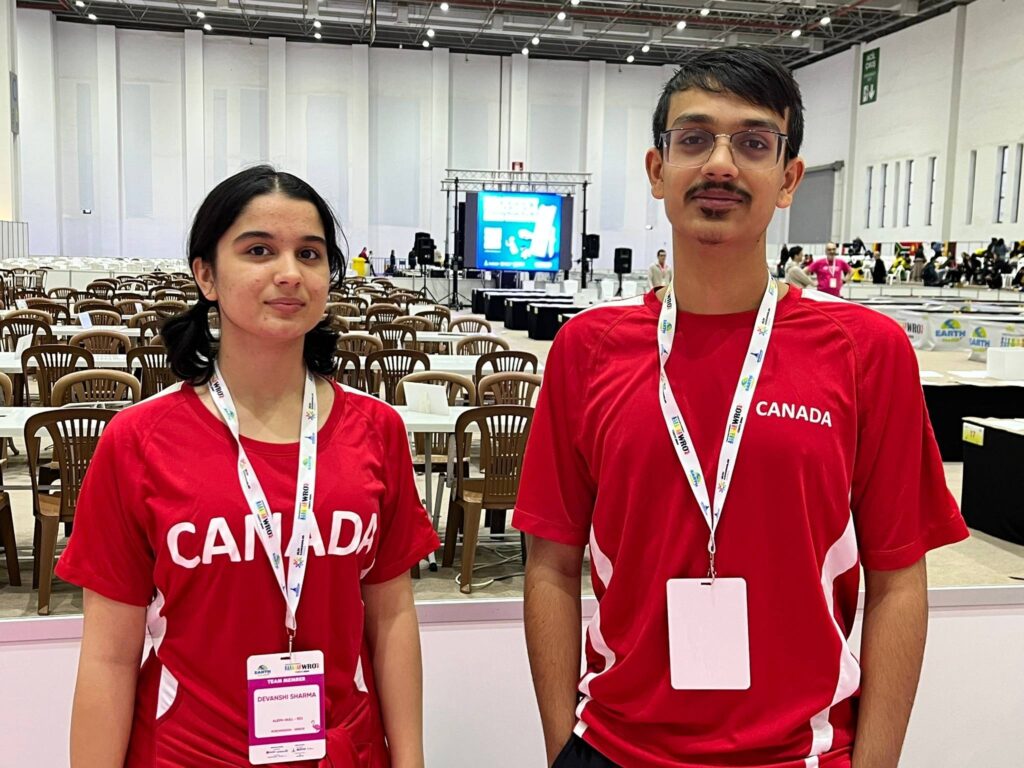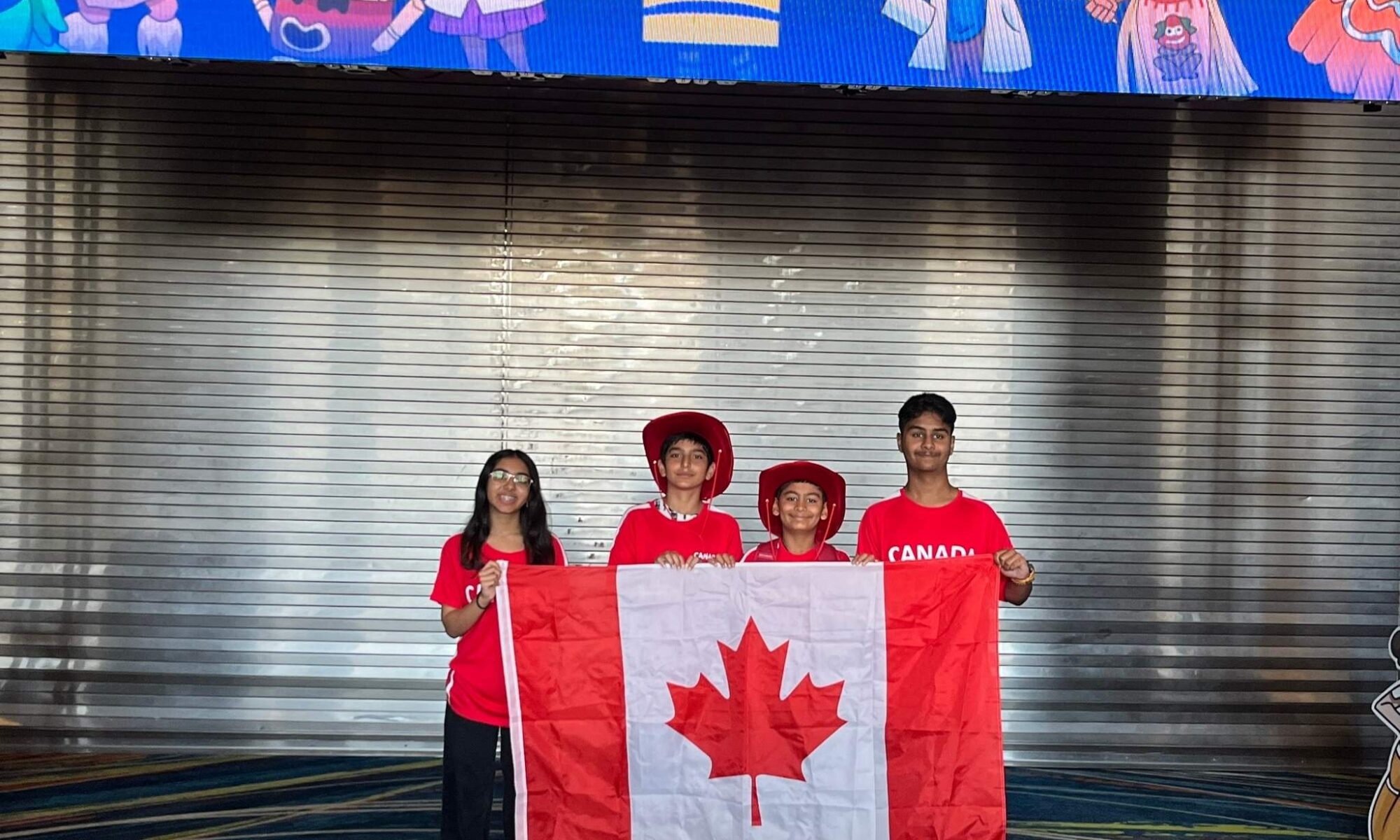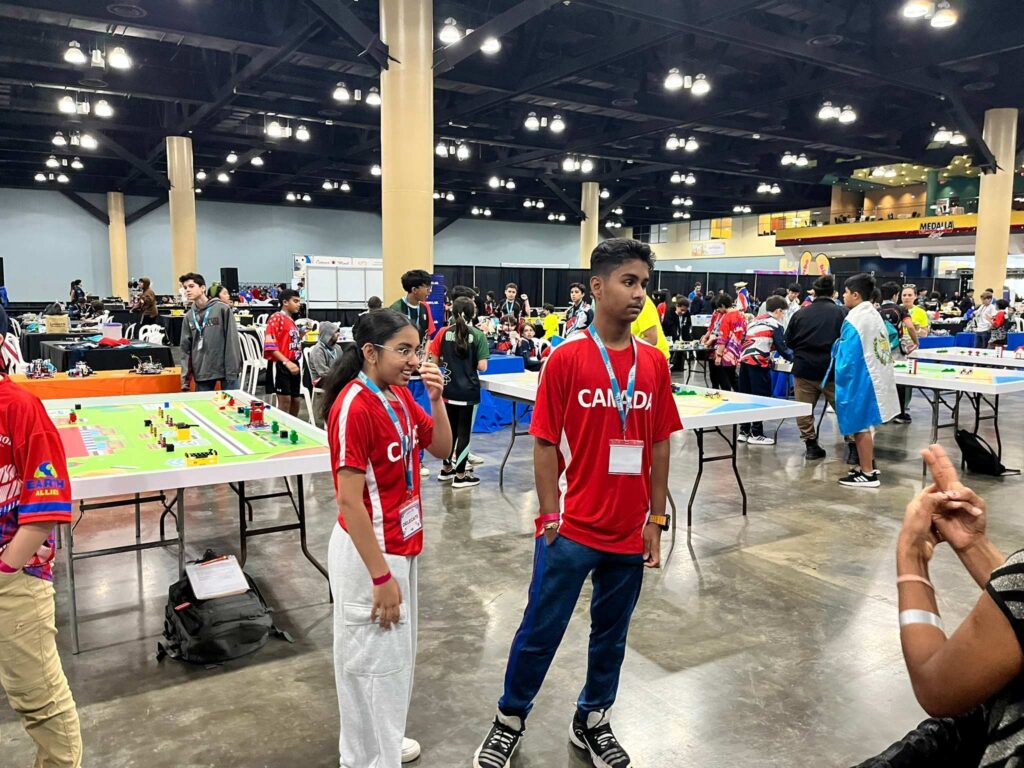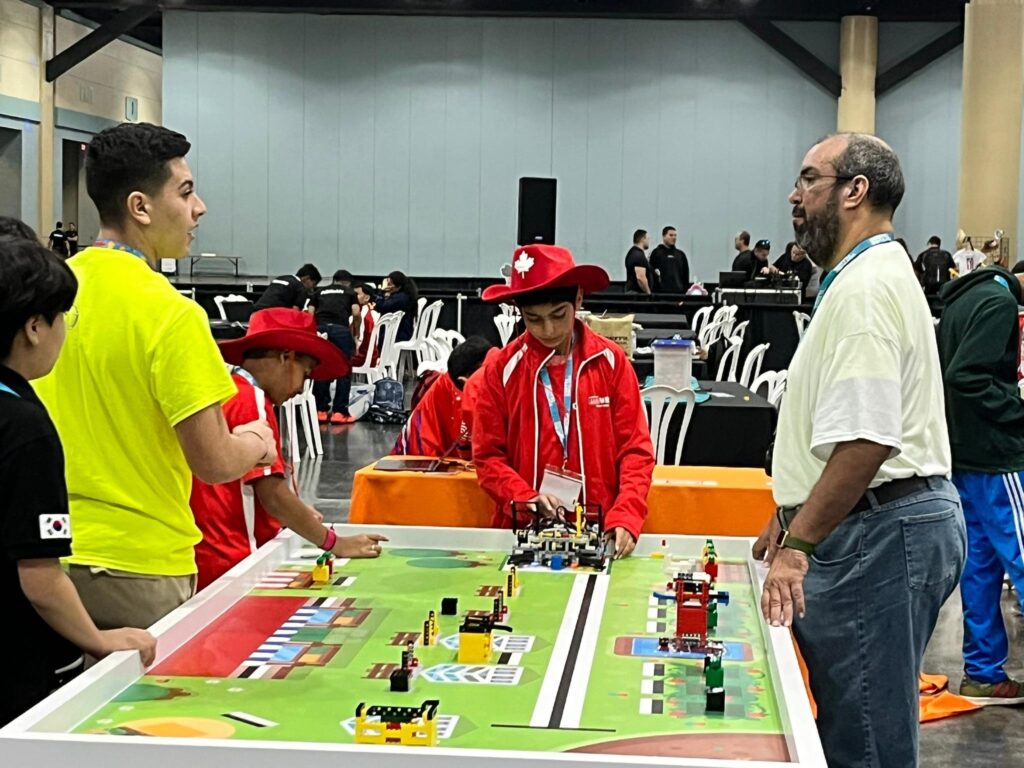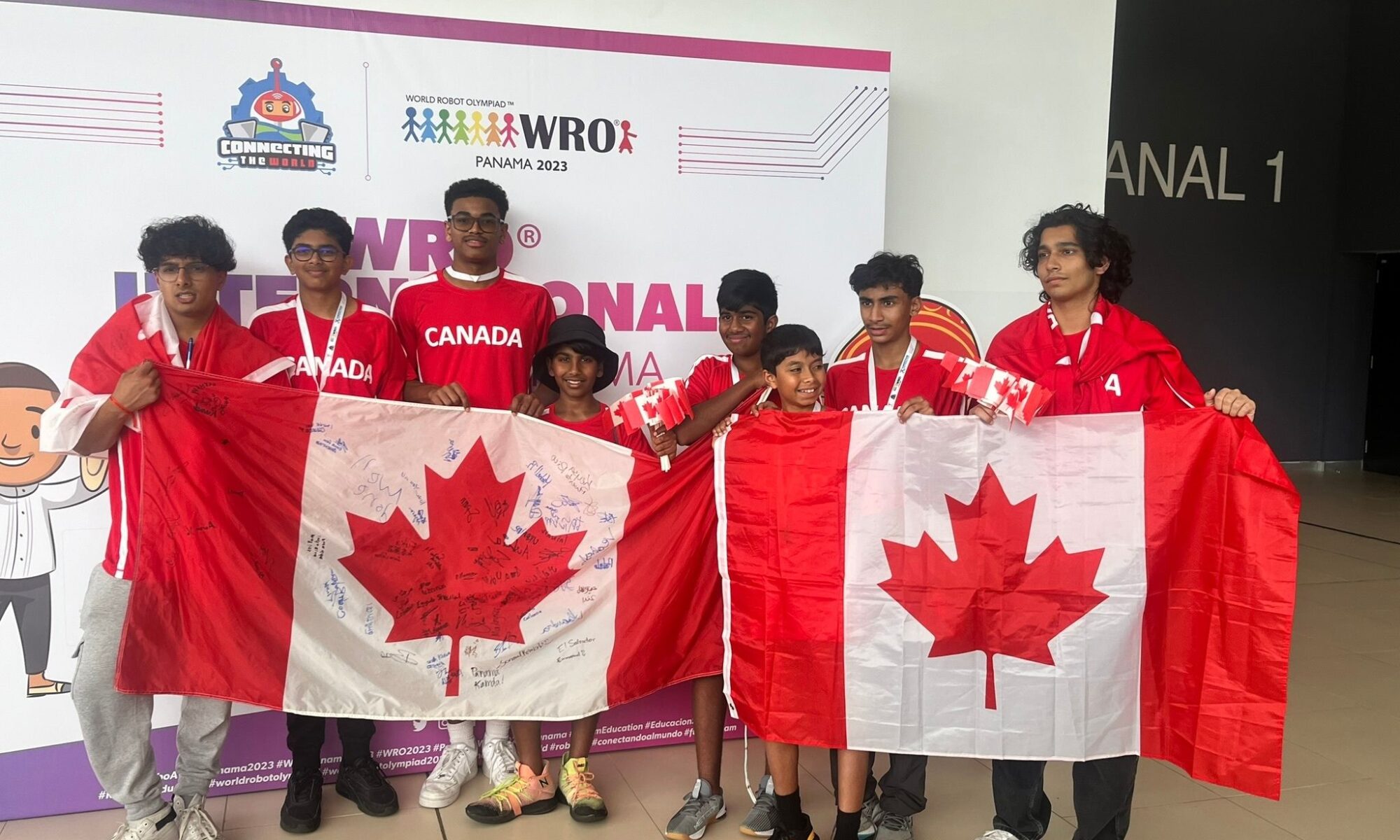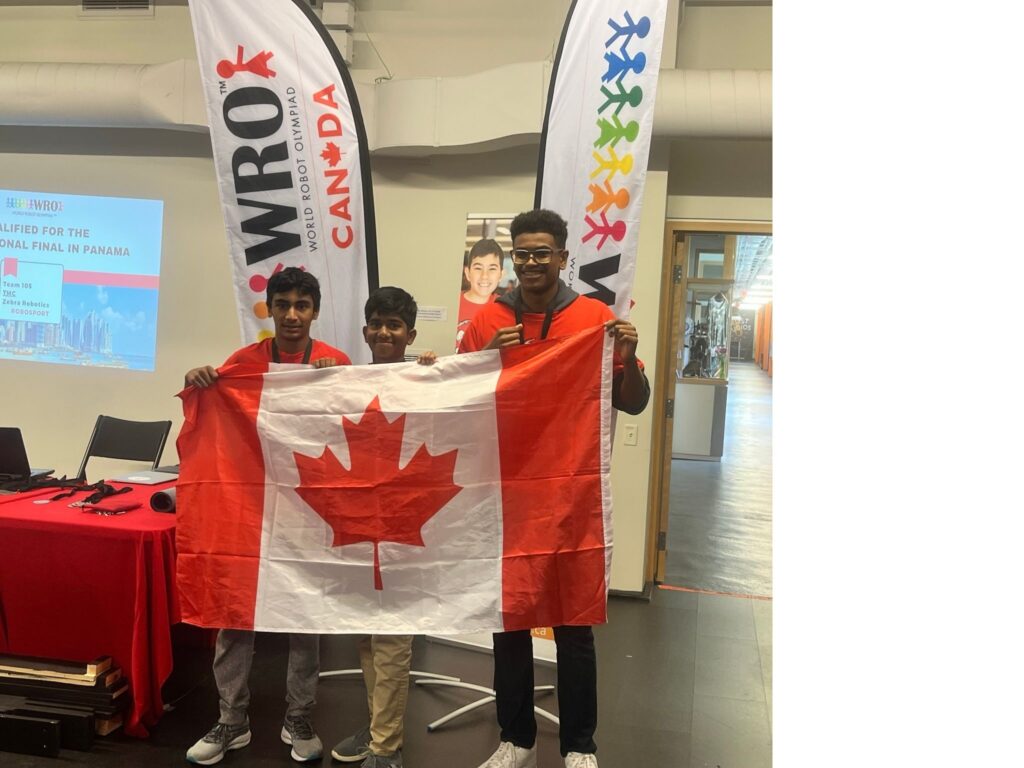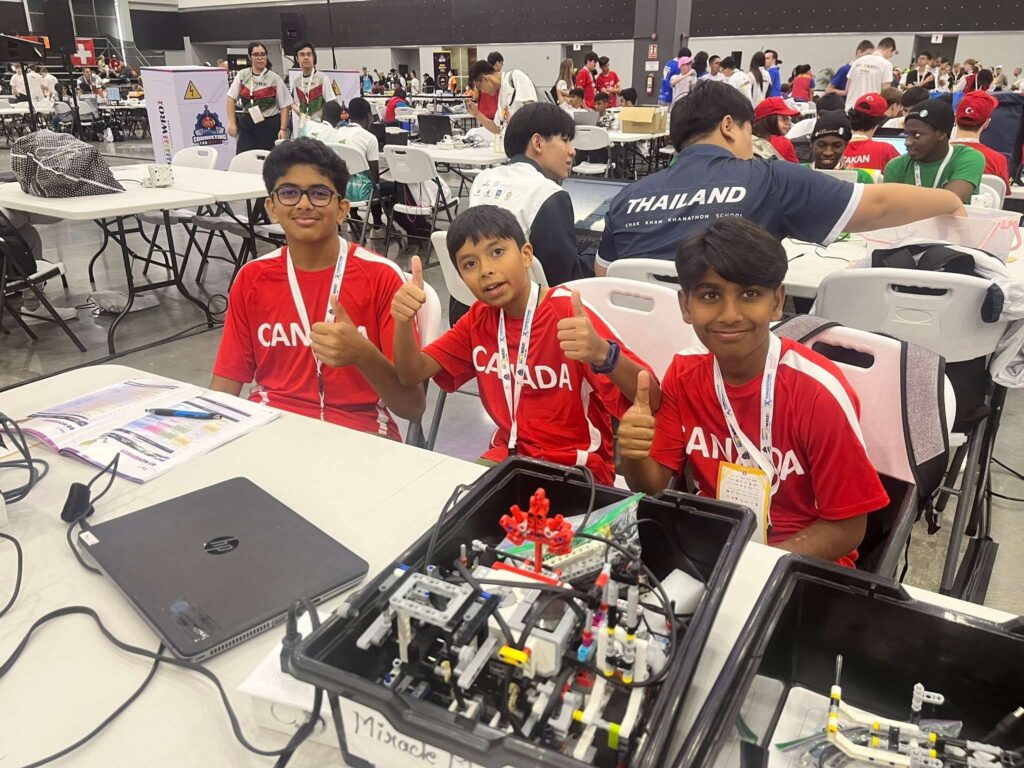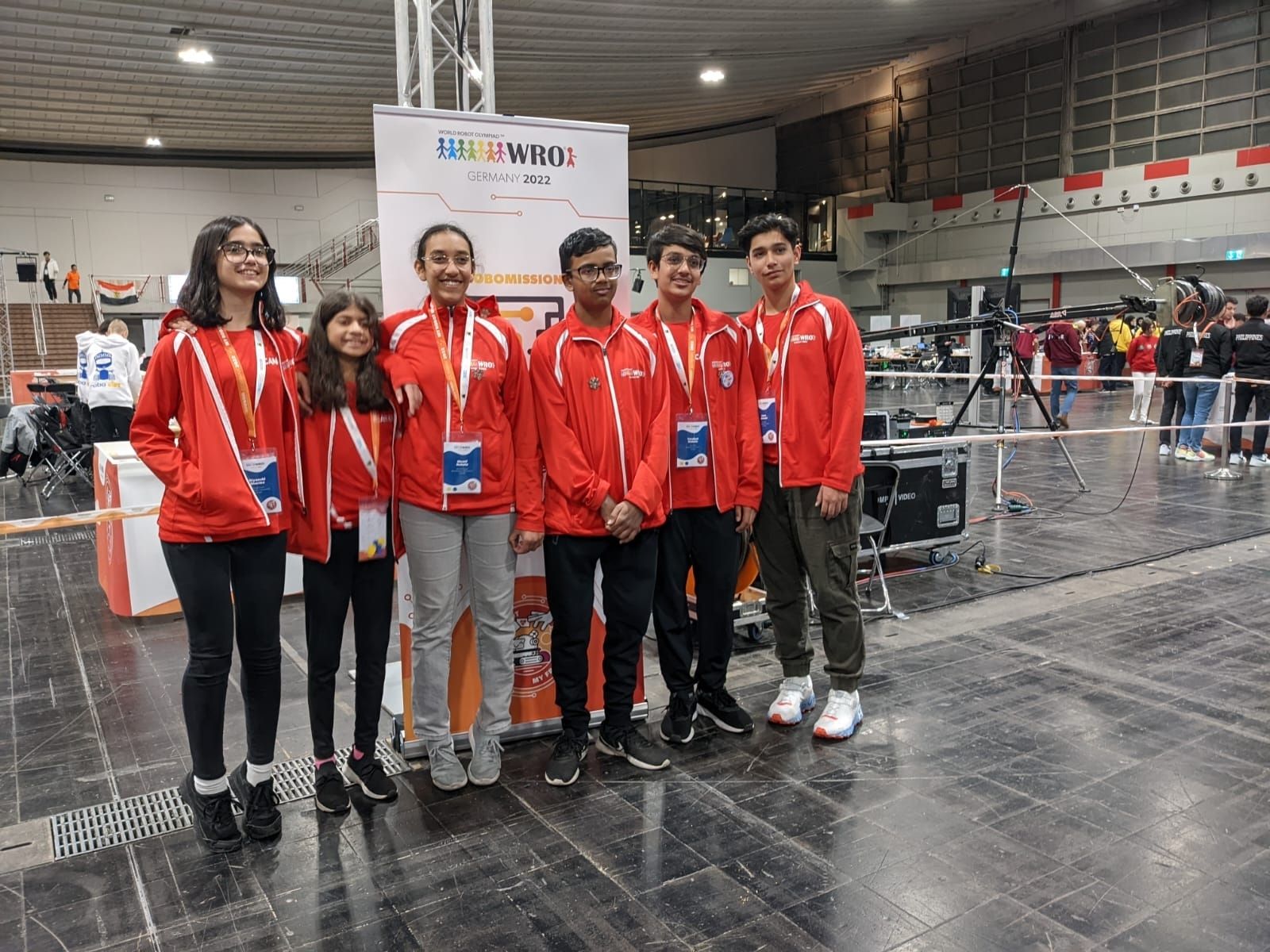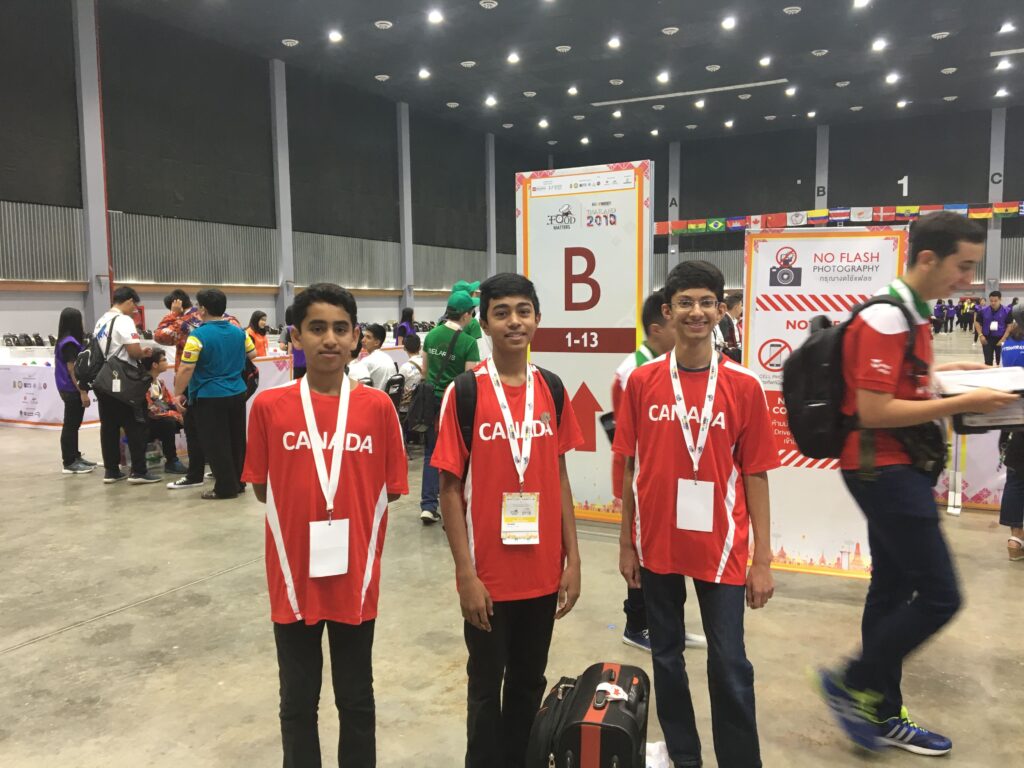
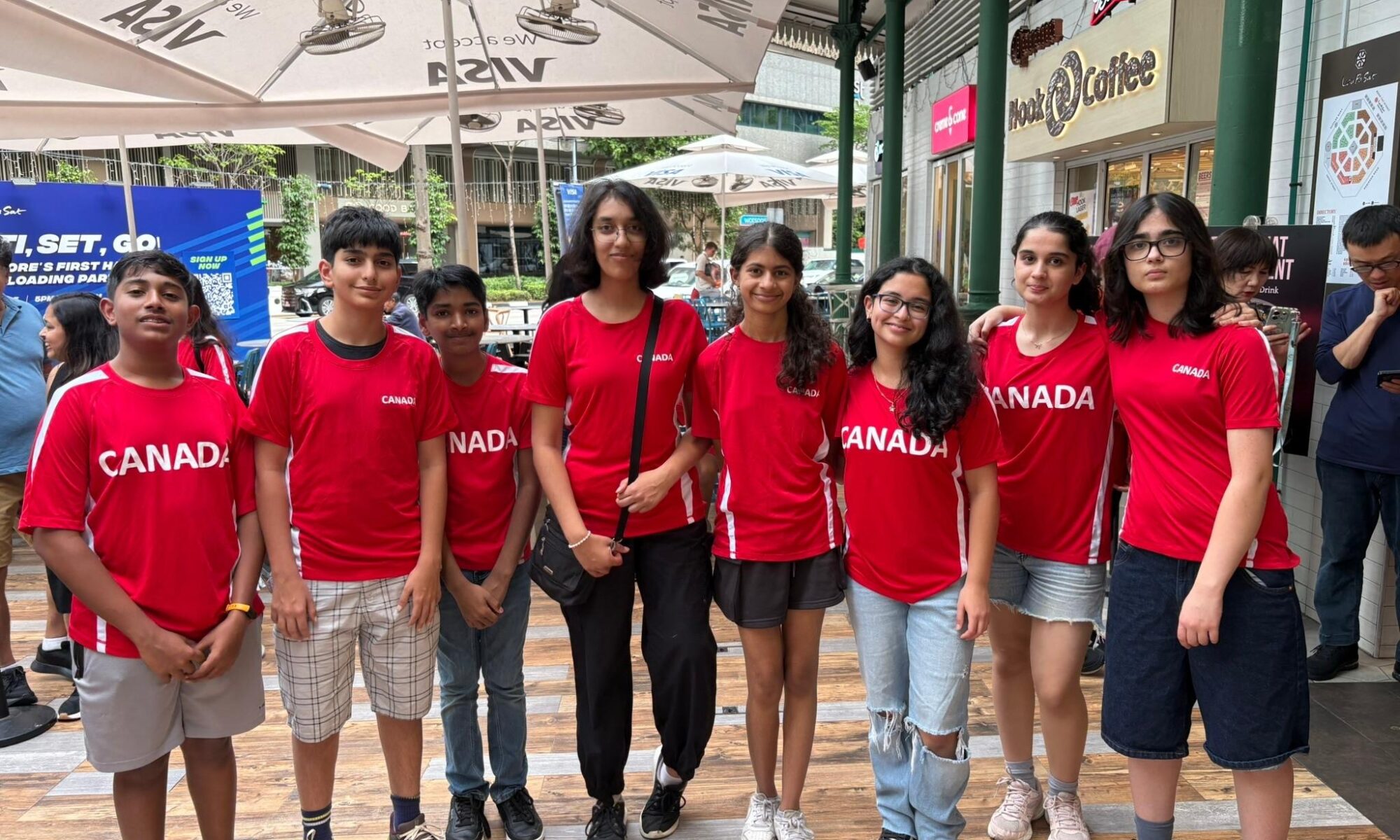
In 2025, three Zebra Robotics teams travelled to Singapore City for the World Robot Olympiad Internationals — and together they delivered some of the most dramatic storylines in the program’s history.
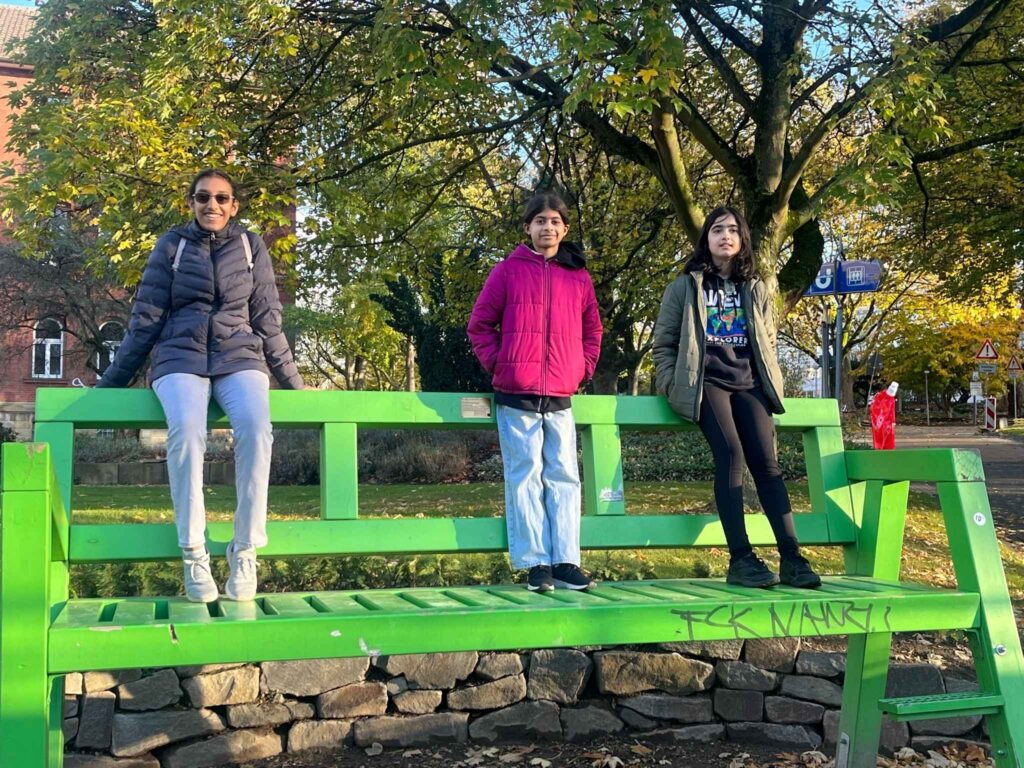
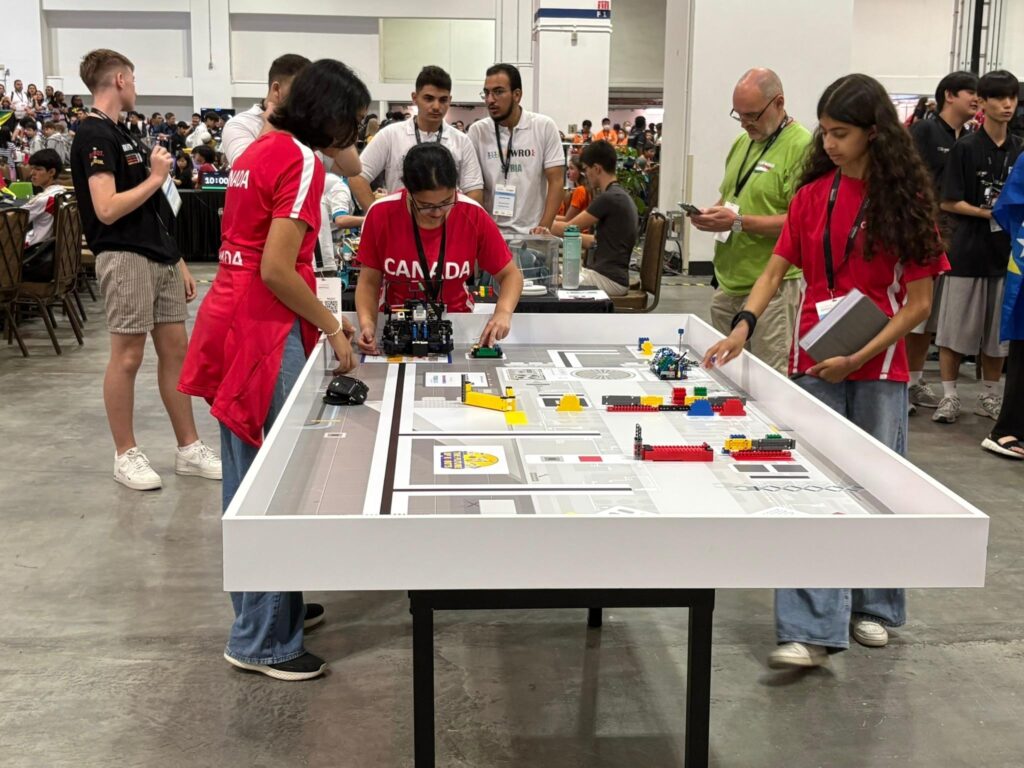
Parallax — Nila Thiyagarajan, Shruti Nehete, and Suvali Mukherjee, all in Grades 9/10 had to fight for their spot from the start. After finishing second at the GTA Regionals, the team came from behind at Canada Nationals to beat competitors as old as Grade 12 and university-level, claiming first place and the trip to Singapore. Once there, the team hit an unexpected snag: a difference in wall height forced last-minute tweaks to their robotic arm, throwing off one of their most reliable missions. They sat below 50th position after Day 1 — but didn’t fold. On Day 2, Parallax fought back, completing several surprise challenges to climb into the top 40% overall. A young, resilient team with a future that looks very bright.
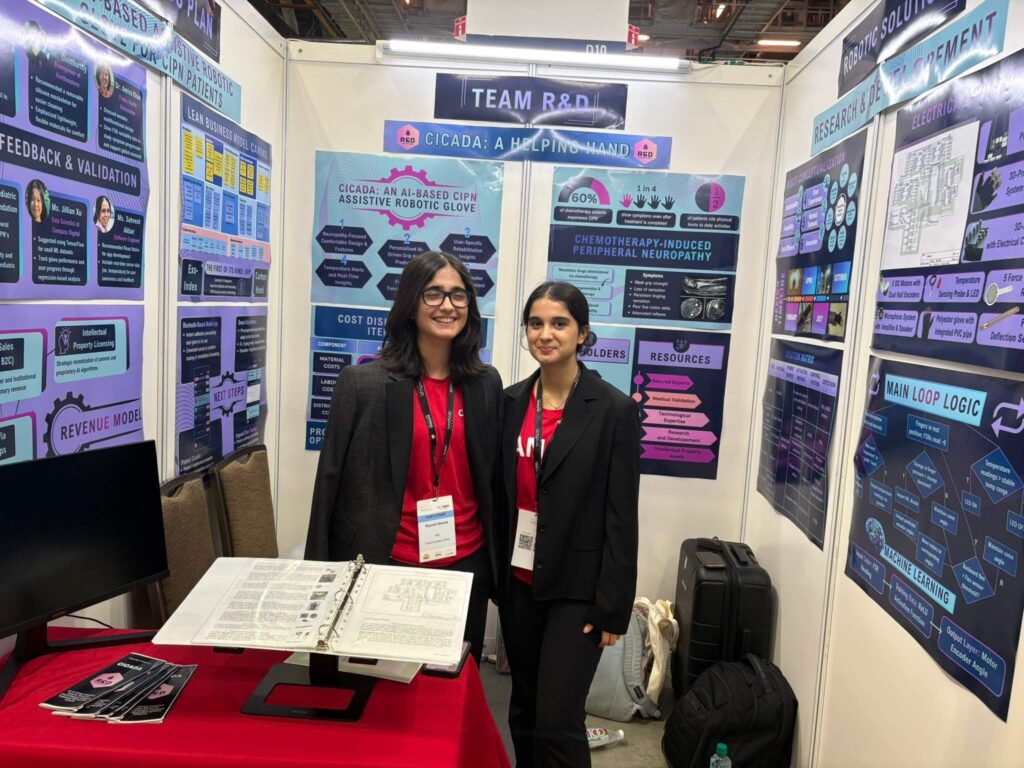
R&D — siblings Devanshi Sharma and Riyanshi Sharma — built a Future Innovators Senior project that turned heads all week: an AI-enabled assistive hand for cancer patients, sensor-equipped and genuinely novel. After winning first at Regionals and Nationals, the sisters arrived in Singapore as legitimate podium contenders, drawing a steady stream of judges to their booth. When final scores were announced, the result was almost unbearably close — they missed the podium by just 0.7 points out of 150, finishing 4th overall. A heartbreaking margin, but a project — and a sibling team — that made a real impression on the world stage.
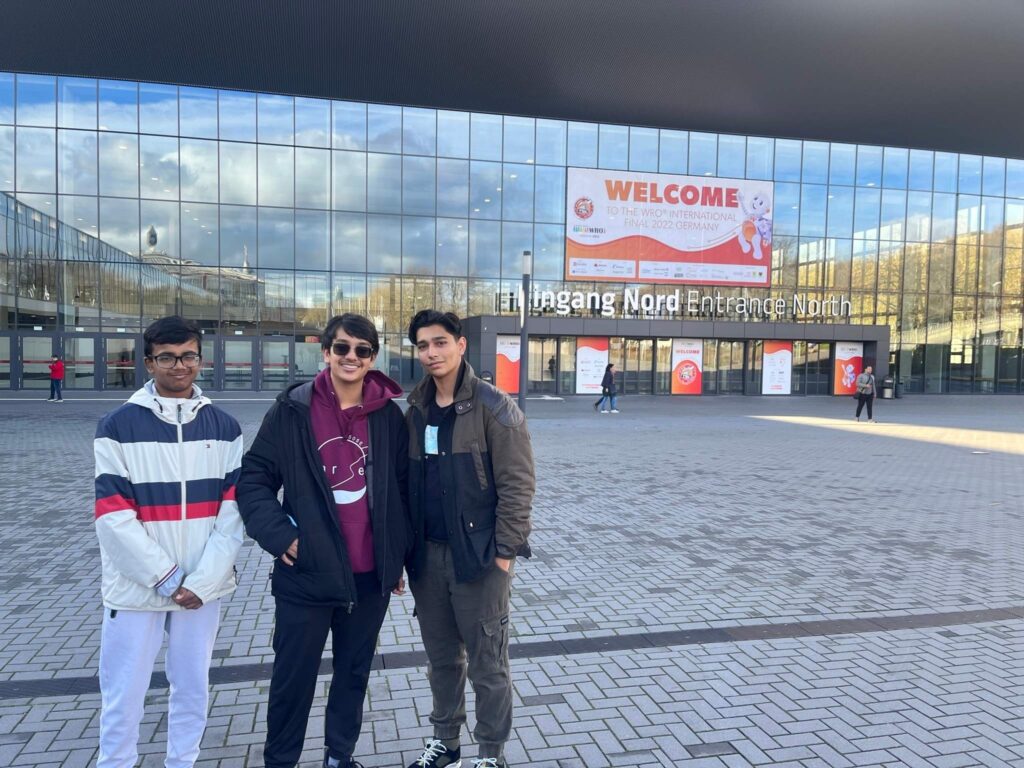
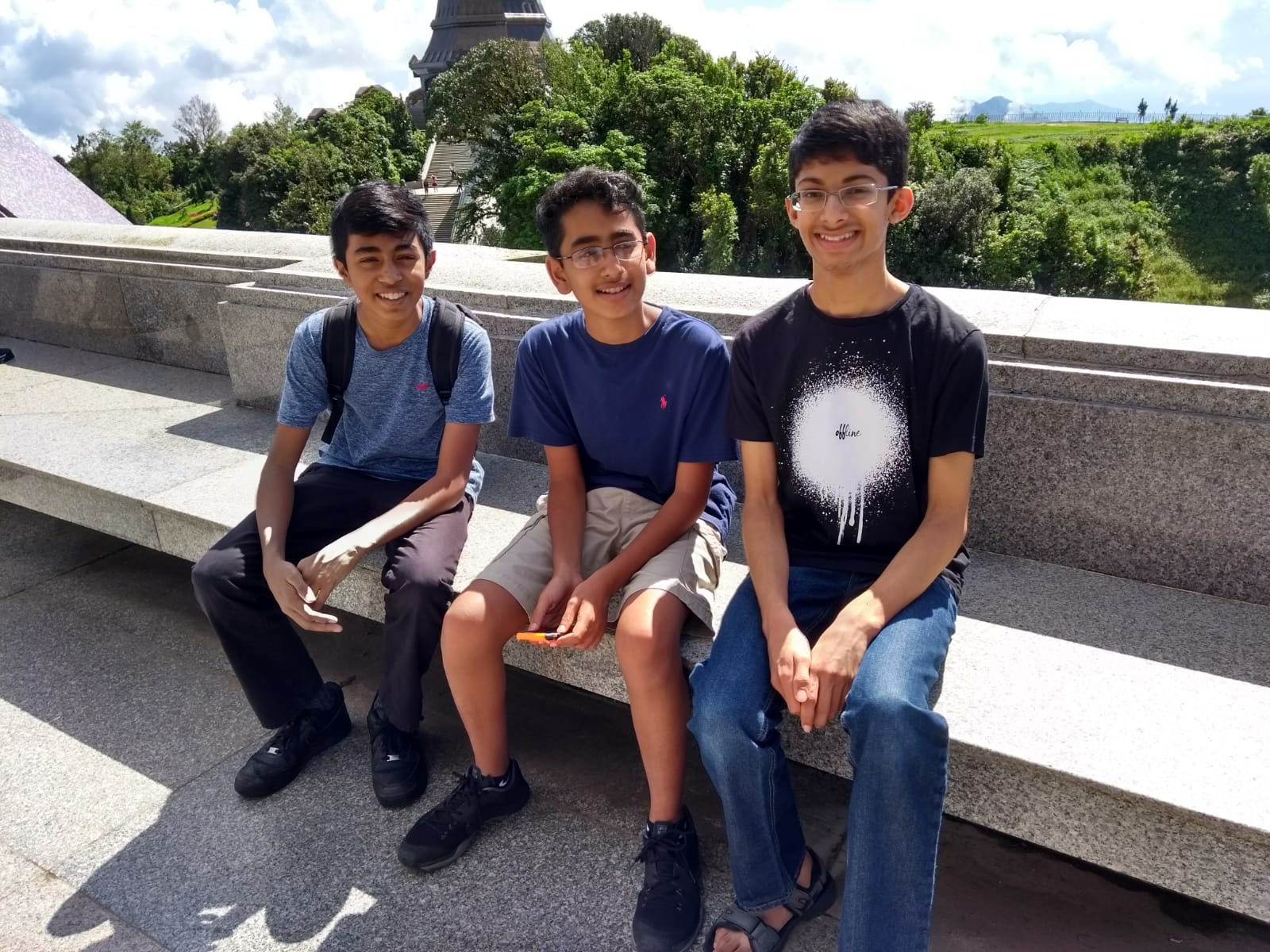
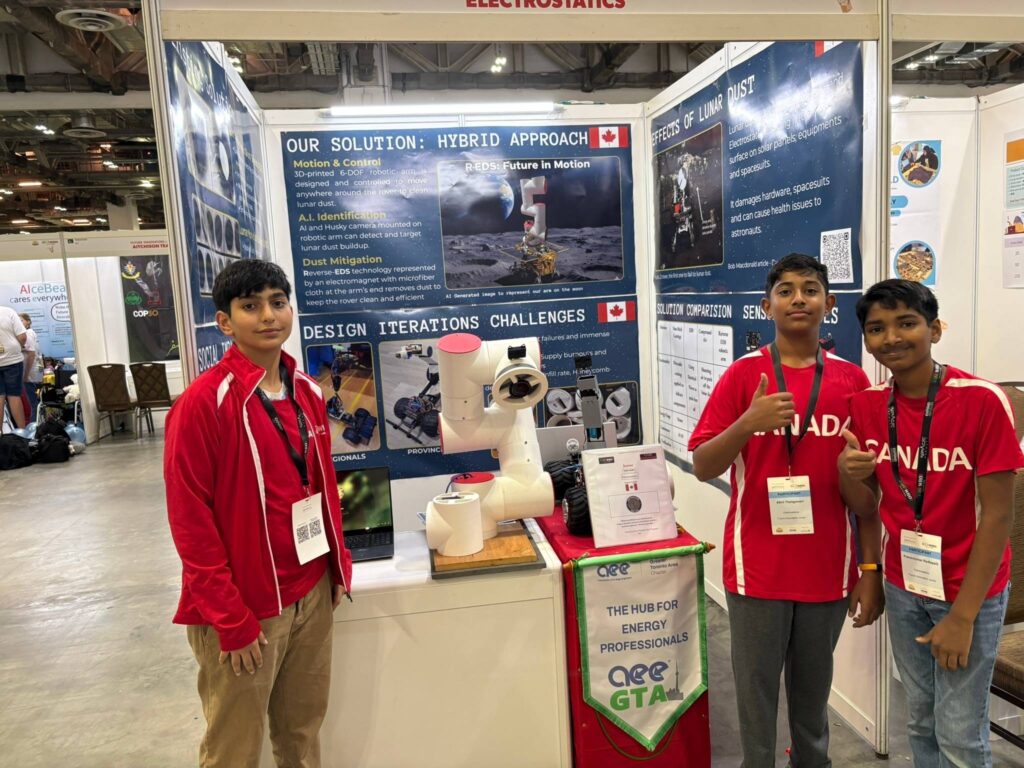
Electrostatics — Rishy Grewal, Pranavkumar Redlapalli, and Akhil Thangamani — brought one of the event’s more inventive ideas to Future Innovators Junior: a reverse-magnetic vacuum robotic arm designed to clean lunar dust from moon rovers. The working prototype was an instant hit, and the team sat in the top 3 after Day 1. Then circumstance intervened — the entire team came down with the flu overnight, and a weakened Day 2 presentation cost them ground, dropping them to 7th place. Not the finish their project deserved, but a genuine testament to a team that still pushed through to the end.
A comeback story, a 0.7-point heartbreak, and a team derailed by bad timing rather than bad engineering — Singapore 2025 was proof that at the World Robot Olympiad, the margins are razor-thin, and resilience matters as much as the robot itself.