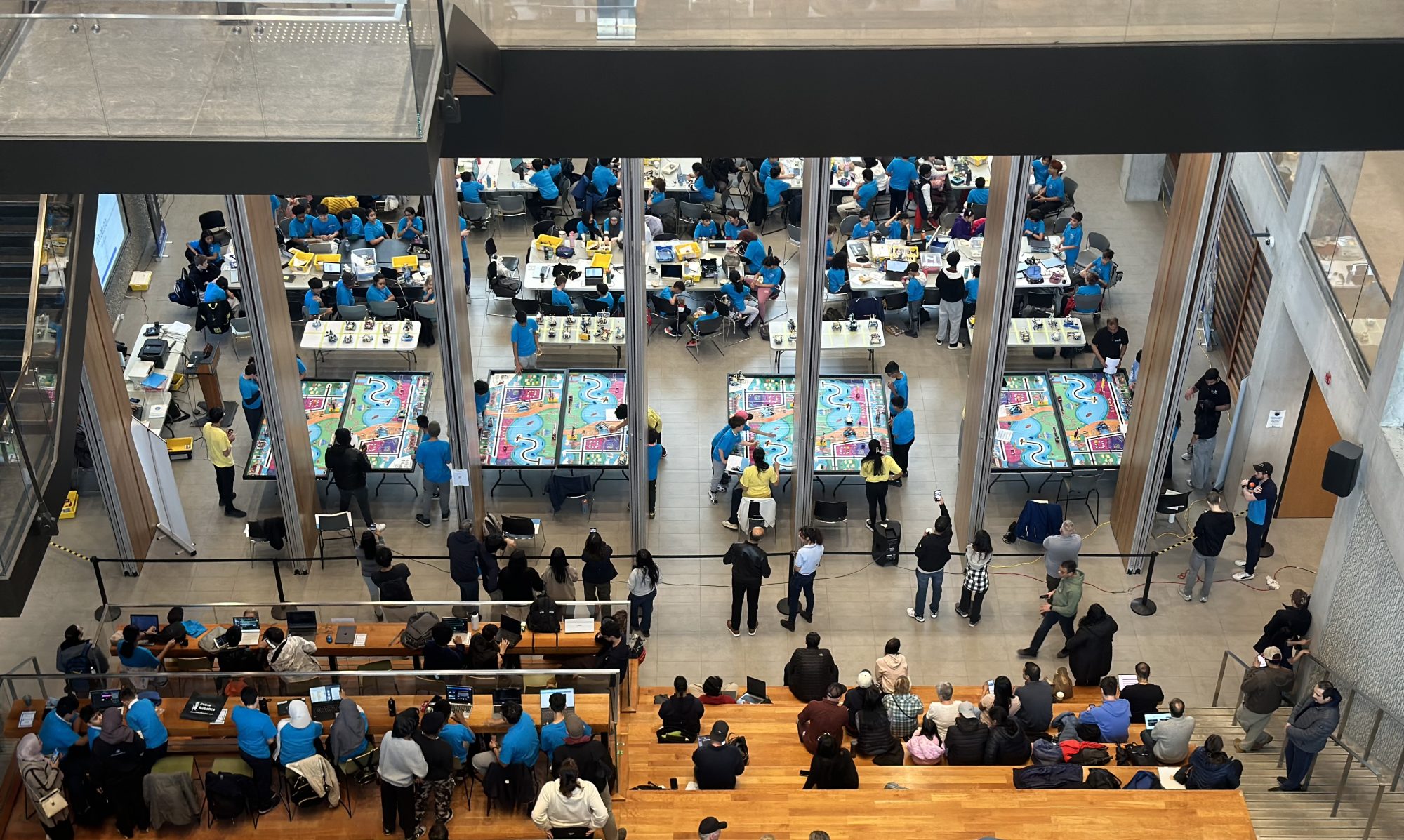
Good Things Always Come In 3’s!

If you’ve been keeping up with our blog you might remember us previously mentioning that we were going to Panama for the World Robotic Olympiad (WRO) International. Two teams earned their spot through ingenious concepts, and hard work. If you haven’t read up on it, you can do so [here]. However, good things always come in 3s!

            Just last weekend, in Kingston, Ontario, more of our teams battled for a spot in the WRO Internationals. The competition was not only fierce, but it was close. Two of our teams came close to victory that day with incredible performances that had people cheering. The first of the teams performed incredibly well, their robot avoiding obstacles and navigating on its own absurdly well. However, its competition was just as skillful, and both teams were neck and neck on the leaderboards. As a result, judges needed more time to review the performance of each robot and to double-check the tally of points to see who would come out on top. In the end, the judges gave their verdict, and our team came in second. A mere minor bump against an obstacle cost our team 2 points, and it was enough to drop us down to second place.
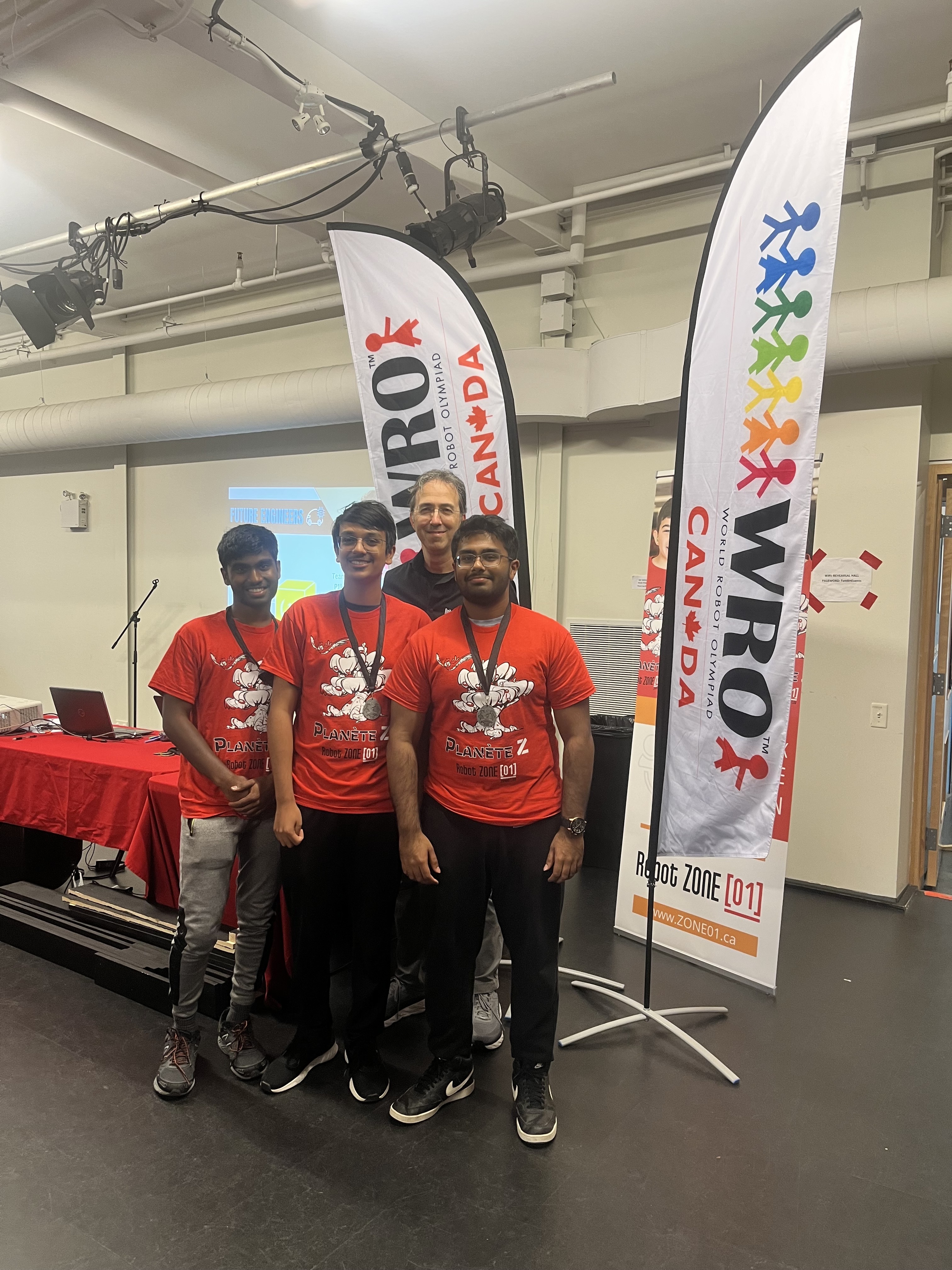
Team v^3, Future Engineers

            While they won’t be going onto the WRO competition, they still came second overall, and performed exceptionally well at the event. They are proud of their hard work, as they put up such an impressive fight in the robotic ring. We too are proud of them and are eager to see their hard work pay off again next year. But they weren’t the only ones who were gunning for Panama.

            Our other team also had a shot at the internationals, and they fought hard to try and get there. After performing very well in previous events, it came down to a tennis match to see who would go down to Panama in November. Their rival was another competent team, and had performed well so far, and so our team steeled itself for a hard fight.
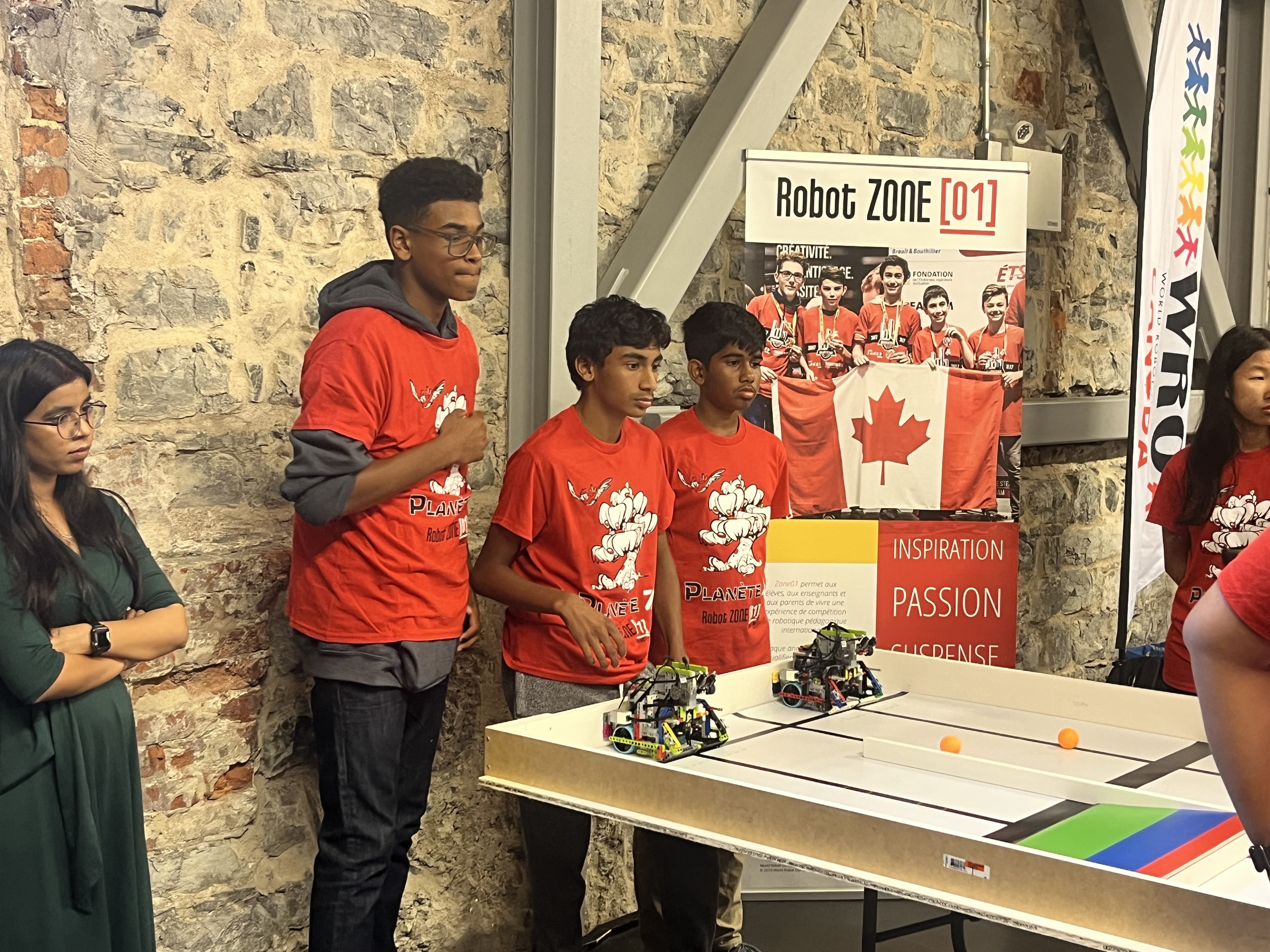
The team preparing their bots for the tennis match

            The first match was tight, with the tennis balls being slung back and forth at rapid pace. It looked like we would take the lead, but the other teams robots ensured that just wouldn’t happen. Slowly, but surely, they took the advantage and closed out the match in the lead. We had lost. But thankfully, that was only the first of 3 matches.

            The second match began shortly after the first, and we were looking to avenge our previous loss. The balls went back and forth between the courts, but we gained the lead relatively quickly all things considered. The opposing team didn’t give up easily however, and we had to work to keep our advantage. But as the timer rang out, we firmly cemented our win, evening the scores between us and them.

            It all came down to that 3rd and final match. Electricity was in the air as it began, both teams knowing what was on the line. The match was close. Everyone kept their eyes on the table, holding their breath and clenching their fists. As the balls flung, people started to lose count as to who was in the lead. We could have been leading. We could have been losing. But then, tragedy struck. As our robots flung the tennis balls, we noticed not as many were returning. One of the rival teams’ robots had gotten stuck. Squished between the wall, it lay motionless, unable, or unwilling, to fight any longer. As the buzzer rang out, we exploded in joyous celebration. We had won, securing our place in the internationals.
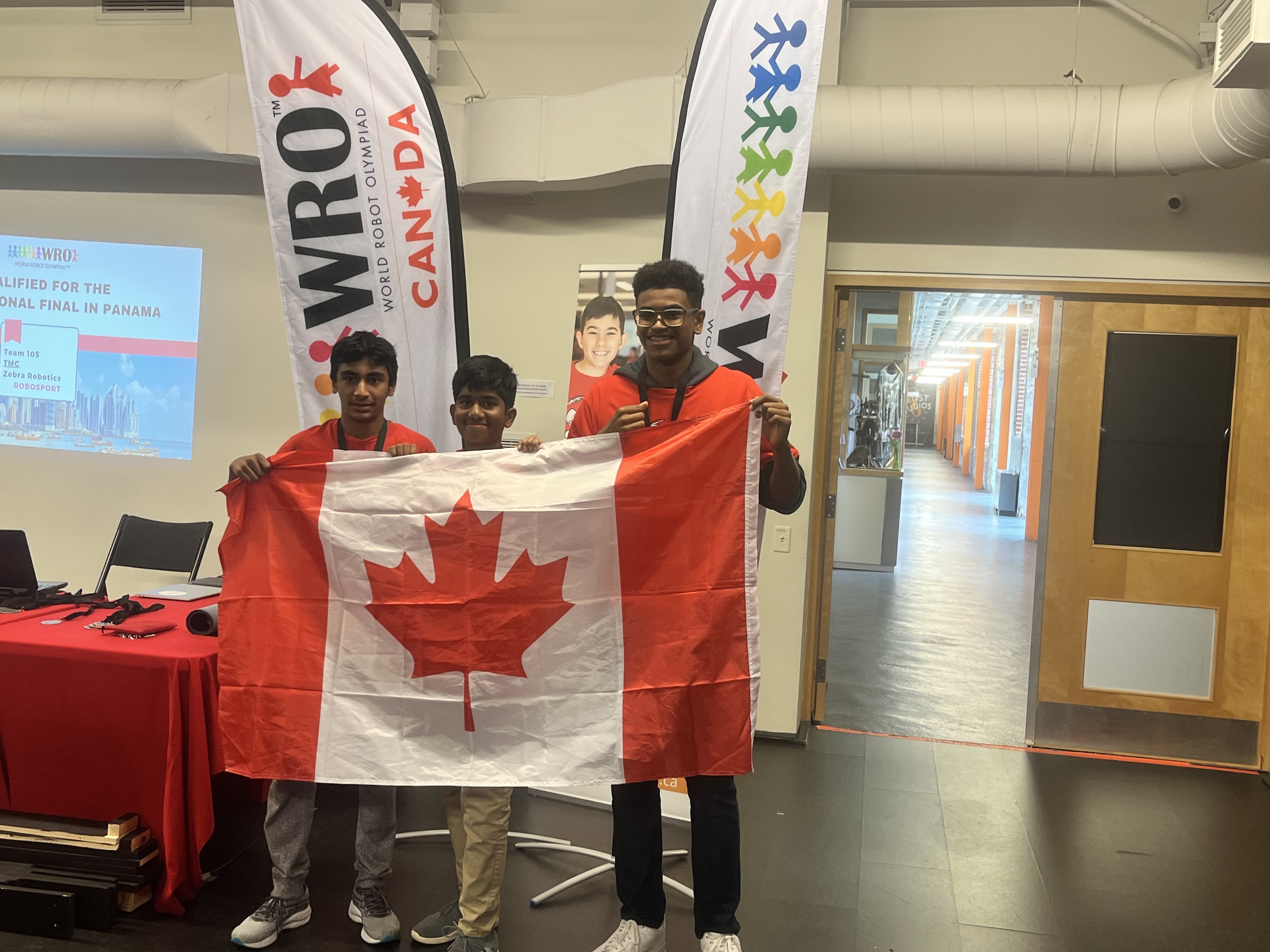
Ready to represent Canada in Panama!

            Now, our teams gear and tool their robots to be ready for the big event. This November we will fight again, this time for Canada, as we once more try to secure first place in the WRO competitions. They will be flying out to Panama City in November, battling it out on the world stage between the 7th and the 9th. While tickets are unavailable, we will keep you informed on how the competition goes. We will see you again then!
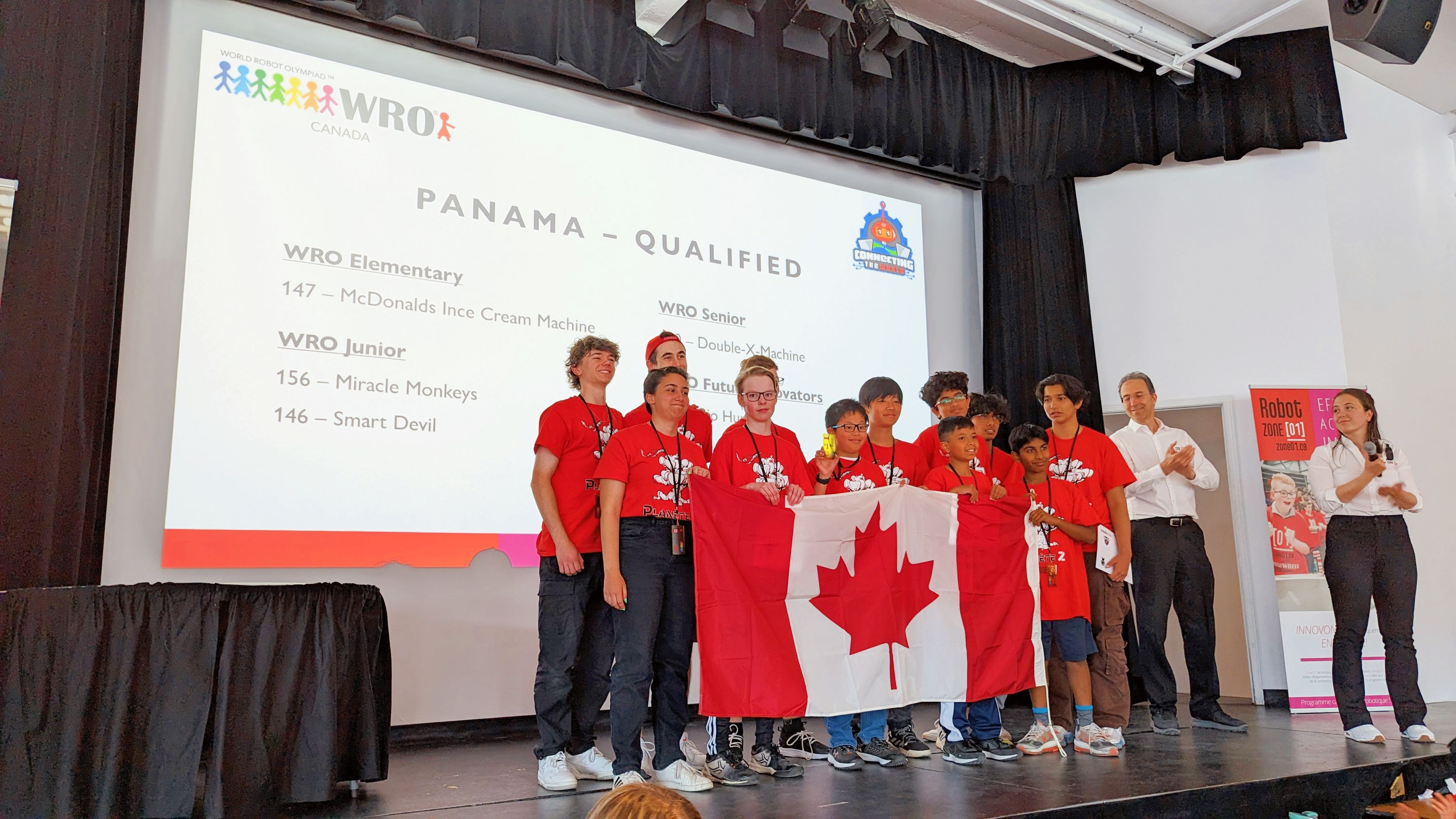
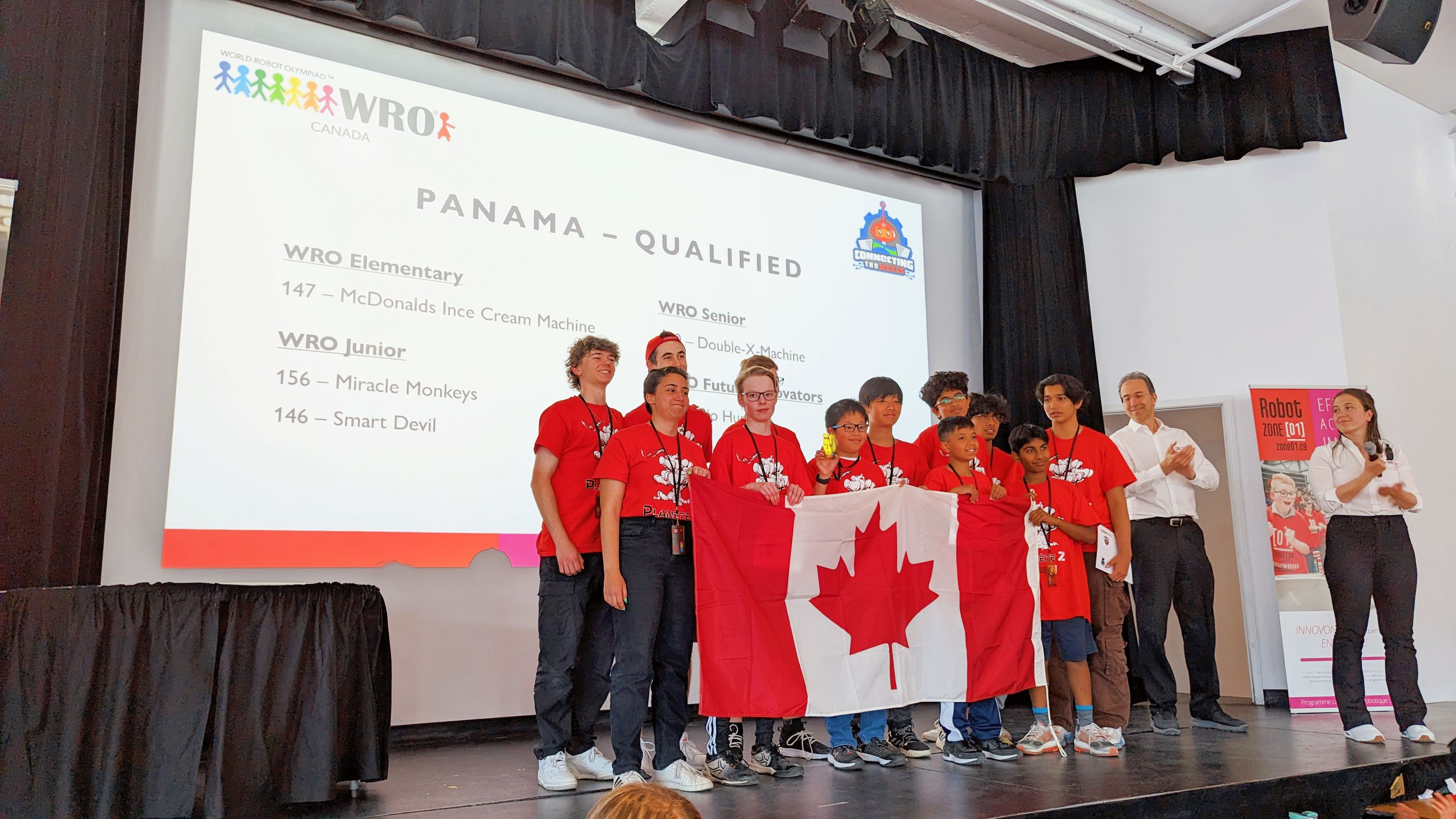
Representing Canada on the World Stage

The two teams advancing to Panama.

Last month, Sunday June 4th, marked the WRO National Finals in which eleven Zebra Robotics teams fiercely competed using the knowledge and skills they acquired over the curriculum. This time and effort they put into learning and innovating paid off, as the teams collected six awards, including three first place positions, one second place position, and two third place positions. Of these award winners, two of the three first place positions are going to be representing Canada on the world stage, competing in the WRO International Finals in Panama against eighty plus countries!

But you might be wondering, what were the achievements that brought these Zebra students to the international stage?

The first team, who came in first place, was a high school team that focused on the issue of long-haul ocean freight ships. These massive cargo ships drive our supply industry, with many carrying 24,000 Twenty Foot Equivalent Units (TEU) worth of supplies across our vast oceans. They, however, face a major issue. As these ships have a decently long lifespan, many of them acquire lots of biomaterial on the underside of their hulls, things like algae, barnacles, tubeworms and more. This causes a whole host of issues and is referred to as biofouling in the industry. It is a problem that has plagued humanity since the dawn of sailing, but our bright minds came up with a solution.

The first place highschooler team posing for a photo op.

The high school team designed a robot that can climb onto the underside of the container ships while they are docked, and work to remove the biomaterial on the underside of the ships while they are being loaded. During the demonstration of the robot, the students showed how it could climb the hulls of these ships, at one point having their robot climbing an almost vertical surface. The judges were clearly impressed by their design work, as well as the impact that this type of robot could have. If the technology moves forward, it will help to solve biofouling, which can help make cargo ships 20% more fuel efficient, help curb invasive species spread, and help lower maintenance costs, among many other benefits.

But they aren’t the only innovators on the world stage. Also in first place, is a group of middle schoolers, all grade seven. They designed and built a robot to compete in the Robot Mission category. Through their hard work and dedication during their time at Zebra Robotics, they managed to design a robot with an edge over the competition in this head-to-head robot matchup, earning them a spot in the WRO International Finals. There in Panama, they will compete once more in the Robot Mission category.

Of the teams that competed in the WRO National Finals, many got close to moving onto the international finals. While they didn’t quite make it, it doesn’t mean their ideas aren’t valuable. This is especially true with one of our third place winners who worked to design a solution to growing energy needs in the tech industry.

Currently, as more and more of our world moves online, more and more server space is needed to run it. These servers are often stored in massive data centers, of which there are over five thousand worldwide! These centers are great for storing the information needed, and they are in one location to make maintenance easier. But one of the large issues with them is that they need constant cooling, to ensure that the centers do not overheat. This consumes a massive amount of energy and can become quite pricey depending on the cooling system used. So, if data centers were to become more prominent, and more affordable, the cooling system costs would need to come down somehow.

This is where our third place innovators came in to offer a solution. Liquid cooling is already more efficient and cost effective than other methods of cooling, but it can be further refined. The team designed a mutually beneficial system that worked to take the heat of the data centers and put it to use. The cold water, heated up by the data centers, can be pumped out to other areas where the heated water can be deployed for human use. Thus, helping to reduce total energy costs used by the company/building, while also being more eco-friendly.

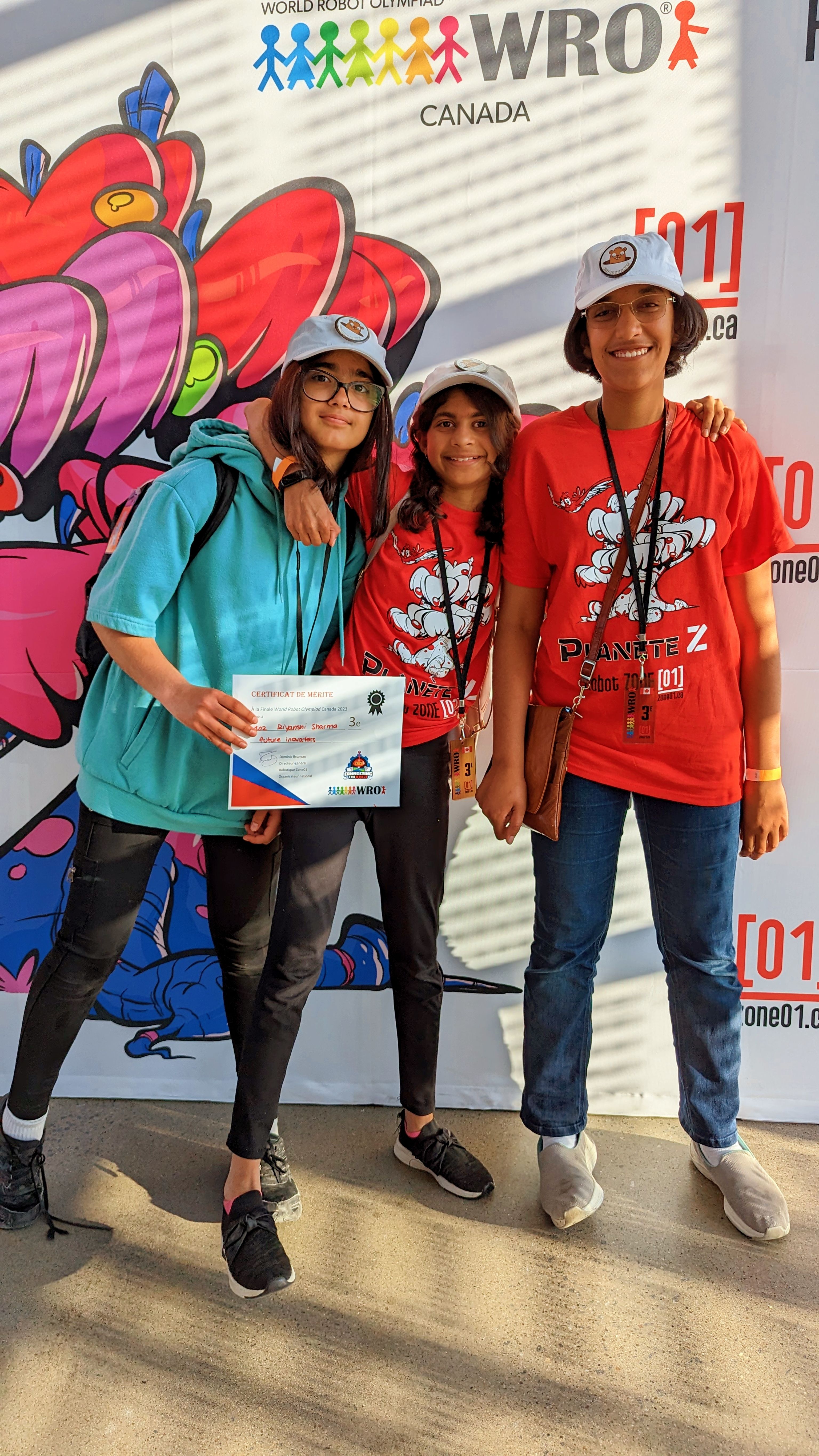
The third place team posing with their certificate.

That about covers it for now. We will have more news in November, when our teams compete on the world stage in Panama! Keep an eye out on our socials, or sign up for our mailing list to be notified of current events.

2022: Two Teams, One Stage: Woodchucks and The Nulls Represent Canada in Dortmund

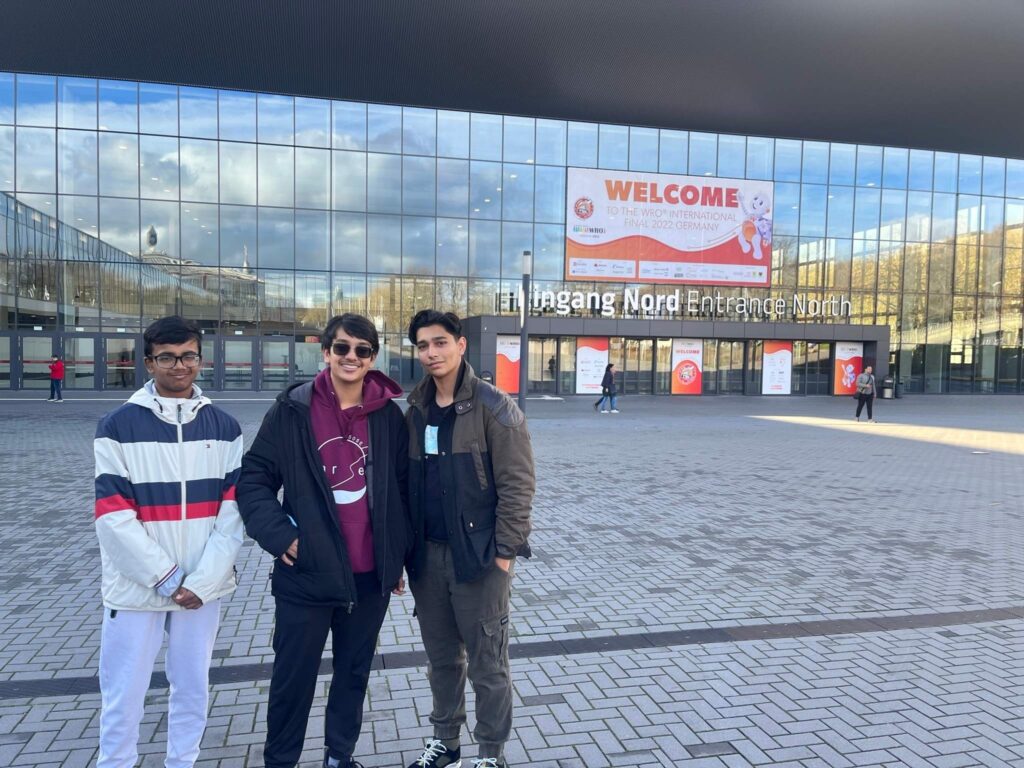
2022-Germany

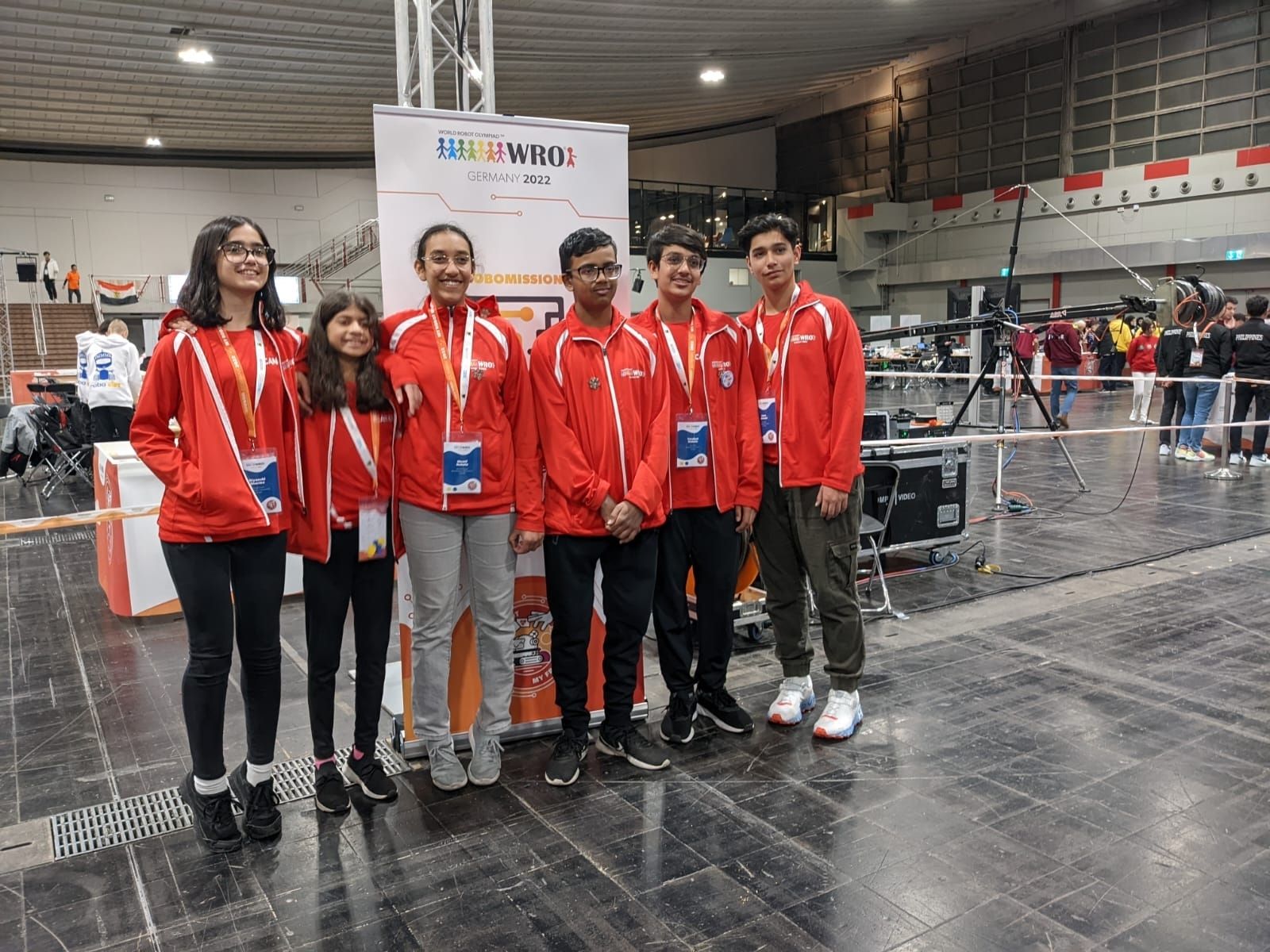
In 2022, Zebra Robotics sent two strong teams to the World Robot Olympiad Internationals in Dortmund, Germany — each carrying a season of hard-earned momentum into the world stage.

Woodchucks — Nila Thiyagarajan, Shruti Nehete, and Riyanshi Sharma — had a near-perfect run through the season, competing in the Robo Mission Elementary category. They finished first at both the GTA Regionals and Canada Nationals, arriving in Dortmund with plenty of confidence. That confidence was well placed: on Day 1, the team scored full points on their core mission and successfully completed part of the surprise challenge — no small feat against the world’s best teams. They went on to finish in the top 40% globally, a strong showing for an Elementary-level team on the international stage.

The Nulls — Vedant Nehete, Dave Grewal, and Elil Thirumugam — faced a tougher road. Early in their run, their robot made contact with a game object, triggering a cascading error that cost the team around 50 points — the kind of single moment that can define a competition. But the team didn’t let it define their event. On Day 2, they bounced back, with their robot completing nearly 80% of the challenge. It wasn’t quite enough to climb back into medal contention, but the team still finished a respectable top 20% overall — a testament to their resilience under pressure.

Two teams, two very different competition stories — but both reflecting what Zebra Robotics teams bring to every World Robot Olympiad: preparation, composure, and the ability to adapt when things don’t go to plan.

Nikhil @ Univ of Toronto

Nikhil

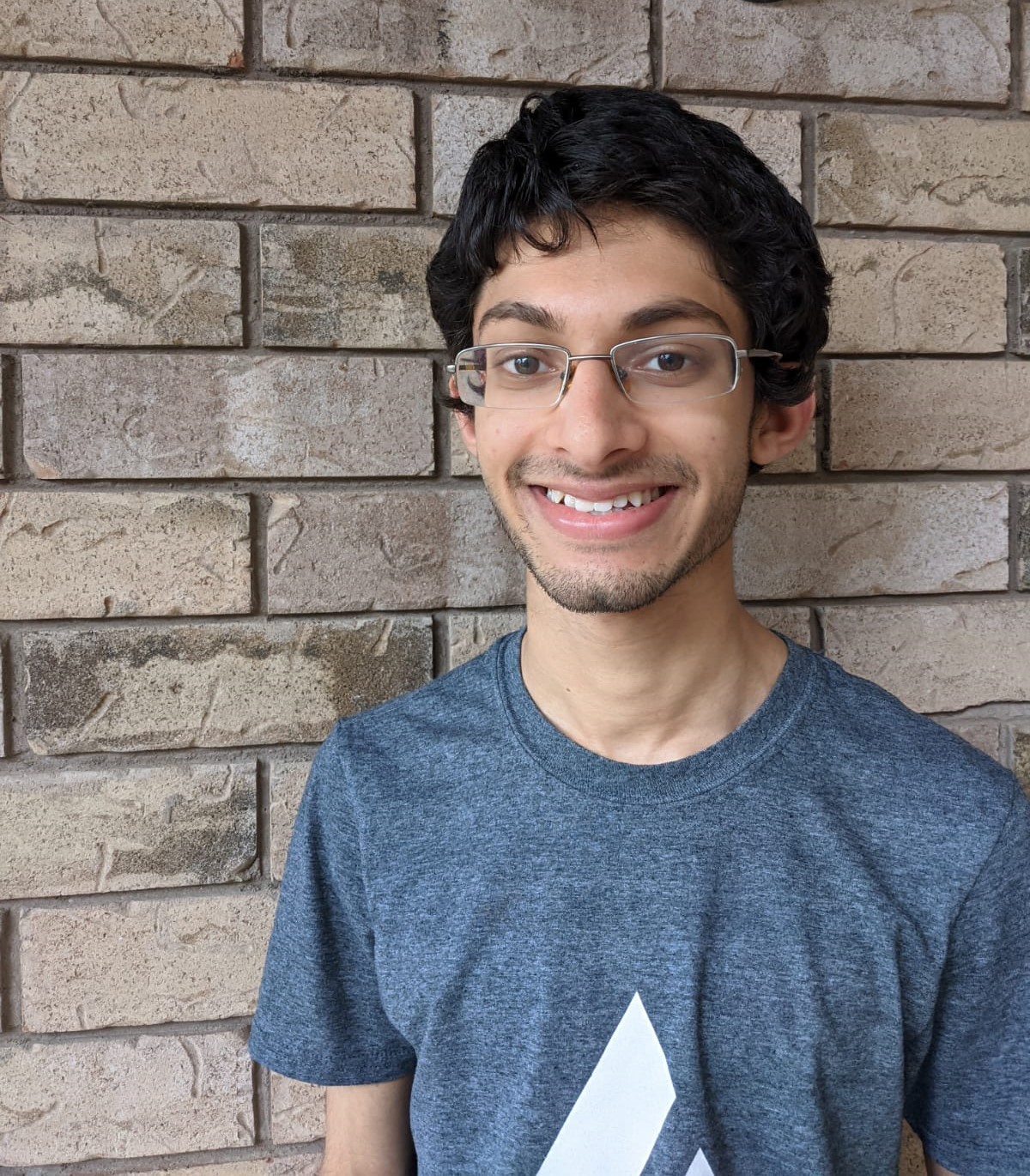
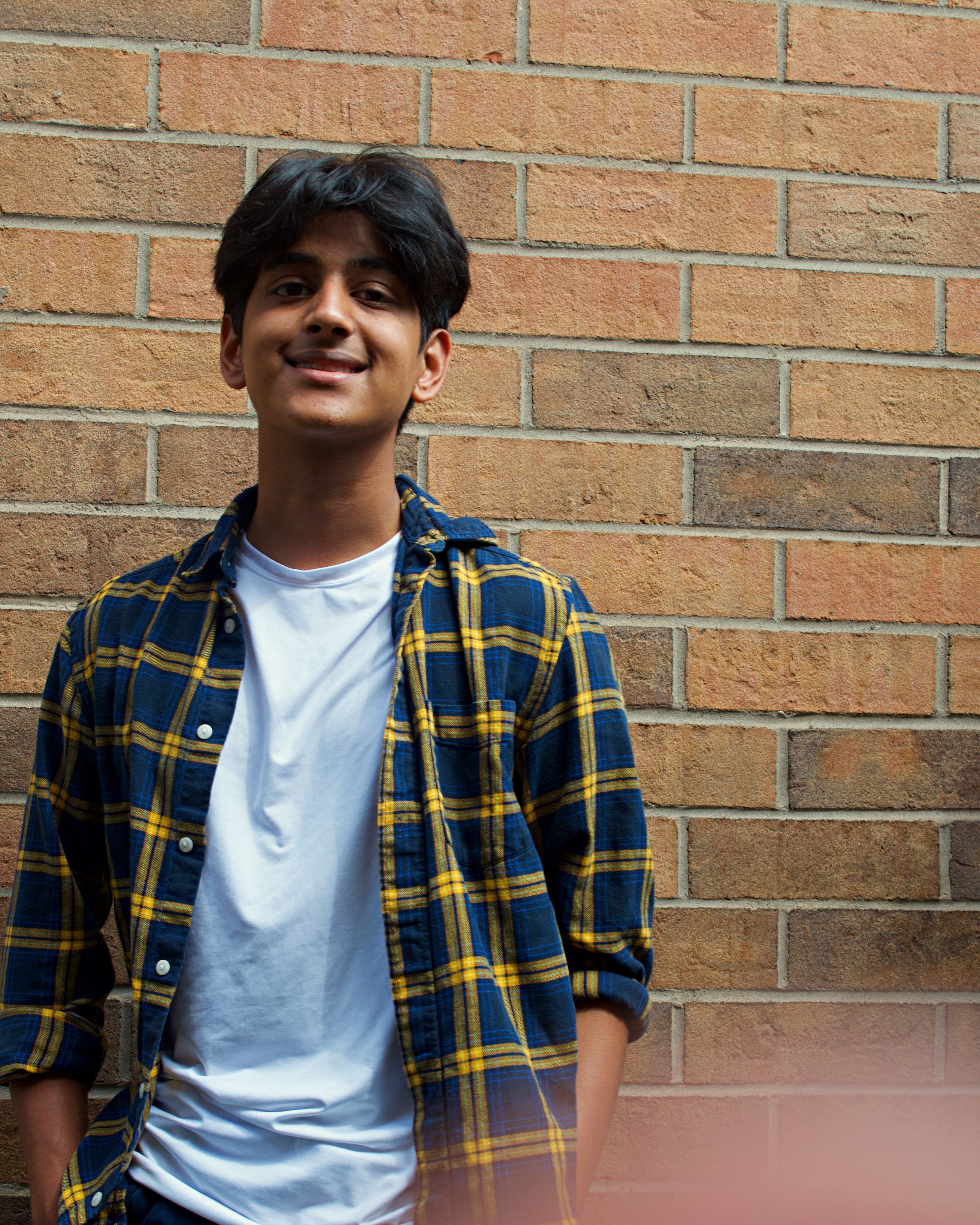
Congratulations Nikhil, on accepting the offer from the Univ of Toronto, Engineering Science program. You chose this program over Comp Sci and Mechatronics programs from Univ of Toronto, McMaster and UofWaterloo. We want to share your perspective about coding and robotics with younger Zebra Robotics students who want to pursue their higher education in STEM programs.

How did you get interested in Coding or Robotics?

I’ve always been fascinated by technology, and like many other children, I always loved creating things of my own – so I guess it only makes sense that I’m interested in coding and robotics nowadays. Robotics and coding didn’t initially start out as passions for me, but as I became more comfortable with those topics through classes and competition experiences, I was able to improve my skills – I started to be inspired by the things that other people had done in the past with regards to robotics and coding, and eventually, I saw the results of my own work in competition environments. I think that really opened my mind to what was possible in these fields, and I’ve been hooked ever since.

Tell us a bit about yourself, your hobbies and what you like to do when you are not working on your school or university work.

My name is Nikhil, and I’m going into my first year of Engineering Science at the University of Toronto. My main hobby is competitive robotics – I’ve been heavily involved with numerous robotics teams at Zebra, from FLL to WRO to VEX, as well as teams outside Zebra, such as my high school’s FRC team. I continue to mentor some of these teams. In the coming years, I plan on being involved with design teams at UofT as well. Apart from that, I’m fairly boring – I watch Netflix/YouTube and play video games like everyone else.

How long were you a student at Zebra Robotics? What did you like most at Zebra during that time?

I’ve been involved with Zebra for over 7 years now. All my favourite moments have to do with competitions – I’ve always enjoyed working on these large, long-term projects; watching plans develop and things build up into a frenzy, and anxiously waiting to see how the team will do at the real event – will we have fixed all our problems, or will a bad line of code bring everything crashing down when it really matters? It’s all part of the competition experience, and in the end, it’s the journey of preparing for a competition that makes it all worthwhile.

How did you manage your time between schoolwork and other activities, including robotics or coding sessions at Zebra Robotics?

Some parts of the year have always been busier than others for me, due to the nature of robotics competition seasons. In those busy times, proper planning and prioritization have always been important. My schoolwork was a high priority, especially in my final years of high school, and I always tried to stay up to date on it so that I’d have time to focus on extracurriculars. However, deadlines in robotics competitions and other school clubs would often have me reshuffling my priorities to get certain time-sensitive tasks done sooner rather than later. Managing my time between schoolwork and extracurriculars would sometimes become a bit of a juggling act, and so to stay on top of everything, I would use a daily and weekly to-do list, while also keeping close track of my deadlines. In those situations where prioritization becomes tough, I’m a fan of the Eisenhower matrix – search it up if you haven’t heard of it!

What would you say if you were to suggest a few things to aspiring Engineering or Computer Science university students?

I know that there’s a lot of hype these days surrounding engineering and computer science, so first of all, I would recommend that you find out if you’re truly passionate about these fields by trying them out. Try some coding, participate in some robotics competitions, and get a feel for it. That’s one of the best things about engineering and computer science – there’re so many ways to get involved in classes, clubs, and competitions in high school, and even earlier. Not only will your visible interest in computer science or engineering make your university application stand out, but it’ll also help inform your choice when applying to and picking programs – after all, you want to end up in a field you’re truly passionate about. Also, speaking of university applications, (you’ll hear it a lot, but I’ll say it again) remember that marks aren’t everything. Marks are definitely very important – but after a certain point, it’s your experiences and skills outside of the classroom that make you a solid applicant. Chances are, if you’re reading this, you’re already getting those experiences and developing those skills, which is great!

Srijay chooses Mechatronics

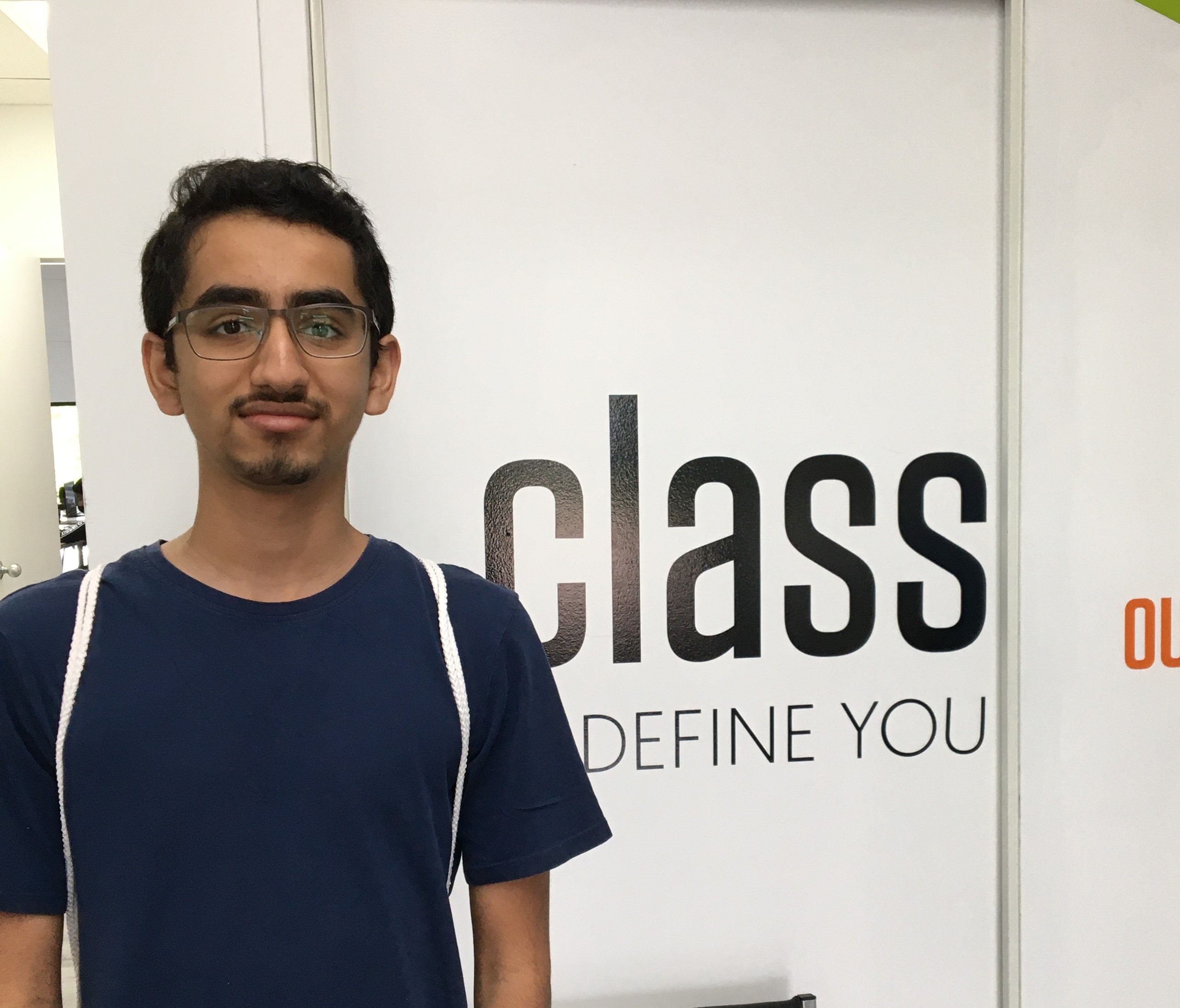
Congrats Srijay on choosing Mechatronics at the University of Waterloo. Srijay has been part of many robotics teams with Zebra Robotics. In this write-up, we asked Srijay questions about his interest and his passion for robotics. His time management skill could come in handy for many aspiring university students.

How did you get interested in Robotics?
When I was in grade five, I didn’t know much about coding and robotics, but I always thought they were both very interesting. When I joined Zebra Robotics, I discovered that I really enjoy both coding and robotics and I decided to continue learning. From this point on robotics became a passion of mine and I always strived to learn more about it.

Tell us a bit about yourself, your hobby and what you’d like to do when you are not working on your school or university work.
My name is Srijay Mundlur I’m 17 and I am going into my first year of university this fall. Some of my hobbies include sports, video games, and robotics. When I’m not doing school-related work I enjoy learning about the new technologies of the world and playing different games with friends.

How long were you a student at Zebra Robotics? What did you like most at Zebra during that time?
I was a student at Zebra Robotics for about 6 years and I enjoyed doing many different things there. My favourite part about my time at Zebra Robotics was all the different competitions I got to participate in. I participated in both WRO and FLL and I always enjoyed how each year’s challenge made you learn different things about your robot and team. The challenges pushed us to learn new things every year and I always enjoyed competing against other teams.

How did you manage your time between the school work and other activities, including robotics or coding sessions at Zebra Robotics?
One of the most important things I learnt while time managing both robotics and schoolwork is to get your work early. Procrastination can lead to both of your robotics and schoolwork piling up, so it was very important for me to finish all of my schoolwork as soon as I got it. This is even more important when preparing for robotics competitions because you could be called to work anytime.

What would you say if you were to suggest a few things to aspiring Engineering or Computer Science university students?
I would tell them to get involved in as many engineering and computer science clubs and opportunities as they can. Getting hands-on experience is very helpful in these fields and it can help you decide which aspects you wish to specialize in the future. I would also suggest trying to talk to older students and adults working in the fields you are interested in to get advice on what field you should try to pursue a career in.

Zorez – CRoC 2020 Scratch winner

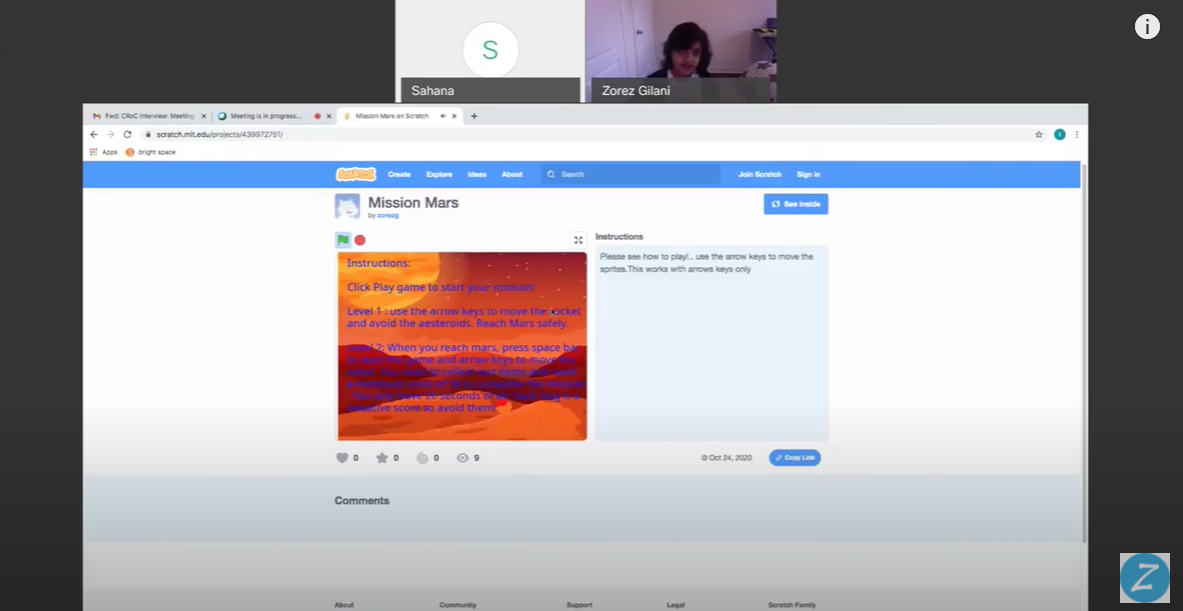
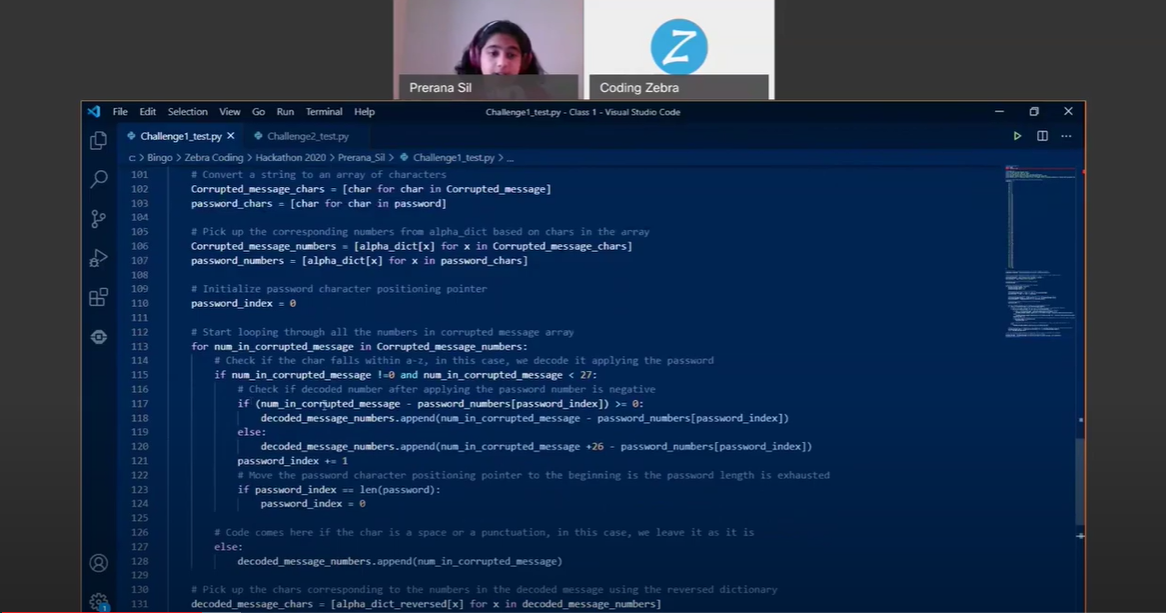
Zorez has been with Zebra for little more than a year, and he is very passionate about Coding. He has a developing interest in Robotics and is keen to learn to build. Here, in this video he presents about his project for CRoC 2020. He particpated in Junior category and won a Zebra Stripe.

Hackathon keeps us engaged during Covid

Many of the high school students have been participating in Robotics and Coding competitions over the last several years while at Zebra Robotics. With Covid, and lockdown in Mississauga, Canada location, they decided to team up for something different.

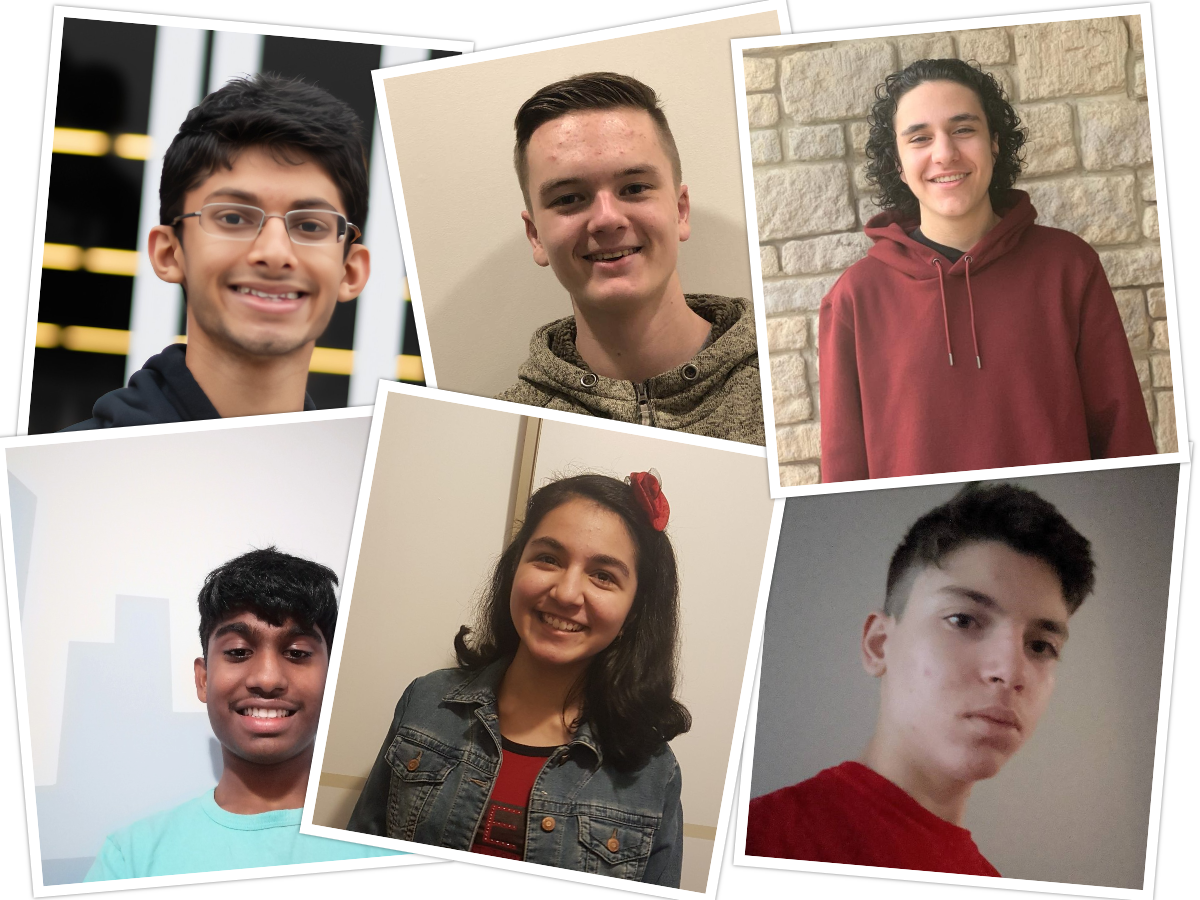
Group of six high school students, Nikhil, Daxsin, Adam, Vishal,Armina, and Josh came together and organized a Coding hackathon during the week of Hour-of-code. As the participant’s age group varied from Grade 2 to 12, they had to come up with several categories, that challenged participants appropriately, while givng them flexibility to choose challenges higher than their grade level, if they choose to.

Zebra Hackathon 2020 – Organizing committee

They worked over a three week period deciding on how the event will be conducted remotely, while the Zebra marketing and operations team, assisted them in getting the word out, and facilitating signups.

By the week of Zebra Hackathon 2020, they had received over 100 signps, from Canada, US , India and Srilanka. (they didn’t know how the word got out beyond Zebra locations in US and Canada, but hey, more the merrier was the attitude!).

The event lasted for about 3 hours, with results published within that time frame and winners, Zebra Bronze, Silver, Gold Stripe winners.

Overall the experience was very valuable, and participants had fun meeting like minded people across the countries during a tough lockdown we all were experiencing. After toiling for weeks preparing for the event and running it successfully, we asked the organizing team if they want to do it again, there answer was ” can we do this multiple times a year?”

note: to read about organizing committee member’s passion, and Stripe winners take on Hackathon and Coding in general, watch,search this blog.

My Fascination with Coding

In this article, as part of highlighting our student achievers, we asked our student Archish to submit a write up on some of the commonly asked questions. Here are his comments.

How did you develop interest in Coding?
Ever since I was young, I have always been fascinated by computers. To this day it mystifies me that a simple line of 8 transistors can give us so much control and visualization over information, entertainment and so much more. With this in mind, I first started learning JavaScript in elementary school using online tutorials. Around middle school, I had started getting into creating small games using JS and Unity. It was in grade 8 however that my biggest breakthrough in coding happened, I discovered Python. Python led me into understanding algorithms, working with data, interacting with API’s and so much more. This would never have happened without Zebra Robotics and I am so glad I have their continued support to keep learning and growing.

What is your favorite programming language and why?
Python has to be my favourite program language. Besides it being the language that has gotten me the most into programming and what I have spent the most time working with, it amazes me how many applications it has. From being able to run servers with terabytes and petabytes of data, running algorithms capable of computing and predicting important events and being able to run AI algorithms that can make scarily accurate predictions of our future, there is almost nothing Python cannot do. It can easily be learnt to a basic level by anyone and it also has an incredible amount of potential, and this versatility is what makes it my favourite programming language.

How did Zebra Robotics help you with learning to code?
Zebra Robotics has helped me so much in my programming journey. Coding can definitely be a complicated thing to get into, and especially without the proper guidance, it can become really overwhelming. I can’t even get started on how many times I had tried learning how to code in Python and Java before I started classes at Zebra and quit due to the difficulty of the subjects taught. The coaches at Zebra Robotics are so great at explaining concepts to kids of all ages, and make coding fun and engaging for us all. They are able to connect with the students’ interests and make the classes a fun open discussion session, which provides the perfect environment to learn and grow.

What specialization are you interested in pursuing in University?
I plan on going into computer science as my undergraduate degree, and pursuing data science for my masters. Alternatively, I would like to do something in food science, and incorporate data science and programming in research after post secondary.

What do you do for fun?

I play guitar, keyboard and am learning Carnatic music. You can watch my creations on my Youtube channel below.

https://www.youtube.com/channel/UCzhnYfG4hZeD8NBdQkfmbpw

What Coding languages did you have to use in high-school.
In high school, we are exposed to the fundamental principles of coding through scratch in grade 10, then Python and Java in grades 11 and 12. We are also taught how to use the Arduino language in computer engineering classes. All of these languages are taught at Zebra Robotics and I am so glad that I have an advantage in these classes by going to Zebra Robotics.

Celebrate Coding Achievement

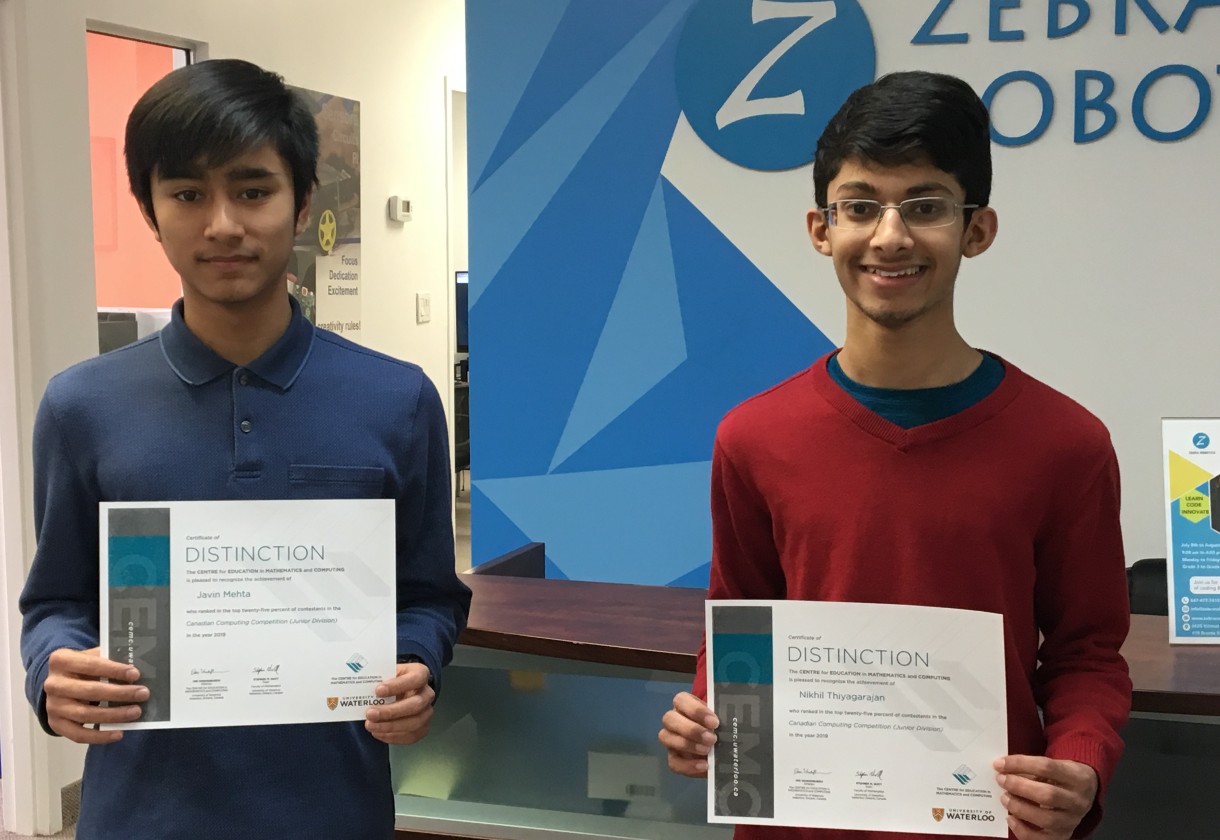
Nikhil and Javin have attempted University of Waterloo’s Canada Computing Challenge (CCC) a year earlier.  They both scored in top 70 out of 3700+ students who attempted the challenge world-wide.

Considered one of the difficult computing challenges, University of Waterloo has been conducting these competitions annually. The time allotted for the challenge is three hours and students can attempt as many as five challenges in that period. Students can choose to program in languages such as C,C++, Python, Java among others.

Javin and Nikhil chose different programming languages to solve the challenges. While Javin went with Java as his choice to solve the challenges, Nikhil used Python. We are happy to celebrate our student’s achievements. Our coaches share their warm greetings, and it is always gratifying to see our students succeed. Good to see them persist and thrive.

ps: Picture was taken pre-covid. Mask is mandatory for students attending our classes, and so is adhearance to provincial public health guidelines.