Zebra Robotics Teams Across the U.S. and Canada Complete A Standout FIRST LEGO League Season

Zebra Robotics teams across the United States and Canada wrapped up a successful FIRST LEGO League season this 2025 – 2026.
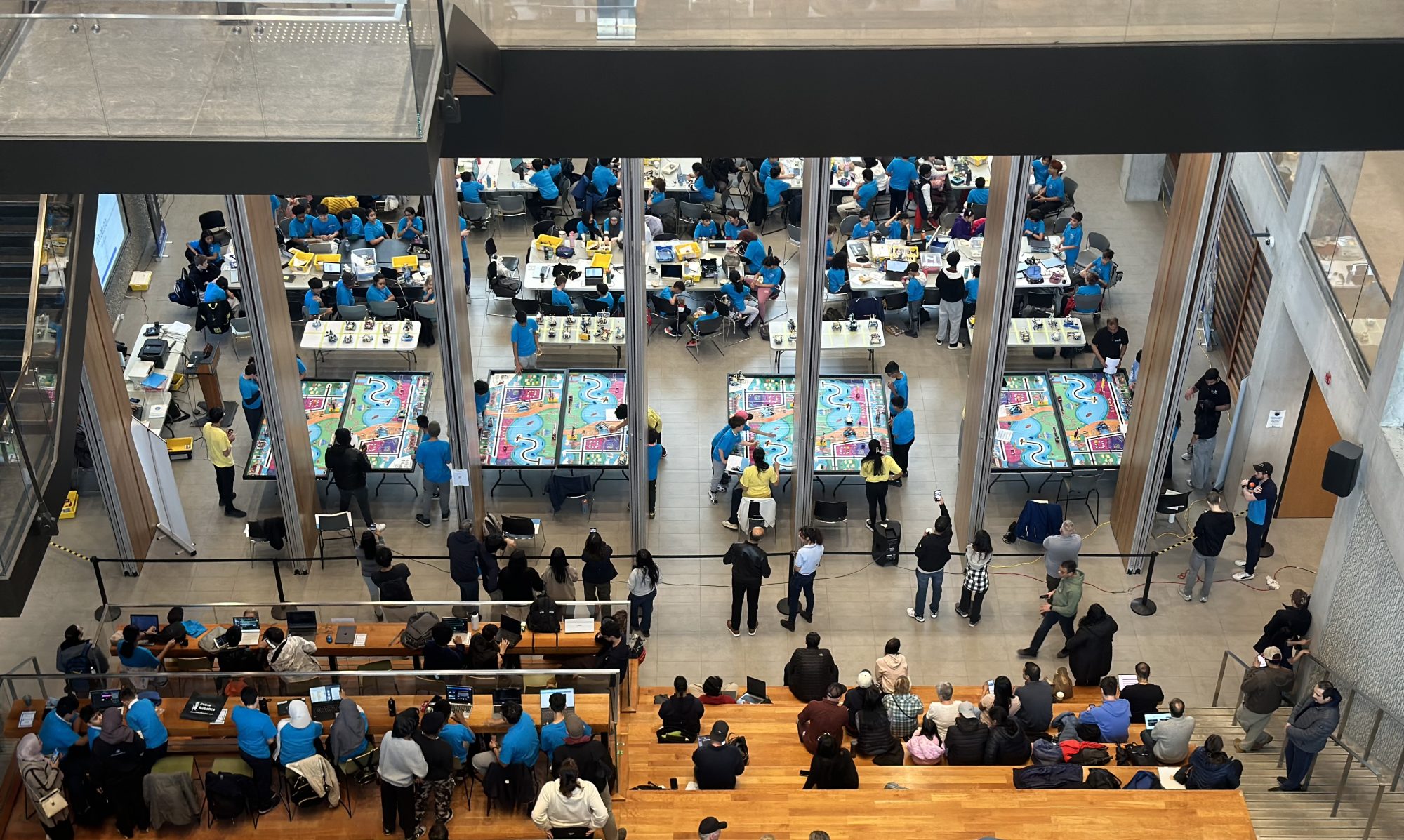
This year, they took on the Unearthed archaeology challenge with powerful robots, thoughtful research, and effective teamwork. While many Zebra Robotics students also compete in robot game focused programs such as STRIPE Competition and World Robot Olympiad, FIRST LEGO League remains a core program for its emphasis on research, innovation, communication, and real world problem-solving alongside robotics and programming.

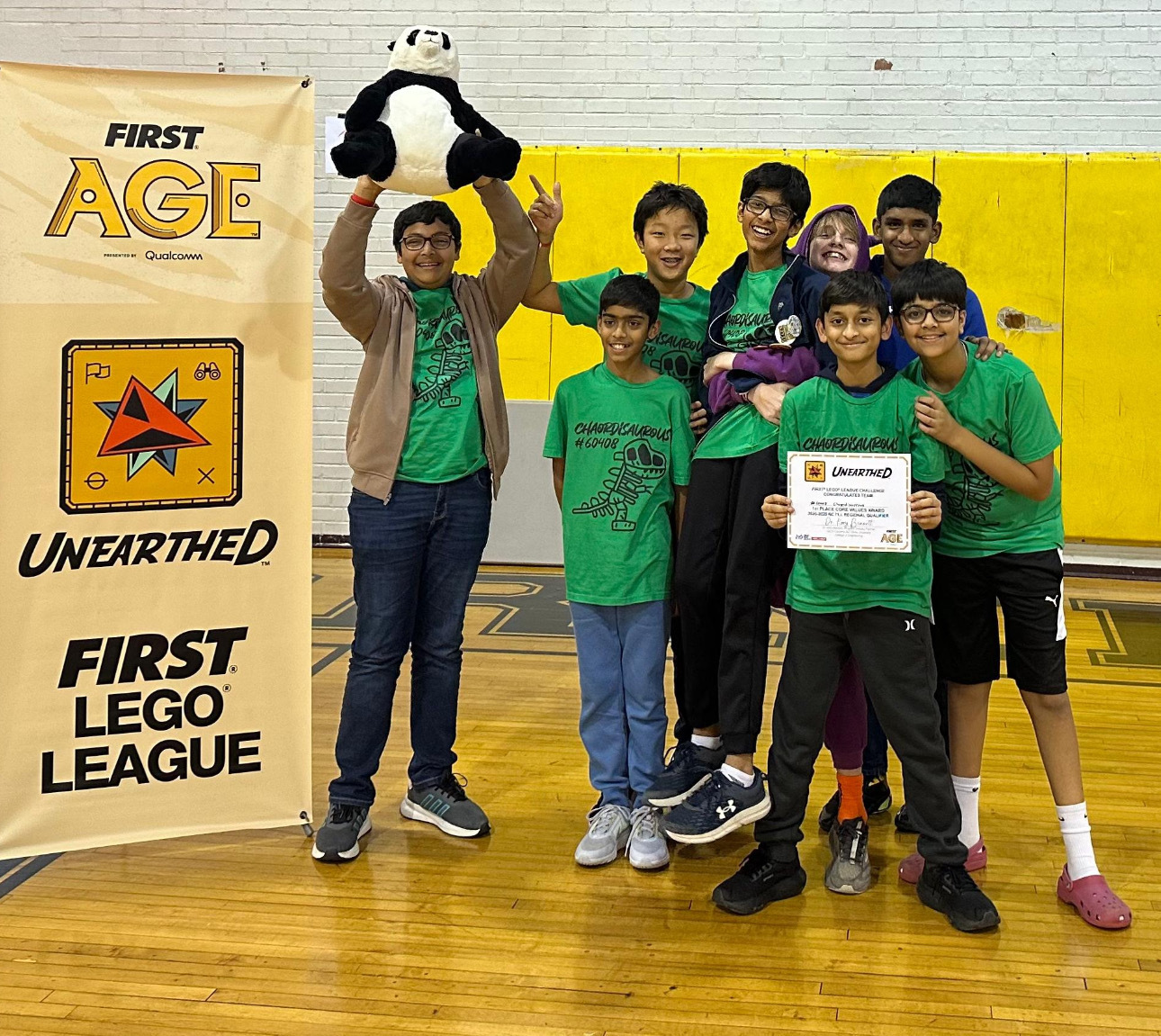
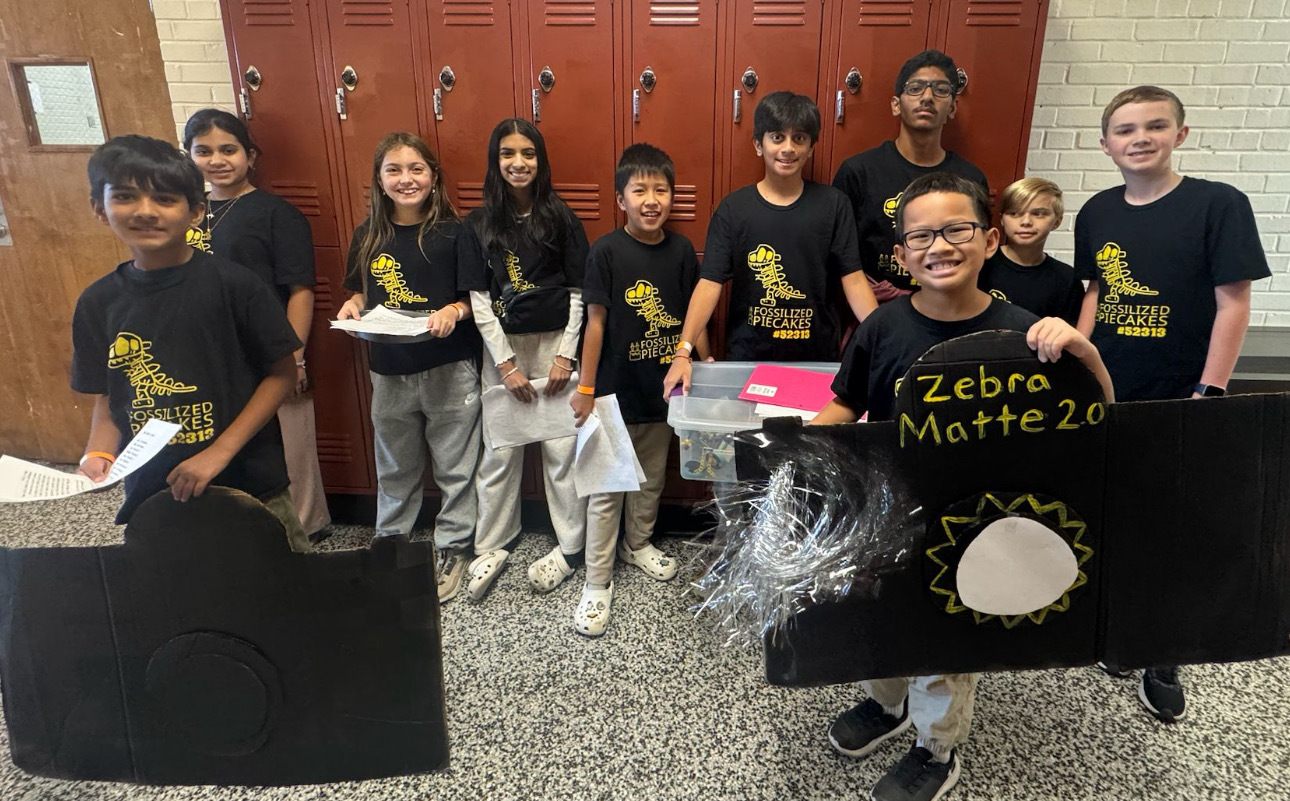
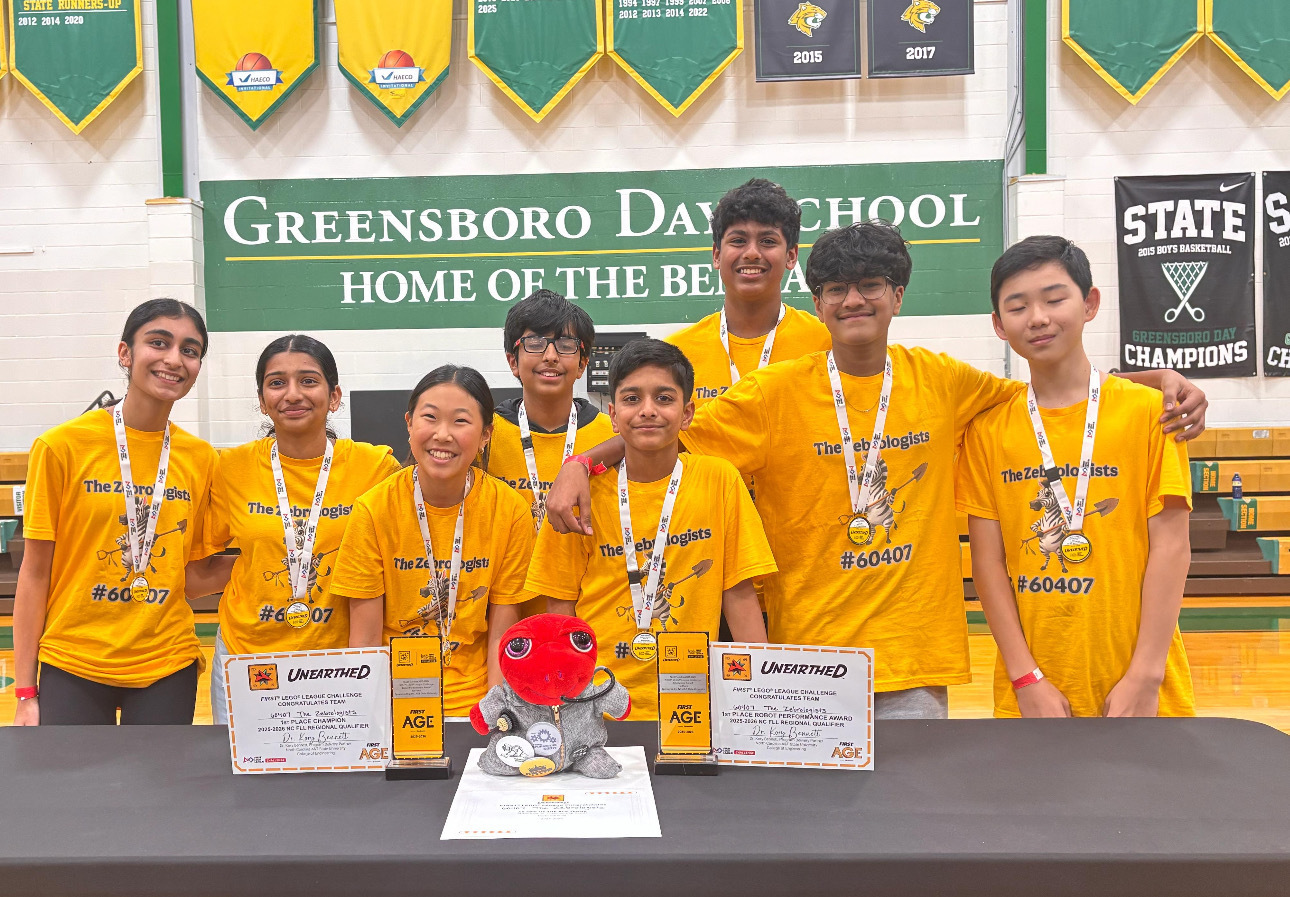
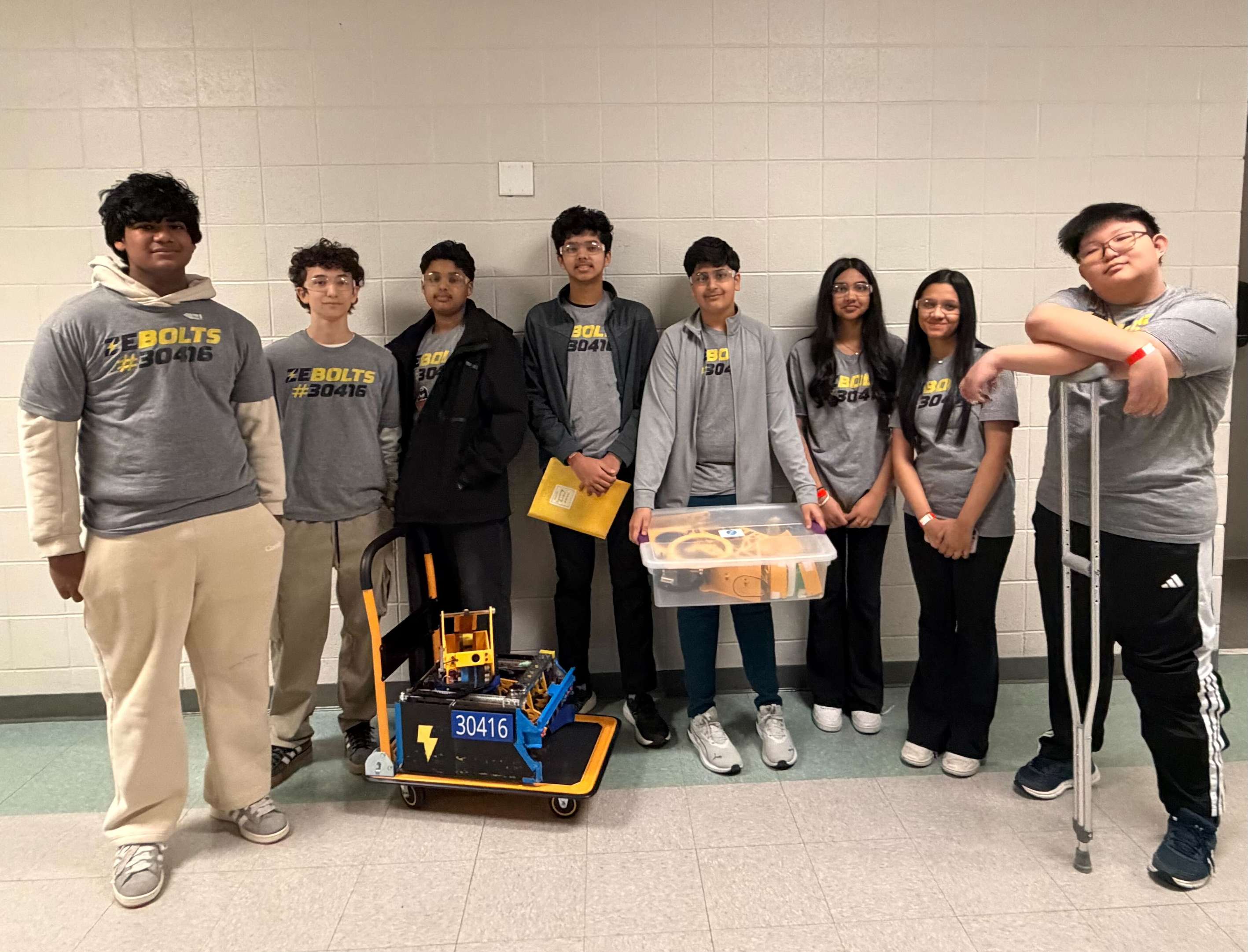
Chaordisaurous from North Carolina

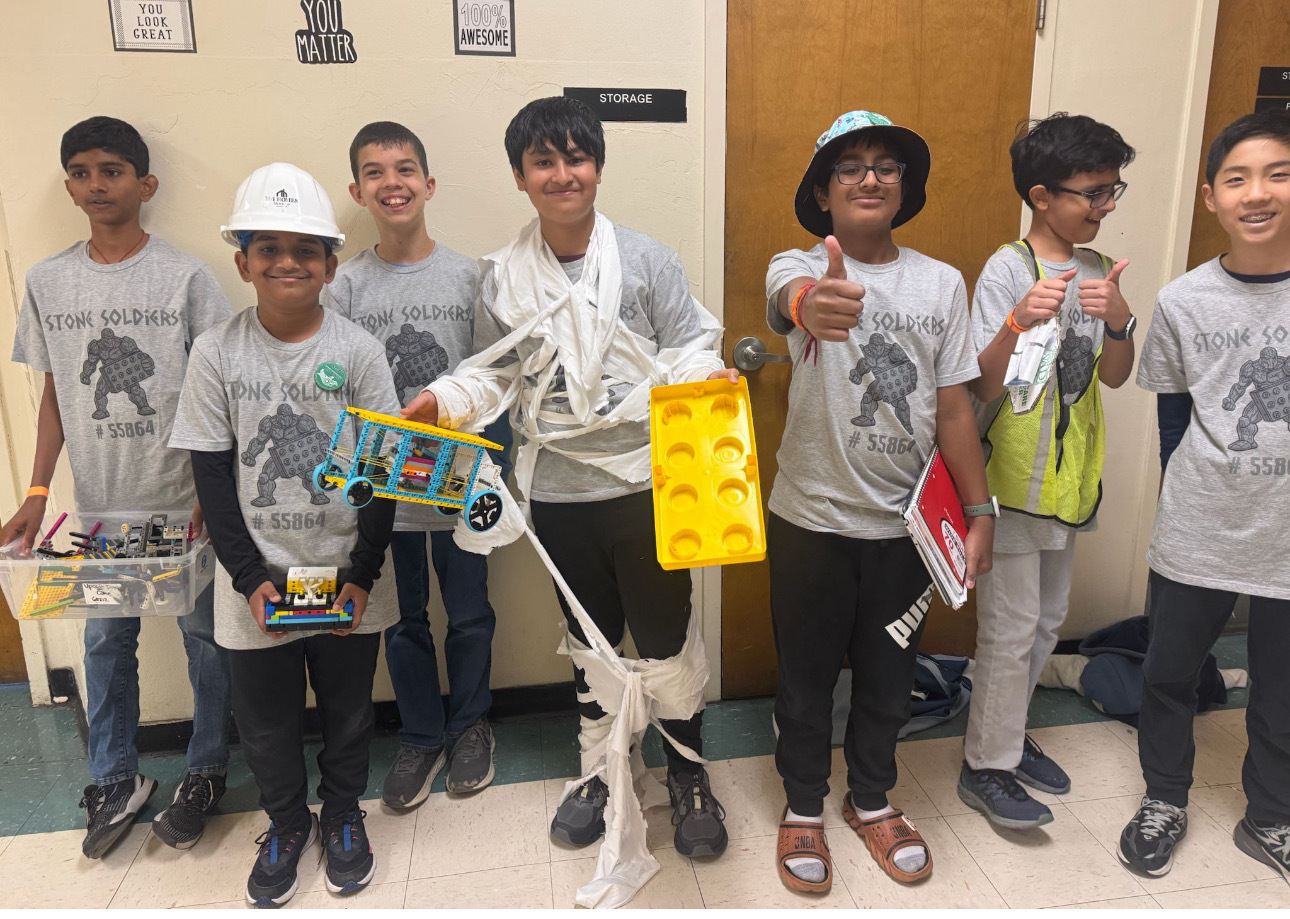
In North Carolina, teams explored archaeology through a STEM lens, researching solutions such as photogrammetry for preserving ancient artifacts, safer transport systems for mummies, heat protection gear for archaeologists working in extreme environments, and methods for protecting fragile cave paintings.

All four North Carolina teams advanced to the State Championship, with three earning top ten robot game scores at the state level.

“FIRST LEGO League stretches kids in the best ways. They’re building robots one minute and pitching big ideas to judges the next. Add in tight timelines, teamwork, and real research with industry professionals, and suddenly STEM becomes a lot bigger than just code and LEGO robots.”

Stephanie Hicks, North Carolina Coach at Zebra Robotics.

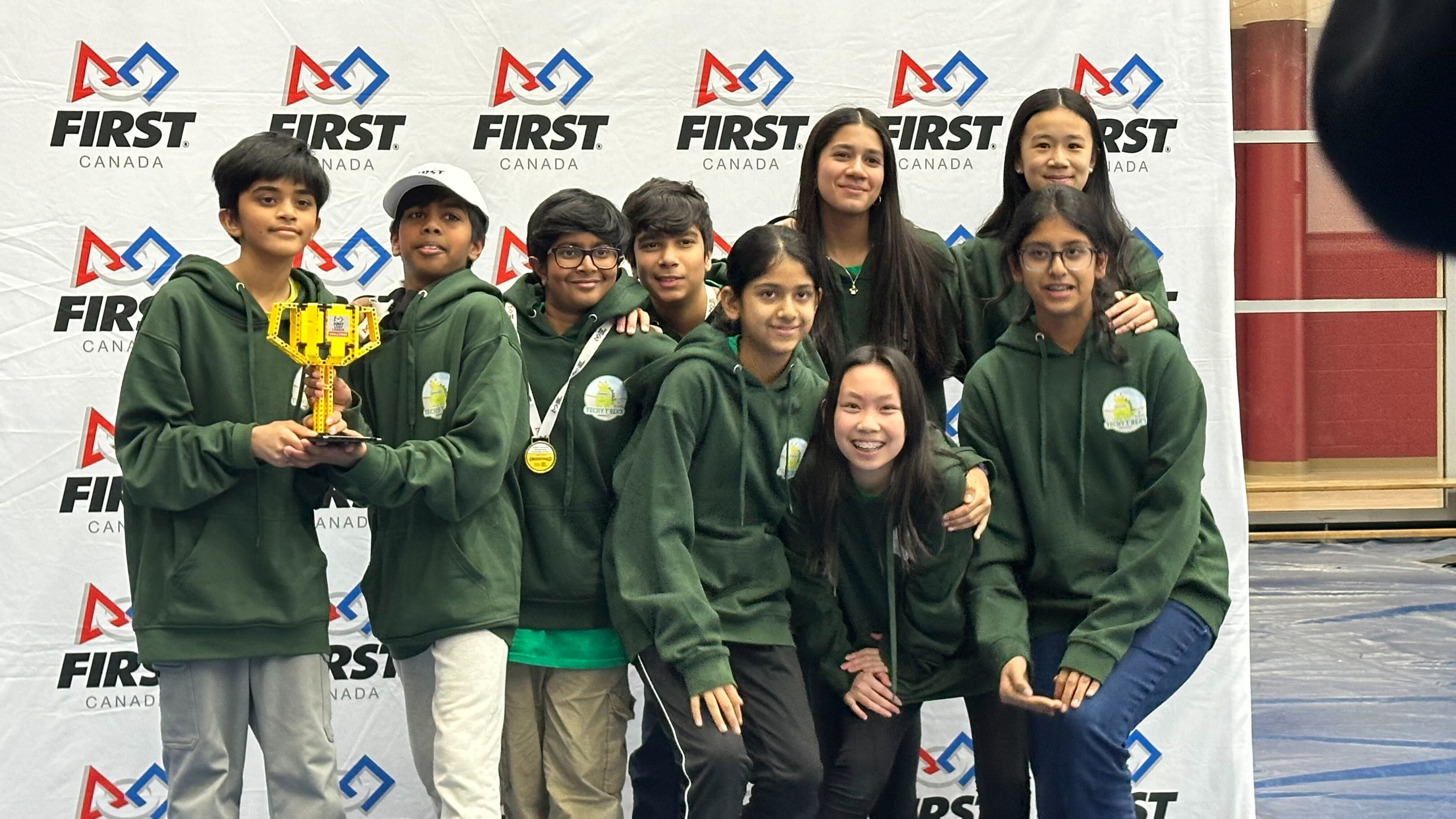
In Ontario, Canada, Zebra Robotics covered five brilliant teams, nearly all of them participating for the first time, representing Avenue Road, Brampton, Meadowvale, and Oakville. Teams embraced the Unearthed theme by developing innovation projects focused on archaeological discovery and making the lives of archeologists easier on the field. This included autonomous rover concepts, introductory artificial intelligence ideas, and applications of robotics, automation, and data analysis. Alongside robot design, students strengthened collaboration, documentation, and presentation skills.

Ontario teams delivered strong performances at regional competitions, with three advancing to the Provincial Championship after earning awards including Engineering Excellence, Coaches Awards, Core Values, and the Championship Award. At Provincials, teams presented refined innovation projects and improved robot designs, earning a Motivate Award for Brampton and an Engineering Excellence Award for Meadowvale. The Meadowvale team has now advanced to the FIRST LEGO League International competition, a significant achievement for the rookie team.
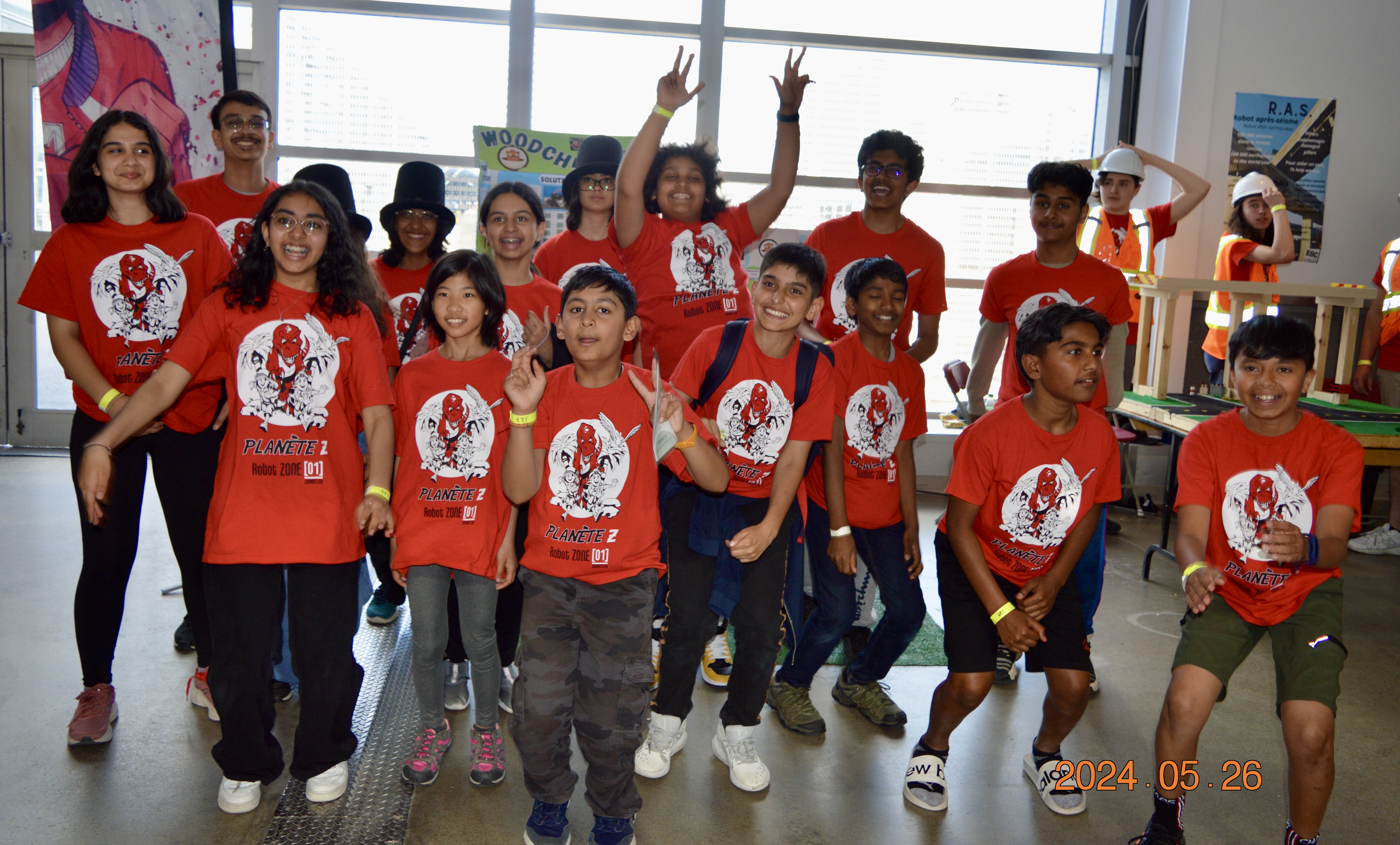
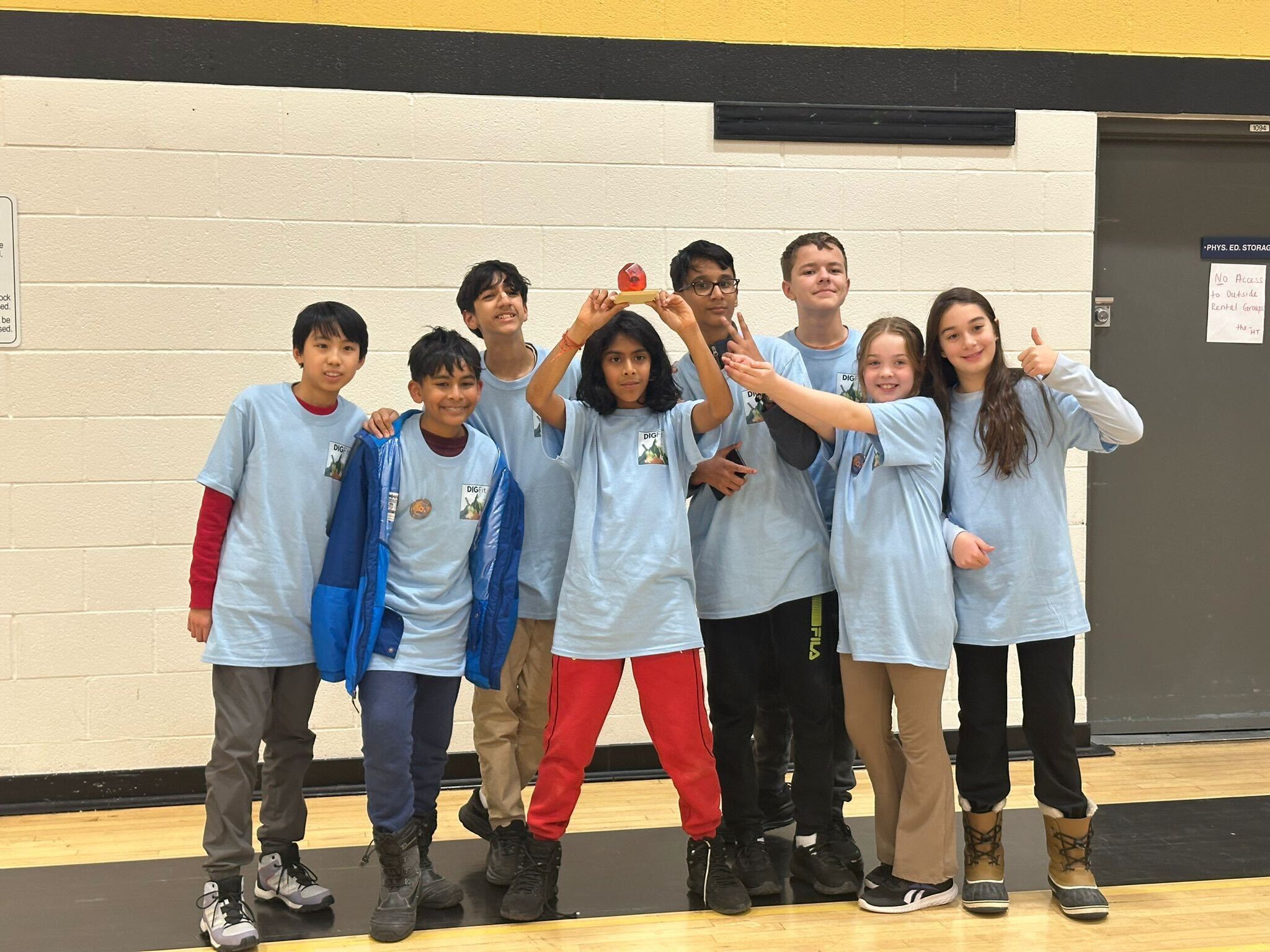
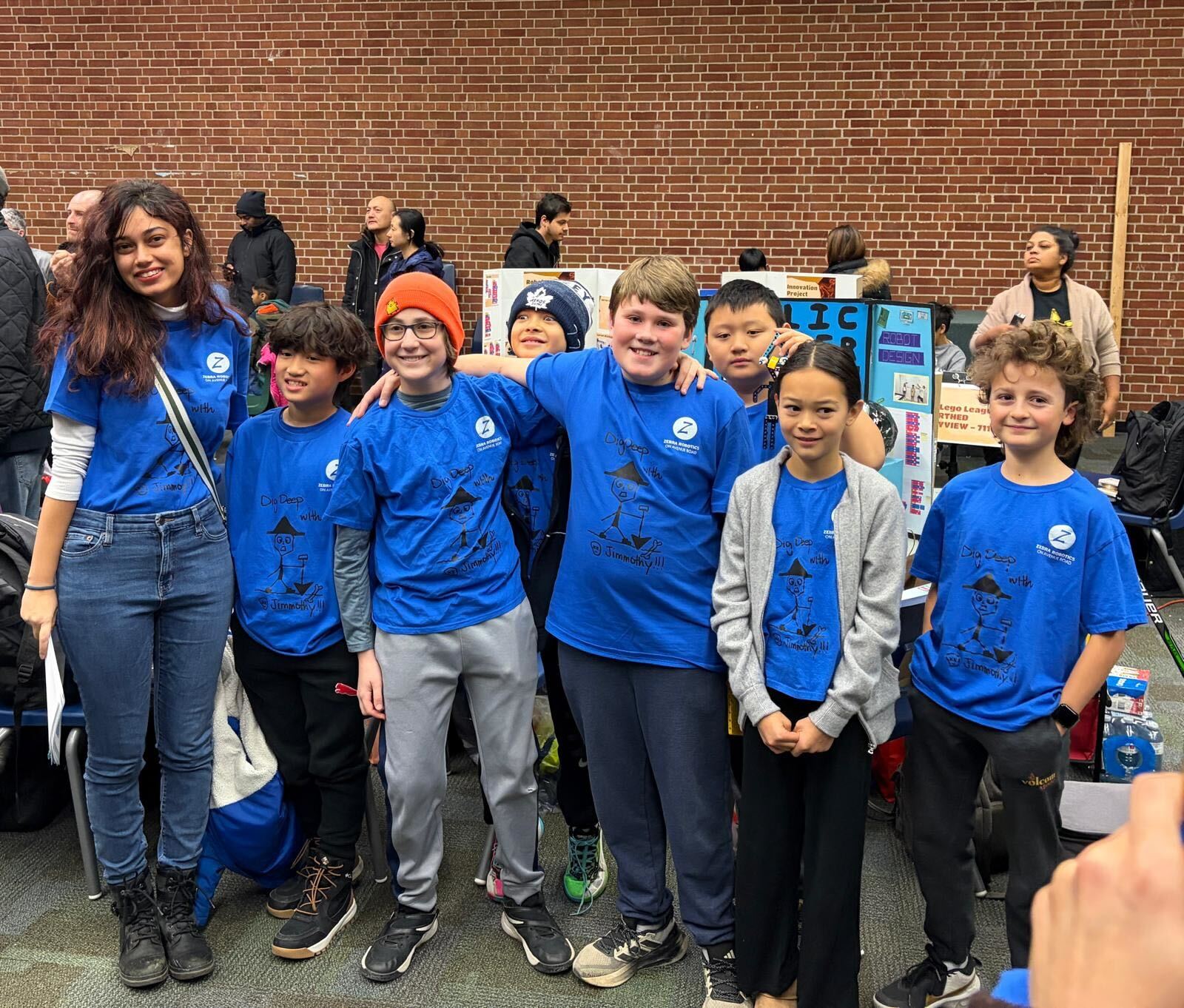
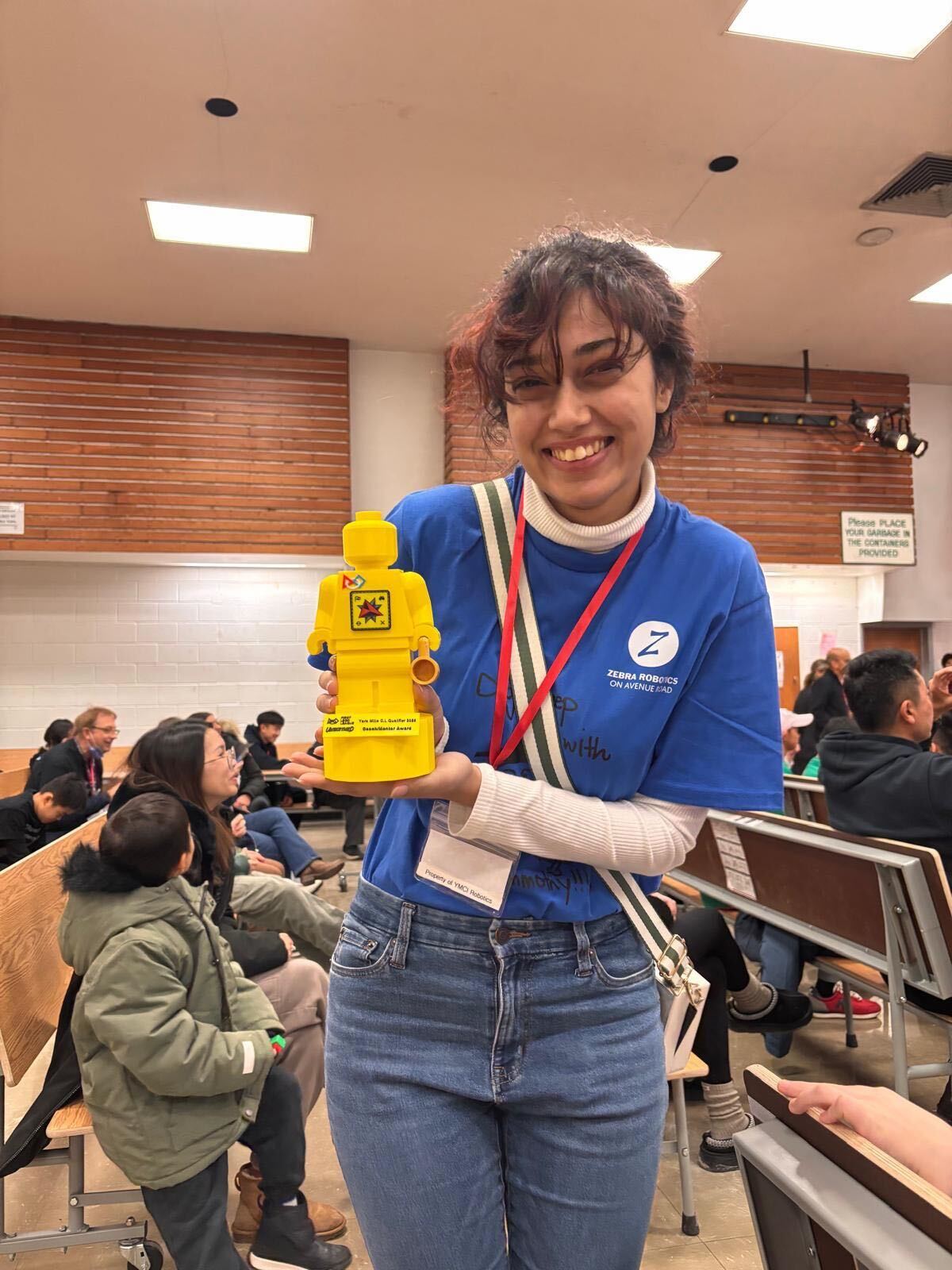
Avenue Road winning the Coach’s Award

“This season was really fun, but competition day was definitely nerve-racking. I am so glad we were able to win an award!”

Zebra Robotics Meadowvale Team Member

Across both countries, Zebra Robotics teams demonstrated the value of FIRST LEGO League in developing skills that extend beyond competition day. Through hands on engineering, research driven projects, and collaboration under pressure, students built confidence, resilience, and a deeper interest in STEM and robotics.

The success of both rookie and experienced teams reflects the impact of consistent mentorship and accessible STEM opportunities, reinforcing a commitment to developing the next generation of innovators, engineers, and problem solvers.

With more FLL seasons coming up and recruitment starting in early July, we cannot wait for the 2026 – 27 season reveal and for the competition prep to start.

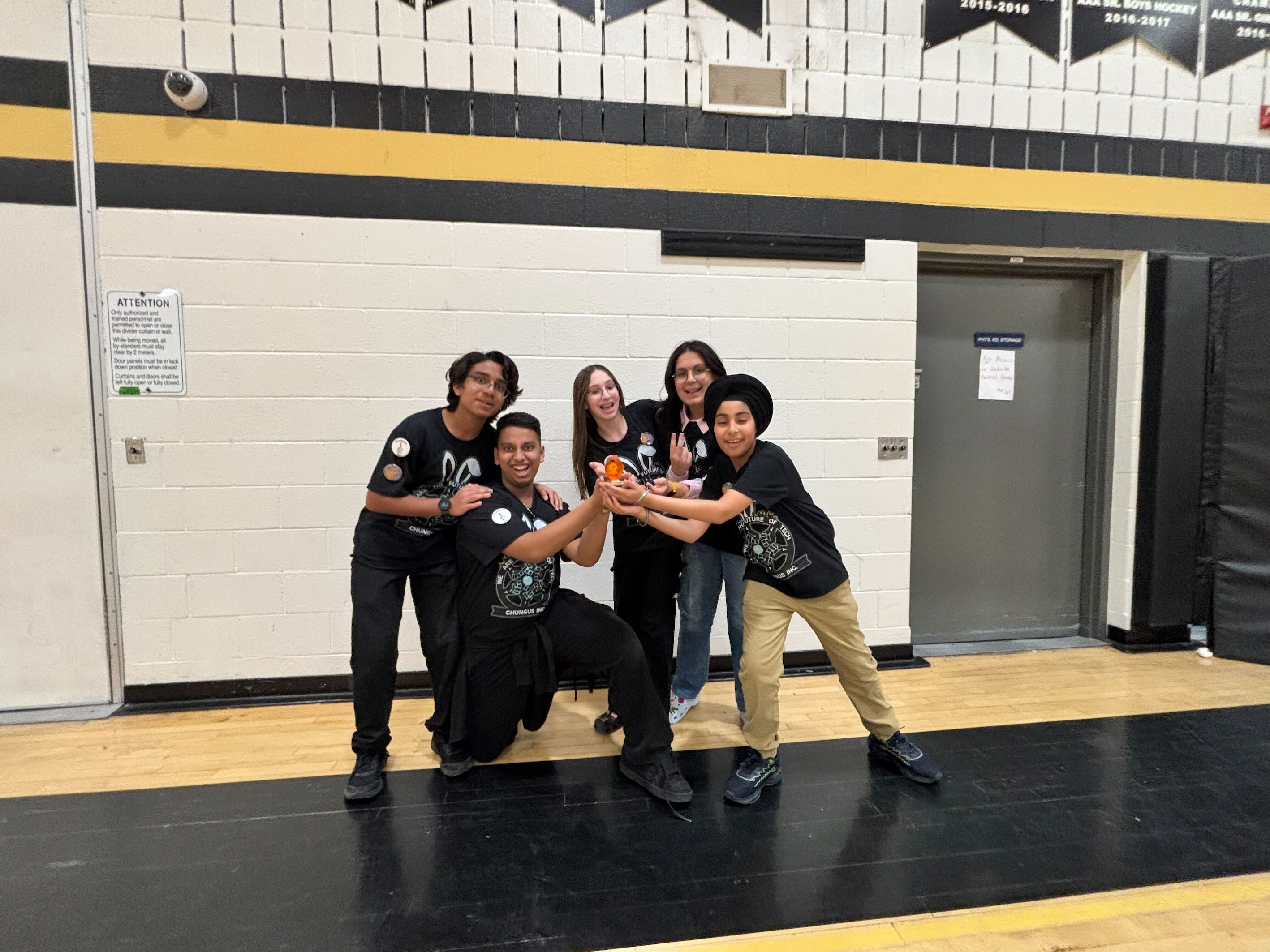
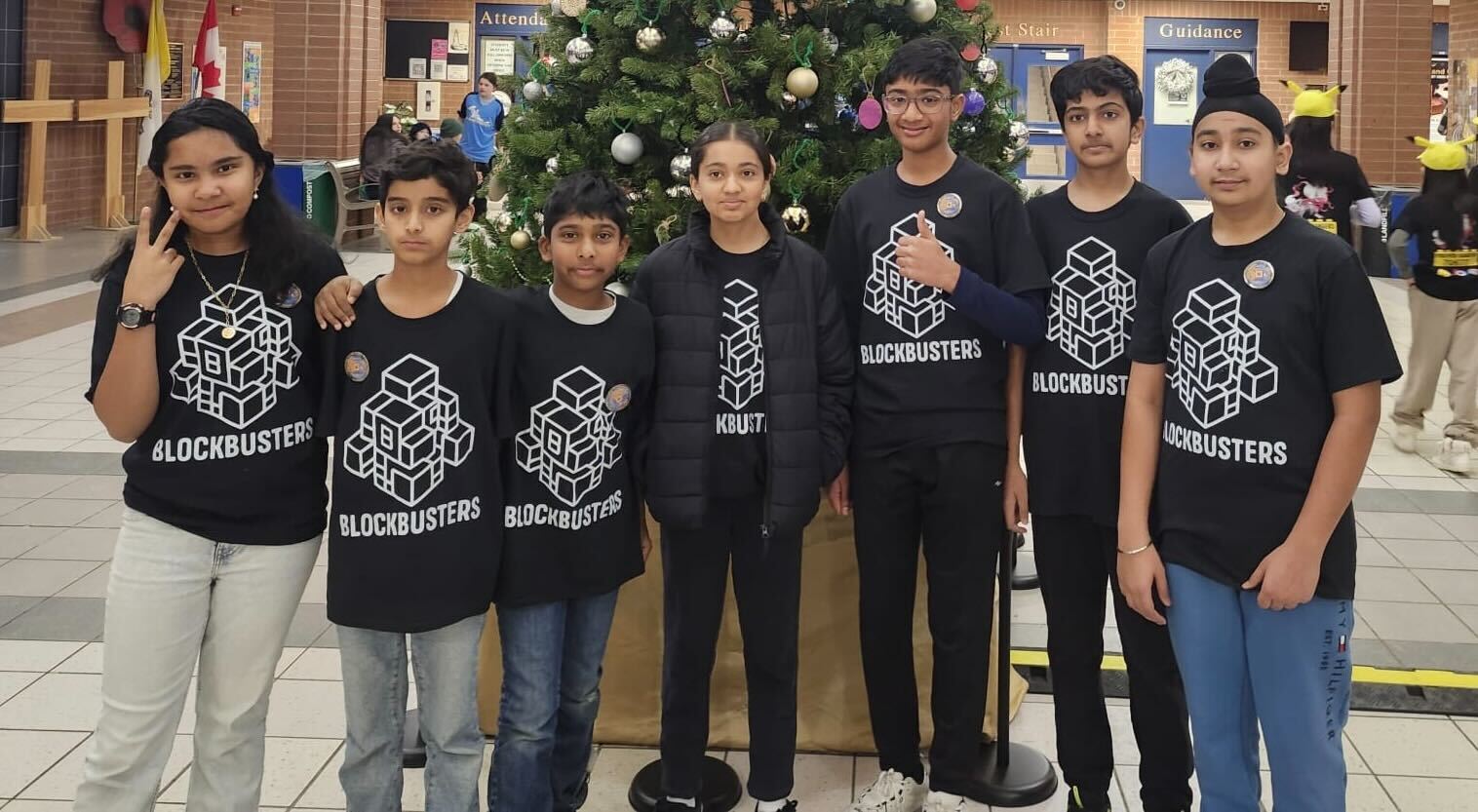
Team Blockbuster from Zebra Robotics Brampton

If you’re looking to join an award-winning FLL team this summer check out our Zebra Robotics programs!

Zebra Robotics Wraps Up an Incredible 2025 WRO Season

With the conclusion of the World Robot Olympiad (WRO) in Singapore on November 28th, Zebra Robotics proudly marks the end of another remarkable competition season.
It was one filled with innovation, resilience, and countless moments of growth for our students.

Since 2016, Zebra Robotics has worked to prepare high-performance teams capable of representing Canada on the global stage. Our mission has always been to help young innovators develop not only technical skills, but the confidence, composure, and collaborative spirit required to excel in international robotics & coding competitions. We have participated in WRO nearly every year since 2016 and we always come back with numerous inspiring stories of hard work and success.

Here is what our teams did this 2025 Season!

1. Slovenia – Open Championship Europe (September 2025)
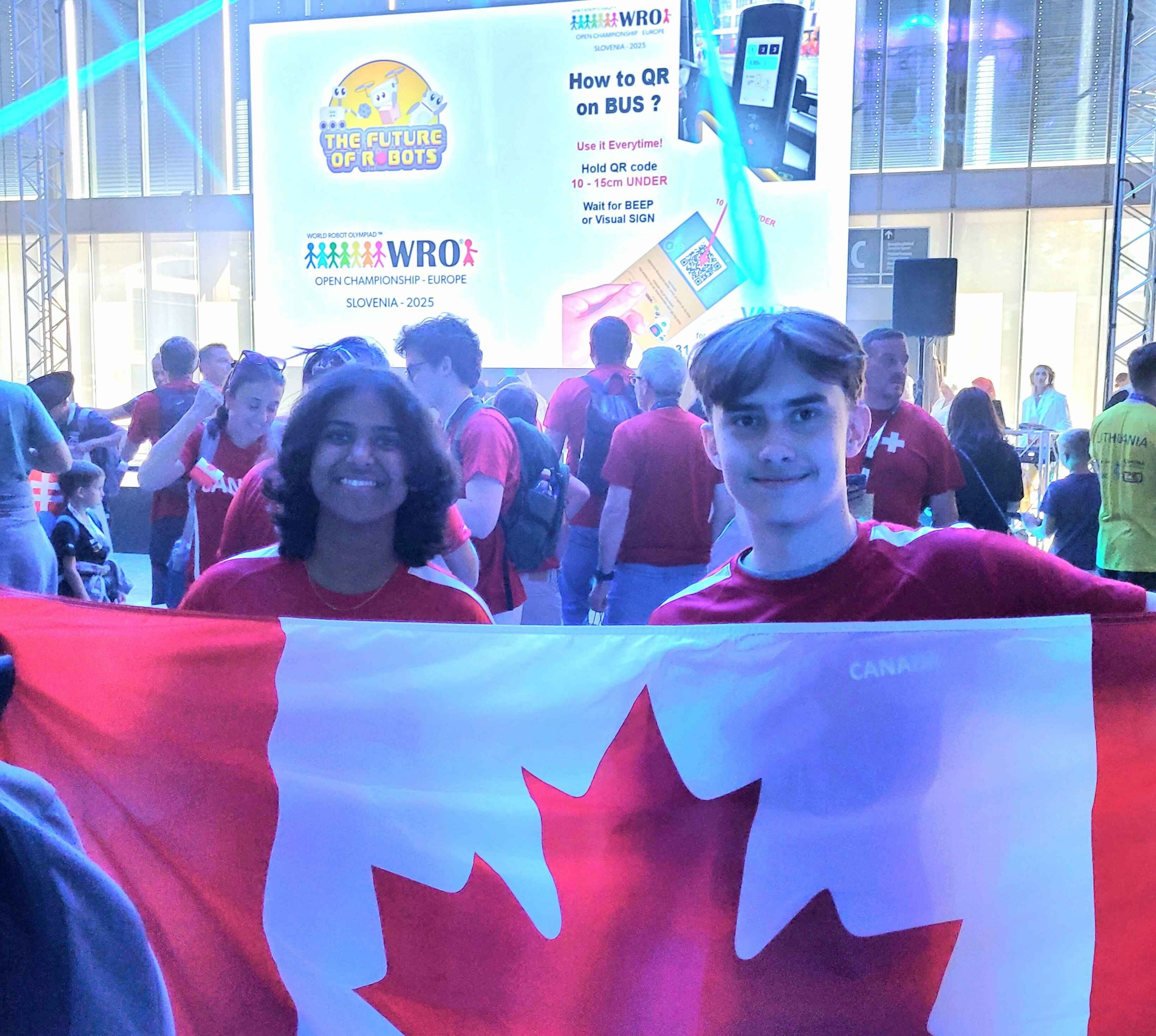
Our season kicked off in Slovenia, where RoboCare Innovations represented Zebra Robotics Burlington at the first Open Championship of the year. Competing in the Future Innovators category, the team earned an impressive 5th place overall and took home a silver award for their advanced healthcare-focused robotic solution. Their project stood out for its creativity and potential impact on medical systems worldwide.

2. Panama – Open Championship Americas (October 2025)
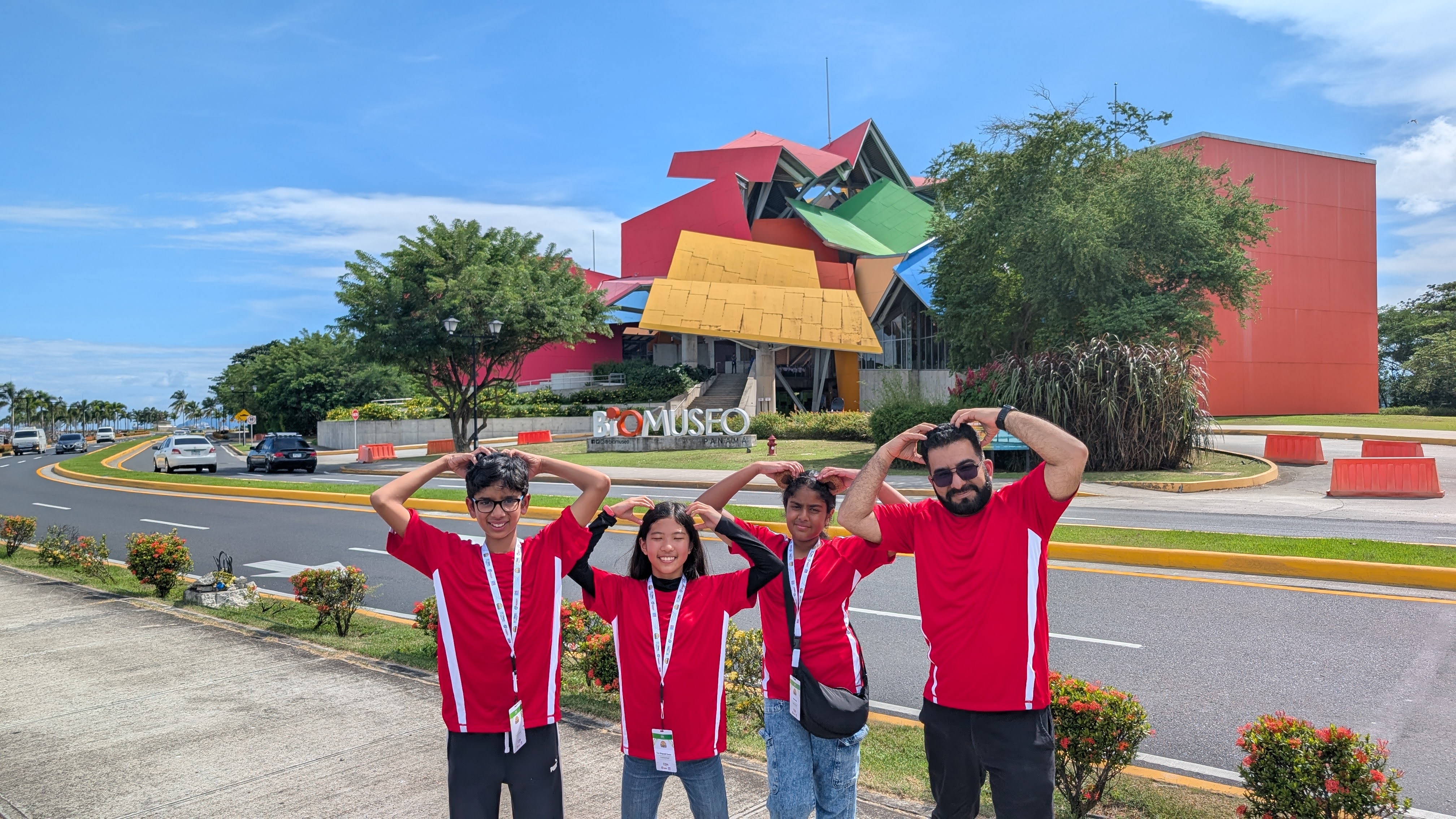
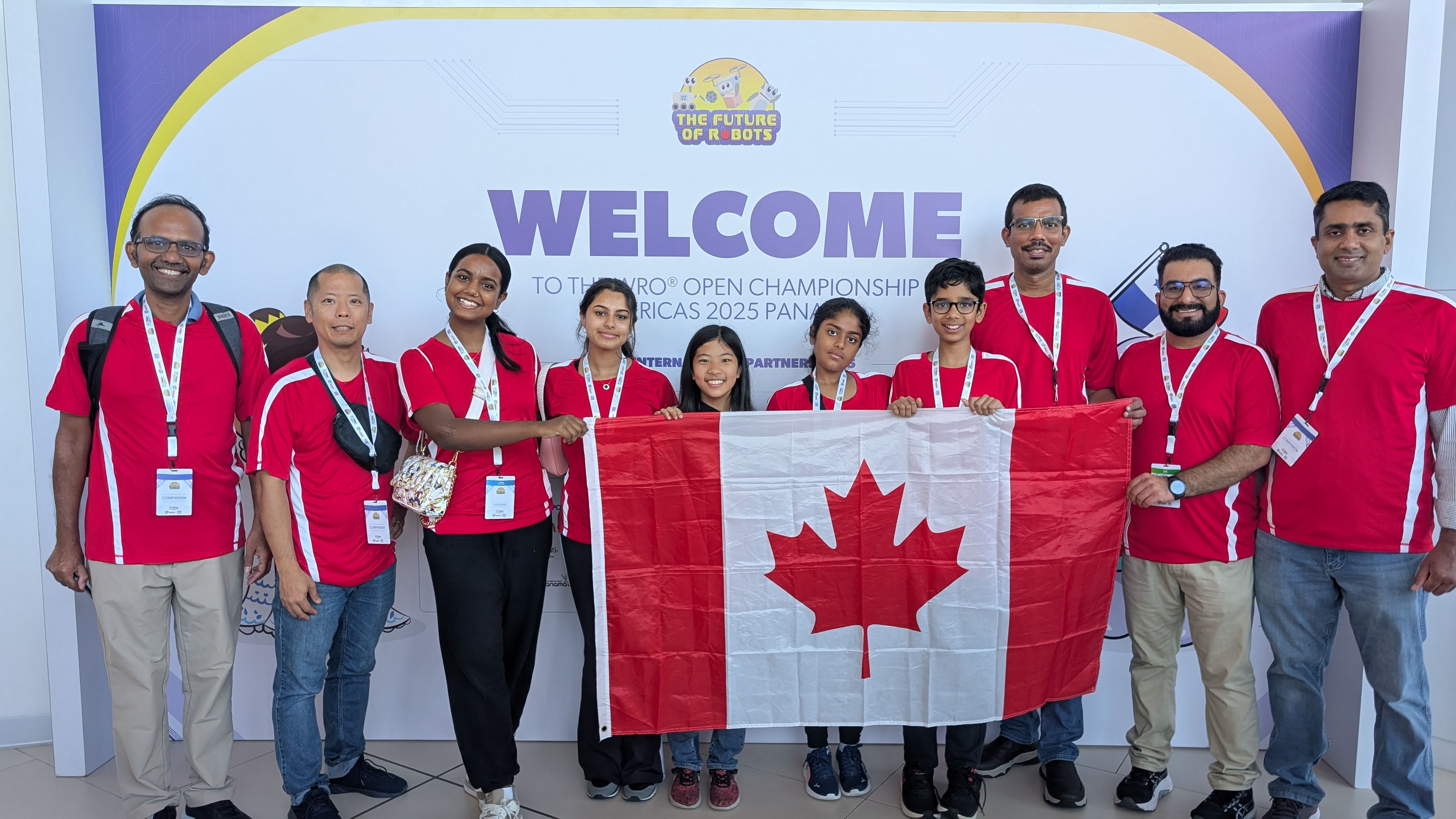
At the Americas Championship in Panama, two teams from Zebra Robotics demonstrated what passion and perseverance can achieve.
Pink Boba Pearls secured 4th place in the Future Engineers category, inspiring many younger students with their rapid skill development and dedication. Learning to code from scratch turned into their robot BETI. What started as an idea became a symbol of their perseverance and creativity.

Berry & Teddy, one of the youngest teams to represent Canada in their category, competed against mostly high-school and university students. Learning how to program and build EV3 models just for this competition, they exceeded expectations and narrowly missed the playoffs with their tennis robots, “Berry” and “Teddy.”

These teams from our Ajax and Meadowvale locations showed that age is no barrier when curiosity and determination lead the way.

3. Singapore – WRO Worlds (November 2025)
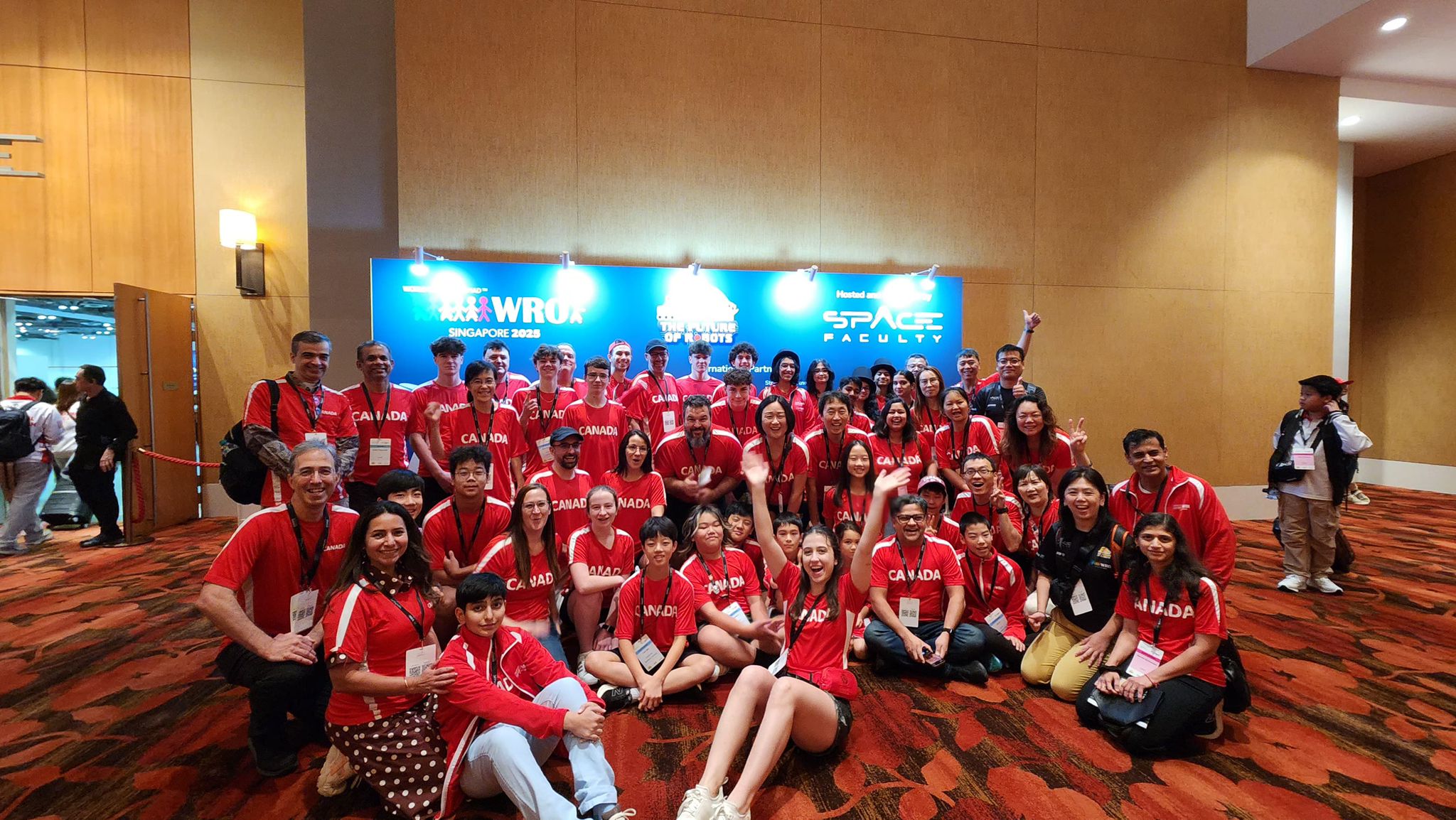
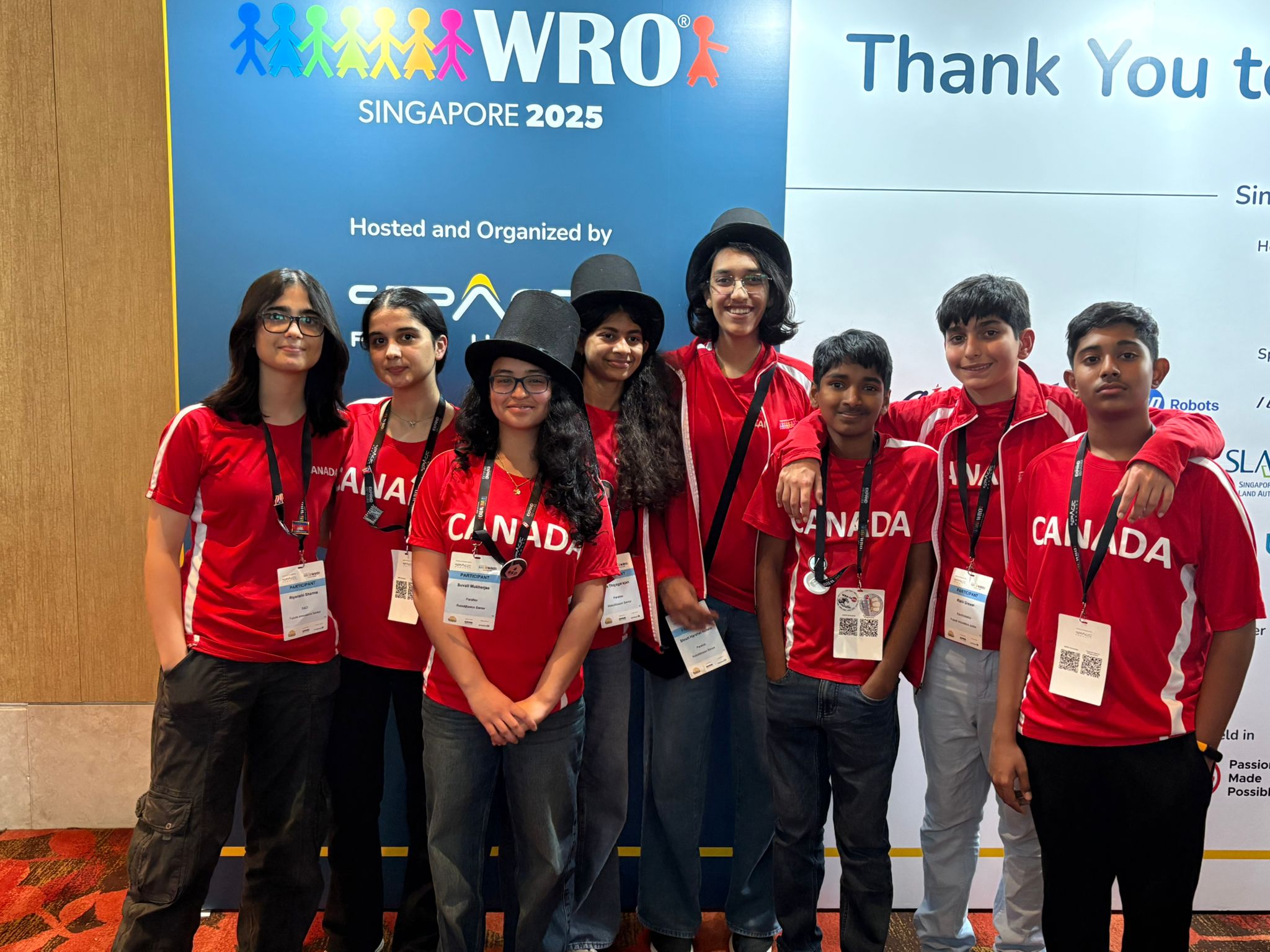
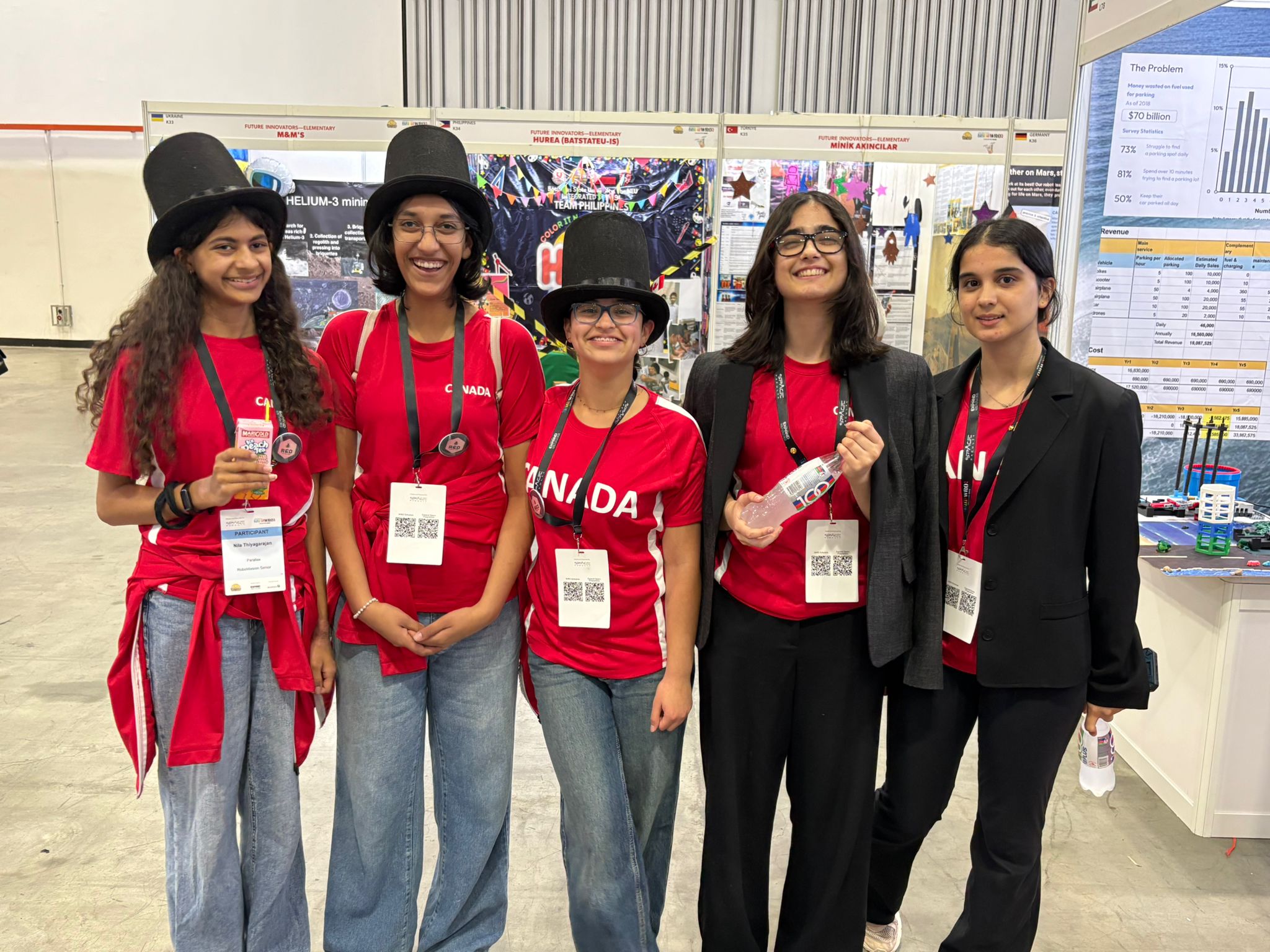
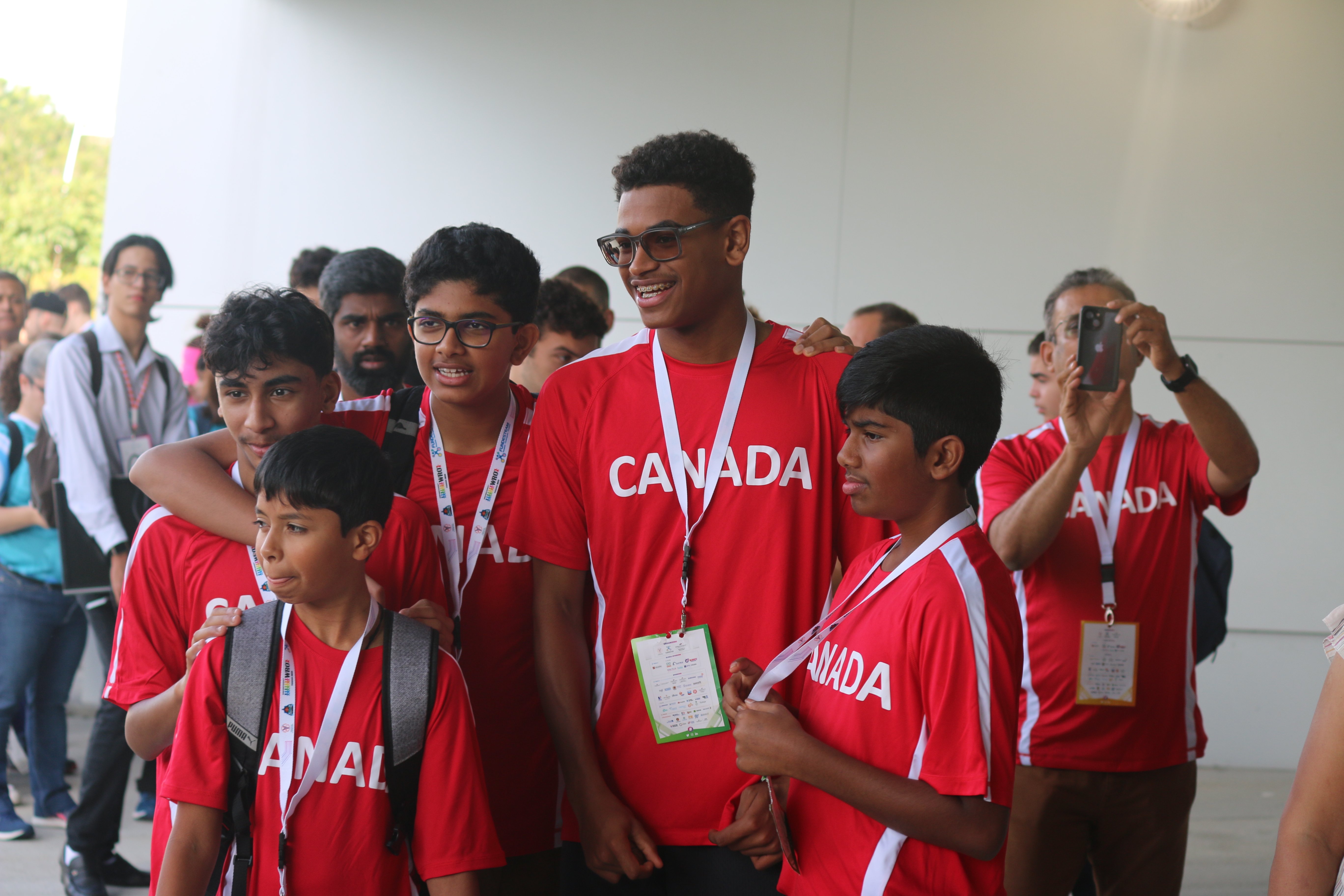
The world stage in Singapore gathered delegates from 87 countries for one of the most competitive WRO events to date. Coming off a clean sweep of first place in three categories at the WRO Nationals in Montreal (May 2025), Zebra Robotics Meadowvale proudly sent three teams to the Singapore Worlds Competition to represent Canada.

Parallax (Robo Mission Senior) impressed spectators and judges alike with their highly detailed robot design. Despite unexpected sensor and mechanical challenges on Day 2, the team worked tirelessly to troubleshoot and made a strong comeback by Day 3.

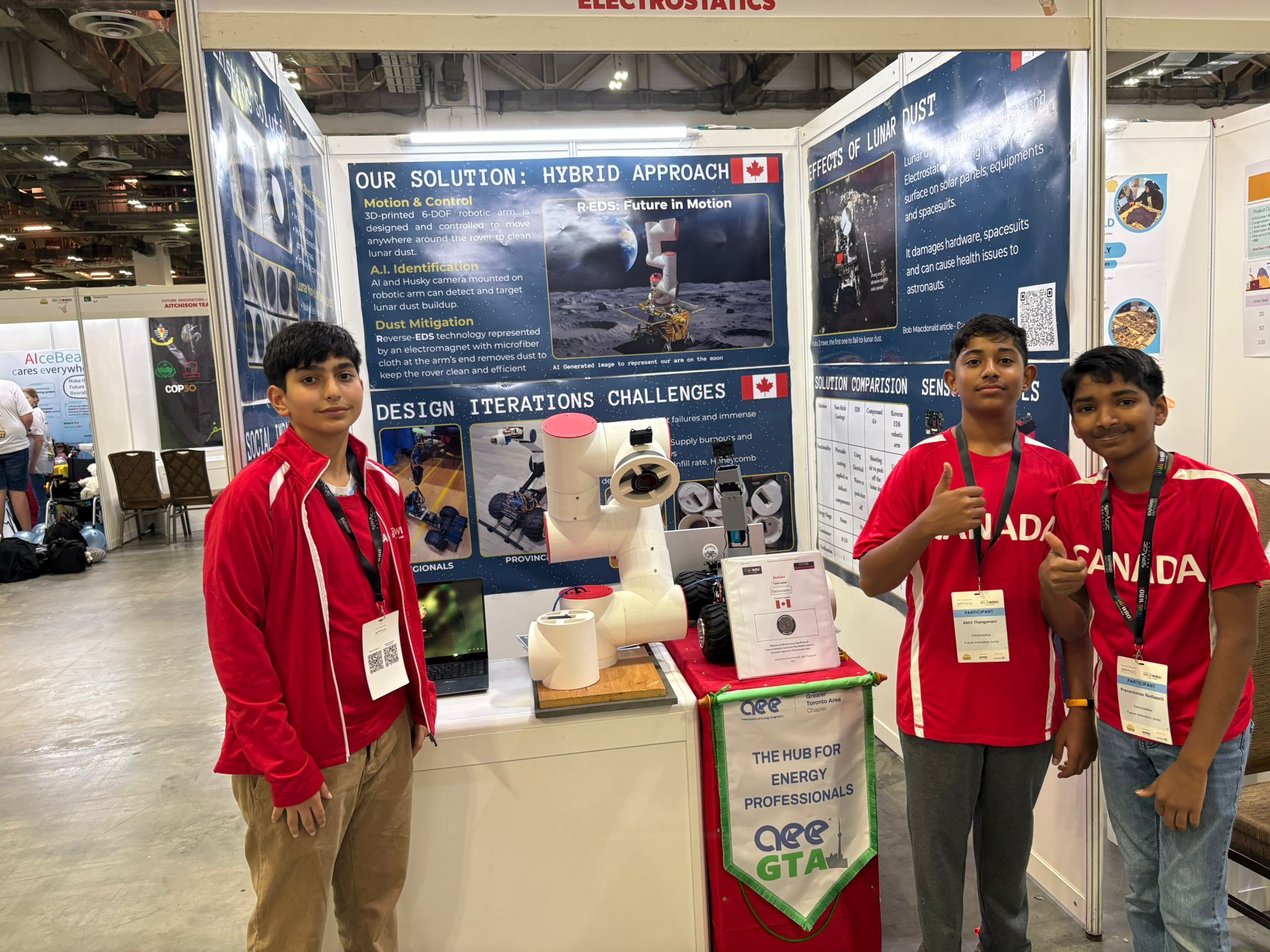
In the Future Innovators category, Team R&D finished 4th, missing a podium finish by only 0.5 points, while Team Electrostatics claimed 7th place.

Continuing Canada’s Legacy at WRO

In a competition historically dominated by Eastern nations, Canada continues to rise as a strong Western presence, and Zebra Robotics is honoured to be part of that movement.
Over the past several years, Zebra Robotics teams have consistently ranked in the top 10 globally at WRO Internationals. Our students’ commitment to learning, problem-solving, and innovation drives us forward year after year.
As we celebrate an exciting 2025 season, we are already gearing up for 2026. New projects are underway, new teams are forming, and the passion for robotics within our community is stronger than ever.
Here’s to another year of inspiring students, building world-class teams, and pushing the boundaries of robotics education in Canada.

Stay tuned—2026 is going to be big!!

The Heartbeat of Robotics: What Makes a Zebra Mentor Special

At Zebra’s STRIPE competitions since 2022, we’ve noticed something beautiful: the most successful teams aren’t always the ones with the fanciest robots. They’re the ones whose coaches have mastered the delicate art of teaching kids how to think, not what to think.

You know that moment when a student’s eyes light up—not because they got the right answer, but because they finally understand the question? That’s where the real magic happens in robotics mentorship.

Let me introduce you to three such mentors who’ve left permanent fingerprints on our programs.Their approaches are as different as their personalities, but they all share one secret ingredient: they remember what it felt like to be a beginner.

The Mentor Who Says Less to Teach More

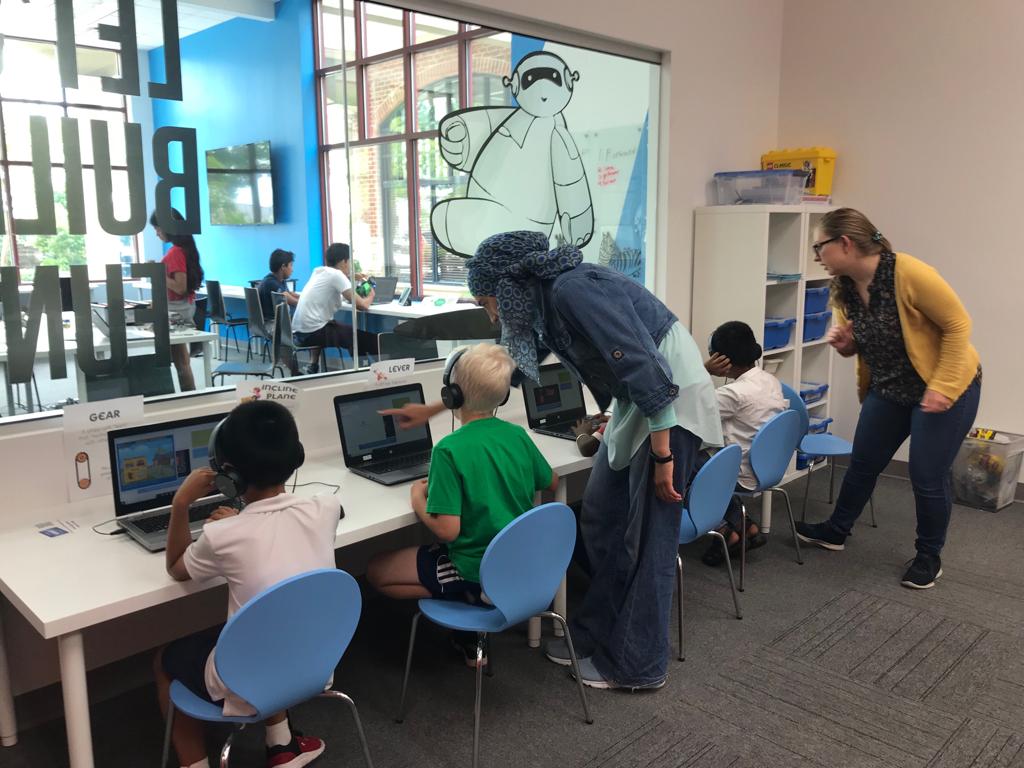
You’ll find Coach Sanjana in her natural habitat: sitting cross-legged on the floor surrounded by frustrated middle schoolers, asking dangerous questions like:

“What would happen if we tried the exact opposite of what the instructions suggest?”

Her superpower? Silence. She’ll watch a robot fail spectacularly three times before gently asking, “What pattern do you see in these crashes?” The moment when students realize she’s known the solution all along—but let them discover it themselves—is pure gold.

“During Last STRIPE season,” she told me, “a student rebuilt our entire chassis because I wouldn’t tell her which screw was loose. She named the robot ‘The Professor’ because it taught her more than I ever could.”

The Mentor Who Builds Families, Not Just Teams

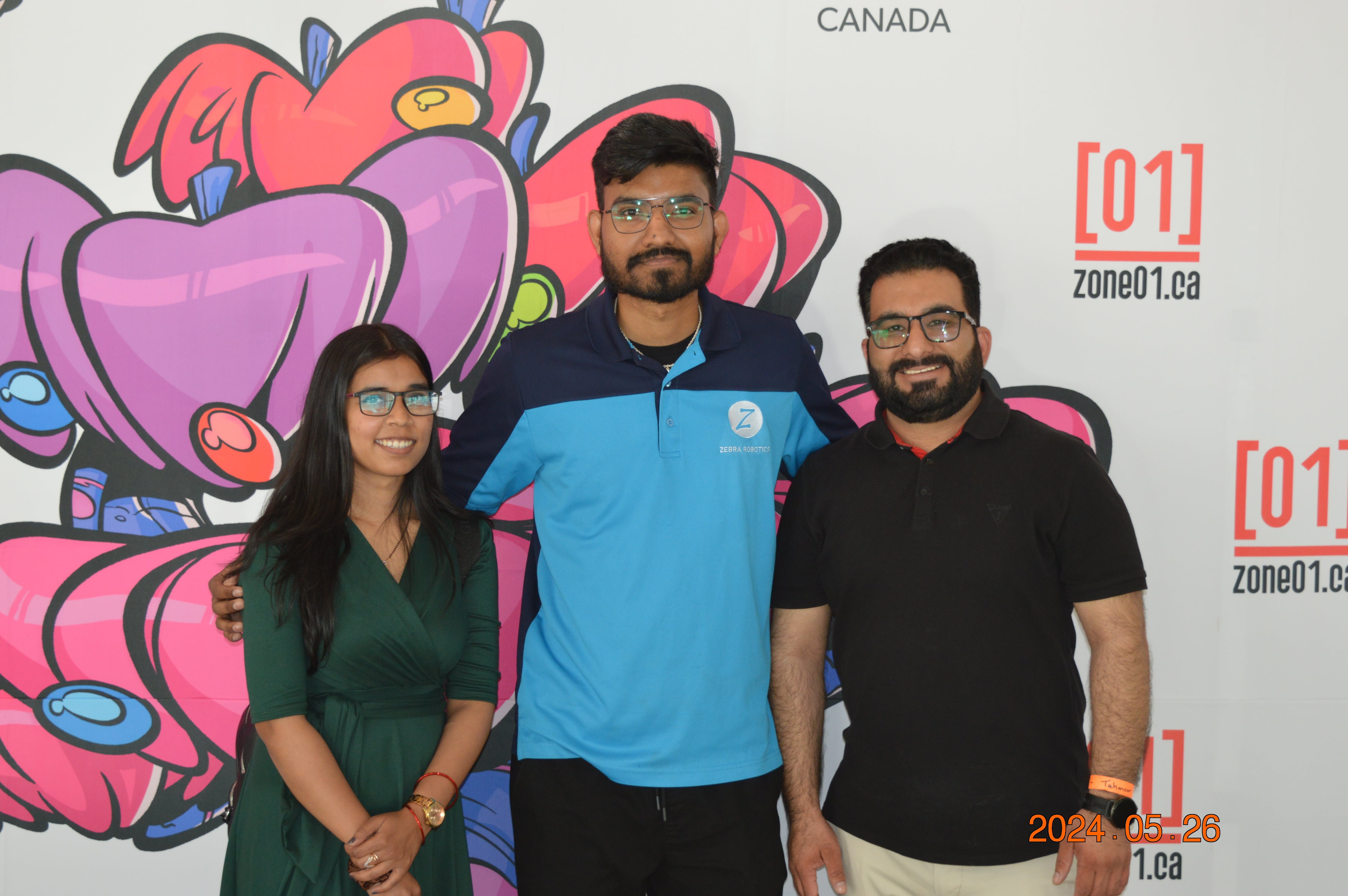
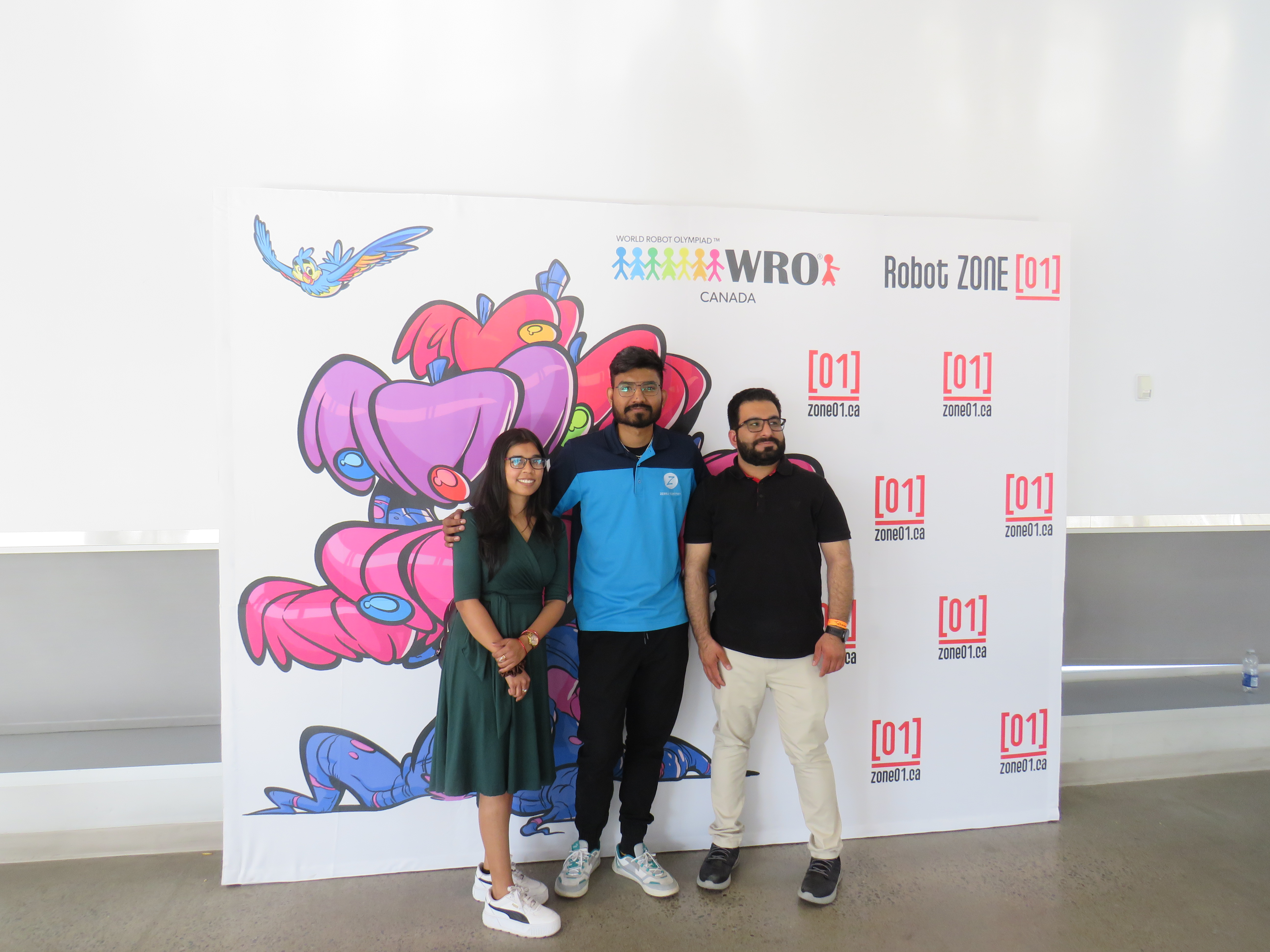
Coach Tahmoor runs his team like a tiny startup where everyone has two titles: their technical role and their human role. You might be the “Lead Programmer and Chief Encouragement Officer” or the “Hardware Specialist and Conflict Resolver.”

His secret weapon? The “Before We Build” ritual:

  1. Share one non-robotics thing happening in your life
  2. Name one teammate’s strength you’re grateful for
  3. Predict one thing that will go wrong today (and laugh about it in advance)

“We thought we’d lost our star coder when her family relocated last November,” Tahmoor remembers. “But every Tuesday at 4 PM, without fail, her pixelated face would appear on our laptop screen, troubleshooting code from 2,000 miles away. Some bonds outlast zip codes.”

The Mentor Who Keeps the Play in Programming

Coach Vikram workspace looks like a mad scientist’s birthday party. There’s a “Wall of Epic Fails” celebrating broken prototypes, a few drone bots, and a couple of 3d printers 

His philosophy? “If you’re not occasionally laughing so hard that soda comes out your nose, you’re doing robotics wrong.”

When tensions run high before competitions, he’ll suddenly announce: “Emergency dance party! Your robot can’t learn from stressed-out humans.” The kids groan every time—and every time, it works.

“The real win isn’t trophies,” Vikram says. “It’s when alumni visit and say, ‘I chose my major because of how you made circuits feel like play.’”

The Thread That Connects Them

What makes these Zebra mentors extraordinary isn’t their technical expertise (though they have plenty). It’s that they:

  • Listen to what students aren’t saying (the nervous fidgeting, the hesitation to ask for help)
  • Remember that robotics is just the vehicle for teaching resilience and creativity
  • Measure success in lightbulb moments, not just scoreboard results

As one parent wrote to us: “My daughter came home and said, ‘My coach believes in me more than I believe in myself.’ That’s the kind of math that really adds up.”

To all the mentors reading this—whether you’re with Zebra or cheering from elsewhere—thank you for being the quiet force behind so many young discoverers.The robots are lucky to have you.

The Impact of AI on Coding: Why Learning to Code is More Important Than Ever

“Young students working on a coding project, exploring the intersection of AI and robotics at Zebra Robotics.”

Artificial Intelligence (AI) is transforming industries, automating tasks, and reshaping the way we work. As AI becomes more advanced, many people are asking: “What is the impact of AI on the need for coding knowledge?” and “Does AI make coding less necessary?” At Zebra Robotics, we believe that the rise of AI makes coding education more important than ever. Here’s why.

What is the Impact of AI on the Need for Coding Knowledge?

AI is undoubtedly changing the coding landscape, but it’s not replacing the need for coding knowledge—it’s enhancing it. Here’s how:

Coding as a Foundation for AI:
Understanding coding is essential for working with AI. Whether it’s writing algorithms, debugging AI models, or integrating AI into applications, coding remains a critical skill.

AI as a Tool, Not a Replacement:
AI is a powerful tool that can automate repetitive tasks, but it still requires human oversight and input. Coders are needed to design, train, and refine AI systems.

New Opportunities in AI Development:
The rise of AI has created new roles in machine learning, data science, and AI ethics, all of which require strong coding skills.

 Does AI Make Coding Less Necessary? Are Coders’ Jobs at Risk?

While AI can automate certain aspects of coding, it doesn’t make coding less necessary—it shifts the focus of what coders do. Here’s why coders’ jobs aren’t at risk:

  • AI Can’t Replace Creativity and Problem-Solving:
    AI excels at common tasks, but it lacks creating custom solutions that is specific to a particular business problem, the creativity and critical thinking skills that human coders bring to the table are hard to be replace. Coders are needed to solve complex problems, design innovative solutions, and think outside the box.
  • The Human Touch in Coding:
    Coding isn’t just about writing lines of code—it’s about understanding user needs, designing intuitive interfaces, and creating meaningful experiences. These are areas where human coders excel.
  • AI Creates More Jobs Than It Replaces:
    According to the World Economic Forum, AI is expected to create 97 million new jobs by 2025, many of which will require coding skills.
“Zebra Robotics students celebrate their success at STRIPE competition, showcasing their coding and problem-solving skills.”

Why Learning to Code is More Important Than Ever

As AI continues to evolve, coding education becomes even more critical for the next generation. Here’s why:

  1. Critical Thinking and Problem-Solving:
    Learning to code helps children develop essential skills like logical reasoning, algorithmic thinking, and debugging—skills that are crucial in an AI-driven world.
  2. Kids for Future Careers:
    Whether it’s developing AI systems, working in cybersecurity, or designing apps, coding is a foundational skill for many high-demand careers.
  3. Creativity and Innovation:
    Coding empowers children to bring their ideas to life, whether it’s creating a game, building a robot, or developing an AI-powered app.
  4. Resilience and Adaptability:
    In a world where technology is constantly changing, coding teaches children to adapt, learn new tools, and embrace challenges.
“The Zebra Robotics logo, representing our commitment to empowering the next generation of coders and innovators.”

Zebra Robotics: Preparing Kids for an AI-Driven Future

At Zebra Robotics, we’re committed to helping children develop the skills they need to thrive in an AI-driven world. Our programs:

  • Introduce kids to coding and robotics through hands-on, project-based learning.
  • Teach critical thinking, problem-solving, and creativity—skills that AI can’t replicate.
  • Provide a supportive environment where kids can explore, experiment, and innovate.

The rise of AI doesn’t make coding less important—it makes it more essential than ever. By learning to code, children develop the skills they need to succeed in a technology-driven world, from critical thinking and problem-solving to creativity and innovation. At Zebra Robotics, we’re proud to empower the next generation of coders, innovators, and problem-solvers.


How Robotics and Coding Enhance Critical Thinking Skills

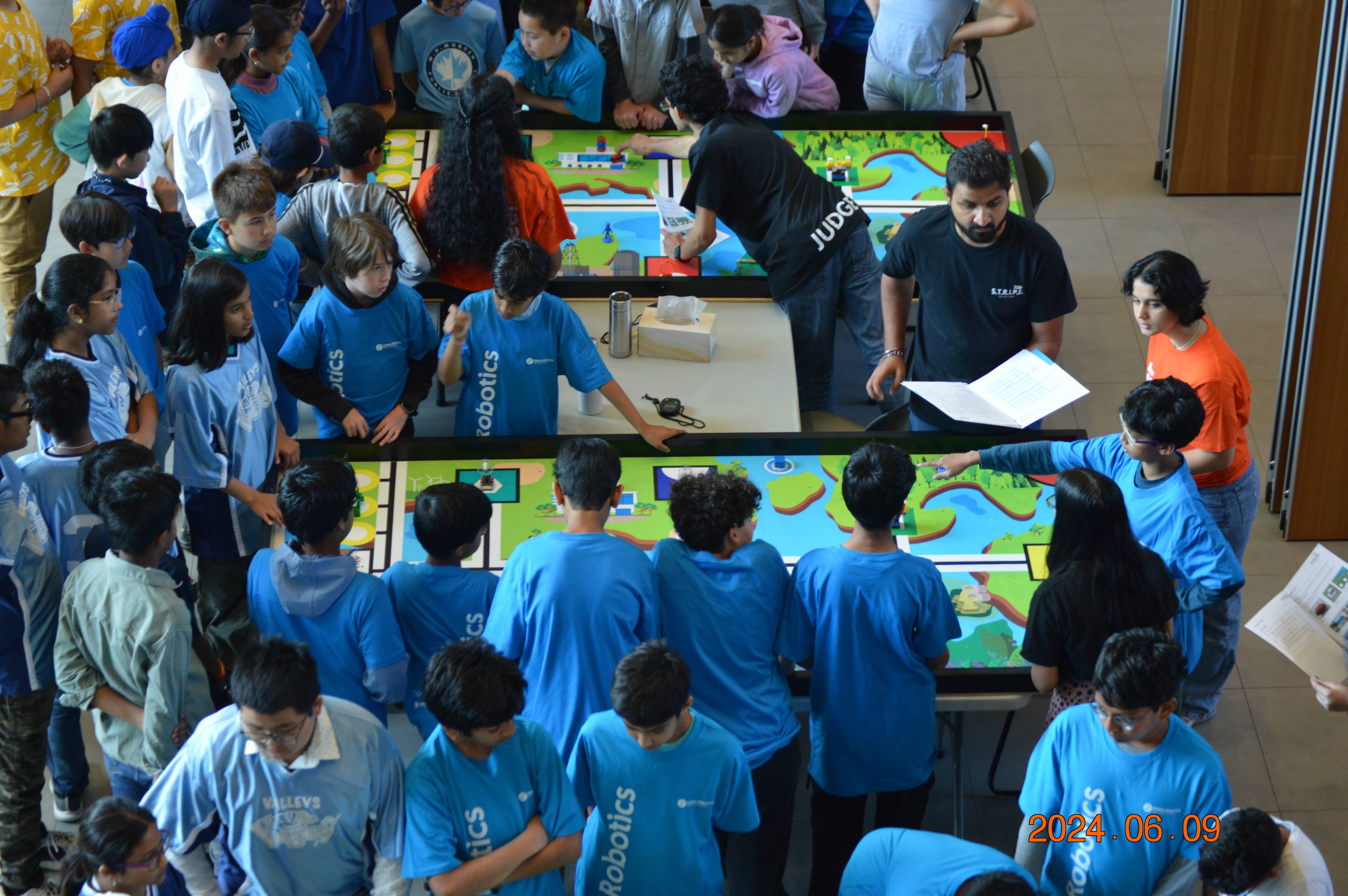
Coach Ram guiding young innovators as they tackle robotics challenges at the STRIPE Competition. With teamwork, strategy, and problem-solving at play, these students are preparing to push the boundaries of STEM learning!


In today’s fast-paced, information-rich world, critical thinking skills are more important than ever. These skills empower individuals to analyze information objectively, evaluate evidence, and make informed decisions. For parents in British Columbia (BC), where the demand for STEM education is growing, robotics and coding offer a unique and engaging way to help children develop these essential skills. At Zebra Robotics, we’re proud to bring our innovative programs to BC, fostering the next generation of critical thinkers and problem-solvers.

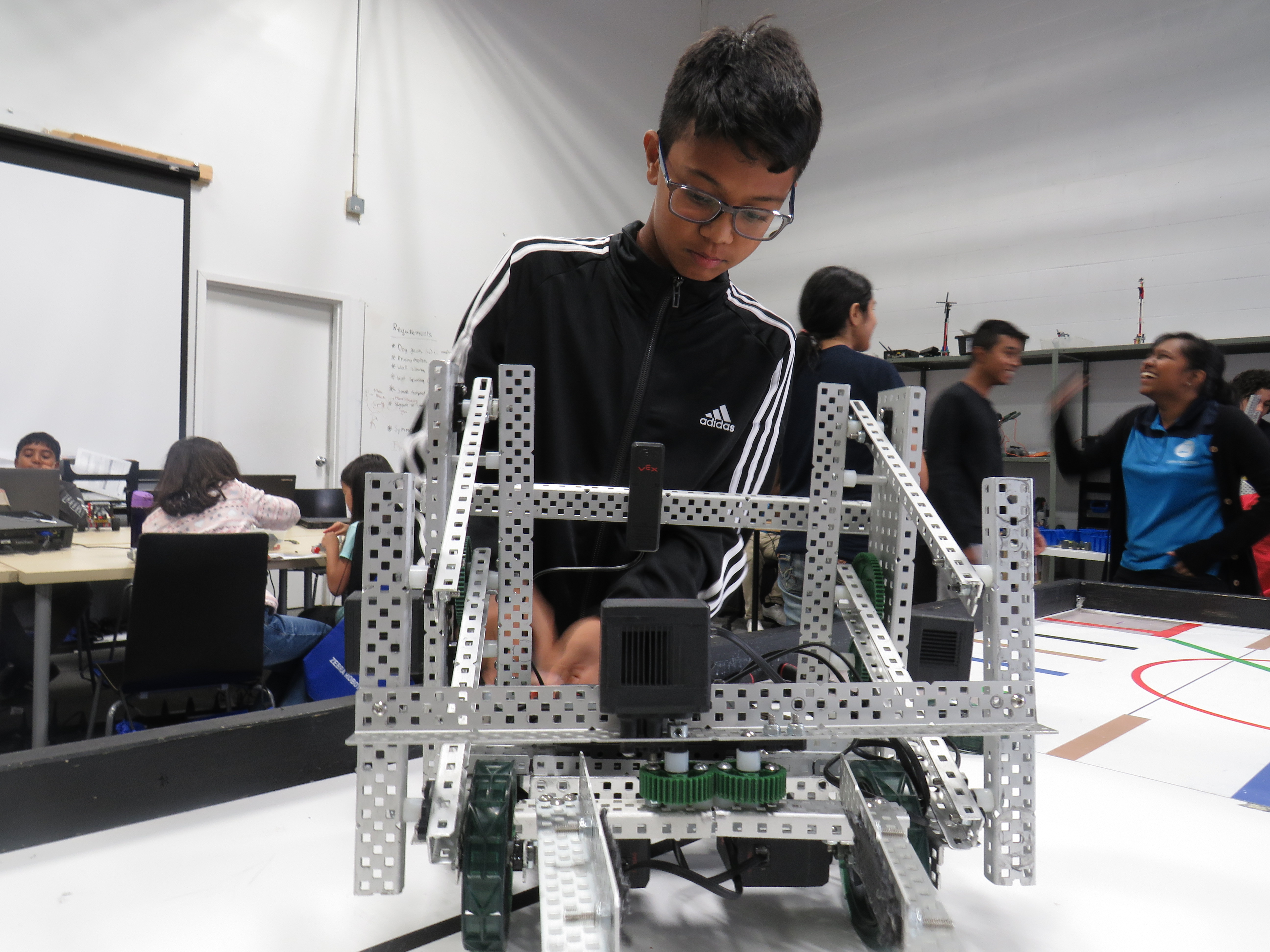
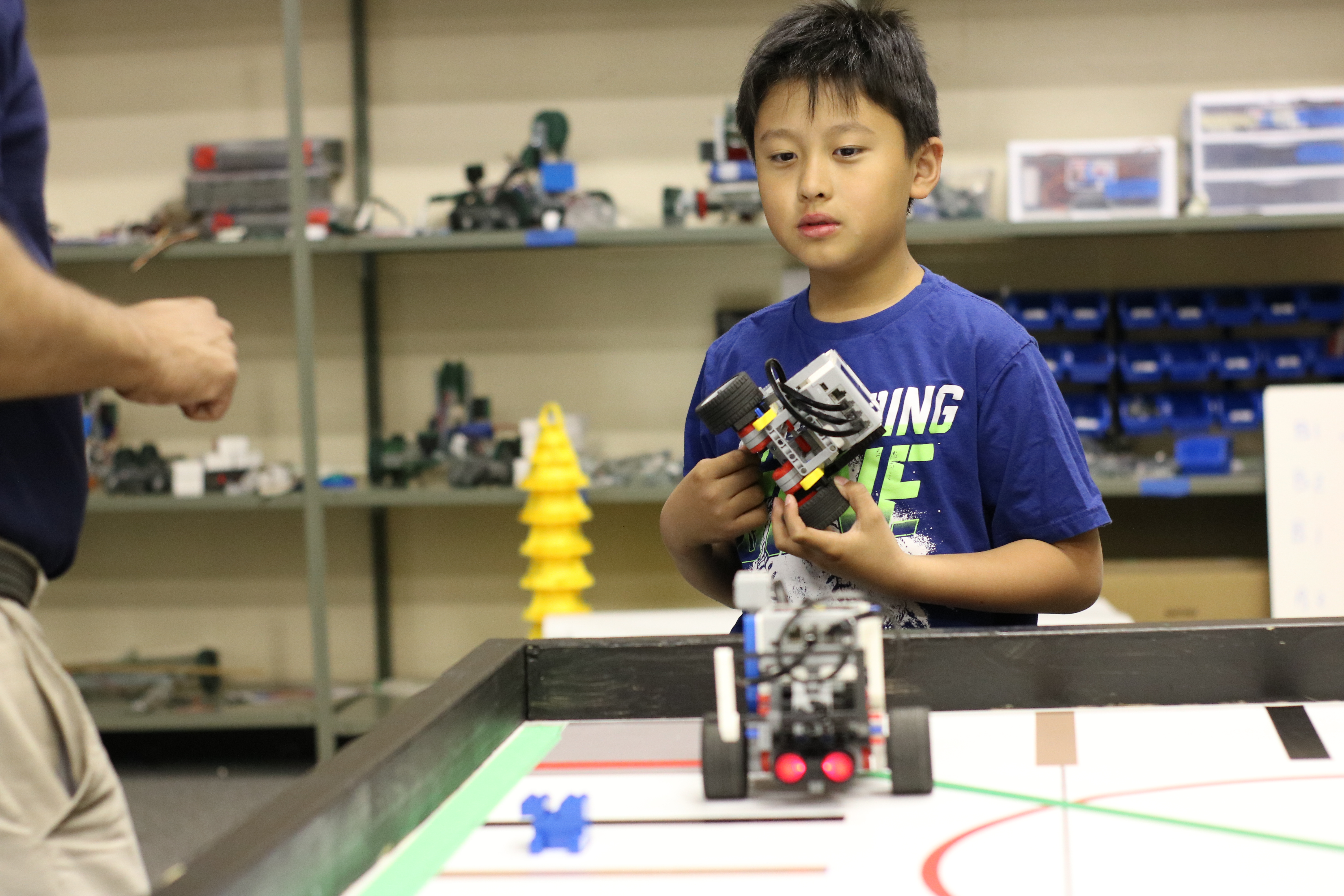
Precision, creativity, and engineering in action! A dedicated young innovator fine-tunes his robot, bringing ideas to life through hands-on STEM learning at Zebra Robotics.

How Robotics Enhances Critical Thinking

  1. Problem Identification and Analysis:
    Robotics projects often present complex challenges that require students to identify the root cause of problems and analyze potential solutions. For example, building a robot to navigate a maze involves understanding the problem, brainstorming solutions, and evaluating the best approach.
  2. Design and Planning:
    Designing and building a robot involves careful planning. Students must consider factors like functionality, materials, and programming, which enhances their ability to think strategically and plan effectively.
  3. Testing and Iteration:
    The process of testing and refining a robot encourages students to analyze results, identify areas for improvement, and iterate on their designs. This iterative process is at the heart of critical thinking and innovation.
  4. Troubleshooting:
    When a robot doesn’t work as expected, students must use their critical thinking skills to diagnose the problem and find a solution. This hands-on problem-solving builds resilience and adaptability.
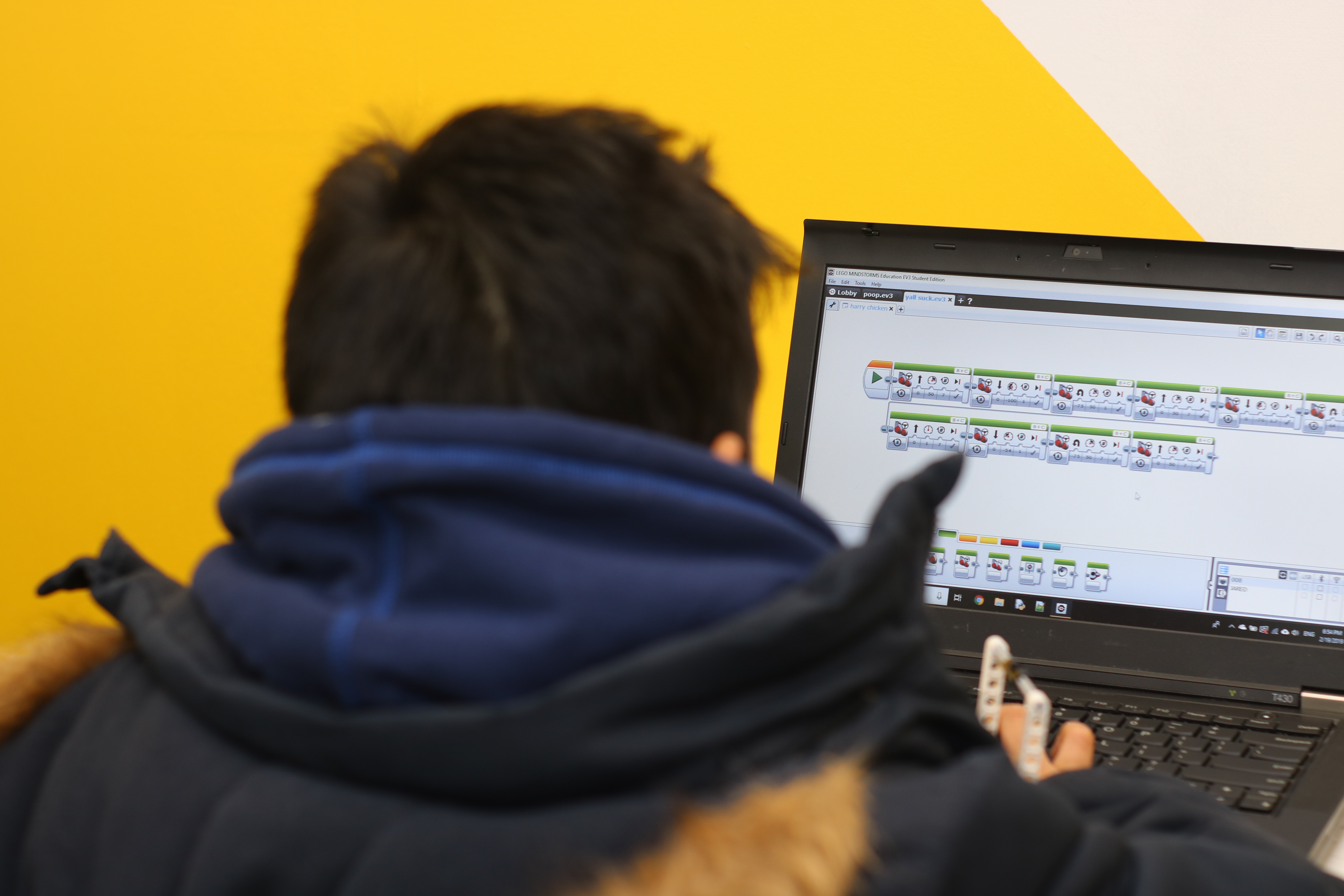
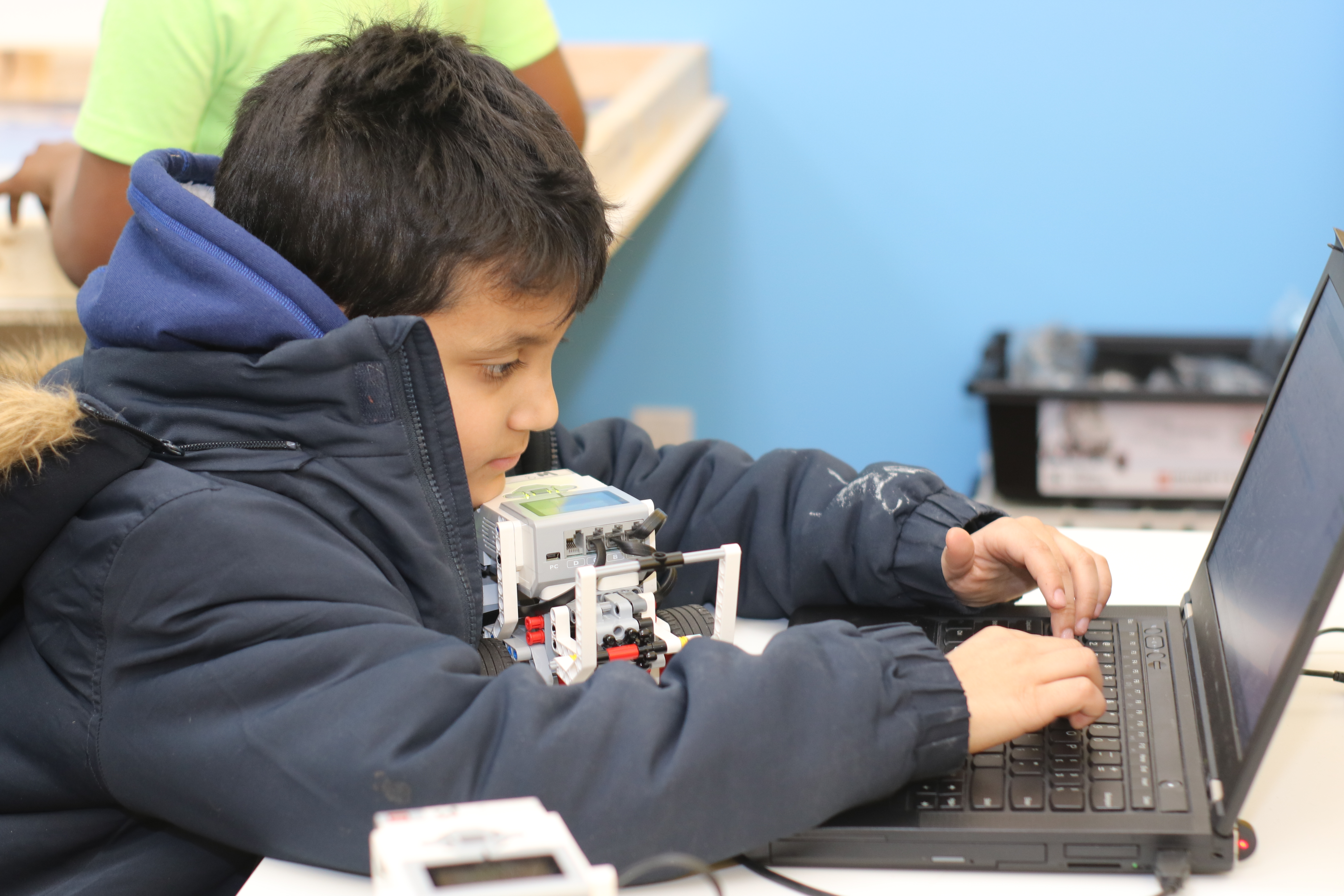
Programming the future—one block at a time! A young coder focuses on refining their LEGO robotics project, turning creativity into code at Zebra Robotics.

How Coding Enhances Critical Thinking

  1. Logical Reasoning:
    Coding involves breaking down complex tasks into smaller, logical steps. This process strengthens logical reasoning skills, helping students approach problems methodically.
  2. Algorithmic Thinking:
    Creating algorithms requires students to think systematically and develop step-by-step instructions for a computer to follow. This skill is essential for solving real-world problems efficiently.
  3. Debugging:
    Identifying and fixing errors in code requires careful analysis and attention to detail. Debugging teaches students to think critically and persist through challenges.
  4. Abstract Thinking:
    Coding often involves working with abstract concepts and data structures, which helps students develop abstract thinking skills. This ability to think beyond the concrete is crucial for innovation.

Critical thinking is the foundation of innovation, and at Zebra Robotics, we believe every child has the potential to think critically, solve problems, and create a better future. Through robotics and coding, we’re empowering students in British Columbia to tackle challenges, think creatively, and build the skills they need to thrive in a technology-driven world.”
– Satish Thiyagarajan, Co-founder and CEO, Zebra Robotics

Zebra Robotics: Fostering Critical Thinking Through Robotics and Coding

At Zebra Robotics, we’re committed to helping students in British Columbia develop critical thinking skills through our hands-on programs:

  • Challenging Projects: Our robotics and coding projects are designed to push students to think critically and creatively.
  • Project-Based Learning: We use a project-based approach that encourages experimentation, collaboration, and problem-solving.
  • Expert Guidance: Our experienced instructors provide the support and mentorship students need to succeed.

Why Choose Zebra Robotics in BC?

As we expand into British Columbia, we’re excited to bring our award-winning programs to families in the region. Here’s why parents in BC are choosing Zebra Robotics:

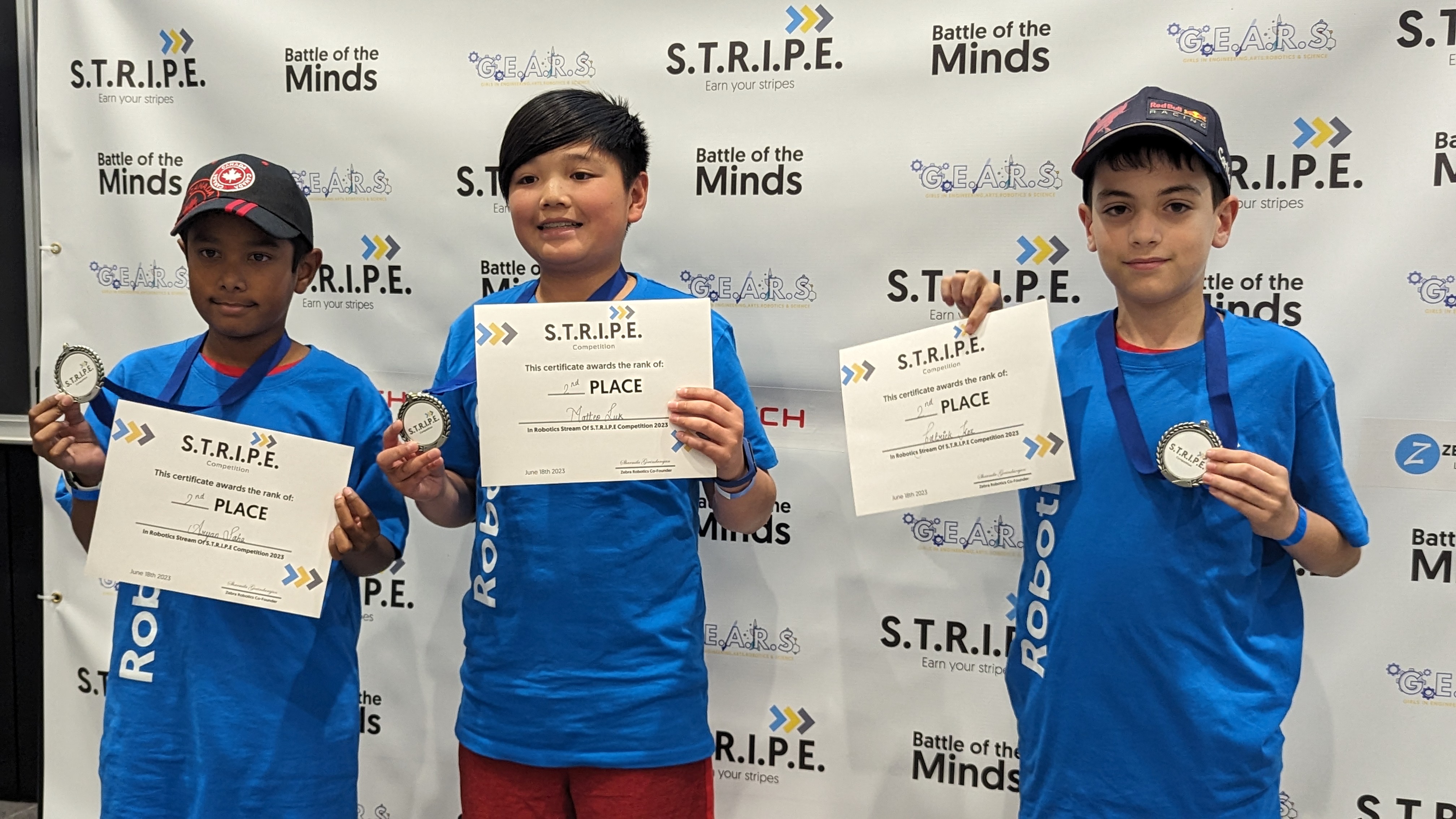
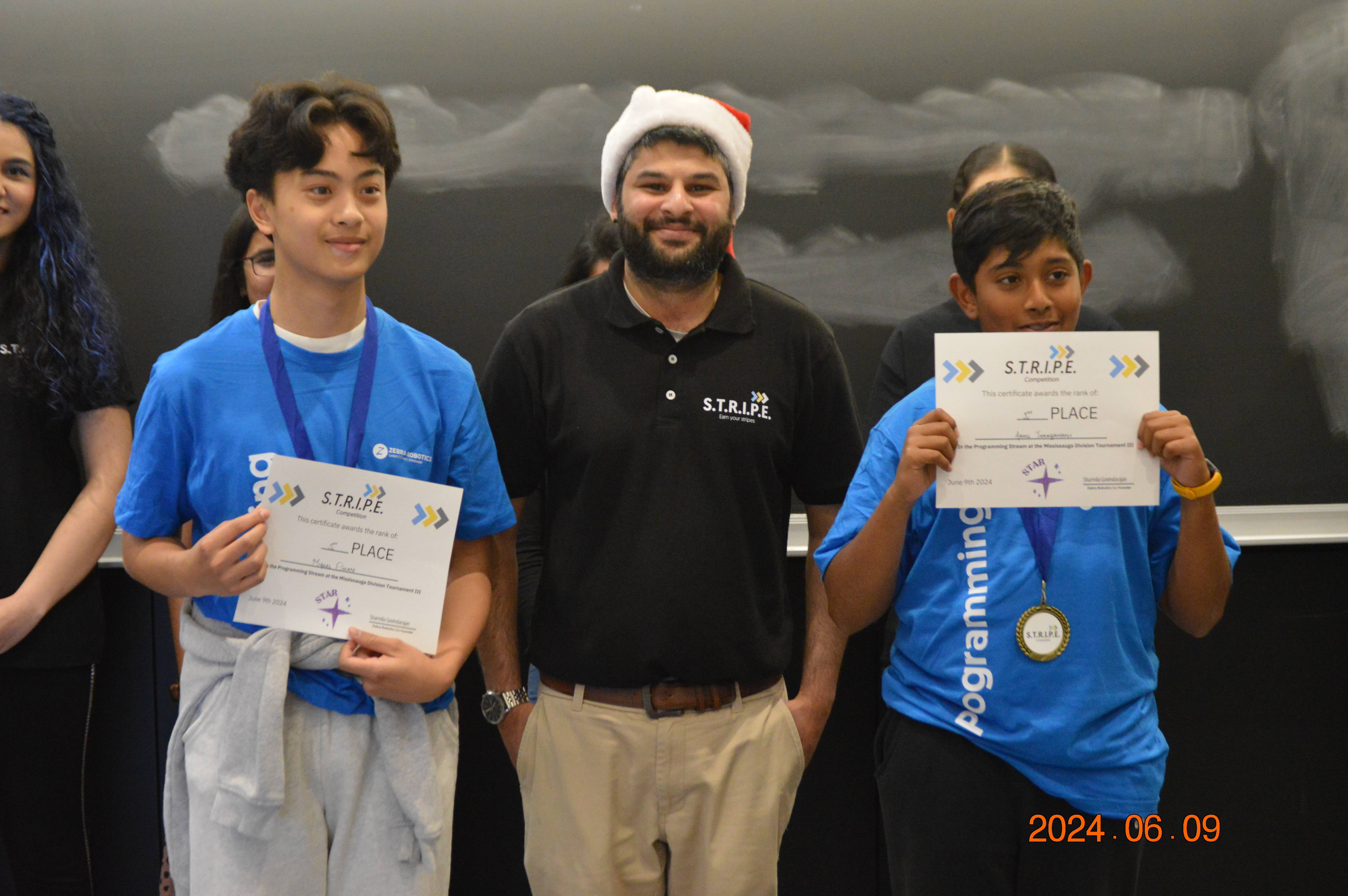
Coach Asad proudly poses with his team of young innovators after their big win at the STRIPE Competition! Celebrating their hard-earned certificates!
  • Proven Success: Our students have excelled in prestigious competitions like the STRIPE Competition, FIRST LEGO League, and VEX Robotics.
  • Local Impact: We’re dedicated to supporting BC’s growing demand for STEM education and preparing students for future careers in technology and innovation.
  • Engaging Learning: Our programs make learning fun and interactive, ensuring students stay motivated and inspired.

Robotics and coding are more than just technical skills, they’re powerful tools for developing critical thinking, problem-solving, and innovation. By enrolling your child in Zebra Robotics, you’re giving them the opportunity to build these essential skills in a fun and engaging environment.

Ready to help your child develop critical thinking skills through robotics and coding? Visit our BC location page to learn more about our programs and register today!

AI and coding AI impact on jobs Americas Artificial intelligence CCC coding coding for kids Competition computer science Empowering young innovators Europe FLL Franchise Future Engineers Future Innovators Future of coding Future of work Importance of coding Montreal Open Championship Ottawa Panama python Robo Mission Robo Sports robotics robotics competition robotics for kids Singapore Slovenia STEM STEM and clean energy STEM career pathways STEM careers in BC STEM education STEM Education Franchise STEM in British Columbia STEM programs STRIPE Competition university admission university admissions Vancouver STEM Worlds WRO Zebra Robotics

Beyond the Rink and the Field: Why STEM Skills are a Winning Play for Your Child’s Future

British Columbia is known for its stunning landscapes and passionate sports culture. From cheering on the Canucks to watching kids score goals on the soccer field, sports play a vital role in our communities. But in today’s rapidly changing world, there’s another set of skills that are just as crucial for your child’s future success: STEM (Science, Technology, Engineering, and Mathematics).

Why Sports Are Great AND Why STEM is Equally Important:

Young Innovator at Work: Hands-on with robotics and coding, igniting a passion for STEM from an early age

We understand the value of sports. They teach teamwork, discipline, physical fitness, and resilience. These are all essential life skills. But STEM education offers a complementary set of advantages that are equally important in the 21st century:

  • Problem-Solving: STEM teaches children how to approach challenges logically and creatively, skills that are invaluable in any field.
  • Critical Thinking: In a world of information overload, STEM empowers kids to analyze data, evaluate evidence, and make informed decisions.
  • Innovation and Creativity: STEM fosters a spirit of innovation and encourages kids to think outside the box, leading to new ideas and solutions.
  • Future Career Opportunities: The demand for STEM professionals is growing rapidly. By giving your child a STEM foundation, you’re opening doors to a wide range of exciting career paths.
  • Adaptability in a Changing World: The world is constantly evolving, and STEM skills help kids adapt to new technologies and challenges.

Exploring the world of robotics: A young creator fine-tunes his robot for a hands-on learning experience in problem-solving and innovation

How STEM Complements Sports:

STEM isn’t about replacing sports; it’s about providing a well-rounded education. Think of it this way:

  • Sports build physical strength and teamwork. STEM builds mental strength and problem-solving.
  • Sports teach discipline and perseverance. STEM teaches critical thinking and innovation.

By combining sports and STEM, you’re giving your child the best of both worlds: a healthy body and a sharp mind, setting them up for success in all aspects of life.

Zebra Robotics: Where STEM Comes to Life:

Bringing ideas to life: A budding engineer programs his robot for the ultimate test of creativity and functionality

At Zebra Robotics, we make STEM learning fun and engaging. Our hands-on programs in robotics and coding allow kids to:

  • Build and program their own robots.
  • Develop problem-solving and critical thinking skills.
  • Collaborate with peers and learn teamwork.
  • Explore exciting STEM concepts in a supportive environment.

Just as you invest in your child’s athletic development, investing in their STEM education is an investment in their future. By embracing both sports and STEM, you’re giving your child the tools they need to thrive in the 21st century and beyond.

Visit our https://www.zebrarobotics.com/surrey to learn more about our programs and how we can help your child discover the exciting world of STEM!

Boldly, Autonomously, and Without Reservation

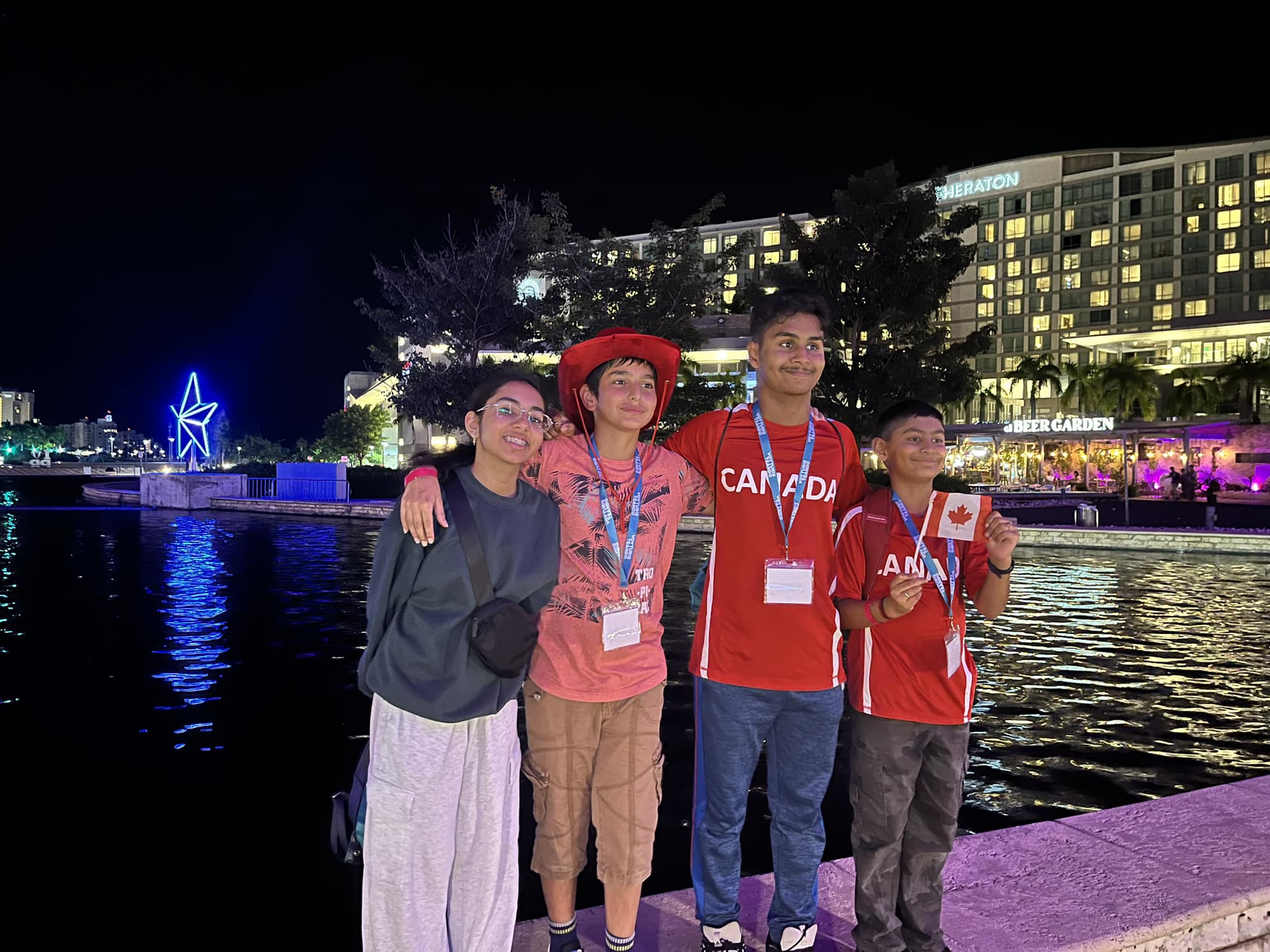
Beautiful beaches, incredible cuisine, and fierce robotic competition awaits all at the Puerto Rico WRO Invitational!

The two teams stopping by the water after the event.

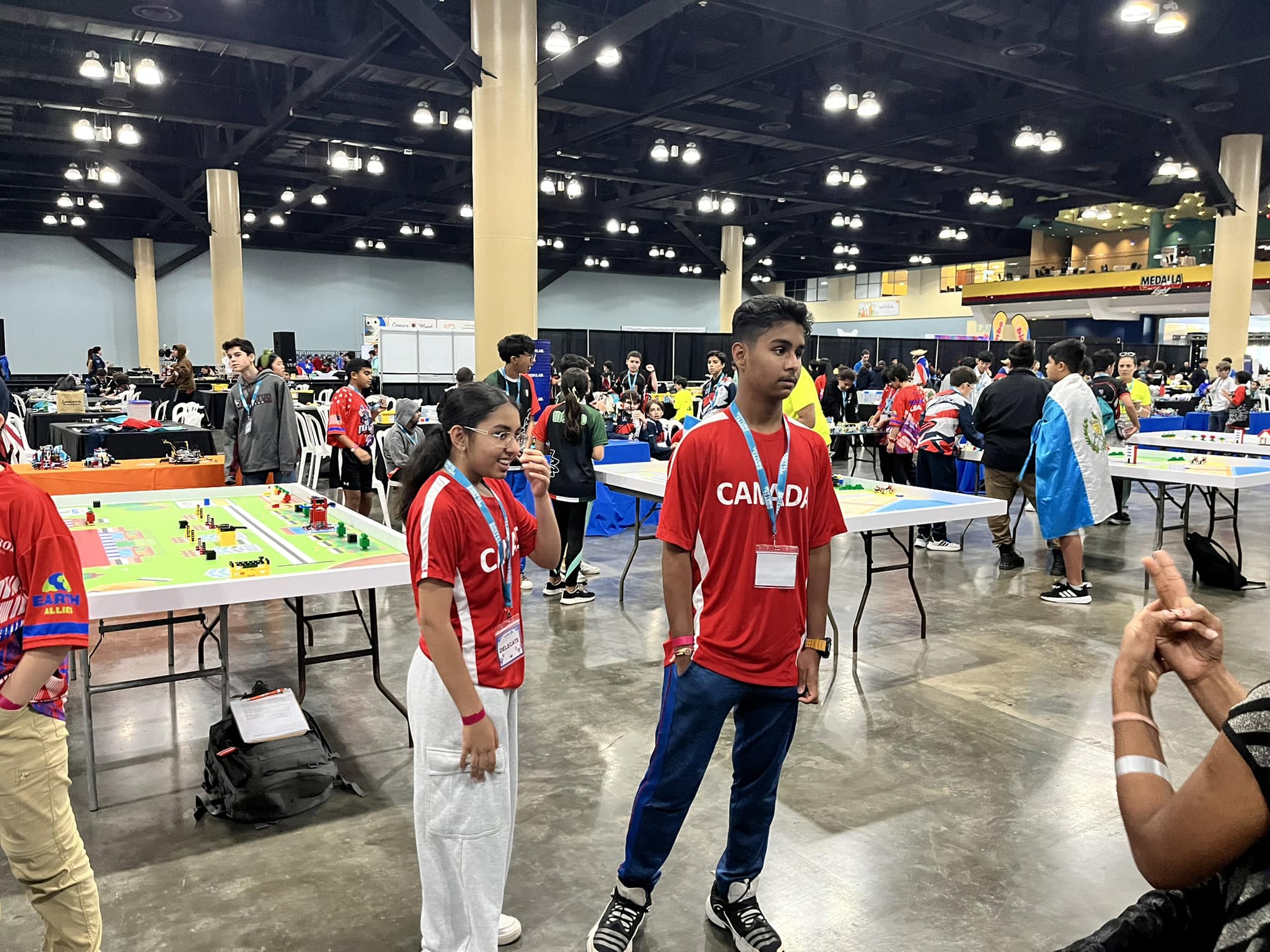
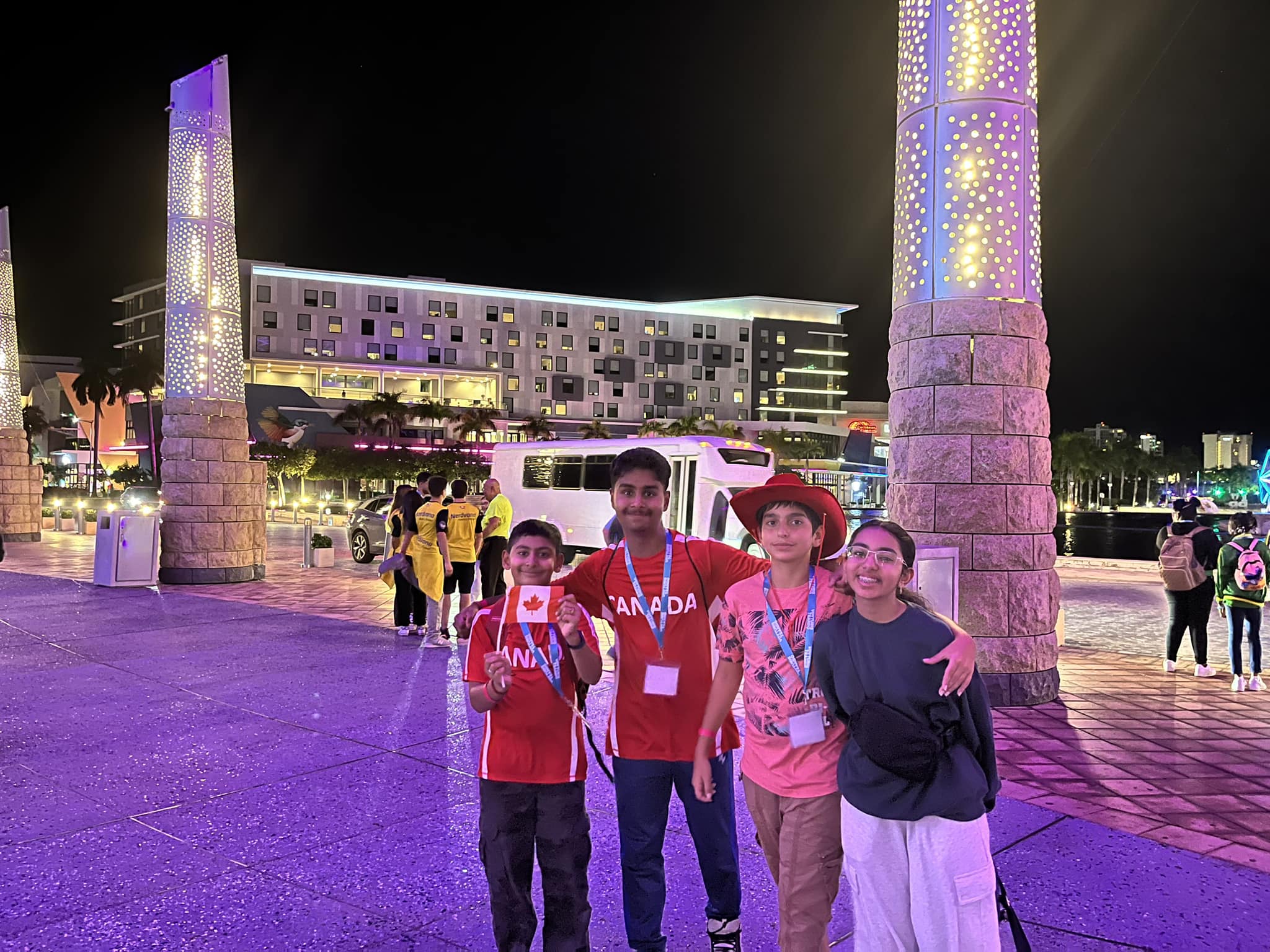
Last week saw two of our teams, Stunky Monkeys and AR 24, heading over to the Puerto Rico to compete in the World Robot Olympiad Invitations! These two teams were asked to represent Canada on the world stage, an honour they were excited to receive!

They spent a couple of short months preparing, perfecting their runs as best they could, while also trying to prepare for the surprise challenge. Surprise challenges often doesn’t get attempted by many teams due to their on-the-spot nature but can provide teams with a boost in points to help get them ahead.

Feeling confident, they packed their bags and headed down to beautiful Puerto Rico alongside the very founder of Zebra Robotics.

The first day brought many surprises. Competition was stiff with many strong teams from across the globe working hard to set themselves apart from the crowd, vying, of course, for first place by the end of the day. Doing so would make quite the impression, showing that the country they represent is to be taken seriously in the world of STEM.

Our teams worked hard running their robots with precision and fixing issues as they appeared. With a little bit of elbow grease and quick thinking they managed to secure not just a first-place position, but also a second-place position by the end of the day! Thus, cementing Canada as a dangerous competitor in the field of STEM. An incredible achievement!

At the event, representing Canada.

Day two became even more intense as teams began fueling their furnaces and beating their war drums. Some tried to change their tactics on the fly, while others stayed the path of their original plans. As the competition rose, our teams knew they needed to do something bold.

Their runs had been thus far consistent, a must for robotics. But the competition was getting fierce, and others had started to shake off their rust. The previous day had seen our teams attempting the surprise challenge which had helped them to pull ahead and get their first and second place wins. But doing so on the second day is much riskier. Not only is it a different surprise challenge from the day before, but you also get one less attempt at it, making it a sink or swim situation.

After carefully mulling it over, they decided the risk was worth it. They felt confident in their knowledge and capabilities. They’ve done so many competitions before. They’ve practiced their craft for what felt like forever. They knew they could do it.

With limited time, they wrote new code to attempt the final day’s surprise challenge, testing it only briefly before completing their final run. Few others even thought about trying to complete the surprise challenge, let alone take a crack at it. And so, when rubber hit mat, the judges were impressed by our team’s tenacity.

Posing for the camera after another fun day of competition.

As the day came to a close, the judges went to confer with one another. As the judges tallied, exchange score cards, and deliberated, everyone waited with bated breath. A conscious was reached. A decision made.

The totals were close, with only a handful of points separating winners in some cases. Out of twenty-four teams, our Elementary category team earned a fourth-place position, just barely below third. Out of thirty teams, our Junior category team also earned a fourth-place position, also just a few points away from third.

We are incredibly proud of our team’s hard work! While they were just shy of a podium finish, the fact that we shocked everyone with our first and second place positions on the first day is something to celebrate. Not only that, but our runs were consistent, something that is required for robotics. Especially if you want to do it as a career. And of course, the fact that both our teams attempted the surprise challenges shows that the knowledge we have imparted onto them gives them the ability to do things on their own. To act boldly, autonomously, and without reservation.            

Already our two teams are looking forward, hungrily eyeing their next competition, and already looking to prepare for their next attempt at first on the world stage. So keep an eye out, because sometime soon these incredible young engineers will be taking home the gold.

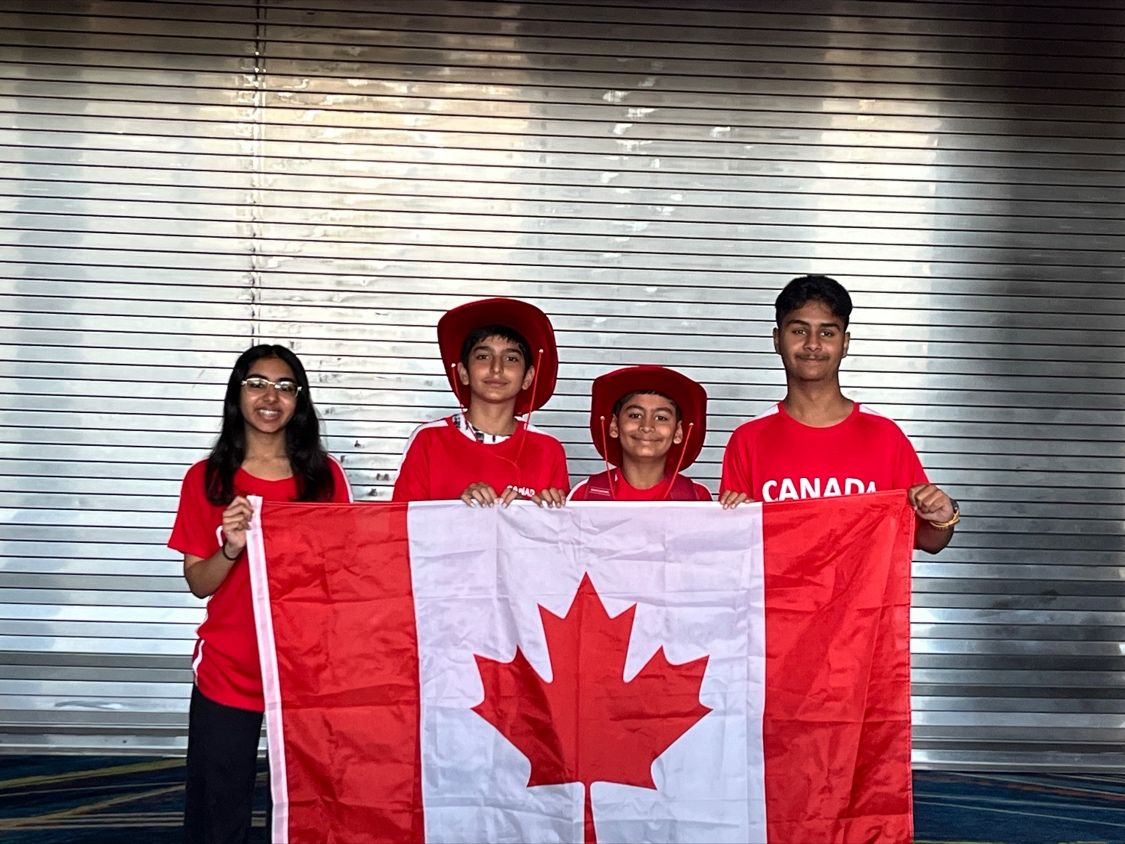
Stunky Monkeys and AR 24 posing with our flag.

Zebra Robotics is going to Turkey for International Competition!

The robots have been run, and the points have been totaled. It’s official: four Zebra Robotics teams are going to Turkey for the International World Robot Olympiad (WRO) in November! These teams have been working hard since regionals to make their dreams a reality. This work has paid off, as ALL FOUR TEAMS got first place in their respective categories!

WRO Teams Celebrate in Montreal

Team Agribots came first in the Elementary Future Innovators category! They redesigned their robot after the regionals to a more sleek-looking, polished design.

The Woodchucks came first in the Junior Future Innovators category! They spent a ton of time at Zebra knuckling down on their design, ensuring it would run well on the day of the competition.

Team -0.618 came first in the Senior Robomission category! This team set its sights high early in the season and has been studiously perfecting a robot based on advanced math and with an innovative, efficient design.

The Miracle Monkeys came first in the Junior Robomission category! No strangers to competition, they knew that if they put in the work, they would come out on top. And they did!

We are proud of all our teams, as they all took what they had learned over the years and skillfully applied their knowledge to design the best robots possible. We know they will represent Canada well on the world stage.

But the fun isn’t over yet! We have four more teams who may make it to international competition. We will know on Friday if two of our high-scoring teams will be able to compete in either Puerto Rico or Italy at WRO Open Invitationals. Zebra is also fielding teams in two additional categories whose regionals are in September: Future Engineers and Robosports. Stay tuned to our socials to see we are sending more teams to international competition!

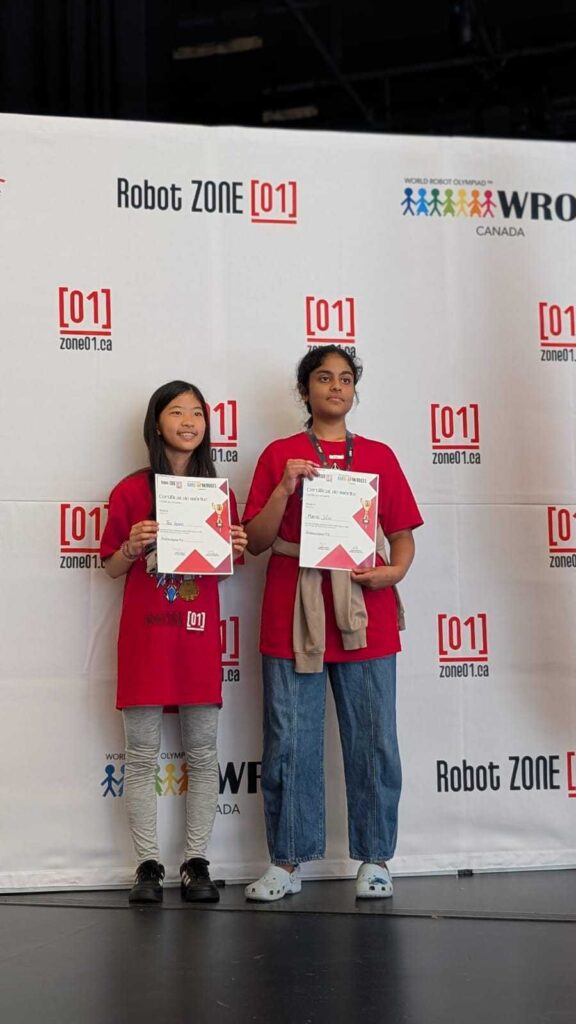
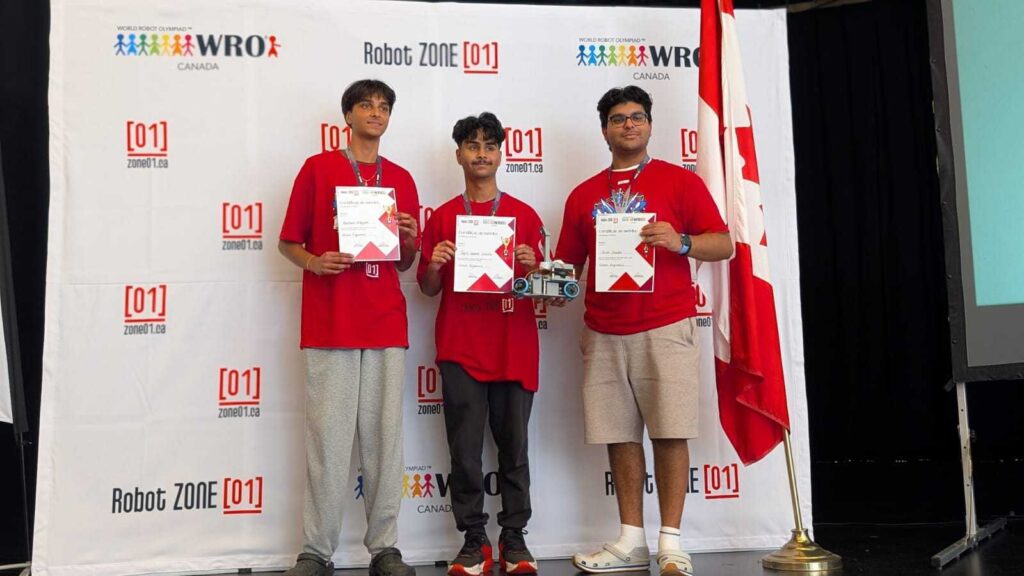
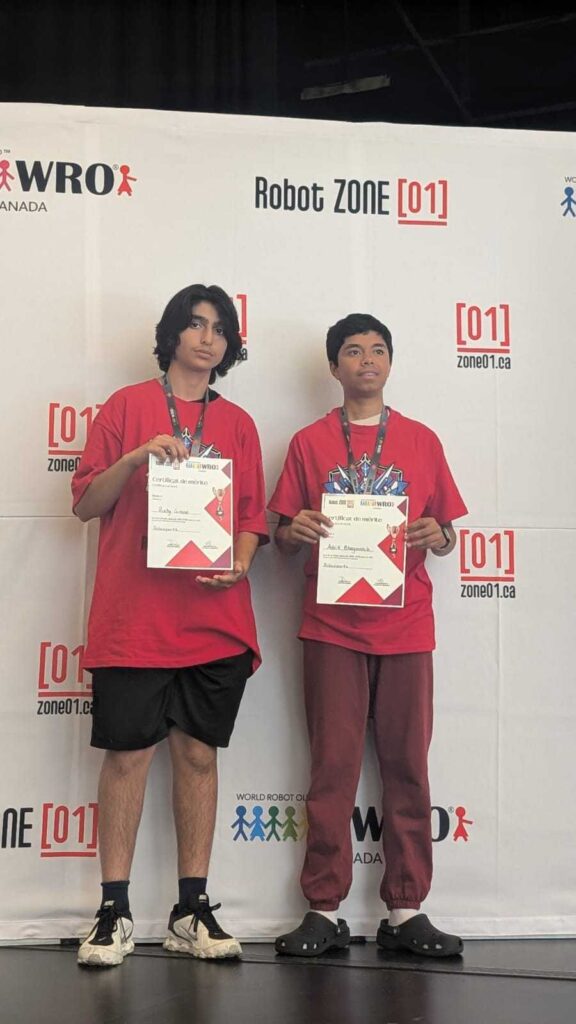
Big wins at Zone01 Nationals!

Zone01 Teams Posing in Montreal

Also this week, Zebra teams competed in Zone01 Regionals. This Canadian competition ends at the national level, and since Regionals at the Ontario Science Centre, the teams have been hard at work engineering and recoding their robots. Focusing on bringing their times down and preparing for surprise challenges, our teams were excited to perform. And perform they did!

Team 2πR earned first place in the Junior category! Having scored first in the regionals with 110 points, they wanted to maintain that positive trend in the Nationals, and they most certainly did.

Team Untitled earned second place in the Elementary category! This team has been particularly focused this season, and they worked to ensure that their efforts wouldn’t go to waste.

Team JMX Robots earned third place in the Junior category! This team put a ton of time and effort into their robot, and that dedication helped them secure their first ever Nationals award.

We are proud of the teams that competed. Competition takes courage, as months of learning and preparation is distilled into three tiny runs. Competition teams learn a lot about themselves and how to meet challenges with persistence and resolve. And that, to us, is the purpose of competition.

Congratulations to everyone who competed!

Writing History Today, for the Competitors of Tomorrow

Months. It had been months of tweaking, tinkering, and labouring over their various robots in preparation for the World Robotic Olympiad (WRO) Internationals. The students would come in whenever they had the time to spare between school and clubs. They worked weeknights and weekends on their projects, readying themselves for the challenge ahead. But as November 7-9 approached, they finally felt ready to represent Canada on the world stage.

            As the competition date approached, they traveled down by plane to Panama City, anticipating stiff competition. They pulled into their hotels and began tinkering and tweaking some more. Their families were behind them. Canada was behind them. Zebra Robotics was behind them. They were ready to perform.

Showing the team
The RoboMission and RoboSports members travelling to the event.

The WRO stage was electric. Teams from all over the world were primed, ready to show off the skills they’d worked so very hard on. The first up were the RoboMission competitors. This was our team’s first WRO International and they were grade 8 competitors in a sea of high schoolers. But the team wasn’t discouraged. They did some final tweaks, then set their robot to work on this year’s themed challenges. After a hard-fought battle, they were defeated. But our RoboMission team took it in stride and have learned from the experience. Nimbler designs, tighter programming, and an anticipatory mindset can be expected for next year, when they rise to the challenge again.

The RoboMission Team with their robot

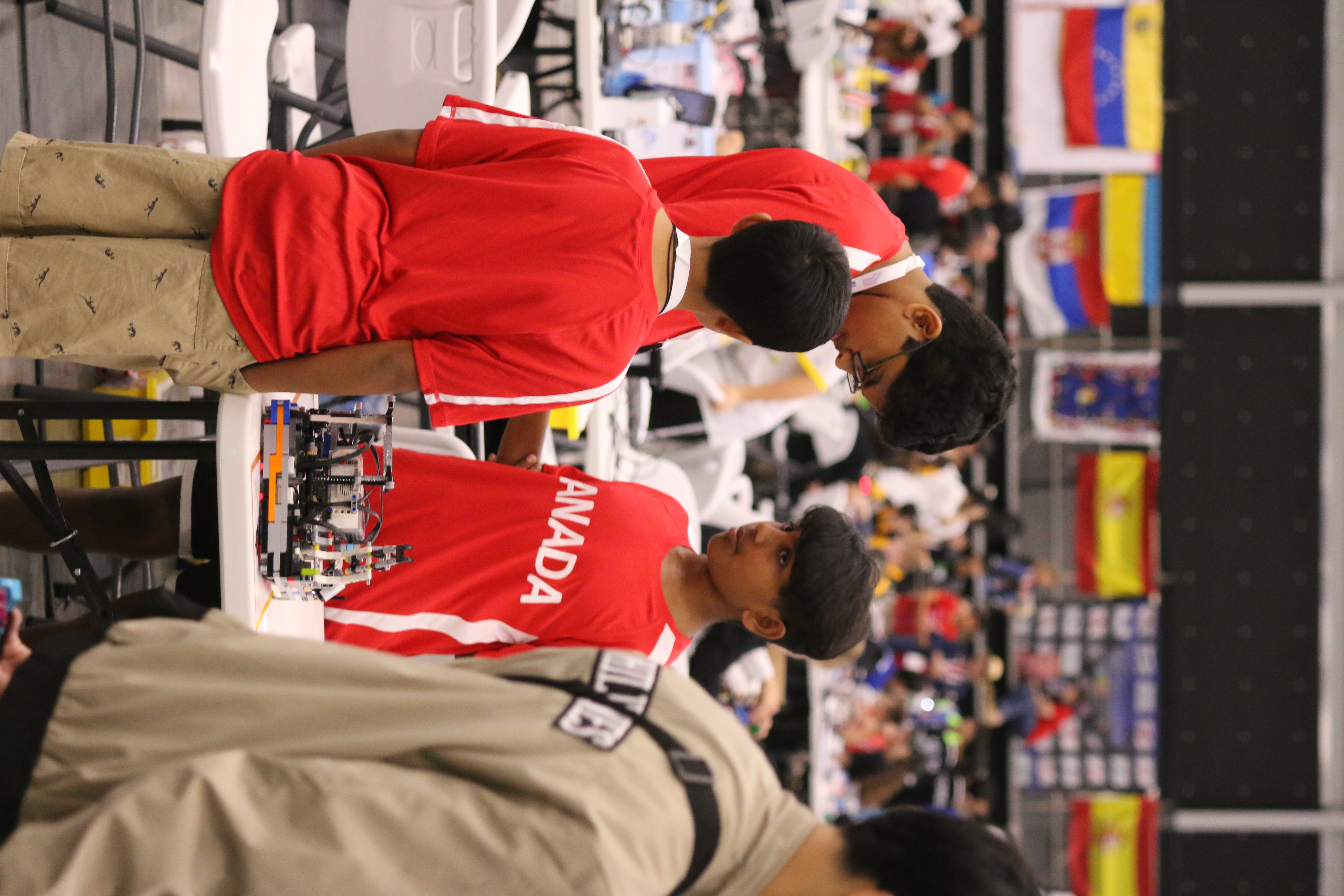
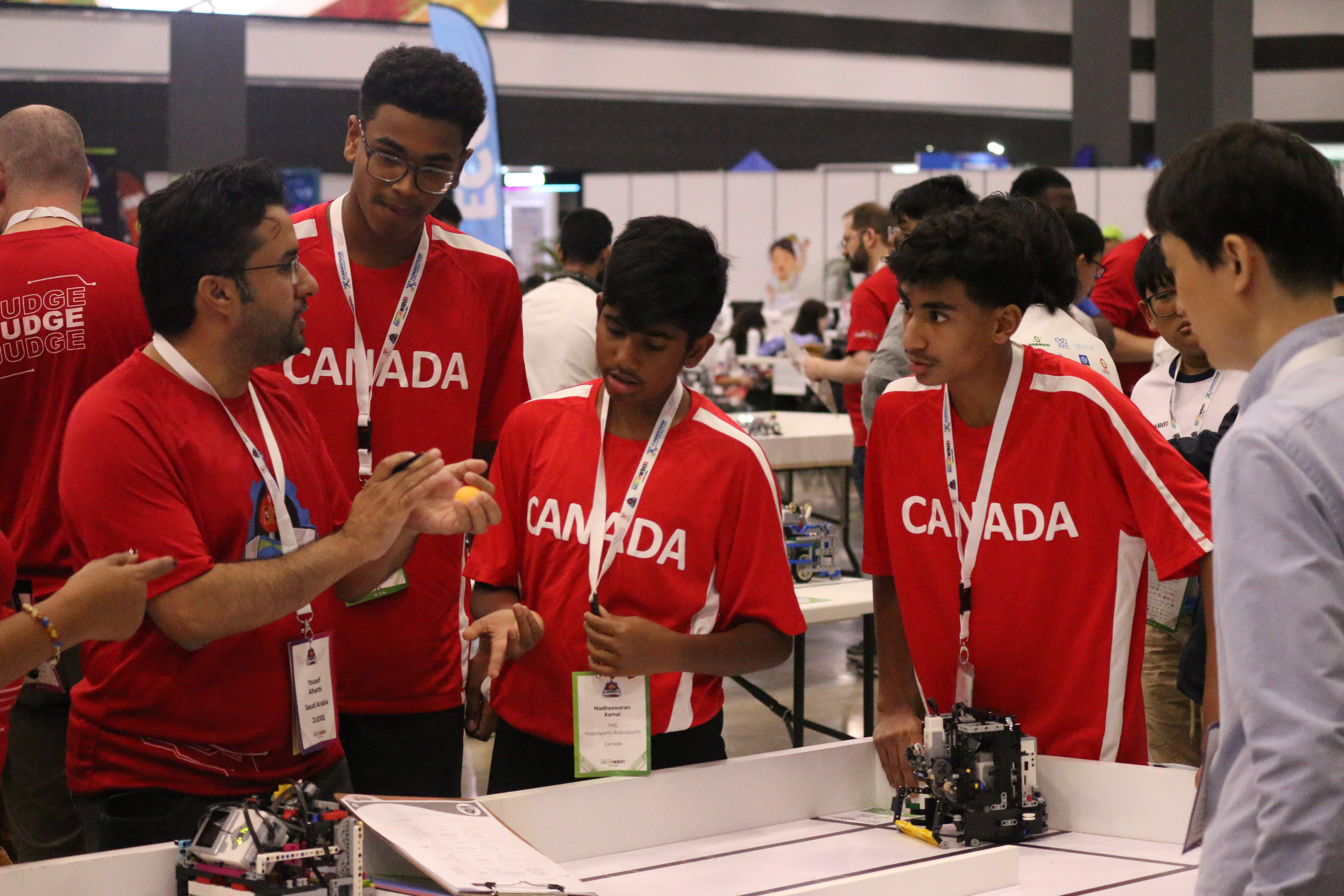
RoboSports were up next. Like the RoboMission team, they had never experienced a WRO International before. They too were also among the youngest in the category, going against university and college level students. With some final tweaks, they finely tuned their robot. The game? Table tennis. Throughout the first day, they were nigh unstoppable. They won match after match, carving out a 3-0 lead by the afternoon. But, as with RoboMission, experience tipped the scales more than expected. By day two, our RoboSports team fell behind, beaten back by more experienced teams. Placing 30th, they were proud to have made it that far. They felt that they had learned a lot from the experience and took notes on the losses they had so that they could come back next year, stronger than ever.

The RoboSports team talking to a judge

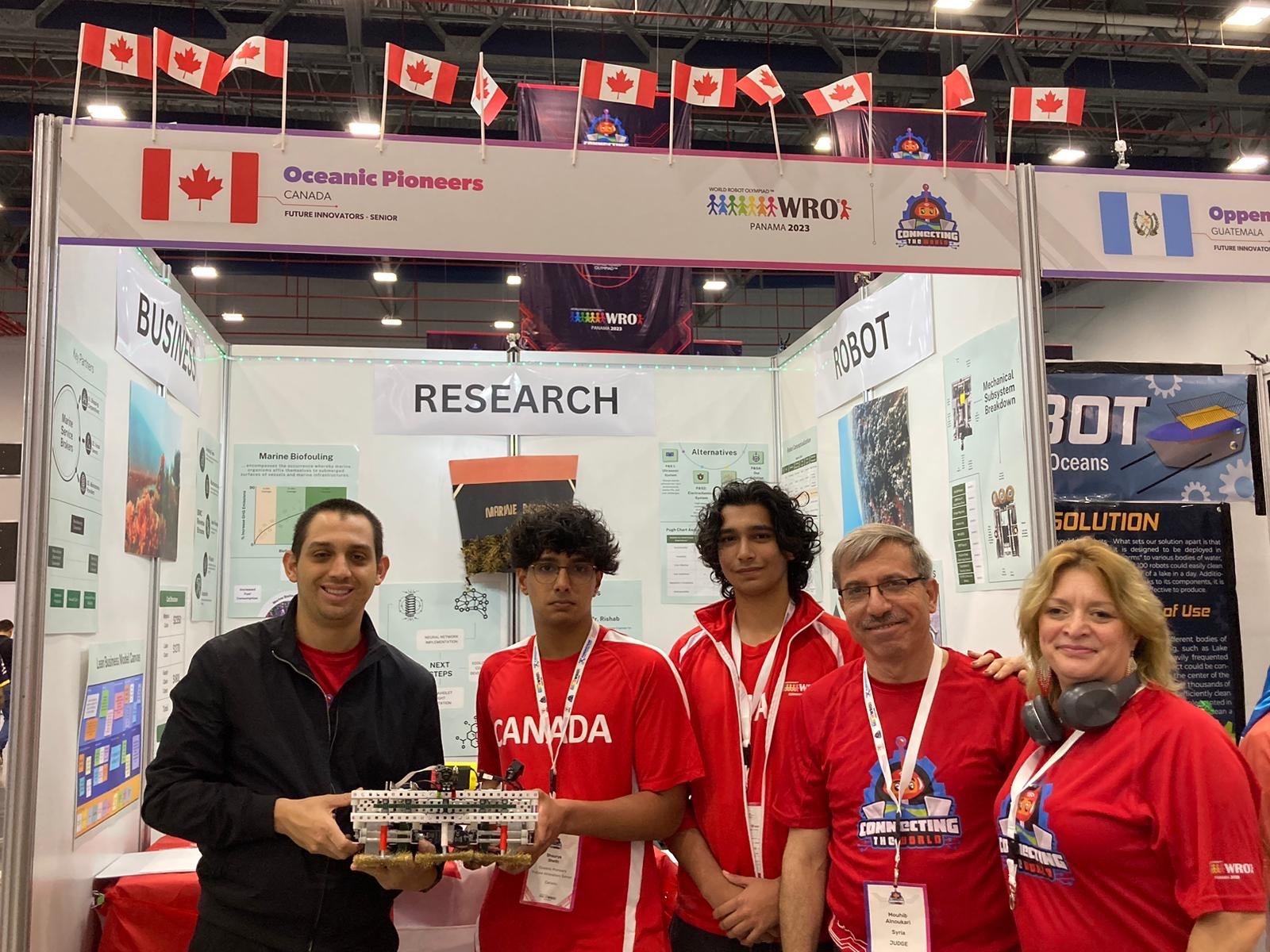
This just left our Future Innovators team of Dave Grewal and Shourya Sheth. If you’ve been keeping along with our blog, you know that they had designed a robot to help combat biofouling on cargo ships. The robot would scale the sides of the cargo ships, removing biomaterial. This, in turn, would help reduce the spread of invasive species and improve fuel efficiency on the vessel. The idea is incredible on its own, but the competition isn’t just judged on idea alone. The team also must effectively communicate the idea, present confidently, and push the benefits of their innovative project.

            The team had practiced their pitch numerous times by this point. They even had hands-on experience presenting at an Oakville fair that Zebra attended, as well as at a celebration event for MPPs Nina Tangri and Deepak Anand. They were confident. They were ready.

            As the competition kicked off, the judges milled about from project to project, assessing and critiquing. After a table was judged, other teams would flood the table, asking questions about the judges, what they were looking for, how hard their questions would be, etc. But our team was confident in their position and patiently waited at their table for judgement. When asked about the experience Dave noted, “Throughout the first day of the competition, I felt confident during three of the judging sessions…although there lingered a slight nervousness and intimidation from the impressive projects presented by others.”

The Future Innovators Team taking a photo with the Judges

The first pair of judges came and went. They were stoic, giving away nothing of their feelings about our Future Innovators’ idea. The only feedback came in the form of more judgement. Another pair of judges. Another set of hard questions. Scribbling on paper. A thank you. Moving on.

            Day one finished, and our team was still in the running. They were ecstatic, proud of their ability to articulate themselves and their idea so thoroughly. As day two started, they put on their finest. Once more, judges passed through the booths, with tougher and tougher questions, testing the intricate knowledge of the teams. However, for the first part of the day, the judges steered clear of our competitors booths. Shourya said, “I was disappointed when we didn’t have callbacks because we felt our presentations went really well.”  But as the day rolled on, eventually, the judges turned their sights on our competitors. Dave commented, “The unexpected turn of events heightened my confidence.” Steeled by their previous experiences, our team effortlessly answered any curveballs that came at them, demonstrating that they had thoroughly thought out their innovative design.

            And then it was over. After 8 relentless rounds of judging, the day finished, and the winners would be decided after a long round of deliberation. They packed up their project and waited for several agonizing hours to see if their hard work prevailed.

            And we are proud to say that it did.

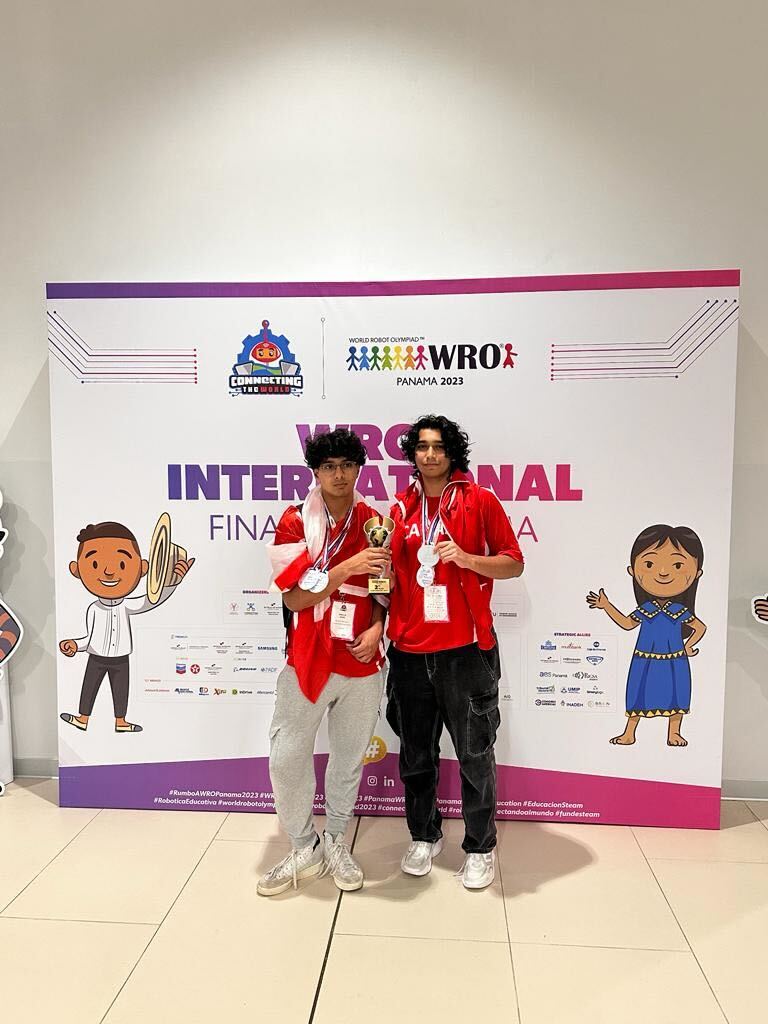
            When the winners were announced, our team was honoured to hear that they placed Second in the Future Innovators—Senior category with their project on biofouling. History was made, as they stepped up to the podium to receive their award, as this is the first time Canada has ever made it into the top 3 since 2014, when Canada first joined WRO. Holding up the Canadian flag, Dave and Shourya stood proud of their accomplishments, excited to have written a paragraph in history.

Dave and Shourya posing with their trophy

When asked how they felt about their win, Shourya said, “The most rewarding part of the competition was learning how to build more complicated and industrial robots aside from Lego, which could actually be used to benefit the world.”  Dave commented, “The most rewarding aspect was establishing friendships and connections with participants from various countries. I gained valuable insights from diverse perspectives, including those of fellow competitors, investors, coaches, and representatives from other nations.”

            If you get a chance, ask Shourya and David about their innovative project, as well as their experiences at WRO. They would be more than happy to share.  

            With the WRO Internationals over, we are proud to say that we successfully represented Canada on the world stage. Like our students, we learned a lot from the competition, and now know what we need to teach our students to better prepare them for future competitions. We will be ready for the next WRO competition, and we hope you will be there alongside us, cheering on the students once more. Thank you for reading!

Hard Work Deserves Celebration

Just this past weekend, we had an incredibly important celebration for our national and international World Robotics Olympiad (WRO) competitors! Wanting to celebrate their achievements we had been hard at work setting up a small event for the kids this Saturday, with demonstrations, speeches, and of course, food. But behind the scenes, Jami had been toiling away on another secret project. Equipped with a silver tongue, she managed to invite and convince some of our local MPP’s to come down and show their support for our hard-working students as well! MPP’s Nina Tangri and Deepak Anand were more than delighted to make an appearance, and honour the competitors, even bringing special awards recognizing their triumphs.

Parents were the first to arrive, catching up with one another, as well as sharing their experiences of the national finals. The kids mingled among each other, either grabbing food, or checking up on their robots, fine tuning them before the MPPs arrivals. Not too long after, the ministers rolled in, and the teams were ready to show off all their hard work. The Future Innovators delivered their well-crafted presentation and demonstration of their robot to combat biofouling. The RoboMission team showed off their robots’ agility and precision by picking up, carrying, and carefully placing rings. In a new twist on RoboSports, the autonomous robots played against the MPPs who tossed the balls back as if they were a robot team. 
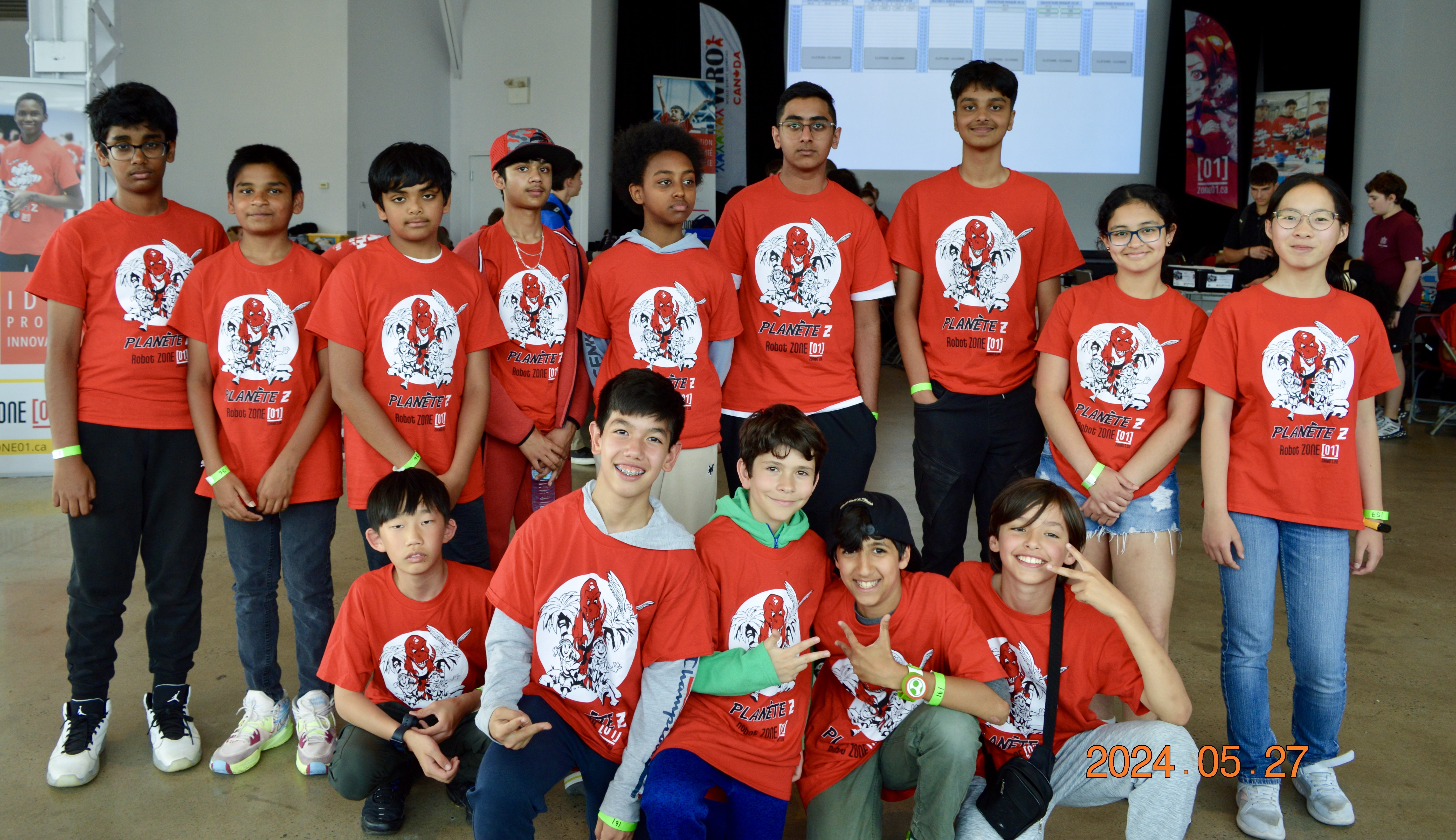
The Future Innovators Team show off their robot to combat biofouling. MPP Nina Tangri asks questions about the project.

After the festivities, speeches were held by founder Satish, alongside the wonderful MPP’s. They congratulated the students and encouraged them to keep reaching for the stars, as who else but the next generation would be able to grasp them. Then each team was awarded a special certificate, recognition from the Government of Ontario for their accomplishments. Parents and coaches alike burst into applause as the teams received their awards, handed to them by both Nina Tangri and Deepak Anand.  Finally, the teams going to Panama were presented with the Canada jerseys they will wear throughout the WRO competition, and they had a chance to pose with the Canadian flag. 
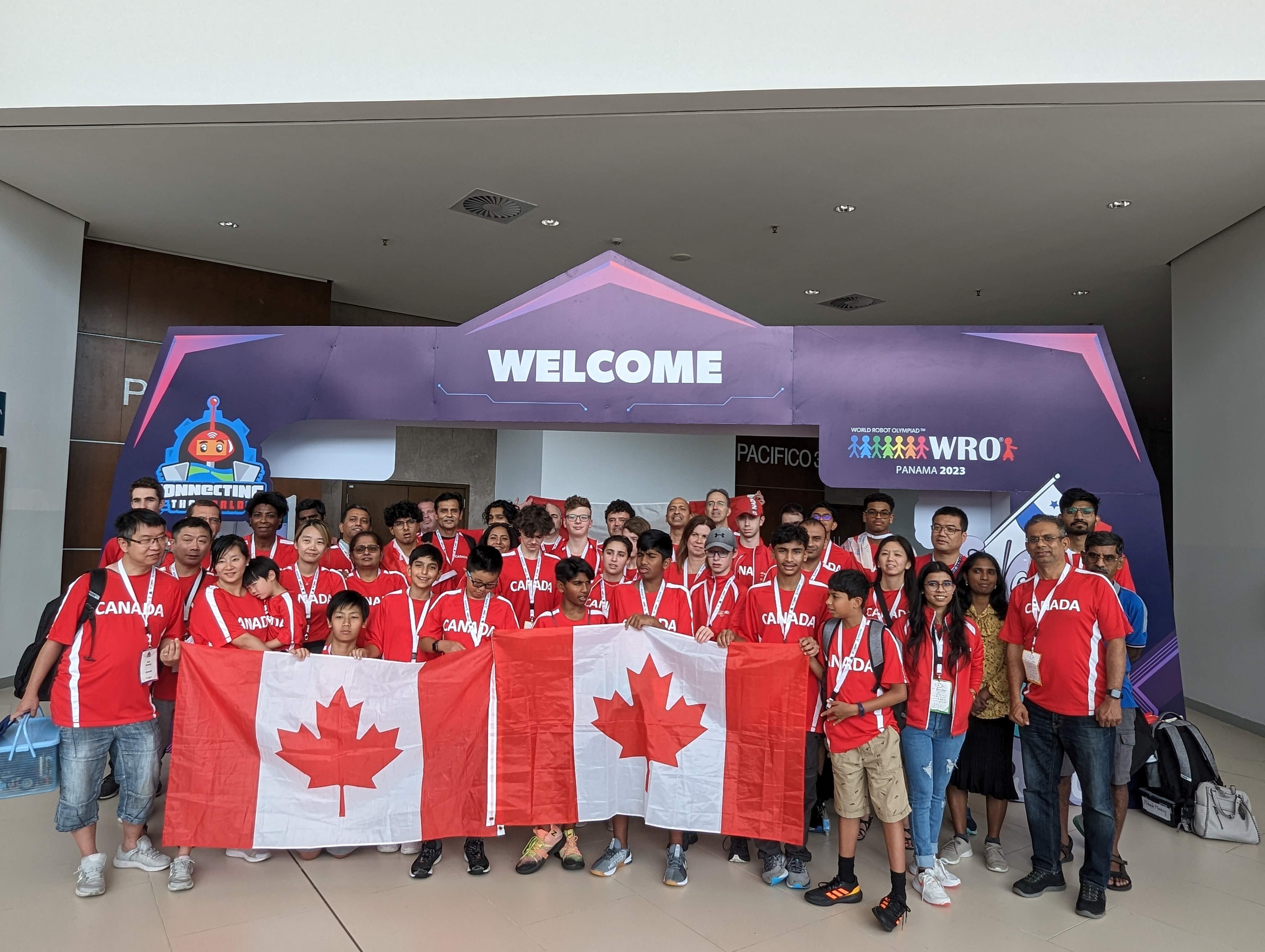
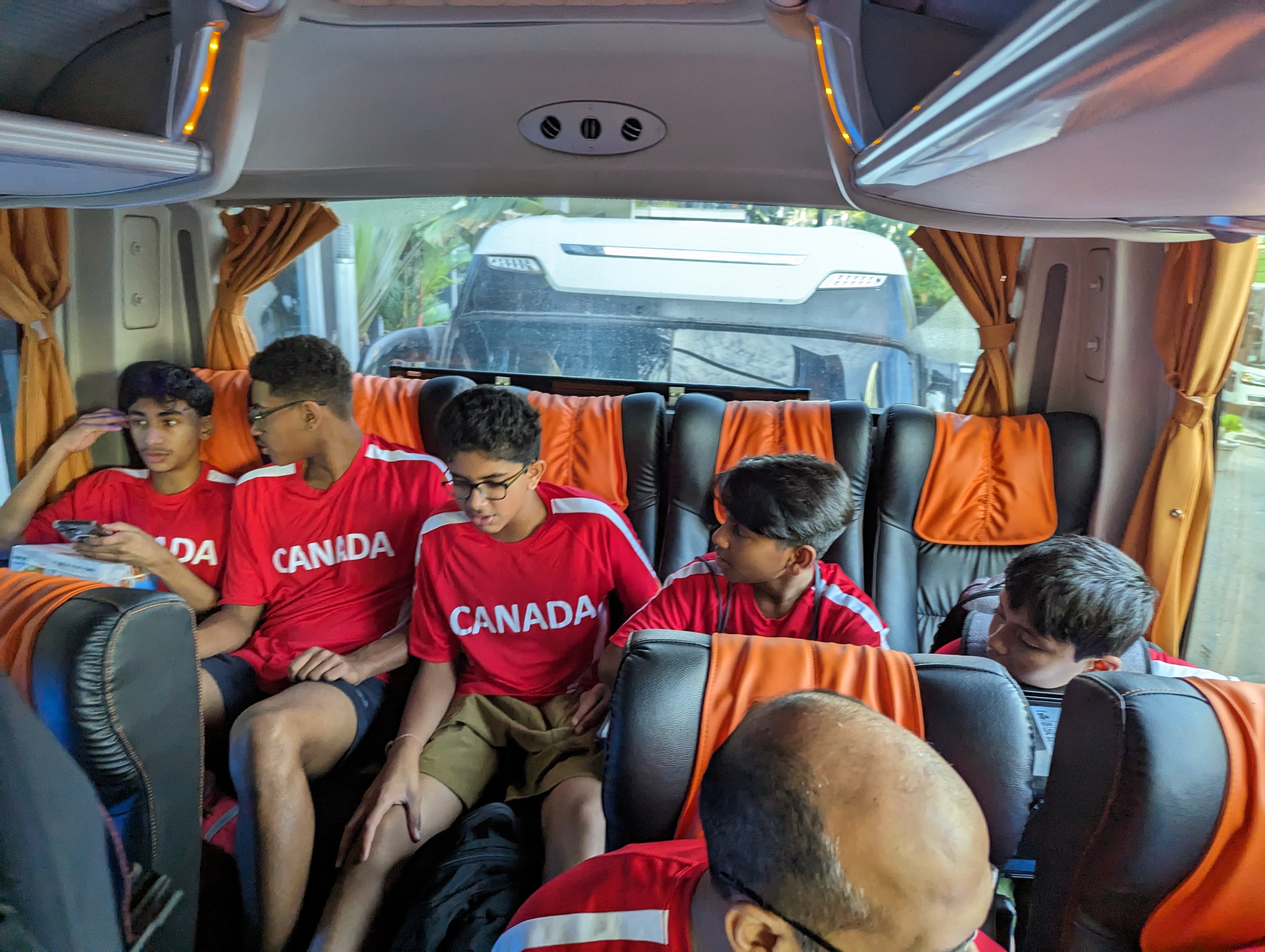
The teams going to WRO Internationals pose with the coaches and MPPs Nina Tangri and Deepak Anand.

As the event came to a close, students went back to their parents, receiving smiles, hugs, and words of affirmation. It was a brilliant sendoff for our international competitors and a proud recognition of our national competitors after all their hard work.

Stay posted to our blog and social media for updates on the international teams as they travel to Panama in two weeks’ time. As we cheer on the international competitors, we are already gearing up for the FLL season and starting a new season of STRIPE Competition. Stay tuned for updates on both of those as well! Thank you for reading!