The Impact of AI on Coding: Why Learning to Code is More Important Than Ever

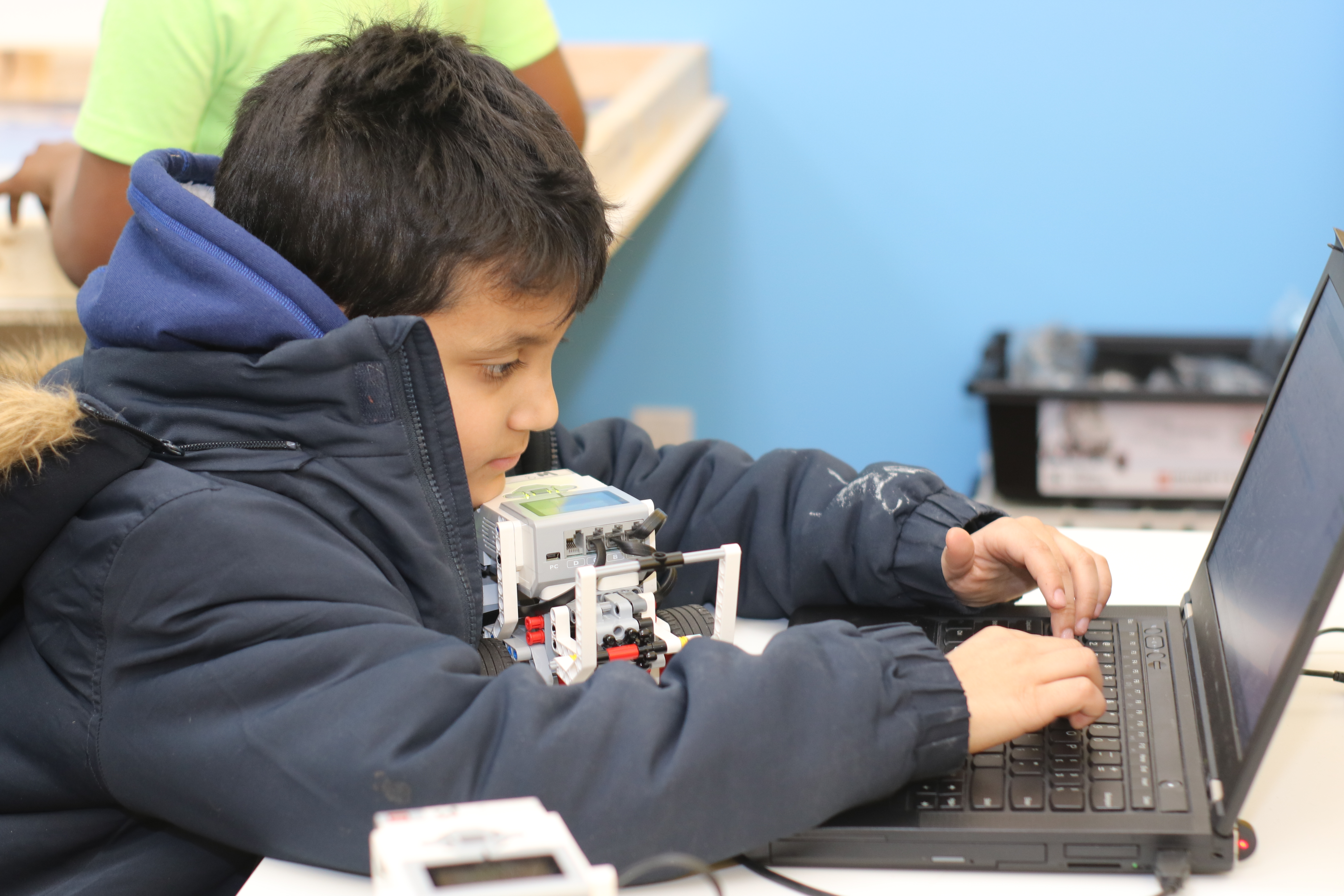
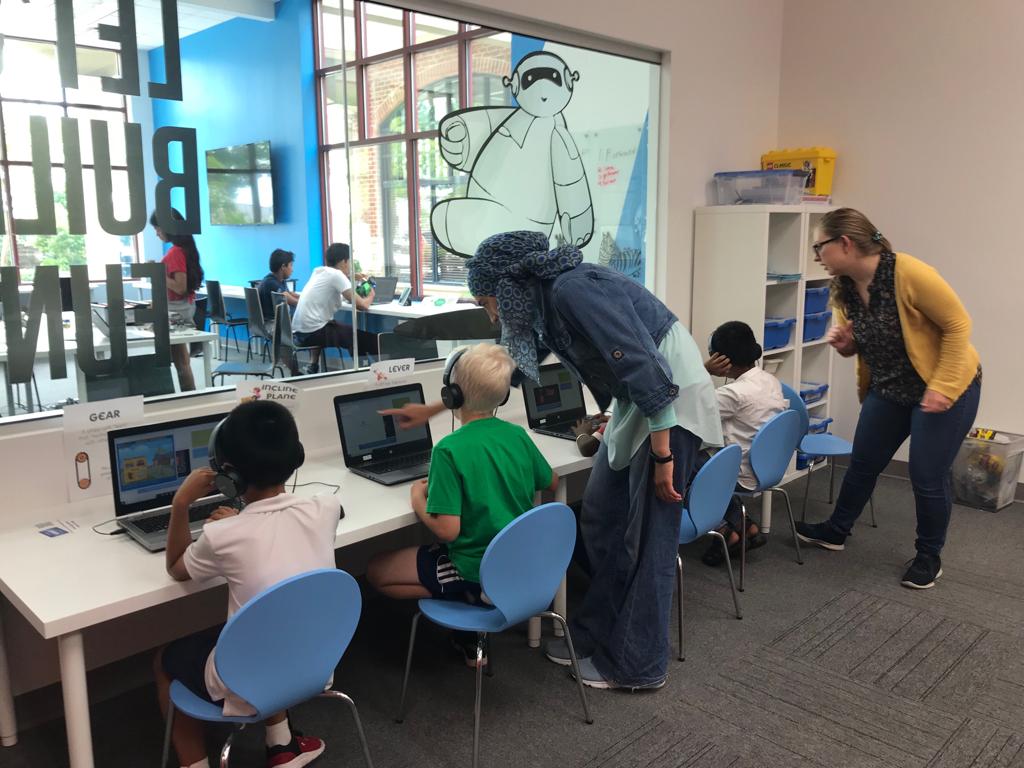
“Young students working on a coding project, exploring the intersection of AI and robotics at Zebra Robotics.”

Artificial Intelligence (AI) is transforming industries, automating tasks, and reshaping the way we work. As AI becomes more advanced, many people are asking: “What is the impact of AI on the need for coding knowledge?” and “Does AI make coding less necessary?” At Zebra Robotics, we believe that the rise of AI makes coding education more important than ever. Here’s why.

What is the Impact of AI on the Need for Coding Knowledge?

AI is undoubtedly changing the coding landscape, but it’s not replacing the need for coding knowledge—it’s enhancing it. Here’s how:

Coding as a Foundation for AI:
Understanding coding is essential for working with AI. Whether it’s writing algorithms, debugging AI models, or integrating AI into applications, coding remains a critical skill.

AI as a Tool, Not a Replacement:
AI is a powerful tool that can automate repetitive tasks, but it still requires human oversight and input. Coders are needed to design, train, and refine AI systems.

New Opportunities in AI Development:
The rise of AI has created new roles in machine learning, data science, and AI ethics, all of which require strong coding skills.

 Does AI Make Coding Less Necessary? Are Coders’ Jobs at Risk?

While AI can automate certain aspects of coding, it doesn’t make coding less necessary—it shifts the focus of what coders do. Here’s why coders’ jobs aren’t at risk:

  • AI Can’t Replace Creativity and Problem-Solving:
    AI excels at common tasks, but it lacks creating custom solutions that is specific to a particular business problem, the creativity and critical thinking skills that human coders bring to the table are hard to be replace. Coders are needed to solve complex problems, design innovative solutions, and think outside the box.
  • The Human Touch in Coding:
    Coding isn’t just about writing lines of code—it’s about understanding user needs, designing intuitive interfaces, and creating meaningful experiences. These are areas where human coders excel.
  • AI Creates More Jobs Than It Replaces:
    According to the World Economic Forum, AI is expected to create 97 million new jobs by 2025, many of which will require coding skills.
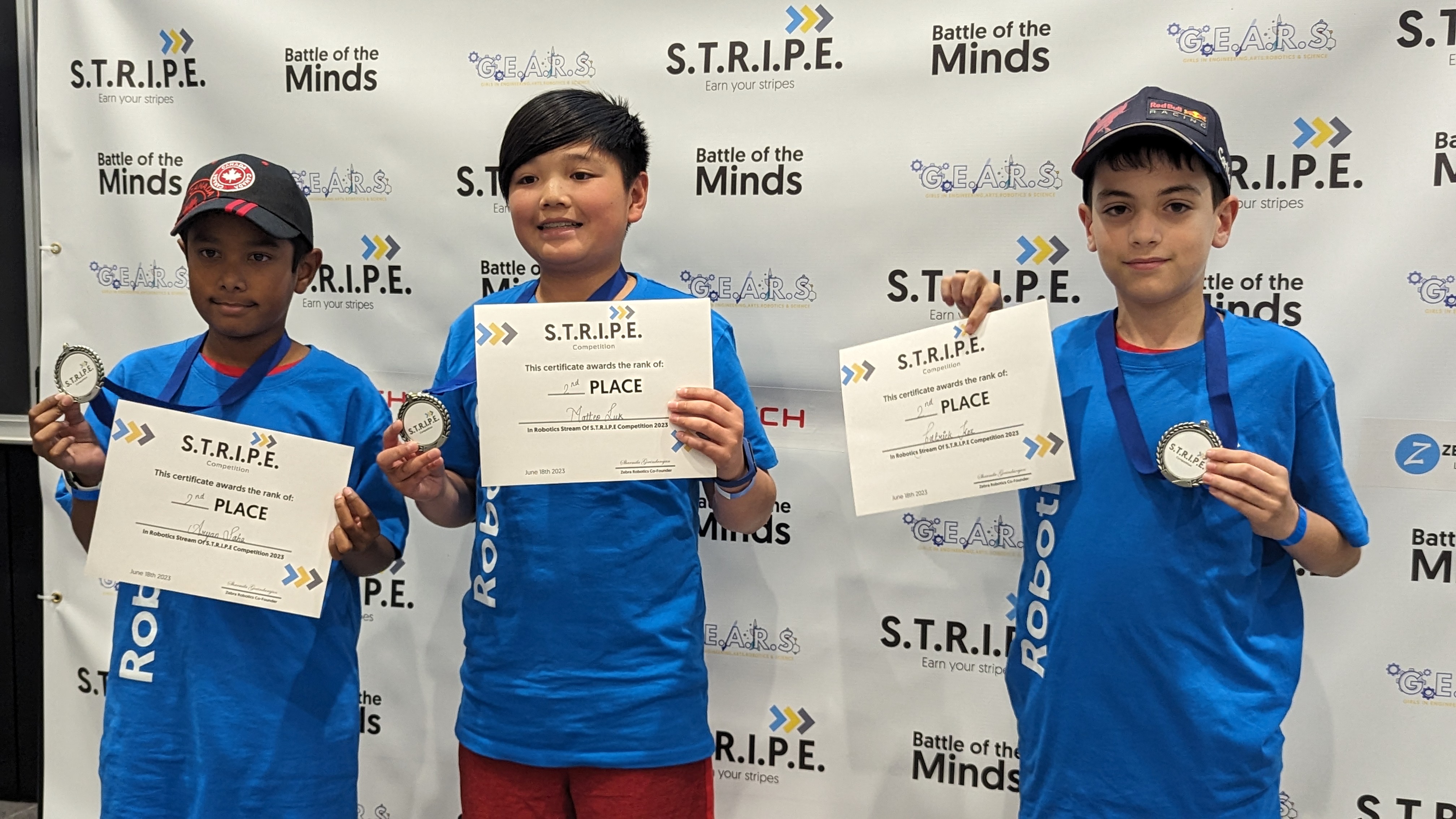
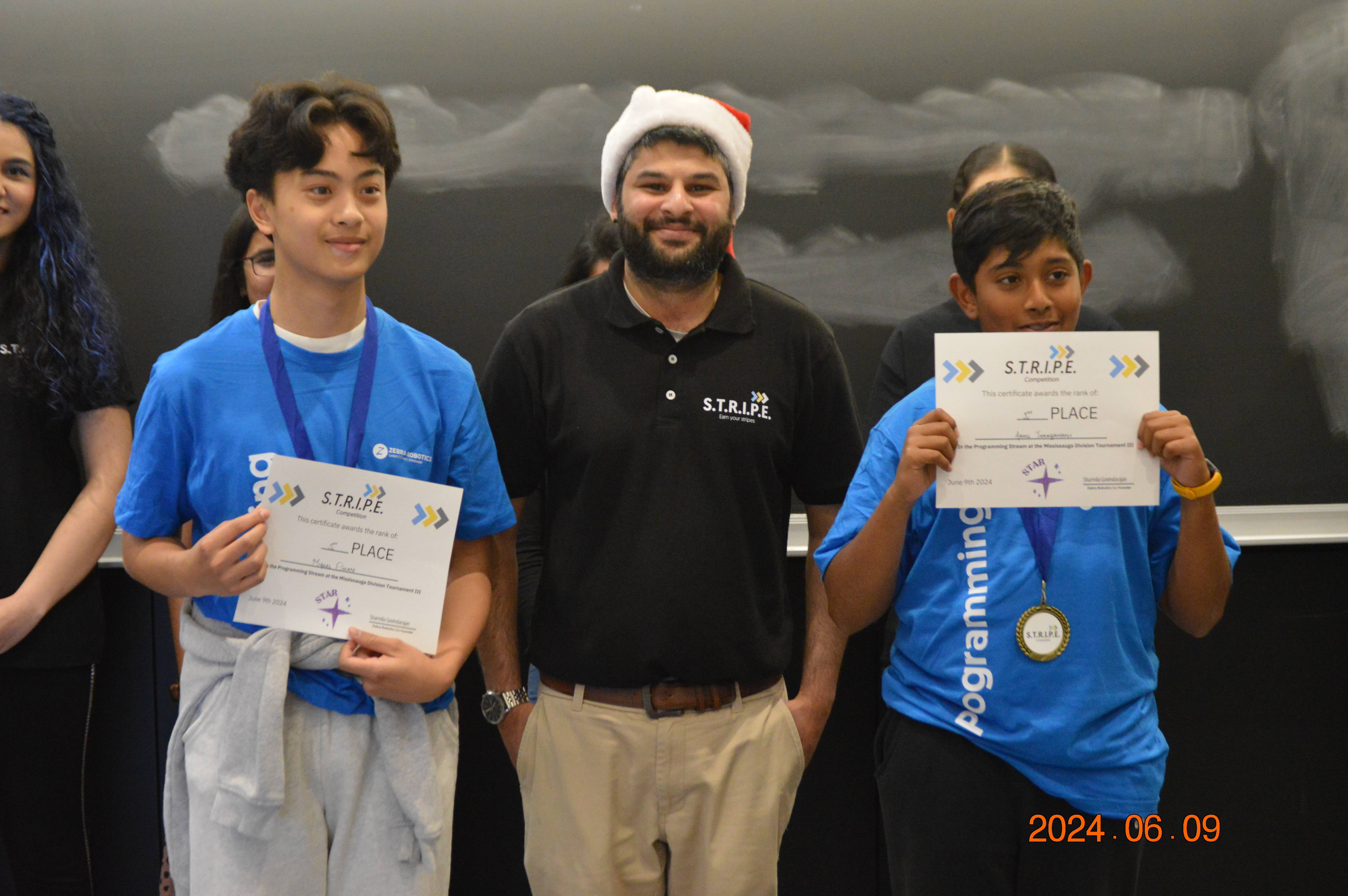
“Zebra Robotics students celebrate their success at STRIPE competition, showcasing their coding and problem-solving skills.”

Why Learning to Code is More Important Than Ever

As AI continues to evolve, coding education becomes even more critical for the next generation. Here’s why:

  1. Critical Thinking and Problem-Solving:
    Learning to code helps children develop essential skills like logical reasoning, algorithmic thinking, and debugging—skills that are crucial in an AI-driven world.
  2. Kids for Future Careers:
    Whether it’s developing AI systems, working in cybersecurity, or designing apps, coding is a foundational skill for many high-demand careers.
  3. Creativity and Innovation:
    Coding empowers children to bring their ideas to life, whether it’s creating a game, building a robot, or developing an AI-powered app.
  4. Resilience and Adaptability:
    In a world where technology is constantly changing, coding teaches children to adapt, learn new tools, and embrace challenges.

“The Zebra Robotics logo, representing our commitment to empowering the next generation of coders and innovators.”

Zebra Robotics: Preparing Kids for an AI-Driven Future

At Zebra Robotics, we’re committed to helping children develop the skills they need to thrive in an AI-driven world. Our programs:

  • Introduce kids to coding and robotics through hands-on, project-based learning.
  • Teach critical thinking, problem-solving, and creativity—skills that AI can’t replicate.
  • Provide a supportive environment where kids can explore, experiment, and innovate.

The rise of AI doesn’t make coding less important—it makes it more essential than ever. By learning to code, children develop the skills they need to succeed in a technology-driven world, from critical thinking and problem-solving to creativity and innovation. At Zebra Robotics, we’re proud to empower the next generation of coders, innovators, and problem-solvers.
How Robotics and Coding Enhance Critical Thinking Skills

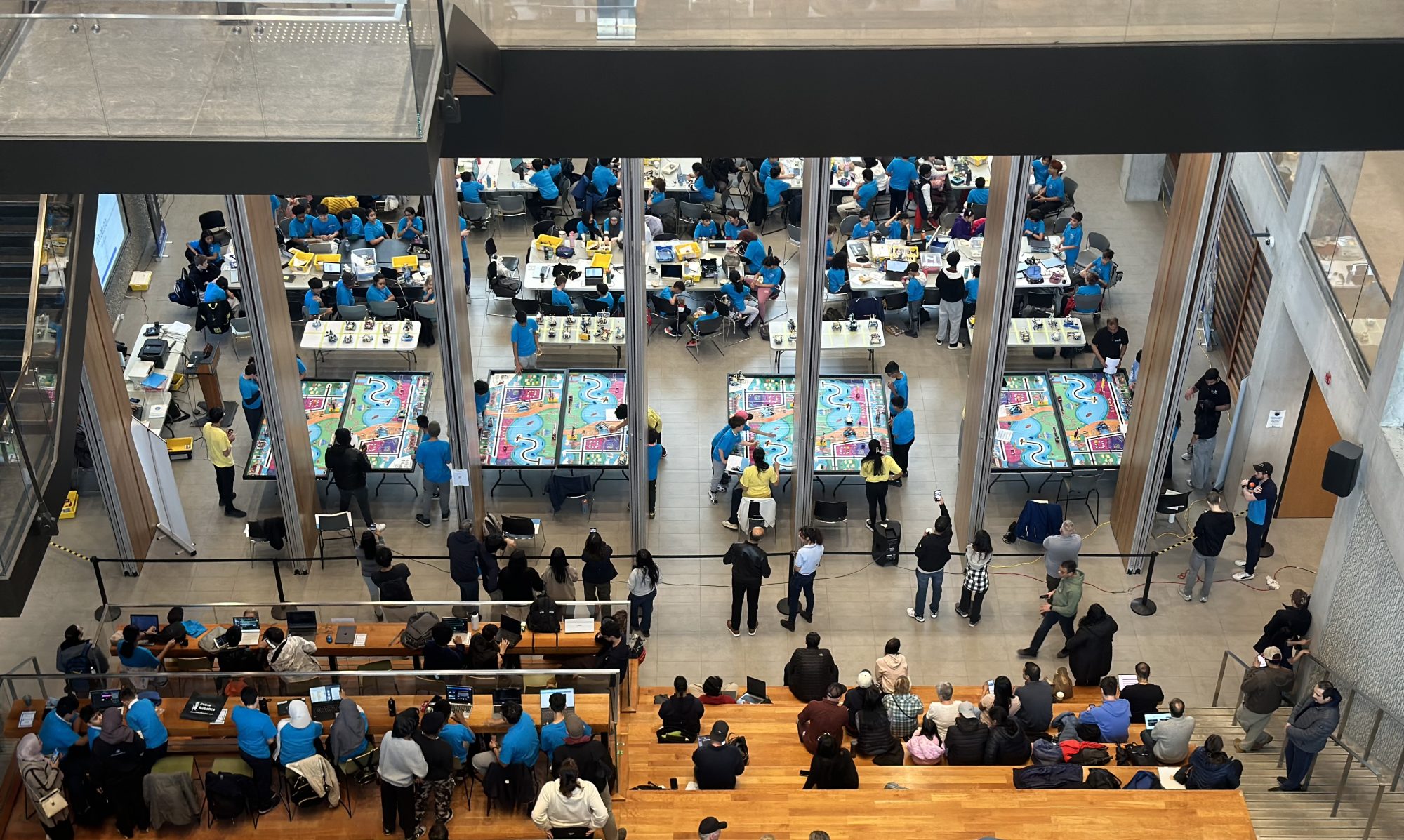
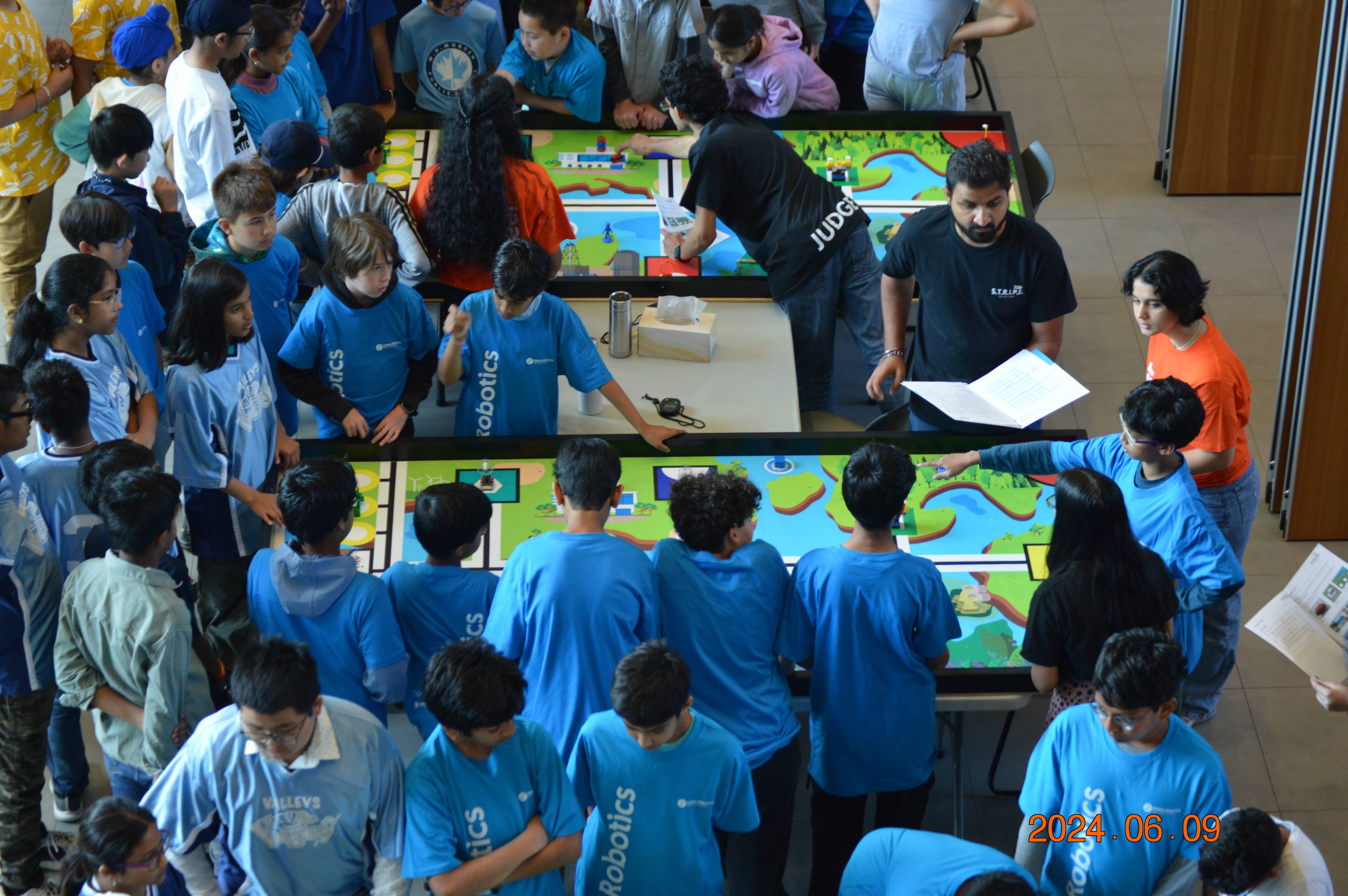
Coach Ram guiding young innovators as they tackle robotics challenges at the STRIPE Competition. With teamwork, strategy, and problem-solving at play, these students are preparing to push the boundaries of STEM learning!


In today’s fast-paced, information-rich world, critical thinking skills are more important than ever. These skills empower individuals to analyze information objectively, evaluate evidence, and make informed decisions. For parents in British Columbia (BC), where the demand for STEM education is growing, robotics and coding offer a unique and engaging way to help children develop these essential skills. At Zebra Robotics, we’re proud to bring our innovative programs to BC, fostering the next generation of critical thinkers and problem-solvers.

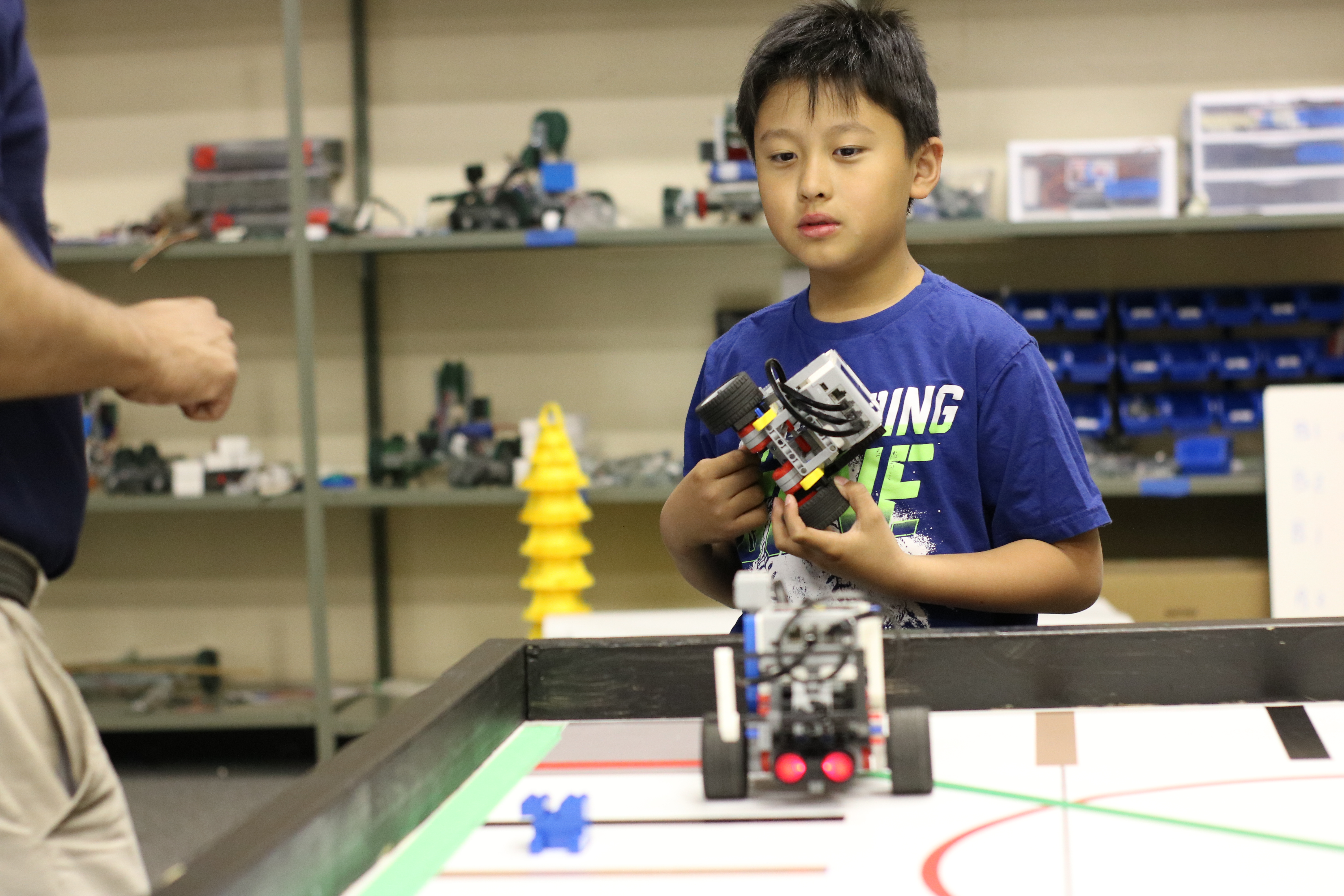
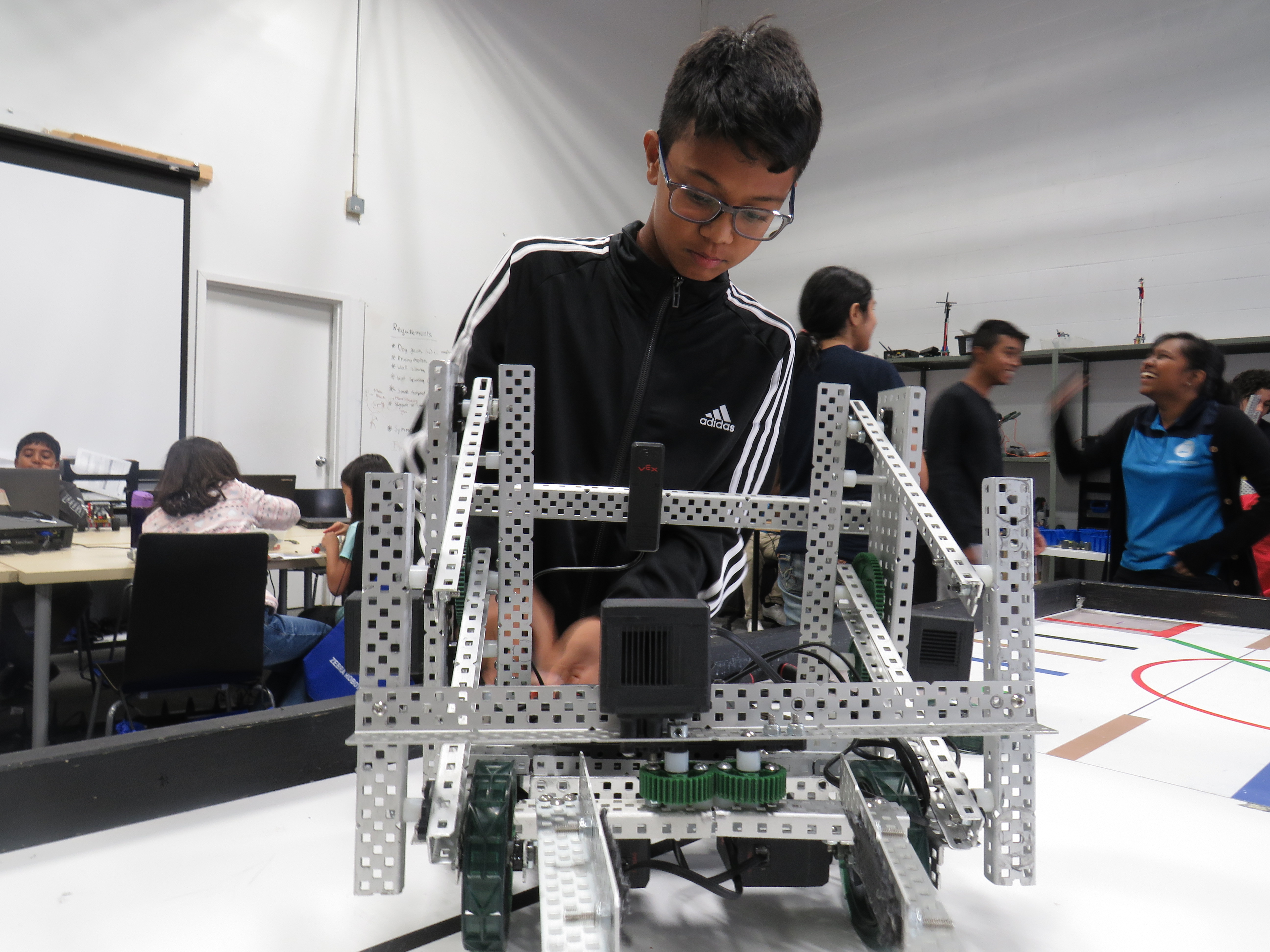
Precision, creativity, and engineering in action! A dedicated young innovator fine-tunes his robot, bringing ideas to life through hands-on STEM learning at Zebra Robotics.

How Robotics Enhances Critical Thinking

  1. Problem Identification and Analysis:
    Robotics projects often present complex challenges that require students to identify the root cause of problems and analyze potential solutions. For example, building a robot to navigate a maze involves understanding the problem, brainstorming solutions, and evaluating the best approach.
  2. Design and Planning:
    Designing and building a robot involves careful planning. Students must consider factors like functionality, materials, and programming, which enhances their ability to think strategically and plan effectively.
  3. Testing and Iteration:
    The process of testing and refining a robot encourages students to analyze results, identify areas for improvement, and iterate on their designs. This iterative process is at the heart of critical thinking and innovation.
  4. Troubleshooting:
    When a robot doesn’t work as expected, students must use their critical thinking skills to diagnose the problem and find a solution. This hands-on problem-solving builds resilience and adaptability.
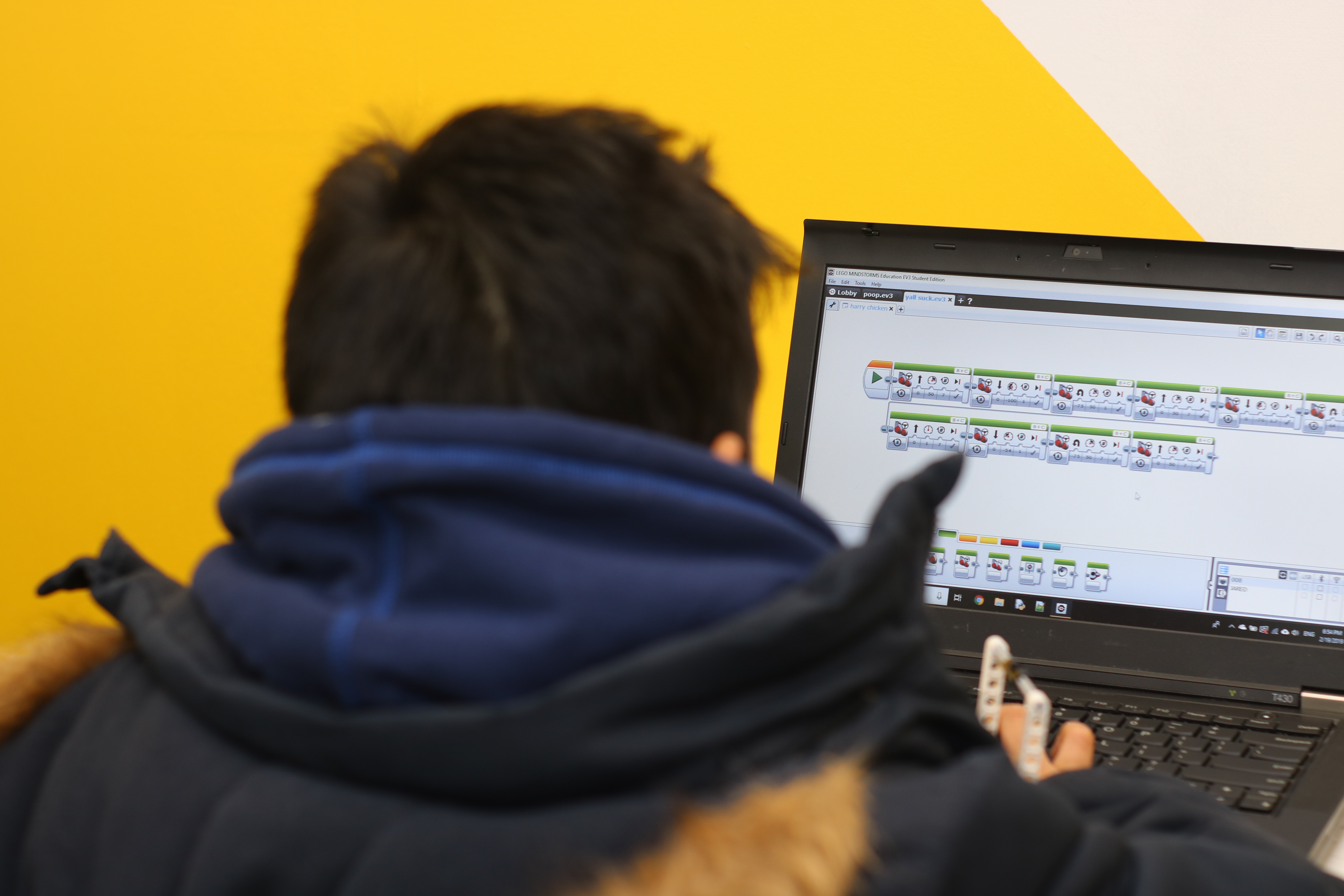
Programming the future—one block at a time! A young coder focuses on refining their LEGO robotics project, turning creativity into code at Zebra Robotics.

How Coding Enhances Critical Thinking

  1. Logical Reasoning:
    Coding involves breaking down complex tasks into smaller, logical steps. This process strengthens logical reasoning skills, helping students approach problems methodically.
  2. Algorithmic Thinking:
    Creating algorithms requires students to think systematically and develop step-by-step instructions for a computer to follow. This skill is essential for solving real-world problems efficiently.
  3. Debugging:
    Identifying and fixing errors in code requires careful analysis and attention to detail. Debugging teaches students to think critically and persist through challenges.
  4. Abstract Thinking:
    Coding often involves working with abstract concepts and data structures, which helps students develop abstract thinking skills. This ability to think beyond the concrete is crucial for innovation.

Critical thinking is the foundation of innovation, and at Zebra Robotics, we believe every child has the potential to think critically, solve problems, and create a better future. Through robotics and coding, we’re empowering students in British Columbia to tackle challenges, think creatively, and build the skills they need to thrive in a technology-driven world.”
– Satish Thiyagarajan, Co-founder and CEO, Zebra Robotics

Zebra Robotics: Fostering Critical Thinking Through Robotics and Coding

At Zebra Robotics, we’re committed to helping students in British Columbia develop critical thinking skills through our hands-on programs:

  • Challenging Projects: Our robotics and coding projects are designed to push students to think critically and creatively.
  • Project-Based Learning: We use a project-based approach that encourages experimentation, collaboration, and problem-solving.
  • Expert Guidance: Our experienced instructors provide the support and mentorship students need to succeed.

Why Choose Zebra Robotics in BC?

As we expand into British Columbia, we’re excited to bring our award-winning programs to families in the region. Here’s why parents in BC are choosing Zebra Robotics:

Coach Asad proudly poses with his team of young innovators after their big win at the STRIPE Competition! Celebrating their hard-earned certificates!
  • Proven Success: Our students have excelled in prestigious competitions like the STRIPE Competition, FIRST LEGO League, and VEX Robotics.
  • Local Impact: We’re dedicated to supporting BC’s growing demand for STEM education and preparing students for future careers in technology and innovation.
  • Engaging Learning: Our programs make learning fun and interactive, ensuring students stay motivated and inspired.

Robotics and coding are more than just technical skills, they’re powerful tools for developing critical thinking, problem-solving, and innovation. By enrolling your child in Zebra Robotics, you’re giving them the opportunity to build these essential skills in a fun and engaging environment.

Ready to help your child develop critical thinking skills through robotics and coding? Visit our BC location page to learn more about our programs and register today!

AI and coding AI impact on jobs AI in education Artificial intelligence CCC coding coding for kids Competition computer science Empowering young innovators Europe ev3 FLL Future Engineers Future Innovators Future of coding Future of work girls in stem Importance of coding Montreal Ottawa Panama python Robo Sports robotics robotics competition Robotics education robotics for kids Singapore Slovenia STEM STEM and clean energy STEM career pathways STEM education STEM Education Franchise STEM in British Columbia STEM programs STRIPE Competition university admission university admissions Vancouver STEM women in stem WRO Zebra Robotics Zebra Robotics franchise

Beyond the Rink and the Field: Why STEM Skills are a Winning Play for Your Child’s Future

British Columbia is known for its stunning landscapes and passionate sports culture. From cheering on the Canucks to watching kids score goals on the soccer field, sports play a vital role in our communities. But in today’s rapidly changing world, there’s another set of skills that are just as crucial for your child’s future success: STEM (Science, Technology, Engineering, and Mathematics).

Why Sports Are Great AND Why STEM is Equally Important:

Young Innovator at Work: Hands-on with robotics and coding, igniting a passion for STEM from an early age

We understand the value of sports. They teach teamwork, discipline, physical fitness, and resilience. These are all essential life skills. But STEM education offers a complementary set of advantages that are equally important in the 21st century:

  • Problem-Solving: STEM teaches children how to approach challenges logically and creatively, skills that are invaluable in any field.
  • Critical Thinking: In a world of information overload, STEM empowers kids to analyze data, evaluate evidence, and make informed decisions.
  • Innovation and Creativity: STEM fosters a spirit of innovation and encourages kids to think outside the box, leading to new ideas and solutions.
  • Future Career Opportunities: The demand for STEM professionals is growing rapidly. By giving your child a STEM foundation, you’re opening doors to a wide range of exciting career paths.
  • Adaptability in a Changing World: The world is constantly evolving, and STEM skills help kids adapt to new technologies and challenges.

Exploring the world of robotics: A young creator fine-tunes his robot for a hands-on learning experience in problem-solving and innovation

How STEM Complements Sports:

STEM isn’t about replacing sports; it’s about providing a well-rounded education. Think of it this way:

  • Sports build physical strength and teamwork. STEM builds mental strength and problem-solving.
  • Sports teach discipline and perseverance. STEM teaches critical thinking and innovation.

By combining sports and STEM, you’re giving your child the best of both worlds: a healthy body and a sharp mind, setting them up for success in all aspects of life.

Zebra Robotics: Where STEM Comes to Life:

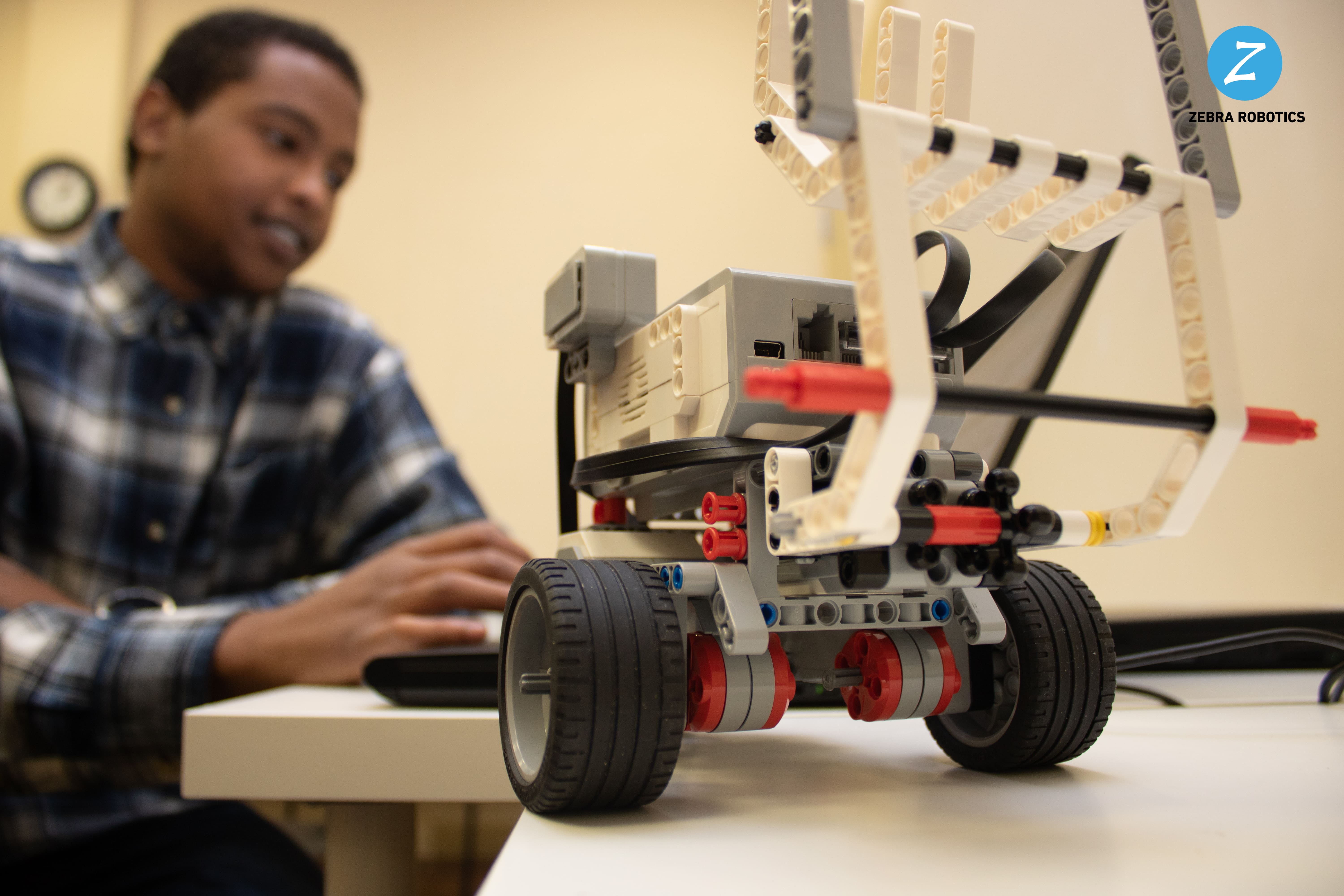
Bringing ideas to life: A budding engineer programs his robot for the ultimate test of creativity and functionality

At Zebra Robotics, we make STEM learning fun and engaging. Our hands-on programs in robotics and coding allow kids to:

  • Build and program their own robots.
  • Develop problem-solving and critical thinking skills.
  • Collaborate with peers and learn teamwork.
  • Explore exciting STEM concepts in a supportive environment.

Just as you invest in your child’s athletic development, investing in their STEM education is an investment in their future. By embracing both sports and STEM, you’re giving your child the tools they need to thrive in the 21st century and beyond.

Visit our https://www.zebrarobotics.com/surrey to learn more about our programs and how we can help your child discover the exciting world of STEM!

Franchisee Spotlight: Lavanya

Lavanya and her family.

In 2022, Lavanya became a Zebra Robotics franchisee, opening Zebra Robotics Brampton East centre in Ontario, Canada . She is a Senior Manager in Engineering by day and inspires the future leaders of STEM by night at Zebra Robotics. Lavanya is strongly backed by her husband Raghavendra and her two sons who stand by her and share the same values of making a positive impact in STEM education and their community.

Q: Could you tell us about your career prior to joining Zebra?

A: Before joining Zebra Robotics, I accumulated over 15 years of experience in delivery management, enterprise and solution architecture, and technical leadership. In my current role as a Senior Manager in Engineering, I oversee critical applications that support operations and ensure teams have the robust, reliable systems they need to deliver exceptional service. As an engineer myself, I recognize that technical skills alone are not sufficient for success. Therefore, I focus on fostering essential soft skills such as effective communication, teamwork and collaboration, problem-solving, adaptability, leadership, time management, critical thinking, emotional intelligence, networking, and creativity. By instilling these skills in students, I aim to prepare them to become strong leaders in their respective fields.

Q: What sparked your interest in STEM education and business ownership?

A: Growing up, I was always fascinated by technology and how things worked, which led me to pursue a career in the STEM field. As I advanced in my career, I noticed a significant gap in resources and opportunities for underrepresented groups, particularly girls and children with visible and invisible disabilities.

After numerous years of volunteering for this cause, and feeling limited in making concrete progress due to changes in leadership and vision, I realized I wanted to take control over the impact I could have and create a lasting vision for significant change.

Becoming a business owner with Zebra Robotics allowed me to turn this vision into reality. It provided me with a platform to develop programs and initiatives that focus on accessibility, engagement, and fostering a love for STEM among students. Through my work, I aim to break down barriers and encourage every student to pursue their passions in technology and innovation.

Q: What are some aspects of Zebra Robotics as a company that led you to become Zebra franchise owner?

A: As a senior technology leader with a strong educational background in computer science and extensive experience in the software industry, it was crucial for me to choose an organization that prioritizes quality in its curriculum. I also wanted to focus on developing students’ interpersonal and essential skills, and the curriculum at Zebra Robotics meets all those needs.

As Peter Drucker once said, “Quality in a service or product is not what you put into it. It is what the client or customer gets out of it.” This philosophy resonates with me, as Zebra Robotics not only aligns with university-level education but also reflects industry requirements, ensuring that students are well-prepared for their future careers. The company’s vision of fostering a love for STEM and empowering future leaders further solidified my decision to become a franchise owner.

Q: What franchise support has been the most beneficial to you?

A: As an engineer at heart without a business background, the comprehensive training provided by Zebra Robotics has been instrumental in my development as a franchise owner. The numerous-hour coach training covered essential topics such as program offerings, curriculum development, classroom management, and the use of the student portal and learning management system. Additionally, as manager/owner, training focused on sales and customer engagement, corporate IT systems, and marketing techniques. This extensive training has equipped me with the skills and knowledge necessary to effectively manage and grow my franchise.

Most recently, the franchise summit was a great addition to this experience, where we had the opportunity to learn collectively as a team from other franchise owners. It truly felt like a close-knit family that learns and grows together.

We wish Lavanya continued success as a Zebra franchisee and business owner! To learn more about Zebra Robotics franchise options, please visit our website.

Javin talks about coding

Javin
Javin, started with robotics course at Zebra Robotics in middle school and moved on to learn coding in high school, finishing Web Design, Js, and Java.

Congratulations to Javin, on multiple offers from different universities. He has chosen to join University of Waterloo, with a specialization in Computer Science. We chat with him to talk about Coding and get a student perspective. We hope this will motivate other students who want to pursue Computer Science in University and as career when they grow up.

How did you get interested in coding?

               My first experience and interest in coding were through coding EV3 robots as I could control the robot how I wanted to. However, my interest grew when I started to learn HTML, Javascript and Java at Zebra Robotics as I could make and play games, create my own website and even solve problems for competitions. It is also really fun to finally solve problems.

Tell us about yourself, your hobby and what you’d like to do when you are not working on your school or university work?

               When I have nothing else to do or assignments can be done at a later date, I like to play video games (normally with friends), watch tv shows, scroll youtube or just talk with friends. However, I also tend to help classmates with their work if they need my help (it’s also helpful for reviewing your classwork).

How long were you a student at Zebra Robotics? What did you like most at Zebra during that time?

               I was a student at Zebra Robotics for 5 years going from EV3 to FLL to HTML, Javascript, Java and Java FXML. One of the things I liked about Zebra was that I could do things I did not have the opportunity to do in my school. For example, my middle school did not have an FLL club, yet I was able to participate in such an experience because of Zebra. In addition, during my high school years, I was not able to fit any computer science courses in any semester, yet I was able to learn a few coding languages in a fun environment at my own pace at Zebra Robotics.

If you were to suggest a few things to aspiring Computer Science university students, what would you say?

               One of the main factors to becoming a Computer Science university student is a high average; however, participating in competitions, specifically math and computer science related ones will greatly help with your acceptance. If you are planning to go to Waterloo, the Waterloo contests such as Euclid and CCC are very important, but it will never hurt to participate in others. In these competitions, you do not have to be first but the more you participate in, you will obtain higher scores through experience and have some sort of edge during the application process. In addition to these, attending and competing in hack-a-thons will provide you with a slightly different kind of coding experience and even provide you with ideas for side projects that you might want to further work on, which again helps with your application. Overall, it is not all about grades in the application, as some part of it will be proving how well rounded you are or how you enjoy coding, which can be done through different experiences, projects or competitions. Just keep in mind that you do not need to do all of the things above to get an admission, as I never attended a hack-a-thon as a participant, but at the same time doing all of them may not guarantee an admission.

Rajath’s take on coding

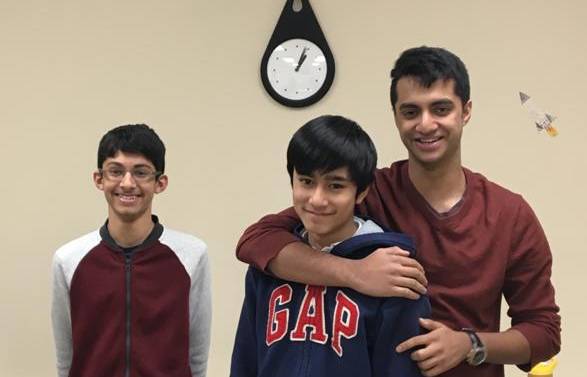
Rajath, Javin & Nikhil

Congratulations on your success in getting accepted for Computer Science in University of Toronto and getting into Dean’s List of Scholars.

How did you get interested in Coding?

My parents found out about Zebra Robotics around 5 years ago and enrolled me into robotics. During the time I was in Robotics I was completely attracted to programming; flash forward a few years and I joined as a student in Java. Initially I struggled with programming but as it was a grade 11 course I had, I had to push myself to learn and somewhere along the line I started to enjoy programming. From there onwards I programmed at every opportunity I got. Eventually my passion for programming took me to pursue computer science and as such I’m a second year Computer Science student.

Rajath
Rajath far right has been a student of robotics and coding. He started volunteering and eventually teaching at Zebra Robotics.

Tell us a bit about yourself, your hobby and what you’d like to do when you are not working on your school or university work.

University and working a job at Zebra takes up most of my time, that being said in the little free time I have I mostly just watch shows. Additionally, I make sure to exercise on my free time, as to counteract sitting down and working for a few hours.

How long were you a student at Zebra Robotics? What did you like most at Zebra during that time?

I was a student for around 3 years, in between which I started working a part-time job at Zebra. I have been a Robotics and Coding instructor at Zebra for a little more than 3 years. While I was a student, I spent my first year in robotics and my next 2 in competition with a bit of coding mixed in.

If you were to suggest few things to aspiring Computer Science university students, what would you say?

Programming as a whole is quite difficult at first because it’s like learning a whole new language. With perseverance, practice, and sincerity anyone can become a programmer. Once you get over the first hump in programming, there will be many more but every single challenge you accomplish helps fortify your skills. For university preparation, learn what languages are essential at the time (java, python, etc..) and that should give you a good head start for  first year university.

Jui’s Journey

Jui

Congratulations on your success in getting accepted for Computer Science in University of Toronto and  University of Waterloo.

Jui has been passionate about learning to code. After she finished learning few programming languages at Zebra Robotics, she volunteered to assist other budding coders.

How did you get interested in Coding?

In Gr. 10, I was convinced I would go into the field of medicine and hopefully specialize in genetic research or become a surgeon. My mom had urged me many times to try my hand at coding but I quite honestly wasn’t interested in trying it at all. I definitely had a vision in my head that programming would be immensely boring and that only a very niche group of people would find it interesting- and I felt certain that I didn’t fall into that category. But I eventually realized that programming would be a useful (and most likely even a necessary) asset to have, even in genetic research, so I found out about Zebra and decided to sign up. After a month or two, surprisingly, I absolutely fell in love with it and decided I wanted to become a software engineer instead. I realized how creative and fun coding could be and how it went far beyond my expectations of what it was and what it could entail.

Tell us a bit about yourself, your hobby and what you’d like to do when you are not working on your school or university work.

Well I’m currently about to start studying Software Engineering at the University of Waterloo, and in highschool, I was a student in the IB program. For the past 7 years, I’ve been doing karate and for the past 2 years, I’ve also started doing jiu-jitsu, which is a form of grappling. MMA (mixed martial arts) is one of my favourite hobbies and it tends to take up most of my spare time. However, I also like to watch documentaries and the UFC, as well as go on bike rides and spend time with my friends and family.

How long were you a student at Zebra Robotics? What did you like most at Zebra during that time?

I was a student at Zebra robotics for almost two years, starting to learn to code there halfway through Gr. 10. During my time there, I can say without a doubt, that it was the people there that made Zebra so special. In my classes, as well as in the younger children’s classes I volunteered in, you could see how happy people were to be at Zebra. The coaches were incredible at teaching and really worked with you one-on-one if you needed help, but what set them apart in my opinion, was that they were really fun too. They would make jokes and also have conversations with the whole class, which was great for me because I tended to be pretty quiet and shy. I found sooner or later that every student ended up loving Zebra, because unlike other places where you take lessons to learn some skill, Zebra made learning fun and interesting. And who doesn’t love that?

If you were to suggest a few things to aspiring Computer Science university students, what would you say?

I would advise aspiring CS students to do things that they truly have an interest in. Too often, because CS programs are so competitive, people sign up for common extracurriculars such as DECA or Model UN in their last year of highschool, just to have something to put on their application. I would say that one of the best and easiest ways to have your application to stand out in really competitive programs is to take part in extracurriculars or projects that are long-term and that you really love. This is not only satisfying in itself, but it also teaches you a host of different skills and helps you stand out from everyone else who have the same extracurriculars and grades. People often only list activities on their application that are relevant to the field they want to go to (such as only focusing on their CS projects if they’re applying to CS)- to show that they have a ‘passion’ for the field they’re going into. Universities can see through this because it’s generally pretty difficult to develop a passion for something if you’ve only been doing for a few years; so engage in some long-term activities that you find interesting and that more importantly, you can learn technical and soft-skills from. Also, I’d highly recommend you spend a lot of time and effort on your application and refine it to the best of your ability, because it can really make a big difference in your chances of admission.