Choosing a Special Secondary Program for Your Ontario STEM Student

Canada is consistently ranked in the top 5 countries for education, and it’s for good reason. We have targeted educational programs for a wide range of high school students in addition to a comprehensive governmental curriculum. Secondary school choices are particularly complex, especially for students interested in STEM fields where programs range from hands-on training to broader university-preparation programs. Many grade 8 students can feel overwhelmed by the decision, but it is important to work together to make a thoughtful choice because not all programs are offered in all schools, and there will be social and logistical challenges in addition to the academic ones. Remember that this is an exciting opportunity to find your child’s sweet spot for success.

Special secondary school programs range from comprehensive ones like Advanced Placement (AP) and International Baccalaureates (IB) to STEM-based technical ones. Students enter special high school programs starting in grade 9, so applications must be completed during grade 8. Check your local school districts for specific deadlines, but most informational sessions happen in the early fall, and applications are due in late fall or early winter. The Ontario Association of School Districts provides links to all Ontario school boards on their website: https://www.oasdi.ca/district-list/. All programs discussed here meet the regular, Ontario Ministry of Education curriculum. 

The programs

Advanced Placement (AP) programs were developed in the United States in the mid-20th century, responding to a perceived lack of rigor at public schools after colleges and universities began accepting a wider range of students. In AP programs, students learn first-year university material, and if they earn a high enough score on a final exam, they can receive credit from universities. 

Students in AP programs learn with other high-achieving students who experience the Ontario curriculum at a faster pace and in more depth before getting to university-level curriculum. Alumni of these programs report that they were well prepared for university courses. AP programs focus on core disciplines like math, English, French, science, etc., but some offer optional preparation for exams like Computer Science Principles. Students must take a minimum number of AP courses per year to remain in most programs. 

When students apply for university, they can designate if a course was an AP course or not, though it’s unclear how this designation affects their chances for admission. It’s optional to take the final AP exams, and each costs $130 to take. The exams are graded with levels 1-5, with 5 being the most proficient. Final exam scores do not affect classroom marks. Students can choose to send their final AP exam scores to universities and colleges to which they are applying, just as they would with any entrance exams required in other countries. 

For many competitive universities, AP exam scores are not a guarantee of credit and may only earn general credit instead of replacing course requirements. Since Ontario was one of the last provinces to offer AP programs, there are fewer universities in the province that take AP transfer credits. For example, scores on the AP Calculus exam are not awarded credit at the University of Toronto, while the University of Waterloo only accepts .5 credit if the student is not a math major. 

International baccalaureate (IB) programs were conceived in Geneva in 1968 but launched in the United States in 1971. They are more comprehensive than AP programs, requiring competence in a wider range of subjects, more in line with liberal arts colleges. There is a deeper emphasis on writing, collaboration, and critical thinking. The writing focus of IB programs is especially good at preparing students for writing college entrance essays. Students complete a research paper and a community service project by the end of the program. The International Baccalaureate Organization monitors all schools who offer the program and reviews them every 5 years. Random student assignments are chosen for regrading at the international office every semester to make sure that teachers are grading in accordance with IB standards. Students do preparatory work in grades 9 and 10 and enter the Diploma Programme in grades 11 and 12. In a long-term study, secondary students who studied in an IB program reported that the program helped them prepare for college coursework, especially in terms of writing, critical thinking, study skills, and time management.

The IB does not specialize in STEM fields. Rather, the curriculum is focused on classic, liberal arts curriculum like literature, language, social sciences, sciences, math, and arts. The math curriculum, however, is rigorous. Computer science is an option for students to study within the science category of the curriculum, but the exams are written rather than demonstrating hands-on programming skills. There are two externally graded examinations in grade 11 and four in grade 12. International baccalaureate diplomas are recognized and esteemed around the world.

If a more applied program is what your child enjoys, there are lots of options. The Science and Technology (SciTech) program is a more hands-on, career-oriented program that features robotics and helps students hone their entrepreneurial skills. Students can participate in STEM competitions and even take certain AP exams if they desire. Graduates go on to universities like McMaster, but the program can also lead to the workplace. Guest speakers and special workshops, in addition to work with laser cutters and 3D printers, showcase the practical focus of the SciTech program. 

The objective of the International Business and Technology (IBT) program is to prepare students for 21st Century “jobs that have not yet been created.” Students take six credits of IBT courses in grade 9 and 7 in grade 10, in addition to the standard Ontario curriculum. In grade 11 and 12, they focus on four courses in either business or technology, based on their earlier exploration. Technology courses include engineering, computer science, tech design, and robotics. Students can participate with VEX and First Robotics in addition to using 3D printers and a design lab, as available. 

For an even more career-based option, there are the Specialist High Skills Major (SHSM) programs. These programs begin in grades 11 and 12, focusing on a very specific career option. Students take courses in their program of interest, much like they would in their major at college or university. The programs include sector-recognized certificates and training like hazardous materials use or CPR as well as cooperative education credit received for experience in a workplace related to the field of study. The program is designed for students going to university and going into the workplace after school. For example, students studying in the Information and Communications Technology SHSM may go on to be software engineers through university training, web designers and developers through college training, or computer network technicians after an apprenticeship. Not all SHSMs connect to the interests of students in STEM, so it’s important to do your research in the specific program. The most widely available and relevant program is the information and communications technology SHSM. 

Enhanced learning programs are individualized instruction for gifted children, much like special education programs offer individualized instruction for children with special learning needs. Families must apply for these accommodations after having their child tested with the Canadian Cognitive Aptitude Test (CCAT) and using the Gifted Rating Scale (GFS) as required by the school’s In School Review Committee. At Tier 1, the student receives differentiated instruction and additional assessment in standard classrooms. At Tier 2, the student is eligible for the In-School Enhanced Learning Program. This offers support including independent learning and help with soft skills for planning, organizing, and thinking critically. At Tier 3, the student is identified as exceptionally gifted and qualifies for enhanced learning classes at the secondary school within their regional boundary. The tiers are meant to scale up or down the level of acceleration needed to keep the student challenged and engaged. 
Some schools have unique programs, depending on the needs and skills of the region. For example, Halton School District offers a special I-STEM program, which adds innovation on top of STEM focuses on science, technology, engineering, and mathematics. In this program, classroom learning is paired with mentorship and experience in workplaces and the community. In grade 9, students focus on design, shift to entrepreneurship in grade 10, and finally study innovation in grades 11 and 12. They end with a public presentation of work that solves a social, environmental, or economic issue in the world. Students receive an I-STEM certificate when they finish the program, along with valuable experiences that will recommend them for universities and colleges.

Challenges with applying

Special secondary programs that start in grade 9 have an application process. Again, check with your local school district (https://www.oasdi.ca/district-list/) Students must meet or exceed provincial standards for marks and learning skills in grade 7 and 8. Some write short essays or complete an application. In competitive districts like the Peel Region in GTA, the district then compiles a list of students who meet the program requirements based on the application and grades and then enters your child into a lottery for placement. Each successful application is randomly assigned a number by a computer, and enrollment offers are based on a lottery of those numbers. Remaining applicants who meet the requirements but did not get an offer are placed on a waitlist. When the deadline for accepting the first wave of offers is completed, new offers are given until the program is filled. Applying for multiple programs is fine, but as soon as a student accepts an offer, other applications to other programs are suspended. Thus, your child may be a successful applicant for multiple programs, may be on the waitlist for one, receive an offer on the other, and need to make some hard decisions.

African, Black, First Nations, Inuit, and Métis students do not participate in the lottery. If they meet program requirements, they are automatically accepted. Smaller private school boards often offer choices for ambitious secondary students in STEM without lotteries to determine placement. The applications can be fairly rigorous and often include essays and community/school involvement in addition to grades. There are usually application fees for special secondary programs, and there are costs associated with enrollment in the programs. IB and AP programs tend to have the highest fees, which also vary by district.

Finding the right program for your child depends on a lot of factors. As you and your child narrow the choices, it’s important to research the specifics of each program and what’s available in your region. Fall is when schools offer open houses and informational sessions on the different options.

The choice for your STEM child depends on overall academic motivation and goals. The more hands-on programs lend themselves to workplace and college goals while the AP and IB programs lend themselves to university goals. However, that is not a predetermination or a direct path. Students in more applied programs can certainly leverage those experiences to university applications. It is most important to choose a program that keeps your child engaged and invested in their education. Good marks and the ability to communicate knowledge and skills are the most important factors for success in post-secondary education, no matter which program they study.

At Zebra Robotics, our high school students come from different secondary programs, but they all have an interest in coding, robotics, or technology. No matter which program they study, supplemental, enhanced education like after-school and summer programs can help prepare students for university studies. In addition, competition in robotics and coding not only provides them with technical know-how but also prepares them to face the real world as they prepare for university and the workplace.

For more information on the GTA area, here are some resources to help you support your STEM secondary student:

Hard Work Deserves Celebration

Just this past weekend, we had an incredibly important celebration for our national and international World Robotics Olympiad (WRO) competitors! Wanting to celebrate their achievements we had been hard at work setting up a small event for the kids this Saturday, with demonstrations, speeches, and of course, food. But behind the scenes, Jami had been toiling away on another secret project. Equipped with a silver tongue, she managed to invite and convince some of our local MPP’s to come down and show their support for our hard-working students as well! MPP’s Nina Tangri and Deepak Anand were more than delighted to make an appearance, and honour the competitors, even bringing special awards recognizing their triumphs.

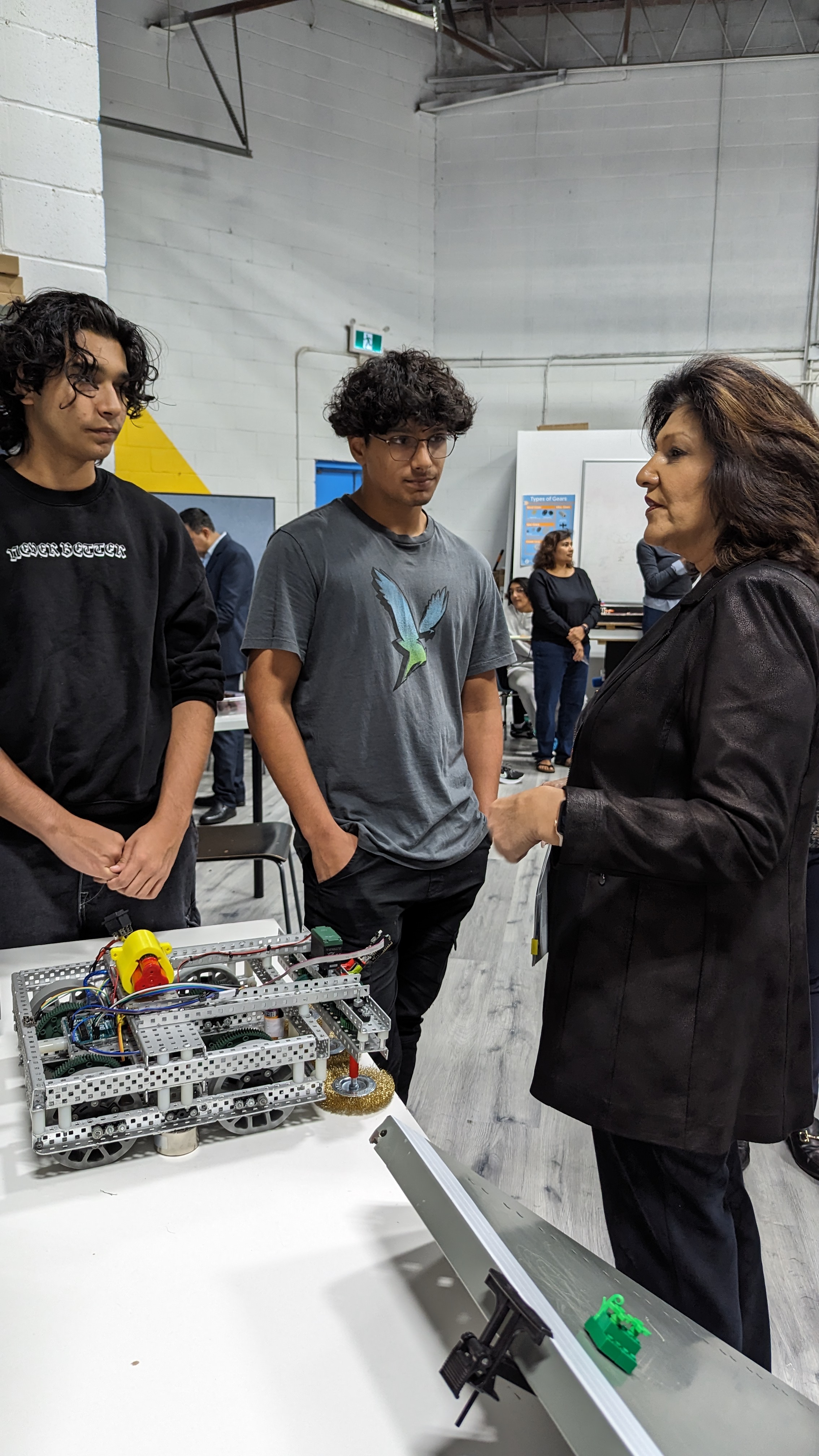
Parents were the first to arrive, catching up with one another, as well as sharing their experiences of the national finals. The kids mingled among each other, either grabbing food, or checking up on their robots, fine tuning them before the MPPs arrivals. Not too long after, the ministers rolled in, and the teams were ready to show off all their hard work. The Future Innovators delivered their well-crafted presentation and demonstration of their robot to combat biofouling. The RoboMission team showed off their robots’ agility and precision by picking up, carrying, and carefully placing rings. In a new twist on RoboSports, the autonomous robots played against the MPPs who tossed the balls back as if they were a robot team. 

The Future Innovators Team show off their robot to combat biofouling. MPP Nina Tangri asks questions about the project.

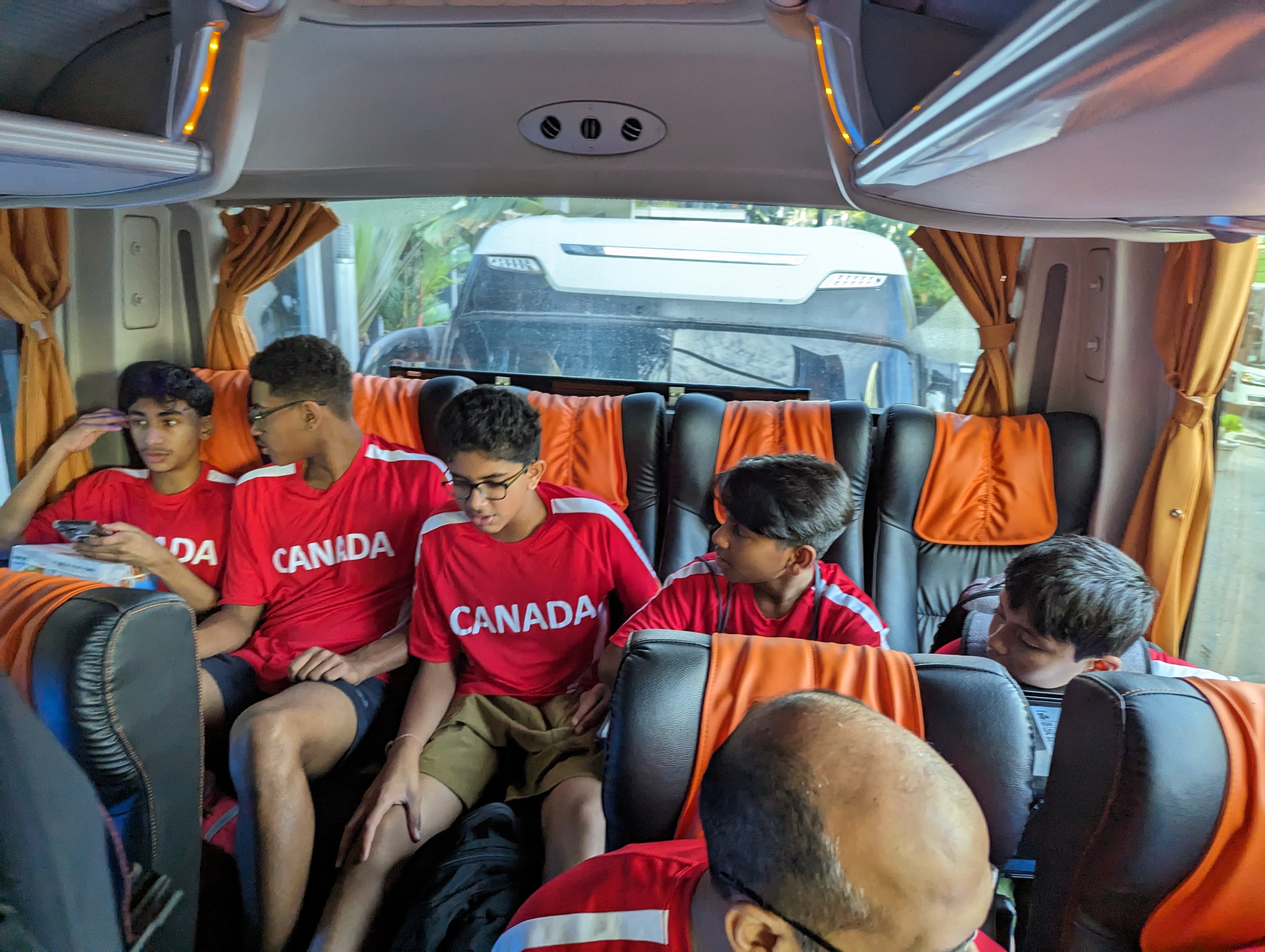
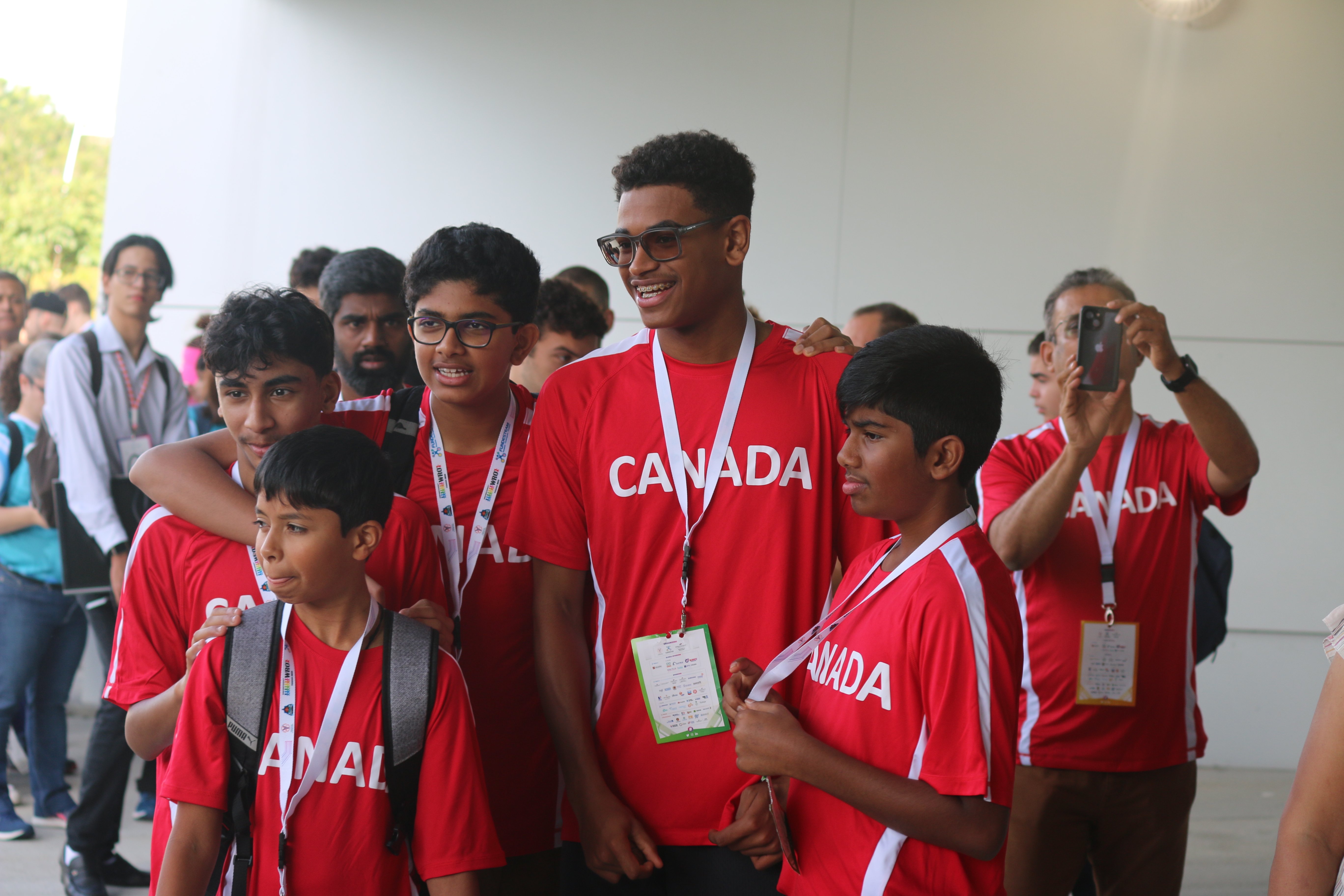
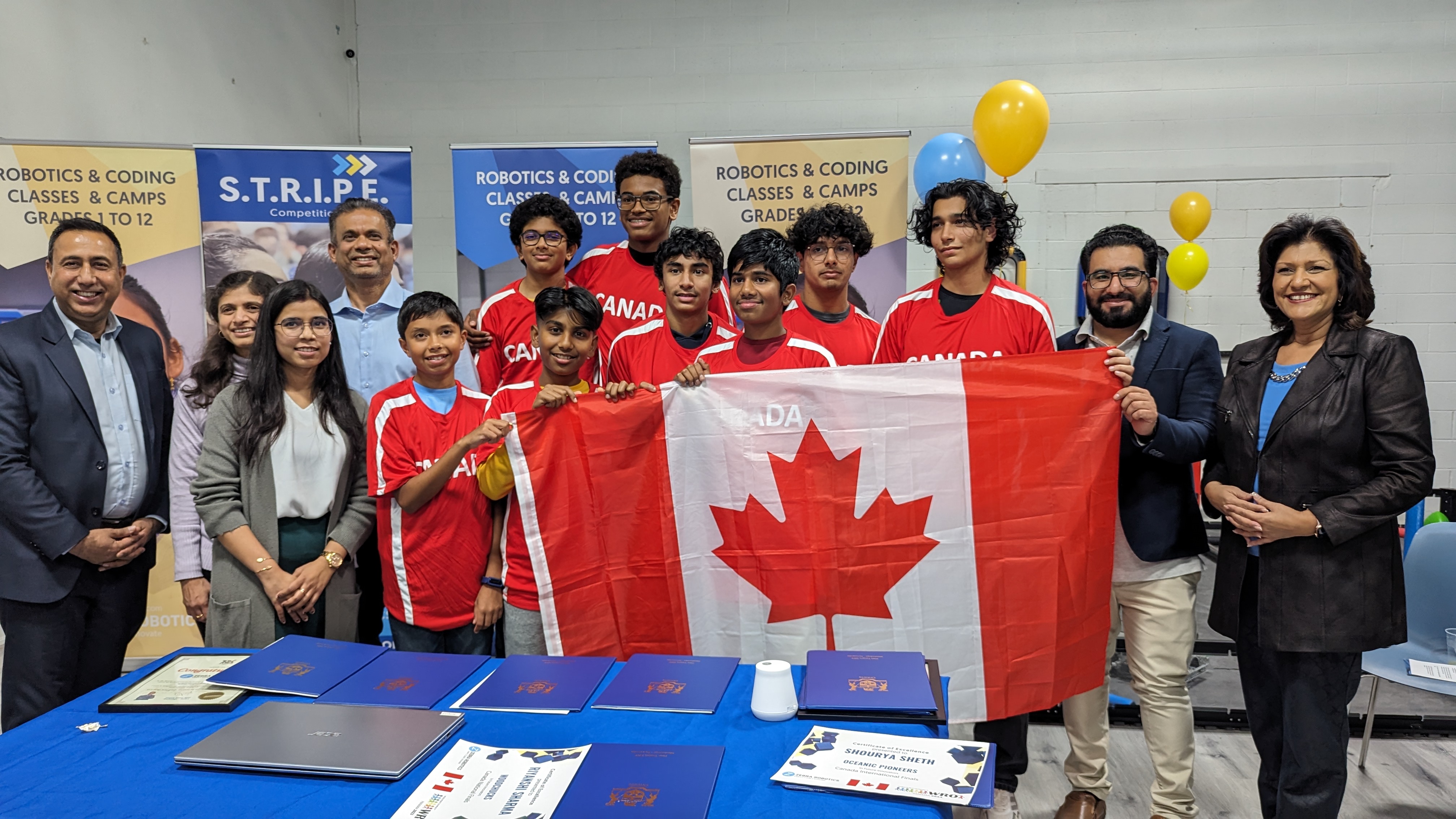
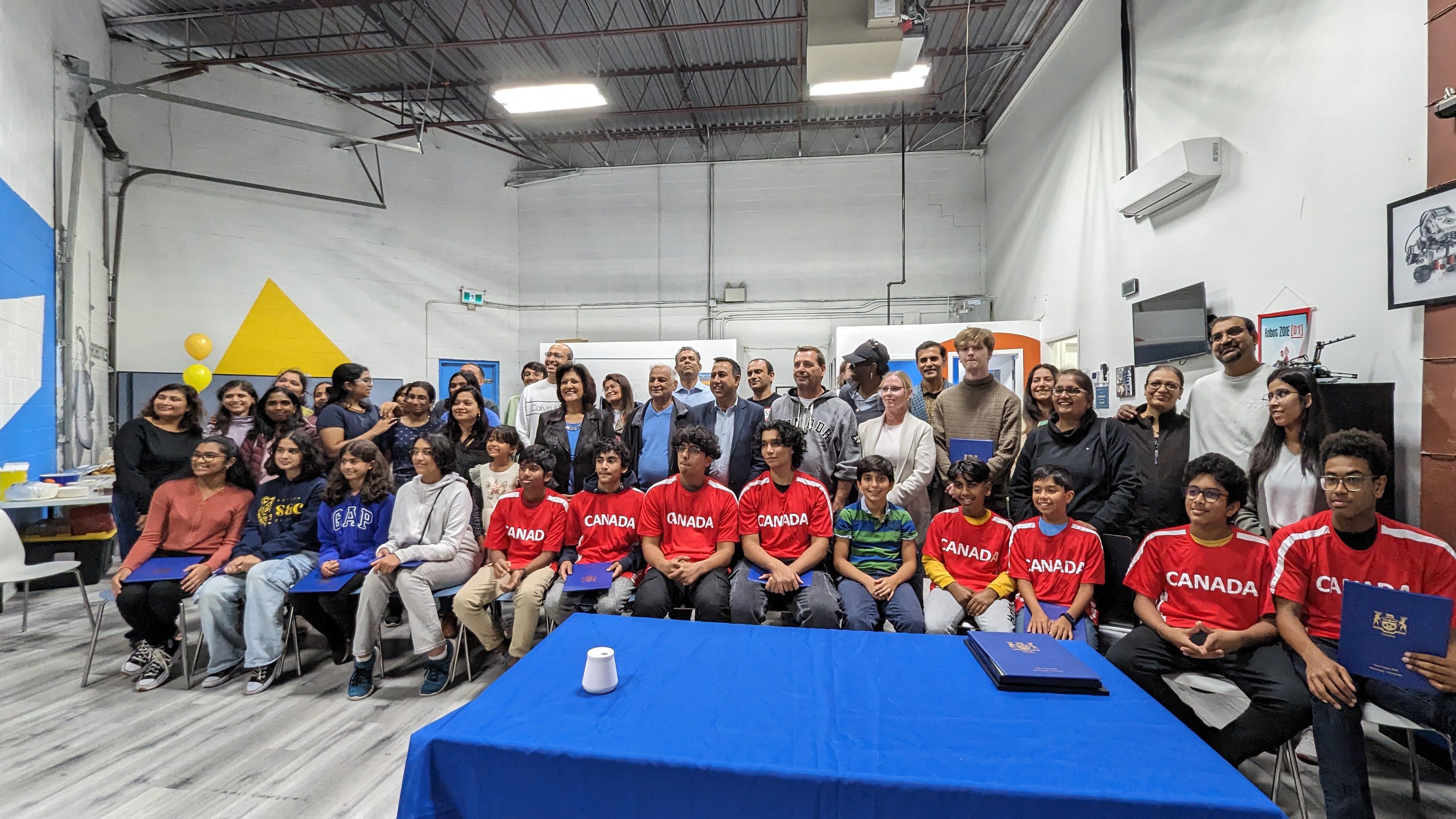
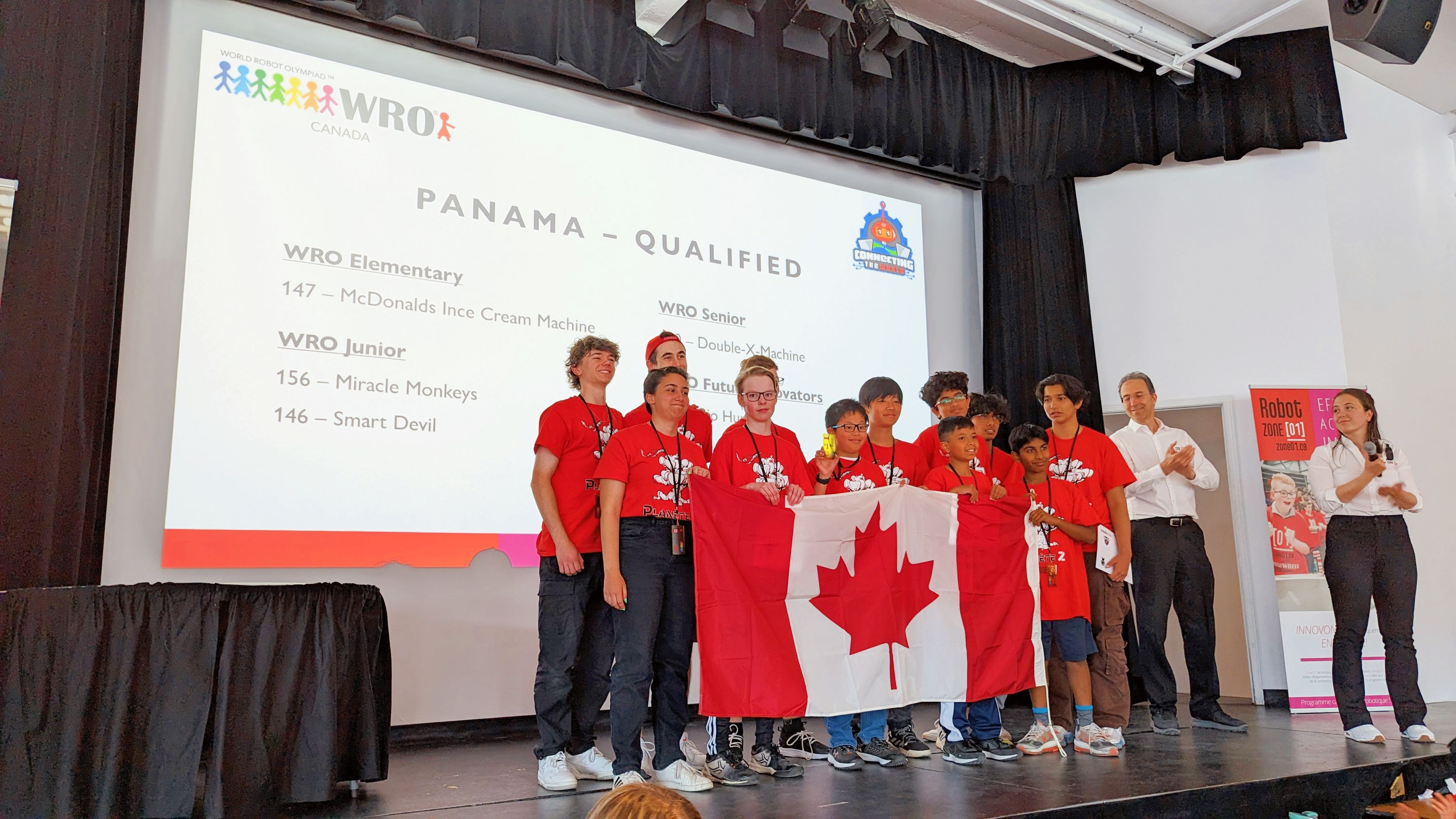
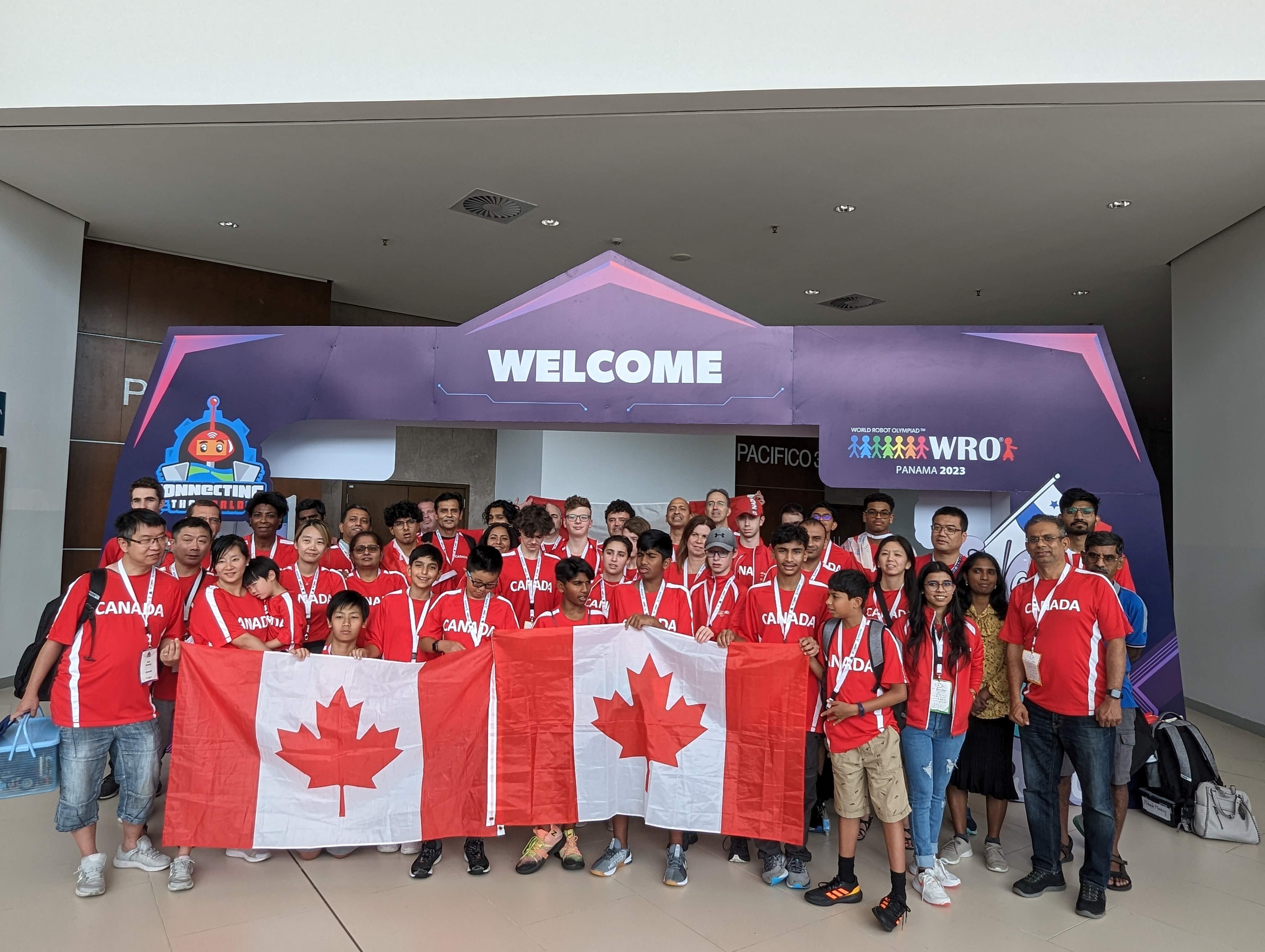
After the festivities, speeches were held by founder Satish, alongside the wonderful MPP’s. They congratulated the students and encouraged them to keep reaching for the stars, as who else but the next generation would be able to grasp them. Then each team was awarded a special certificate, recognition from the Government of Ontario for their accomplishments. Parents and coaches alike burst into applause as the teams received their awards, handed to them by both Nina Tangri and Deepak Anand.  Finally, the teams going to Panama were presented with the Canada jerseys they will wear throughout the WRO competition, and they had a chance to pose with the Canadian flag. 

The teams going to WRO Internationals pose with the coaches and MPPs Nina Tangri and Deepak Anand.

As the event came to a close, students went back to their parents, receiving smiles, hugs, and words of affirmation. It was a brilliant sendoff for our international competitors and a proud recognition of our national competitors after all their hard work.

Stay posted to our blog and social media for updates on the international teams as they travel to Panama in two weeks’ time. As we cheer on the international competitors, we are already gearing up for the FLL season and starting a new season of STRIPE Competition. Stay tuned for updates on both of those as well! Thank you for reading!
Good Things Always Come In 3’s!

If you’ve been keeping up with our blog you might remember us previously mentioning that we were going to Panama for the World Robotic Olympiad (WRO) International. Two teams earned their spot through ingenious concepts, and hard work. If you haven’t read up on it, you can do so [here]. However, good things always come in 3s!

            Just last weekend, in Kingston, Ontario, more of our teams battled for a spot in the WRO Internationals. The competition was not only fierce, but it was close. Two of our teams came close to victory that day with incredible performances that had people cheering. The first of the teams performed incredibly well, their robot avoiding obstacles and navigating on its own absurdly well. However, its competition was just as skillful, and both teams were neck and neck on the leaderboards. As a result, judges needed more time to review the performance of each robot and to double-check the tally of points to see who would come out on top. In the end, the judges gave their verdict, and our team came in second. A mere minor bump against an obstacle cost our team 2 points, and it was enough to drop us down to second place.

Team v^3, Future Engineers

            While they won’t be going onto the WRO competition, they still came second overall, and performed exceptionally well at the event. They are proud of their hard work, as they put up such an impressive fight in the robotic ring. We too are proud of them and are eager to see their hard work pay off again next year. But they weren’t the only ones who were gunning for Panama.

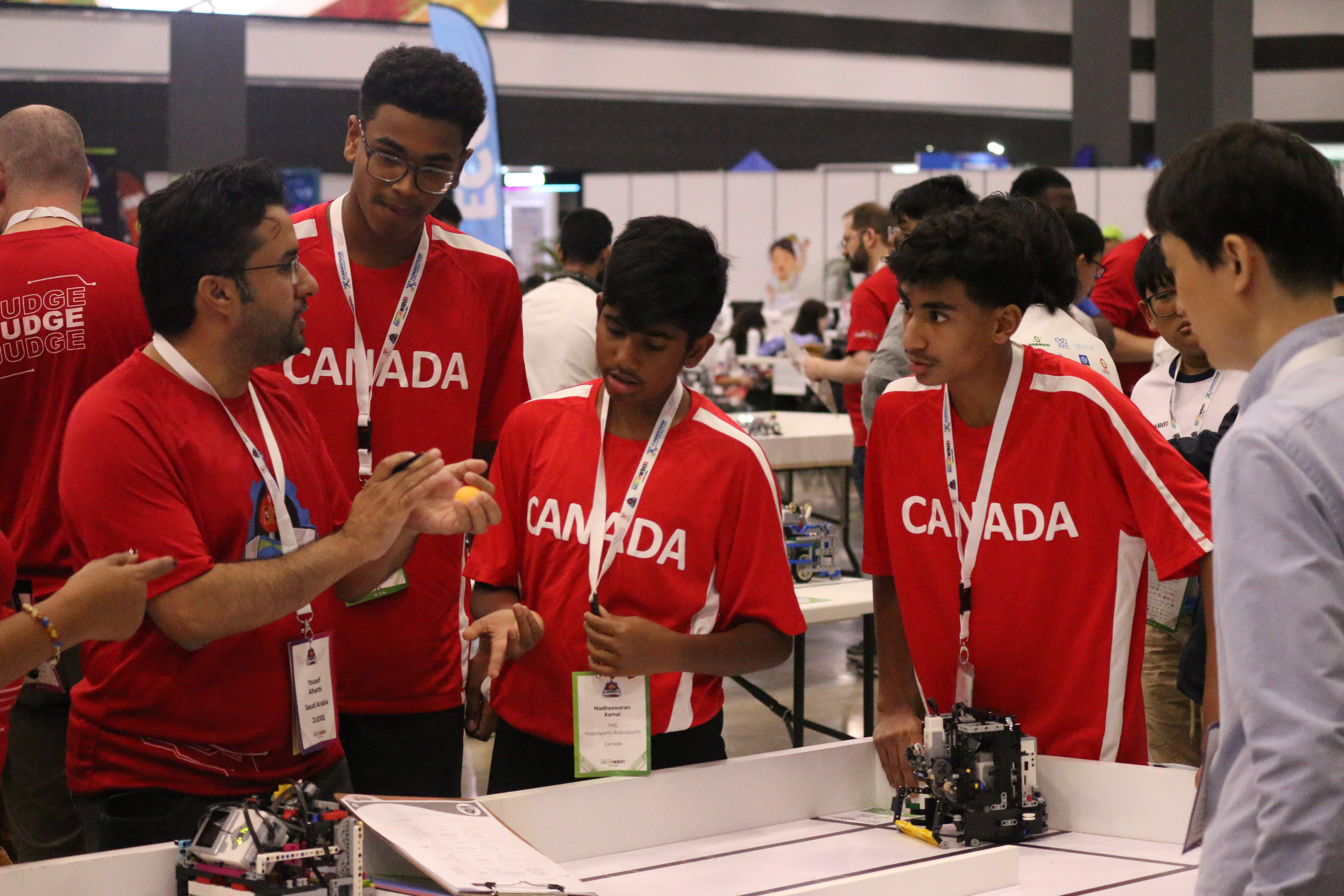
            Our other team also had a shot at the internationals, and they fought hard to try and get there. After performing very well in previous events, it came down to a tennis match to see who would go down to Panama in November. Their rival was another competent team, and had performed well so far, and so our team steeled itself for a hard fight.

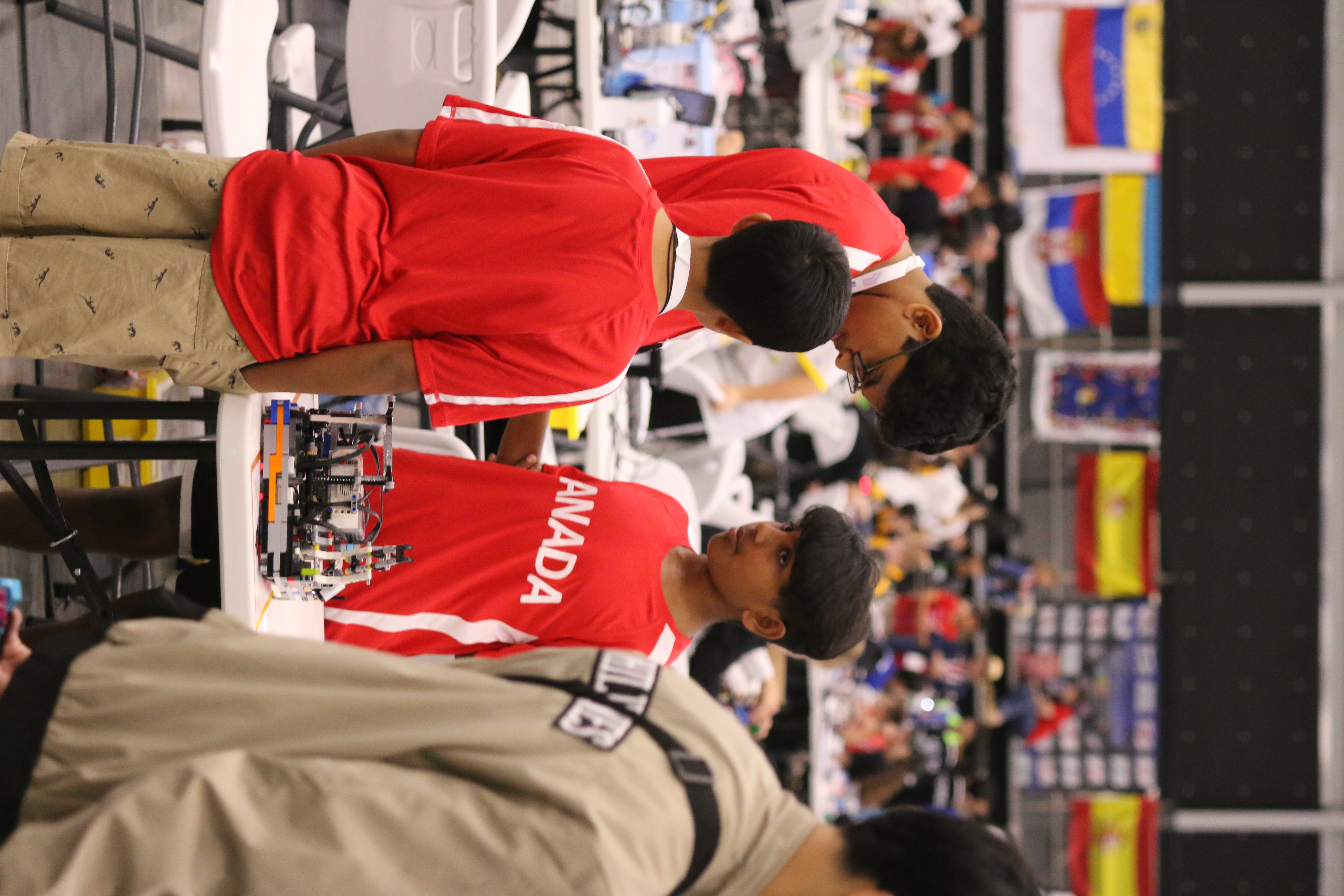
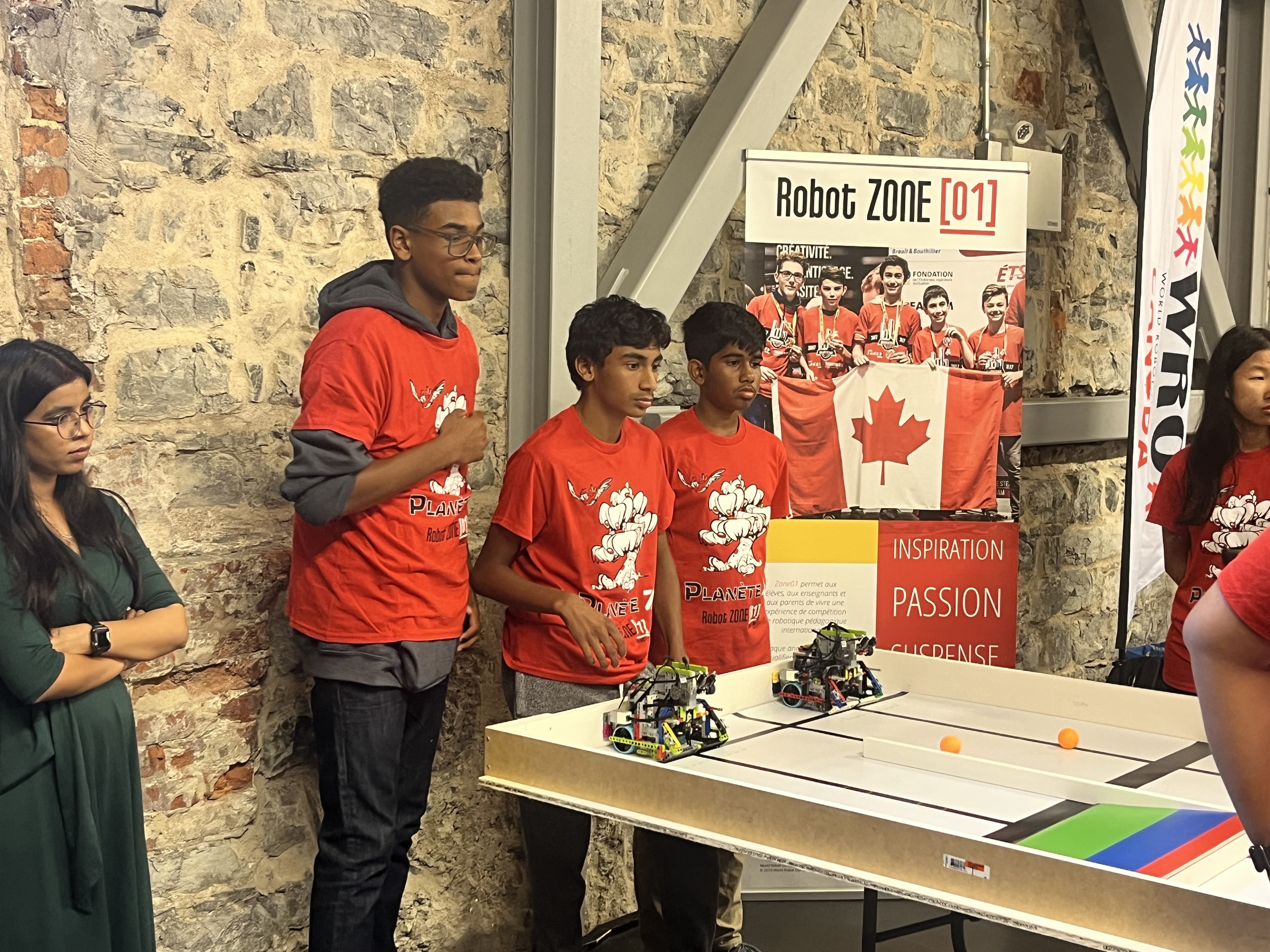
The team preparing their bots for the tennis match

            The first match was tight, with the tennis balls being slung back and forth at rapid pace. It looked like we would take the lead, but the other teams robots ensured that just wouldn’t happen. Slowly, but surely, they took the advantage and closed out the match in the lead. We had lost. But thankfully, that was only the first of 3 matches.

            The second match began shortly after the first, and we were looking to avenge our previous loss. The balls went back and forth between the courts, but we gained the lead relatively quickly all things considered. The opposing team didn’t give up easily however, and we had to work to keep our advantage. But as the timer rang out, we firmly cemented our win, evening the scores between us and them.

            It all came down to that 3rd and final match. Electricity was in the air as it began, both teams knowing what was on the line. The match was close. Everyone kept their eyes on the table, holding their breath and clenching their fists. As the balls flung, people started to lose count as to who was in the lead. We could have been leading. We could have been losing. But then, tragedy struck. As our robots flung the tennis balls, we noticed not as many were returning. One of the rival teams’ robots had gotten stuck. Squished between the wall, it lay motionless, unable, or unwilling, to fight any longer. As the buzzer rang out, we exploded in joyous celebration. We had won, securing our place in the internationals.

Ready to represent Canada in Panama!

            Now, our teams gear and tool their robots to be ready for the big event. This November we will fight again, this time for Canada, as we once more try to secure first place in the WRO competitions. They will be flying out to Panama City in November, battling it out on the world stage between the 7th and the 9th. While tickets are unavailable, we will keep you informed on how the competition goes. We will see you again then!

Representing Canada on the World Stage

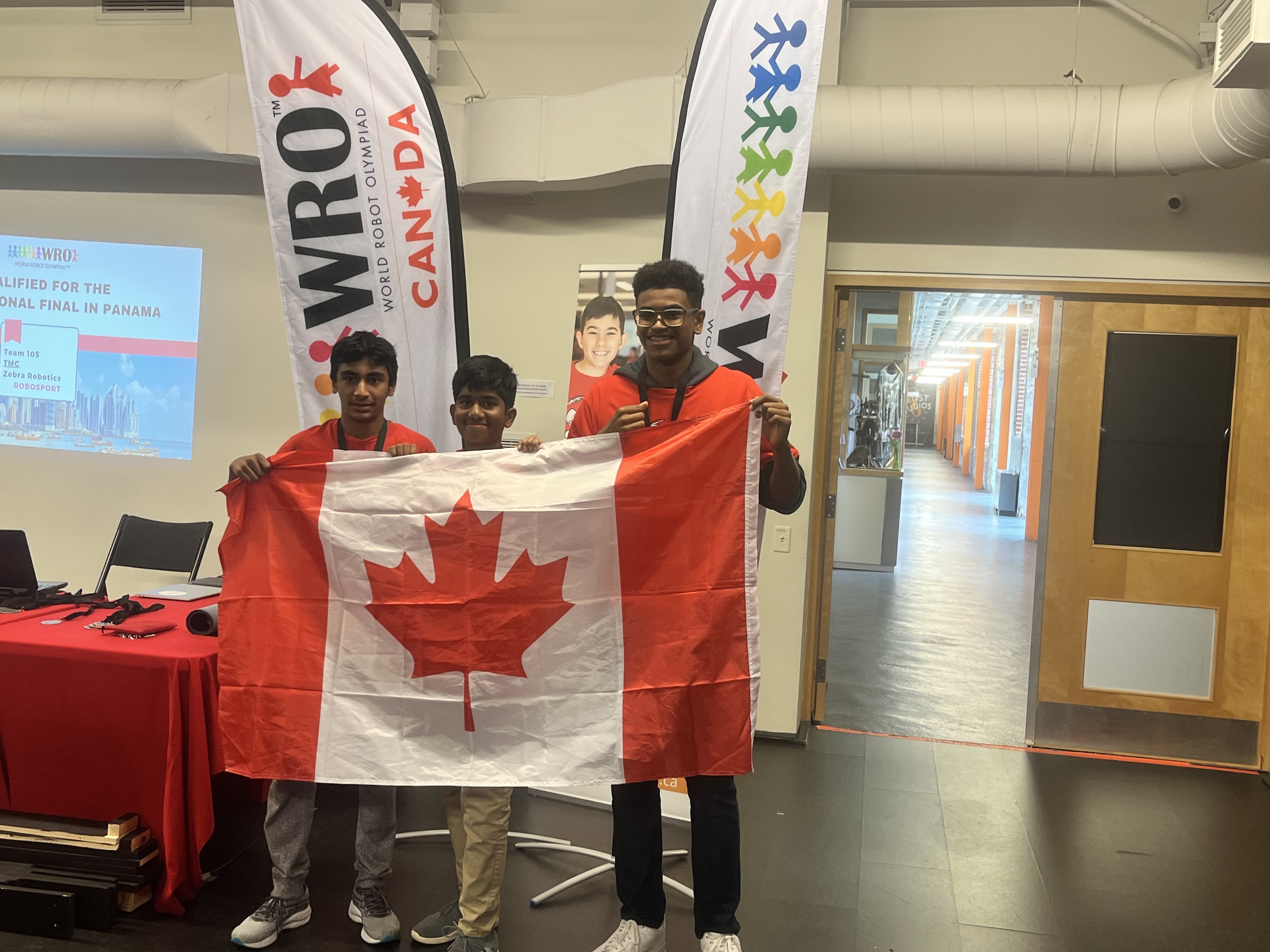
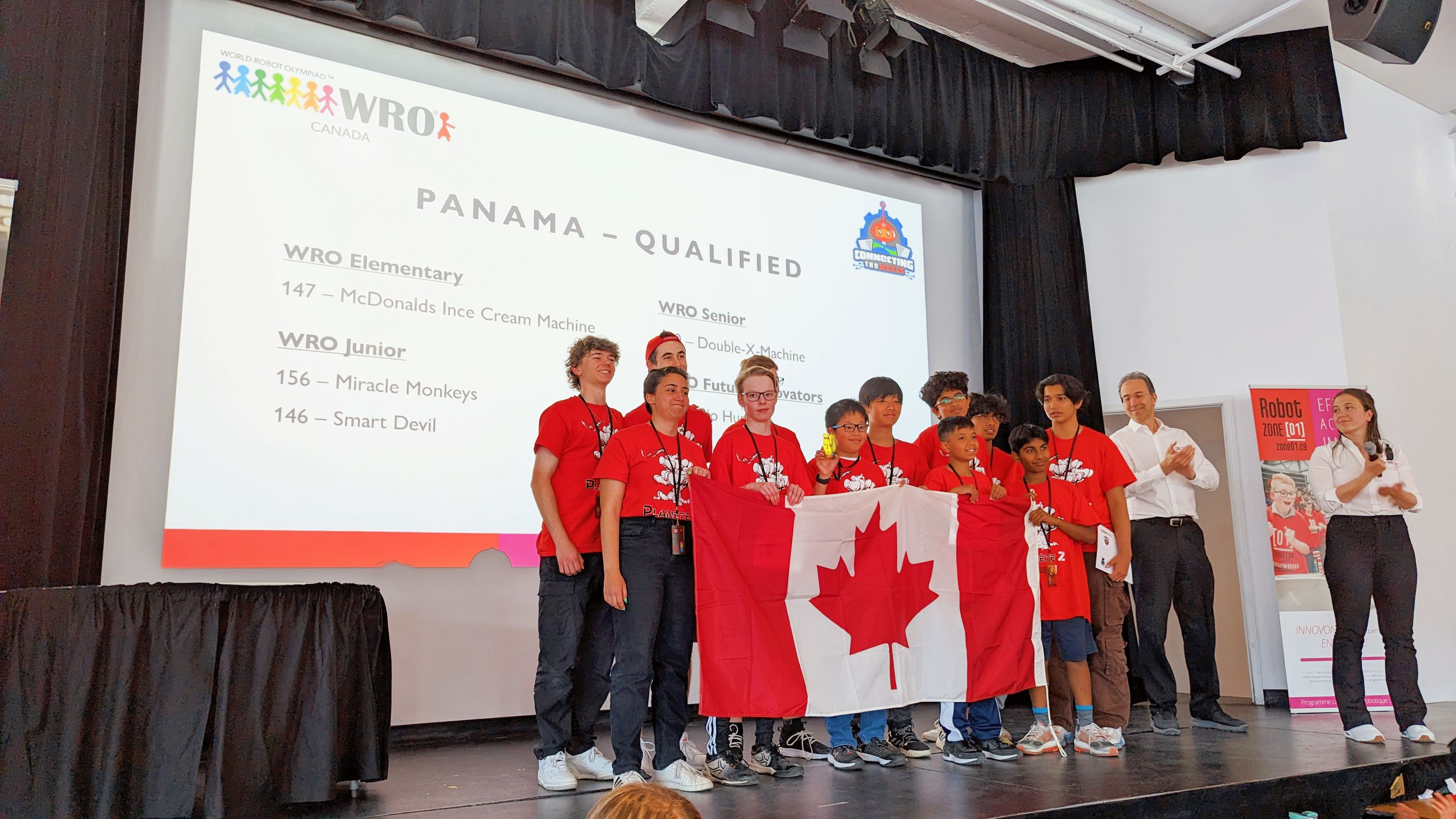
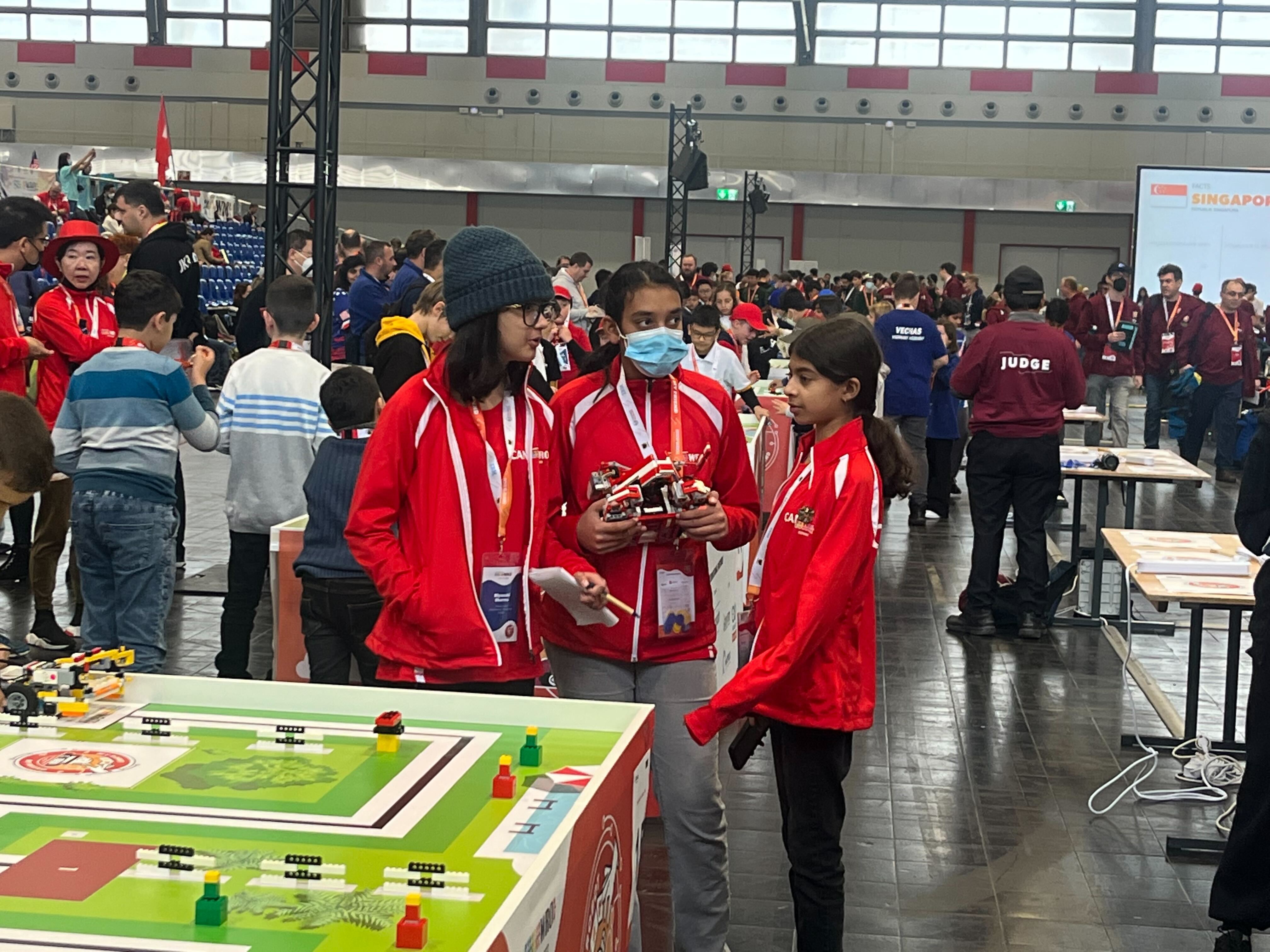
The two teams advancing to Panama.

Last month, Sunday June 4th, marked the WRO National Finals in which eleven Zebra Robotics teams fiercely competed using the knowledge and skills they acquired over the curriculum. This time and effort they put into learning and innovating paid off, as the teams collected six awards, including three first place positions, one second place position, and two third place positions. Of these award winners, two of the three first place positions are going to be representing Canada on the world stage, competing in the WRO International Finals in Panama against eighty plus countries!

But you might be wondering, what were the achievements that brought these Zebra students to the international stage?

The first team, who came in first place, was a high school team that focused on the issue of long-haul ocean freight ships. These massive cargo ships drive our supply industry, with many carrying 24,000 Twenty Foot Equivalent Units (TEU) worth of supplies across our vast oceans. They, however, face a major issue. As these ships have a decently long lifespan, many of them acquire lots of biomaterial on the underside of their hulls, things like algae, barnacles, tubeworms and more. This causes a whole host of issues and is referred to as biofouling in the industry. It is a problem that has plagued humanity since the dawn of sailing, but our bright minds came up with a solution.

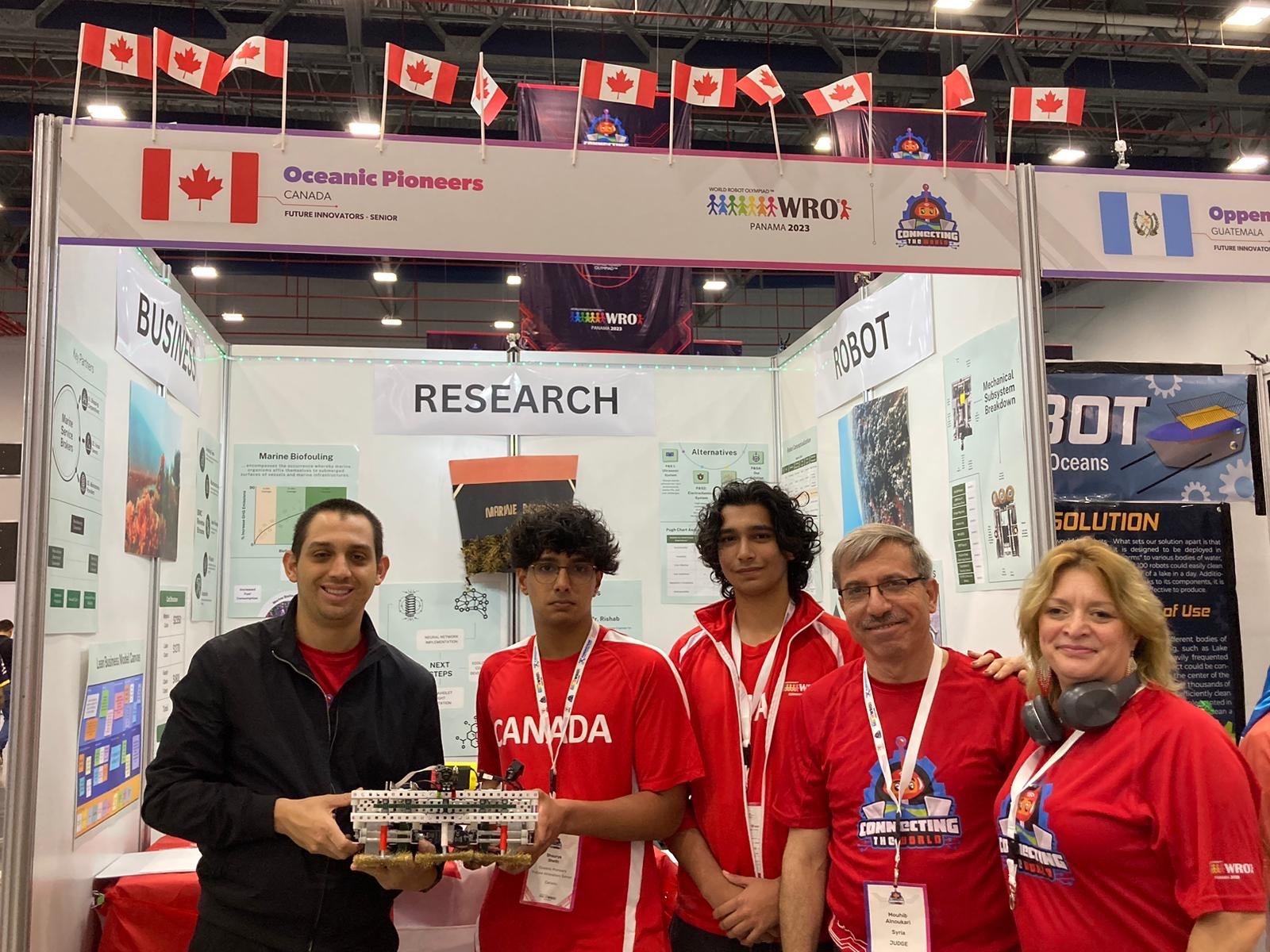
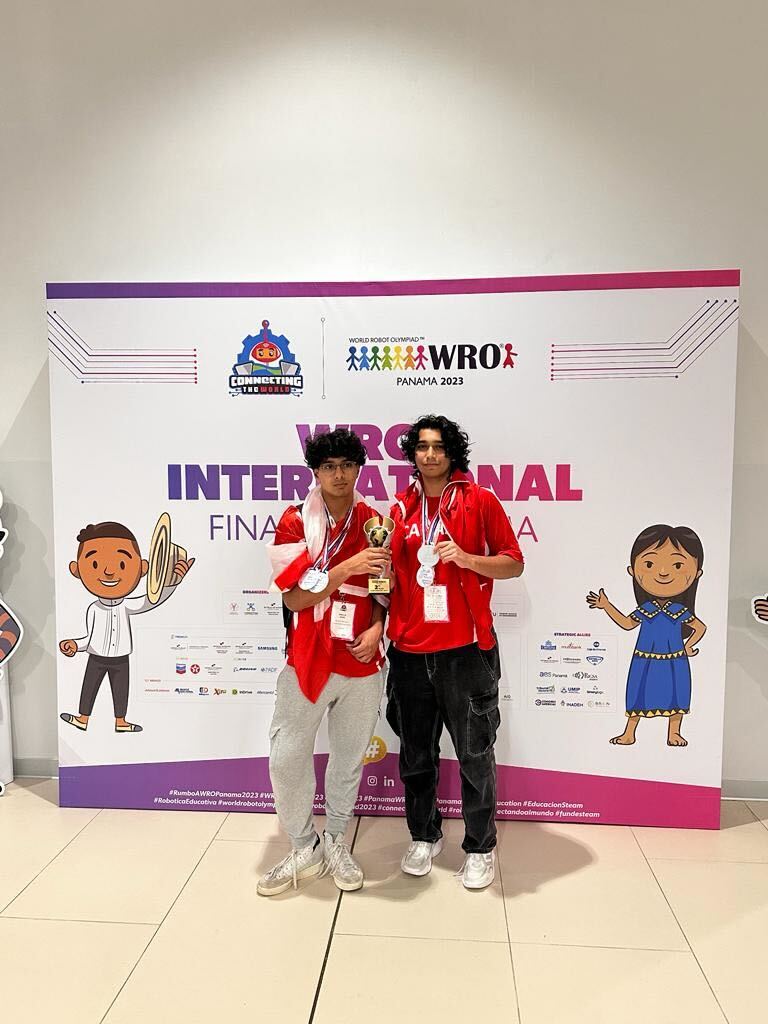
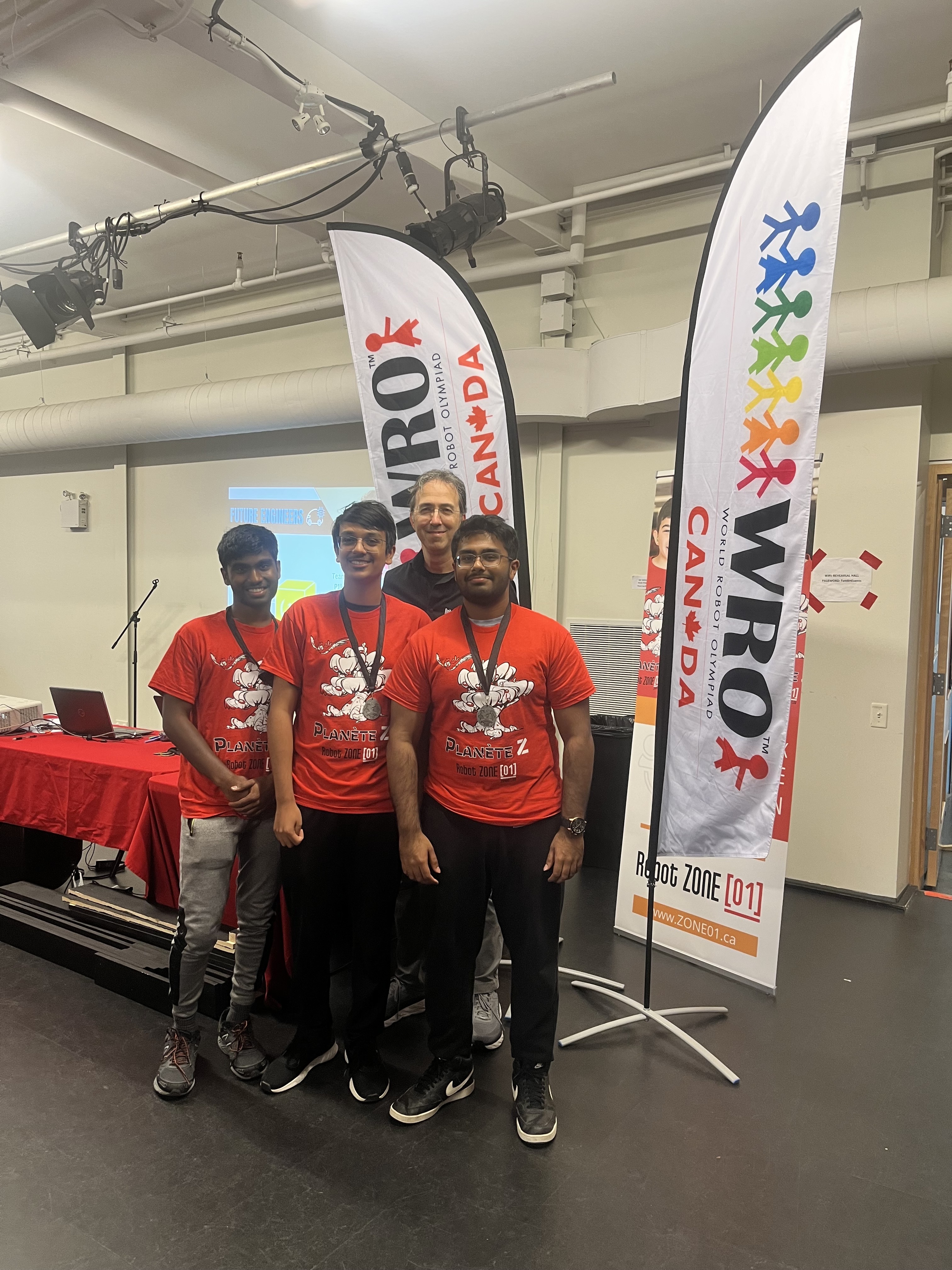
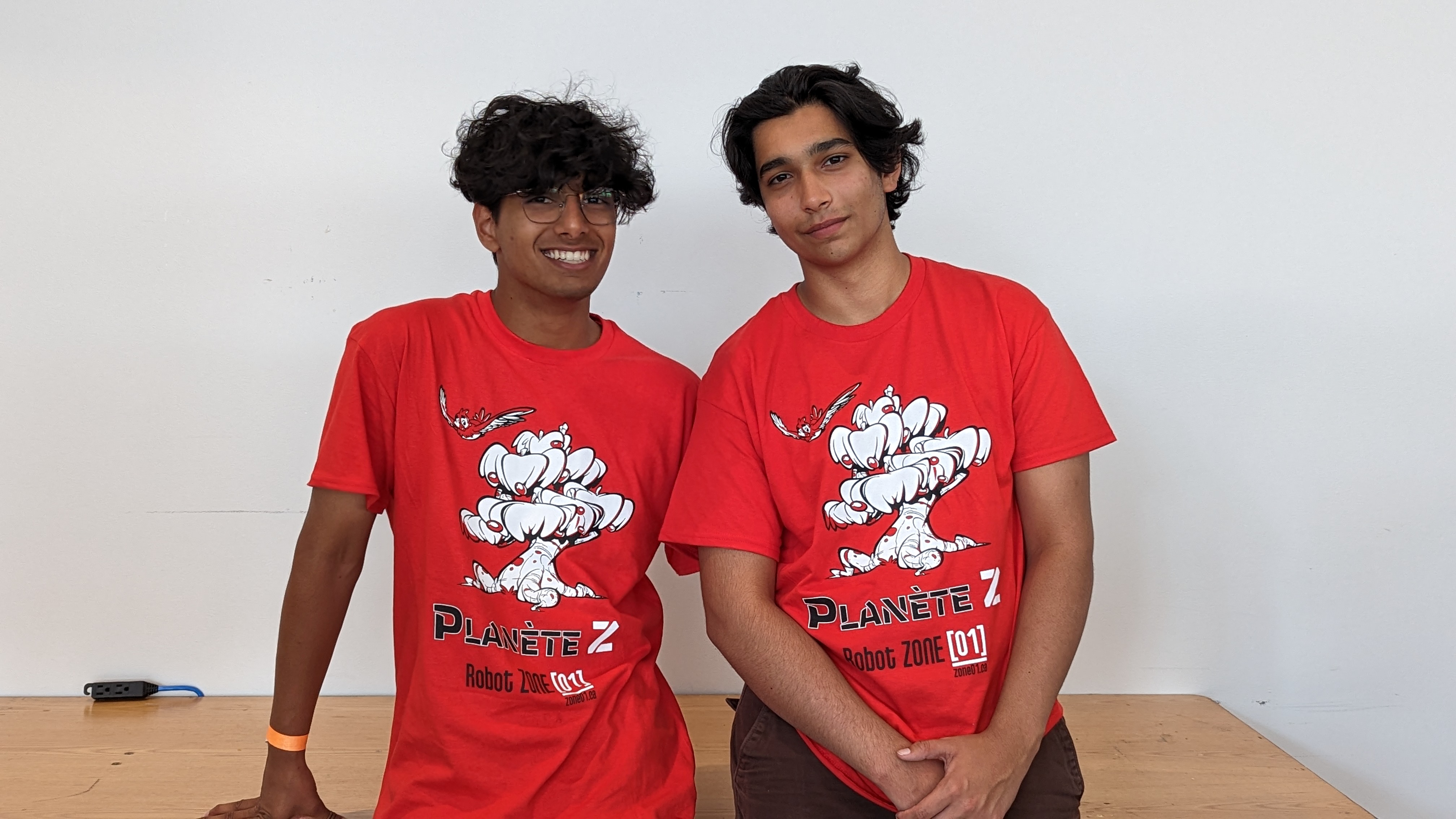
The first place highschooler team posing for a photo op.

The high school team designed a robot that can climb onto the underside of the container ships while they are docked, and work to remove the biomaterial on the underside of the ships while they are being loaded. During the demonstration of the robot, the students showed how it could climb the hulls of these ships, at one point having their robot climbing an almost vertical surface. The judges were clearly impressed by their design work, as well as the impact that this type of robot could have. If the technology moves forward, it will help to solve biofouling, which can help make cargo ships 20% more fuel efficient, help curb invasive species spread, and help lower maintenance costs, among many other benefits.

But they aren’t the only innovators on the world stage. Also in first place, is a group of middle schoolers, all grade seven. They designed and built a robot to compete in the Robot Mission category. Through their hard work and dedication during their time at Zebra Robotics, they managed to design a robot with an edge over the competition in this head-to-head robot matchup, earning them a spot in the WRO International Finals. There in Panama, they will compete once more in the Robot Mission category.

Of the teams that competed in the WRO National Finals, many got close to moving onto the international finals. While they didn’t quite make it, it doesn’t mean their ideas aren’t valuable. This is especially true with one of our third place winners who worked to design a solution to growing energy needs in the tech industry.

Currently, as more and more of our world moves online, more and more server space is needed to run it. These servers are often stored in massive data centers, of which there are over five thousand worldwide! These centers are great for storing the information needed, and they are in one location to make maintenance easier. But one of the large issues with them is that they need constant cooling, to ensure that the centers do not overheat. This consumes a massive amount of energy and can become quite pricey depending on the cooling system used. So, if data centers were to become more prominent, and more affordable, the cooling system costs would need to come down somehow.

This is where our third place innovators came in to offer a solution. Liquid cooling is already more efficient and cost effective than other methods of cooling, but it can be further refined. The team designed a mutually beneficial system that worked to take the heat of the data centers and put it to use. The cold water, heated up by the data centers, can be pumped out to other areas where the heated water can be deployed for human use. Thus, helping to reduce total energy costs used by the company/building, while also being more eco-friendly.

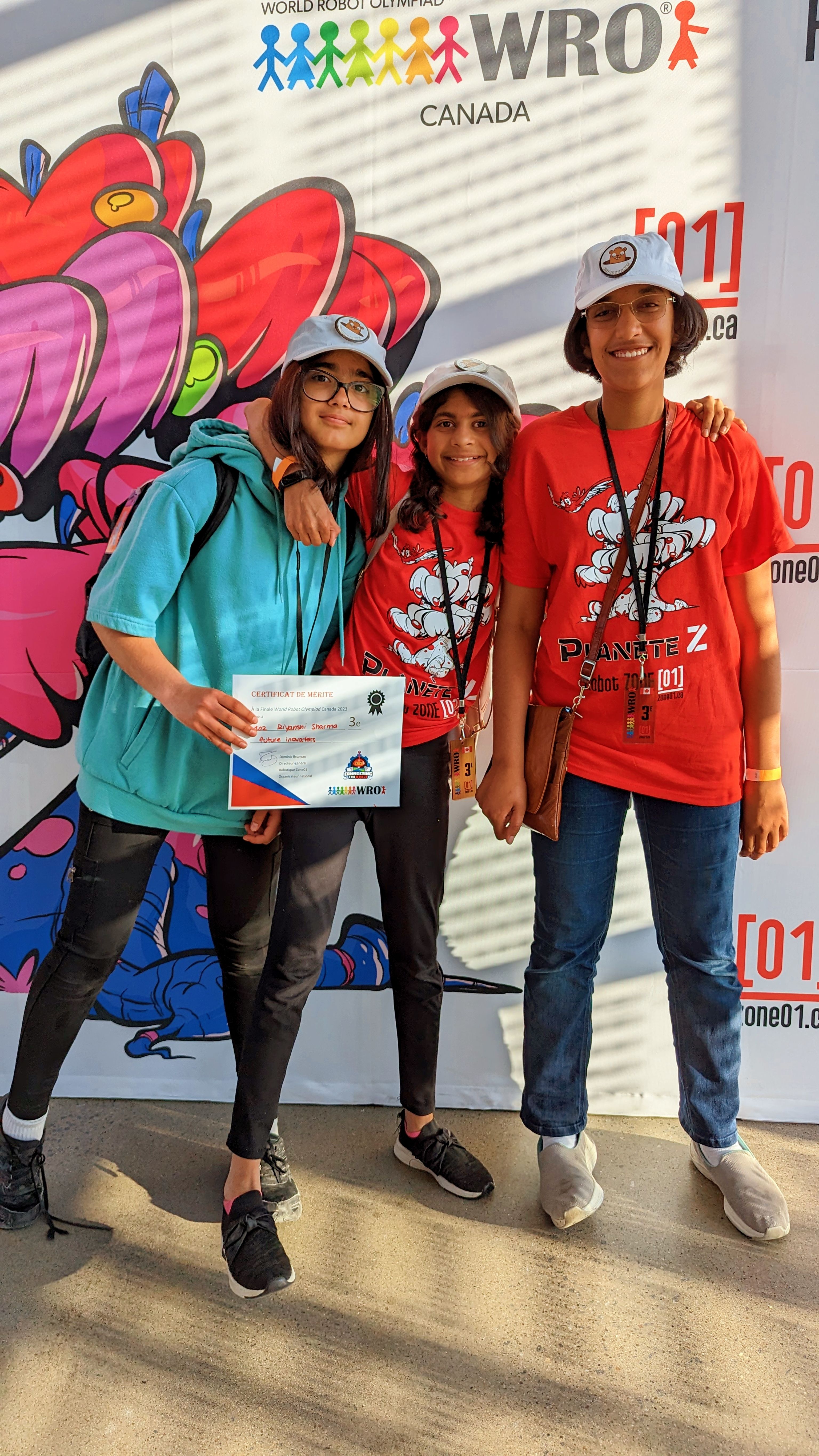
The third place team posing with their certificate.

That about covers it for now. We will have more news in November, when our teams compete on the world stage in Panama! Keep an eye out on our socials, or sign up for our mailing list to be notified of current events.

STEM Education and Competitions

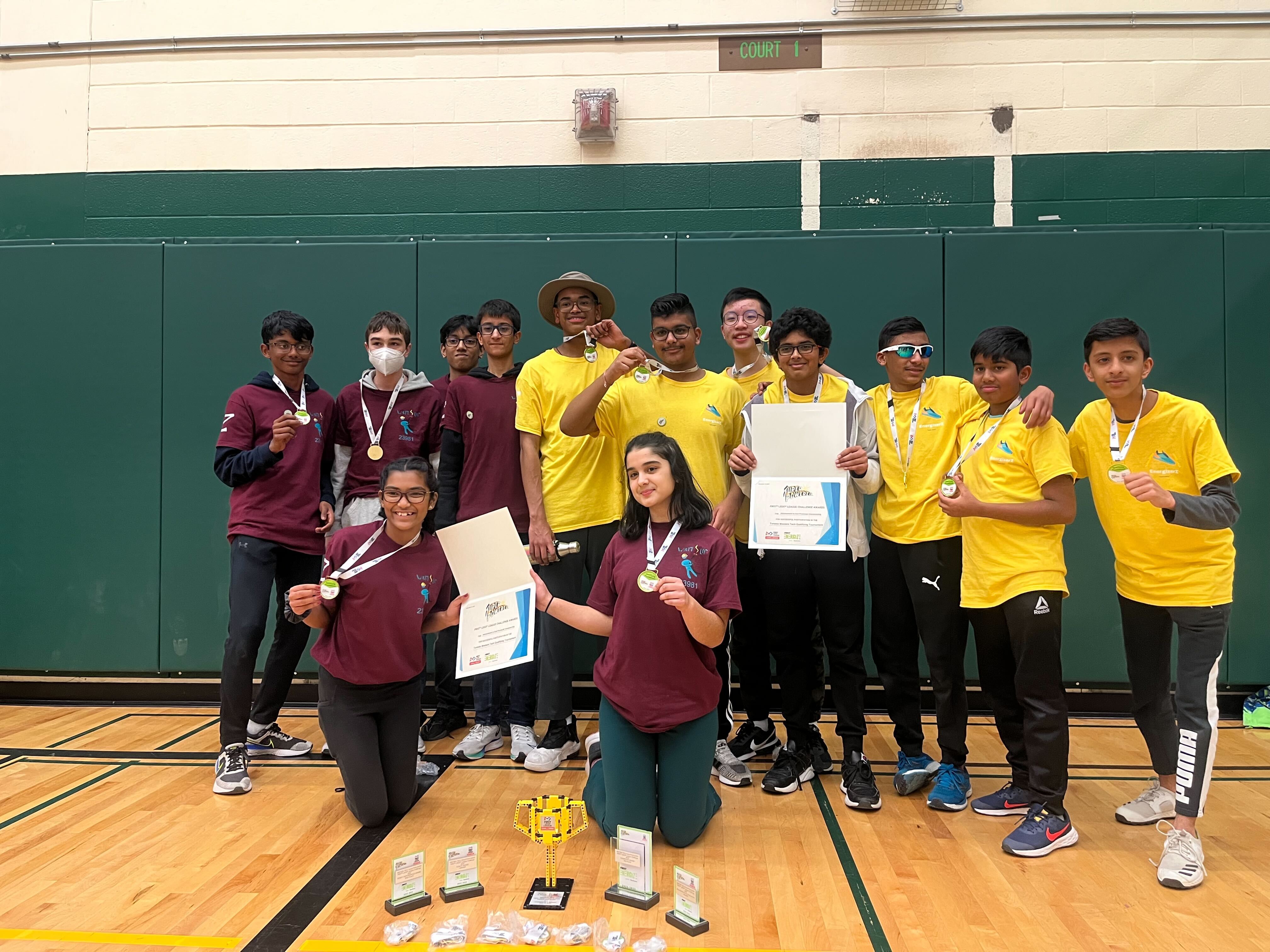
students celebrating their win

When it comes to STEM education and being immersed in the fields of Science and Technology there is nothing with quite the same effect as competing with like-minded individuals to test not only knowledge but collaborative ability, as well as critical and adaptive thinking. Competitions are a space where students can hone their skills sharply and be sure that the techniques, adaptations and understanding they gain will be memorable due to the fast-paced and exciting environment they were garnered. Competitions also allow students to showcase and elevate their dedication to STEM and STEM learning. It takes many weeks of preparation to refine and perfect their robots and their runs – placing students in the ideal environment to put their resolve and love of the technology as their first priority and really grow as STEM students, and ultimately, STEM professionals. 

Zebra Robotics boasts an extensive competition history and is proud to have had more than 94 teams compete in renowned STEM competitions such as the First Lego League, Zone01, World Robotics Olympiad & Vex Robotics. Teams coming out of Zebra Robotics have won over 70 regional, provincial and even national awards across the last eight years. The established coding and robotics institute not only aims to sponsor students to achieve success at these high-level competitions, but also supports teams with hands-on coaching and mentorship as well as spaces to build and test their robots and regulation mats to time their runs, and more in their impressive student-centric centers. The approach of Zebra Robotics has always been self-paced for students, so students do all the design and programming of their robots, however, they are able to tap into a deep and robust support system that aids them on their journey to success. This guidance and support system helps alleviate the steep learning curve and shock of first-time competitors as well as support long-time competitors as they face higher degrees of pressure as they progress.

The vision for Zebra Robotics has always been to instill a love of STEM in all students with an interest and guide them into becoming the most versatile and adaptive professionals they can be. Competitions are a part of this mission and can serve an integral purpose in pushing students to their highest potential to achieve their short and long-term interpersonal and STEM skills.

Benefits of Coding & Robotics Education

    The future of the tech industry is no secret and its growth’s magnitude can be felt worldwide. Coding and robotics are becoming essential skills in more and more fields as all industries shift towards more technologically accelerated workflows, processes and systems. It is important to evolve with the rapidly changing requirements of the industry.  Many schools and programs have already adopted coding and robotics into their curriculums to prepare future generations for the increasingly tech-dominant future.  This changing future presents an opportunity for our children, to grow in this space aided by the necessary knowledge to stand out and make a difference in their schooling, post-secondary and industry. 

    School programs, however, provide the basic foundation of what is necessary to thrive in the industry. With the constant change and all the information necessary for students to move forward in this space effectively, it is important to be more immersed in the tech space to have a deeper understanding of the content. Institutions like Zebra Robotics allow students to foster their interest and technological aptitude to the next level. Zebra Robotics has been able to push the limits and elevate students to the level necessary to compete in this space, taking over 75 winning teams at the highest level of STEM competitions and representing Canada in the World Robotic Olympiad International competition in 2016, 2018, and 2022. 

    Identifying industry trends, changes, and evolution and teaching students what they need to learn to secure their success in post-secondary and industry is important to provide them with the tools they need to grow. The reality of our tech-dominant world calls for parents, guardians, and educators to pivot what they provide for young kids in STEM to provide them with the essential skills to push through the barriers and not only make a positive change in their future careers but hopefully, a positive change in the world around them. With school programs supplying students with the foundation, and institutions like Zebra Robotics elevating their experience, students can be poised for success.

Announcements

September 2022 Roundup

Oakville Grand Opening

This October 29th we are excited to be hosting our Oakville location’s open house! We have been working hard to set up this new location and welcome the bright minds of Oakville’s future engineers. Come by the centre located at 407 Iroquois Shore Rd Unit #10 Oakville, Ontario L6H 1M3 for a showcase of all Zebra Robotics has to offer. Join us for the grand opening and receive $50 towards your first month of enrollment in any of our courses!

Competitions

This upcoming November, Zebra Robotics’ very own Woodchucks (Shruti, Nila, and Riyanshi) and The Nulls (Vedant, Dave and Elil) are advancing to WRO internationals to compete at the highest level in Dortmund, Germany. mark your calendars for November 17th, 18th and 19th as our teams compete with over a hundred teams from all around the world for the win! Both teams are already hard at work revamping their robots to face the challenge!

Zebra Robotics’ WRO teams, The Woodchucks which is our first all-girls team, The Nulls, AVA (Vishal and Adam), and the PutPockets (Arya, Daxson, and Josh) all made us very proud, bringing home awards and two teams going as far as advancing to the international level. We are so happy to announce that of the five teams representing Canada on the international level in Dortmund, Germany, two of them came from right here at Zebra Robotics. We are proud of all our teams and excited to see our finalists compete at the highest level!

Fundraising For Our Teams

This competition season we are offering some exclusive limited-run Zebra Robotics merch as a fundraiser for our team’s competing season! We are releasing T-Shirts and Sweatshirts that commemorate our teams and all the success they have had. Share in our pride and support current teams in their continued success as they take their passion for STEM and robotics to Dortmund, Germany! Support for the teams is welcome in any way as we try to make their learning and competition experience a fun and memorable one!

What Kind of Franchise is for You?

The prospect of franchise ownership is an exciting one, and it comes with the need to make many decisions. Chief among these decisions is what kind, or rather size, of the franchise to align yourself with. This comes question comes down to what type of environment you prefer and what kind of resources you need at your disposal. At the question’s most basic level, it comes down to two types of franchises: large ones and small ones. 

Large Franchises

Aligning yourself with a large franchise comes with its own attributes and systems largely related to the brand’s high recognisability and the infrastructure surrounding your franchise. A Large franchise in this context refers to large, household-name brands known across North America and maybe even the world. Being so recognizable such brands keep their franchises under a watchful eye and closely define how the business is run. This means a strict set of rules surrounds your new business at all times to both support you and ensure your success, at the cost of your liberty as a decision-maker. The constant feedback allows you to manoeuvre your new investment with confidence, albeit limited freedom. Bigger franchises also mean bigger resources. With a bigger brand at your back, you can be confident in tried and tested infrastructure and support. 

This mode of franchise ownership is best for people with corporate backgrounds, and those who enjoy adherence to strict rules, guidance, and procedures. 

Small Franchises

Smaller brands boast a different set of attributes, strengths and challenges than their larger counterparts. A smaller brand fosters innovation and room to stand out from the crowd. With the flexibility to manoeuvre your investment with greater freedom, you have more opportunities to propel your business beyond any confines and even help shape the very brand and culture of the company.

With a smaller franchise, you are still provided with the tools and procedures to succeed, but you are provided more control to fitting these procedures into your own unique environment. With higher flexibility, you can adapt the brand’s practices to your own market and put your own ideas to the test. 

This approach is for those who enjoy being in control, expressing their creativity and are more self-driven on their path to success. 

Both options boast a variety of unique benefits and challenges, defining their paths to success in their own way. Ultimately, it comes down to the kind of professional you are, and what works best for you.

Meet Our Graduates!

Graduating-class

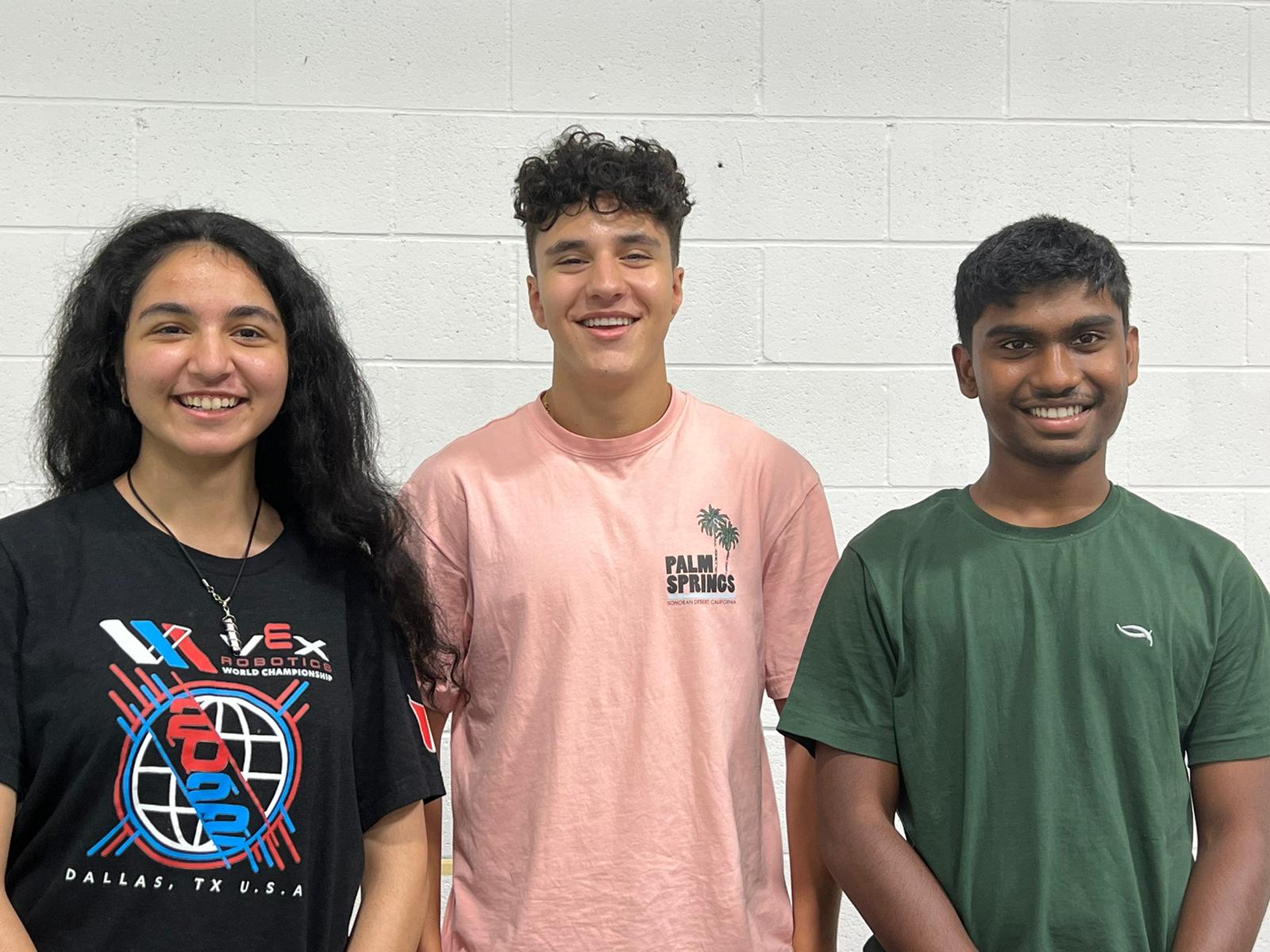
We’re proud to announce that three of our long-time students: Vishal, Armina, and Adam have accepted their offers of admission to their respective universities. We’ve seen these students grow and expand their minds in the STEM space and otherwise through the years and could not be happier with their progress, nor prouder of the wonderful young adults they have become. To highlight their experience on this exciting journey, we’ve interviewed them on the transition from high school to university hoping to not only emphasize their great achievement but also provide future students with an idea of what to expect and an experience to draw from. 

What university and program are you pursuing in the fall?

Vishal: University of Waterloo – Mechatronics Engineering

Adam: University of Toronto – Engineering Science

Armina: McMaster University – Engineering

How do your hobbies and interests tie into this program?

Vishal: I would say I am passionate about technology, especially robotics which naturally ties into engineering, especially a multi-discipline program such as mechatronics engineering

Adam: Engineering is all about problem-solving, collaboration, and applying theoretical knowledge to the real world. I have always loved learning about STEM-related topics and especially robotics, starting from LEGO EV3 robots all the way up to metal VEX robots. Throughout my years at Zebra, I would compete in various robotics and coding competitions, where I was able to catch a glimpse of what engineering is like in the real world. With my interests being in STEM, robotics, and coding, engineering was the perfect field for me to challenge myself and put my skills to good use.

Armina: Throughout the years that I’ve been doing robotics, it’s made me realize that I want to continue doing such within the field that is engineering. The technical skillsets that I’ve learned through coding, prototyping, building, etc. will help me through my adventure that is post-secondary. Beyond that, the general skills such as collaboration, documentation, public speaking, and more will also aid me not only in my desired program but also in life. Aside from robotics, the other activities I do such as taekwondo and songwriting help by allowing me to have focus, balance, strength, and confidence in what I do, which adds some well-roundness to this intensive field. 

What piece of advice would you give aspiring students interested in the same field?

Vishal: The advice I would give is to develop a passion for learning and to be curious. Engineering, especially mechatronics is a rapidly evolving field, where new technologies are constantly being developed so it’s important to have an open mindset to learning.

Adam: For aspiring engineering students, it’s important to be aware of what engineering is actually about, rather than choosing it due to your academic prowess in math and science. Although academics are very important, understanding the collaborative and practical nature of engineering is just as important. This is why getting involved in design competitions like robotics proves very beneficial. Grade school might not give you the best picture of what engineering is all about, so make sure to venture outside of school and find out for yourself!

Armina: One really important thing to note when pursuing engineering is that you need to be good at communicating and collaborating with others. Most if not all the time, engineers are working in groups to accomplish their given goal. Being able to communicate openly and work off of each other’s ideas, weaknesses and strengths are absolutely key in this field. Another point I’d like to add is you must understand that you will make mistakes along the way. Rarely will things work perfectly on the first try. There will be a lot of failures, a lot of tuning, and a lot of blood, sweat, and tears that you put into each and every model, which is what makes engineering so delicate. 

How long have you been at Zebra Robotics and what was your experience like?

Vishal: I have been at Zebra Robotics for almost 5 years now, and my experience has been nothing short of fantastic. I credit the first lessons I did at Zebra to exposing me to the field of robotics and leading me to participate in numerous robotics competitions since then including WRO and VRC. The coaches are always there to provide support but also give the freedom to learn through experience, especially for competitions.

Adam: I have been learning and competing at Zebra Robotics for around six years now. It has been a journey of success, failure, and constant improvement, all while doing what I love. Starting from LEGO Robotics and FLL to traveling internationally for the VEX Robotics competitions, every step of my journey has filled me with valuable experience and has pushed me to levels of achievement that could have never happened through school alone. I am very thankful to Zebra and its community of coaches, mentors, and students for giving me these opportunities!

Armina: I’ve been going to Zebra Robotics since a little bit after it was first established, so around 7 and a half years ago (I think) and I only have positive things to say about my experience here. From the coaches to the courses, everything was educational, fun, and helpful. Sometime after I completed some of the robotics courses, I began competing in competitions such as Zone 1, FLL, and WRO and eventually even got to be a part of our very first VEX team. It was a really unique experience being able to participate in all of those types of competitions and help build the foundation for the VEX team, as we even made it to worlds this past season, however my competing days for those have unfortunately come to an end. Instead, I’ll be helping coach or mentor robotics from time to time as a new chapter of my journey here.

What advice would you have for students still choosing their career paths?

Vishal: To give as many things as they can a try. You never know what you might be interested in until you give it a try, so exposing yourself to different fields through extracurricular activities can help you discover what you’re passionate about.

Adam: For students still choosing their career path, I strongly advise getting out of your comfort zone and trying as many things as possible. You’ll never know if you’re passionate about something until you try it! Academics are not the end-all and be-all of your career, so be explorative and open to trying new things, especially in high school.

Armina: My advice for anyone who is still trying to figure out what they want to pursue, is to simply just experiment. There are lots of clubs, courses, and extracurriculars out there; feel free to step out of your comfort zone and try something new. From personal experience, I can say that trying out different extracurriculars has helped me understand what I enjoyed and am passionate about. After all, your future career should be something you like doing, not just something you do for the money.

How (if it has) has your time at Zebra Robotics fostered your interest in Coding and Robotics?

Vishal: Zebra Robotics first exposed me to the world of robotics and since then has helped to continue to foster my interest in coding, robotics, and technology in general. Through Zebra Robotics, I have been able to grow my interest by learning about robotics and coding and then being able to apply that knowledge in actual competitions. The passion for technology I developed at Zebra has also led me to take be more curious to learn more about the exciting world of technology on my own and truly develop a love for learning.

Adam: Due to the various courses, knowledgeable and experienced coaches, and challenging competitions, my passion for robotics and coding has always been fulfilled at Zebra Robotics. With the fields of STEM being incredibly vast, Zebra gives a perfect platform for endless learning and exploration of these topics. 

Armina: Honestly, Zebra Robotics was the whole reason I got into STEM and wanted to go into engineering in the first place. Before I came here, I was still in middle school trying out as many extracurriculars as possible, since school at the time wasn’t much of a challenge for me. Then once I started doing robotics here, I came to admire all its intricacies and was really fascinated by all I could accomplish with Lego, and then eventually I was opened to the world of VEX, which made me fall deeper into the rabbit hole that is robotics. 

Choosing A STEM Education Center

Young student STEM Education

Parents want what is best for their kids but, in a world with so many options, it is easy to lose sight of what matters amidst buzzwords, marketing jargon, and overreaching promises. When it comes to choosing a STEM education center for your child it is important to keep in mind a few things:

It’s a Marathon, Not a Race!

    It is important to set goals and be mindful of what you expect out of the center or institution you’re signing your child with. There are many who have shorter introductory programs meant to do no more than expose young students to technology, and there are those who have meticulously designed curriculums to carry students from the very basics at a young age all the way to prepare them for university at the latter stages of high school. Consider what you want for your child’s future, and of course, their own interests, to make sure they’re getting what they need out of the experience.

Beware the “Buzzwords”

    In the increasingly expanding industries surrounding STEM and STEM learning, many have resorted to specific buzzwords that do well to grab attention. A.I.! Machine Learning! Mechatronics! Drones! All fantastic fields of learning in their own right, however, that does not mean they are simple or immediately accessible. Be wary of centers or institutions that promise too much, too fast. It is important to learn how to walk before you learn how to run. Any promises of fast progress using buzzwords and the theatrics that come with them should be taken with a grain of salt. 

Trial by (a very fun) Fire

    A great way for students to learn not only STEM concepts but social, team, and interdependent skills is through using their knowledge in competitions that test what they have learned, their ability to adapt, and their collaboration with others towards a common goal. These are all skills that are imperative to any workplace in the many STEM-related fields and others. It is highly recommended to seek out a center or institution that engages students in not only local but large-scale competitions on the provincial or national level. Such an experience will drive students to hone their skills and expand their knowledge and put them in situations where they prove their ability not only to their instructors and judges but to their own selves.