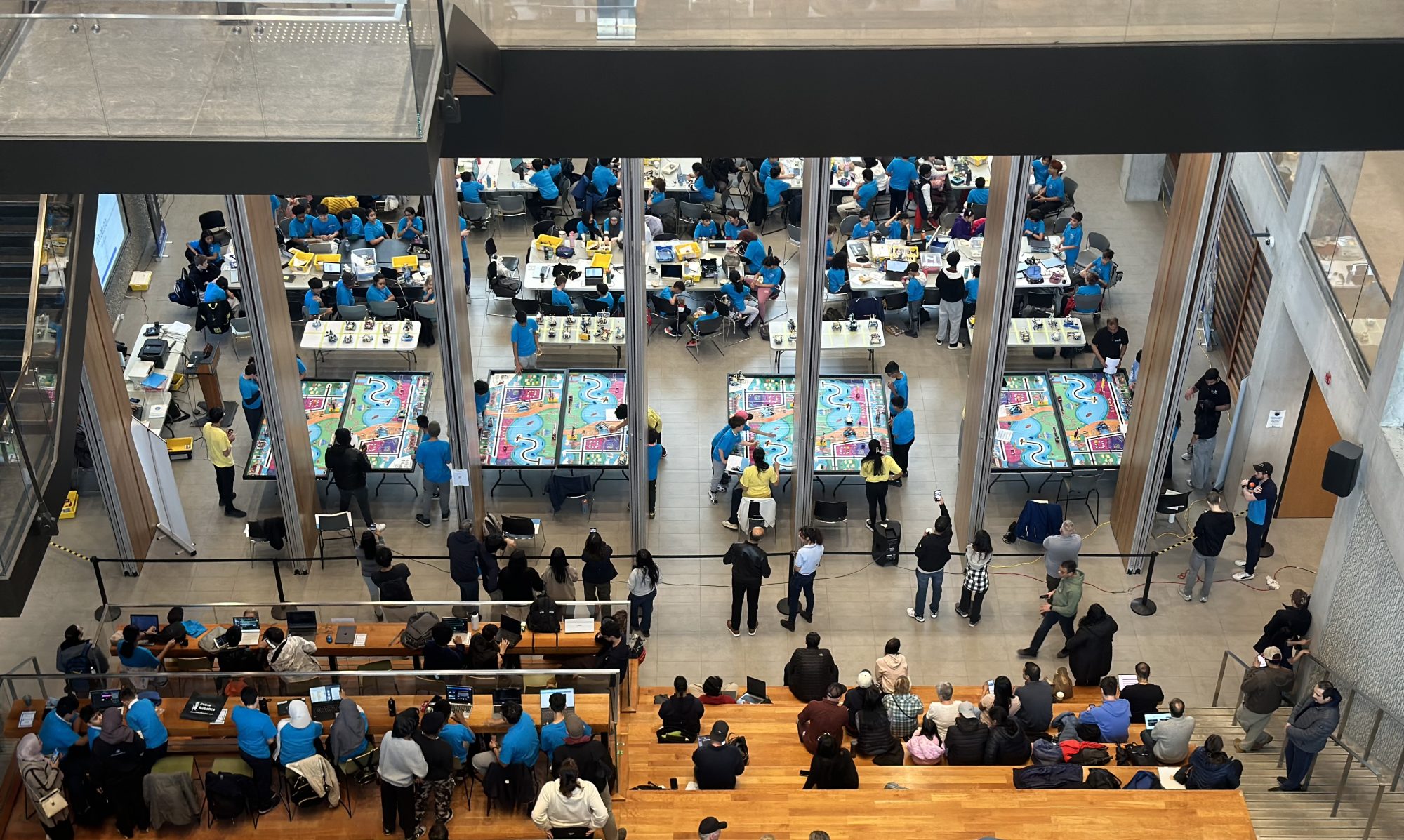
Zebra Robotics Teams Across the U.S. and Canada Complete A Standout FIRST LEGO League Season

Zebra Robotics teams across the United States and Canada wrapped up a successful FIRST LEGO League season this 2025 – 2026.
This year, they took on the Unearthed archaeology challenge with powerful robots, thoughtful research, and effective teamwork. While many Zebra Robotics students also compete in robot game focused programs such as STRIPE Competition and World Robot Olympiad, FIRST LEGO League remains a core program for its emphasis on research, innovation, communication, and real world problem-solving alongside robotics and programming.
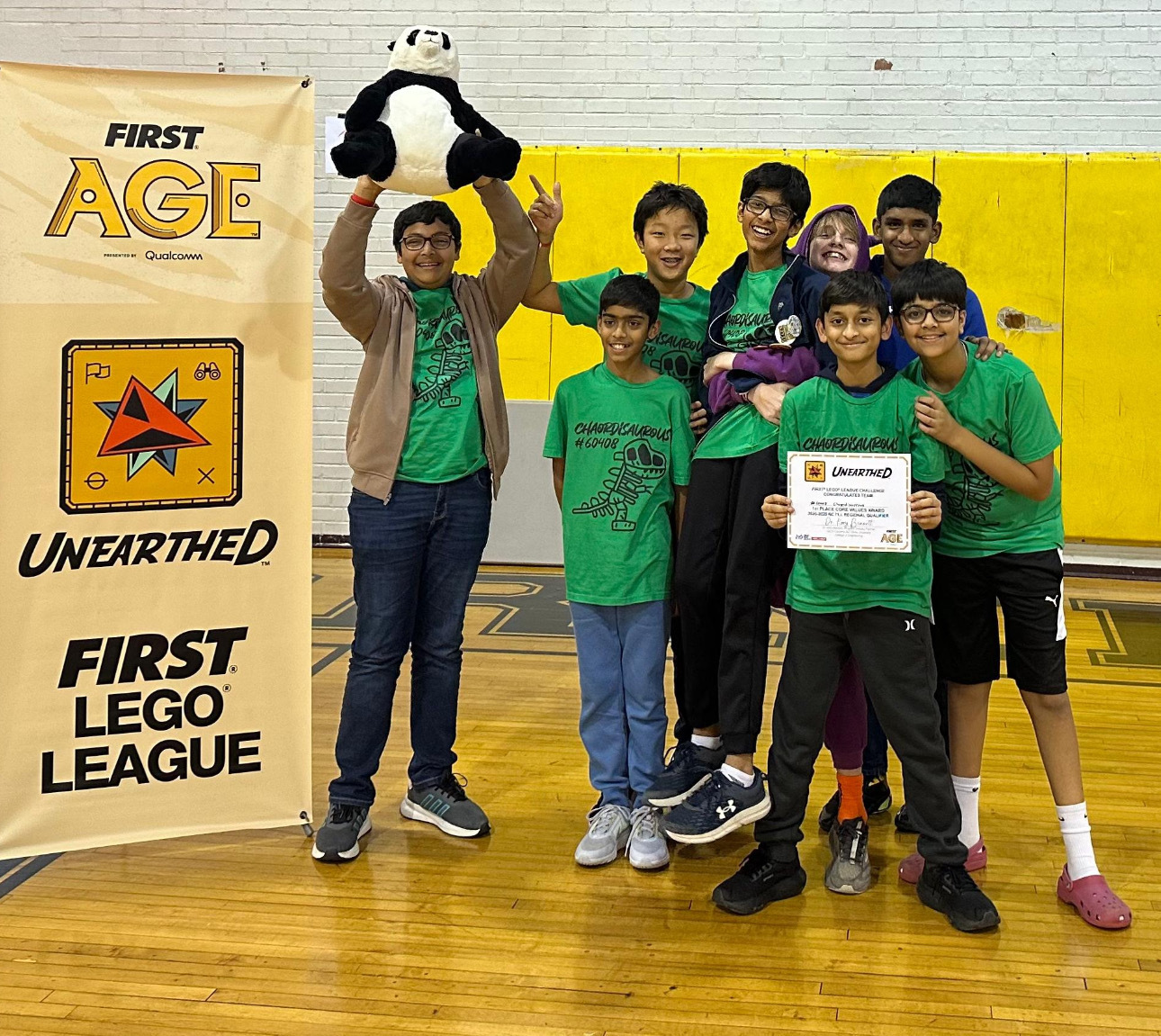
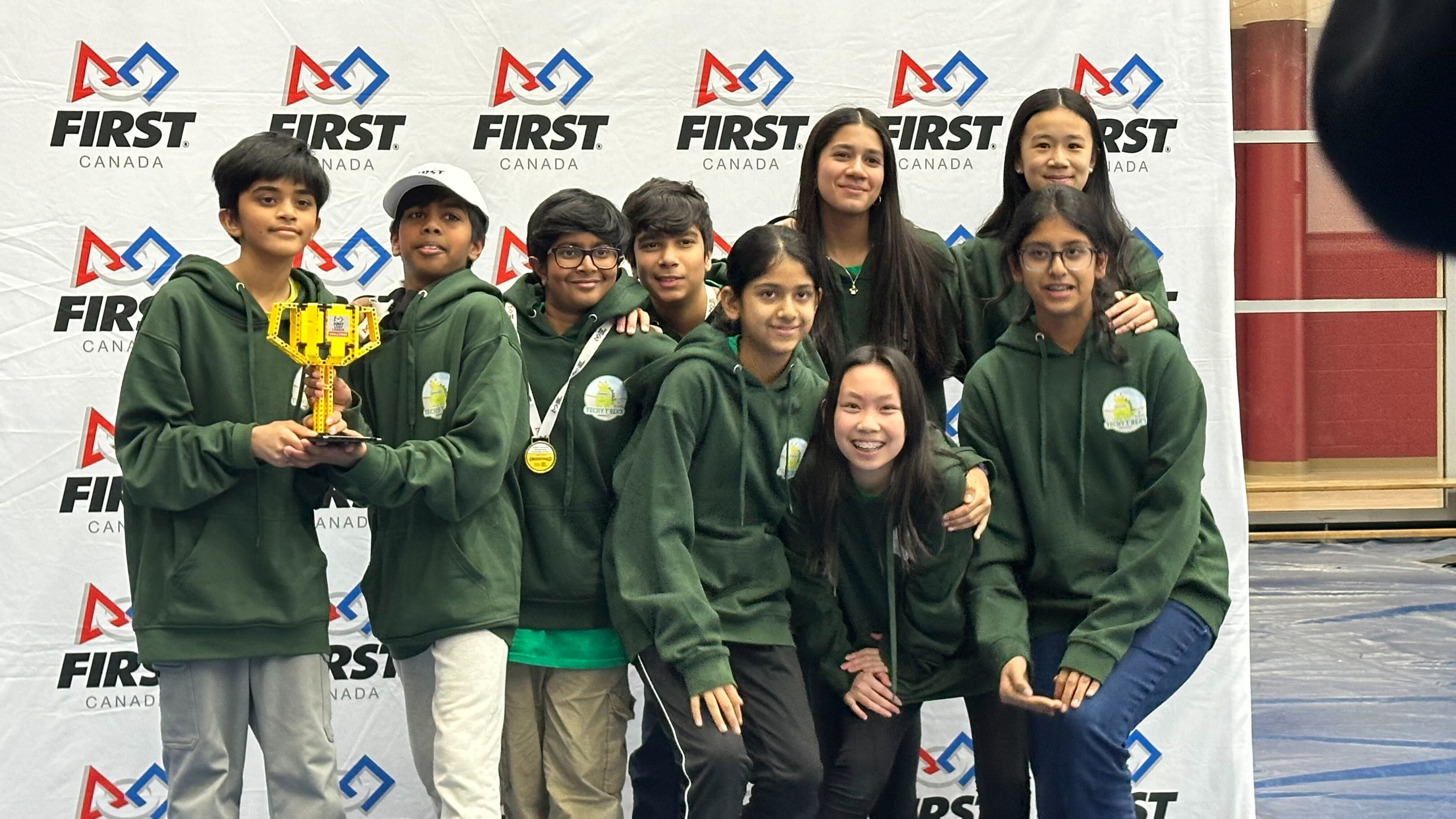
Chaordisaurous from North Carolina

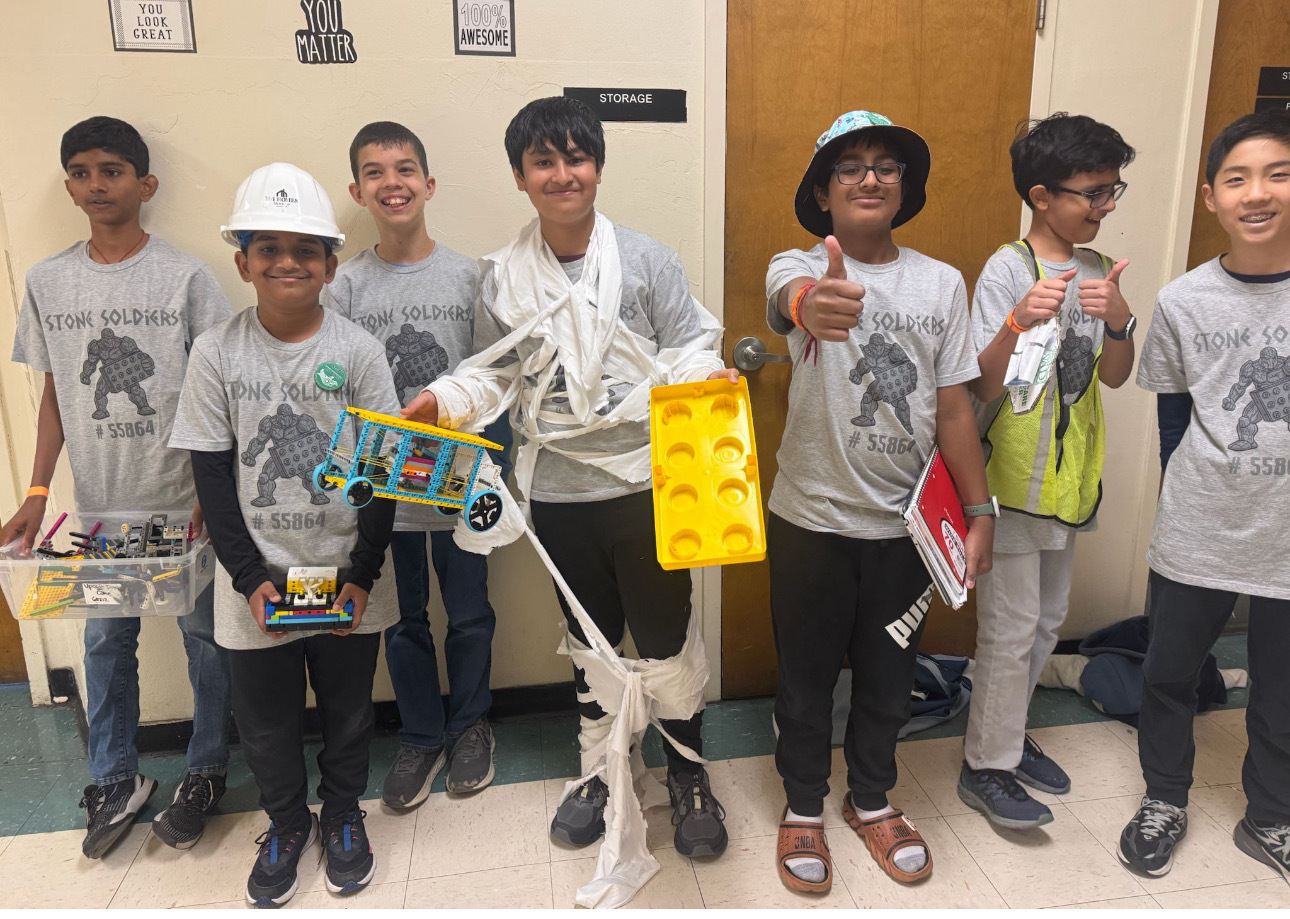
In North Carolina, teams explored archaeology through a STEM lens, researching solutions such as photogrammetry for preserving ancient artifacts, safer transport systems for mummies, heat protection gear for archaeologists working in extreme environments, and methods for protecting fragile cave paintings.

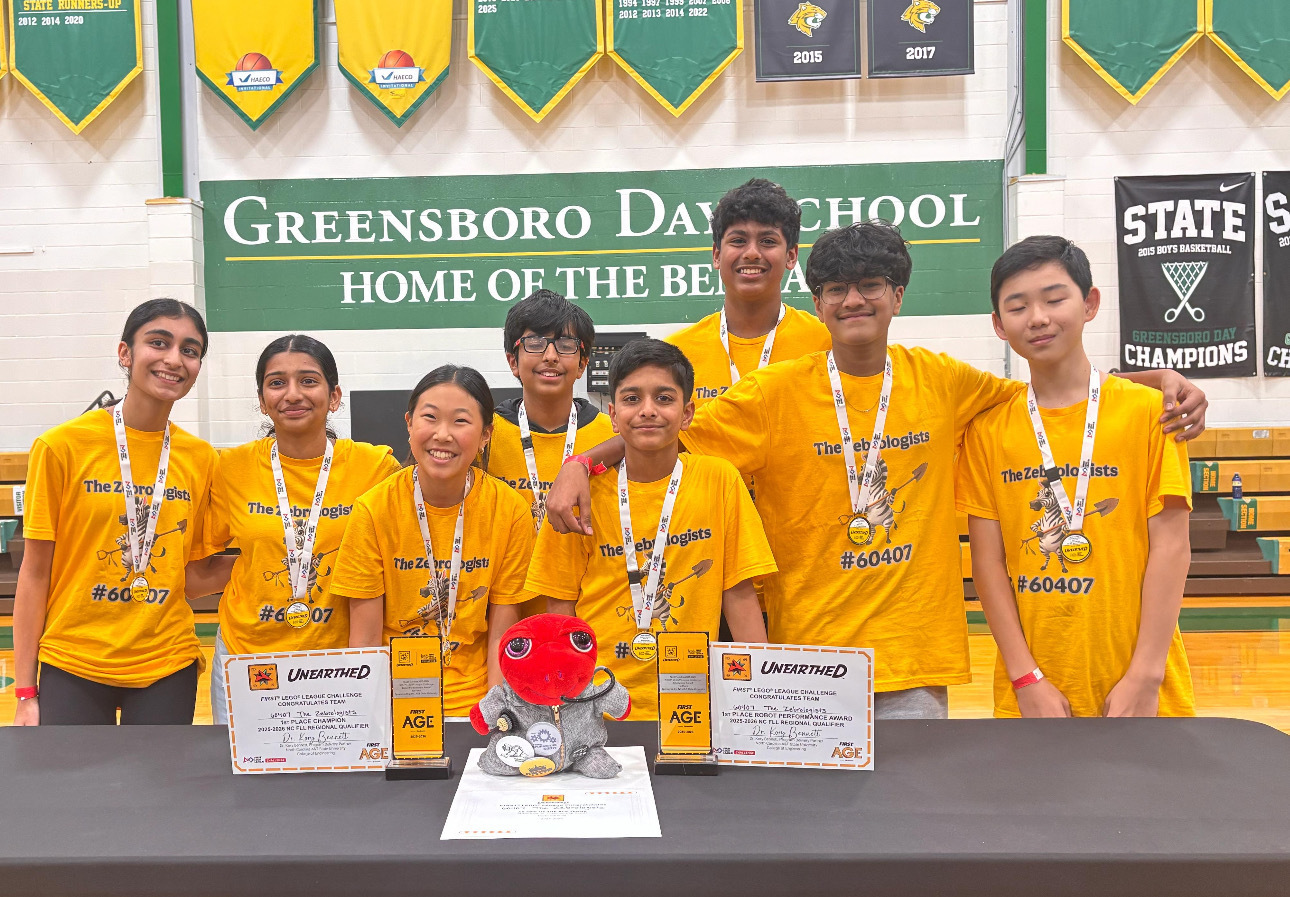
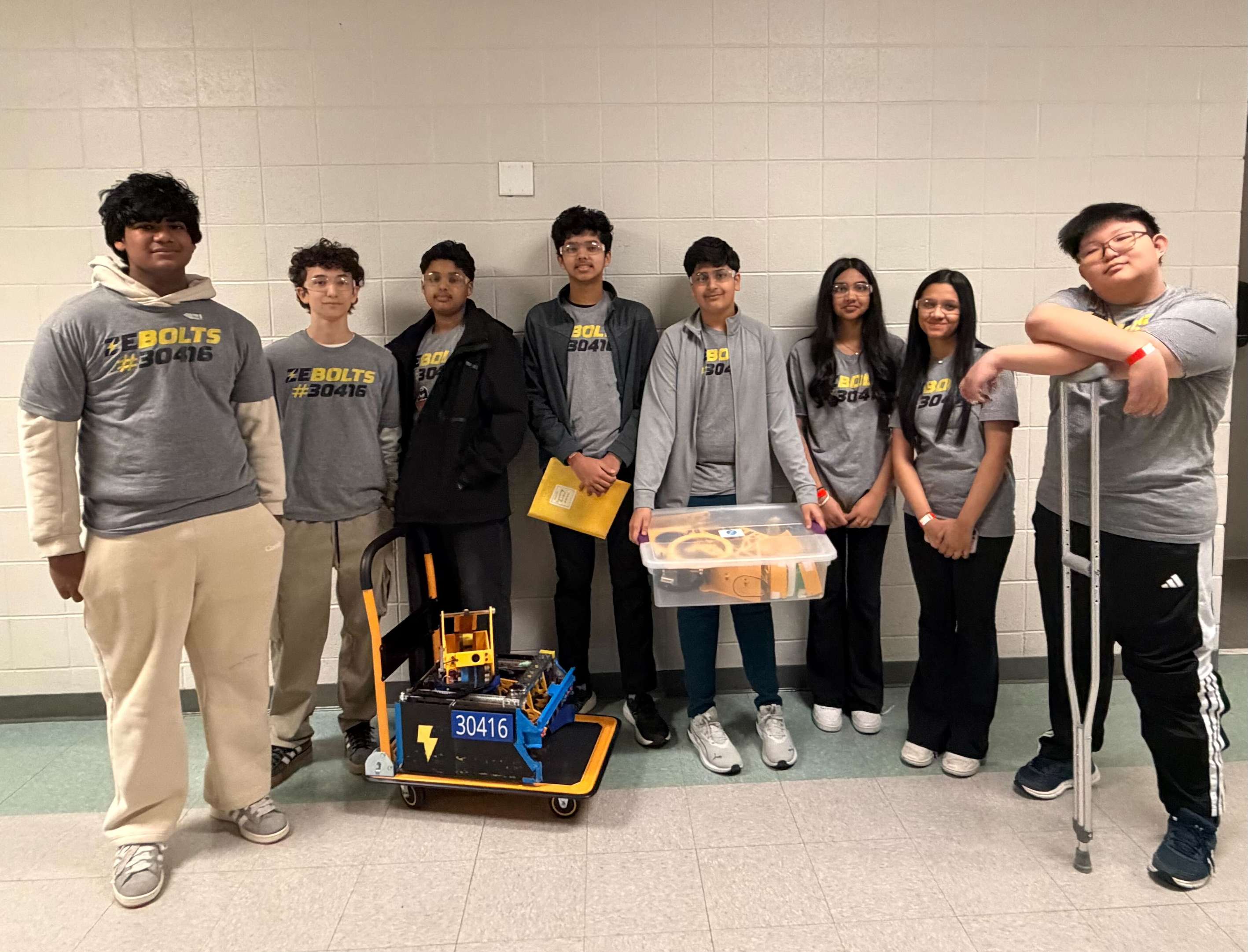
All four North Carolina teams advanced to the State Championship, with three earning top ten robot game scores at the state level.

“FIRST LEGO League stretches kids in the best ways. They’re building robots one minute and pitching big ideas to judges the next. Add in tight timelines, teamwork, and real research with industry professionals, and suddenly STEM becomes a lot bigger than just code and LEGO robots.”

Stephanie Hicks, North Carolina Coach at Zebra Robotics.
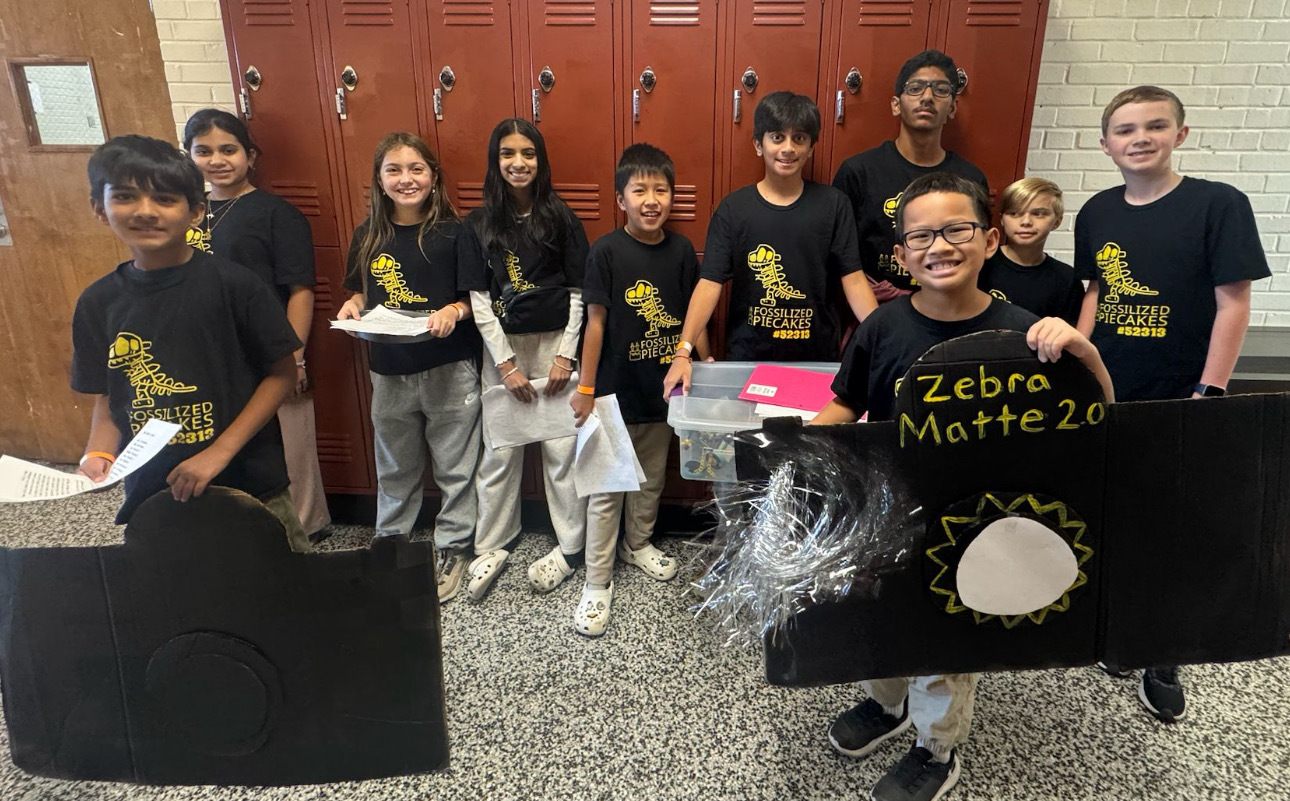
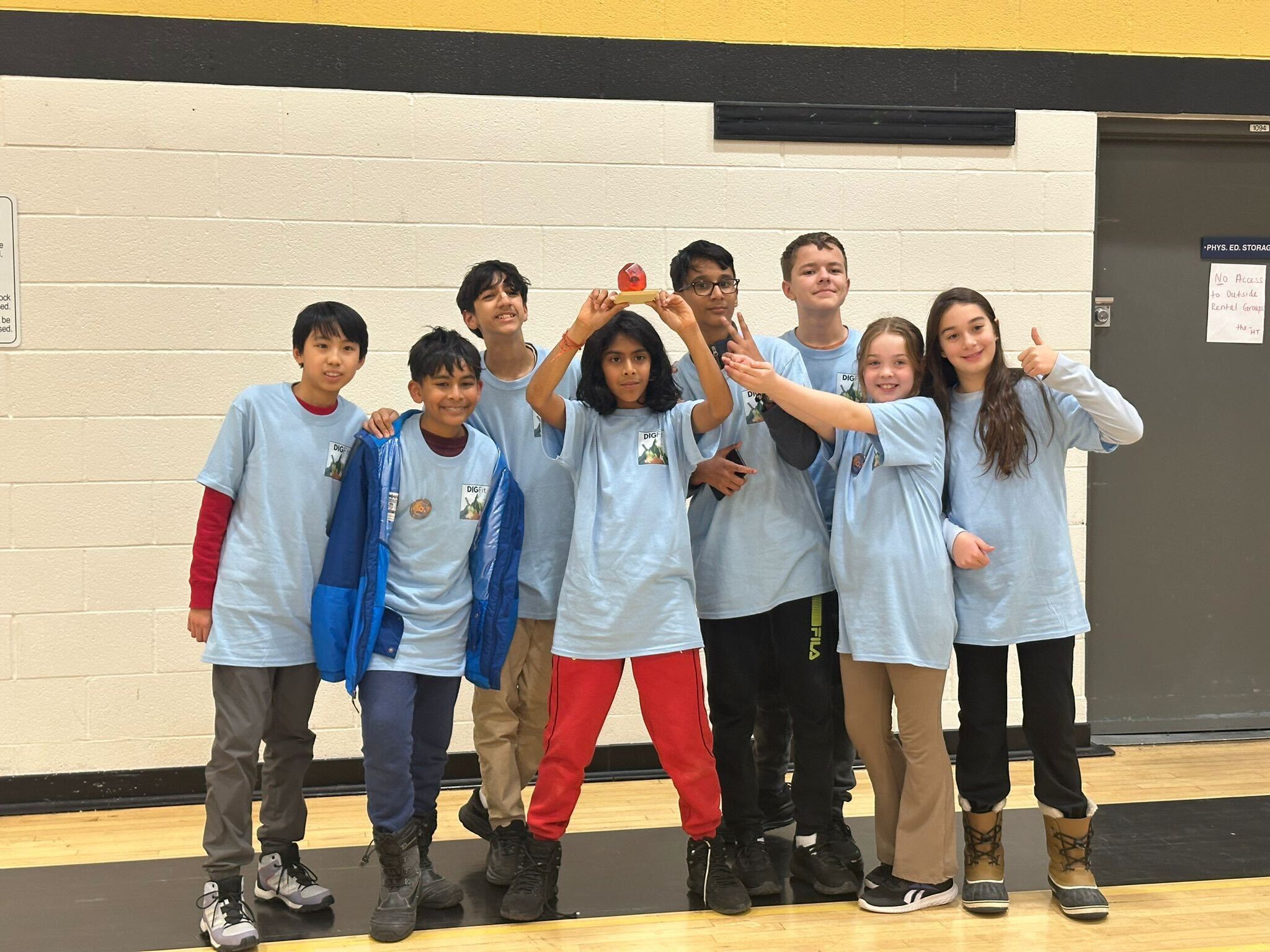
In Ontario, Canada, Zebra Robotics covered five brilliant teams, nearly all of them participating for the first time, representing Avenue Road, Brampton, Meadowvale, and Oakville. Teams embraced the Unearthed theme by developing innovation projects focused on archaeological discovery and making the lives of archeologists easier on the field. This included autonomous rover concepts, introductory artificial intelligence ideas, and applications of robotics, automation, and data analysis. Alongside robot design, students strengthened collaboration, documentation, and presentation skills.
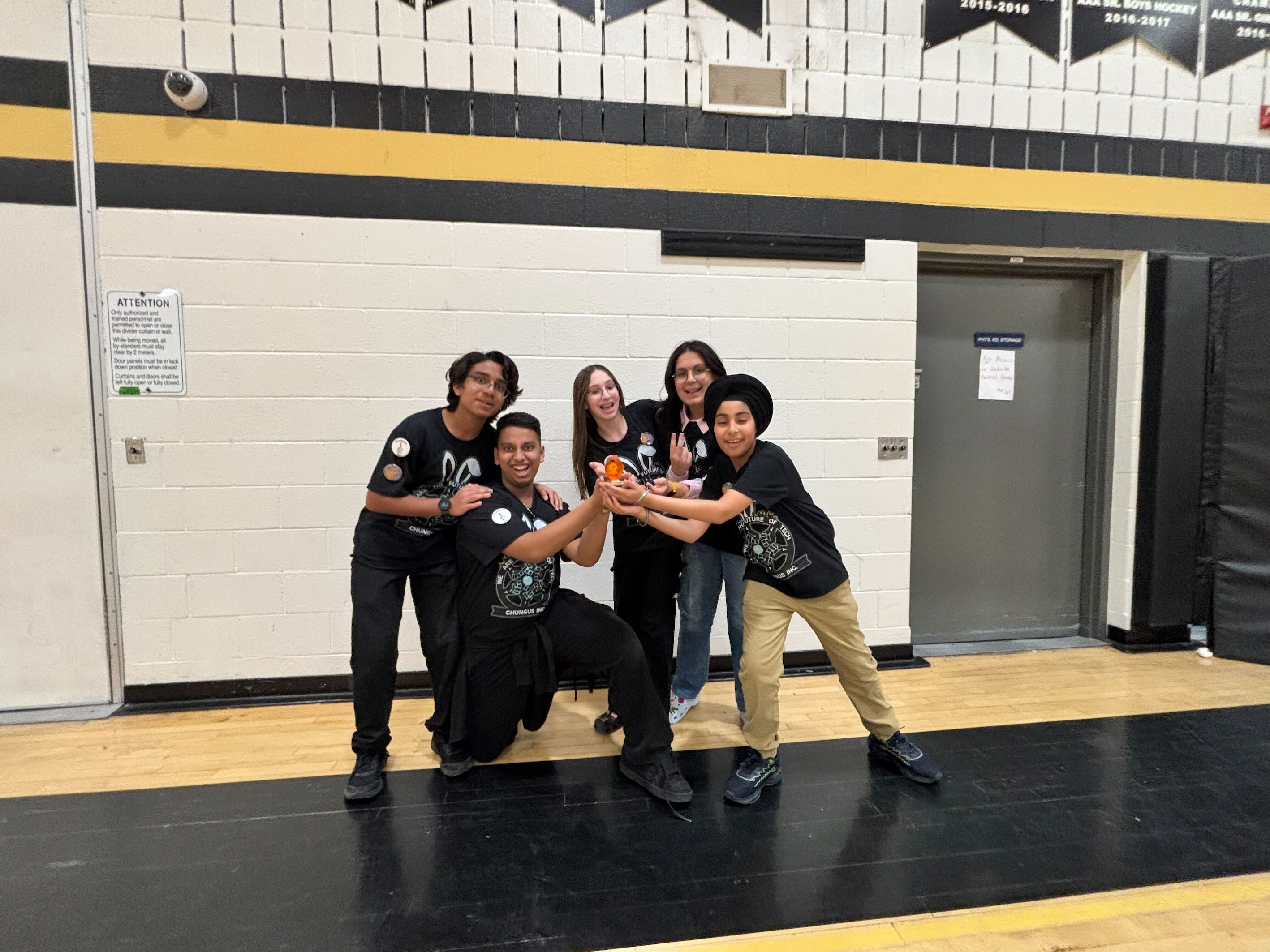
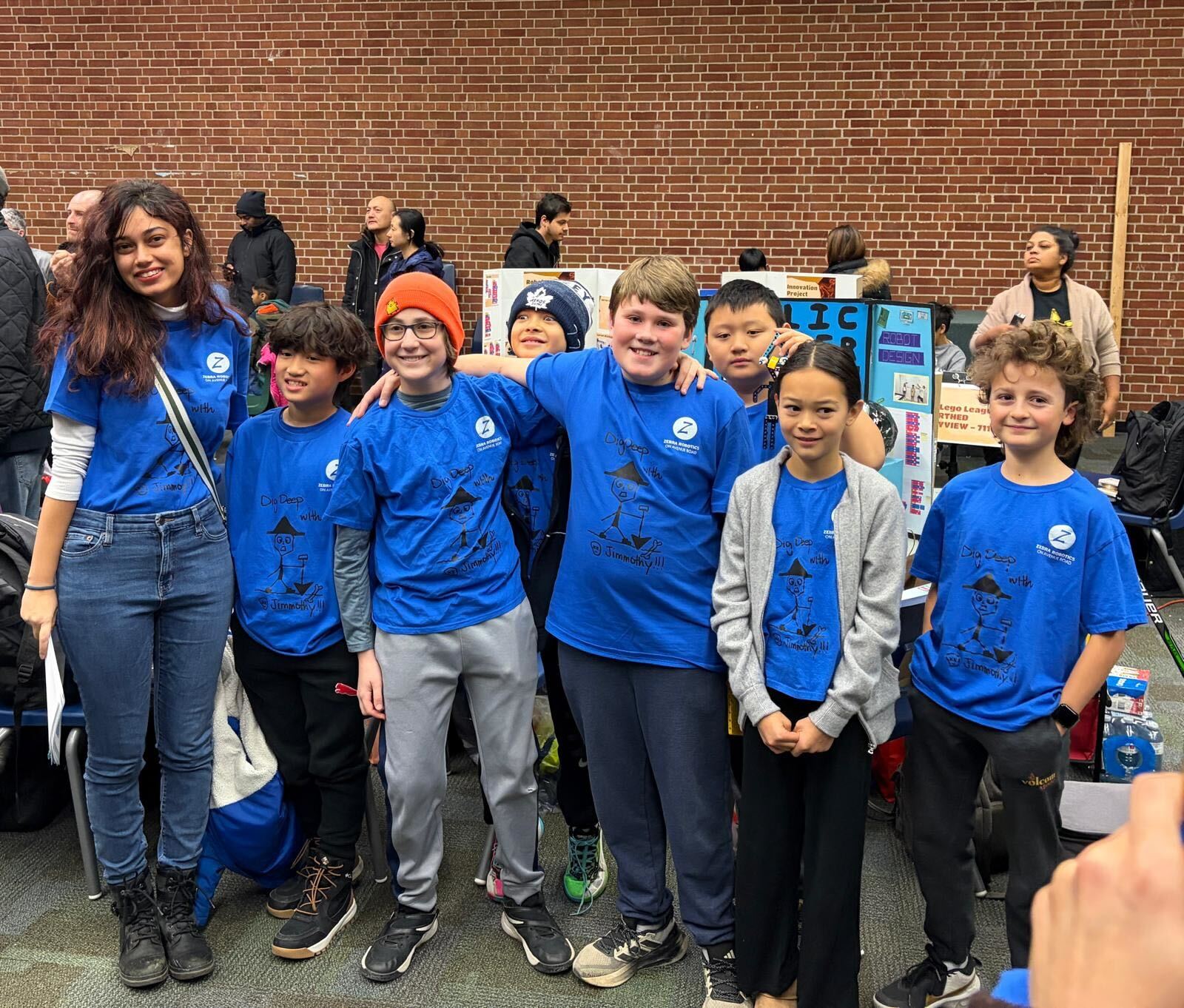
Ontario teams delivered strong performances at regional competitions, with three advancing to the Provincial Championship after earning awards including Engineering Excellence, Coaches Awards, Core Values, and the Championship Award. At Provincials, teams presented refined innovation projects and improved robot designs, earning a Motivate Award for Brampton and an Engineering Excellence Award for Meadowvale. The Meadowvale team has now advanced to the FIRST LEGO League International competition, a significant achievement for the rookie team.
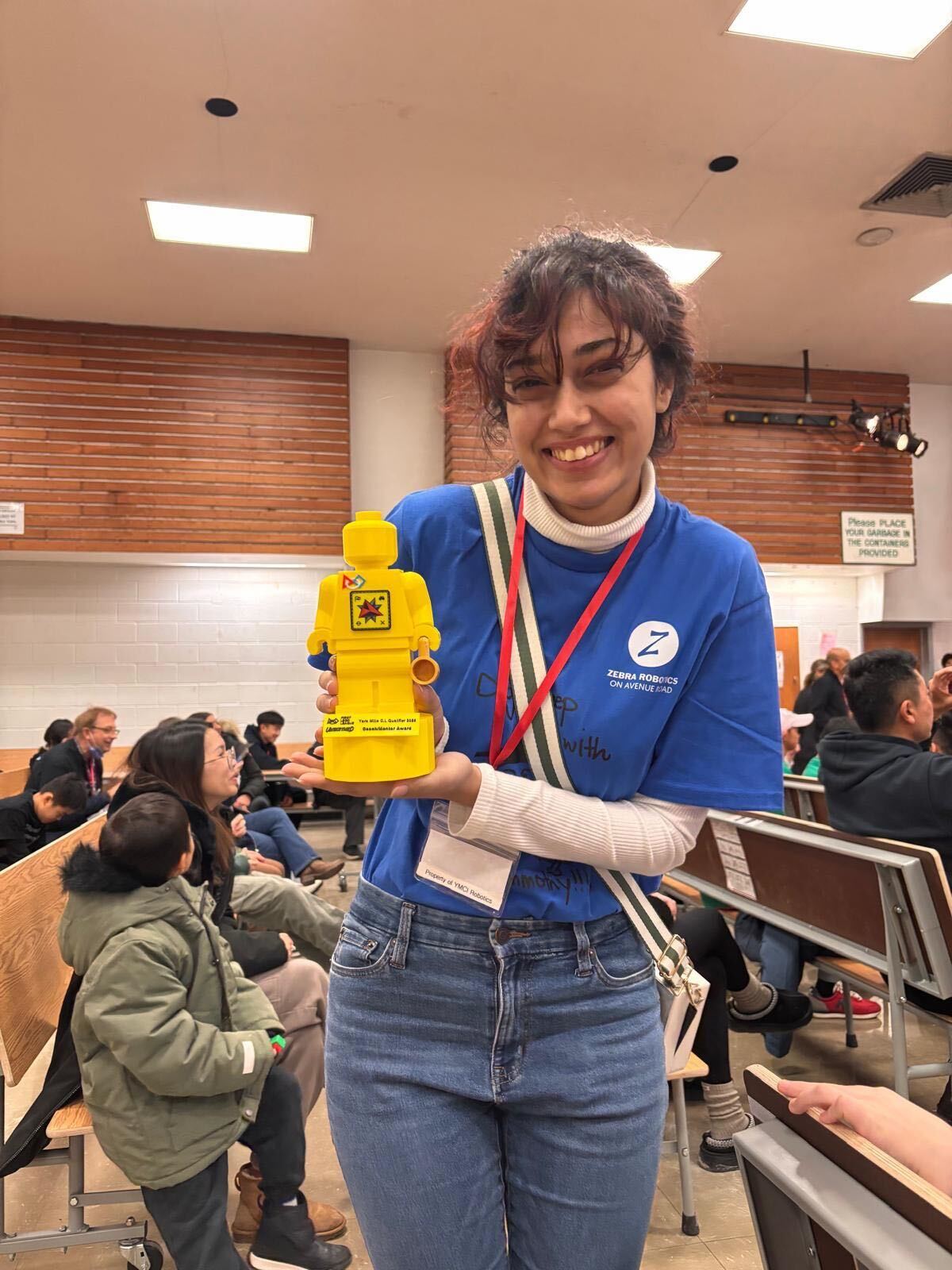
Avenue Road winning the Coach’s Award

“This season was really fun, but competition day was definitely nerve-racking. I am so glad we were able to win an award!”

Zebra Robotics Meadowvale Team Member

Across both countries, Zebra Robotics teams demonstrated the value of FIRST LEGO League in developing skills that extend beyond competition day. Through hands on engineering, research driven projects, and collaboration under pressure, students built confidence, resilience, and a deeper interest in STEM and robotics.

The success of both rookie and experienced teams reflects the impact of consistent mentorship and accessible STEM opportunities, reinforcing a commitment to developing the next generation of innovators, engineers, and problem solvers.

With more FLL seasons coming up and recruitment starting in early July, we cannot wait for the 2026 – 27 season reveal and for the competition prep to start.
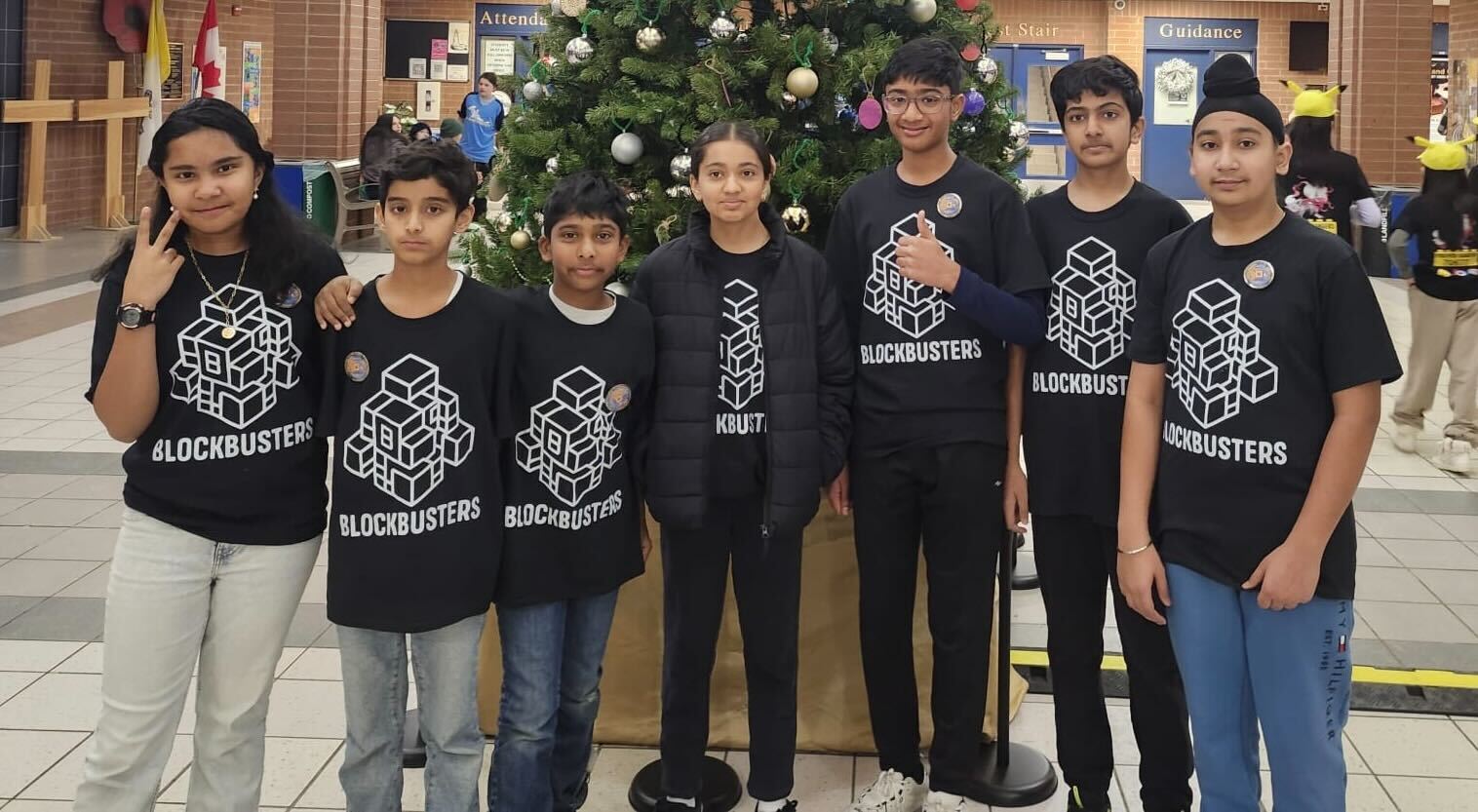
Team Blockbuster from Zebra Robotics Brampton

If you’re looking to join an award-winning FLL team this summer check out our Zebra Robotics programs!
Beyond the Rink and the Field: Why STEM Skills are a Winning Play for Your Child’s Future

British Columbia is known for its stunning landscapes and passionate sports culture. From cheering on the Canucks to watching kids score goals on the soccer field, sports play a vital role in our communities. But in today’s rapidly changing world, there’s another set of skills that are just as crucial for your child’s future success: STEM (Science, Technology, Engineering, and Mathematics).

Why Sports Are Great AND Why STEM is Equally Important:

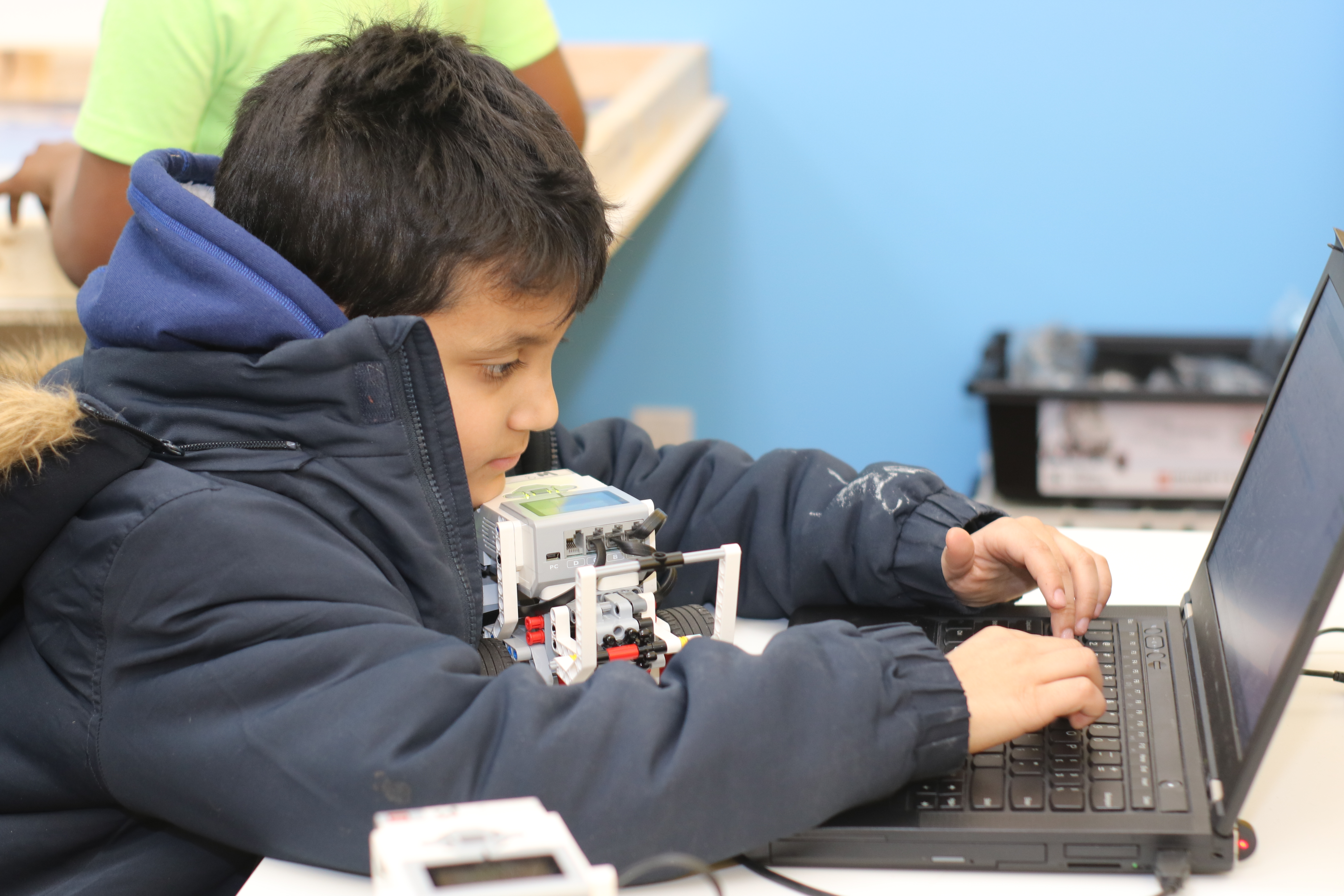
Young Innovator at Work: Hands-on with robotics and coding, igniting a passion for STEM from an early age

We understand the value of sports. They teach teamwork, discipline, physical fitness, and resilience. These are all essential life skills. But STEM education offers a complementary set of advantages that are equally important in the 21st century:

  • Problem-Solving: STEM teaches children how to approach challenges logically and creatively, skills that are invaluable in any field.
  • Critical Thinking: In a world of information overload, STEM empowers kids to analyze data, evaluate evidence, and make informed decisions.
  • Innovation and Creativity: STEM fosters a spirit of innovation and encourages kids to think outside the box, leading to new ideas and solutions.
  • Future Career Opportunities: The demand for STEM professionals is growing rapidly. By giving your child a STEM foundation, you’re opening doors to a wide range of exciting career paths.
  • Adaptability in a Changing World: The world is constantly evolving, and STEM skills help kids adapt to new technologies and challenges.

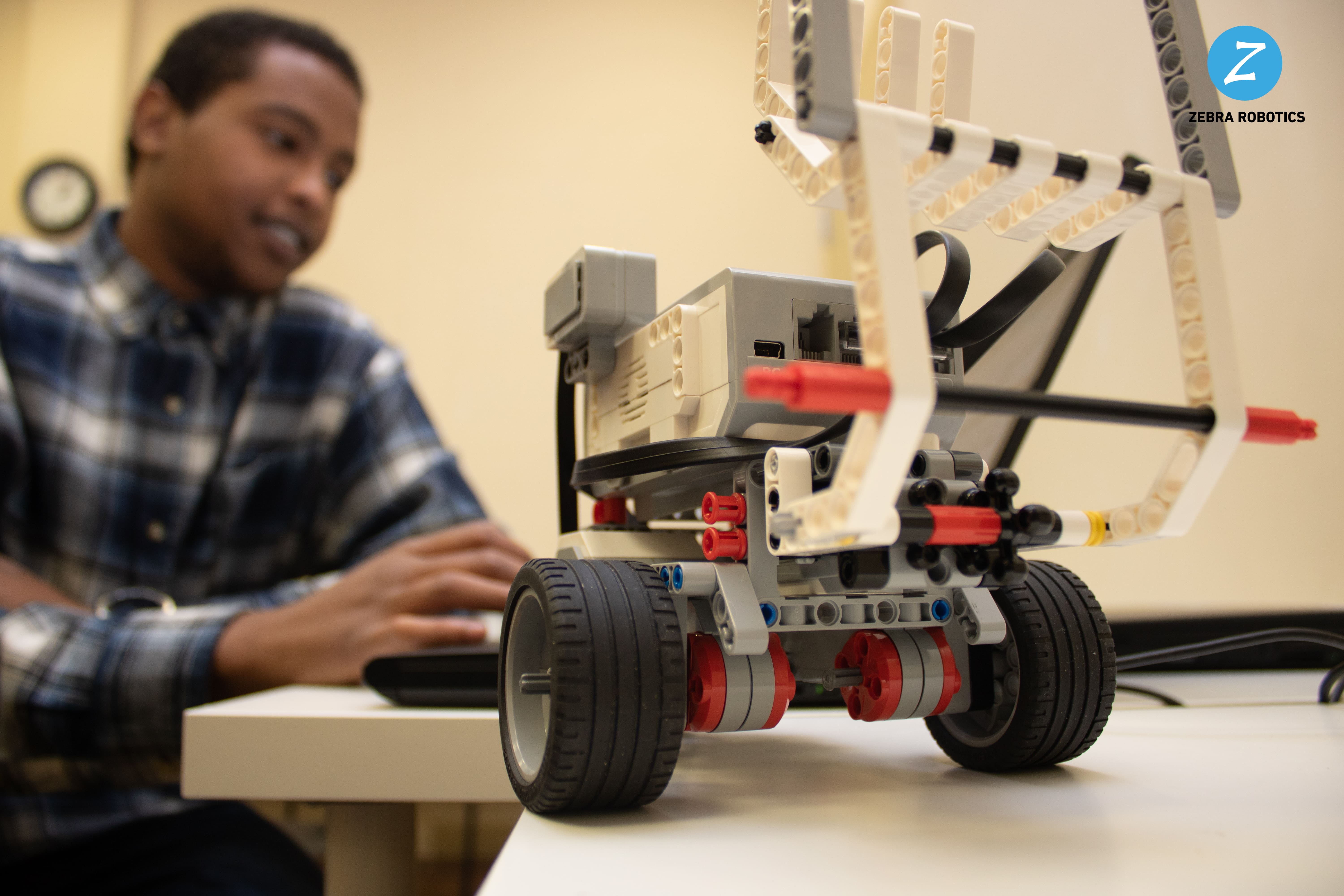
Exploring the world of robotics: A young creator fine-tunes his robot for a hands-on learning experience in problem-solving and innovation

How STEM Complements Sports:

STEM isn’t about replacing sports; it’s about providing a well-rounded education. Think of it this way:

  • Sports build physical strength and teamwork. STEM builds mental strength and problem-solving.
  • Sports teach discipline and perseverance. STEM teaches critical thinking and innovation.

By combining sports and STEM, you’re giving your child the best of both worlds: a healthy body and a sharp mind, setting them up for success in all aspects of life.

Zebra Robotics: Where STEM Comes to Life:

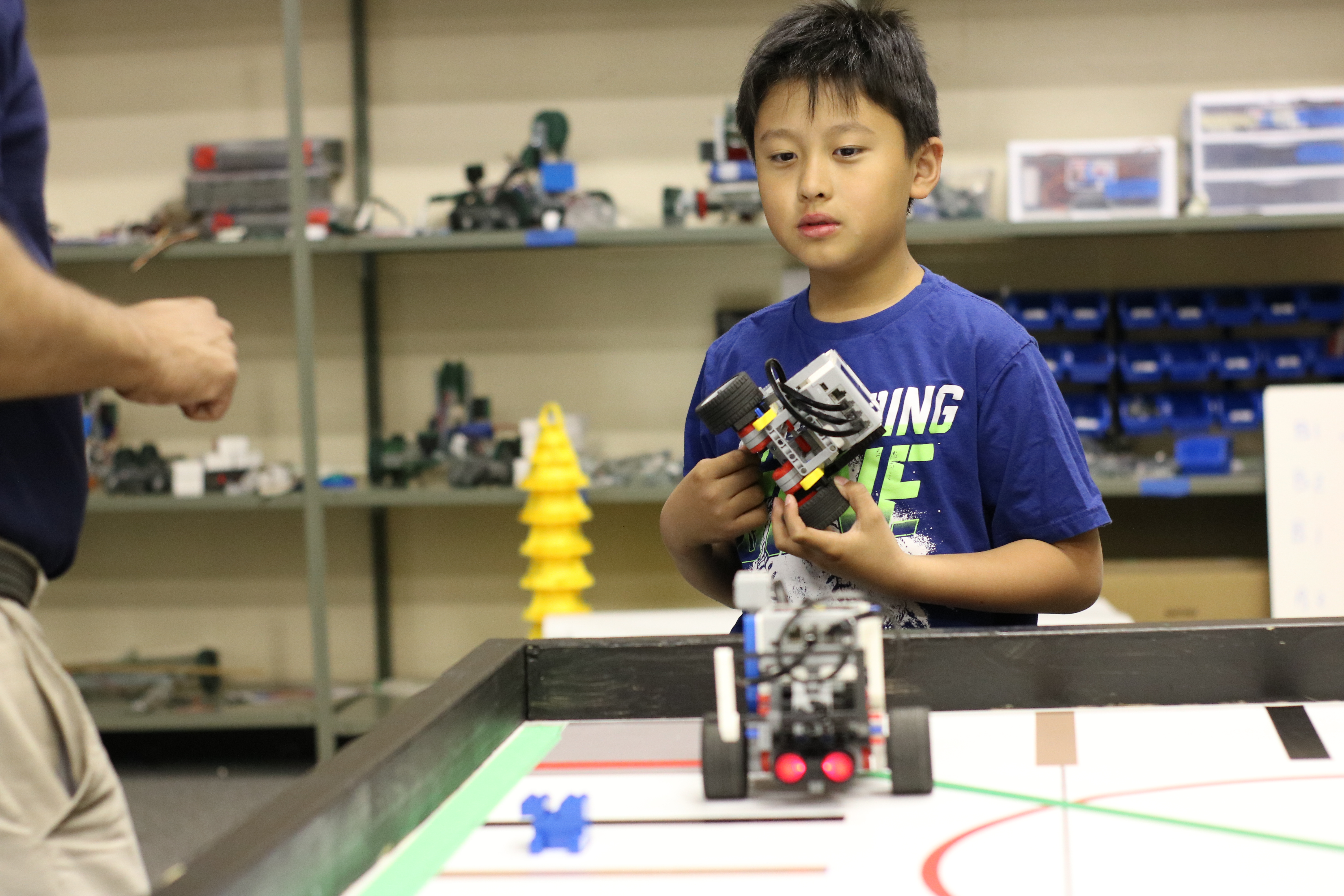
Bringing ideas to life: A budding engineer programs his robot for the ultimate test of creativity and functionality

At Zebra Robotics, we make STEM learning fun and engaging. Our hands-on programs in robotics and coding allow kids to:

  • Build and program their own robots.
  • Develop problem-solving and critical thinking skills.
  • Collaborate with peers and learn teamwork.
  • Explore exciting STEM concepts in a supportive environment.

Just as you invest in your child’s athletic development, investing in their STEM education is an investment in their future. By embracing both sports and STEM, you’re giving your child the tools they need to thrive in the 21st century and beyond.

Visit our https://www.zebrarobotics.com/surrey to learn more about our programs and how we can help your child discover the exciting world of STEM!

First Win for Milton Christian School’s Robotics Team

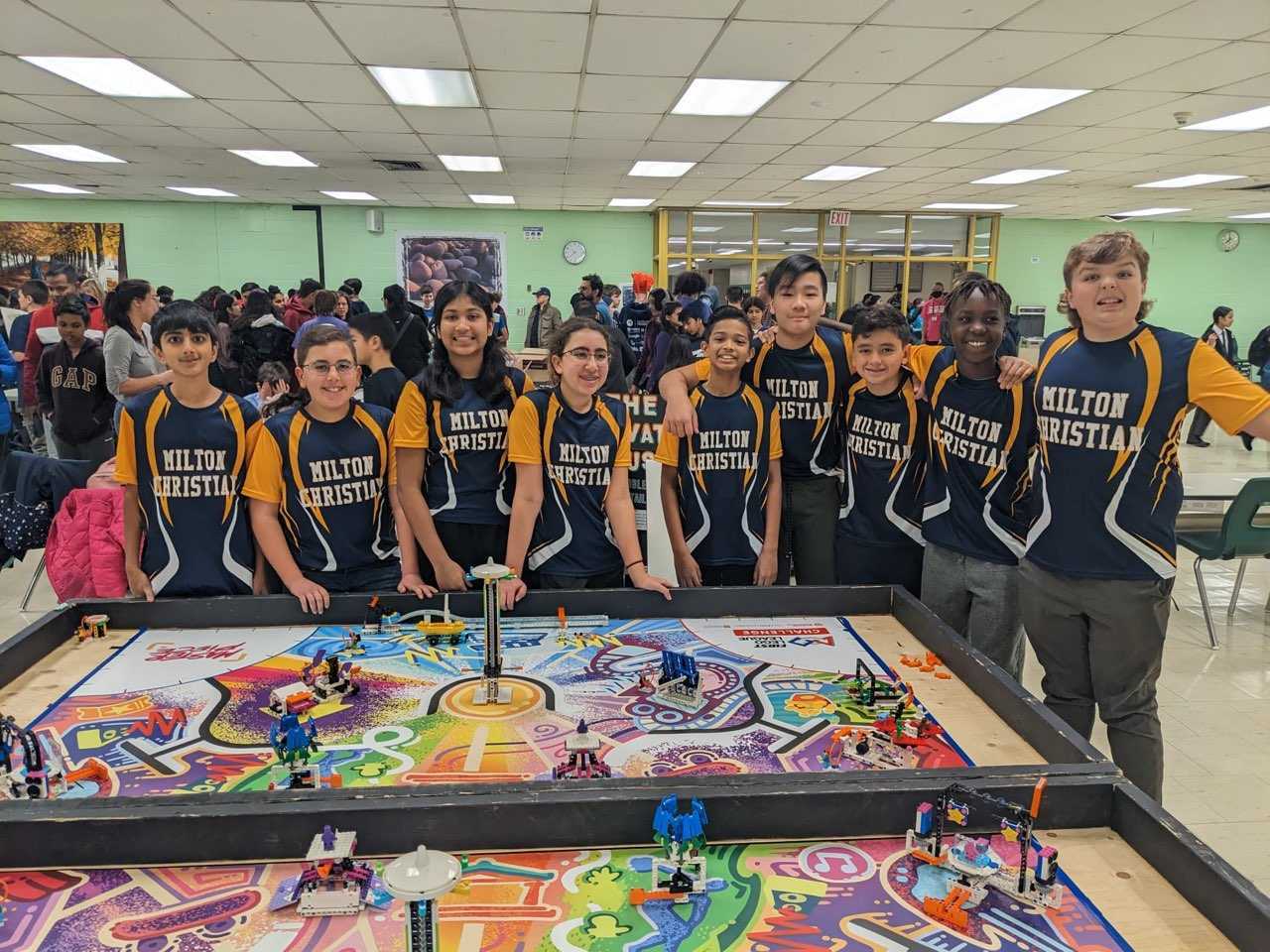
At Zebra Robotics, we are proud of all of our robotics teams, but we are especially delighted when a team first reaps the rewards of their collaboration and determination. Milton Christian School (MCS)’s Republic of MCS is just such a team. 

Republic of MCS is advancing to provincial competition in First Lego League (FLL) after their first-ever win at regional competition on December 9, 2023. Provincials will be held at Durham College in Oshawa, ON on January 20, 2024.

“I knew the students and coaches were working hard these past few months,” said MCS Principal Howie Martin. “It was nice to see their hard work pay off.” 

Throughout their preparation, the team worked most on collective problem-solving skills. Teamwork is an essential element of doing well at FLL competitions, and Republic of MCS honed those skills over months of work. 

“The chief strength of our FLL team lies in our collaborative and innovative approach to robotics challenges,” said Coach Tahmoor. “Since the MCS team has members from grades 6 to grade 8, each member brings a unique perspective and set of skills to the table.” 

Initially, each grade had its own approach to solving the problem, but it was only after the team worked together and refined a solution that they could beat the competition and win the Robot Design Award for a robot that is “mechanically sound, durable, efficient and highly capable.”

“I definitely think that this win will have an incredible impact on STEM education at our school,” said Catherine Magat, MCS teacher and coach. “I also hope that we would see STEM education be a positive influence on the students, particularly in encouraging them to explore STEM fields.” Principal Martin agrees that he hopes more students will participate in robotics next year and beyond. 

The team is proud of the win and eager to get to work for provincials. The wider MCS community is rallying behind the team as well. According to Magat, “The school has been so supportive of the team and are proud of what they have accomplished.” 

Republic of MCS is now practicing the various challenges to perfect their robot and increase their score to hopefully do well enough at provincials to qualify for nationals.

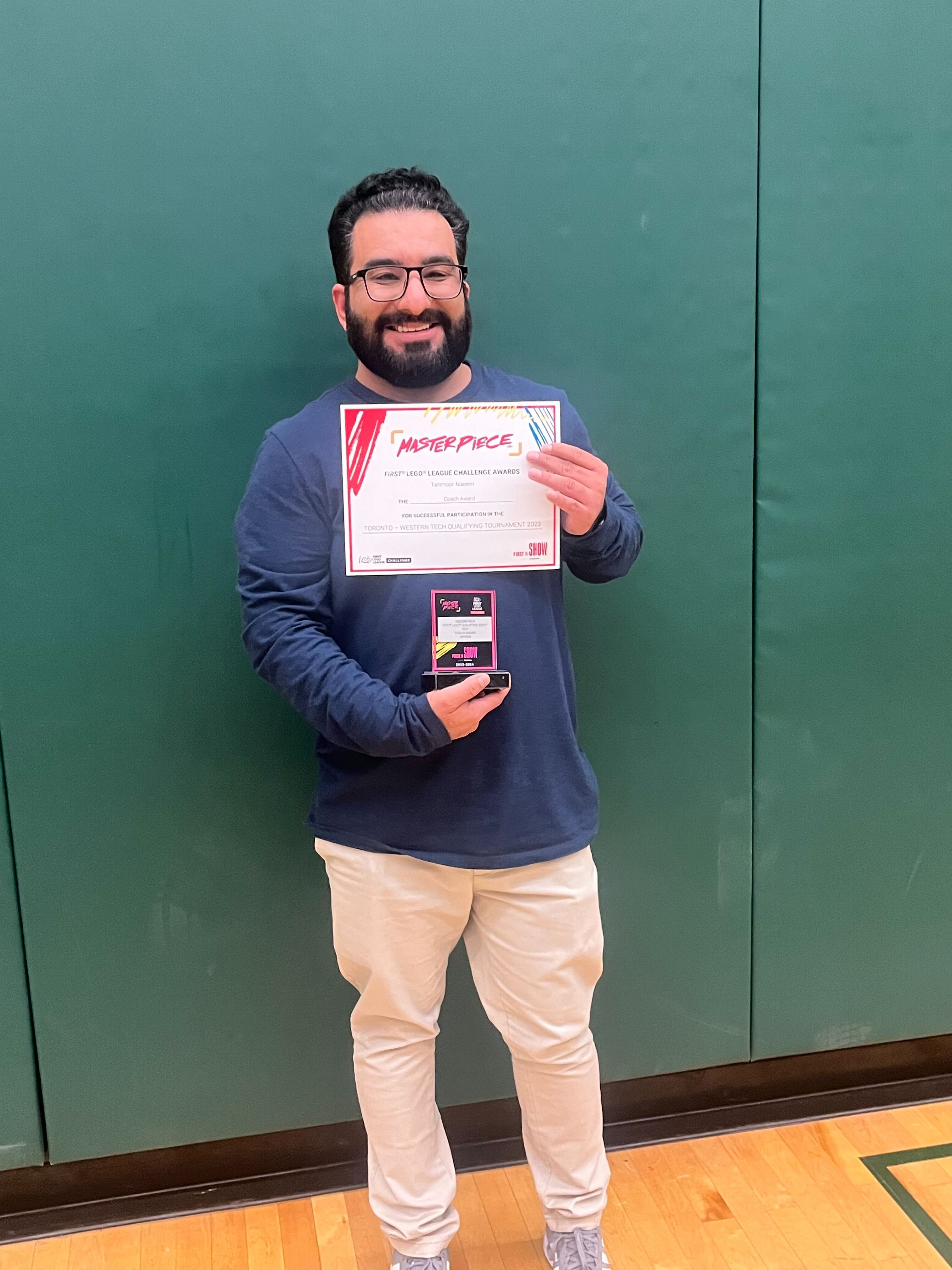
In addition to advancing to provincials and winning the Robot Design Award, the team celebrates Coach Tahmoor, from Zebra Robotics, who won a Coach Award for his mentorship and leadership for the MCS team. 

Zebra has been partnering with Milton Christian School (MCS) for three years, offering robotics curriculum in the school and coaching a robotics team. Zebra Robotics offers courses in its many locations throughout the GTA, in addition to partnering with specific schools. Zebra also sponsors the STRIPE Competition to help students test and develop their STEM and collaboration skills.

An Anticipated Return to the Podium

After two long years without the thrill of competing in-person, students were excited to get back into the spotlight and chase wins; and what a return it was. Exceeding our usual number of teams, we resolved to field up to fifteen teams this season for the World Robotics Olympiad (WRO) and Zone01 competitions. Of the fifteen teams we sponsored and sent, eleven had winning runs and advanced to the next stage. Students were thrilled to be back in that fast-paced environment, proving their abilities and utilizing all that they have learned. Coaches were not allowed to assist teams, and despite running into some issues with sensors, lighting, and their build, students displayed excellent independence and mastery of skills to prevail and were able to bypass these issues without any input from coaches. 

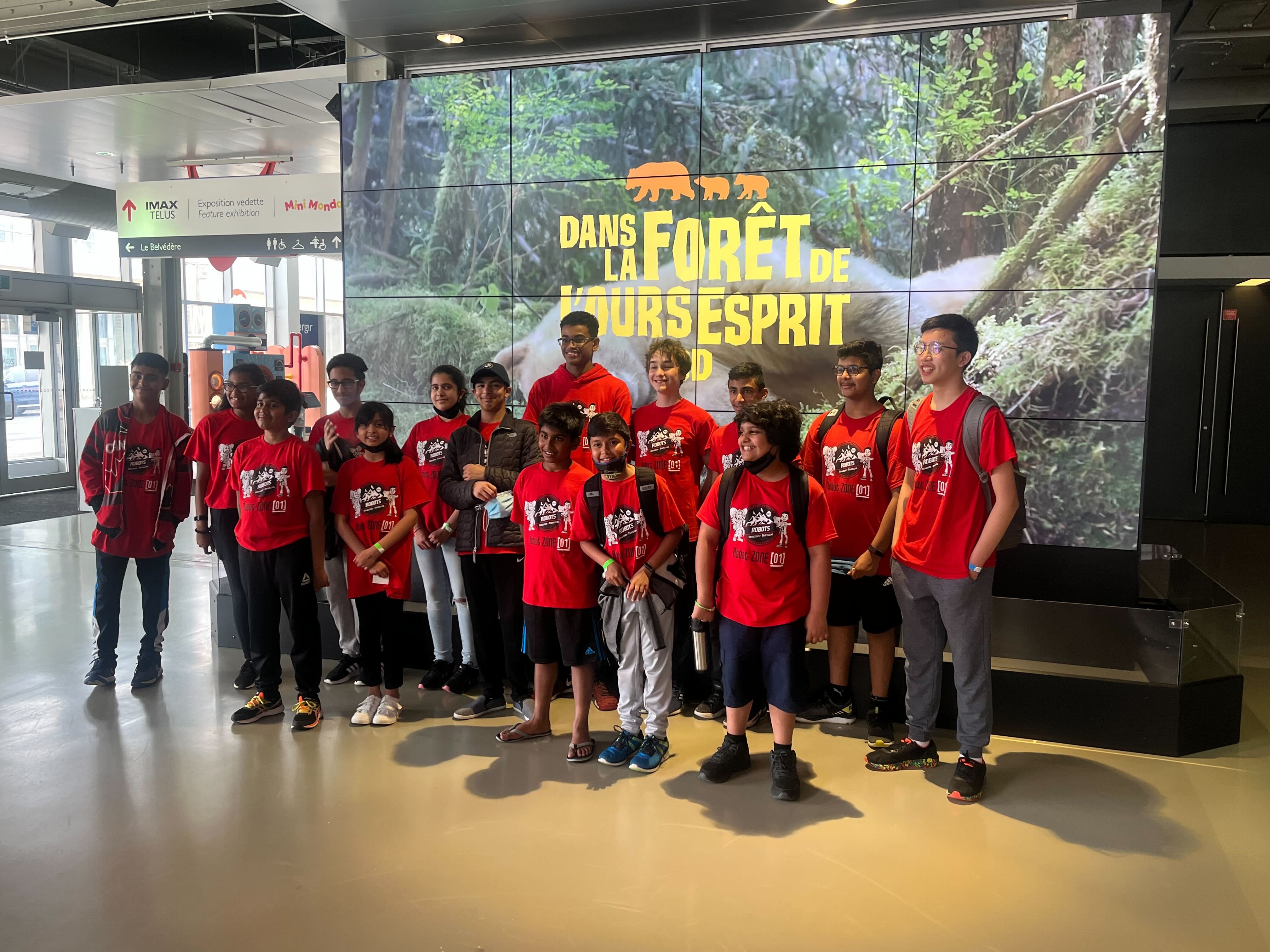
Zone01 Student Contestants Arriving to Compete

Zone01 finals took place in May, in Montreal. With six teams traveling to compete in the finals, families came along to support the students and enjoy the trip along with them. It was not only a time to vacation, though – students were up early to compete at 8am against teams from all over Canada. Students, naturally, experienced issues with their robots and runs again; however, armed with experience from their previous runs, they were able to conquer these issues with a clear head. Three teams succeeded to the podium and all around got to enjoy not only victory but a wonderful experience in the city with their family and friends. 

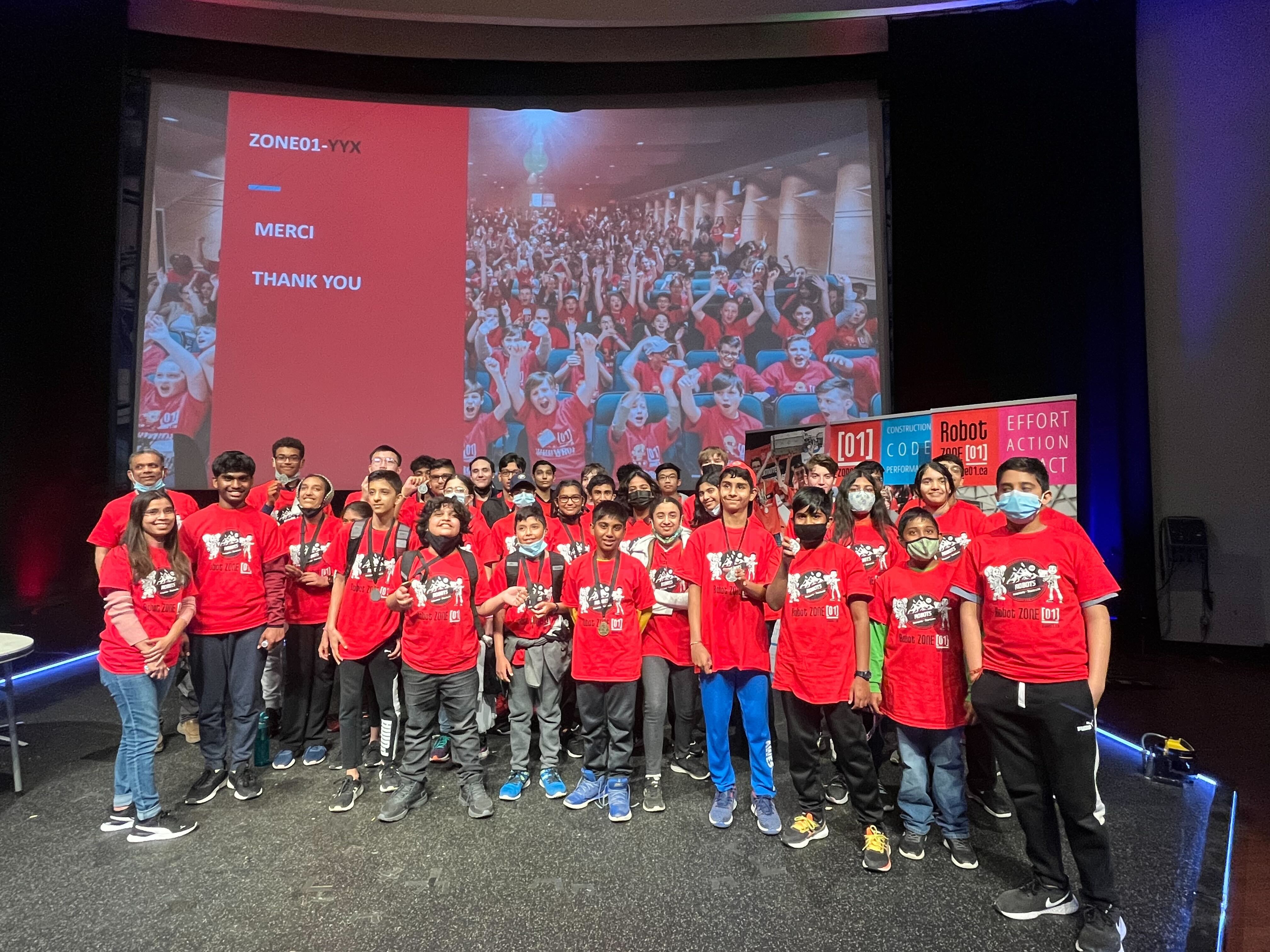
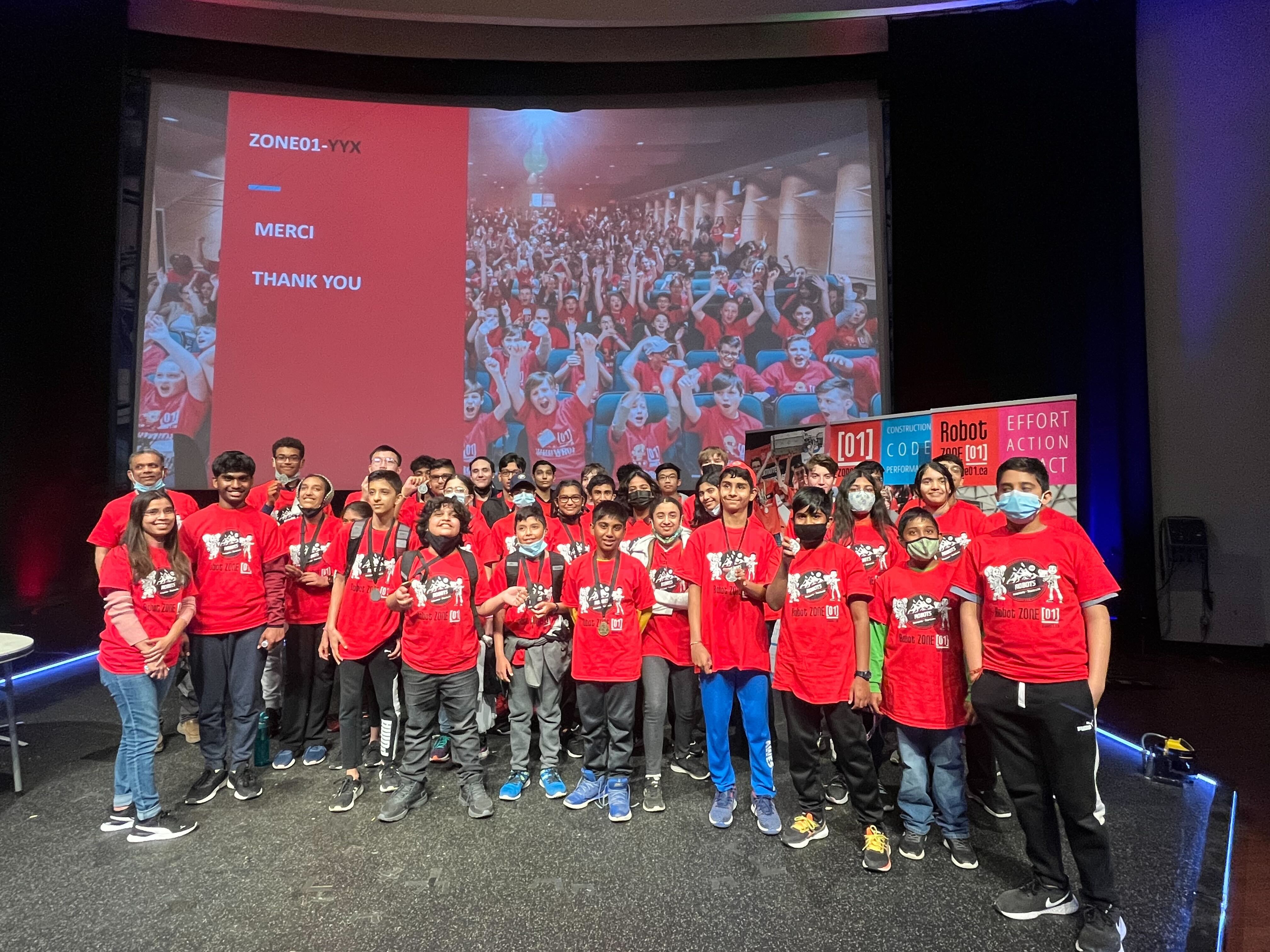
Zone01 Contestants and Winners.

Students and coaches alike cannot wait to go out and compete again, looking forward to the upcoming WRO finals and beyond. The first set of competitions back turned out to be a fantastic experience to fuel the fire of learning and excitement for all things STEM and Robotics for the Zebra Robotics family.

Nikhil @ Univ of Toronto

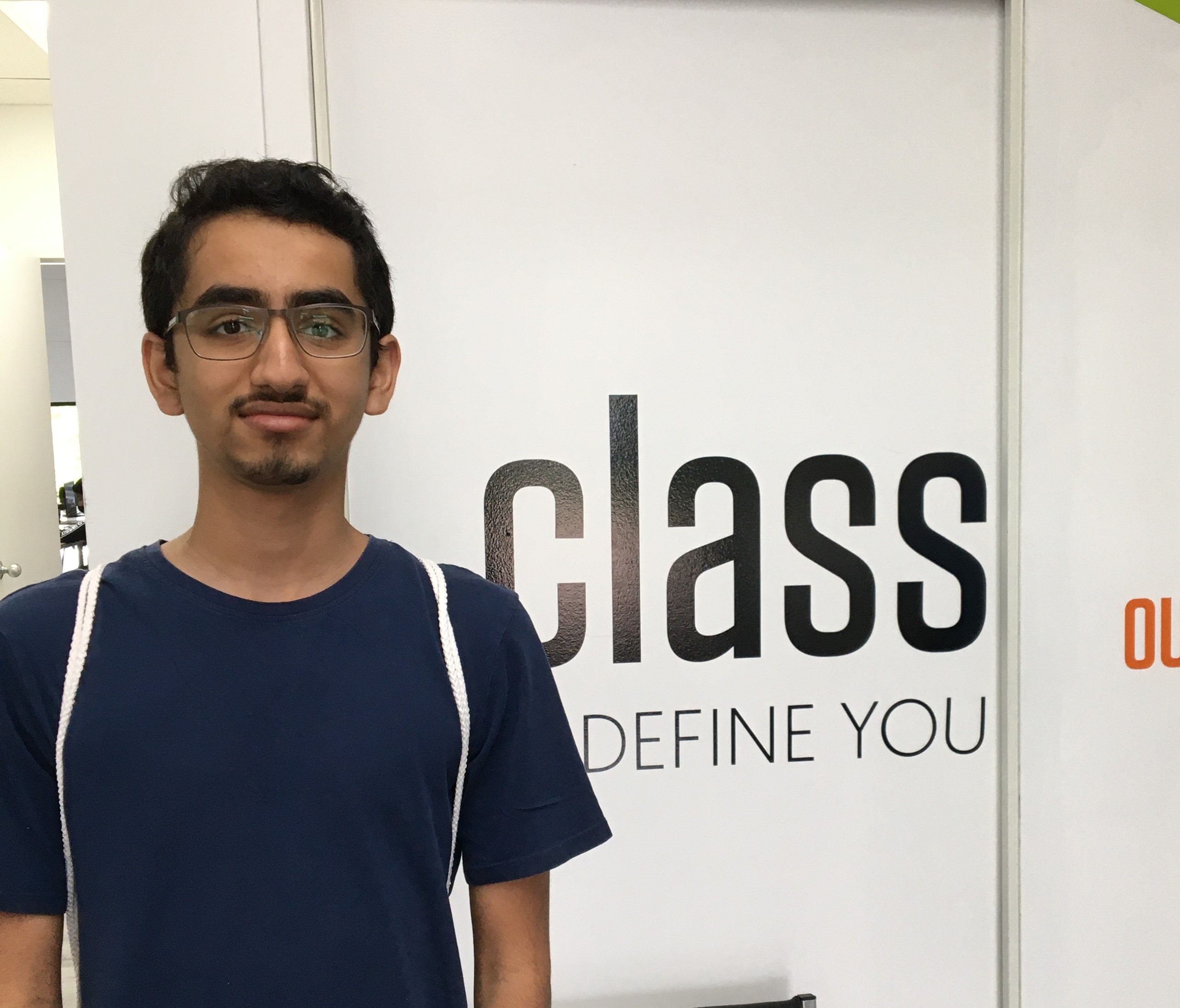
Nikhil

Congratulations Nikhil, on accepting the offer from the Univ of Toronto, Engineering Science program. You chose this program over Comp Sci and Mechatronics programs from Univ of Toronto, McMaster and UofWaterloo. We want to share your perspective about coding and robotics with younger Zebra Robotics students who want to pursue their higher education in STEM programs.

How did you get interested in Coding or Robotics?

I’ve always been fascinated by technology, and like many other children, I always loved creating things of my own – so I guess it only makes sense that I’m interested in coding and robotics nowadays. Robotics and coding didn’t initially start out as passions for me, but as I became more comfortable with those topics through classes and competition experiences, I was able to improve my skills – I started to be inspired by the things that other people had done in the past with regards to robotics and coding, and eventually, I saw the results of my own work in competition environments. I think that really opened my mind to what was possible in these fields, and I’ve been hooked ever since.

Tell us a bit about yourself, your hobbies and what you like to do when you are not working on your school or university work.

My name is Nikhil, and I’m going into my first year of Engineering Science at the University of Toronto. My main hobby is competitive robotics – I’ve been heavily involved with numerous robotics teams at Zebra, from FLL to WRO to VEX, as well as teams outside Zebra, such as my high school’s FRC team. I continue to mentor some of these teams. In the coming years, I plan on being involved with design teams at UofT as well. Apart from that, I’m fairly boring – I watch Netflix/YouTube and play video games like everyone else.

How long were you a student at Zebra Robotics? What did you like most at Zebra during that time?

I’ve been involved with Zebra for over 7 years now. All my favourite moments have to do with competitions – I’ve always enjoyed working on these large, long-term projects; watching plans develop and things build up into a frenzy, and anxiously waiting to see how the team will do at the real event – will we have fixed all our problems, or will a bad line of code bring everything crashing down when it really matters? It’s all part of the competition experience, and in the end, it’s the journey of preparing for a competition that makes it all worthwhile.

How did you manage your time between schoolwork and other activities, including robotics or coding sessions at Zebra Robotics?

Some parts of the year have always been busier than others for me, due to the nature of robotics competition seasons. In those busy times, proper planning and prioritization have always been important. My schoolwork was a high priority, especially in my final years of high school, and I always tried to stay up to date on it so that I’d have time to focus on extracurriculars. However, deadlines in robotics competitions and other school clubs would often have me reshuffling my priorities to get certain time-sensitive tasks done sooner rather than later. Managing my time between schoolwork and extracurriculars would sometimes become a bit of a juggling act, and so to stay on top of everything, I would use a daily and weekly to-do list, while also keeping close track of my deadlines. In those situations where prioritization becomes tough, I’m a fan of the Eisenhower matrix – search it up if you haven’t heard of it!

What would you say if you were to suggest a few things to aspiring Engineering or Computer Science university students?

I know that there’s a lot of hype these days surrounding engineering and computer science, so first of all, I would recommend that you find out if you’re truly passionate about these fields by trying them out. Try some coding, participate in some robotics competitions, and get a feel for it. That’s one of the best things about engineering and computer science – there’re so many ways to get involved in classes, clubs, and competitions in high school, and even earlier. Not only will your visible interest in computer science or engineering make your university application stand out, but it’ll also help inform your choice when applying to and picking programs – after all, you want to end up in a field you’re truly passionate about. Also, speaking of university applications, (you’ll hear it a lot, but I’ll say it again) remember that marks aren’t everything. Marks are definitely very important – but after a certain point, it’s your experiences and skills outside of the classroom that make you a solid applicant. Chances are, if you’re reading this, you’re already getting those experiences and developing those skills, which is great!

Srijay chooses Mechatronics

Congrats Srijay on choosing Mechatronics at the University of Waterloo. Srijay has been part of many robotics teams with Zebra Robotics. In this write-up, we asked Srijay questions about his interest and his passion for robotics. His time management skill could come in handy for many aspiring university students.

How did you get interested in Robotics?
When I was in grade five, I didn’t know much about coding and robotics, but I always thought they were both very interesting. When I joined Zebra Robotics, I discovered that I really enjoy both coding and robotics and I decided to continue learning. From this point on robotics became a passion of mine and I always strived to learn more about it.

Tell us a bit about yourself, your hobby and what you’d like to do when you are not working on your school or university work.
My name is Srijay Mundlur I’m 17 and I am going into my first year of university this fall. Some of my hobbies include sports, video games, and robotics. When I’m not doing school-related work I enjoy learning about the new technologies of the world and playing different games with friends.

How long were you a student at Zebra Robotics? What did you like most at Zebra during that time?
I was a student at Zebra Robotics for about 6 years and I enjoyed doing many different things there. My favourite part about my time at Zebra Robotics was all the different competitions I got to participate in. I participated in both WRO and FLL and I always enjoyed how each year’s challenge made you learn different things about your robot and team. The challenges pushed us to learn new things every year and I always enjoyed competing against other teams.

How did you manage your time between the school work and other activities, including robotics or coding sessions at Zebra Robotics?
One of the most important things I learnt while time managing both robotics and schoolwork is to get your work early. Procrastination can lead to both of your robotics and schoolwork piling up, so it was very important for me to finish all of my schoolwork as soon as I got it. This is even more important when preparing for robotics competitions because you could be called to work anytime.

What would you say if you were to suggest a few things to aspiring Engineering or Computer Science university students?
I would tell them to get involved in as many engineering and computer science clubs and opportunities as they can. Getting hands-on experience is very helpful in these fields and it can help you decide which aspects you wish to specialize in the future. I would also suggest trying to talk to older students and adults working in the fields you are interested in to get advice on what field you should try to pursue a career in.

Team OutsiderZ, Fitnovators advance

Team 16539: OutsiderZ

Team 16539 OutsiderZ, and Team 4047, Fitnovators, FLL (First Lego League) teams from Mississauga, Ontario, participated in Western University and Waterloo qualifying tournaments respectively, won Core Value, robot design awards and are advancing to Ontario Provincials to be held the week of May 3rd virtually.

They were excited to form a team and start preparing for “2020 First Lego League” season. Due to COVID lockdown and restrictions to meeting in person, they delayed their kick-off meeting till mid-September 2020. They met 7 times in total between then and getting into another lockdown in November. During this time, they built a robot, strategized designed, and built extra attachments.

Team 4047: Fitnovators

They did not have time to program the robot before they went into virtual-only mode. They used that time to prepare for other aspects of FLL such as Innovation Research while waiting to hear back about lockdown relaxation rules. But unfortunately, they couldn’t meet in person. By January, they decided to practice for robot games virtually, by writing programs remotely and collaborating virtually. By mid-February 2021, with lockdown rules restricting them from practicing in person, they continued preparing for the Qualifying event virtually. Two team members decided to practice the entire team’s robot-run, a week before competition day.

They practiced for about 6 hours, in total, spread over three days, and were able to showcase a decent robot game score in 300s for the event. We need to look at this in contrast with a regular normal season, where the teams would have practiced for about 100+ hours before they go for the competition.

Kids were excited to see they were able to make progress in such a short time with their robot game and gave their 100%, preparing for their judging session. They did an awesome job, explaining all they have learnt during this FLL season, and how their team activities helped them overcome COVID fatigue. They learnt their advancement to provincials on a Saturday in late Feb/early March 2021, during the live broadcast of the tournament on twitch.tv. They are super excited. They are taking a week’s break and will start regrouping for provincials.

At Zebra Robotics, all the coaches are so proud of these kids, who stepped up to face the challenge given the constraints. Participating and learning are important for us, winning awards is icing on the cake. We look forward to working together in the coming weeks.

Best wishes teams!

FLAME-X share their experience – Part I

FLAME-X

This blog was written by FLAME-X team member Vishal Prakash, who has participated in two FLL seasons, for team Astroneers and FLAME-X. His team won awards at regionals and advanced to provincials.

Season Topic - FIRST LEGO League - Research and Robotics Competition

The 2019-20 FLL season proved to be a very eventful and fun experience for my team and I. FLL is a competition that utilizes Lego Ev3 robotics to advocate for problems in the world. This year’s topic was called City Shaper and it centers around all the problems in the world relating to construction. There are 3 components to FLL: Robotics, Project, and Core Values. 

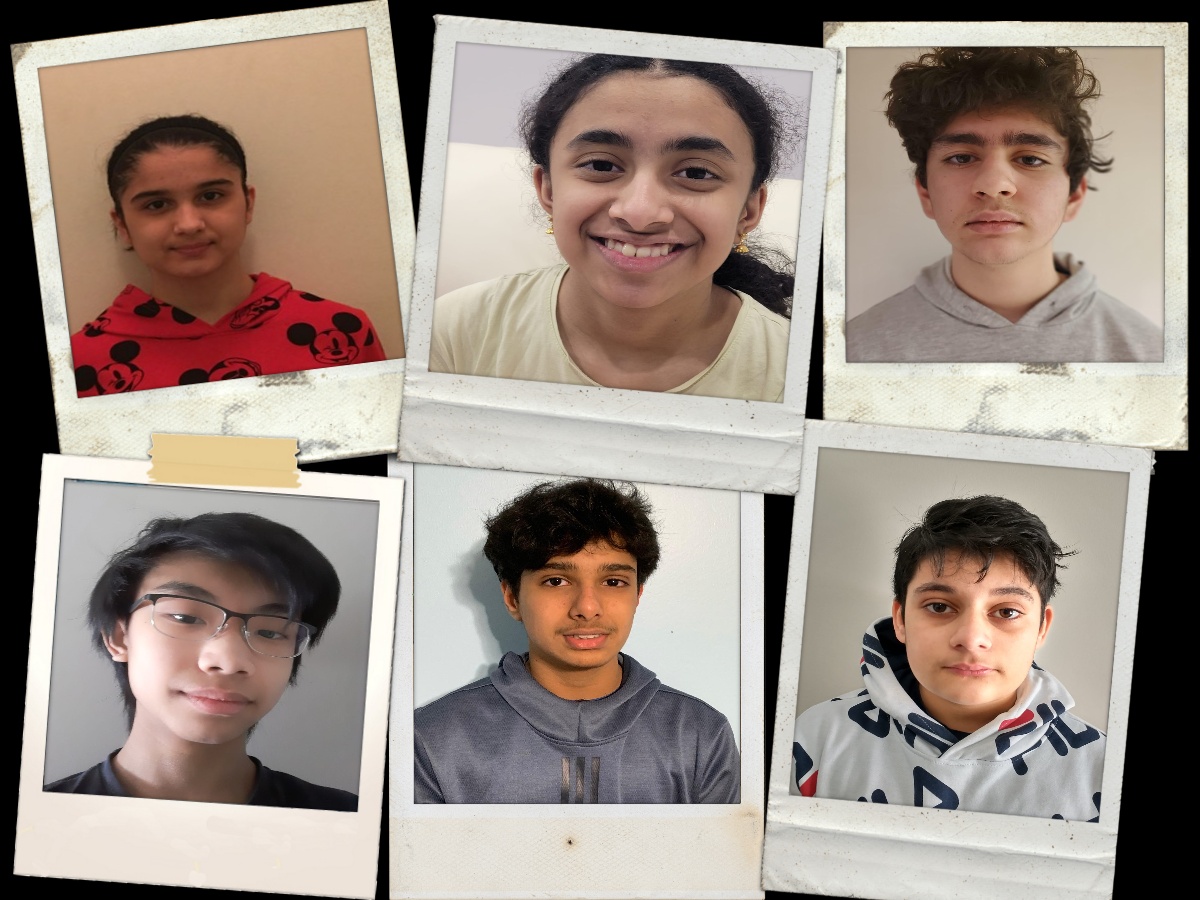
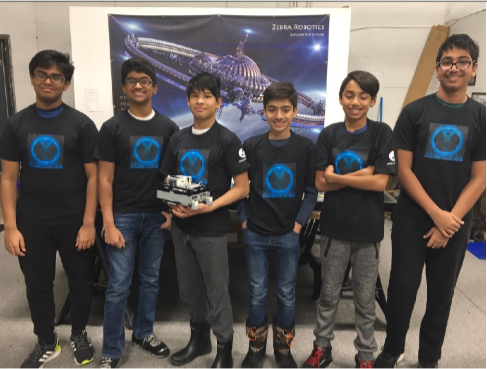
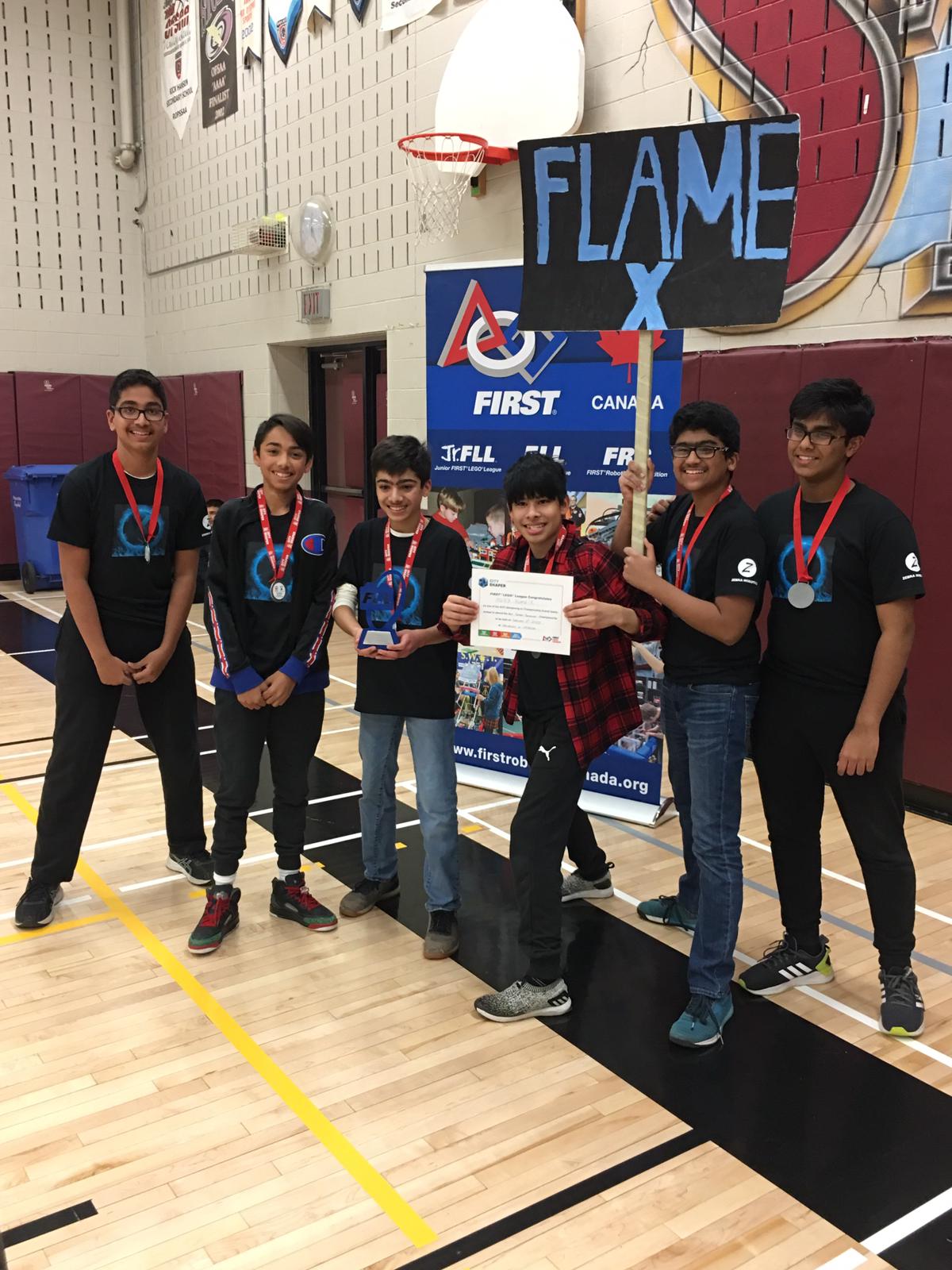
Flame-X members – L to R – Vishal, Samir, Ethan, Haris, Ishaan, and Praneeth

FLAME-X

ROBOTICS

In the Robotics component, the FLL team is supposed to build an Ev3 robot that has to complete a set of given challenges that are construction themed. Once each challenge is completed, a certain amount of points will be given to the team depending on the challenge. The building and programming can be done before-hand, and the robot only has to complete the challenges correctly on the day of the competition.  Teams are also required to go in front of judges and present their robot, their game strategy, and how they built the attachments and programmed the robot. The judges evaluate the teams on how efficiently they built and coded the robot and also how they complete their challenges.  

PROJECT

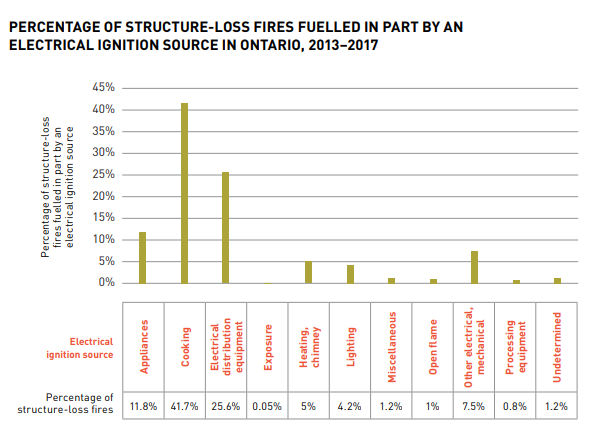
The Project component of FLL required much more time and work as well as a lot of perseverance and teamwork. The FLL team is supposed to research a problem related to the given topic, find a feasible solution for it, and then present it to the judges on the day of the competition. After looking at a lot of imminent problems relating to the theme, our team chose to research fires due to household appliances, especially stoves. We chose this problem because we found that there was not a good solution and that this problem was actually pretty big, especially in the older houses. After doing research on the problem, we came up with a solution. We called our solution Project F.L.A.M.E (Fire is Lame And Must be Extinguished). It will be attached over the stove and it utilizes thermal imaging, motion sensors, a smart plug, and also an IoT (Internet of Things) system. This system will monitor the motion in the house near the stove using the motion sensor. The thermal imaging will constantly be monitoring the temperature of the stove and if it exceeds a certain amount, the motion sensor will check to see if there is any motion nearby. If there is, the IoT will send a notification to the owner’s phone telling them to immediately turn off the phone. If there was not any motion, the IoT will make the smart plug cut the power to the stove and send a notification to the owner’s phone. After we found a good solution, we decided to build a prototype.  

To present our project, we decided to do a skit where a father and son come back to see their house burned down as they had left their stove on. A firefighter recommends them to a group of scientists that are building the F.L.A.M.E. Then everyone goes back in time to see what would have happened if the F.L.A.M.E was monitoring the stove and it overheated. The F.L.A.M.E would have sent a notification to the dad’s phone and the skit ends. A team only has 5 minutes to present their project, so we had to adjust our skit while also making sure we managed to say everything we wanted to say. 

CORE VALUES

The Core Values component of FLL represents the teamwork and sportsmanship shown by teams. Judges will constantly be walking around, monitoring us and checking how we act outside of the judging sessions and robot runs. In addition to that, we have to go in front of judges and do an activity that they give us. They check to see how we communicate with each other and how we make decisions as a team. 

THE REGIONALS

The regional competition for the Peel Region happened at Rick Hansen Secondary School. This is the first level of competition before provincials and nationals. It started early in the day at 7:30 am and ended around 6:00 – 6:30 pm. Once our team got in a set up or table, or pit, with all our things, we went to the opening ceremony that introduced the judges and executives. After this, we had to go to our first judging session, which was Project.

PROJECT JUDGING SESSION

We went into the judging room, introduced ourselves and began our skit. Overall our skit went very smoothly and we said everything we wanted to say. We then presented our prototype and showed how it worked and began to answer their questions. We answered the questions clearly as the judges were evaluating us on that as well. In fact, answering the judges’ questions is probably the hardest part of the judging sessions. 

ROBOTICS & CORE VALUES JUDGING SESSION

After the Project judging, we went to our Robotics judging session. Here we present our robot, which we had named Sparky, and its components. We also talked about our attachments, how they worked, and our code. Similar to the Project session, we answered the judges’ questions. Our final judging session was Core Values. In this session, the judges gave us an activity and a time limit to finish it. The activity was to choose a part of a body and describe how the role you play in the team is similar to how the role that the part of the body you chose plays in the body. Then, we answered the judges’ questions.

After our first set of judging sessions, we waited for them to post the call-backs. Call-backs are for teams that did really well in each of their judging sessions, and it provides them an opportunity to present to a new set of judges for further evaluation and consideration for awards. We ended up getting call-backs for all three components and had to present again. After the judging sessions and lunch, the robot runs began. We had had a few practice runs before but these runs were the ones that would count and decided what place we would place among the teams. Each team gets 3 runs and the best score is the one that is considered. Our best run ended up being our second one where we scored 405 points. We were first place for a long time until another team scored 415 points and ended up finishing first place while we finished second.

Championship

After all the runs were done, they started the awards ceremony. Though we finished second in the robot runs, we ended up coming first place overall and won the Champion’s Award. Three teams advanced to the provincials, which was to be held in the University of Waterloo, we were happy to be one of them.