When it comes to STEM education and being immersed in the fields of Science and Technology there is nothing with quite the same effect as competing with like-minded individuals to test not only knowledge but collaborative ability, as well as critical and adaptive thinking. Competitions are a space where students can hone their skills sharply and be sure that the techniques, adaptations and understanding they gain will be memorable due to the fast-paced and exciting environment they were garnered. Competitions also allow students to showcase and elevate their dedication to STEM and STEM learning. It takes many weeks of preparation to refine and perfect their robots and their runs – placing students in the ideal environment to put their resolve and love of the technology as their first priority and really grow as STEM students, and ultimately, STEM professionals.
Zebra Robotics boasts an extensive competition history and is proud to have had more than 94 teams compete in renowned STEM competitions such as the First Lego League, Zone01, World Robotics Olympiad & Vex Robotics. Teams coming out of Zebra Robotics have won over 70 regional, provincial and even national awards across the last eight years. The established coding and robotics institute not only aims to sponsor students to achieve success at these high-level competitions, but also supports teams with hands-on coaching and mentorship as well as spaces to build and test their robots and regulation mats to time their runs, and more in their impressive student-centric centers. The approach of Zebra Robotics has always been self-paced for students, so students do all the design and programming of their robots, however, they are able to tap into a deep and robust support system that aids them on their journey to success. This guidance and support system helps alleviate the steep learning curve and shock of first-time competitors as well as support long-time competitors as they face higher degrees of pressure as they progress.
The vision for Zebra Robotics has always been to instill a love of STEM in all students with an interest and guide them into becoming the most versatile and adaptive professionals they can be. Competitions are a part of this mission and can serve an integral purpose in pushing students to their highest potential to achieve their short and long-term interpersonal and STEM skills.
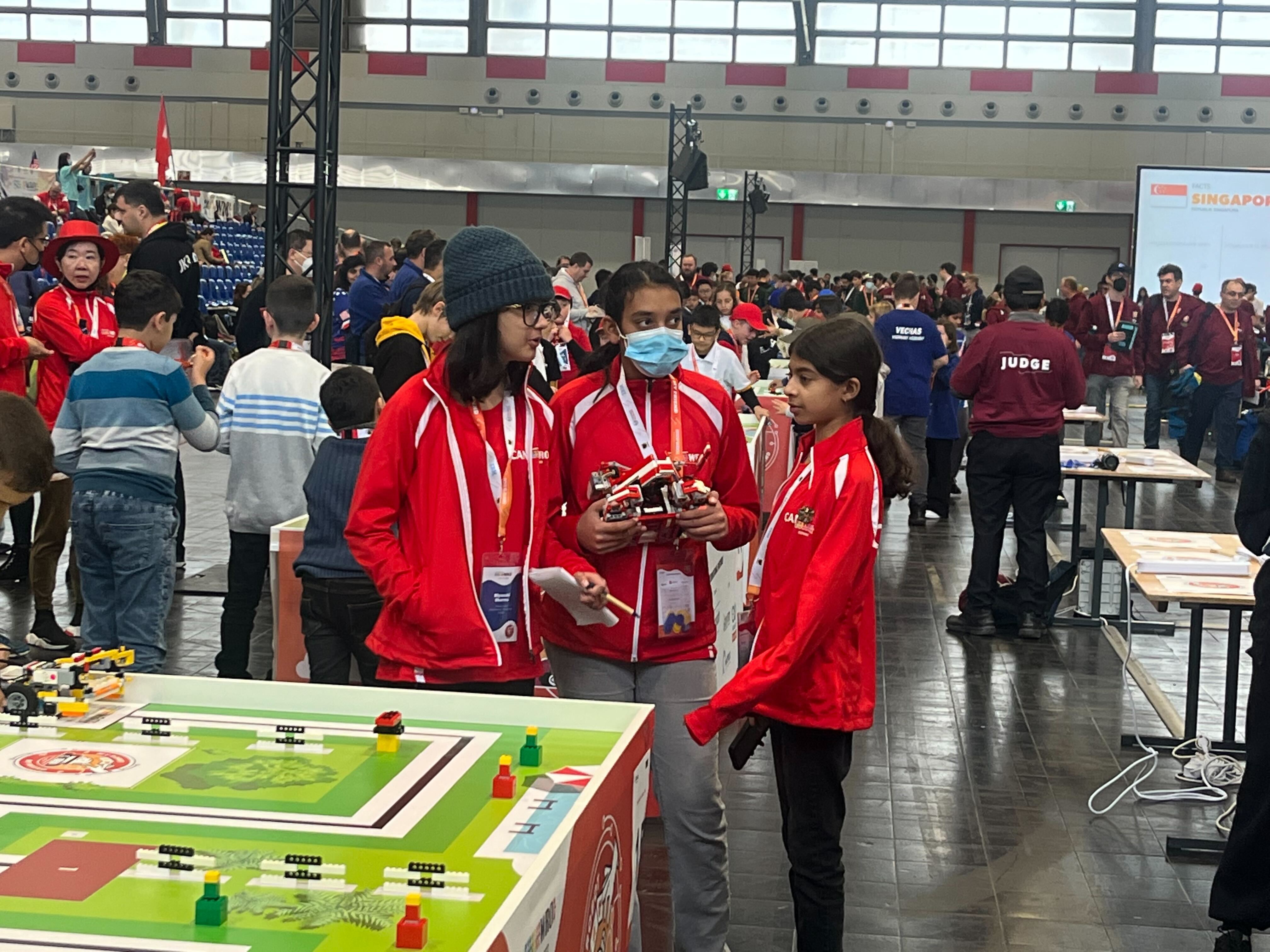
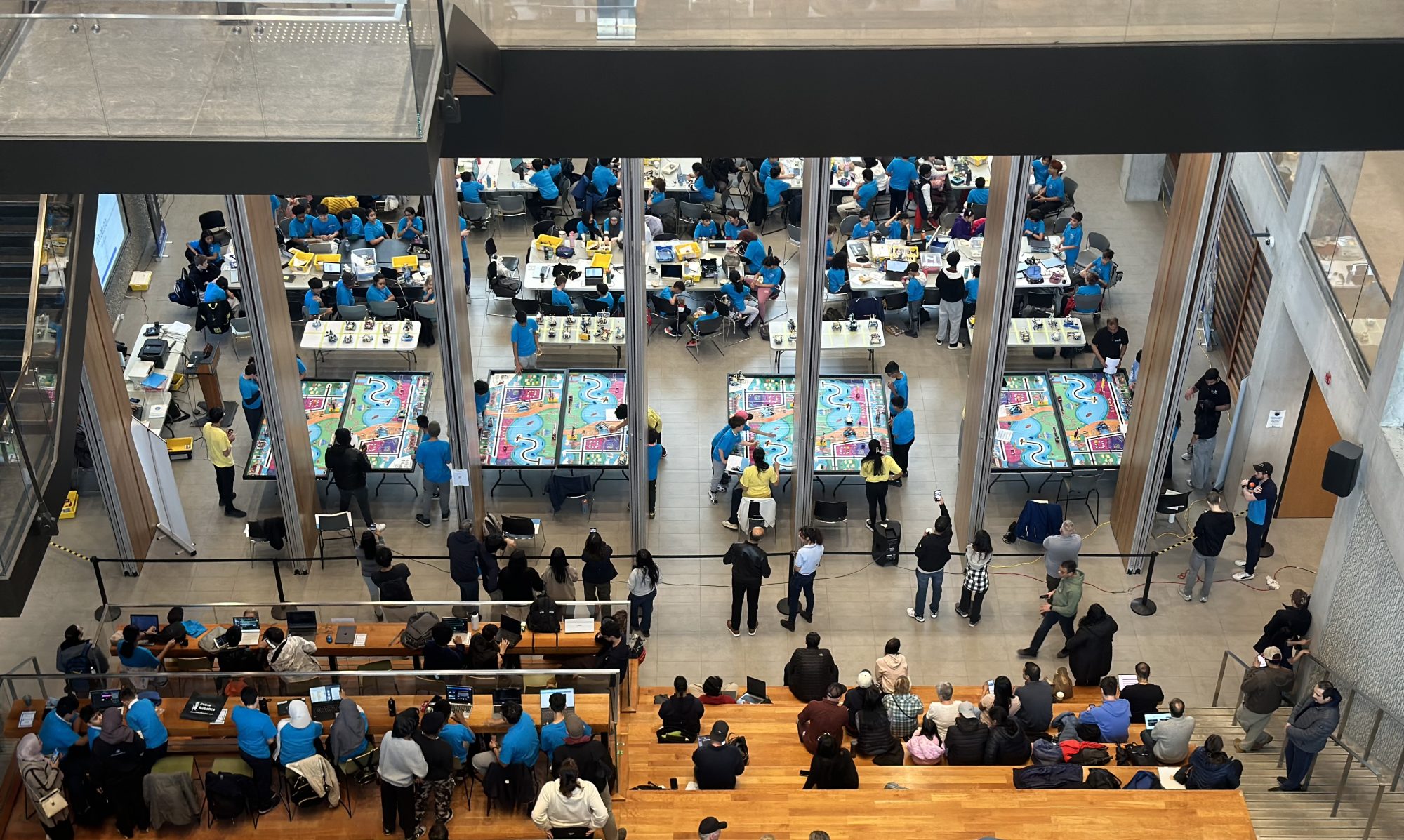
After two long years without the thrill of competing in-person, students were excited to get back into the spotlight and chase wins; and what a return it was. Exceeding our usual number of teams, we resolved to field up to fifteen teams this season for the World Robotics Olympiad (WRO) and Zone01 competitions. Of the fifteen teams we sponsored and sent, eleven had winning runs and advanced to the next stage. Students were thrilled to be back in that fast-paced environment, proving their abilities and utilizing all that they have learned. Coaches were not allowed to assist teams, and despite running into some issues with sensors, lighting, and their build, students displayed excellent independence and mastery of skills to prevail and were able to bypass these issues without any input from coaches.
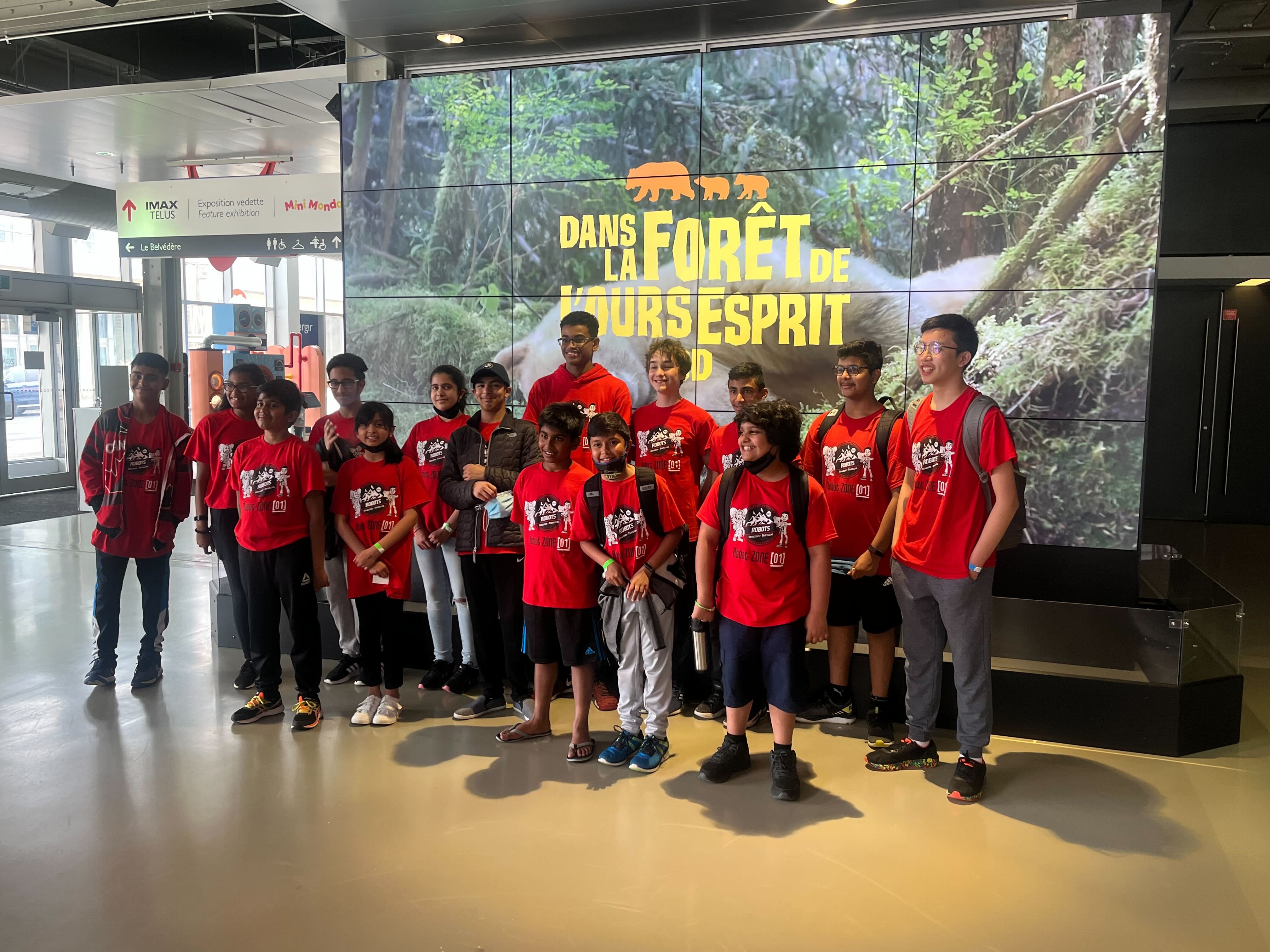
Zone01 Student Contestants Arriving to Compete
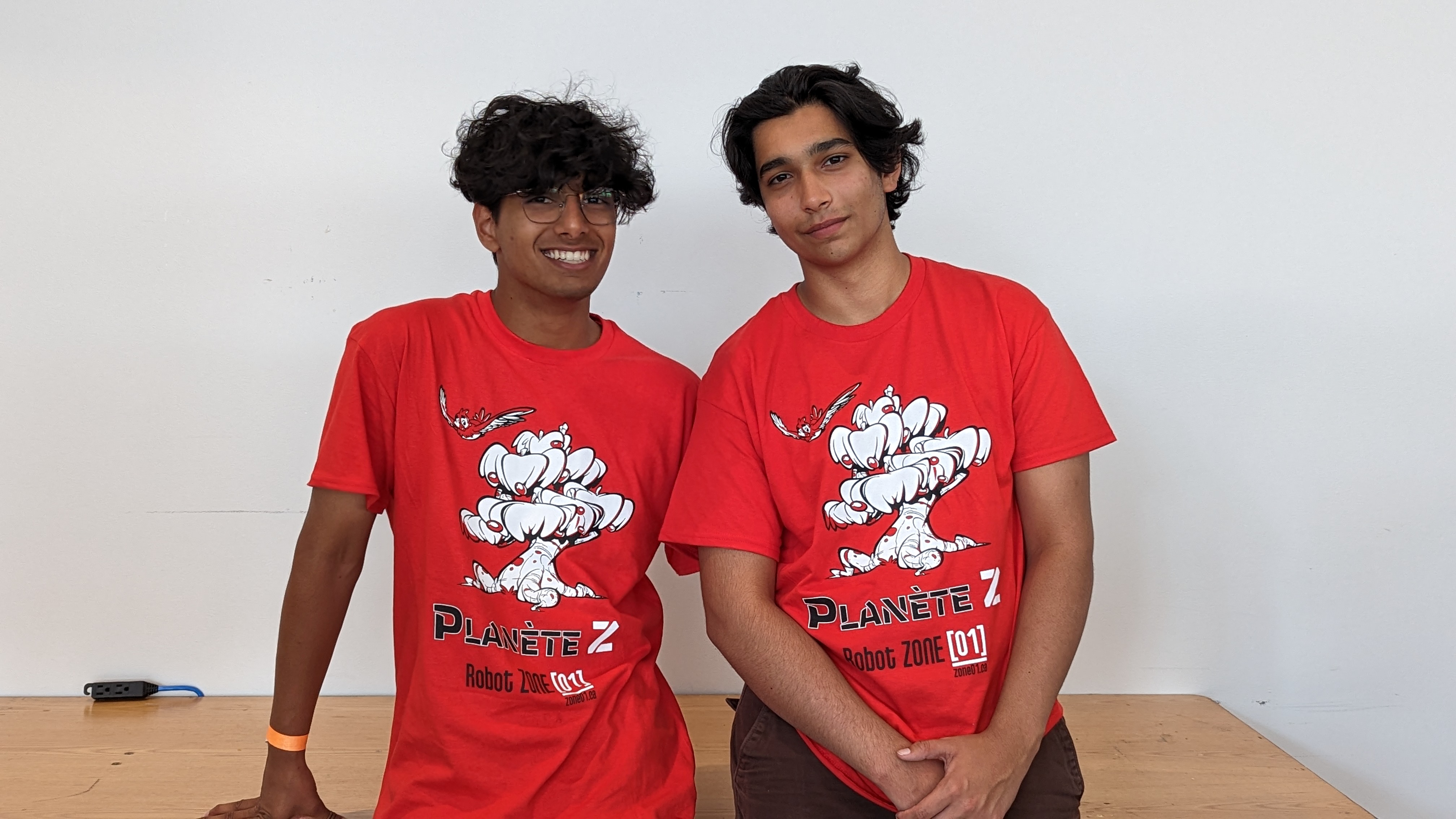
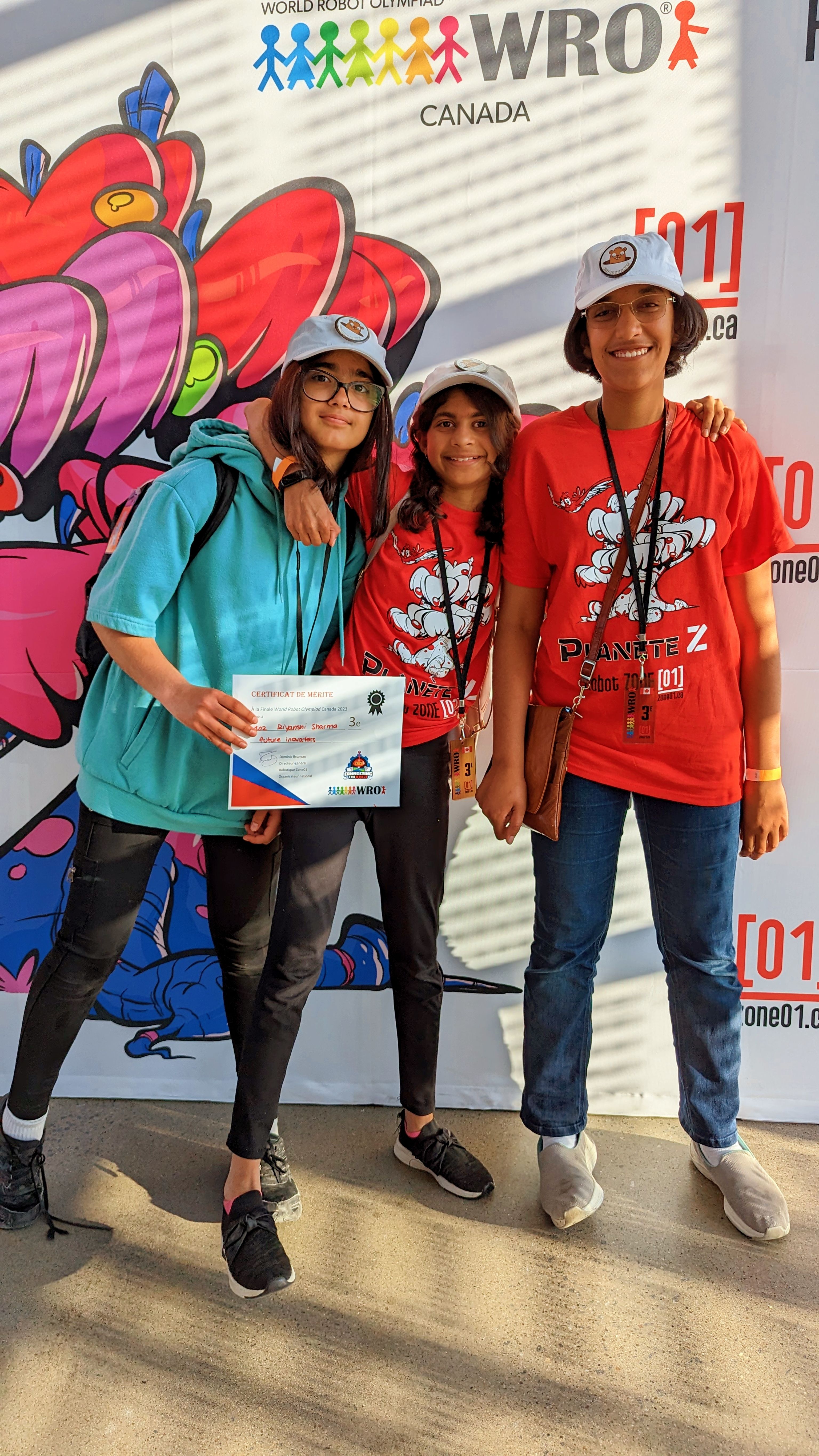
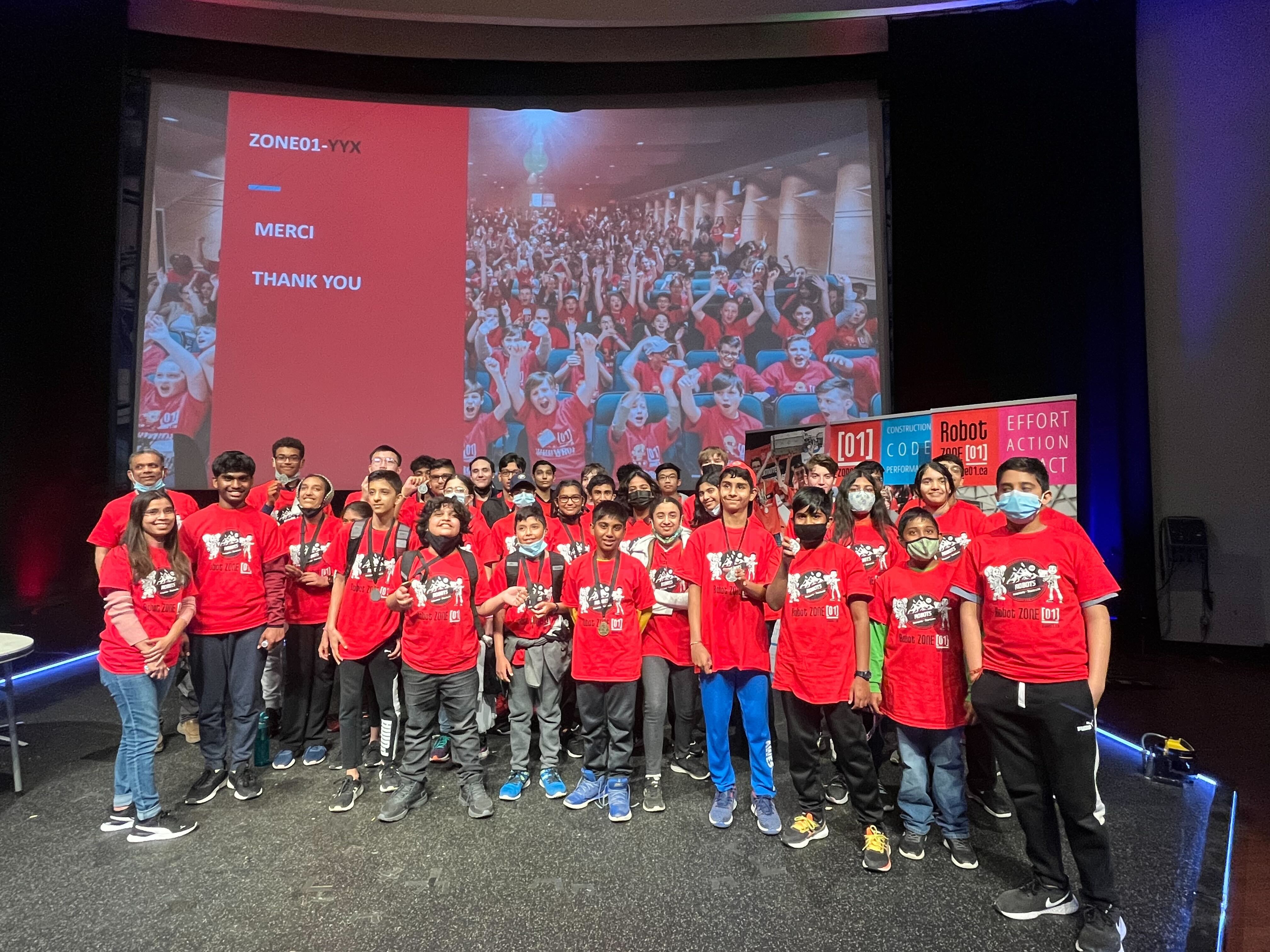
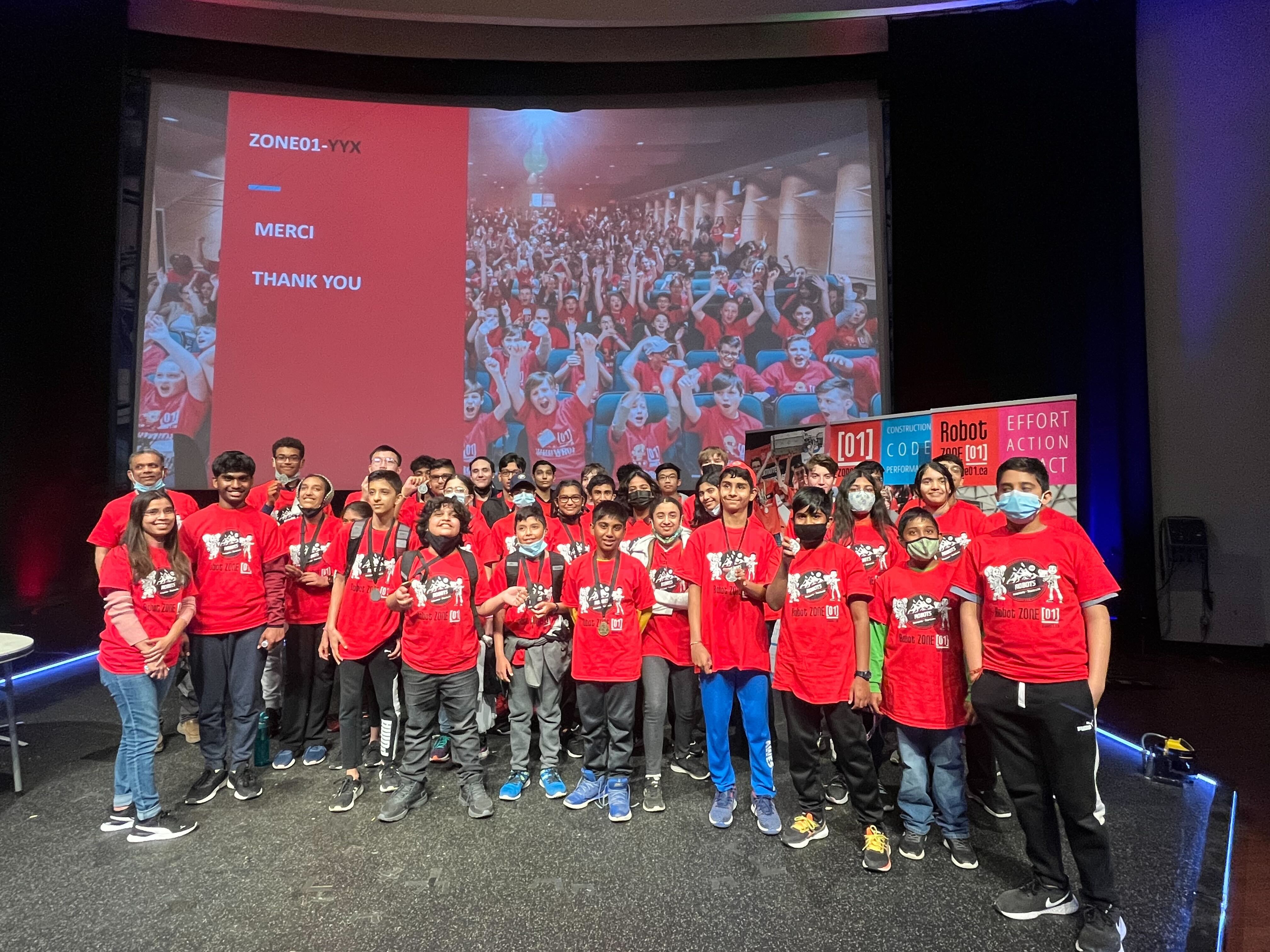
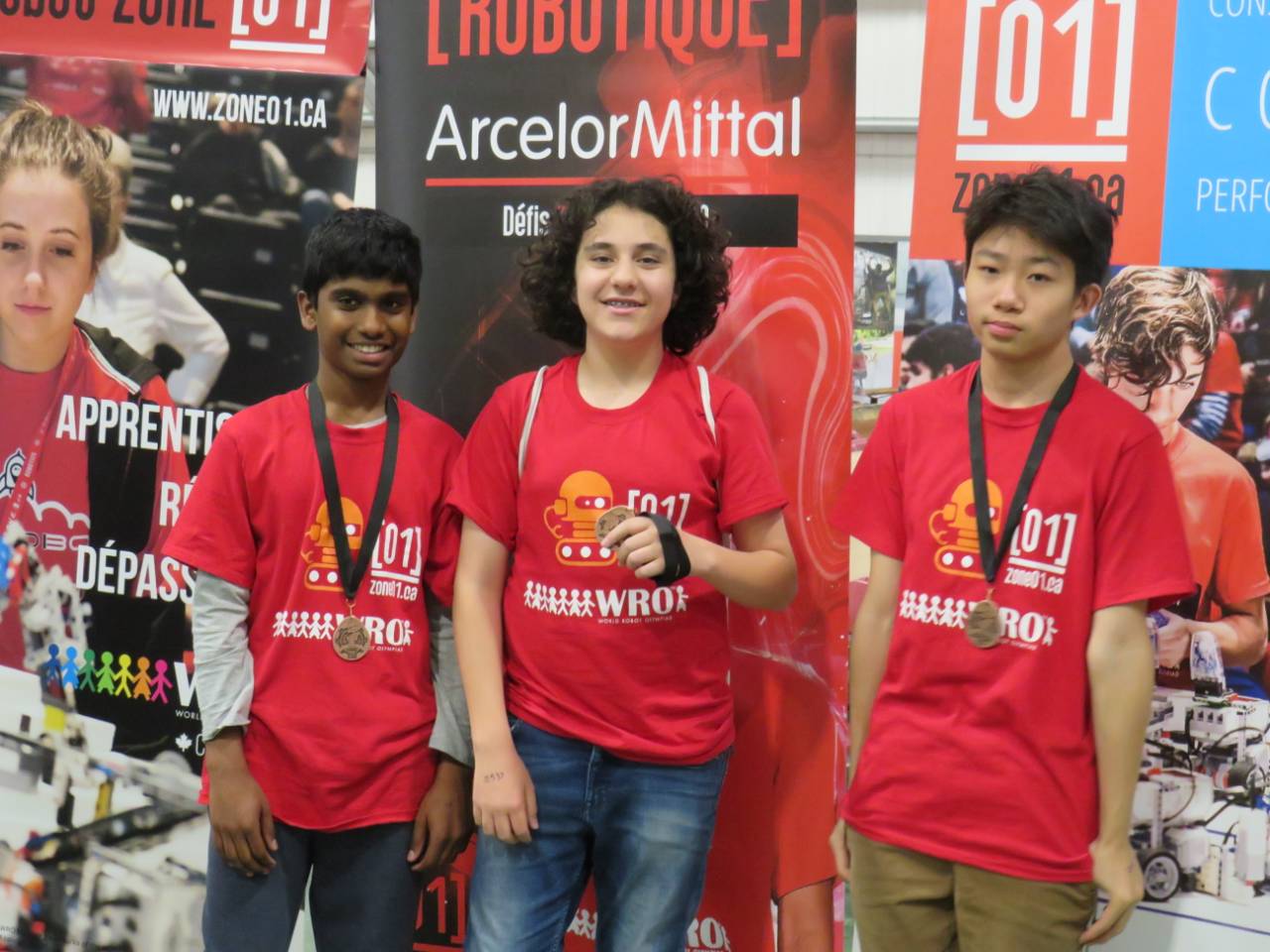
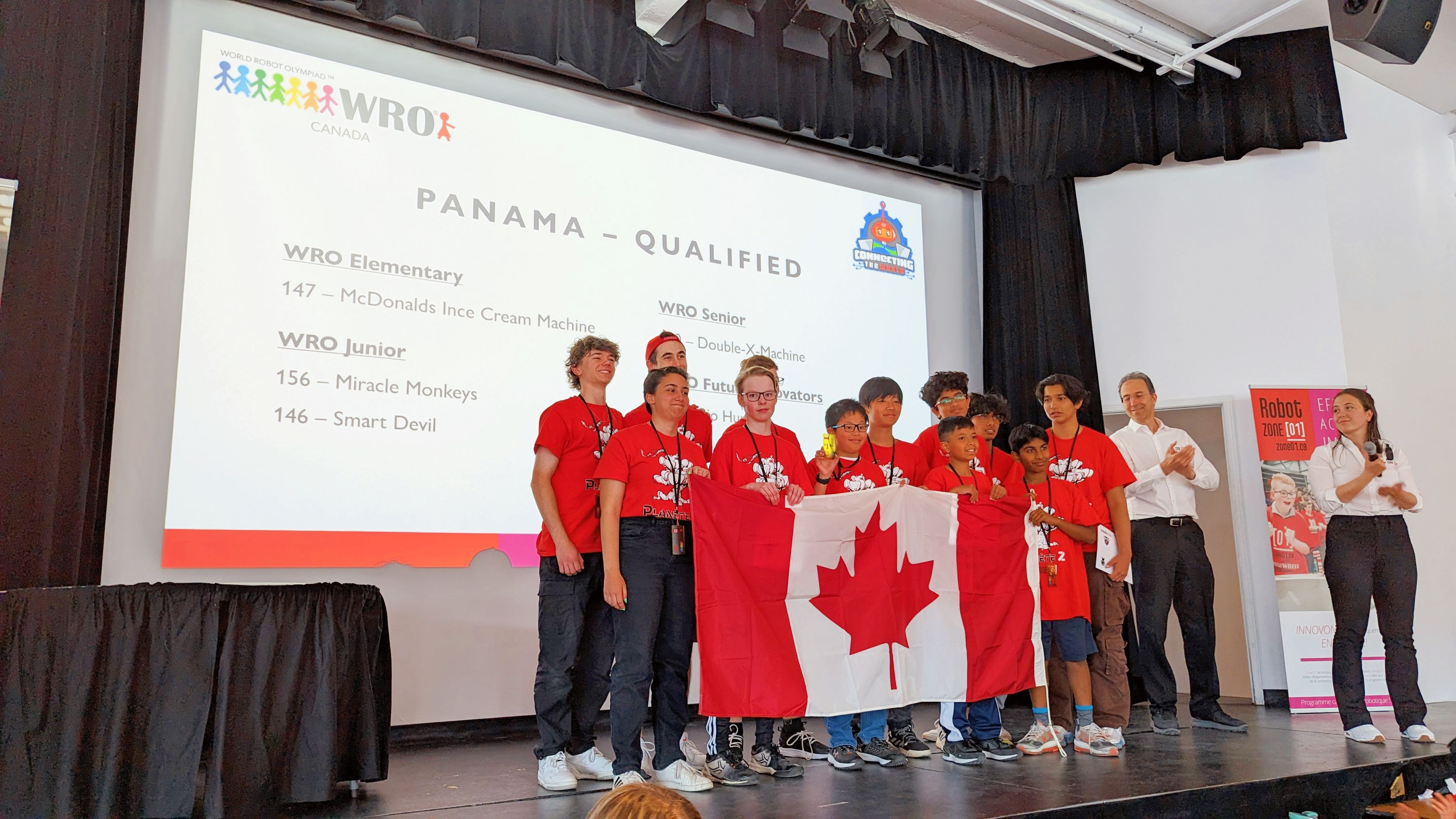
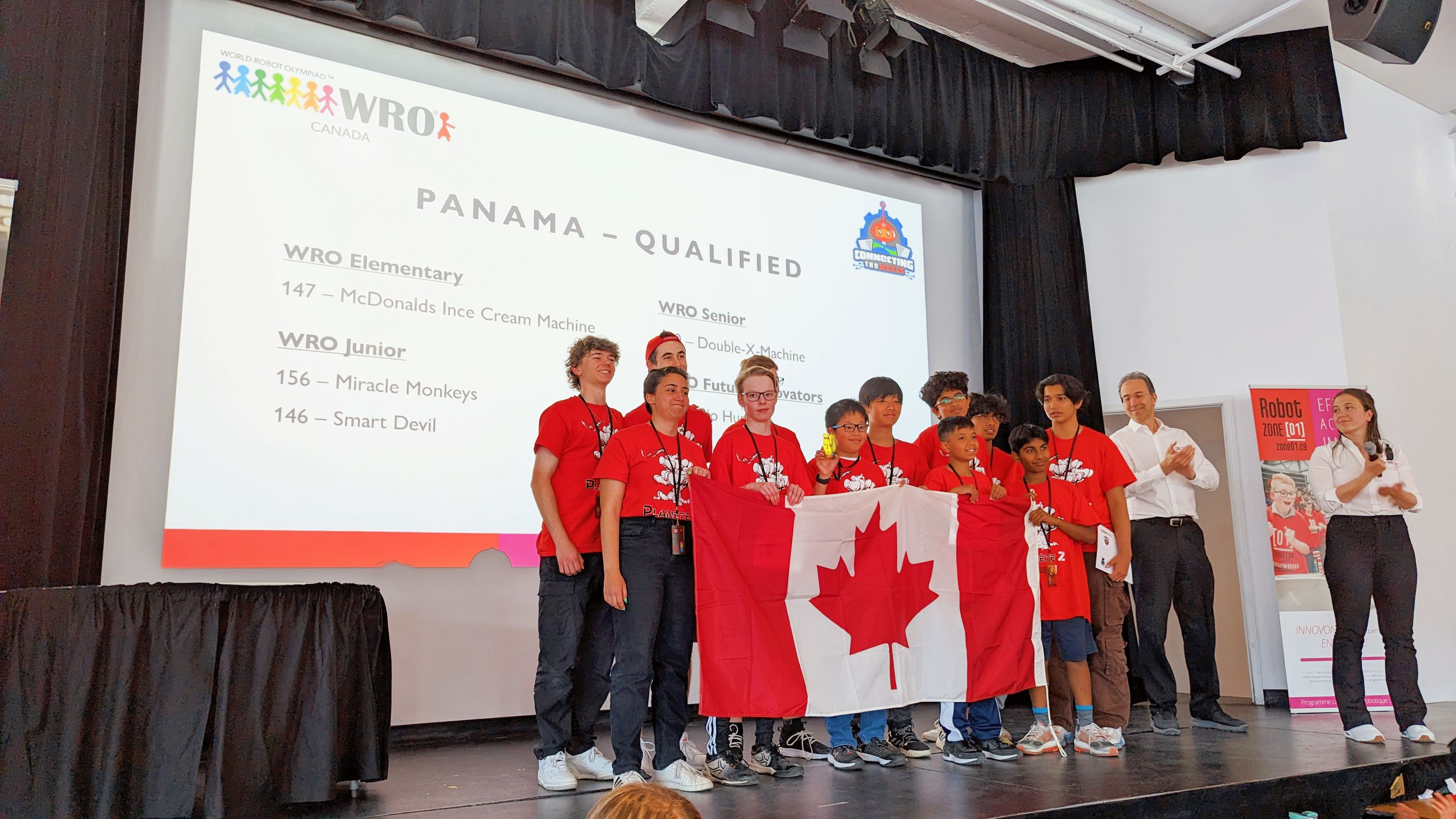
Zone01 finals took place in May, in Montreal. With six teams traveling to compete in the finals, families came along to support the students and enjoy the trip along with them. It was not only a time to vacation, though – students were up early to compete at 8am against teams from all over Canada. Students, naturally, experienced issues with their robots and runs again; however, armed with experience from their previous runs, they were able to conquer these issues with a clear head. Three teams succeeded to the podium and all around got to enjoy not only victory but a wonderful experience in the city with their family and friends.
Zone01Contestants and Winners.
Students and coaches alike cannot wait to go out and compete again, looking forward to the upcoming WRO finals and beyond. The first set of competitions back turned out to be a fantastic experience to fuel the fire of learning and excitement for all things STEM and Robotics for the Zebra Robotics family.
This blog was written by FLAME-X team member Vishal Prakash, who has participated in two FLL seasons, for team Astroneers and FLAME-X. His team won awards at regionals and advanced to provincials.
The 2019-20 FLL season proved to be a very eventful and fun experience for my team and I. FLL is a competition that utilizes Lego Ev3 robotics to advocate for problems in the world. This year’s topic was called City Shaper and it centers around all the problems in the world relating to construction. There are 3 components to FLL: Robotics, Project, and Core Values.
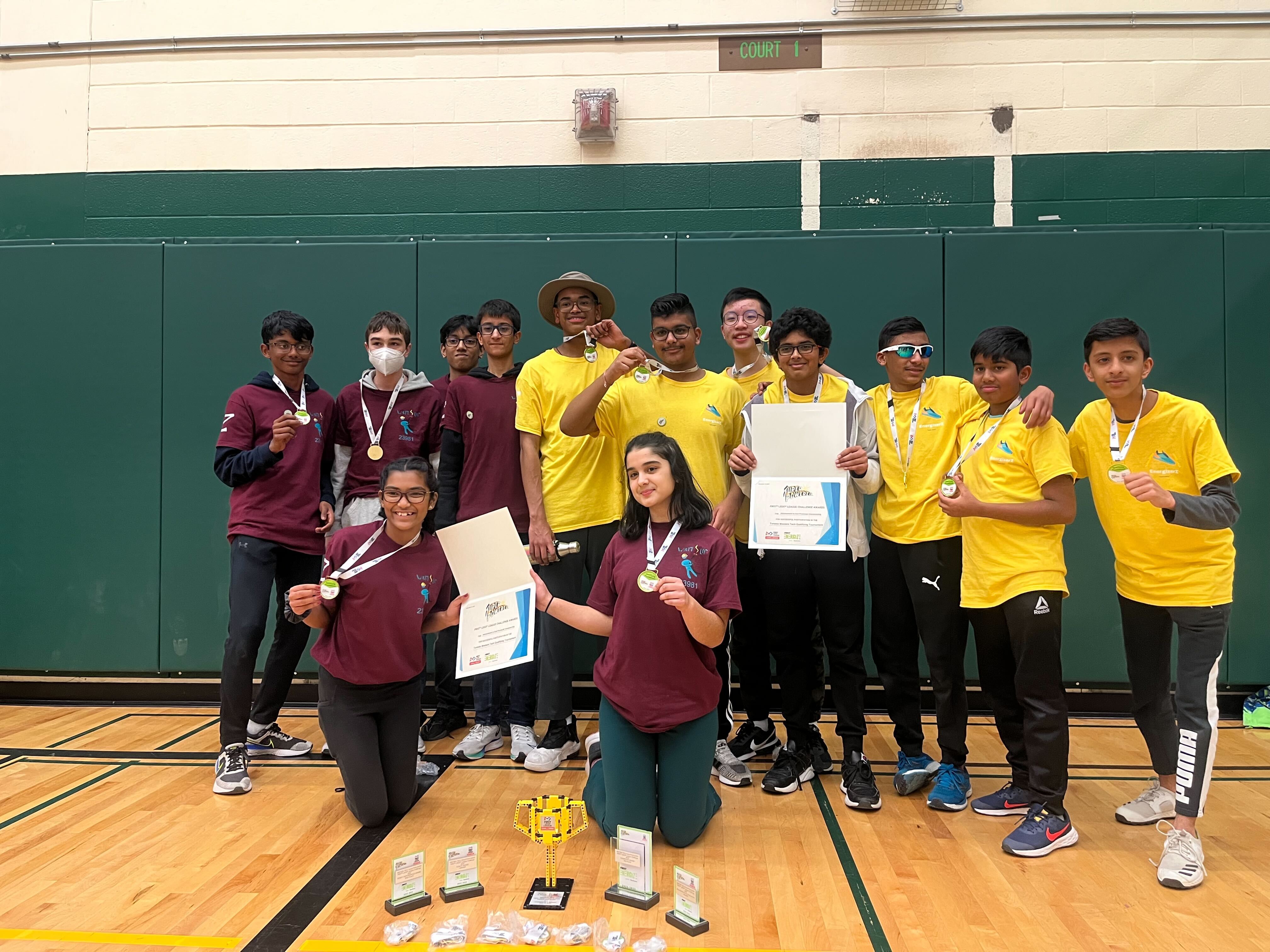
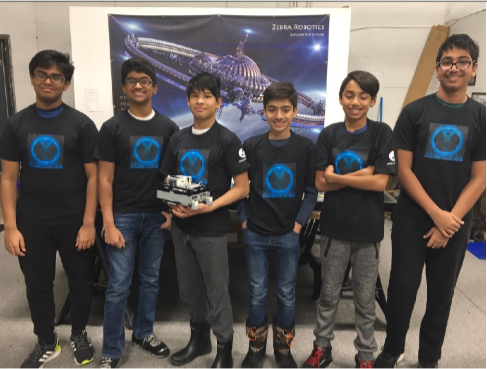
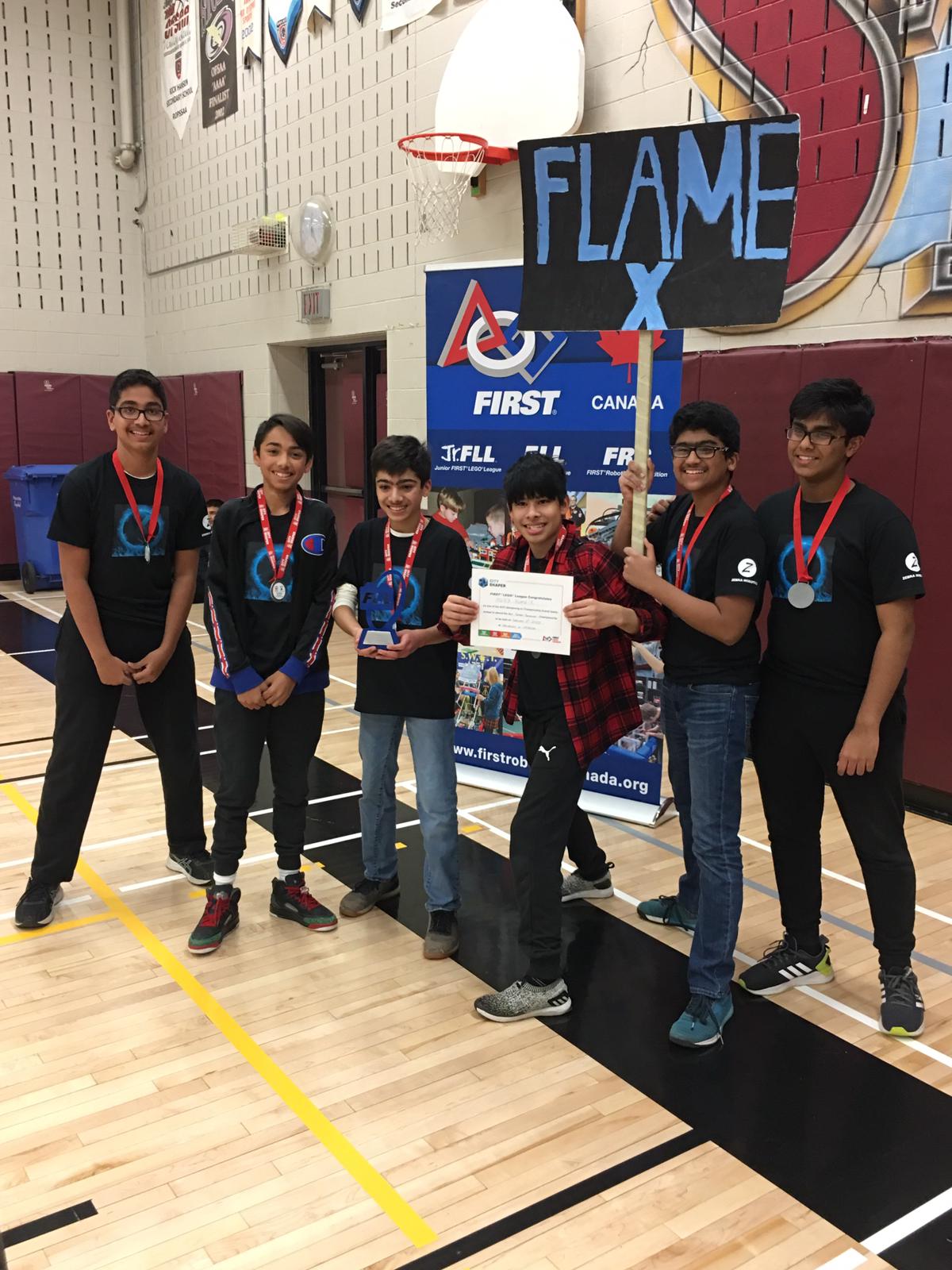
Flame-X members – L to R – Vishal, Samir, Ethan, Haris, Ishaan, and Praneeth
FLAME-X
ROBOTICS
In the Robotics component, the FLL team is supposed to build an Ev3 robot that has to complete a set of given challenges that are construction themed. Once each challenge is completed, a certain amount of points will be given to the team depending on the challenge. The building and programming can be done before-hand, and the robot only has to complete the challenges correctly on the day of the competition. Teams are also required to go in front of judges and present their robot, their game strategy, and how they built the attachments and programmed the robot. The judges evaluate the teams on how efficiently they built and coded the robot and also how they complete their challenges.
PROJECT
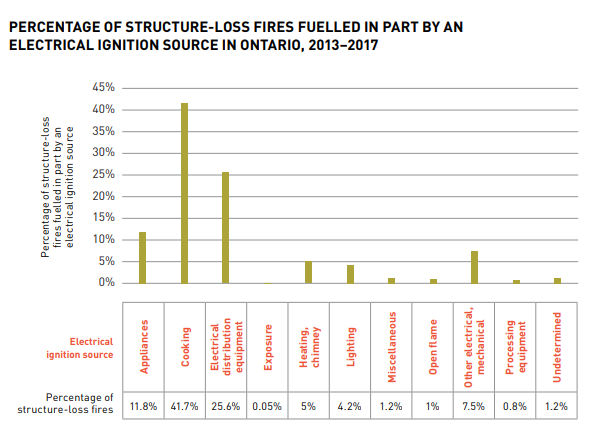
The Project component of FLL required much more time and work as well as a lot of perseverance and teamwork. The FLL team is supposed to research a problem related to the given topic, find a feasible solution for it, and then present it to the judges on the day of the competition. After looking at a lot of imminent problems relating to the theme, our team chose to research fires due to household appliances, especially stoves. We chose this problem because we found that there was not a good solution and that this problem was actually pretty big, especially in the older houses. After doing research on the problem, we came up with a solution. We called our solution Project F.L.A.M.E (Fire is Lame And Must be Extinguished). It will be attached over the stove and it utilizes thermal imaging, motion sensors, a smart plug, and also an IoT (Internet of Things) system. This system will monitor the motion in the house near the stove using the motion sensor. The thermal imaging will constantly be monitoring the temperature of the stove and if it exceeds a certain amount, the motion sensor will check to see if there is any motion nearby. If there is, the IoT will send a notification to the owner’s phone telling them to immediately turn off the phone. If there was not any motion, the IoT will make the smart plug cut the power to the stove and send a notification to the owner’s phone. After we found a good solution, we decided to build a prototype.
To present our project, we decided to do a skit where a father and son come back to see their house burned down as they had left their stove on. A firefighter recommends them to a group of scientists that are building the F.L.A.M.E. Then everyone goes back in time to see what would have happened if the F.L.A.M.E was monitoring the stove and it overheated. The F.L.A.M.E would have sent a notification to the dad’s phone and the skit ends. A team only has 5 minutes to present their project, so we had to adjust our skit while also making sure we managed to say everything we wanted to say.
CORE VALUES
The Core Values component of FLL represents the teamwork and sportsmanship shown by teams. Judges will constantly be walking around, monitoring us and checking how we act outside of the judging sessions and robot runs. In addition to that, we have to go in front of judges and do an activity that they give us. They check to see how we communicate with each other and how we make decisions as a team.
THE REGIONALS
The regional competition for the Peel Region happened at Rick Hansen Secondary School. This is the first level of competition before provincials and nationals. It started early in the day at 7:30 am and ended around 6:00 – 6:30 pm. Once our team got in a set up or table, or pit, with all our things, we went to the opening ceremony that introduced the judges and executives. After this, we had to go to our first judging session, which was Project.
PROJECT JUDGINGSESSION
We went into the judging room, introduced ourselves and began our skit. Overall our skit went very smoothly and we said everything we wanted to say. We then presented our prototype and showed how it worked and began to answer their questions. We answered the questions clearly as the judges were evaluating us on that as well. In fact, answering the judges’ questions is probably the hardest part of the judging sessions.
ROBOTICS & CORE VALUES JUDGING SESSION
After the Project judging, we went to our Robotics judging session. Here we present our robot, which we had named Sparky, and its components. We also talked about our attachments, how they worked, and our code. Similar to the Project session, we answered the judges’ questions. Our final judging session was Core Values. In this session, the judges gave us an activity and a time limit to finish it. The activity was to choose a part of a body and describe how the role you play in the team is similar to how the role that the part of the body you chose plays in the body. Then, we answered the judges’ questions.
After our first set of judging sessions, we waited for them to post the call-backs. Call-backs are for teams that did really well in each of their judging sessions, and it provides them an opportunity to present to a new set of judges for further evaluation and consideration for awards. We ended up getting call-backs for all three components and had to present again. After the judging sessions and lunch, the robot runs began. We had had a few practice runs before but these runs were the ones that would count and decided what place we would place among the teams. Each team gets 3 runs and the best score is the one that is considered. Our best run ended up being our second one where we scored 405 points. We were first place for a long time until another team scored 415 points and ended up finishing first place while we finished second.
Championship
After all the runs were done, they started the awards ceremony. Though we finished second in the robot runs, we ended up coming first place overall and won the Champion’s Award. Three teams advanced to the provincials, which was to be held in the University of Waterloo, we were happy to be one of them.
The spirit of competition is one of those things we are all blessed with as children. But most of us tend to lose this competitive edge as we age. The good thing is, kids hardly ever have an ulterior motive when competing. For them, it’s merely about besting the other party while respecting the rules. And the childhood innocence that radiates during such competitions is a joy to behold.
WRO Junior High
More than the prize, however, kids also get to learn a whole lot from STEM competitions. This is owed to the fact that competitions provide a breath of fresh air. It takes kids away from the rigidity of classes and allows them to express themselves. While doing so, they also learn valuable skills like time management, communication, teamwork, abstract thinking, problem-solving, and so on.
How do we know this?, it is from working and experiencing with kids ourselves, over the last serveral years. As of Jan 2020, Zebra Robotics has fielded over 65 teams, both winning and ‘need-to-work-more’ experiences. The fact is , kids want to work and learn more when they participate in competitions and get new ideas for their robot design.
For STEM competitions to be effective, they should be less about the results and more about the process, just like any other educational endeavor for kids. Children should be taught that although winning is great, the journey is more important. That way, they have a better chance of imbibing the valuable lessons the competitions are set up to teach.