STEM Education and Competitions

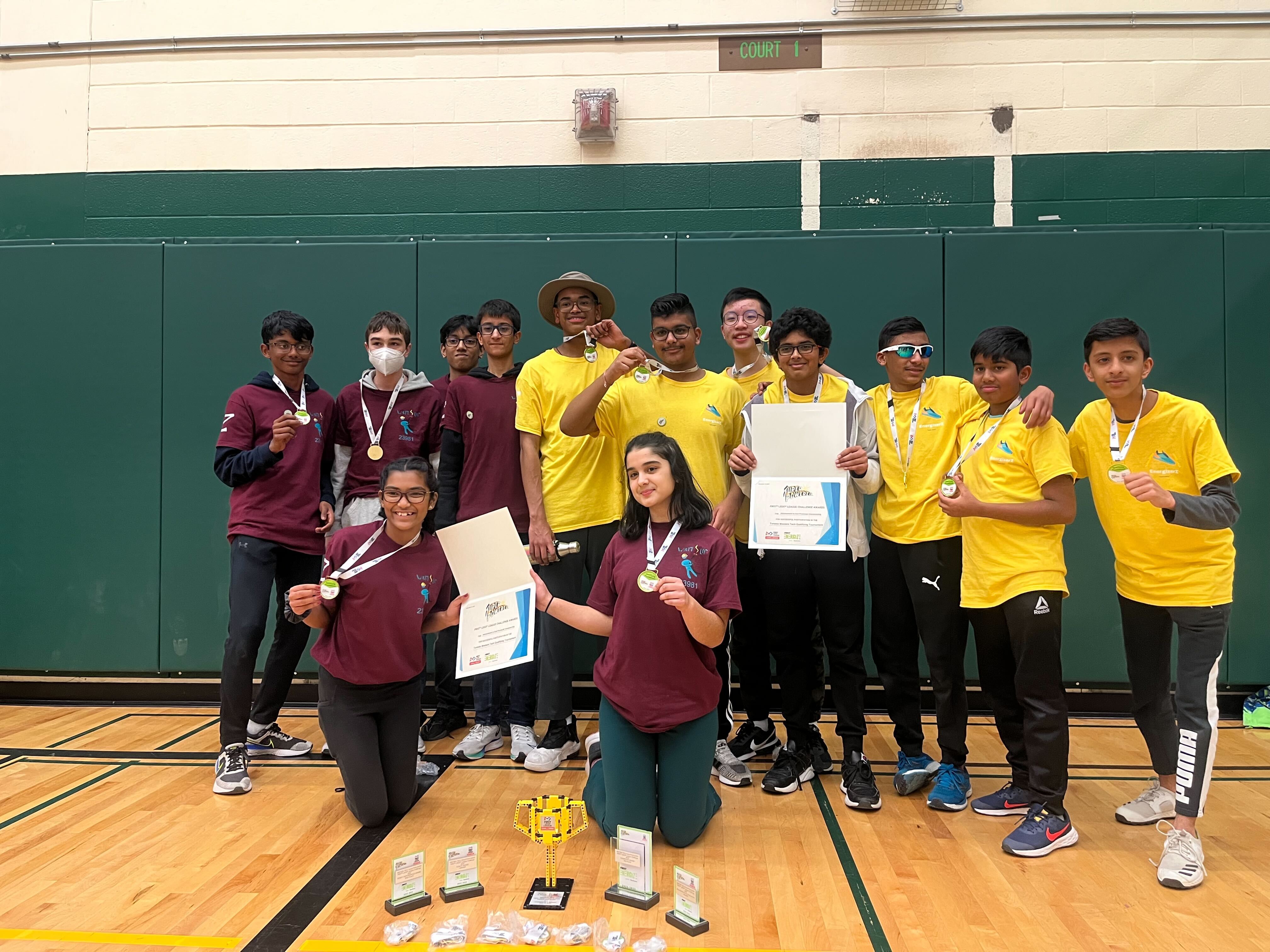
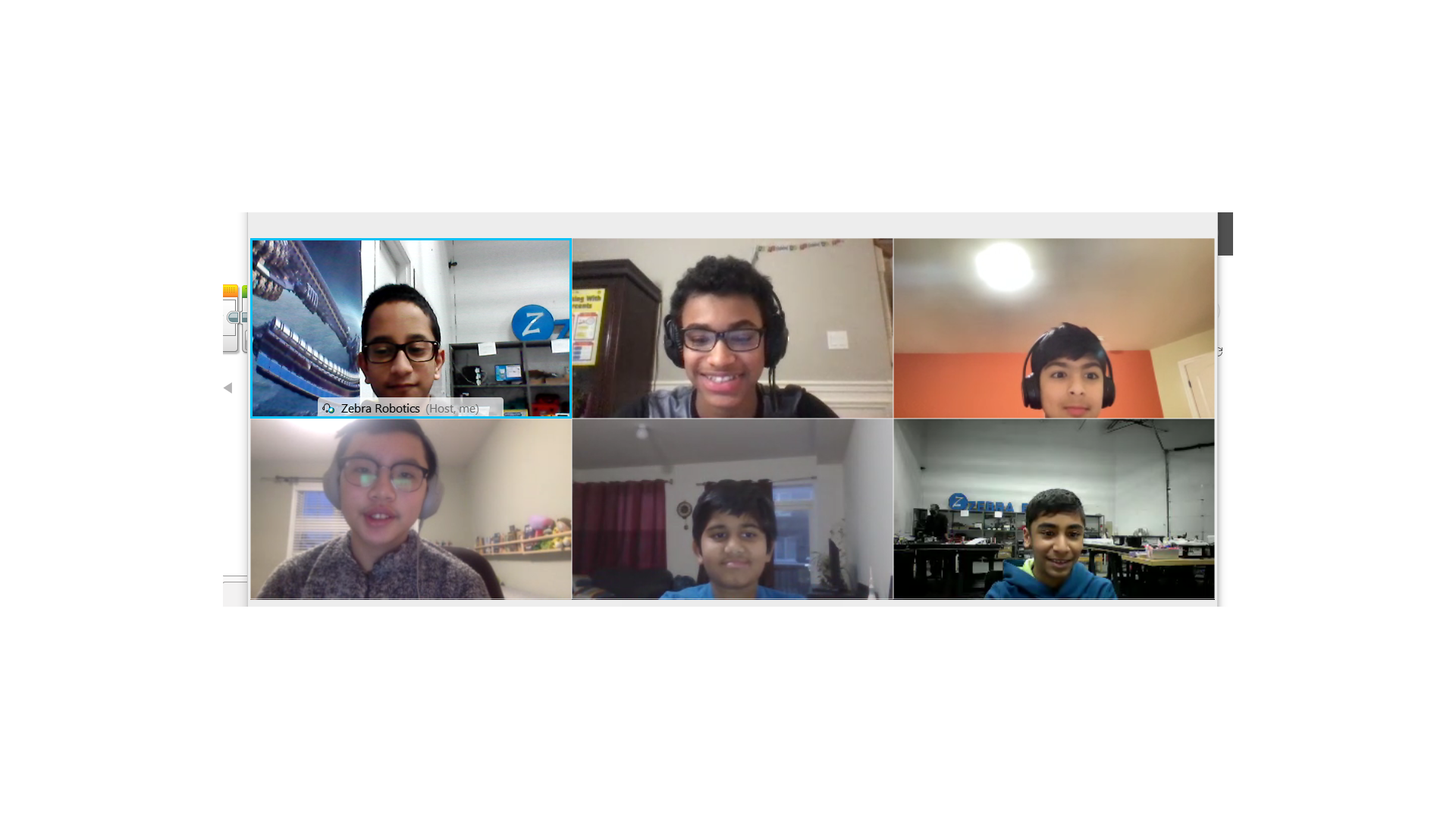
students celebrating their win

When it comes to STEM education and being immersed in the fields of Science and Technology there is nothing with quite the same effect as competing with like-minded individuals to test not only knowledge but collaborative ability, as well as critical and adaptive thinking. Competitions are a space where students can hone their skills sharply and be sure that the techniques, adaptations and understanding they gain will be memorable due to the fast-paced and exciting environment they were garnered. Competitions also allow students to showcase and elevate their dedication to STEM and STEM learning. It takes many weeks of preparation to refine and perfect their robots and their runs – placing students in the ideal environment to put their resolve and love of the technology as their first priority and really grow as STEM students, and ultimately, STEM professionals. 

Zebra Robotics boasts an extensive competition history and is proud to have had more than 94 teams compete in renowned STEM competitions such as the First Lego League, Zone01, World Robotics Olympiad & Vex Robotics. Teams coming out of Zebra Robotics have won over 70 regional, provincial and even national awards across the last eight years. The established coding and robotics institute not only aims to sponsor students to achieve success at these high-level competitions, but also supports teams with hands-on coaching and mentorship as well as spaces to build and test their robots and regulation mats to time their runs, and more in their impressive student-centric centers. The approach of Zebra Robotics has always been self-paced for students, so students do all the design and programming of their robots, however, they are able to tap into a deep and robust support system that aids them on their journey to success. This guidance and support system helps alleviate the steep learning curve and shock of first-time competitors as well as support long-time competitors as they face higher degrees of pressure as they progress.

The vision for Zebra Robotics has always been to instill a love of STEM in all students with an interest and guide them into becoming the most versatile and adaptive professionals they can be. Competitions are a part of this mission and can serve an integral purpose in pushing students to their highest potential to achieve their short and long-term interpersonal and STEM skills.

New Location Excitement!

Having found great success with our proprietary curriculums, student-paced STEM education style, and wide variety of offerings, Zebra Robotics has been looking to grow. Opening up our brand to franchising has allowed entrepreneurs to pick up on the successful formula of delivering effective stem education to children and teenagers and bring this formula to their own cities, neighbourhoods, and communities. Zebra robotics specialises in STEM education for students between the ages of 4 and 17, offering a number of courses ranging in complexity, topics, programming languages, and robotic platforms. This year Zebra Robotics, a STEM education institute headquartered out of Mississauga, Ontario in Canada, has seen rapid growth across North America and is becoming a well-known and distinguished name in the STEM competition space internationally. Locations of this prolific STEM education centre are starting to pop up all over the east coast; most recently in Oakville, Ontario, Holly Springs, North Carolina and a location in Boston, Mashechussets coming up in Q1 2023. 

However, the goal for Zebra Robotics remains unchanged; to provide our future programmers and engineers with a quality education to support their learning at school and push them to greater heights in the STEM world. Over the pandemic, the delivery of this quality education was contested by the restrictions however, the institution was successful in porting our curriculums to online platforms and adopting a virtual teaching style to deliver the same knowledge and quality learning experience through a different medium. Students today can do classes online or in person depending on the program they are enrolled in, with infrastructure in place to support either mode of learning at the same high-class calibre. This versatility and ability to cater an excellent education to students based on their needs is what makes Zebra Robotics the unique institution they are. It is this commitment to quality that has trampolined them to the multi-national stage. 

Zebra Robotics now boasts over ten locations scattered across the North American east coast with plans of further expansion to deliver students the STEM education essential for thriving and finding success in the world today. In today’s world, all career jobs require some STEM knowledge. Institutions like this extend this vital STEM education to students and provide them with the tool sets they need to approach the rapidly changing and evolving professional landscape that is becoming more and more reliant on tech with each passing day.

Benefits of Coding & Robotics Education

    The future of the tech industry is no secret and its growth’s magnitude can be felt worldwide. Coding and robotics are becoming essential skills in more and more fields as all industries shift towards more technologically accelerated workflows, processes and systems. It is important to evolve with the rapidly changing requirements of the industry.  Many schools and programs have already adopted coding and robotics into their curriculums to prepare future generations for the increasingly tech-dominant future.  This changing future presents an opportunity for our children, to grow in this space aided by the necessary knowledge to stand out and make a difference in their schooling, post-secondary and industry. 

    School programs, however, provide the basic foundation of what is necessary to thrive in the industry. With the constant change and all the information necessary for students to move forward in this space effectively, it is important to be more immersed in the tech space to have a deeper understanding of the content. Institutions like Zebra Robotics allow students to foster their interest and technological aptitude to the next level. Zebra Robotics has been able to push the limits and elevate students to the level necessary to compete in this space, taking over 75 winning teams at the highest level of STEM competitions and representing Canada in the World Robotic Olympiad International competition in 2016, 2018, and 2022. 

    Identifying industry trends, changes, and evolution and teaching students what they need to learn to secure their success in post-secondary and industry is important to provide them with the tools they need to grow. The reality of our tech-dominant world calls for parents, guardians, and educators to pivot what they provide for young kids in STEM to provide them with the essential skills to push through the barriers and not only make a positive change in their future careers but hopefully, a positive change in the world around them. With school programs supplying students with the foundation, and institutions like Zebra Robotics elevating their experience, students can be poised for success.

Announcements

September 2022 Roundup

Oakville Grand Opening

This October 29th we are excited to be hosting our Oakville location’s open house! We have been working hard to set up this new location and welcome the bright minds of Oakville’s future engineers. Come by the centre located at 407 Iroquois Shore Rd Unit #10 Oakville, Ontario L6H 1M3 for a showcase of all Zebra Robotics has to offer. Join us for the grand opening and receive $50 towards your first month of enrollment in any of our courses!

Competitions

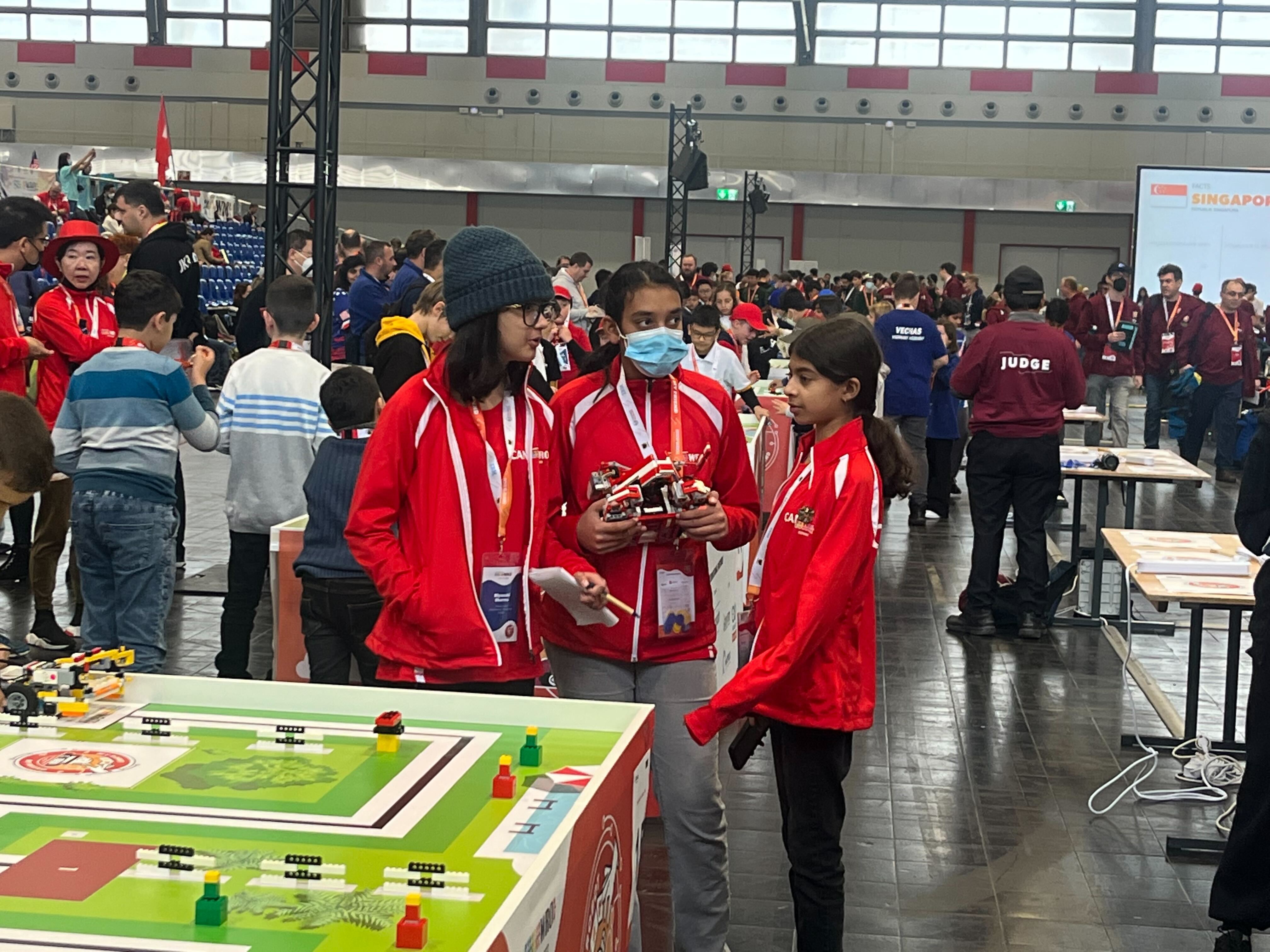
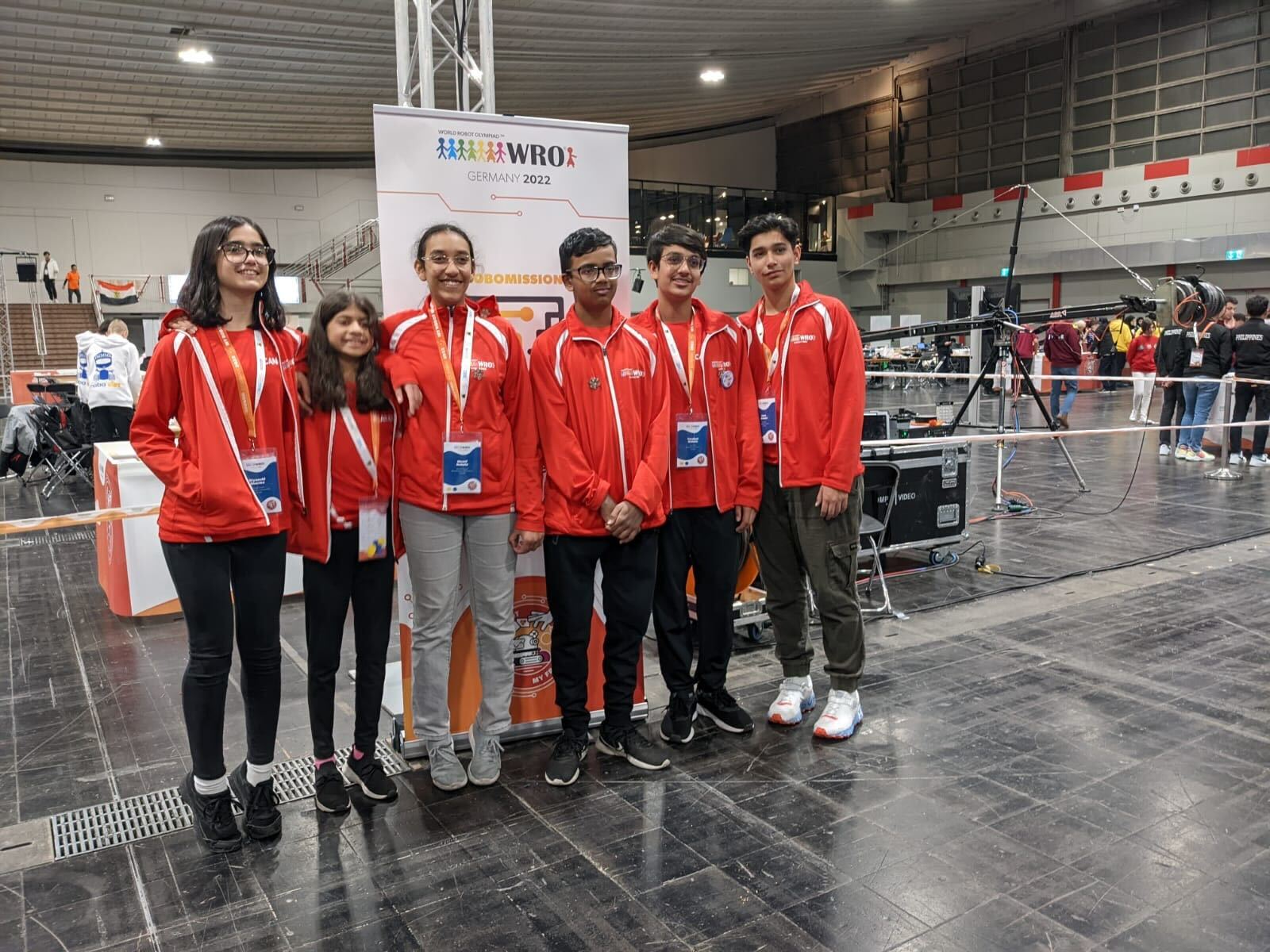
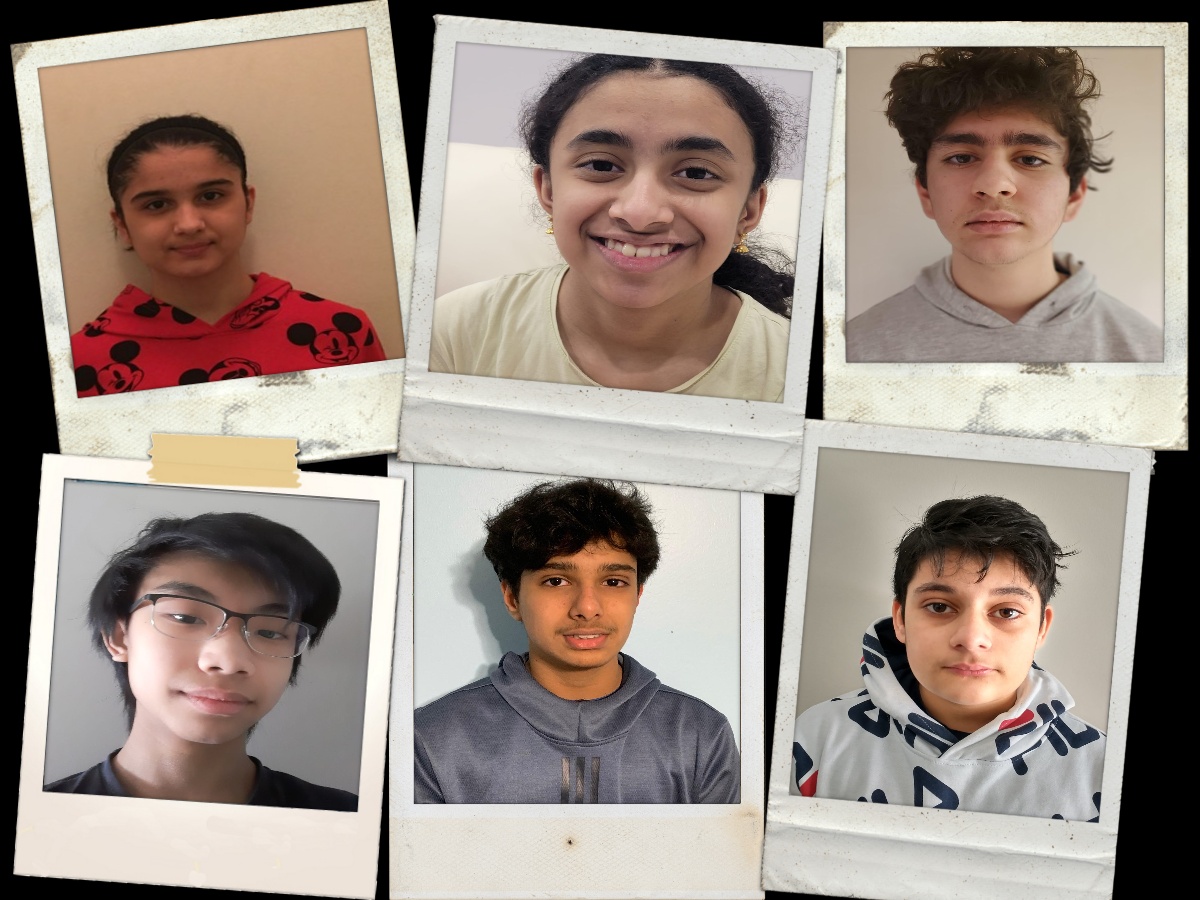
This upcoming November, Zebra Robotics’ very own Woodchucks (Shruti, Nila, and Riyanshi) and The Nulls (Vedant, Dave and Elil) are advancing to WRO internationals to compete at the highest level in Dortmund, Germany. mark your calendars for November 17th, 18th and 19th as our teams compete with over a hundred teams from all around the world for the win! Both teams are already hard at work revamping their robots to face the challenge!

Zebra Robotics’ WRO teams, The Woodchucks which is our first all-girls team, The Nulls, AVA (Vishal and Adam), and the PutPockets (Arya, Daxson, and Josh) all made us very proud, bringing home awards and two teams going as far as advancing to the international level. We are so happy to announce that of the five teams representing Canada on the international level in Dortmund, Germany, two of them came from right here at Zebra Robotics. We are proud of all our teams and excited to see our finalists compete at the highest level!

Fundraising For Our Teams

This competition season we are offering some exclusive limited-run Zebra Robotics merch as a fundraiser for our team’s competing season! We are releasing T-Shirts and Sweatshirts that commemorate our teams and all the success they have had. Share in our pride and support current teams in their continued success as they take their passion for STEM and robotics to Dortmund, Germany! Support for the teams is welcome in any way as we try to make their learning and competition experience a fun and memorable one!

What Kind of Franchise is for You?

The prospect of franchise ownership is an exciting one, and it comes with the need to make many decisions. Chief among these decisions is what kind, or rather size, of the franchise to align yourself with. This comes question comes down to what type of environment you prefer and what kind of resources you need at your disposal. At the question’s most basic level, it comes down to two types of franchises: large ones and small ones. 

Large Franchises

Aligning yourself with a large franchise comes with its own attributes and systems largely related to the brand’s high recognisability and the infrastructure surrounding your franchise. A Large franchise in this context refers to large, household-name brands known across North America and maybe even the world. Being so recognizable such brands keep their franchises under a watchful eye and closely define how the business is run. This means a strict set of rules surrounds your new business at all times to both support you and ensure your success, at the cost of your liberty as a decision-maker. The constant feedback allows you to manoeuvre your new investment with confidence, albeit limited freedom. Bigger franchises also mean bigger resources. With a bigger brand at your back, you can be confident in tried and tested infrastructure and support. 

This mode of franchise ownership is best for people with corporate backgrounds, and those who enjoy adherence to strict rules, guidance, and procedures. 

Small Franchises

Smaller brands boast a different set of attributes, strengths and challenges than their larger counterparts. A smaller brand fosters innovation and room to stand out from the crowd. With the flexibility to manoeuvre your investment with greater freedom, you have more opportunities to propel your business beyond any confines and even help shape the very brand and culture of the company.

With a smaller franchise, you are still provided with the tools and procedures to succeed, but you are provided more control to fitting these procedures into your own unique environment. With higher flexibility, you can adapt the brand’s practices to your own market and put your own ideas to the test. 

This approach is for those who enjoy being in control, expressing their creativity and are more self-driven on their path to success. 

Both options boast a variety of unique benefits and challenges, defining their paths to success in their own way. Ultimately, it comes down to the kind of professional you are, and what works best for you.

Meet Our Graduates!

Graduating-class

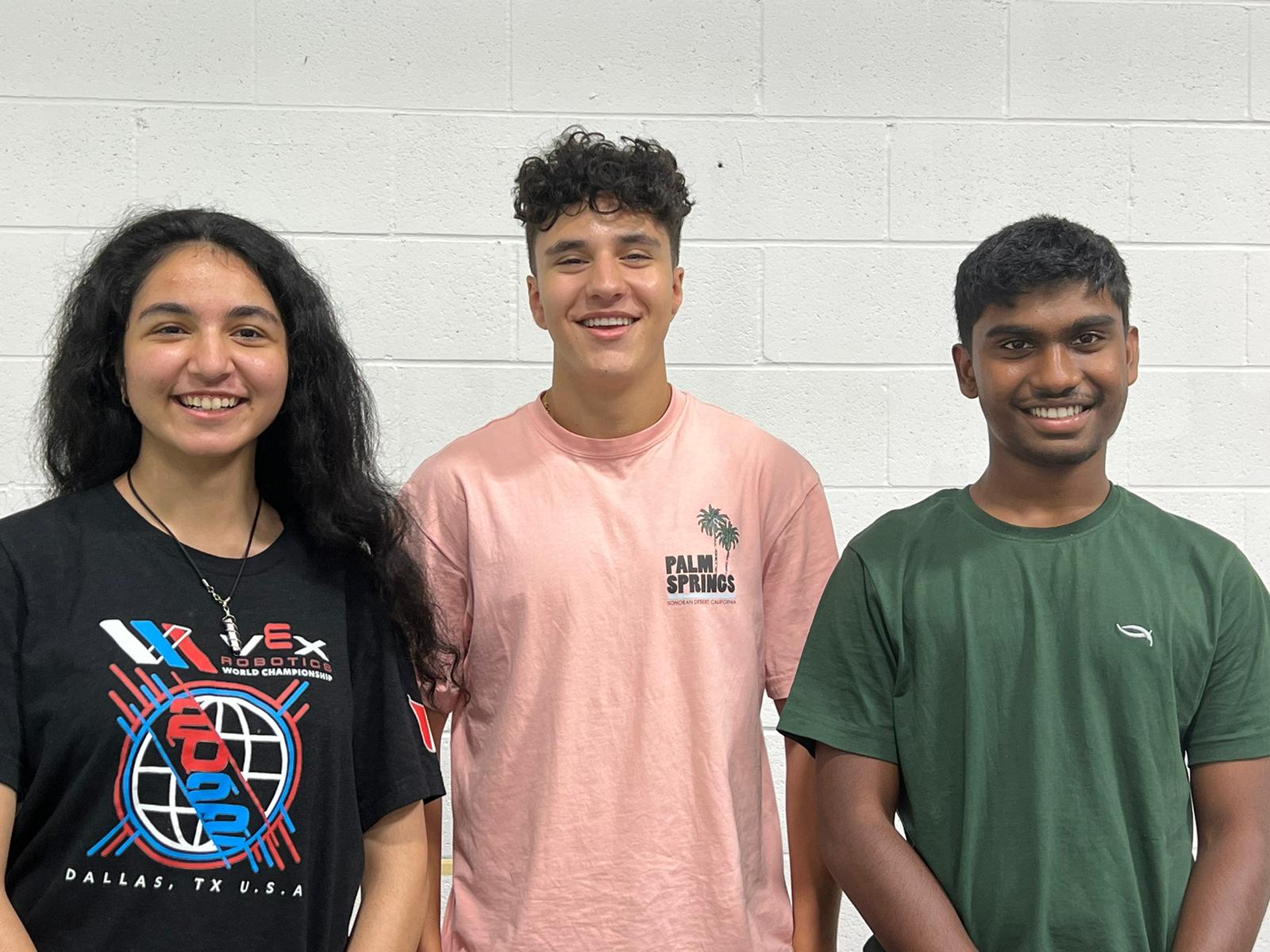
We’re proud to announce that three of our long-time students: Vishal, Armina, and Adam have accepted their offers of admission to their respective universities. We’ve seen these students grow and expand their minds in the STEM space and otherwise through the years and could not be happier with their progress, nor prouder of the wonderful young adults they have become. To highlight their experience on this exciting journey, we’ve interviewed them on the transition from high school to university hoping to not only emphasize their great achievement but also provide future students with an idea of what to expect and an experience to draw from. 

What university and program are you pursuing in the fall?

Vishal: University of Waterloo – Mechatronics Engineering

Adam: University of Toronto – Engineering Science

Armina: McMaster University – Engineering

How do your hobbies and interests tie into this program?

Vishal: I would say I am passionate about technology, especially robotics which naturally ties into engineering, especially a multi-discipline program such as mechatronics engineering

Adam: Engineering is all about problem-solving, collaboration, and applying theoretical knowledge to the real world. I have always loved learning about STEM-related topics and especially robotics, starting from LEGO EV3 robots all the way up to metal VEX robots. Throughout my years at Zebra, I would compete in various robotics and coding competitions, where I was able to catch a glimpse of what engineering is like in the real world. With my interests being in STEM, robotics, and coding, engineering was the perfect field for me to challenge myself and put my skills to good use.

Armina: Throughout the years that I’ve been doing robotics, it’s made me realize that I want to continue doing such within the field that is engineering. The technical skillsets that I’ve learned through coding, prototyping, building, etc. will help me through my adventure that is post-secondary. Beyond that, the general skills such as collaboration, documentation, public speaking, and more will also aid me not only in my desired program but also in life. Aside from robotics, the other activities I do such as taekwondo and songwriting help by allowing me to have focus, balance, strength, and confidence in what I do, which adds some well-roundness to this intensive field. 

What piece of advice would you give aspiring students interested in the same field?

Vishal: The advice I would give is to develop a passion for learning and to be curious. Engineering, especially mechatronics is a rapidly evolving field, where new technologies are constantly being developed so it’s important to have an open mindset to learning.

Adam: For aspiring engineering students, it’s important to be aware of what engineering is actually about, rather than choosing it due to your academic prowess in math and science. Although academics are very important, understanding the collaborative and practical nature of engineering is just as important. This is why getting involved in design competitions like robotics proves very beneficial. Grade school might not give you the best picture of what engineering is all about, so make sure to venture outside of school and find out for yourself!

Armina: One really important thing to note when pursuing engineering is that you need to be good at communicating and collaborating with others. Most if not all the time, engineers are working in groups to accomplish their given goal. Being able to communicate openly and work off of each other’s ideas, weaknesses and strengths are absolutely key in this field. Another point I’d like to add is you must understand that you will make mistakes along the way. Rarely will things work perfectly on the first try. There will be a lot of failures, a lot of tuning, and a lot of blood, sweat, and tears that you put into each and every model, which is what makes engineering so delicate. 

How long have you been at Zebra Robotics and what was your experience like?

Vishal: I have been at Zebra Robotics for almost 5 years now, and my experience has been nothing short of fantastic. I credit the first lessons I did at Zebra to exposing me to the field of robotics and leading me to participate in numerous robotics competitions since then including WRO and VRC. The coaches are always there to provide support but also give the freedom to learn through experience, especially for competitions.

Adam: I have been learning and competing at Zebra Robotics for around six years now. It has been a journey of success, failure, and constant improvement, all while doing what I love. Starting from LEGO Robotics and FLL to traveling internationally for the VEX Robotics competitions, every step of my journey has filled me with valuable experience and has pushed me to levels of achievement that could have never happened through school alone. I am very thankful to Zebra and its community of coaches, mentors, and students for giving me these opportunities!

Armina: I’ve been going to Zebra Robotics since a little bit after it was first established, so around 7 and a half years ago (I think) and I only have positive things to say about my experience here. From the coaches to the courses, everything was educational, fun, and helpful. Sometime after I completed some of the robotics courses, I began competing in competitions such as Zone 1, FLL, and WRO and eventually even got to be a part of our very first VEX team. It was a really unique experience being able to participate in all of those types of competitions and help build the foundation for the VEX team, as we even made it to worlds this past season, however my competing days for those have unfortunately come to an end. Instead, I’ll be helping coach or mentor robotics from time to time as a new chapter of my journey here.

What advice would you have for students still choosing their career paths?

Vishal: To give as many things as they can a try. You never know what you might be interested in until you give it a try, so exposing yourself to different fields through extracurricular activities can help you discover what you’re passionate about.

Adam: For students still choosing their career path, I strongly advise getting out of your comfort zone and trying as many things as possible. You’ll never know if you’re passionate about something until you try it! Academics are not the end-all and be-all of your career, so be explorative and open to trying new things, especially in high school.

Armina: My advice for anyone who is still trying to figure out what they want to pursue, is to simply just experiment. There are lots of clubs, courses, and extracurriculars out there; feel free to step out of your comfort zone and try something new. From personal experience, I can say that trying out different extracurriculars has helped me understand what I enjoyed and am passionate about. After all, your future career should be something you like doing, not just something you do for the money.

How (if it has) has your time at Zebra Robotics fostered your interest in Coding and Robotics?

Vishal: Zebra Robotics first exposed me to the world of robotics and since then has helped to continue to foster my interest in coding, robotics, and technology in general. Through Zebra Robotics, I have been able to grow my interest by learning about robotics and coding and then being able to apply that knowledge in actual competitions. The passion for technology I developed at Zebra has also led me to take be more curious to learn more about the exciting world of technology on my own and truly develop a love for learning.

Adam: Due to the various courses, knowledgeable and experienced coaches, and challenging competitions, my passion for robotics and coding has always been fulfilled at Zebra Robotics. With the fields of STEM being incredibly vast, Zebra gives a perfect platform for endless learning and exploration of these topics. 

Armina: Honestly, Zebra Robotics was the whole reason I got into STEM and wanted to go into engineering in the first place. Before I came here, I was still in middle school trying out as many extracurriculars as possible, since school at the time wasn’t much of a challenge for me. Then once I started doing robotics here, I came to admire all its intricacies and was really fascinated by all I could accomplish with Lego, and then eventually I was opened to the world of VEX, which made me fall deeper into the rabbit hole that is robotics. 
Choosing A STEM Education Center

Young student STEM Education

Parents want what is best for their kids but, in a world with so many options, it is easy to lose sight of what matters amidst buzzwords, marketing jargon, and overreaching promises. When it comes to choosing a STEM education center for your child it is important to keep in mind a few things:

It’s a Marathon, Not a Race!

    It is important to set goals and be mindful of what you expect out of the center or institution you’re signing your child with. There are many who have shorter introductory programs meant to do no more than expose young students to technology, and there are those who have meticulously designed curriculums to carry students from the very basics at a young age all the way to prepare them for university at the latter stages of high school. Consider what you want for your child’s future, and of course, their own interests, to make sure they’re getting what they need out of the experience.

Beware the “Buzzwords”

    In the increasingly expanding industries surrounding STEM and STEM learning, many have resorted to specific buzzwords that do well to grab attention. A.I.! Machine Learning! Mechatronics! Drones! All fantastic fields of learning in their own right, however, that does not mean they are simple or immediately accessible. Be wary of centers or institutions that promise too much, too fast. It is important to learn how to walk before you learn how to run. Any promises of fast progress using buzzwords and the theatrics that come with them should be taken with a grain of salt. 

Trial by (a very fun) Fire

    A great way for students to learn not only STEM concepts but social, team, and interdependent skills is through using their knowledge in competitions that test what they have learned, their ability to adapt, and their collaboration with others towards a common goal. These are all skills that are imperative to any workplace in the many STEM-related fields and others. It is highly recommended to seek out a center or institution that engages students in not only local but large-scale competitions on the provincial or national level. Such an experience will drive students to hone their skills and expand their knowledge and put them in situations where they prove their ability not only to their instructors and judges but to their own selves. 

An Anticipated Return to the Podium

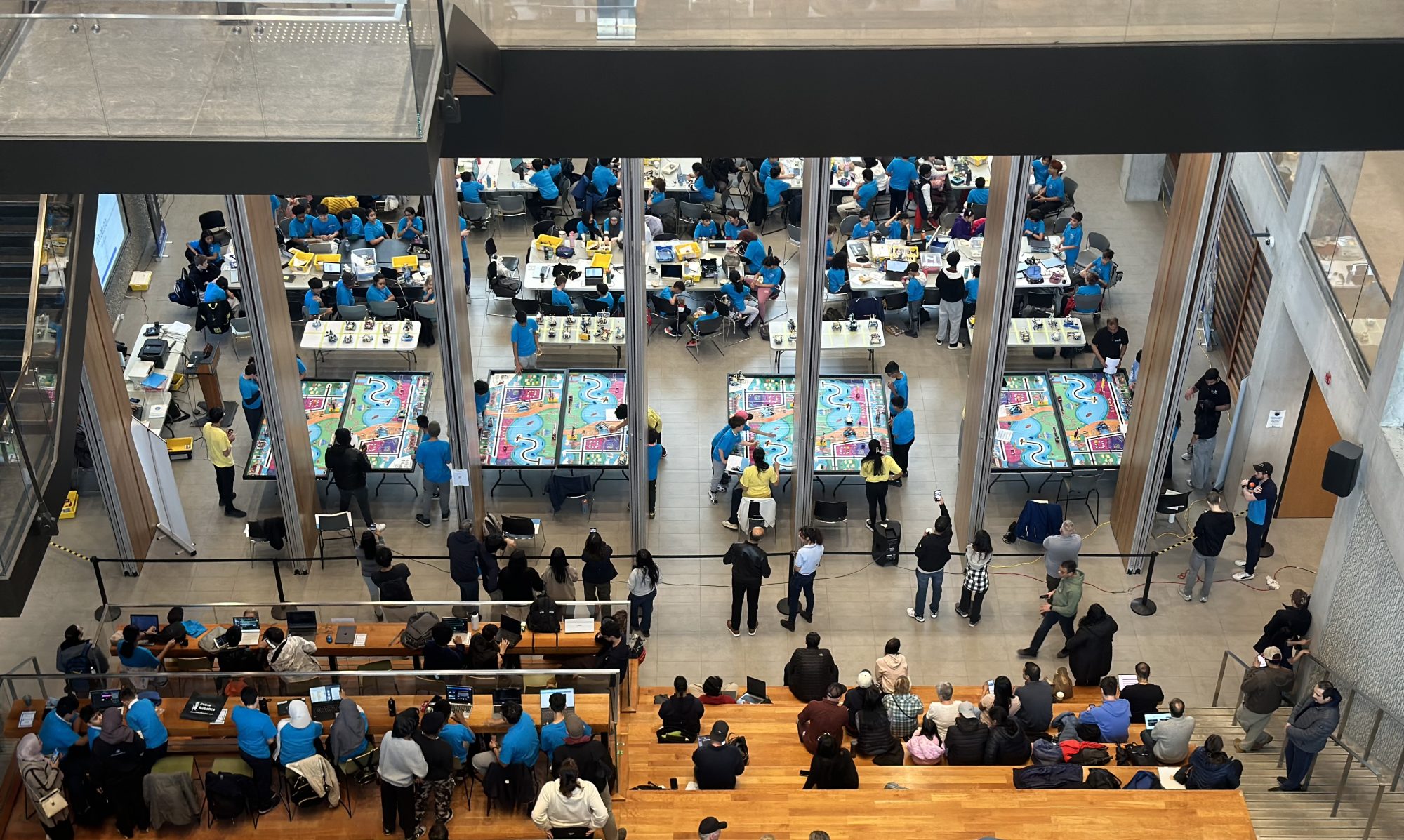
After two long years without the thrill of competing in-person, students were excited to get back into the spotlight and chase wins; and what a return it was. Exceeding our usual number of teams, we resolved to field up to fifteen teams this season for the World Robotics Olympiad (WRO) and Zone01 competitions. Of the fifteen teams we sponsored and sent, eleven had winning runs and advanced to the next stage. Students were thrilled to be back in that fast-paced environment, proving their abilities and utilizing all that they have learned. Coaches were not allowed to assist teams, and despite running into some issues with sensors, lighting, and their build, students displayed excellent independence and mastery of skills to prevail and were able to bypass these issues without any input from coaches. 

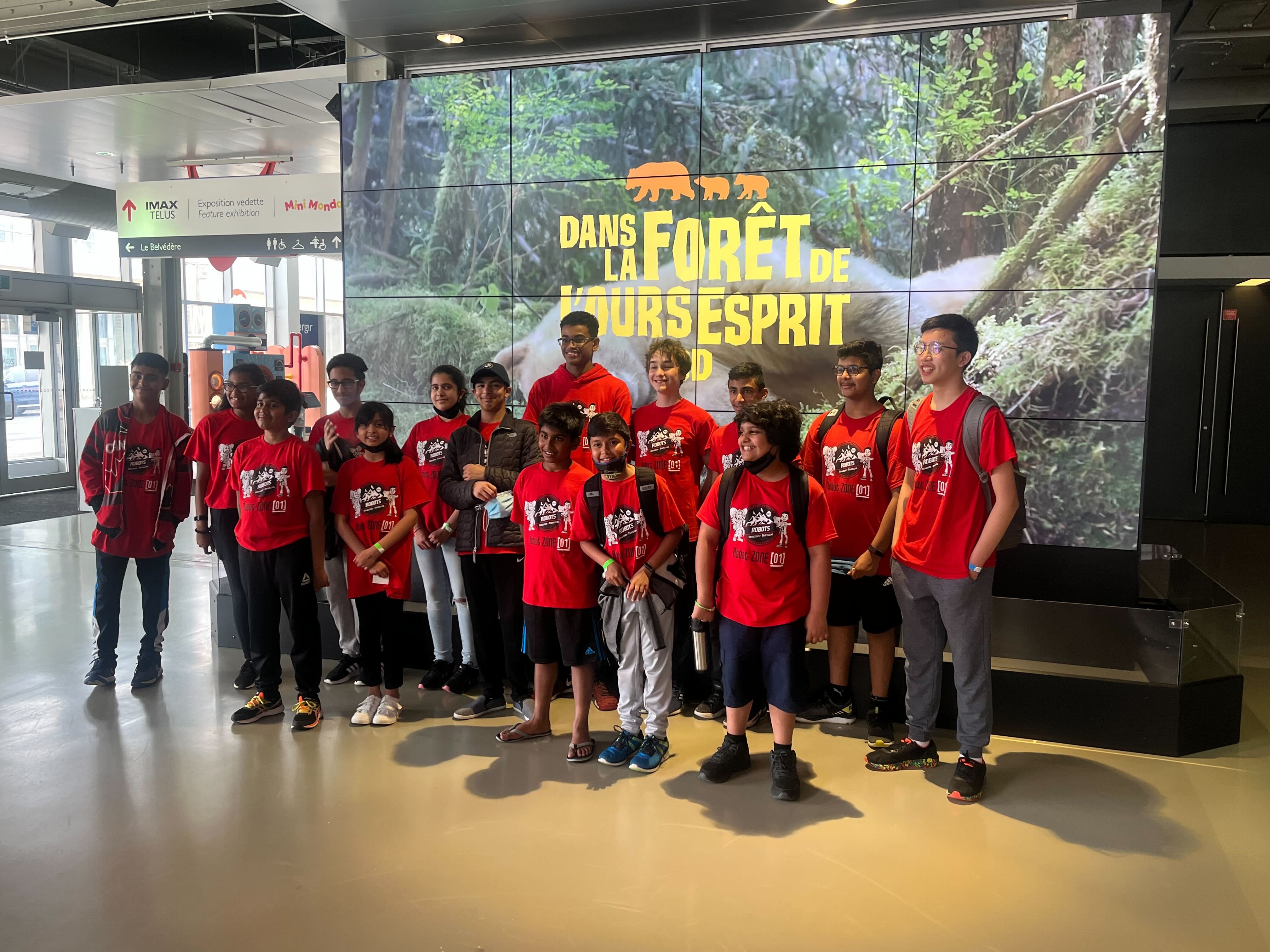
Zone01 Student Contestants Arriving to Compete

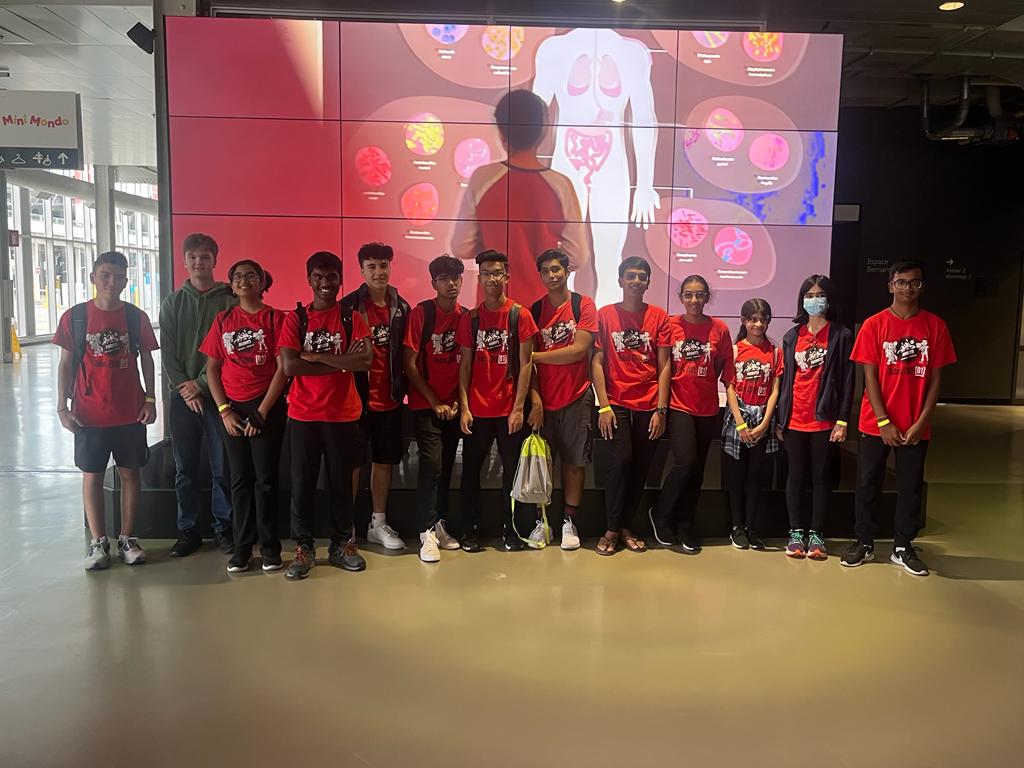
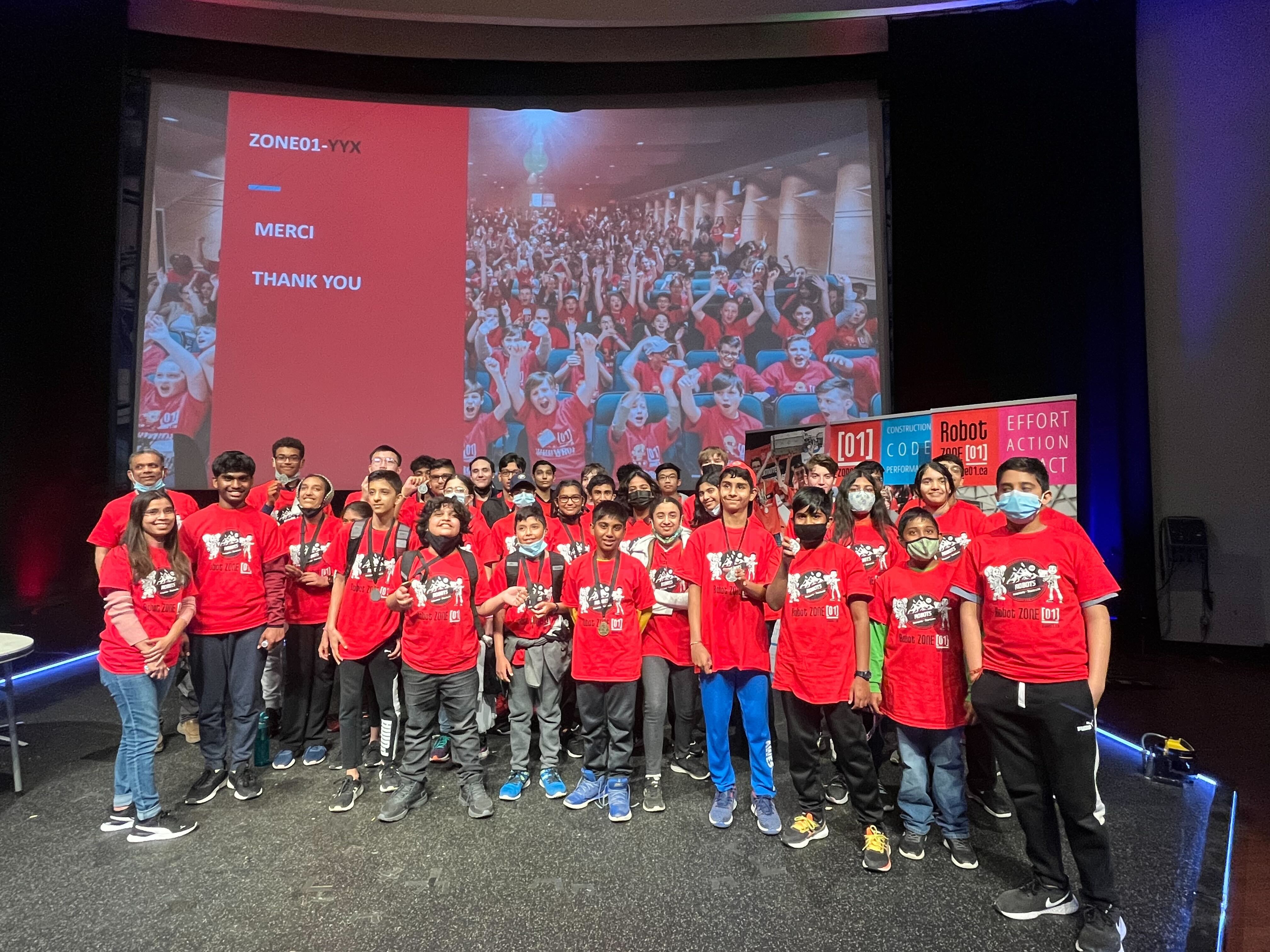
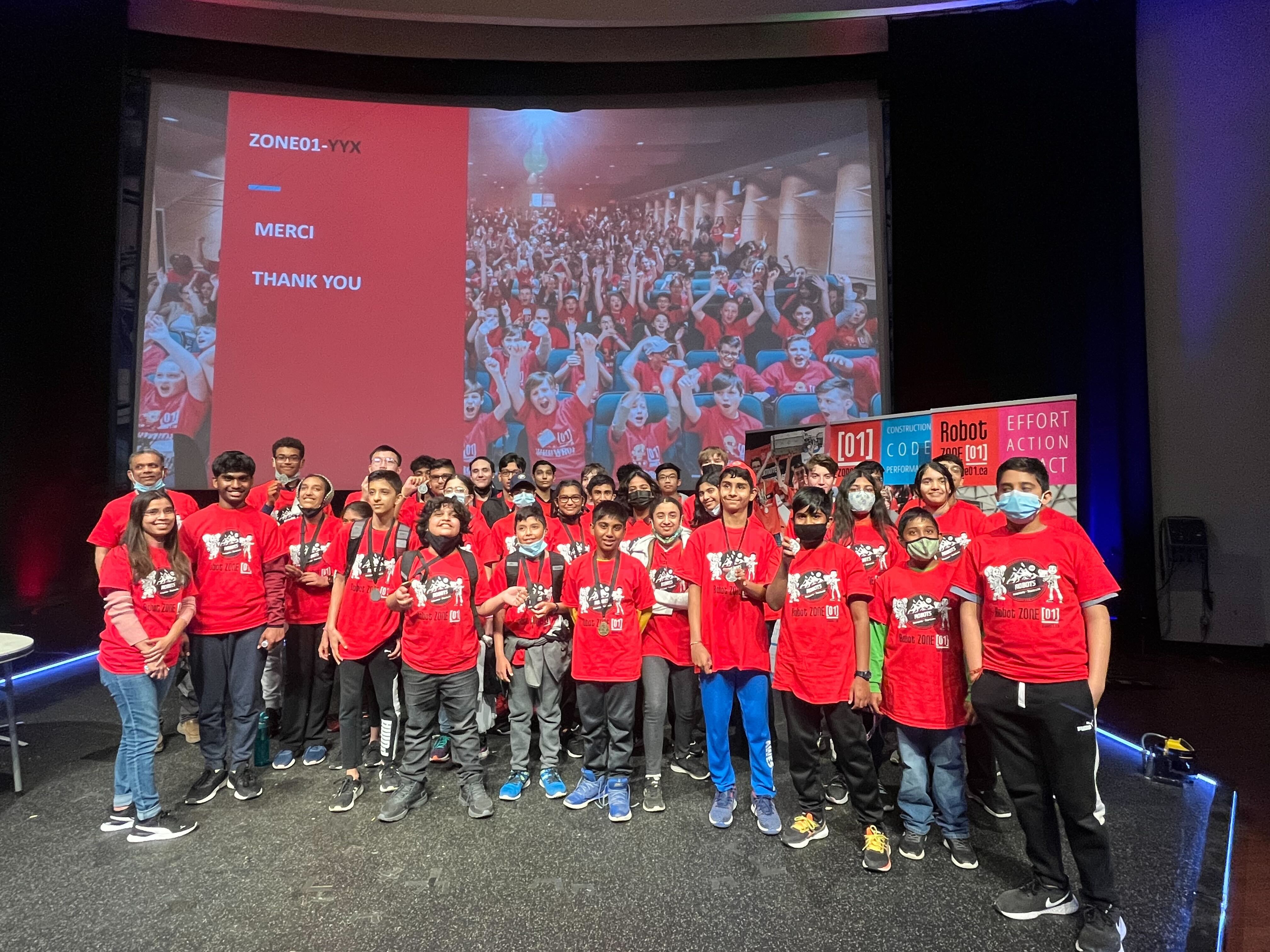
Zone01 finals took place in May, in Montreal. With six teams traveling to compete in the finals, families came along to support the students and enjoy the trip along with them. It was not only a time to vacation, though – students were up early to compete at 8am against teams from all over Canada. Students, naturally, experienced issues with their robots and runs again; however, armed with experience from their previous runs, they were able to conquer these issues with a clear head. Three teams succeeded to the podium and all around got to enjoy not only victory but a wonderful experience in the city with their family and friends. 

Zone01 Contestants and Winners.

Students and coaches alike cannot wait to go out and compete again, looking forward to the upcoming WRO finals and beyond. The first set of competitions back turned out to be a fantastic experience to fuel the fire of learning and excitement for all things STEM and Robotics for the Zebra Robotics family.

Team OutsiderZ, Fitnovators advance

Team 16539: OutsiderZ

Team 16539 OutsiderZ, and Team 4047, Fitnovators, FLL (First Lego League) teams from Mississauga, Ontario, participated in Western University and Waterloo qualifying tournaments respectively, won Core Value, robot design awards and are advancing to Ontario Provincials to be held the week of May 3rd virtually.

They were excited to form a team and start preparing for “2020 First Lego League” season. Due to COVID lockdown and restrictions to meeting in person, they delayed their kick-off meeting till mid-September 2020. They met 7 times in total between then and getting into another lockdown in November. During this time, they built a robot, strategized designed, and built extra attachments.

Team 4047: Fitnovators

They did not have time to program the robot before they went into virtual-only mode. They used that time to prepare for other aspects of FLL such as Innovation Research while waiting to hear back about lockdown relaxation rules. But unfortunately, they couldn’t meet in person. By January, they decided to practice for robot games virtually, by writing programs remotely and collaborating virtually. By mid-February 2021, with lockdown rules restricting them from practicing in person, they continued preparing for the Qualifying event virtually. Two team members decided to practice the entire team’s robot-run, a week before competition day.

They practiced for about 6 hours, in total, spread over three days, and were able to showcase a decent robot game score in 300s for the event. We need to look at this in contrast with a regular normal season, where the teams would have practiced for about 100+ hours before they go for the competition.

Kids were excited to see they were able to make progress in such a short time with their robot game and gave their 100%, preparing for their judging session. They did an awesome job, explaining all they have learnt during this FLL season, and how their team activities helped them overcome COVID fatigue. They learnt their advancement to provincials on a Saturday in late Feb/early March 2021, during the live broadcast of the tournament on twitch.tv. They are super excited. They are taking a week’s break and will start regrouping for provincials.

At Zebra Robotics, all the coaches are so proud of these kids, who stepped up to face the challenge given the constraints. Participating and learning are important for us, winning awards is icing on the cake. We look forward to working together in the coming weeks.

Best wishes teams!

FLAME-X share their experience – Part I

FLAME-X

This blog was written by FLAME-X team member Vishal Prakash, who has participated in two FLL seasons, for team Astroneers and FLAME-X. His team won awards at regionals and advanced to provincials.

Season Topic - FIRST LEGO League - Research and Robotics Competition

The 2019-20 FLL season proved to be a very eventful and fun experience for my team and I. FLL is a competition that utilizes Lego Ev3 robotics to advocate for problems in the world. This year’s topic was called City Shaper and it centers around all the problems in the world relating to construction. There are 3 components to FLL: Robotics, Project, and Core Values. 

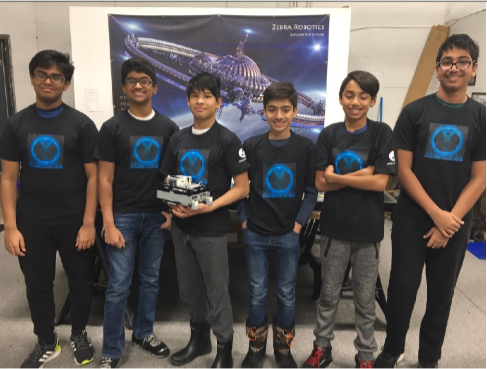
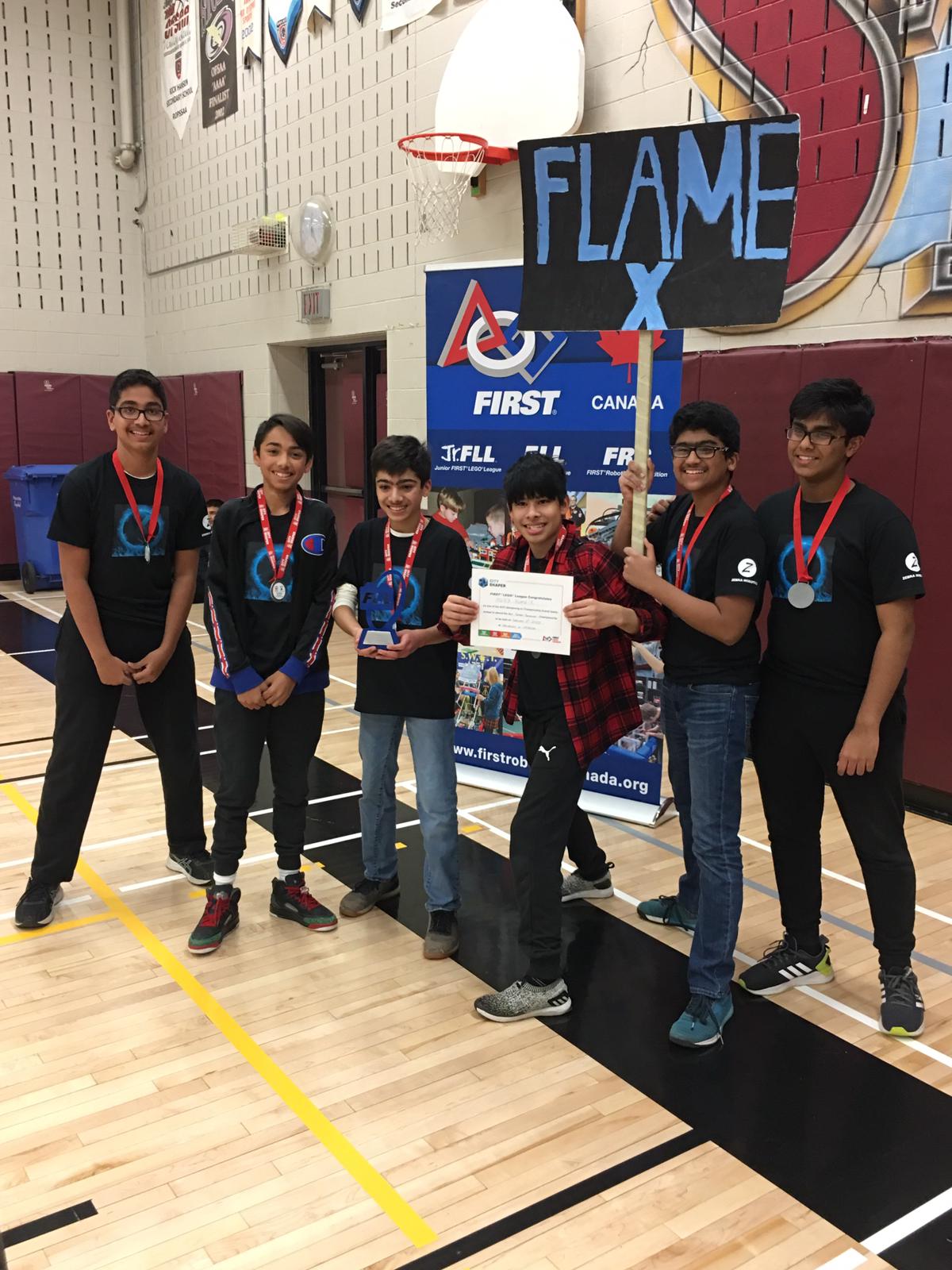
Flame-X members – L to R – Vishal, Samir, Ethan, Haris, Ishaan, and Praneeth

FLAME-X

ROBOTICS

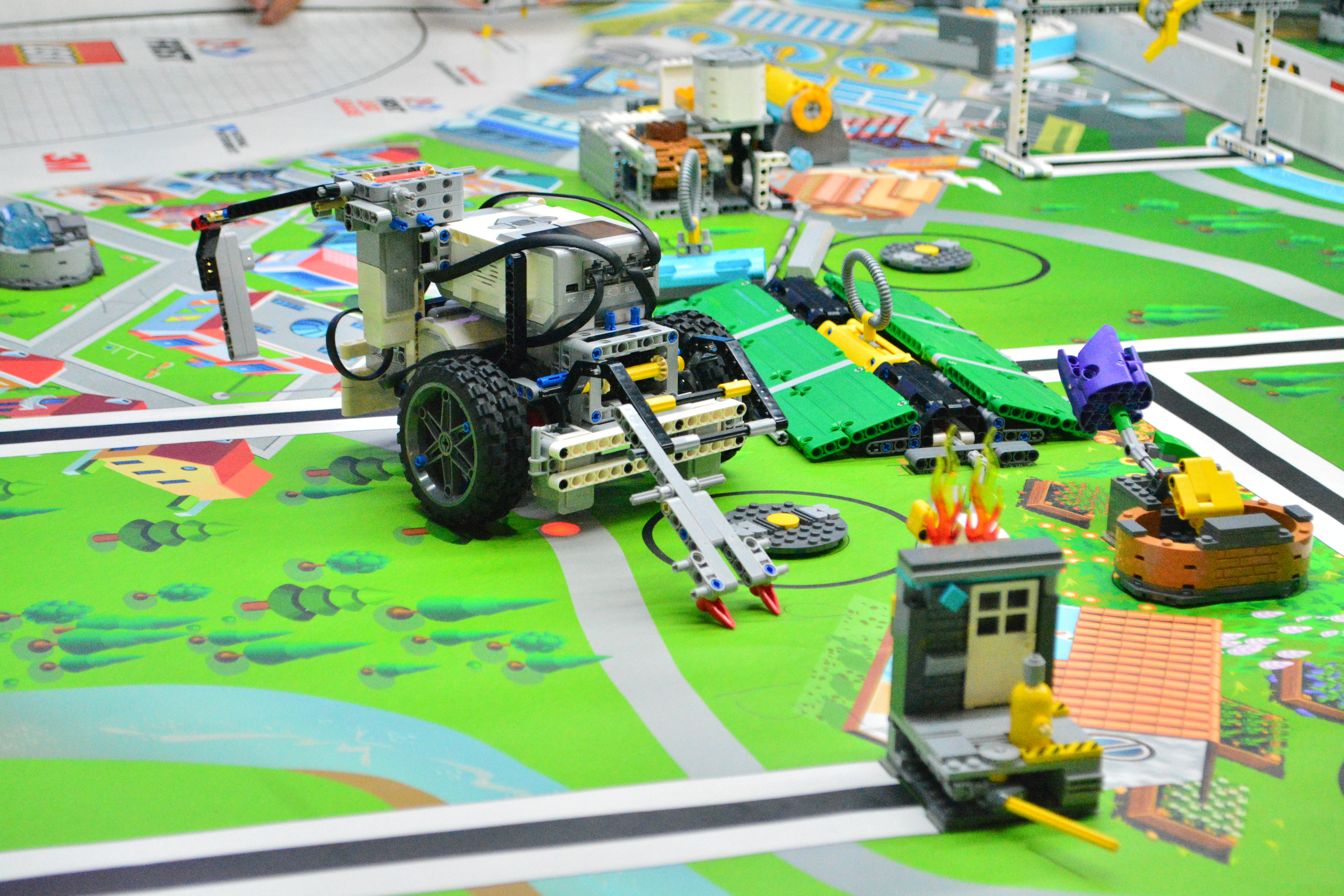
In the Robotics component, the FLL team is supposed to build an Ev3 robot that has to complete a set of given challenges that are construction themed. Once each challenge is completed, a certain amount of points will be given to the team depending on the challenge. The building and programming can be done before-hand, and the robot only has to complete the challenges correctly on the day of the competition.  Teams are also required to go in front of judges and present their robot, their game strategy, and how they built the attachments and programmed the robot. The judges evaluate the teams on how efficiently they built and coded the robot and also how they complete their challenges.  

PROJECT

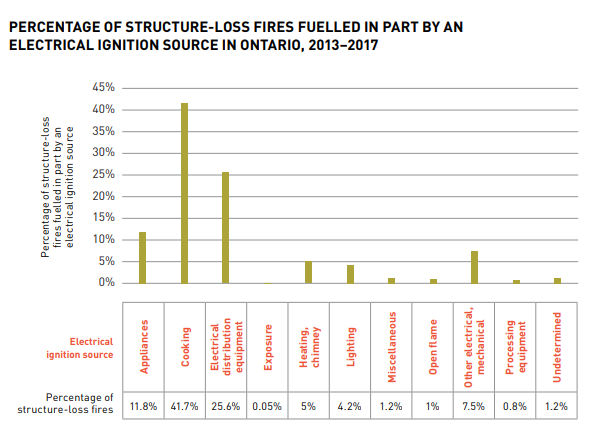
The Project component of FLL required much more time and work as well as a lot of perseverance and teamwork. The FLL team is supposed to research a problem related to the given topic, find a feasible solution for it, and then present it to the judges on the day of the competition. After looking at a lot of imminent problems relating to the theme, our team chose to research fires due to household appliances, especially stoves. We chose this problem because we found that there was not a good solution and that this problem was actually pretty big, especially in the older houses. After doing research on the problem, we came up with a solution. We called our solution Project F.L.A.M.E (Fire is Lame And Must be Extinguished). It will be attached over the stove and it utilizes thermal imaging, motion sensors, a smart plug, and also an IoT (Internet of Things) system. This system will monitor the motion in the house near the stove using the motion sensor. The thermal imaging will constantly be monitoring the temperature of the stove and if it exceeds a certain amount, the motion sensor will check to see if there is any motion nearby. If there is, the IoT will send a notification to the owner’s phone telling them to immediately turn off the phone. If there was not any motion, the IoT will make the smart plug cut the power to the stove and send a notification to the owner’s phone. After we found a good solution, we decided to build a prototype.  

To present our project, we decided to do a skit where a father and son come back to see their house burned down as they had left their stove on. A firefighter recommends them to a group of scientists that are building the F.L.A.M.E. Then everyone goes back in time to see what would have happened if the F.L.A.M.E was monitoring the stove and it overheated. The F.L.A.M.E would have sent a notification to the dad’s phone and the skit ends. A team only has 5 minutes to present their project, so we had to adjust our skit while also making sure we managed to say everything we wanted to say. 

CORE VALUES

The Core Values component of FLL represents the teamwork and sportsmanship shown by teams. Judges will constantly be walking around, monitoring us and checking how we act outside of the judging sessions and robot runs. In addition to that, we have to go in front of judges and do an activity that they give us. They check to see how we communicate with each other and how we make decisions as a team. 

THE REGIONALS

The regional competition for the Peel Region happened at Rick Hansen Secondary School. This is the first level of competition before provincials and nationals. It started early in the day at 7:30 am and ended around 6:00 – 6:30 pm. Once our team got in a set up or table, or pit, with all our things, we went to the opening ceremony that introduced the judges and executives. After this, we had to go to our first judging session, which was Project.

PROJECT JUDGING SESSION

We went into the judging room, introduced ourselves and began our skit. Overall our skit went very smoothly and we said everything we wanted to say. We then presented our prototype and showed how it worked and began to answer their questions. We answered the questions clearly as the judges were evaluating us on that as well. In fact, answering the judges’ questions is probably the hardest part of the judging sessions. 

ROBOTICS & CORE VALUES JUDGING SESSION

After the Project judging, we went to our Robotics judging session. Here we present our robot, which we had named Sparky, and its components. We also talked about our attachments, how they worked, and our code. Similar to the Project session, we answered the judges’ questions. Our final judging session was Core Values. In this session, the judges gave us an activity and a time limit to finish it. The activity was to choose a part of a body and describe how the role you play in the team is similar to how the role that the part of the body you chose plays in the body. Then, we answered the judges’ questions.

After our first set of judging sessions, we waited for them to post the call-backs. Call-backs are for teams that did really well in each of their judging sessions, and it provides them an opportunity to present to a new set of judges for further evaluation and consideration for awards. We ended up getting call-backs for all three components and had to present again. After the judging sessions and lunch, the robot runs began. We had had a few practice runs before but these runs were the ones that would count and decided what place we would place among the teams. Each team gets 3 runs and the best score is the one that is considered. Our best run ended up being our second one where we scored 405 points. We were first place for a long time until another team scored 415 points and ended up finishing first place while we finished second.

Championship

After all the runs were done, they started the awards ceremony. Though we finished second in the robot runs, we ended up coming first place overall and won the Champion’s Award. Three teams advanced to the provincials, which was to be held in the University of Waterloo, we were happy to be one of them.